
Building a project car is one of the most rewarding experiences for automotive enthusiasts. It offers the chance to learn mechanical skills, personalize a vehicle, and create something that reflects individual taste without spending a fortune.
For first-time modifiers, however, choosing the right platform is just as important as selecting the right upgrades. A beginner-friendly project car should be affordable to buy, easy to maintain, supported by a large aftermarket, and backed by an enthusiastic community willing to share repair guides and modification advice.
The best starter project cars strike a balance between reliability and performance potential. They allow owners to begin with simple upgrades such as suspension components, wheels, brakes, exhaust systems, and cosmetic improvements before progressing to more advanced engine modifications.
Replacement parts are widely available, and many repairs can be completed with basic tools in a home garage. This makes the learning process less intimidating while helping owners build confidence with every completed project.
Another important factor is versatility. Some cars are ideal for canyon roads, others excel on racetracks, and a few can comfortably serve as daily drivers throughout the modification journey.
Regardless of their intended purpose, these vehicles have earned their reputations because they are forgiving, enjoyable to work on, and capable of delivering impressive results without requiring an unlimited budget. The following project cars are among the best choices for enthusiasts beginning their first modification adventure.
Also Read: 10 Tools To Fix Scratches On Cars
1. Mazda MX-5 Miata (ND)
The Mazda MX-5 Miata has earned legendary status among automotive enthusiasts because it demonstrates that driving enjoyment is not determined solely by horsepower.
Lightweight construction, near-perfect weight distribution, rear-wheel drive, and a responsive manual transmission make the ND-generation Miata an outstanding foundation for first-time modifiers. It is approachable for beginners while remaining rewarding enough to satisfy experienced enthusiasts for years.
One of the Miata’s greatest advantages is the enormous aftermarket support developed over several decades.
Owners can begin with simple upgrades such as performance tires, lightweight wheels, upgraded brake pads, and adjustable suspension components before moving toward intake systems, exhaust upgrades, ECU tuning, or even turbocharger and supercharger kits.
Every stage of modification is supported by detailed installation guides, active enthusiast forums, and countless instructional videos, making the learning process much less intimidating.
The car’s naturally aspirated 2.0-liter engine is dependable and inexpensive to maintain compared with many turbocharged performance cars.
Routine servicing is straightforward, while the compact engine bay allows relatively easy access to major components. Replacement parts remain affordable, helping beginners avoid overwhelming repair costs if mistakes occur during early projects.
Perhaps the Miata’s biggest strength is that every modification produces a noticeable improvement because the car starts with such a balanced chassis.
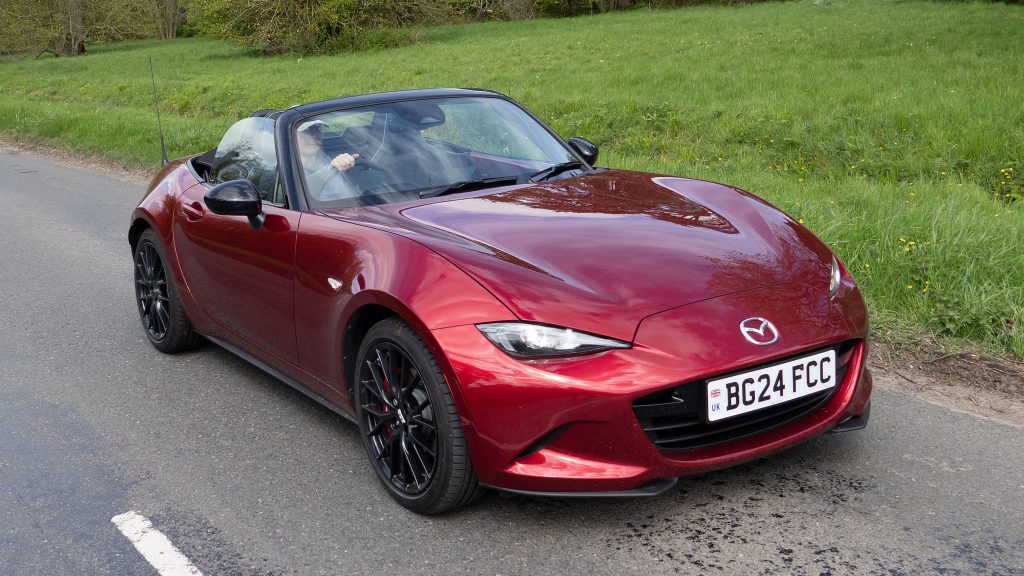
Suspension upgrades sharpen handling, lightweight wheels improve responsiveness, and minor engine enhancements add meaningful performance without sacrificing reliability.
This rewarding feedback encourages owners to continue learning while developing practical mechanical skills. For anyone entering the world of automotive modification, the Miata remains one of the finest project cars ever built.
Specifications
- Engine: 2.0-liter Naturally Aspirated Inline-4
- Torque: 151 lb-ft
- Horsepower: 181 hp
- Length/Width: 154.1 in / 68.3 in
2. Honda Civic Si (10th Generation)
The Honda Civic Si has long been considered one of the smartest entry points into the modification scene, and the tenth-generation model continues that tradition.
Combining everyday practicality with a turbocharged engine and a responsive six-speed manual transmission, it offers beginners an excellent balance of reliability, affordability, and tuning potential.
The Civic Si combines everyday comfort with strong performance, making it an excellent platform for learning the fundamentals of automotive modification while remaining practical for daily commuting.
Its 1.5-liter turbocharged engine responds well to carefully chosen upgrades. Many owners begin with an intake, intercooler, performance exhaust, and ECU calibration before progressing to suspension improvements and brake enhancements.
These modifications can noticeably improve acceleration and handling without dramatically affecting everyday usability. Since the Civic Si enjoys widespread popularity, quality aftermarket components are available across a broad range of budgets.
Working on the Civic Si is generally straightforward thanks to Honda’s logical engineering and excellent parts availability.
Maintenance procedures are well documented, and replacement components can be found through dealerships, aftermarket suppliers, and salvage yards. Large online communities also provide detailed tutorials covering everything from basic servicing to advanced performance builds.
Another advantage is the car’s forgiving nature. Even after moderate modifications, it remains easy to drive, predictable in changing conditions, and economical to maintain.
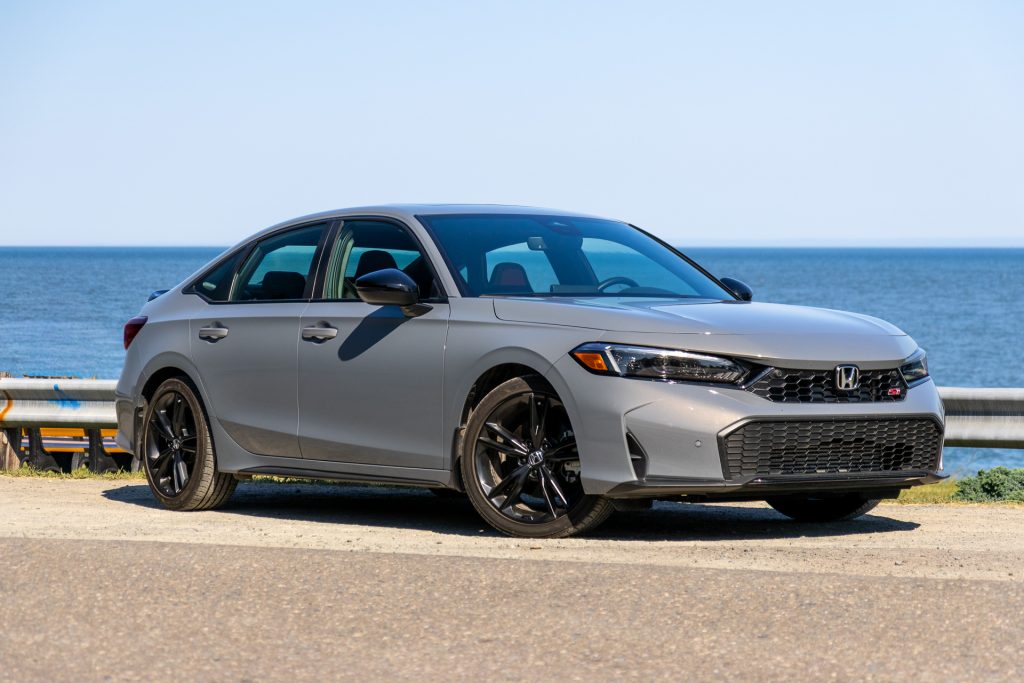
Beginners can gradually develop their skills without immediately facing the complexity associated with heavily modified sports cars.
The Civic Si successfully combines reliability, practicality, and tuning flexibility, making it one of the most approachable and rewarding project cars available for enthusiasts taking their first steps into automotive customization.
Specifications
- Engine: 1.5-liter Turbocharged Inline-4
- Torque: 192 lb-ft
- Horsepower: 205 hp
- Length/Width: 182.8 in / 70.8 in
3. Subaru BRZ
The Subaru BRZ was engineered with driving enthusiasts in mind, making it one of the most approachable rear-wheel-drive sports cars for first-time modifiers. Its low center of gravity, balanced chassis, and predictable handling create an excellent platform for learning how individual modifications affect vehicle performance.
Rather than relying on overwhelming power, the BRZ rewards precision, encouraging owners to improve both the car and their driving skills.
A major reason the BRZ remains so popular is its extensive aftermarket support. Suspension upgrades are often the first modification because the factory chassis responds exceptionally well to coilovers, sway bars, and upgraded bushings.
Lightweight wheels paired with high-performance tires transform the car’s cornering ability, while larger brake kits improve confidence during spirited driving or track days.
Owners interested in additional power can later choose from numerous supercharger and turbocharger packages developed specifically for the BRZ platform.
The naturally aspirated 2.4-liter boxer engine is relatively easy to maintain, and routine servicing is well documented by both Subaru and the enthusiast community.
Thousands of build guides, installation videos, and forum discussions help beginners understand modification choices before spending money. This strong knowledge base reduces costly mistakes and makes every project more enjoyable.
Another advantage is the BRZ’s forgiving personality. It communicates clearly through the steering and chassis, allowing drivers to appreciate the effect of each upgrade.

Every modification feels meaningful because the car already possesses excellent balance from the factory. For newcomers seeking a sports car that encourages learning while delivering genuine driving enjoyment, the Subaru BRZ remains one of the finest project platforms available today.
Specifications
- Engine: 2.4-liter Naturally Aspirated Boxer-4
- Torque: 184 lb-ft
- Horsepower: 228 hp
- Length/Width: 167.9 in / 69.9 in
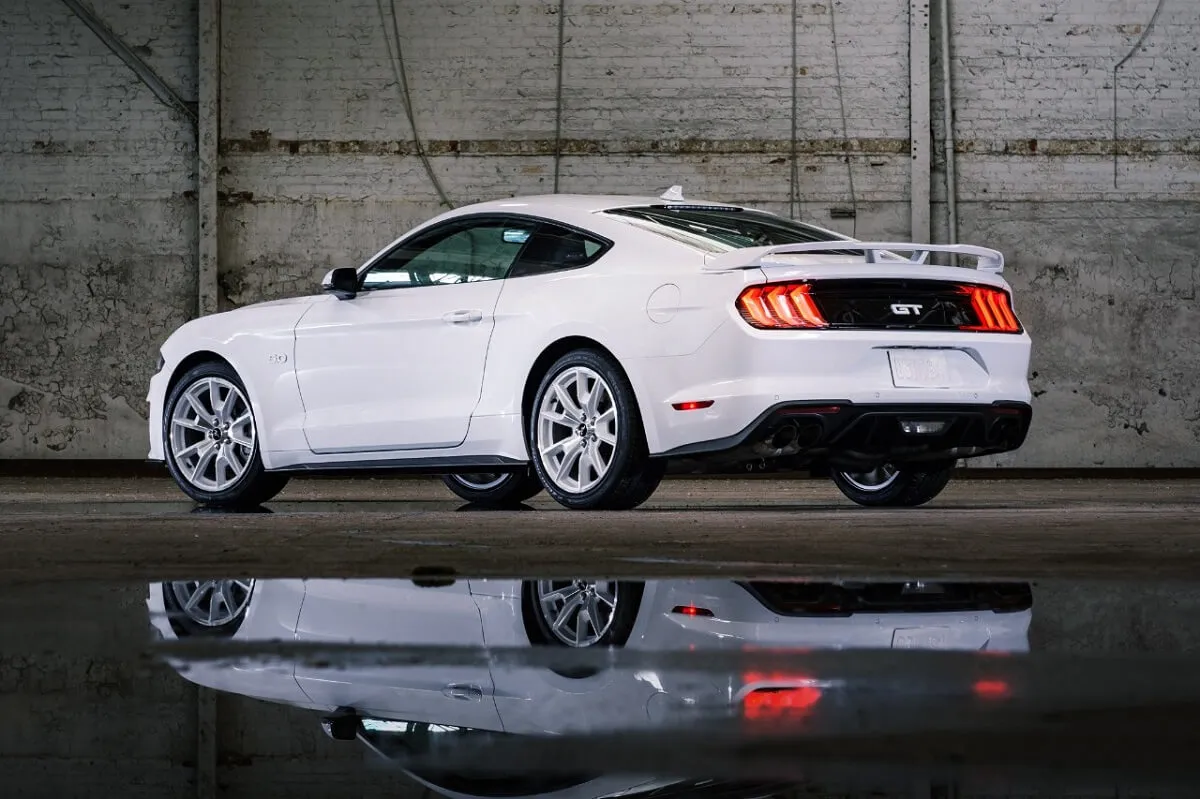
4. Ford Mustang GT (S550)
For enthusiasts who dream of V8 power, the Ford Mustang GT offers one of the best starting points in the performance car world.
The S550 generation combines modern engineering with traditional American muscle, creating a platform capable of supporting everything from mild street builds to serious track machines.
First-time modifiers benefit from an enormous aftermarket that covers nearly every component imaginable, allowing upgrades to be completed gradually according to budget and experience.
The naturally aspirated 5.0-liter Coyote V8 has earned an outstanding reputation for durability and tuning potential.
Many owners begin with a cat-back exhaust, cold air intake, performance tires, and upgraded suspension before progressing to ECU tuning or forced induction. Even modest upgrades noticeably improve acceleration, handling, and exhaust sound without sacrificing everyday drivability.
Working on the Mustang is relatively straightforward because of its spacious engine bay and widespread parts availability. Performance components are produced by dozens of established manufacturers, giving owners an exceptional range of choices across different price points.
Online communities also provide detailed installation guides, dyno results, and long-term ownership advice that help beginners avoid common modification mistakes.
The Mustang introduces newcomers to the world of high-horsepower rear-wheel-drive performance, where understanding how the suspension, tires, and braking systems work together becomes an important part of the ownership experience.

The combination of reliability, massive aftermarket support, strong resale value, and limitless modification potential makes the Mustang GT one of the most rewarding project cars for enthusiasts beginning their automotive customization journey.
Specifications
- Engine: 5.0-liter Naturally Aspirated V8
- Torque: 418 lb-ft
- Horsepower: 480 hp
- Length/Width: 188.5 in / 75.4 in
5. Volkswagen Golf GTI (Mk7)
The Volkswagen Golf GTI has earned its reputation as one of the most complete hot hatchbacks ever built, and the Mk7 generation is an outstanding project car for first-time modifiers. It combines everyday practicality with impressive tuning potential, allowing owners to improve performance without sacrificing comfort or reliability.
Because the GTI was designed with a turbocharged engine from the factory, it responds exceptionally well to relatively simple upgrades, making it an ideal platform for enthusiasts who want noticeable gains without major mechanical work.
One of the first things new owners discover is how dramatically the GTI changes with a few carefully selected modifications. A quality ECU tune alone can unlock a significant increase in horsepower and torque while maintaining factory-like drivability.
Pairing that software with an upgraded intake, intercooler, performance downpipe, and cat-back exhaust creates a much livelier driving experience.
Suspension improvements, stronger brake pads, and lightweight wheels further sharpen handling, transforming the GTI into an even more capable all-around performer.
The worldwide popularity of the Golf GTI has produced an enormous aftermarket industry. Owners have access to thousands of proven parts, detailed installation tutorials, and experienced online communities that share tuning advice and troubleshooting tips.
Replacement components are also readily available, helping beginners keep maintenance costs under control throughout the project.
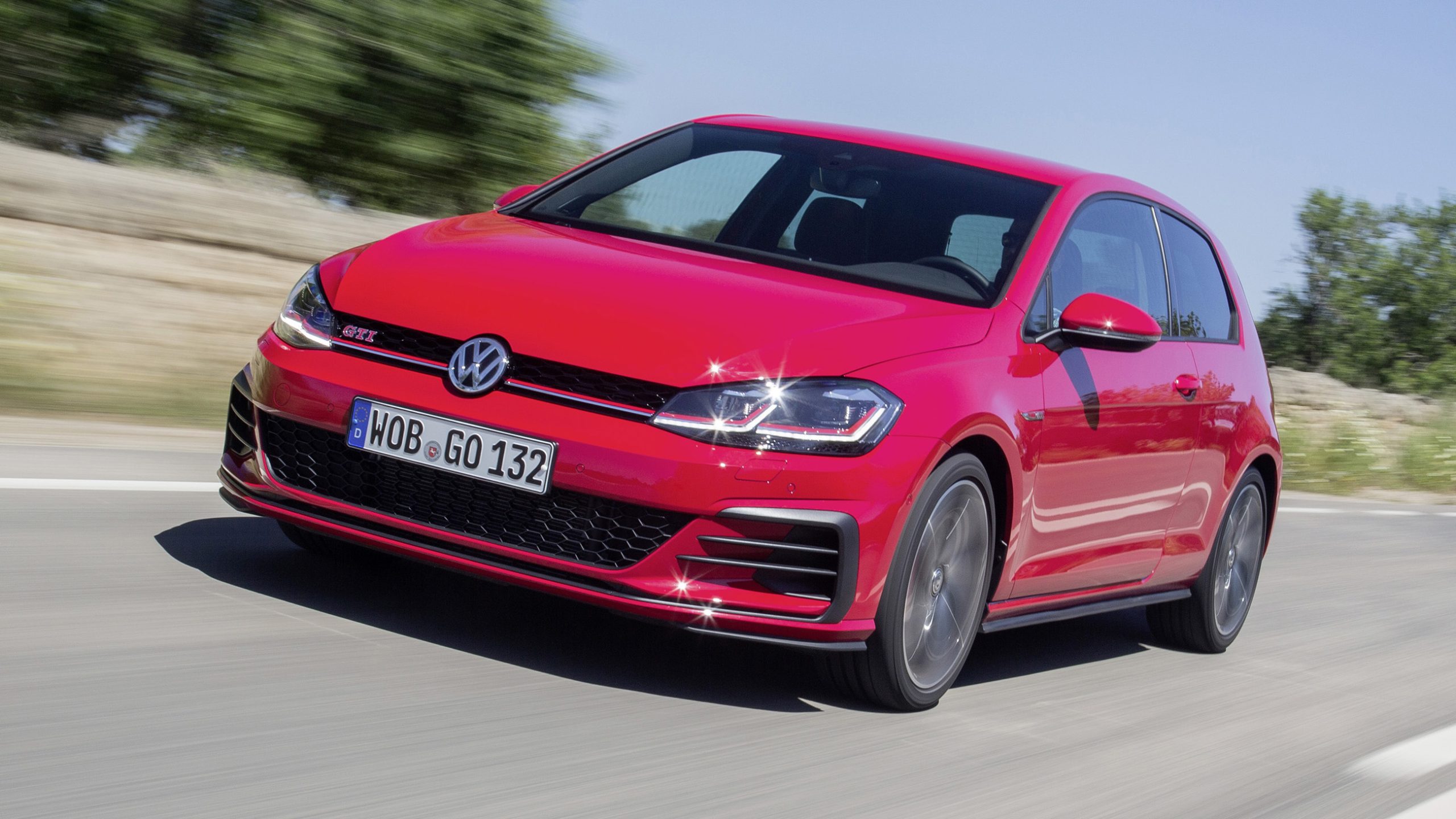
Perhaps the GTI’s greatest advantage is its versatility. It remains comfortable enough for commuting during the week while delivering genuine excitement on back roads or track days.
This unique blend of practicality, strong aftermarket support, dependable engineering, and impressive performance potential makes the Mk7 Golf GTI one of the smartest choices for anyone beginning their first modification project.
Specifications
- Engine: 2.0-liter Turbocharged Inline-4
- Torque: 273 lb-ft
- Horsepower: 241 hp
- Length/Width: 168.0 in / 70.8 in
6. Nissan 350Z
The Nissan 350Z continues to attract enthusiasts because it offers the ingredients of a classic sports car without demanding an exotic car budget.
Rear-wheel drive, a naturally aspirated V6, balanced handling, and a robust drivetrain provide an excellent starting point for first-time modifiers who want to experience traditional sports car dynamics.
Years after production ended, the 350Z remains one of the most popular project platforms thanks to its simplicity and outstanding aftermarket support.
The 350Z gives beginners the opportunity to understand the effects of suspension, braking, chassis, and engine modifications individually, thanks to its straightforward naturally aspirated performance and balanced platform.
Many owners begin with coilovers, upgraded sway bars, wider wheels, and high-performance tires before adding intake systems, exhaust components, and ECU tuning.
Those seeking greater power later have access to well-developed supercharger and turbocharger kits capable of producing substantial performance gains.
Another strength of the 350Z is its durable VQ35 engine. With proper maintenance, it has proven capable of handling spirited driving while remaining dependable for daily use.
The spacious engine bay also provides easier access for maintenance and upgrades than many compact sports cars, making home garage work less intimidating for newcomers.
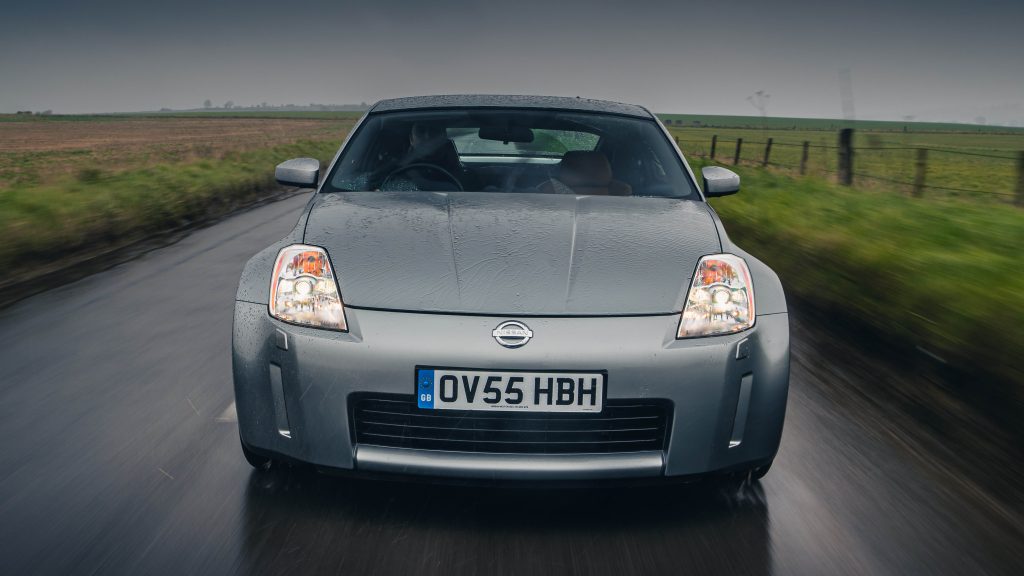
The 350Z enjoys one of the largest enthusiast communities in the sports car world. Detailed repair guides, modification tutorials, and technical discussions are readily available, helping beginners avoid expensive mistakes and make informed upgrade decisions.
Combining affordability, reliability, rear-wheel-drive performance, and nearly limitless customization options, the Nissan 350Z remains one of the best project cars for enthusiasts taking their first serious step into automotive modification.
Specifications
- Engine: 3.5-liter Naturally Aspirated V6
- Torque: 268 lb-ft
- Horsepower: 306 hp
- Length/Width: 169.6 in / 71.5 in
7. BMW E46 330i
The BMW E46 330i occupies a special place among driving enthusiasts because it combines classic rear-wheel-drive dynamics with mechanical simplicity and everyday usability.
While the high-performance M3 often receives the spotlight, the 330i offers an equally rewarding foundation for first-time modifiers at a much more accessible price.
Its balanced chassis, responsive steering, and naturally aspirated inline-six engine allow beginners to appreciate how thoughtful upgrades can dramatically improve a car without chasing extreme horsepower figures.
Many experienced enthusiasts recommend starting with maintenance before adding performance parts, and the E46 rewards that approach. Refreshing suspension bushings, replacing aging cooling system components, and installing quality dampers immediately restore much of the car’s original character.
Once those essentials are complete, owners often move to performance springs, upgraded anti-roll bars, lightweight wheels, high-performance tires, and larger brake packages. Each modification noticeably sharpens handling while preserving the car’s refined personality.
The M54 inline-six engine is smooth, dependable, and relatively straightforward to maintain with the right preventative care. Its naturally aspirated design also simplifies troubleshooting compared with more complex turbocharged engines.
Extensive aftermarket support allows owners to add intake systems, exhaust upgrades, ECU tuning, and limited-slip differentials as their skills develop.
Perhaps the E46’s greatest lesson for first-time modifiers is that balance often matters more than outright power. Improving suspension, braking, and chassis rigidity transforms the driving experience far more than many beginners expect.

Combined with an active enthusiast community and abundant technical resources, the BMW E46 330i remains one of the most educational and rewarding project cars available for aspiring modifiers.
Specifications
- Engine: 3.0-liter Naturally Aspirated Inline-6
- Torque: 221 lb-ft
- Horsepower: 225 hp
- Length/Width: 176.0 in / 68.5 in
8. Toyota GR86
The Toyota GR86 continues the philosophy that made its predecessor a favorite among enthusiasts. Rather than relying on overwhelming engine output, it focuses on lightweight construction, excellent balance, and direct driver engagement.
Those qualities make it an exceptional project car for beginners because every carefully chosen upgrade produces a noticeable improvement without requiring extensive mechanical experience or a large financial investment.
From the factory, the GR86 already delivers an entertaining driving experience, but its chassis leaves plenty of room for personalization. Many owners begin with stickier performance tires, lightweight alloy wheels, upgraded brake pads, and adjustable suspension components.
These relatively simple modifications improve grip, steering response, and cornering confidence while preserving the car’s everyday comfort. Later, enthusiasts can consider intake upgrades, performance exhaust systems, ECU calibration, or forced induction kits developed specifically for the FA24 boxer engine.
Toyota and Subaru benefit from one of the strongest enthusiast communities in the automotive world. Owners have access to thousands of installation guides, tuning recommendations, and product comparisons covering nearly every imaginable modification.
This wealth of information helps newcomers choose proven components instead of wasting money on ineffective upgrades.
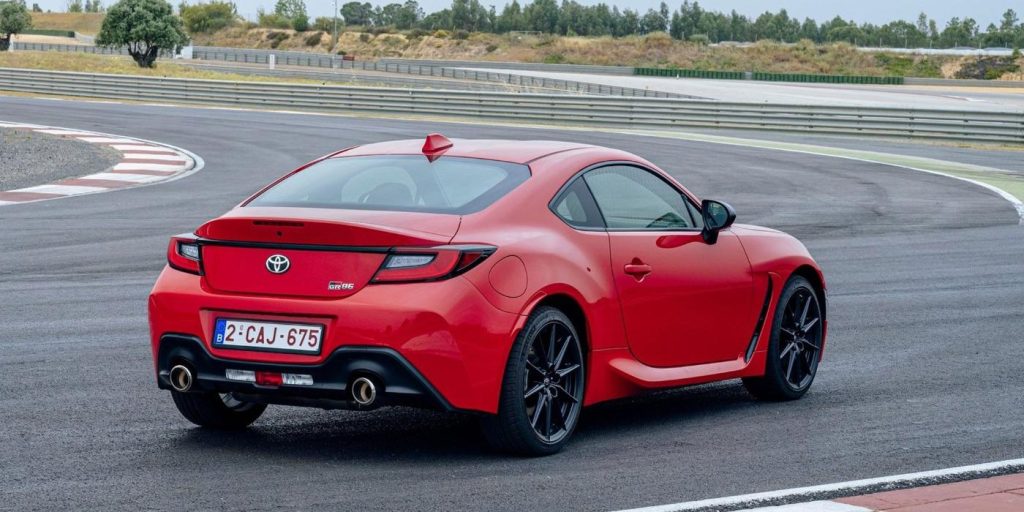
Another advantage is the GR86’s forgiving handling characteristics. It communicates clearly through the steering wheel and chassis, allowing drivers to understand exactly how suspension geometry, tire selection, and alignment settings influence vehicle behavior.
Few modern sports cars teach these lessons so effectively. With affordable operating costs, excellent aftermarket support, and outstanding chassis dynamics, the Toyota GR86 remains one of the finest platforms available for anyone beginning their automotive modification journey.
Specifications
- Engine: 2.4-liter Naturally Aspirated Boxer-4
- Torque: 184 lb-ft
- Horsepower: 228 hp
- Length/Width: 167.9 in / 69.9 in
9. Ford Fiesta ST
Not every great project car needs a large engine or rear-wheel drive. The Ford Fiesta ST proves that a lightweight front-wheel-drive hatchback can deliver enormous driving enjoyment while remaining affordable to buy, maintain, and modify.
For first-time enthusiasts, it offers a welcoming balance of simplicity, reliability, and impressive performance potential. Its compact size also makes it less intimidating to work on in a home garage, allowing beginners to gain confidence with routine maintenance and performance upgrades.
The turbocharged 1.6-liter EcoBoost engine responds exceptionally well to carefully selected modifications. An ECU tune, upgraded intercooler, high-flow intake, and performance exhaust can noticeably improve acceleration without requiring major internal engine work.
Because the Fiesta ST weighs significantly less than many modern performance cars, even moderate power increases create a dramatic difference behind the wheel. Suspension upgrades such as lowering springs, performance dampers, and upgraded rear anti-roll bars further enhance the car’s already playful handling characteristics.
One reason the Fiesta ST remains popular years after production ended is its enthusiastic owner community.
Detailed installation guides, troubleshooting advice, and proven modification packages are widely available, allowing beginners to learn from experienced owners before purchasing parts. Replacement components are also reasonably priced, helping keep project costs under control.
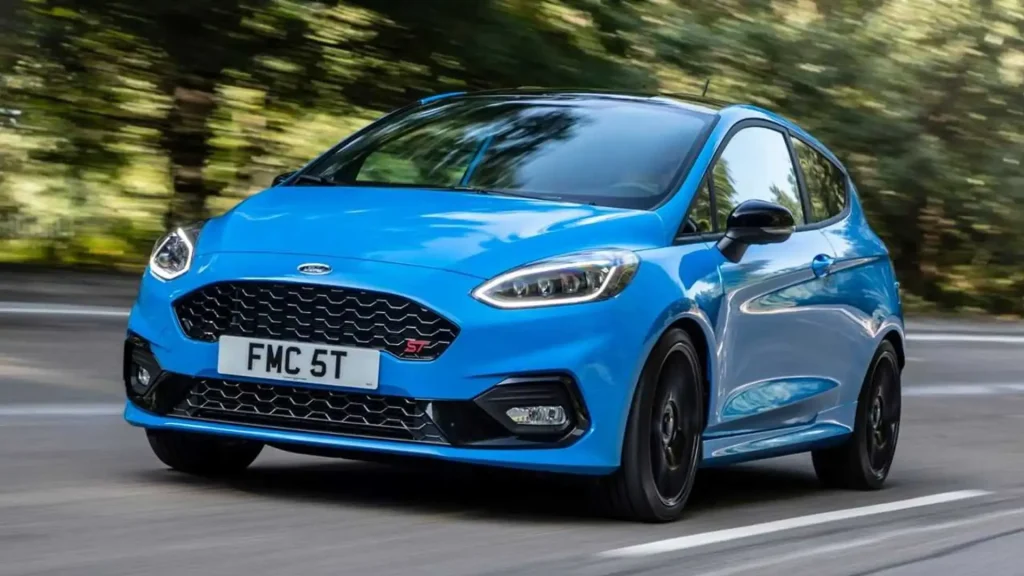
Perhaps the Fiesta ST’s biggest strength is that it teaches drivers how chassis balance, braking, and momentum contribute to speed rather than relying solely on horsepower.
Every modification feels purposeful because the car already possesses an engaging personality from the factory. Affordable ownership, dependable engineering, and strong aftermarket support make the Fiesta ST one of the best entry-level project cars available.
Specifications
- Engine: 1.6-liter Turbocharged Inline-4
- Torque: 202 lb-ft
- Horsepower: 197 hp
- Length/Width: 159.7 in / 67.8 in
10. Lexus IS 300 (First Generation)
The first-generation Lexus IS 300 offers something different from many traditional project cars. Instead of beginning with a stripped-down sports coupe, owners start with a well-built luxury sport sedan that combines Toyota reliability with rear-wheel-drive handling.
That combination has made the IS 300 increasingly popular among first-time modifiers seeking a dependable platform capable of supporting both tasteful street builds and more ambitious performance projects.
Its legendary 2JZ-GE inline-six engine is one of the car’s greatest attractions. Although naturally aspirated from the factory, the engine shares much of its architecture with the famous turbocharged 2JZ-GTE, giving enthusiasts confidence in its durability.
Beginners often start with suspension improvements, upgraded brakes, lightweight wheels, and a performance exhaust before considering intake modifications or engine tuning. As experience grows, the aftermarket offers everything from manual transmission conversions to turbocharger kits for significantly higher performance.
The IS 300 also benefits from exceptional parts availability. Toyota’s reputation for reliability means maintenance components are easy to source, while the large enthusiast community provides countless tutorials covering repairs, upgrades, and restoration projects.
This strong support network helps first-time modifiers avoid common mistakes while developing practical mechanical skills.
The IS 300 remains refined enough for daily driving throughout the modification process. Comfortable seating, solid build quality, and predictable handling make it enjoyable whether commuting or attending weekend enthusiast events.
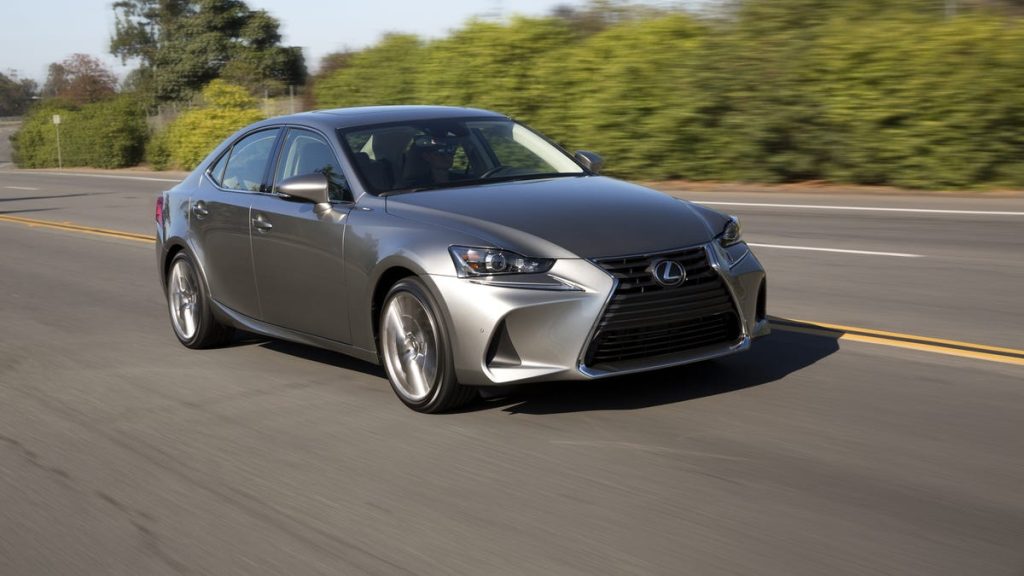
Combining dependable engineering, excellent aftermarket support, rear-wheel-drive dynamics, and one of the automotive world’s most respected engine families, the Lexus IS 300 concludes this list as an outstanding project car for beginners.
Specifications
- Engine: 3.0-liter Naturally Aspirated Inline-6
- Torque: 218 lb-ft
- Horsepower: 215 hp
- Length/Width: 173.6 in / 67.9 in
Also Read: 10 Hidden Features In The Honda Pilot
