
The automotive industry has changed dramatically over the past decade. Cars are no longer just mechanical machines with engines, transmissions, and suspension systems.
Modern vehicles are increasingly connected to the internet, packed with software, and capable of receiving updates long after leaving the factory. While these advancements have introduced impressive convenience and functionality, they have also created an entirely new business model for automakers.
Instead of selling every feature outright, many manufacturers now ask owners to pay recurring monthly or annual fees to unlock capabilities that may already be installed in the vehicle.
This subscription-based approach has become one of the most controversial trends in the automotive world. Many drivers argue that paying repeatedly for hardware already built into their cars is unfair, especially after spending tens of thousands of dollars on the vehicle itself.
Automakers, however, defend the model by claiming subscriptions allow customers to activate only the features they need while helping fund ongoing software development and connected services.
Some subscriptions provide genuine value by relying on cloud connectivity or continuously updated data. Others simply unlock physical hardware that has been present since the vehicle was assembled.
As more manufacturers embrace software-defined vehicles, the list of subscription-based features continues to grow. Here are eight of the most notable car features that many automakers now place behind recurring monthly payments.
Also Read: 10 Cars With The Best City MPG
1. BMW Heated Seats
BMW sparked worldwide debate when it introduced subscription-based heated seats in several markets. Instead of paying once during the initial purchase, owners could activate or deactivate the feature through BMW’s digital marketplace by choosing monthly, yearly, or lifetime payment plans.
The hardware, including the heating elements beneath the seats, was already installed during production, making the policy especially controversial among customers.
Supporters of the idea argued that buyers who lived in warmer climates could avoid paying for heated seats they rarely used. Someone relocating to a colder region could simply activate the function later without replacing any components.
From BMW’s perspective, this flexibility gave customers greater freedom while allowing the company to generate ongoing software revenue throughout the vehicle’s lifespan.
Many consumers viewed the situation differently. They believed purchasing a premium vehicle should include unrestricted access to hardware that already existed inside the cabin.
Critics questioned why drivers should continue paying for electricity controlled by software when the physical equipment had already been manufactured and installed.
Following significant public criticism, BMW gradually stepped back from the subscription strategy for heated seats in several markets.

Nevertheless, the episode became one of the clearest examples of how software-controlled vehicles can fundamentally change vehicle ownership. It also highlighted the growing tension between consumer expectations and manufacturers searching for recurring income beyond traditional vehicle sales.
2. Mercedes-Benz Rear Wheel Steering
Luxury manufacturers increasingly rely on software to unlock advanced chassis technology, and Mercedes-Benz offers one of the best examples through rear-wheel steering.
Certain models leave the factory with hardware capable of larger steering angles, yet customers in some markets must purchase a subscription to activate the maximum turning capability. Without the upgrade, the system operates with reduced functionality despite the mechanical components already being installed.
Rear wheel steering significantly improves maneuverability. At lower speeds, the rear wheels turn opposite the front wheels, reducing the turning circle and making parking easier.
During highway driving, the wheels turn in the same direction as the fronts, improving stability during lane changes. Unlocking the full steering angle noticeably enhances these benefits, especially in larger luxury sedans and SUVs.
Mercedes-Benz presents the subscription as a digital upgrade that owners can purchase whenever they decide they need additional capability.
Drivers who spend most of their time on open highways may never feel the need to activate it, while urban owners can subscribe for greater convenience in crowded cities. The flexibility forms part of the company’s broader strategy of offering customizable software features.
Despite these arguments, many buyers remain uncomfortable paying repeatedly for functionality supported by hardware already fitted during production.

As vehicles become increasingly software-driven, premium manufacturers continue testing whether consumers will accept recurring payments for features that once came permanently included with the original purchase.
3. General Motors Super Cruise
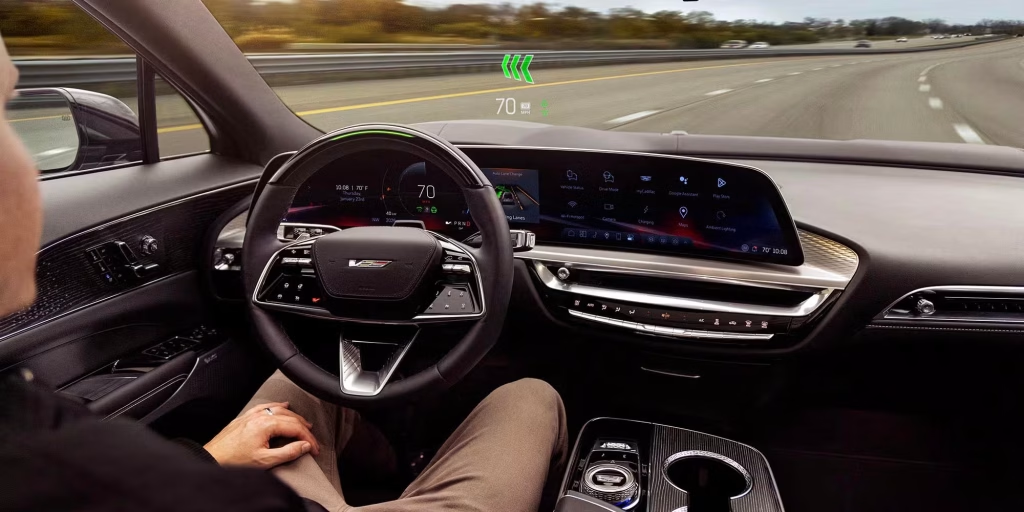
Unlike traditional driver assistance systems that remain fixed after purchase, General Motors has adopted a subscription model for its advanced hands-free driving technology known as Super Cruise.
The system combines high-definition mapping, cameras, radar sensors, GPS positioning, and driver monitoring to allow hands-free driving on thousands of miles of compatible highways. After the complimentary trial ends on many models, owners must pay a recurring subscription fee to continue using the service.
The reasoning behind the fee differs from that of subscriptions that simply unlock existing hardware. Super Cruise depends on continuously updated mapping data, cloud services, and software improvements to maintain safe operation.
GM regularly expands the number of compatible highways while refining system performance through updates. Maintaining that infrastructure requires ongoing investment, which the company says justifies a recurring payment instead of a one-time purchase.
Owners who frequently travel long highway distances often praise Super Cruise for reducing fatigue during extended drives. The system can maintain lane position, adjust speed with traffic, and perform automatic lane changes on supported roads.
These capabilities provide a noticeably more relaxed driving experience without eliminating the driver’s responsibility to remain attentive.
Even with these advantages, the subscription has generated mixed reactions. Some drivers accept paying because the service relies on constantly updated digital resources, while others believe advanced driver assistance should remain permanently available after purchasing an expensive vehicle.
The discussion illustrates the growing divide between software-based automotive services and traditional ownership expectations as manufacturers continue expanding connected vehicle technology.
4. Tesla Premium Connectivity
Tesla approaches subscriptions differently from many traditional automakers by focusing on internet-based services rather than hardware activation.
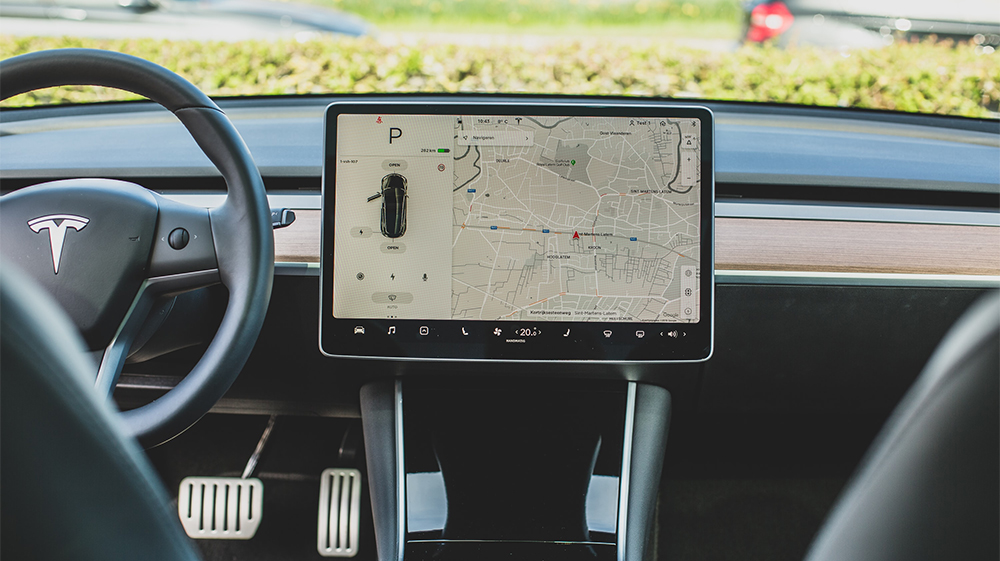
Every Tesla includes standard connectivity for essential vehicle functions, but owners who want the complete digital experience must subscribe to Premium Connectivity. This package unlocks features that rely on continuous mobile data access instead of local vehicle software.
Subscribers gain access to live traffic visualization, satellite view navigation, video streaming services, music streaming, internet browsing, and live camera viewing through the Tesla mobile application.
These features significantly enhance convenience during everyday ownership, particularly for drivers who frequently travel or spend time charging their vehicles. Since the services depend on cellular networks and cloud infrastructure, Tesla argues that recurring fees are necessary to support operating costs.
Many owners appreciate the subscription because it resembles paying for a smartphone data plan rather than unlocking physical hardware already installed in the vehicle.
Those who prefer not to subscribe still retain navigation, software updates through WiFi, and essential safety functions. The optional nature of the package has helped reduce criticism compared with hardware-based subscriptions.
Tesla’s strategy demonstrates that not every automotive subscription is viewed negatively. When the payment directly supports ongoing online services requiring continuous external resources, many consumers find the arrangement easier to accept.
It represents a business model likely to become increasingly common as connected vehicles continue evolving into software-driven transportation platforms.
5. Toyota Remote Connect
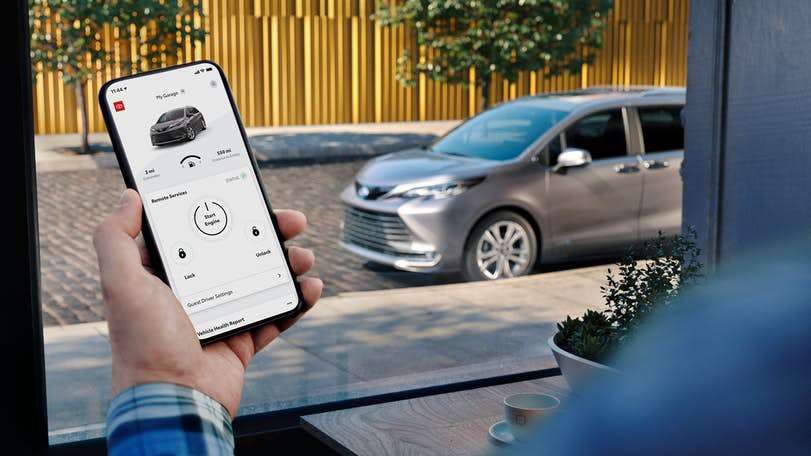
Toyota has embraced connected vehicle technology through its Remote Connect platform, allowing owners to interact with their vehicles using a smartphone application.
Functions such as remote engine start, remote door locking and unlocking, vehicle location, climate control activation, and status monitoring are available on many newer Toyota models. While these conveniences are appreciated by owners, continued access often requires a paid subscription after the complimentary trial period expires.
Unlike traditional key fob functions, Remote Connect relies on embedded cellular hardware and cloud-based communication between the vehicle and Toyota’s servers.
Every command sent from the mobile application passes through this digital infrastructure before reaching the car. Maintaining secure data transmission, software updates, and server capacity creates recurring costs that Toyota cites as the reason for offering the service as a subscription.
The feature proves particularly useful during extreme weather. Drivers can start the engine and adjust the cabin temperature before entering the vehicle, while those in large parking areas can locate their car through the mobile application.
Owners also appreciate receiving maintenance reminders and vehicle health information without visiting a dealership. These conveniences have made connected services increasingly popular among buyers who value smartphone integration.
Despite the practical benefits, not every customer welcomes recurring payments for functions they believe should accompany vehicle ownership. The discussion often centers on whether remote features have become essential conveniences or optional digital services.
As connected technology continues advancing, Toyota’s Remote Connect illustrates how manufacturers are shifting from one-time feature purchases to ongoing software-based ownership experiences.
6. Rivian Connect+
Electric vehicle startup Rivian has also entered the subscription market through Connect+, a package that expands the digital capabilities of its adventure-focused trucks and SUVs.
Rather than charging for driving hardware, Rivian focuses on connected entertainment, navigation enhancements, and online services that depend on constant internet access. The subscription reflects the industry’s broader movement toward software-driven ownership rather than purely mechanical vehicles.
Connect+ provides features such as enhanced music streaming, improved navigation services, internet connectivity for selected applications, and additional digital functionality that benefits from cellular communication.
Since these services operate through mobile networks and cloud infrastructure, Rivian treats them similarly to other internet-based subscription platforms. Drivers who spend considerable time traveling or camping often find the connected services especially valuable during long journeys.
One advantage of Rivian’s approach is transparency. Buyers understand they are paying primarily for internet-enabled services instead of unlocking equipment physically installed inside the vehicle.
That distinction has helped reduce some of the criticism directed at hardware-based subscription models seen elsewhere in the automotive industry.
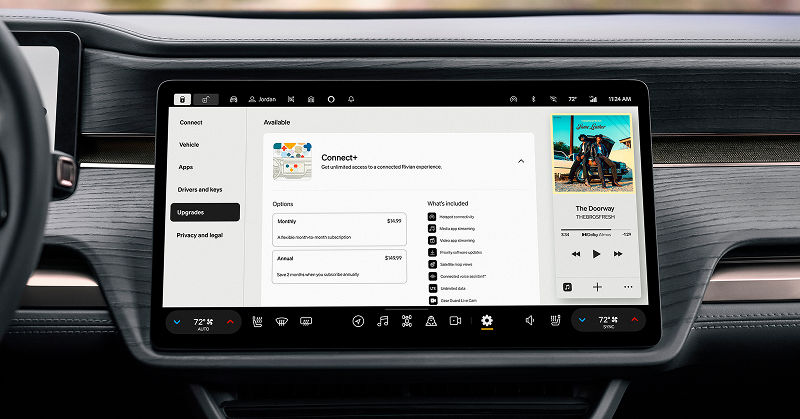
As Rivian continues expanding its software ecosystem, additional digital features may eventually become part of the Connect+ platform. The company views connected services as an evolving product rather than a fixed collection of features delivered on the day of purchase.
This philosophy reflects a growing trend among modern automakers that increasingly see vehicles as platforms capable of generating ongoing software revenue throughout their operational lives.
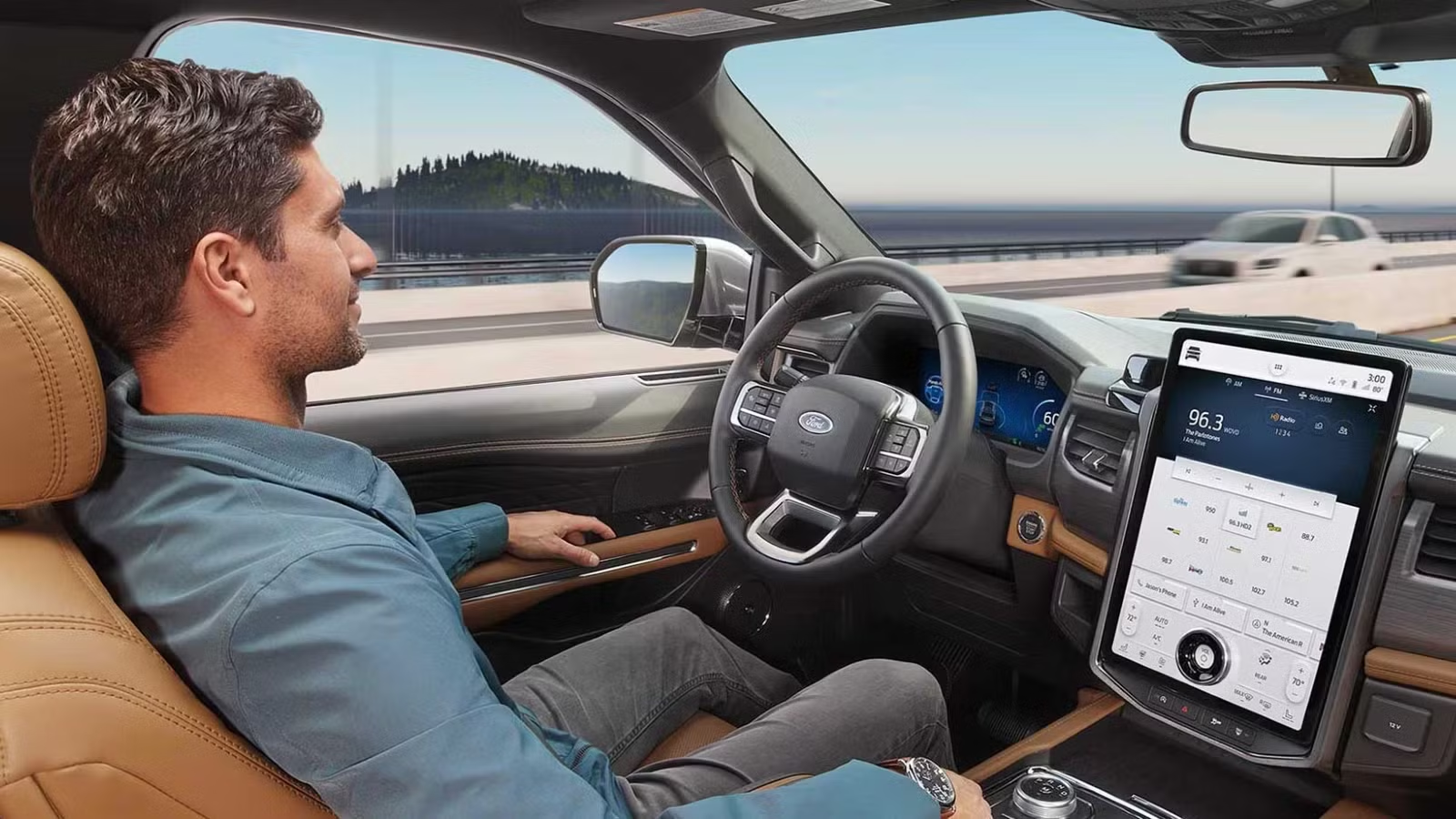
7. Ford BlueCruise
Advanced driver assistance has become one of the biggest selling points in modern vehicles, and Ford has invested heavily in its BlueCruise system to compete with similar technologies from other manufacturers.
Designed to allow hands-free driving on approved highways, BlueCruise combines adaptive cruise control, lane centering, high-definition mapping, cameras, radar sensors, and a driver monitoring system to create a more relaxed driving experience.
While many new Ford models include the necessary hardware from the factory, continued access to BlueCruise typically requires a paid subscription after the complimentary trial period ends, making it one of the most recognizable automotive subscription services available today.
Ford argues that BlueCruise is far more than a simple software switch. The system relies on continuously updated highway maps, cloud-based infrastructure, security improvements, and regular software refinements to ensure safe operation.
Engineers constantly expand the number of compatible roads while improving lane positioning, curve handling, and traffic response through over-the-air updates. These ongoing improvements require significant investment long after the vehicle leaves the showroom, which forms the foundation of Ford’s subscription model.
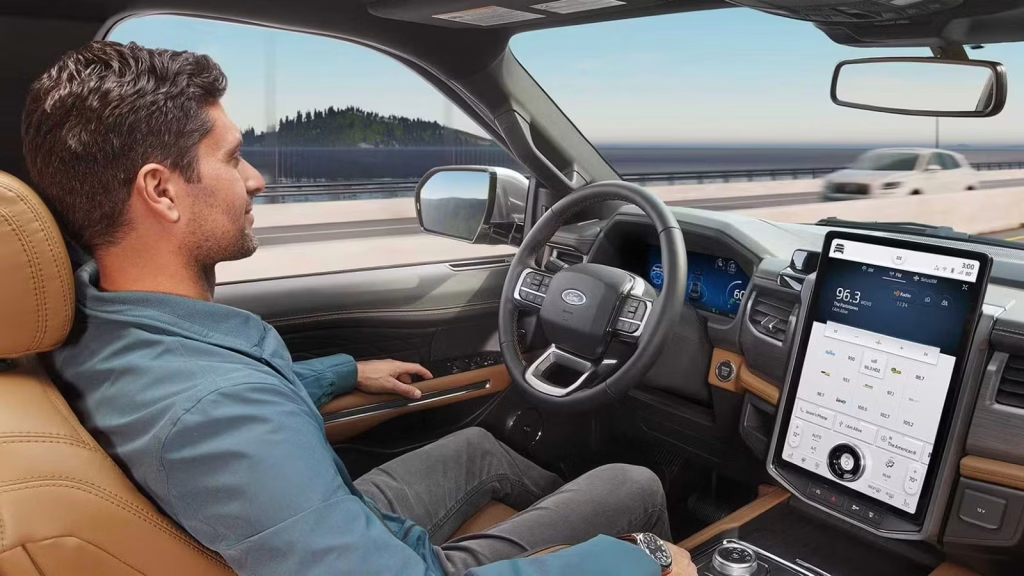
For drivers who frequently travel long interstate routes, BlueCruise can substantially reduce fatigue. The system automatically maintains lane position, adjusts speed to match surrounding traffic, and allows hands-free driving on designated roads while ensuring the driver remains attentive through an infrared camera.
Although the technology does not replace the driver, it provides a noticeable improvement in comfort during extended highway journeys.
Consumer reactions remain divided. Many owners appreciate paying only for the years they actively use the feature, especially if their driving habits change over time. Others believe that purchasing a vehicle equipped with all the required sensors and computers should include permanent access without recurring charges.
This debate reflects the broader shift taking place across the automotive industry, where software has become nearly as valuable as the mechanical engineering beneath the bodywork.
Whether subscriptions like BlueCruise become the long-term standard will depend largely on how willing customers are to accept recurring payments for evolving digital technology.
8. Audi Functions on Demand
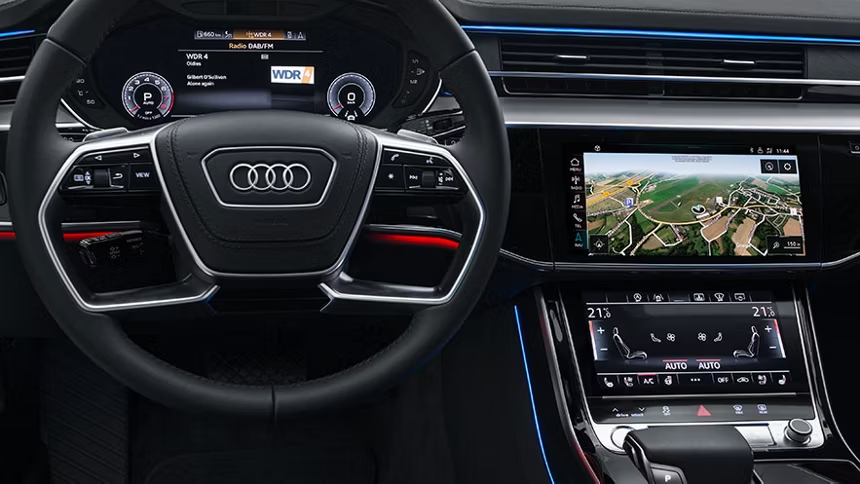
Audi has taken one of the most flexible approaches to automotive subscriptions through its Functions on Demand platform. Rather than asking every customer to purchase expensive option packages when ordering a new vehicle, Audi allows certain features to be activated after purchase through software.
Depending on the market and vehicle, owners may subscribe to technologies such as adaptive cruise assist, advanced lighting functions, navigation upgrades, traffic sign recognition, or other convenience features that are already supported by the vehicle’s hardware.
The concept transforms the car into a platform that can gain new capabilities throughout its ownership period.
From Audi’s perspective, this strategy gives buyers greater freedom. Someone who initially purchases a lower specification model can later activate premium features without replacing hardware or trading for a more expensive vehicle.
Temporary subscriptions also make sense for customers whose needs change. A driver planning a lengthy road trip might activate additional driver assistance features for several months before canceling the service once the journey is complete. This flexibility is one of the primary selling points behind the Functions on Demand program.
Not every owner agrees with this philosophy. Critics argue that if the cameras, sensors, processors, or lighting systems are physically installed during production, access should not depend on recurring payments.
Many consumers remain accustomed to traditional ownership, where optional equipment was purchased once and remained permanently available throughout the vehicle’s life.
Subscription-based activation challenges those long-established expectations and continues to generate lively discussion among enthusiasts and everyday drivers alike.
Even with the criticism, Audi’s strategy demonstrates where much of the automotive industry is heading. As vehicles become increasingly software-defined, manufacturers see digital upgrades as an opportunity to extend revenue beyond the initial sale.
Functions on Demand illustrates how future ownership may involve continuously evolving software services rather than a fixed list of equipment determined on the day the vehicle is delivered.
Also Read: 10 Charging Mistakes That Shorten An EV Battery’s Life
