
Vehicle complaints submitted to the National Highway Traffic Safety Administration provide valuable insight into the problems owners experience during real-world ownership.
These complaints cover everything from engine failures and transmission issues to electrical malfunctions, steering defects, braking concerns, and safety system failures.
While a high complaint total does not automatically mean a vehicle is poorly engineered, it can indicate recurring issues that deserve closer attention, particularly when complaints involve the same components across multiple model years.
It is also important to understand that complaint totals are influenced by production volume. Popular SUVs that sell in large numbers naturally generate more owner reports than niche models.
Even so, repeated complaints involving similar failures can lead to manufacturer investigations, recalls, technical service bulletins, and, in some cases, legal action. Reviewing complaint data alongside recall history gives prospective buyers a more complete picture of long-term ownership.
For this ranking, the SUVs are ordered using current NHTSA complaint records and well-documented complaint trends. The complaint totals shown were current when researched but may increase as additional owner reports are submitted to the database.
Along with the complaint numbers, each SUV includes the issues most frequently reported by owners and the reasons these models continue to appear in complaint statistics year after year.
Also Read: 10 Non-Mazda Cars That Use A Mazda Engine
1. Ford Explorer
The Ford Explorer has accumulated one of the largest complaint totals in the NHTSA database, with more than 11,000 owner complaints across its various model years, placing it among the most complained-about SUVs in America.
The Explorer’s complaint history stretches across multiple generations, showing that different model years experienced different concerns. Earlier versions generated numerous reports involving transmission failures, timing chain issues, steering problems, and premature wheel bearing wear.
More recent generations have also produced complaints involving rear axle bolts, backup cameras, electrical glitches, and infotainment malfunctions. Although not every Explorer suffers from these problems, the recurring nature of many complaints has kept the model under close observation.
One factor contributing to the high complaint count is the Explorer’s enormous sales volume. For more than three decades, it has remained one of Ford’s best-selling SUVs, meaning even relatively uncommon issues can produce thousands of reports simply because so many vehicles are on the road.
Nevertheless, several complaint categories have resulted in recalls and technical service bulletins intended to correct recurring defects.
Prospective buyers should carefully research the specific model year they intend to purchase rather than judging every Explorer equally. Some generations have proven substantially more dependable than others.
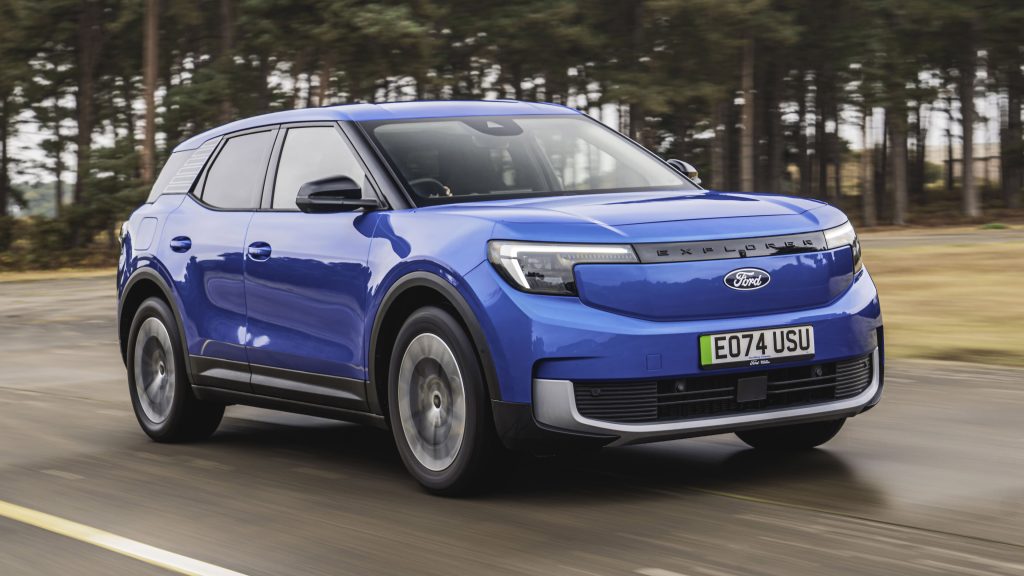
Reviewing recall completion records and documented maintenance history is especially important when purchasing a used example. The Explorer remains a capable family SUV, but its complaint history demonstrates why researching individual model years is essential before making a buying decision.
NHTSA complaints: More than 11,000
Specifications
- Engine: 2.3-liter turbocharged EcoBoost inline 4
- Torque: 310 lb ft
- Horsepower: 300 hp
- Length/Width: 198.8 in / 78.9 in
2. Jeep Grand Cherokee
The Jeep Grand Cherokee has recorded more than 12,000 complaints in the NHTSA database, giving it one of the highest cumulative complaint totals of any SUV sold in the United States.
Unlike some SUVs where complaints focus on one specific component, the Grand Cherokee has generated reports across numerous vehicle systems over several generations.
Owners have documented electrical failures, TIPM-related issues, transmission concerns, suspension wear, steering problems, air suspension failures, and intermittent engine stalling. Certain model years have also been associated with software-related faults affecting electronic driver assistance features and infotainment systems.
The SUV’s popularity partly explains the impressive complaint volume. The Grand Cherokee has consistently ranked among Jeep’s highest-selling models for decades, placing hundreds of thousands of vehicles into service every year.
Even so, complaint patterns involving electrical systems have appeared frequently enough to trigger multiple investigations and recalls involving specific production years.
Buyers considering a used Grand Cherokee should pay particular attention to maintenance records and verify that every recall has been completed.
Vehicles equipped with optional air suspension should receive especially careful inspection because repair costs can be significantly higher than those associated with conventional suspension systems.
Selecting the right model year can make a substantial difference in ownership experience, as reliability has varied considerably across different generations.
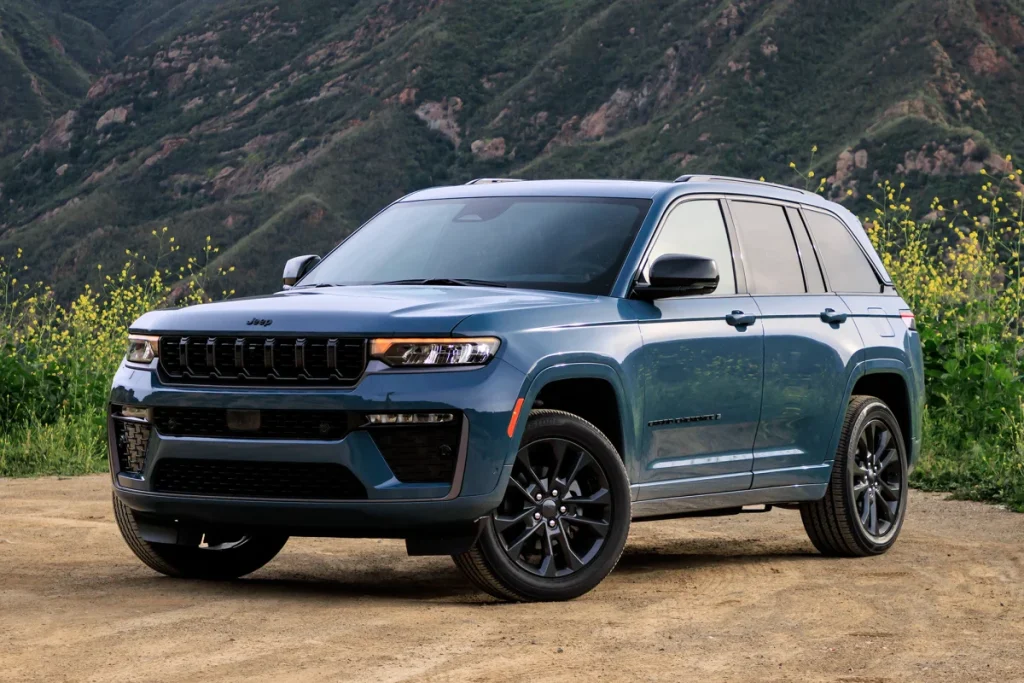
Despite its extensive complaint history, the Grand Cherokee continues attracting buyers because of its off-road capability, comfortable ride, and broad engine lineup. Understanding which versions experienced the greatest number of reported issues allows shoppers to make a much more informed purchase decision.
NHTSA complaints: More than 12,000
Specifications
- Engine: 3.6-liter naturally aspirated V6
- Torque: 260 lb ft
- Horsepower: 293 hp
- Length/Width: 193.5 in / 77.5 in
3. Chevrolet Equinox
The Chevrolet Equinox has accumulated more than 9,500 complaints in the NHTSA database across multiple generations, making it one of the most frequently reported compact SUVs in the United States. Much of the complaint volume stems from second-generation models, particularly those equipped with the 2.4-liter four-cylinder engine.
One of the most commonly reported issues involves excessive engine oil consumption. Numerous owners reported needing to add oil between scheduled services, and in some cases, the engine suffered premature wear or complete failure after operating with insufficient lubrication.
Timing chain wear, piston ring problems, and unexpected stalling also appeared repeatedly in owner submissions. Beyond the powertrain, complaints have included transmission hesitation, electrical faults, malfunctioning infotainment systems, and windshield wiper failures during severe weather.
The Equinox’s popularity contributes to its high complaint count because Chevrolet has sold millions of examples over several generations. Even so, certain model years generated significantly higher complaint rates than others, prompting technical service bulletins, recalls, and warranty extensions for specific mechanical concerns.
Newer generations have shown measurable improvements in reliability, although buyers should still research the exact production year before purchasing a used example.
Anyone considering a pre-owned Equinox should verify that recall repairs have been completed and carefully review maintenance records, particularly for vehicles using the earlier 2.4-liter engine.
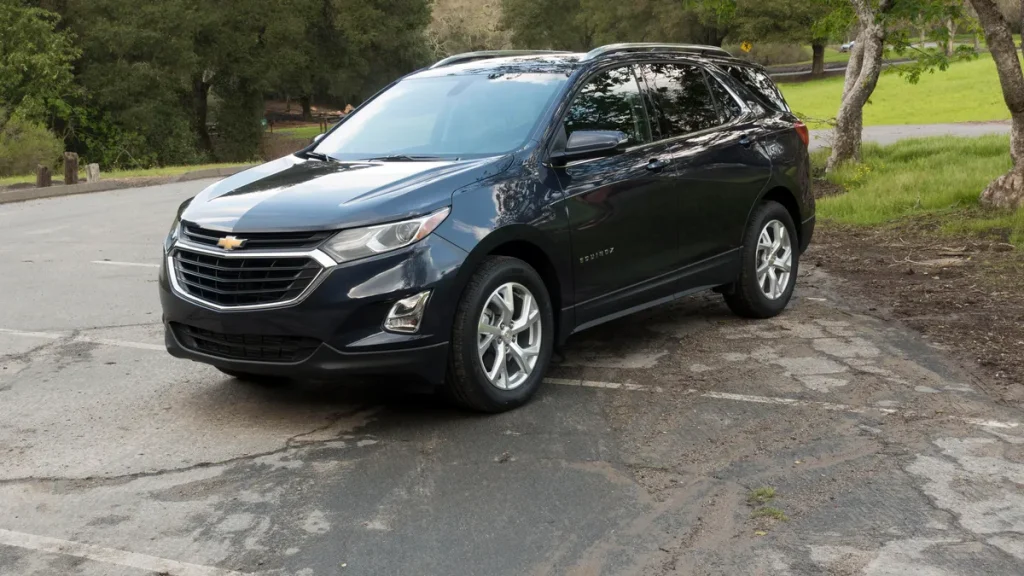
A professional inspection can also help identify signs of abnormal oil consumption or transmission wear before purchase. Despite its complaint history, the Equinox remains one of Chevrolet’s best-selling SUVs because of its comfortable ride, spacious interior, and competitive pricing.
NHTSA complaints: More than 9,500
Specifications
- Engine: 1.5-liter turbocharged inline-4
- Torque: 184 lb ft
- Horsepower: 175 hp
- Length/Width: 183.1 in / 74.9 in
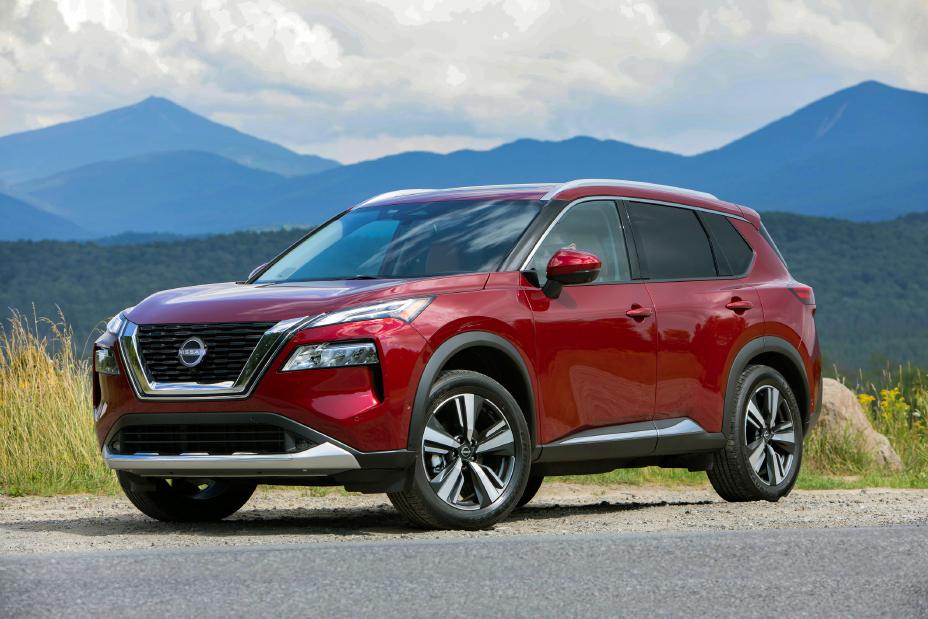
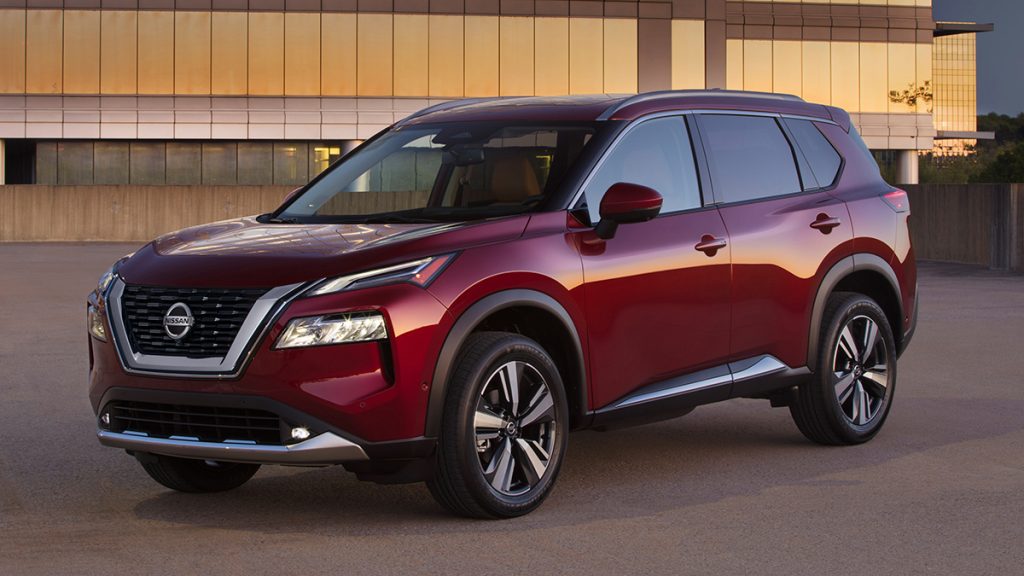
4. Nissan Rogue
The Nissan Rogue has logged more than 8,000 complaints in the NHTSA database, placing it among the SUVs with the largest cumulative owner complaint totals. The model has experienced recurring reports involving continuously variable transmission performance, electrical malfunctions, braking concerns, and fuel system issues across multiple generations.
The continuously variable transmission has generated the greatest number of owner reports. Drivers have described hesitation during acceleration, sudden loss of power, shuddering, overheating, and complete transmission failure.
These complaints became especially common in certain earlier production years, leading to warranty extensions and increased scrutiny from owners and repair professionals.
Other frequently reported issues include malfunctioning automatic emergency braking systems, battery drain, faulty electrical accessories, and inaccurate fuel gauge readings.
One reason the Rogue appears prominently in complaint statistics is its long-standing popularity in the compact SUV segment. High production numbers naturally produce a larger pool of owner reports, but repeated complaints involving similar components indicate patterns that prospective buyers should investigate carefully.
Nissan has addressed several issues through recalls, software updates, and engineering revisions in newer model years.
Buyers interested in a used Rogue should confirm that all recall work has been completed and pay close attention to transmission service history during a pre-purchase inspection.
Later model years generally benefit from updated hardware and software improvements, reducing many of the concerns reported by earlier owners.
The Rogue continues to attract families because of its comfortable cabin, efficient packaging, and extensive safety features, but understanding its complaint history remains an important part of making an informed purchasing decision.
NHTSA complaints: More than 8,000
Specifications
- Engine: 1.5-liter turbocharged inline 3
- Torque: 225 lb ft
- Horsepower: 201 hp
- Length/Width: 183.0 in / 72.4 in
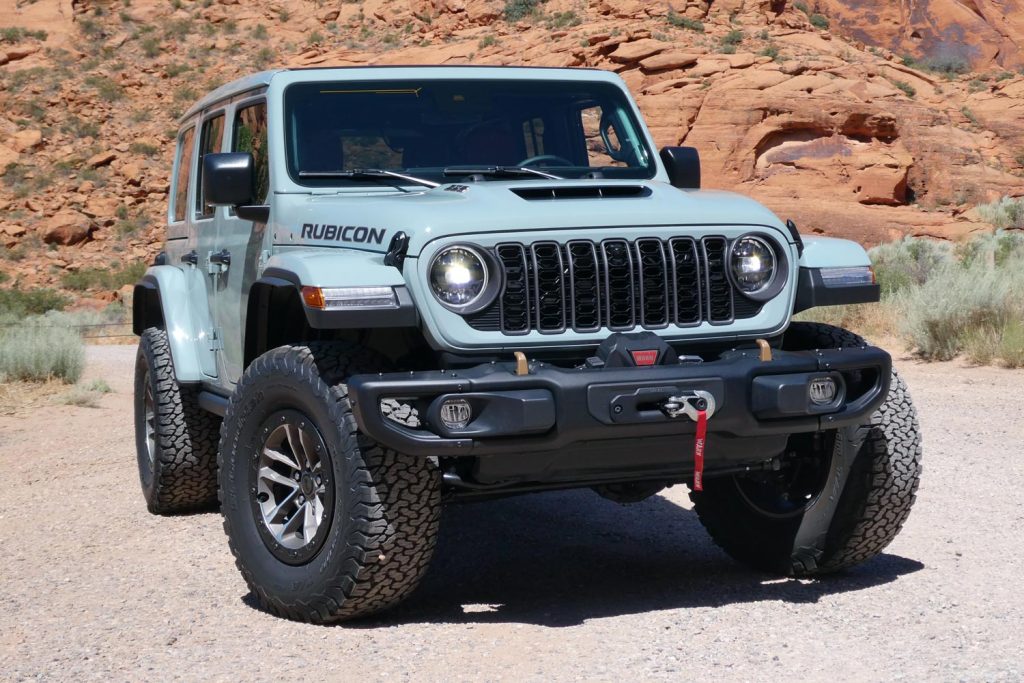
5. Jeep Wrangler
The Jeep Wrangler has accumulated more than 7,000 complaints in the NHTSA database, making it one of the most frequently reported SUVs in the United States.
While the Wrangler is celebrated for its exceptional off-road capability, its complaint history shows recurring issues involving steering, electrical systems, engine performance, and safety-related components across several generations.
One of the most widely discussed concerns is the phenomenon commonly referred to as “death wobble.” Owners have reported severe steering vibration after striking bumps at highway speeds, sometimes requiring the vehicle to slow dramatically before control is fully restored.
Although the issue can result from multiple worn or improperly adjusted suspension components rather than a single defective part, it has generated thousands of owner reports and multiple manufacturer service campaigns.
Other recurring complaints include clutch failures on manual transmission models, electrical malfunctions, water leaks, and problems affecting the electronic stability control system.
The Wrangler’s unique solid axle suspension and off-road design make it mechanically different from most family SUVs.
As a result, regular suspension maintenance becomes especially important, particularly for vehicles that have been modified with larger tires or lift kits. Neglected maintenance can increase wear and contribute to steering-related concerns.
Prospective buyers should review the maintenance history carefully, confirm recall completion, and inspect steering and suspension components before purchasing a used Wrangler.
Later production models incorporate engineering updates intended to address several earlier concerns. Despite its complaint history, the Wrangler continues to attract loyal owners because few competitors match its off-road capability, removable roof options, and unmistakable character.
NHTSA complaints: More than 7,000
Specifications
- Engine: 3.6-liter naturally aspirated V6
- Torque: 260 lb ft
- Horsepower: 285 hp
- Length/Width: 188.4 in / 73.9 in
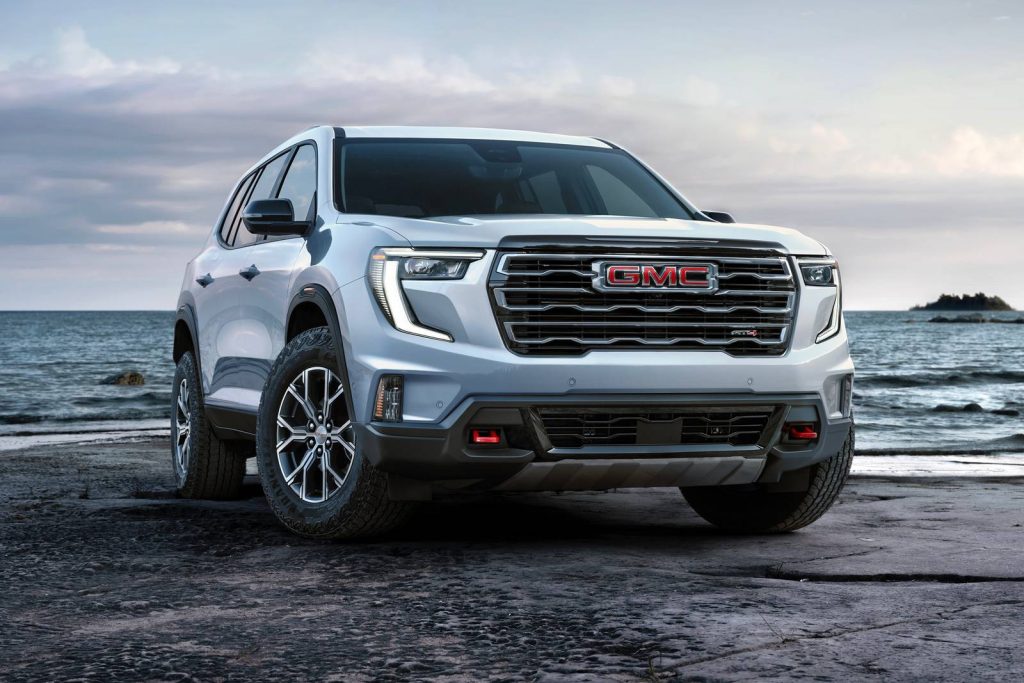
6. GMC Acadia
The GMC Acadia has received more than 6,500 complaints in the NHTSA database, placing it among the SUVs with the highest cumulative owner complaint totals. Reports span multiple generations and commonly involve transmission performance, engine reliability, electrical systems, steering, and braking components.
Early Acadia models generated numerous complaints related to timing chain wear, excessive oil consumption, and transmission failures. Owners frequently described rough shifting, delayed engagement, warning lights, and expensive drivetrain repairs.
Electrical issues also became a recurring theme, with reports involving malfunctioning instrument clusters, infotainment systems, battery drain, and intermittent warning messages. Several model years experienced recalls addressing specific safety concerns, further increasing owner attention toward the vehicle.
One reason the Acadia appears consistently in complaint statistics is its long production run and popularity among families seeking a midsize three-row SUV.
High sales volumes naturally produce more owner reports, but recurring complaint patterns involving similar mechanical components suggest that certain production years require more careful evaluation than others.
Anyone shopping for a used Acadia should verify that all recall repairs have been completed and request detailed maintenance records, especially for transmission servicing and engine repairs. A comprehensive pre-purchase inspection can identify potential problems before ownership begins.
Newer generations have benefited from substantial engineering improvements, reducing many of the issues associated with earlier models.
The Acadia continues to offer generous passenger space, comfortable highway manners, and practical family transportation, but selecting the right model year remains critical for long-term satisfaction.
NHTSA complaints: More than 6,500
Specifications
- Engine: 2.5-liter turbocharged inline 4
- Torque: 317 lb ft
- Horsepower: 328 hp
- Length/Width: 203.9 in / 79.6 in
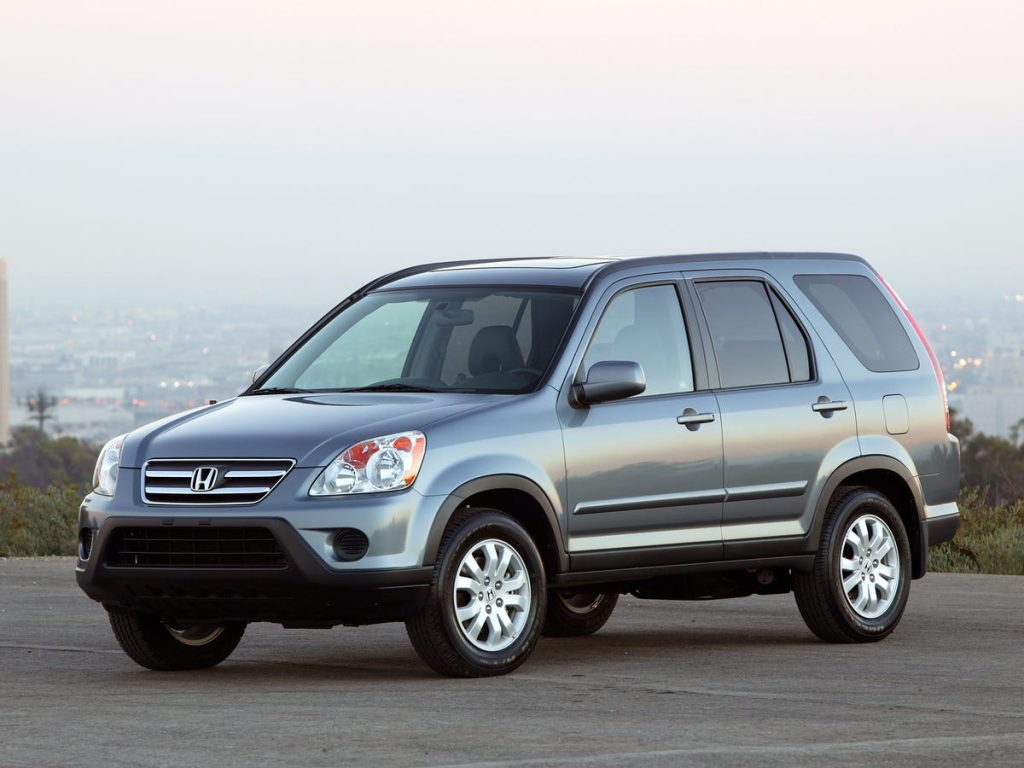
7. Honda CR-V
The Honda CR-V ranks among the SUVs with the highest cumulative owner complaint totals in the NHTSA database, with more than 10,000 complaints recorded across multiple model years. The CR-V’s enormous popularity contributes significantly to this figure, but several recurring issues have also generated repeated reports from owners.
One of the most closely watched concerns involves the automatic emergency braking system on certain model years. Numerous owners reported unexpected braking events when no obstacle was present, prompting a lengthy NHTSA investigation into millions of Honda vehicles.
Additional complaints have involved fuel system concerns on turbocharged engines, electrical malfunctions, steering issues, air conditioning failures, and battery-related problems. More recent models have also been subject to investigations involving steering performance and hybrid powertrain concerns.
Despite these reports, it is important to recognize that the CR-V is one of the best-selling compact SUVs in North America. Millions have been sold over several generations, meaning complaint totals naturally accumulate over time.
Honda has addressed several issues through recalls, software updates, warranty extensions, and engineering improvements, particularly on newer models.
Anyone shopping for a used CR-V should review the vehicle’s recall history, verify that all manufacturer campaigns have been completed, and inspect maintenance records carefully.
Buyers considering 2017 through 2022 models should pay particular attention to the status of braking system updates and steering-related recalls where applicable.
When properly maintained and updated, the CR-V continues to offer excellent practicality, fuel economy, and long-term ownership satisfaction despite its high cumulative complaint total.
NHTSA complaints: More than 10,000
Specifications
- Engine: 1.5-liter turbocharged inline 4
- Torque: 179 lb ft
- Horsepower: 190 hp
- Length/Width: 184.8 in / 73.5 in
8. Ford Edge
The Ford Edge completes this ranking with more than 9,800 complaints recorded in the NHTSA database, placing it among the most complained-about SUVs in the United States.
Like several other vehicles on this list, its high sales volume has contributed to the total, but recurring issues involving major vehicle systems have also generated substantial owner feedback.
Engine-related complaints have been particularly common on certain model years equipped with the 2.0-liter EcoBoost engine. Owners have reported coolant intrusion leading to engine damage, overheating, rough running, and expensive repairs.
Transmission concerns, brake booster failures, electrical problems, backup camera malfunctions, and power steering issues have also appeared repeatedly in complaint records. Several of these issues resulted in recalls, technical service bulletins, or extended warranty programs, depending on the production year.
Because the Edge remained a popular midsize crossover for many years, complaint totals span multiple generations rather than one isolated production period.
Reliability improved in several later model years following engineering revisions, demonstrating the importance of researching specific production years instead of evaluating the entire model line equally.
Prospective buyers should confirm that recall work has been completed, inspect service records for evidence of proper cooling system maintenance, and have the powertrain evaluated during a pre-purchase inspection.
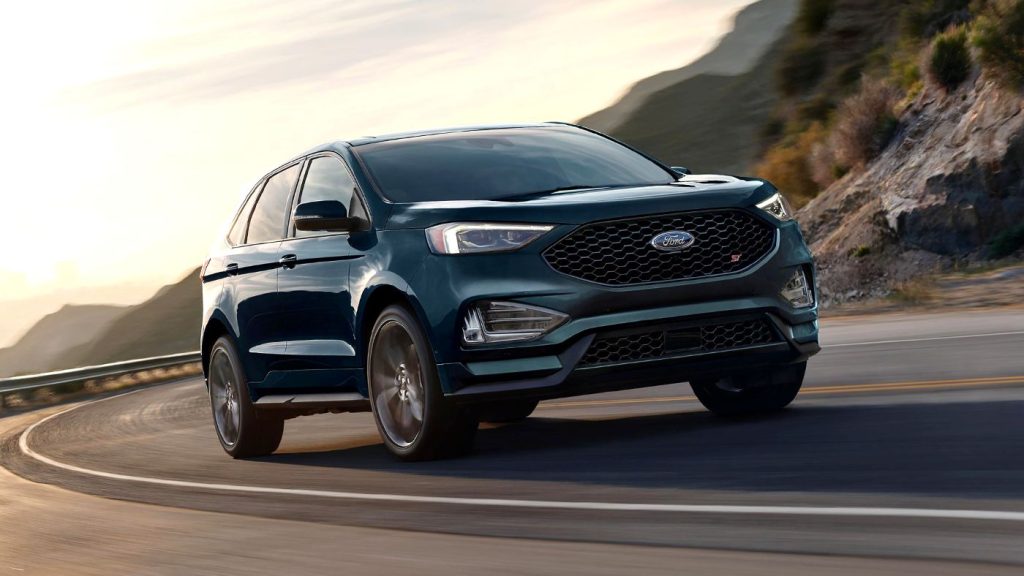
The Ford Edge still offers a spacious cabin, comfortable highway ride, and strong performance, but understanding its documented complaint history helps buyers choose the most dependable version available.
NHTSA complaints: More than 9,800
Specifications
- Engine: 2.0-liter turbocharged EcoBoost inline 4
- Torque: 280 lb ft
- Horsepower: 250 hp
- Length/Width: 188.8 in / 75.9 in
Also Read: 10 SUVs That Earned the 2026 IIHS Top Safety Pick+ Award
