
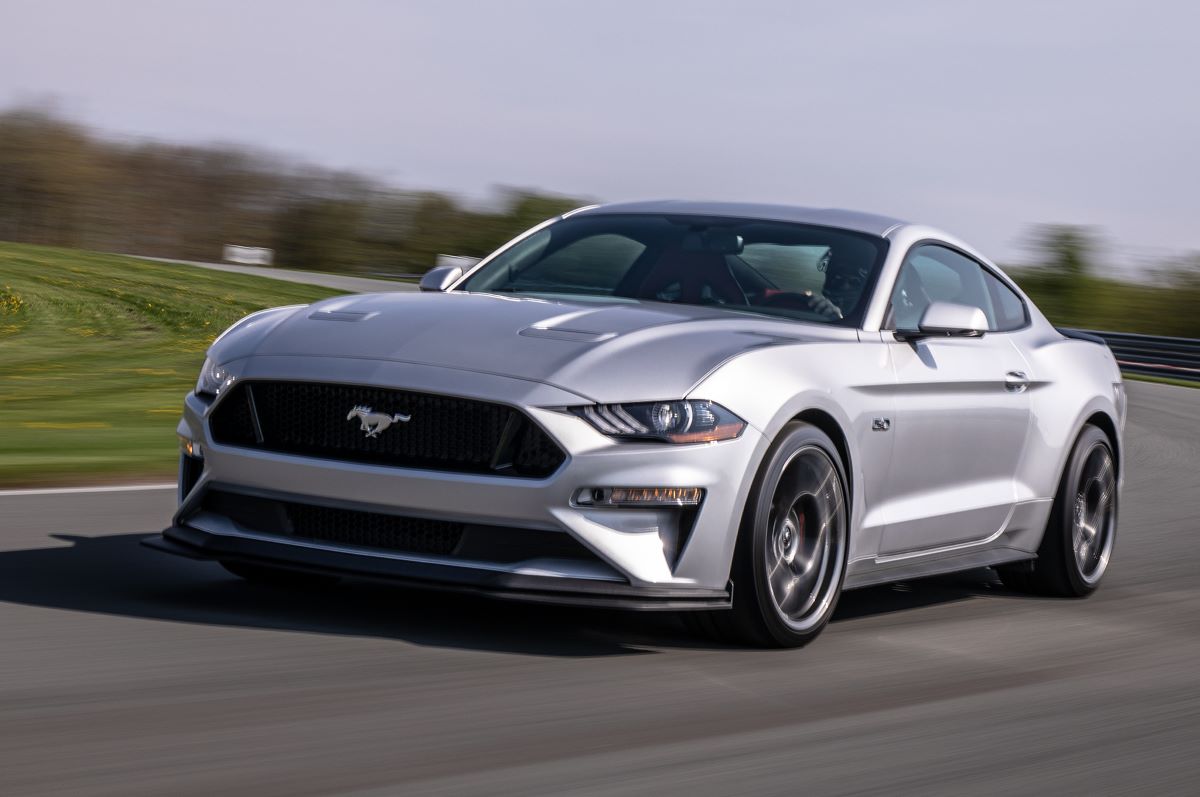
The Ford Mustang has remained one of the most recognizable performance cars in the world for more than six decades. Since its debut in 1964, it has evolved from an affordable pony car into a modern sports coupe that combines powerful engines, advanced technology, and unmistakable styling.
Throughout its history, the Mustang has attracted everyone from first-time enthusiasts to experienced collectors, thanks to its wide variety of trims, engine choices, and price points. Yet, despite its legendary reputation, not every model year has delivered the same ownership experience.
Some Mustang years stand out because they offer dependable engines, refined handling, and strong long-term value. These models benefit from proven engineering, fewer mechanical issues, and updates that corrected problems found in earlier versions.
Owners often praise them for their durability, enjoyable performance, and relatively manageable maintenance costs. They continue to be popular choices in the used market because they deliver the classic Mustang driving experience without introducing unnecessary headaches.
On the other hand, certain Mustang model years have become known for recurring reliability concerns, manufacturing defects, or expensive repairs. While many still provide impressive performance, issues involving transmissions, engines, electronics, or build quality have made some years less desirable than others.
Buyers who fail to research these problem years may end up facing unexpected repair bills that quickly overshadow the excitement of owning an American performance icon.
This guide highlights six of the best Ford Mustang model years that continue to earn praise from owners and automotive experts, followed by six years that deserve additional caution before purchase.
Understanding what separates these models helps buyers make smarter decisions, whether shopping for a daily driver, a weekend cruiser, or a future collectible.
Also Read: 10 Cars With The Best City MPG
6 Best Years for the Ford Mustang
1. 2019 Ford Mustang GT
By 2019, Ford had refined the sixth-generation Mustang into one of the most complete performance cars in its history.
Earlier updates to the S550 platform had already improved handling and interior quality, while the 2019 model benefited from proven mechanical components and fewer widespread complaints than in many earlier production years.
The highlight is the naturally aspirated 5.0-liter Coyote V8, producing impressive power while maintaining a reputation for durability when serviced regularly. The revised six-speed manual and 10-speed automatic transmissions both offer satisfying performance, giving buyers flexibility based on their driving preferences.
Acceleration is immediate, the exhaust note remains unmistakably Mustang, and the chassis inspires confidence whether cruising on the highway or tackling winding roads.
Beyond raw performance, the 2019 Mustang GT provides modern technology without becoming unnecessarily complicated.
Features such as Ford’s SYNC 3 infotainment system, available digital instrument cluster, and comprehensive driver assistance options improve everyday usability. Interior materials also received noticeable improvements compared with older generations.
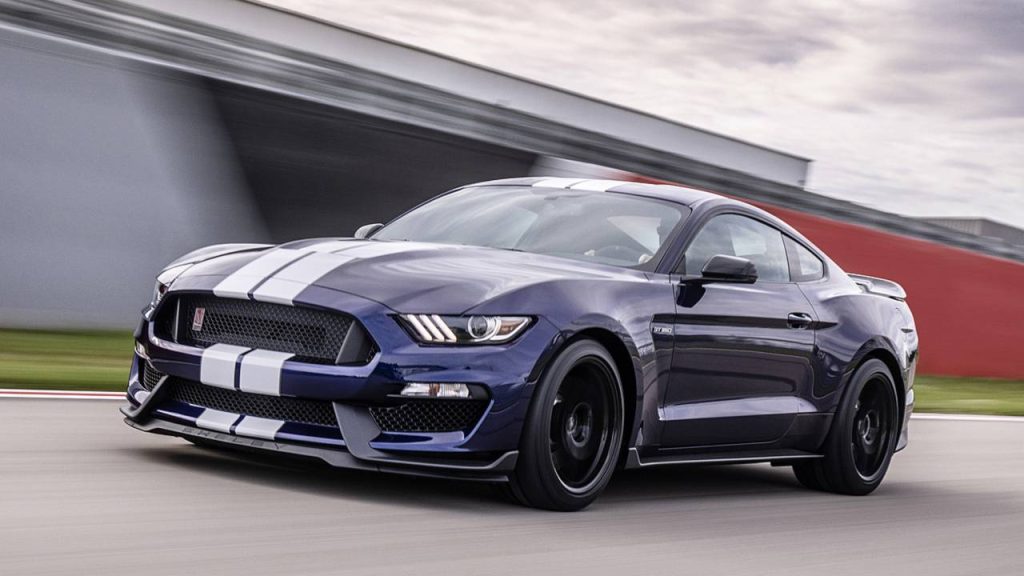
Owners frequently praise this model for balancing excitement with reliability. Routine maintenance remains straightforward, aftermarket support is extensive, and replacement parts are widely available.
Strong resale values further reinforce its appeal, making it one of the safest modern Mustang purchases for enthusiasts wanting V8 performance with relatively few compromises.
Specifications
- Engine: 5.0-liter naturally aspirated V8
- Torque: 420 lb-ft
- Horsepower: 460 hp
- Length/Width: 188.5 inches / 75.4 inches
2. 2014 Ford Mustang GT
The final year of the S197 generation demonstrates why waiting until the end of a production cycle often rewards buyers. By 2014, Ford had addressed many issues found in earlier models, creating a Mustang that combined classic styling with mature engineering and dependable mechanical components.
Its 5.0-liter Coyote V8 delivers strong performance while maintaining an excellent reputation for longevity. The engine responds eagerly throughout the rev range, producing an engaging driving experience without relying on forced induction.
Buyers could also choose between a smooth six-speed manual or automatic transmission, both of which have proven reliable with proper maintenance.
The 2014 model also benefits from a straightforward design that many owners appreciate. Electronics are less complex than those found in newer vehicles, reducing the likelihood of expensive electronic repairs as the car ages. The suspension provides a comfortable ride while retaining the responsive handling expected from a Mustang GT.
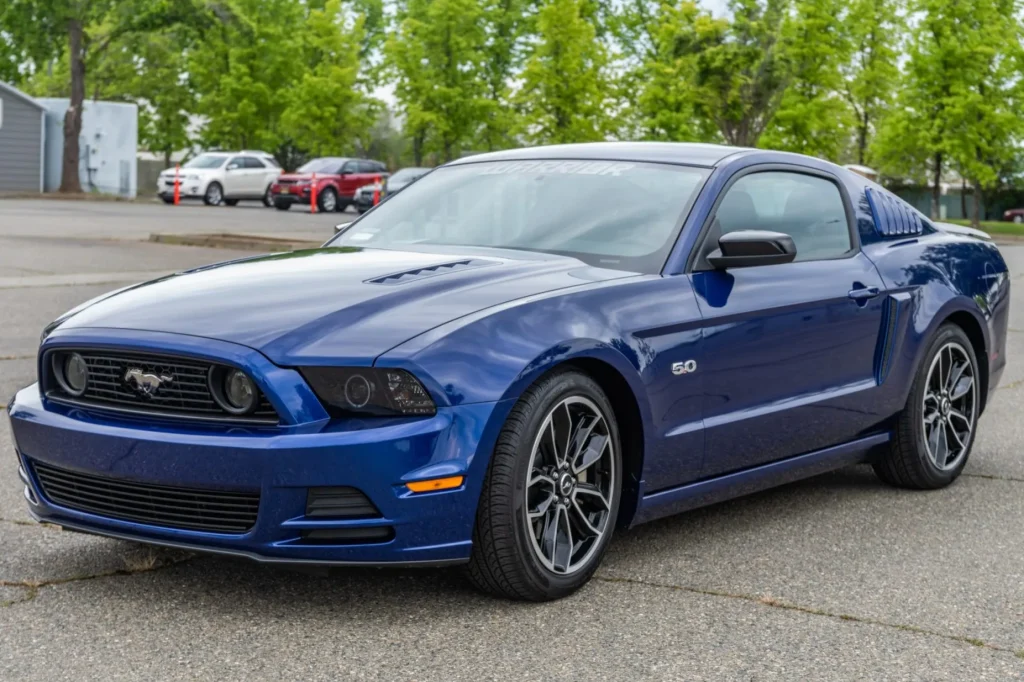
Another strength is affordability. Used examples remain widely available, and maintenance costs are generally lower than those associated with newer high-performance sports cars.
For buyers seeking a naturally aspirated V8 Mustang that combines proven reliability with timeless styling, the 2014 GT remains one of the strongest choices in the used performance car market.
Specifications
- Engine: 5.0-liter naturally aspirated V8
- Torque: 390 lb-ft
- Horsepower: 420 hp
- Length/Width: 188.5 inches / 73.9 inches
3. 2021 Ford Mustang Mach 1
When Ford revived the Mach 1 nameplate for the 2021 model year, it created a car that successfully bridged the gap between the Mustang GT and the Shelby lineup.
Rather than relying solely on increased horsepower, Ford focused on improving cooling, suspension tuning, aerodynamics, and braking performance. The result was a Mustang that felt equally comfortable on public roads and race tracks.
Power comes from a naturally aspirated 5.0-liter Coyote V8 producing 480 horsepower. Borrowing several components from the Shelby GT350 and GT500 gave the Mach 1 a significant advantage over the standard GT.
Drivers benefited from upgraded engine cooling, revised steering calibration, stronger brakes, and a suspension that remained composed during aggressive driving without becoming uncomfortable for daily use.
Reliability is another reason this model year stands out. By 2021, the Coyote V8 had undergone years of refinement, earning a strong reputation for durability when serviced according to Ford’s maintenance schedule.
Owners have generally reported fewer widespread mechanical complaints than earlier high-performance Mustang variants.
Inside the cabin, the Mach 1 combines modern technology with performance-oriented features. Supportive sport seats, Ford’s SYNC 3 infotainment system, available digital instrumentation, and quality interior materials make it suitable for long-distance driving as well as spirited weekend outings.
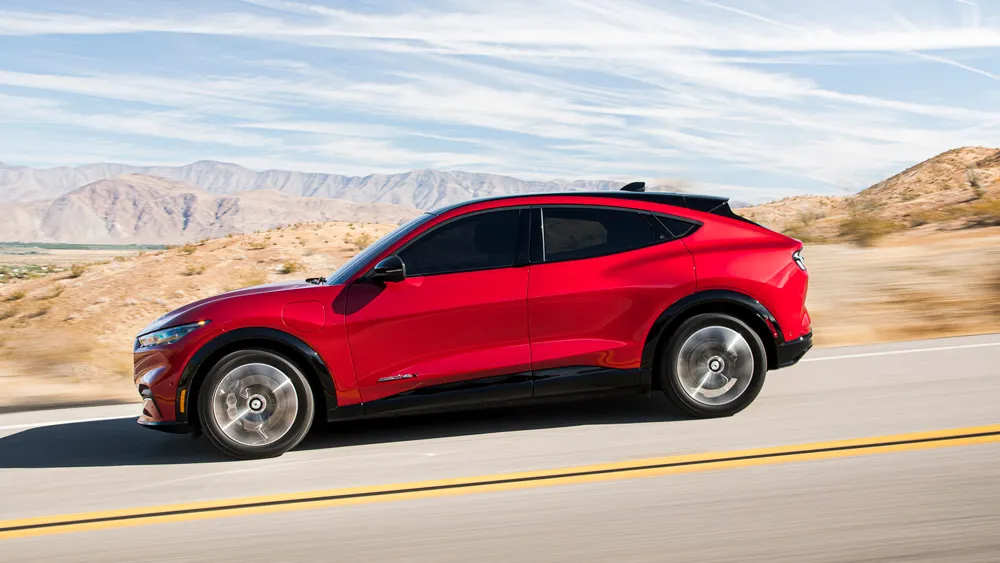
Demand for the Mach 1 has remained strong, helping resale values stay healthy. Buyers seeking a limited-production Mustang that blends everyday usability with serious performance will find the 2021 Mach 1 among the best modern examples Ford has produced.
Specifications
- Engine: 5.0-liter naturally aspirated V8
- Torque: 420 lb-ft
- Horsepower: 480 hp
- Length/Width: 189.3 inches / 75.4 inches
4. 2011 Ford Mustang GT
The 2011 Mustang GT marked one of the most important milestones in modern Mustang history because it introduced the first-generation 5.0-liter Coyote V8. This engine transformed the Mustang into a genuine competitor against rivals while also establishing a foundation that Ford would continue refining for years.
Producing 412 horsepower, the new V8 delivered substantially more power than its predecessor while remaining smooth, responsive, and surprisingly reliable.
The engine quickly earned praise for its ability to handle spirited driving and aftermarket modifications without sacrificing durability. Many examples have comfortably surpassed high mileage with only routine maintenance.
Performance was only part of the story. Ford also improved chassis balance, steering feel, and ride quality, making the Mustang noticeably more refined than previous generations. Buyers appreciated that the car could serve as both an entertaining weekend machine and a practical daily driver.
The interior, while simpler than today’s standards, offered improved materials and better ergonomics than earlier Mustangs. Controls were easy to use, visibility remained respectable for a sports coupe, and the cabin retained the retro-inspired styling that many enthusiasts admired.

More than a decade later, the 2011 Mustang GT continues to represent excellent value in the used market. It introduced one of Ford’s greatest modern engines while avoiding the complexity found in newer performance cars, making it a favorite among enthusiasts seeking dependable V8 performance.
Specifications
- Engine: 5.0-liter naturally aspirated V8
- Torque: 390 lb-ft
- Horsepower: 412 hp
- Length/Width: 188.1 inches / 73.9 inches
5. 2003 Ford Mustang Mach 1
Some Mustang model years are remembered because they introduced groundbreaking technology, while others earned lasting respect by bringing back a beloved nameplate. The 2003 Mustang Mach 1 belongs to the second category.
Ford revived the Mach 1 with a combination of retro-inspired styling and proven mechanical components, creating one of the most desirable New Edge Mustangs ever produced.
At the center of the package sits a naturally aspirated 4.6-liter DOHC Modular V8 producing 305 horsepower. Although its output no longer rivals today’s performance cars, the engine is respected for its durability and smooth power delivery.
The aluminum cylinder heads borrowed from the Mustang Cobra helped improve breathing, while the robust engine architecture has proven capable of lasting well beyond 200,000 miles when maintained properly.
The Mach 1 also received suspension upgrades, revised springs, Tokico shocks, and a solid rear axle that provided predictable handling.
Buyers could choose either a five-speed manual or a four-speed automatic transmission, both of which developed strong reliability records. Enthusiasts continue to appreciate the manual version for its engaging driving experience and simple mechanical design.
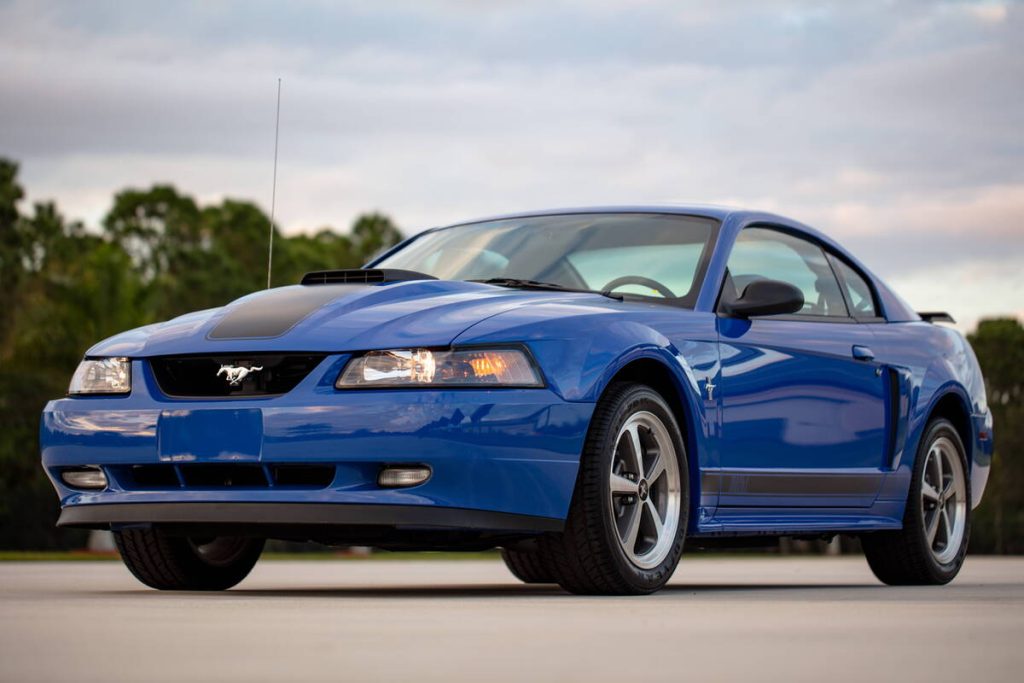
Beyond performance, the 2003 Mach 1 has become increasingly collectible. Limited production numbers, a distinctive hood scoop, unique badging, and a heritage-inspired appearance have helped maintain strong demand in the enthusiast market.
Replacement parts remain widely available thanks to the Mustang’s extensive aftermarket support.
For buyers seeking a classic V8 Mustang that balances reliability, historical significance, and enjoyable performance, the 2003 Mach 1 remains one of the smartest choices from the early 2000s.
Specifications
- Engine: 4.6-liter DOHC naturally aspirated V8
- Torque: 320 lb-ft
- Horsepower: 305 hp
- Length/Width: 183.5 inches / 73.1 inches
6. 2018 Ford Mustang GT
The 2018 model year introduced one of the most significant updates to the S550 generation, and the improvements extended well beyond appearance.
Ford revised the 5.0-liter Coyote V8, increasing output to 460 horsepower while improving responsiveness throughout the rev range. It also introduced the 10-speed automatic transmission, which delivered quicker shifts and stronger acceleration than the outgoing six-speed automatic.
Handling has improved thanks to revised suspension tuning and recalibrated steering, making the Mustang feel more composed through corners without sacrificing ride comfort. Braking performance also benefited from available performance packages, giving drivers greater confidence during spirited driving.
Technology received a meaningful upgrade as well. Ford offered a fully digital instrument cluster, an enhanced SYNC 3 infotainment system, improved safety features, and higher-quality interior materials. These updates helped the Mustang compete more effectively with modern sports coupes while maintaining its unmistakable character.
From a reliability standpoint, the 2018 GT has established a solid ownership record. While a small number of early production vehicles experienced isolated issues, widespread mechanical problems have been relatively uncommon.
Routine maintenance, combined with the proven durability of the Coyote V8, allows many owners to enjoy years of dependable service.
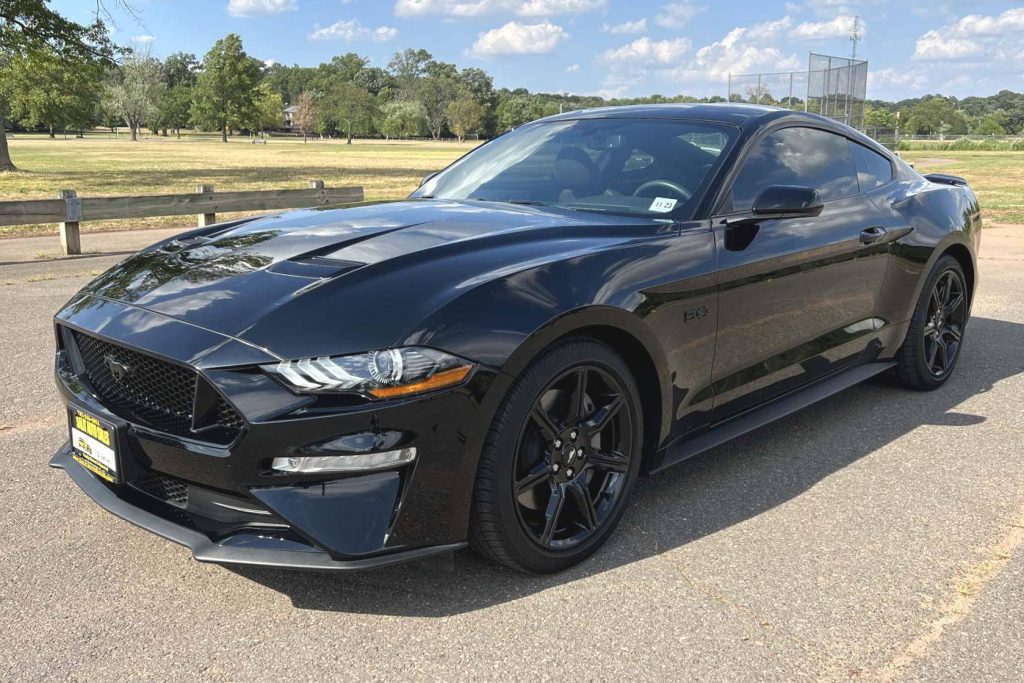
Whether used for commuting, weekend road trips, or occasional track events, the 2018 Mustang GT continues to deliver an impressive combination of performance, practicality, and long-term value. It remains one of the strongest choices for buyers seeking a modern American V8 sports car.
Specifications
- Engine: 5.0-liter naturally aspirated V8
- Torque: 420 lb-ft
- Horsepower: 460 hp
- Length/Width: 188.5 inches / 75.4 inches
6 Worst Years for the Ford Mustang
1. 2005 Ford Mustang
The 2005 Ford Mustang deserves recognition for introducing the fifth generation with bold retro-inspired styling, but being the first model year of a completely redesigned platform also brought several challenges.
While the car attracted buyers with its muscular appearance and improved chassis, many owners experienced issues that were addressed in later production years.
One of the most common complaints involved the 4.0-liter V6 engine, which suffered from timing chain tensioner and timing guide problems. If left unresolved, these issues could lead to expensive engine repairs.
Some GT models equipped with the 4.6-liter V8 also experienced spark plug removal difficulties, occasionally resulting in broken plugs during routine maintenance and significantly increasing labor costs.
Owners also reported electrical glitches affecting power windows, dashboard warning lights, and body control modules. Interior quality received mixed reviews as well, with some trim pieces developing rattles or premature wear after only a few years of ownership.
Although these problems were not universal, they appeared often enough to affect the model year’s reputation.
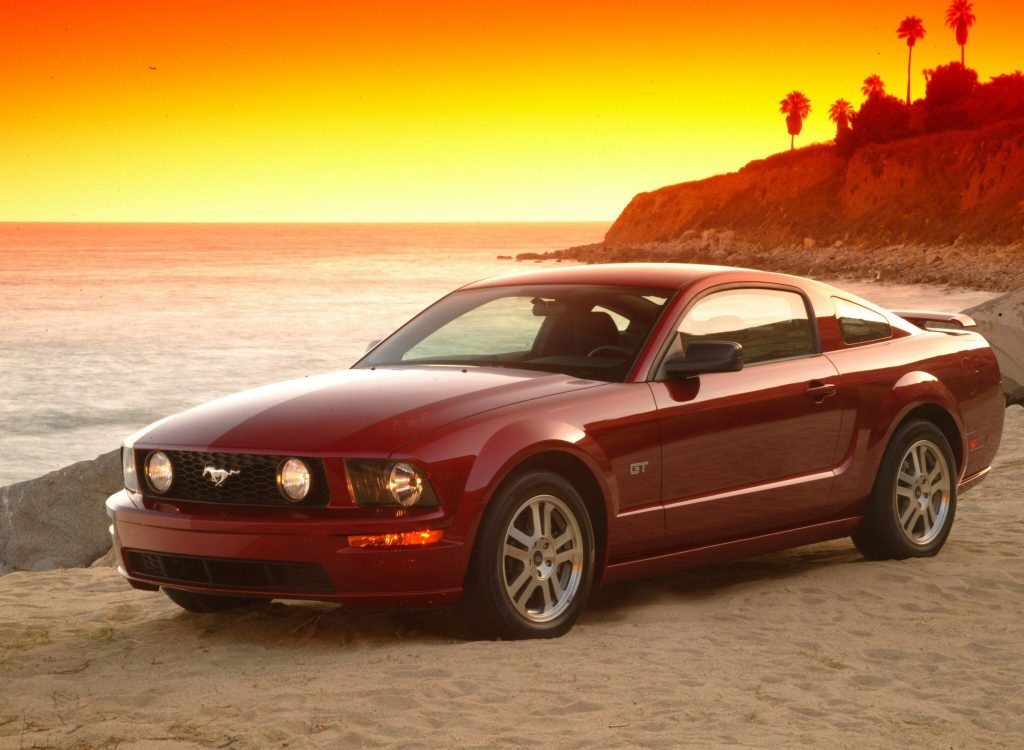
The 2005 Mustang remains enjoyable to drive and introduced a design language that became an instant success.
However, buyers considering one today should verify that major maintenance has already been completed and that service records document repairs to known problem areas. Later years of the same generation generally provide a more refined ownership experience.
Specifications
- Engine: 4.6-liter naturally aspirated V8 (GT)
- Torque: 320 lb-ft
- Horsepower: 300 hp
- Length/Width: 187.6 inches / 73.9 inches
2. 2010 Ford Mustang
The 2010 Mustang arrived with refreshed styling and an improved interior, giving the aging S197 platform a more modern appearance. Although the visual changes were well received, the mechanical package left many buyers wishing they had waited one more year, when the far more capable Coyote V8 arrived.
GT models continued using the 4.6-liter three-valve V8, an engine known for solid performance but also associated with spark plug concerns, ignition coil failures, and occasional cam phaser noise as mileage increased.
The V6 version lagged behind competitors in both power and efficiency, making it a less appealing choice even when new.
Owners also reported transmission concerns, including manual gearbox shift quality and premature clutch wear in some vehicles.
Interior rattles, paint defects, and minor electrical issues appeared more frequently than expected, particularly on higher-mileage examples. None of these problems alone made the car unreliable, but together they reduced owner satisfaction compared with later S197 Mustangs.
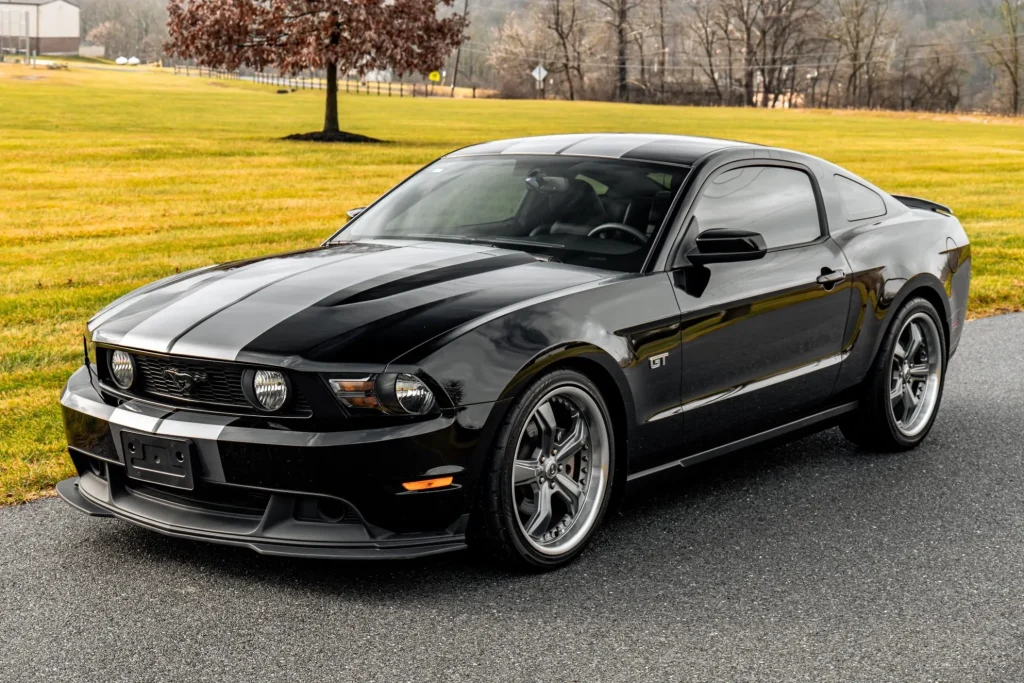
Because the 2011 model introduced the excellent 5.0-liter Coyote V8 along with significant performance improvements, the 2010 model is often overlooked. Buyers searching for a dependable used Mustang usually receive better long-term value by choosing a 2011 or newer GT instead of this transitional model year.
Specifications
- Engine: 4.6-liter naturally aspirated V8
- Torque: 325 lb-ft
- Horsepower: 315 hp
- Length/Width: 188.1 inches / 73.9 inches
3. 2015 Ford Mustang
The 2015 Mustang marked the debut of the sixth-generation S550 platform, introducing independent rear suspension, a modern cabin, and significantly improved handling. While these changes transformed the Mustang into a more refined sports car, first-year production issues affected owner confidence.
One of the most common complaints involved the MT82 six-speed manual transmission. Drivers reported notchy shifting, gear lockout during aggressive driving, and inconsistent clutch engagement.
Some EcoBoost models also experienced engine-related concerns, including turbocharger issues, coolant leaks, and occasional drivability problems. Early software glitches affecting infotainment and electronic systems further added to owner frustration.
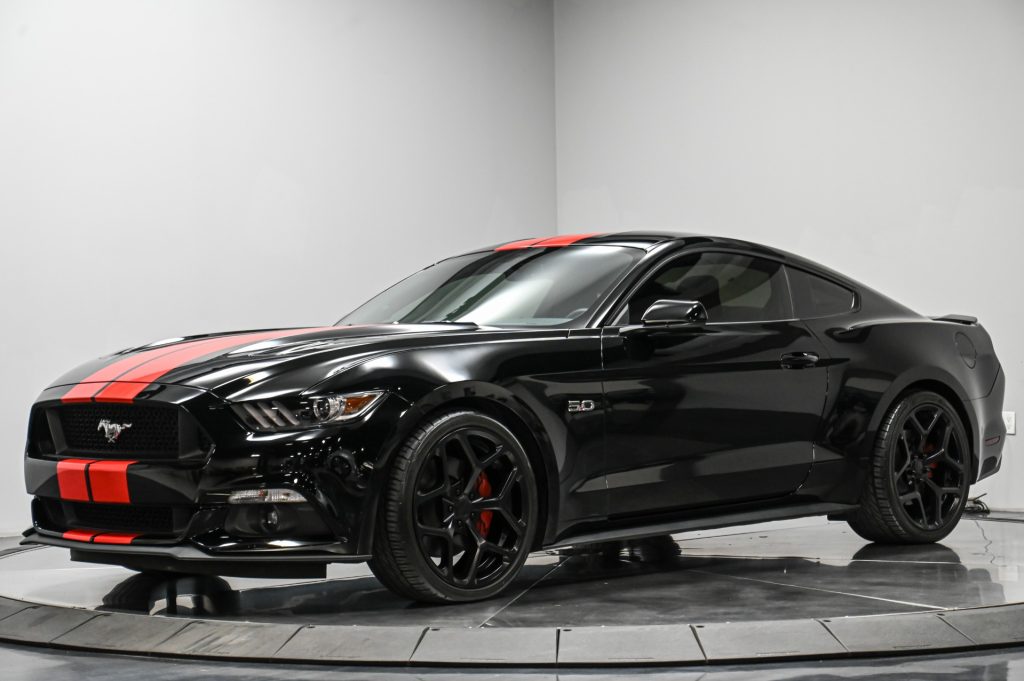
Although many of these issues were corrected through software updates or warranty repairs, the 2015 model still carries more risk than later S550 Mustangs. Buyers who appreciate the redesigned platform are generally better served by newer production years that benefited from Ford’s continuous improvements.
Specifications
- Engine: 5.0-liter naturally aspirated V8 (GT)
- Torque: 400 lb-ft
- Horsepower: 435 hp
- Length/Width: 188.3 inches / 75.4 inches
4. 2006 Ford Mustang
The 2006 Mustang carried forward the styling success of the redesigned 2005 model, but several mechanical concerns remained. Although many owners enjoyed dependable service, recurring complaints prevented this model year from becoming one of the strongest choices in the fifth-generation lineup.
The V6 engine continued to experience timing chain guide and tensioner issues in some vehicles, while GT models occasionally suffered from spark plug removal problems due to the cylinder head design.
Premature wear of suspension components, noisy differentials, and electrical faults involving window regulators and instrument clusters were also reported by owners.
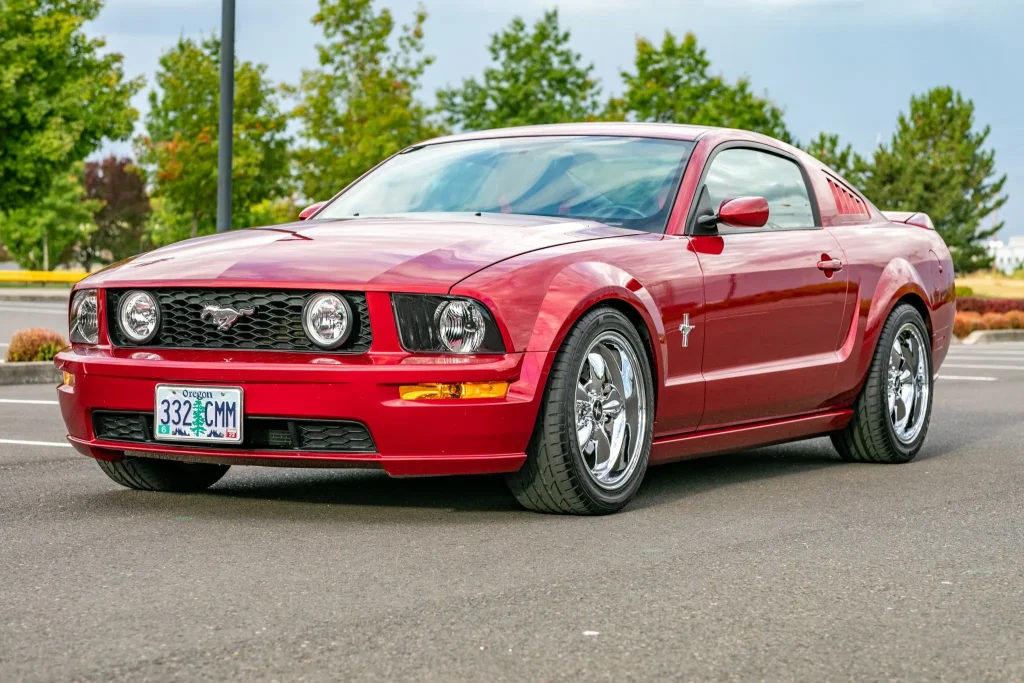
Interior quality represented another weak point. Plastic trim pieces, seat materials, and dashboard components sometimes aged more quickly than expected. While none of these issues alone made the vehicle unreliable, they contributed to higher ownership costs compared with later S197 models that benefited from additional refinement.
Buyers searching for a dependable Mustang from this generation will usually find better value in 2011 through 2014 models.
Specifications
- Engine: 4.6-liter naturally aspirated V8 (GT)
- Torque: 320 lb-ft
- Horsepower: 300 hp
- Length/Width: 187.6 inches / 73.9 inches
5. 1999 Ford Mustang
The 1999 Ford Mustang introduced the “New Edge” design language, replacing the softer appearance of the earlier SN95 models with sharper body lines and a more aggressive personality.
Visually, it represented an important step forward for the Mustang, and many buyers appreciated the updated styling when it first reached dealerships.
However, beneath the refreshed exterior, this first model year of the facelift experienced several shortcomings that have kept it from becoming one of the most recommended used Mustangs.
GT models were powered by Ford’s 4.6-liter SOHC Modular V8, an engine capable of delivering respectable longevity with proper maintenance. Despite that strength, owners reported recurring issues involving plastic intake manifolds, which were prone to cracking and coolant leaks.
If left unattended, these failures could lead to overheating and expensive repairs. Cooling system components such as thermostat housings, hoses, and water pumps also became common maintenance items as mileage increased.
Electrical concerns added another layer of frustration. Some owners encountered faulty window regulators, malfunctioning dashboard gauges, intermittent lighting problems, and aging wiring connections.
Suspension bushings, ball joints, and steering components also tended to wear sooner than expected, particularly on cars that had been driven aggressively or modified.
Another consideration is the age of these vehicles. Even well-maintained examples are now more than two decades old, meaning rubber seals, weather stripping, fuel system components, and interior plastics may require replacement simply because of age rather than manufacturing defects.
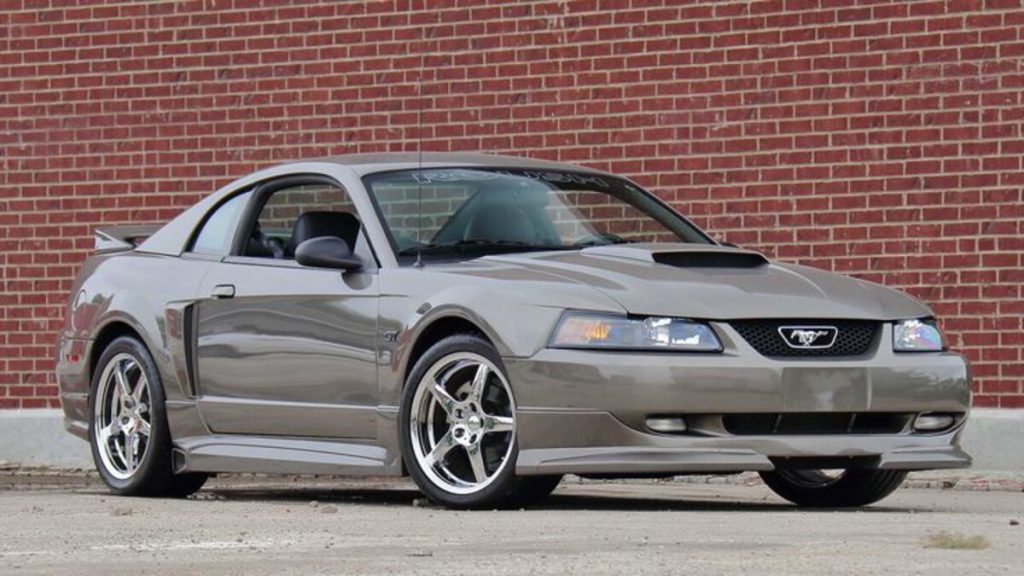
The 1999 Mustang certainly has appeal for enthusiasts seeking an affordable V8 coupe, and aftermarket support remains outstanding. Still, buyers should carefully inspect maintenance records and confirm that known cooling system and suspension issues have already been addressed.
Later New Edge Mustangs generally benefit from incremental improvements that make them safer long-term purchases.
Specifications
- Engine: 4.6-liter SOHC naturally aspirated V8 (GT)
- Torque: 302 lb-ft
- Horsepower: 260 hp
- Length/Width: 183.2 inches / 73.1 inches
6. 1980 Ford Mustang
Few Mustang generations faced greater challenges than those produced during the late 1970s and early 1980s. The 1980 Ford Mustang arrived at a time when rising fuel prices, stricter emissions regulations, and changing consumer priorities forced manufacturers to reduce engine output dramatically.
Although Ford worked to keep the Mustang relevant, this particular model year failed to deliver the performance that had made the nameplate famous.
The optional 4.2-liter V8 produced just 119 horsepower, a figure that disappointed buyers expecting strong acceleration from a V8-powered sports coupe.
While the engine was reasonably durable when maintained correctly, it lacked the excitement associated with earlier Mustangs and was quickly overshadowed by the return of more powerful V8 options later in the Fox-body generation.
Beyond modest performance, owners frequently dealt with carburetor adjustments, vacuum leaks, ignition component failures, and emissions equipment that required regular maintenance to keep the engine running smoothly.
Cold starts could become inconsistent, and drivability often suffered if routine tune-ups were neglected. These characteristics reflected the automotive technology of the era but still made ownership less enjoyable than later Fox-body models.
The interior also showed the limitations of its time. Cabin materials wore quickly, sound insulation was minimal, and the full driving experience felt dated even by early 1980s standards. Suspension tuning prioritized comfort more than handling, leaving the car less engaging than many enthusiasts expected from a Mustang.
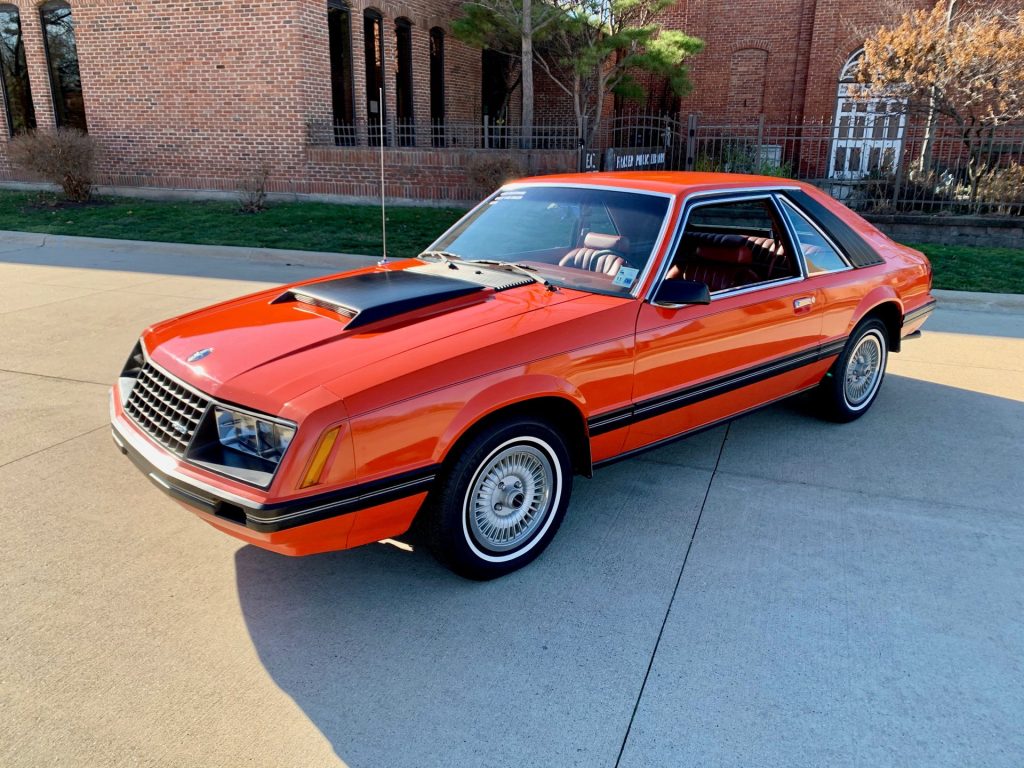
Collectors may appreciate the historical significance of the 1980 model because it represents a transitional chapter in Mustang history.
However, buyers searching for a classic Mustang that combines reliability, satisfying performance, and strong aftermarket support will usually find far better value in Fox-body models built after the return of the legendary 5.0-liter V8.
Specifications
- Engine: 4.2-liter naturally aspirated V8
- Torque: 194 lb-ft
- Horsepower: 119 hp
- Length/Width: 179.1 inches / 70.8 inches
Also Read: 10 Charging Mistakes That Shorten An EV Battery’s Life
