
When choosing a family SUV, safety often outranks performance or luxury. Modern safety evaluations emphasize crash avoidance, which means preventing accidents before they happen instead of just surviving them.
Advanced driver-assistance systems like automatic emergency braking, lane-keeping assistance, and pedestrian detection are vital for reducing serious collisions. Organizations like the IIHS rigorously test these technologies under challenging, real-world conditions, including varying speeds and nighttime driving. Top-performing SUVs utilize sophisticated camera, radar, and software networks to actively intervene or warn drivers.
The best family vehicles combine exceptional preventive technology with strong structural crash protection. The following ten SUVs stand out for delivering the market’s leading crash avoidance capabilities, ensuring peace of mind across all driving environments.
Also Read: 10 Non-Mazda Cars That Use A Mazda Engine
1. Subaru Forester
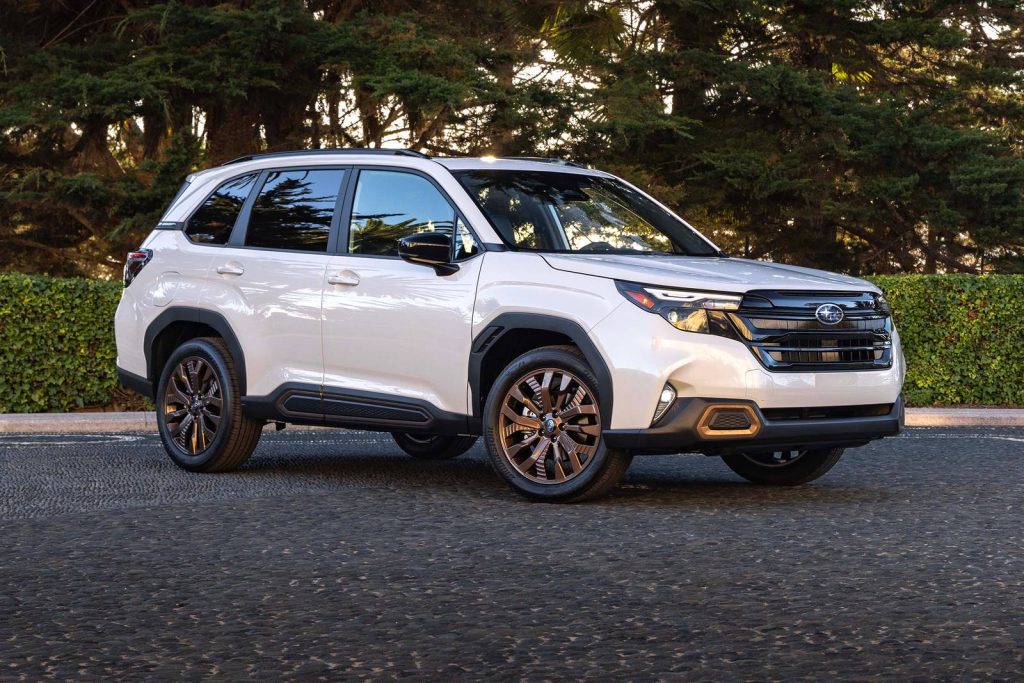
The Subaru Forester has earned a reputation for placing safety at the center of its design, and its outstanding crash avoidance performance reflects that philosophy. Equipped with the latest version of Subaru’s EyeSight Driver Assist Technology, the Forester consistently performs exceptionally well in forward collision prevention evaluations.
The system combines dual forward-facing cameras with sophisticated software capable of identifying vehicles, cyclists, and pedestrians under a wide range of driving conditions. Rather than reacting only at the last moment, EyeSight continuously monitors traffic ahead and prepares the braking system whenever a potential hazard develops.
One reason the Forester excels in crash avoidance testing is the smooth cooperation between its various driver assistance systems. Adaptive cruise control works seamlessly alongside lane centering, pre-collision braking, lane departure prevention, and emergency steering support.
Instead of operating as separate technologies, these features communicate constantly to reduce driver workload while maintaining a natural driving experience. Drivers receive clear warnings before automatic intervention becomes necessary, helping prevent unnecessary braking events.
Visibility also contributes significantly to the Forester’s impressive safety performance. Large windows, slim roof pillars, and an upright seating position provide excellent outward vision, allowing drivers to identify potential hazards earlier.
Combined with Subaru’s symmetrical all-wheel-drive system, the vehicle maintains reassuring stability during sudden avoidance maneuvers on wet or slippery roads.
Families appreciate that the Forester’s advanced technology works quietly in the background without becoming intrusive during normal driving.
Its combination of intelligent crash avoidance systems, predictable handling, and excellent visibility has helped make it one of the safest compact SUVs available for drivers who place preventive safety above all else.
Specifications
- Engine: 2.5-liter naturally aspirated flat 4
- Torque: 178 lb ft
- Horsepower: 180 hp
- Length/Width: 183.3 in / 72.0 in
2. Honda CR-V
The Honda CR-V has become one of the world’s most trusted family SUVs by combining practicality with consistently strong safety performance. A major contributor to that reputation is Honda Sensing, a comprehensive suite of driver assistance technologies designed to reduce the likelihood of collisions before they occur.
Automatic emergency braking, collision mitigation braking, lane keeping assistance, adaptive cruise control, road departure mitigation, and traffic sign recognition work together to provide continuous protection during everyday driving.
Crash avoidance testing highlights the effectiveness of the CR-V’s forward collision prevention system. Using radar and camera technology, the SUV detects slower-moving or stationary vehicles while also recognizing pedestrians and cyclists in many situations.
If the driver fails to respond to an impending hazard, the vehicle can automatically apply the brakes to reduce impact speed or avoid the collision entirely. The system performs confidently in both daytime and nighttime conditions, contributing to the CR-V’s excellent preventive safety ratings.
Honda also places strong emphasis on making these technologies intuitive rather than distracting. Steering assistance feels natural, warning alerts remain clear without becoming excessive, and adaptive cruise control maintains smooth speed adjustments even in changing traffic conditions.
This balanced calibration encourages drivers to leave the systems activated during everyday commuting rather than disabling them due to annoyance.
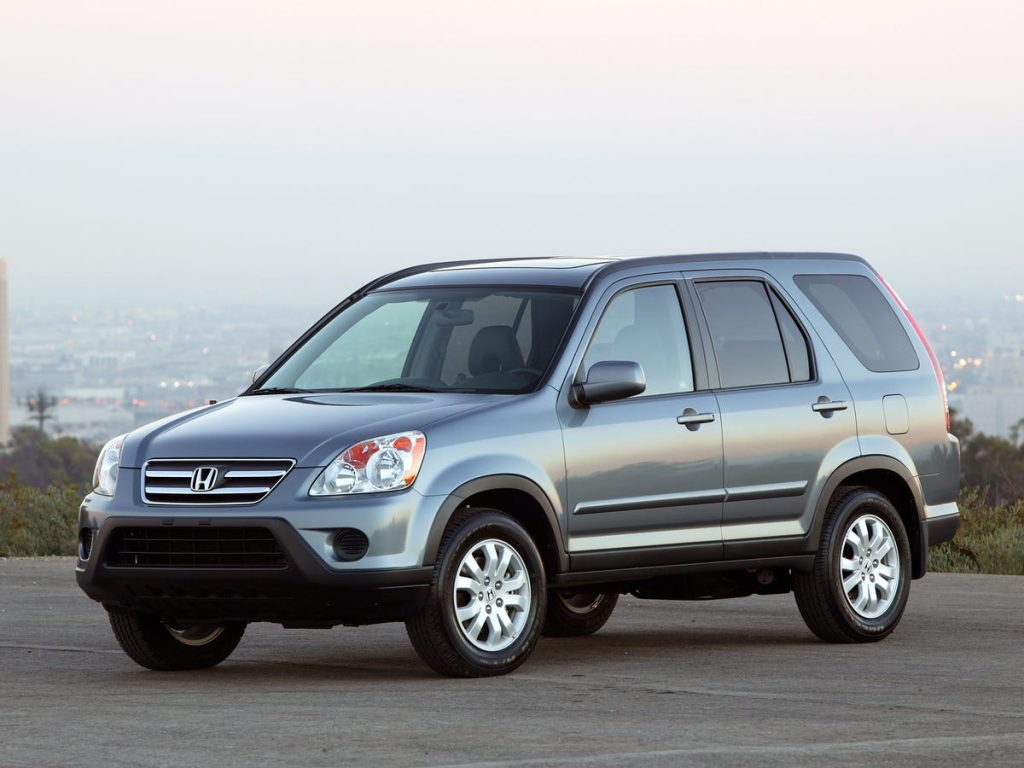
Beyond electronic safety, the CR-V offers excellent outward visibility, predictable handling, and comfortable ride quality that further assist drivers in avoiding hazardous situations.
These characteristics, combined with one of the industry’s most refined crash avoidance systems, make the Honda CR-V an outstanding choice for families seeking confidence every time they get behind the wheel.
Specifications
- Engine: 1.5-liter turbocharged inline 4
- Torque: 179 lb ft
- Horsepower: 190 hp
- Length/Width: 184.8 in / 73.5 in
3. Hyundai Tucson
The Hyundai Tucson has transformed from a value-focused compact SUV into one of the segment’s strongest safety performers. Central to that progress is Hyundai SmartSense, an extensive package of advanced driver assistance technologies that consistently delivers excellent crash avoidance results.
Rather than depending on a single sensor, the Tucson combines cameras, radar, and sophisticated software to monitor traffic, pedestrians, cyclists, and surrounding vehicles. This multilayered approach enables the SUV to react quickly when a potential collision is detected.
One of Tucson’s standout strengths is its forward collision avoidance assist system. During crash avoidance evaluations, the technology demonstrates the ability to recognize vehicles ahead, detect pedestrians crossing the road, and identify cyclists in various driving scenarios.
When necessary, the system provides escalating visual and audible warnings before automatically applying the brakes if the driver fails to react. This sequence helps reduce panic while still providing an important safety backup.
The SUV also performs well because its supporting technologies work together rather than independently. Lane Following Assist helps maintain proper lane positioning, while Blind Spot Collision Avoidance Assist can intervene if another vehicle occupies an adjacent lane.
Rear Cross Traffic Collision Avoidance Assist provides additional protection when reversing from parking spaces, an area where many family vehicles spend considerable time.
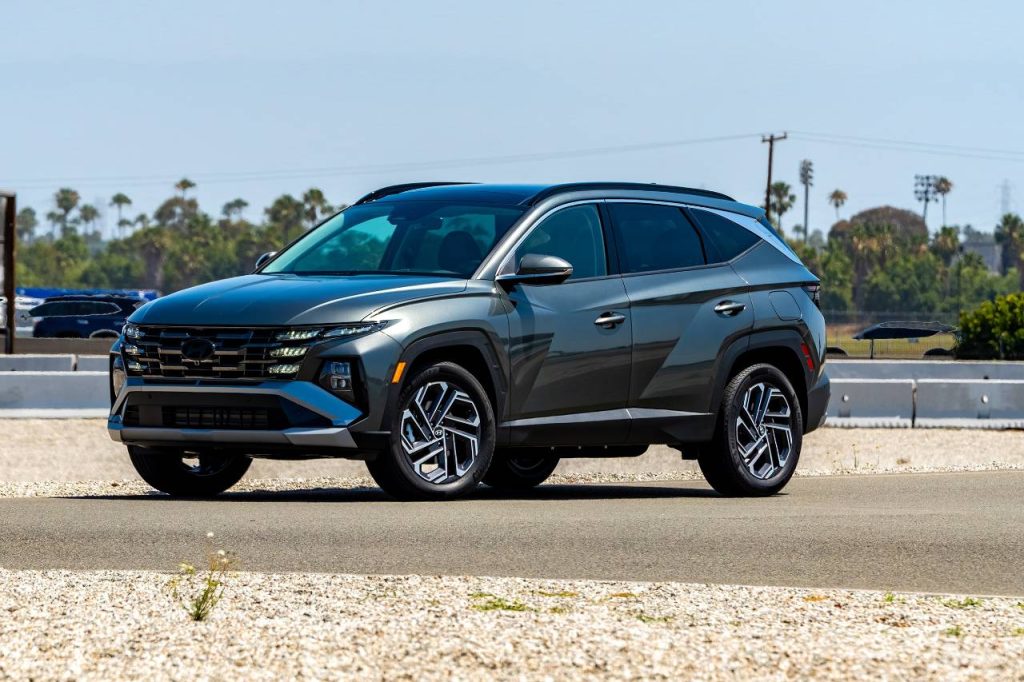
Beyond electronic systems, the Tucson’s predictable steering and composed suspension contribute to its excellent safety reputation. Drivers maintain confidence during emergency lane changes, while the upgraded seating position offers clear visibility in heavy traffic.
Hyundai has created an SUV that blends advanced technology with reassuring driving characteristics, making the Tucson one of the strongest performers in modern crash avoidance testing and an excellent choice for safety-conscious families.
Specifications
- Engine: 2.5 liter naturally aspirated inline 4
- Torque: 178 lb ft
- Horsepower: 187 hp
- Length/Width: 182.3 in / 73.4 in
4. Mazda CX-50
Mazda approaches vehicle safety differently from many manufacturers by combining advanced technology with engineering that encourages confident driver control. The CX-50 reflects this philosophy exceptionally well, earning praise for its crash avoidance capabilities through a combination of responsive handling and the i-Activsense safety suite.
Rather than relying solely on automatic intervention, Mazda designs its systems to support attentive drivers while remaining ready to act if necessary.
Forward Smart Brake Support plays a central role in the CX-50’s impressive performance. Cameras and radar monitor traffic ahead, identifying vehicles, pedestrians, and cyclists while calculating closing speeds in real time.
If the system determines that a collision is becoming likely, it first alerts the driver before applying emergency braking when appropriate. The smooth progression from warning to intervention creates a reassuring driving experience without generating unnecessary false alarms.
Another advantage lies in the CX-50’s precise steering and well-controlled chassis. During sudden avoidance maneuvers, the SUV remains composed and predictable, allowing drivers to confidently change direction without excessive body roll.
On highways, Lane Keep Assist and Lane Departure Warning work together to improve stability by gently helping the driver stay centered within their lane.
Mazda also emphasizes visibility through thoughtful exterior design and carefully positioned seating. Drivers enjoy an excellent view of surrounding traffic, making it easier to recognize developing hazards before electronic systems become involved.
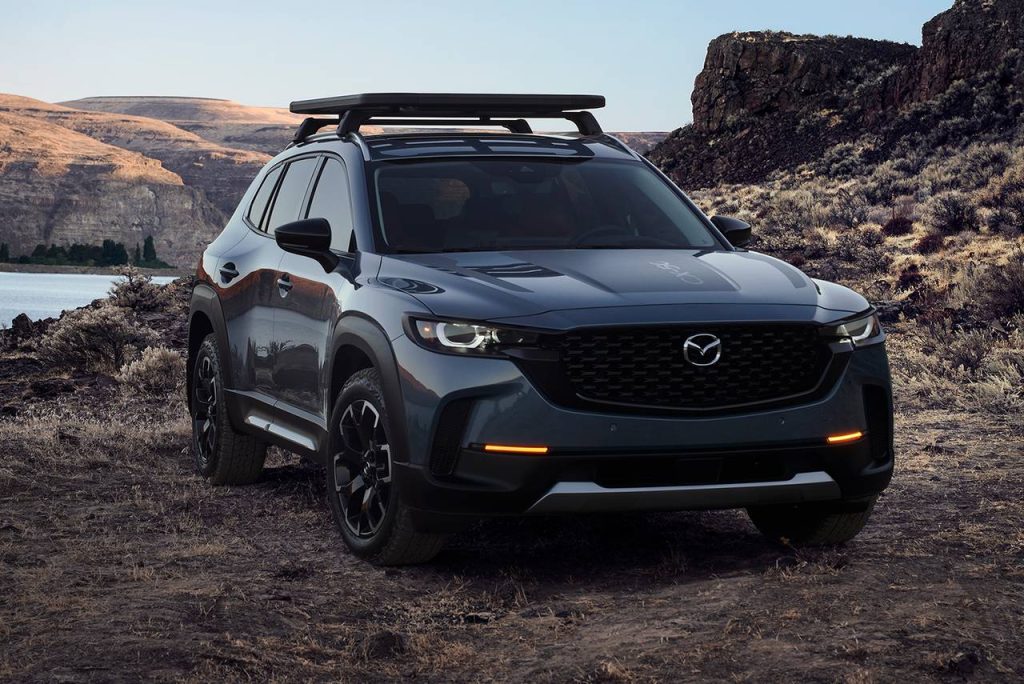
Combined with adaptive cruise control, rear cross-traffic alert, and blind spot monitoring, the CX-50 provides comprehensive preventive safety that consistently performs well in demanding crash avoidance evaluations while preserving the engaging driving character for which Mazda is known.
Specifications
- Engine: 2.5 liter naturally aspirated inline 4
- Torque: 186 lb ft
- Horsepower: 187 hp
- Length/Width: 185.8 in / 75.6 in
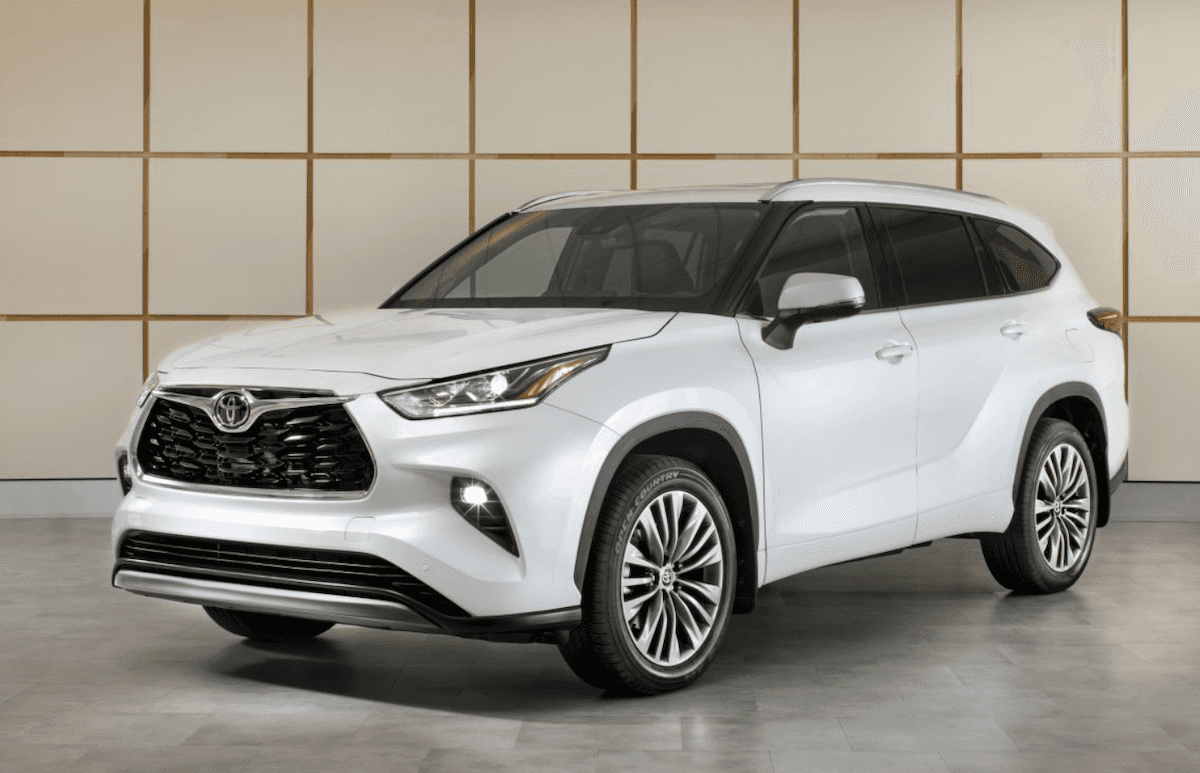
5. Toyota Highlander
Families choosing a three-row SUV often prioritize occupant protection, and the Toyota Highlander strengthens that confidence with an impressive collection of crash avoidance technologies.
Every modern Highlander comes equipped with Toyota Safety Sense, a suite of advanced systems developed to recognize hazards before they become accidents.
During crash avoidance evaluations, the SUV consistently demonstrates strong performance in vehicle detection, pedestrian recognition, and automatic emergency braking scenarios, making it one of the safest family haulers in its class.
Toyota’s Pre-Collision System works by combining a forward-facing camera with millimeter-wave radar. Together, these components continuously analyze traffic conditions, identifying vehicles, pedestrians, cyclists, and potential obstacles.
If a collision appears likely, the system first warns the driver through visual and audible alerts before automatically applying the brakes if no corrective action is taken. The technology performs effectively across a wide range of speeds, helping reduce both collision frequency and impact severity.
The Highlander also benefits from several supporting safety systems that complement emergency braking. Lane Tracing Assist gently helps keep the SUV centered within its lane, while Dynamic Radar Cruise Control maintains safe following distances during highway travel.
Road Sign Assist and Automatic High Beams further reduce driver workload, allowing greater attention to remain focused on changing traffic conditions.
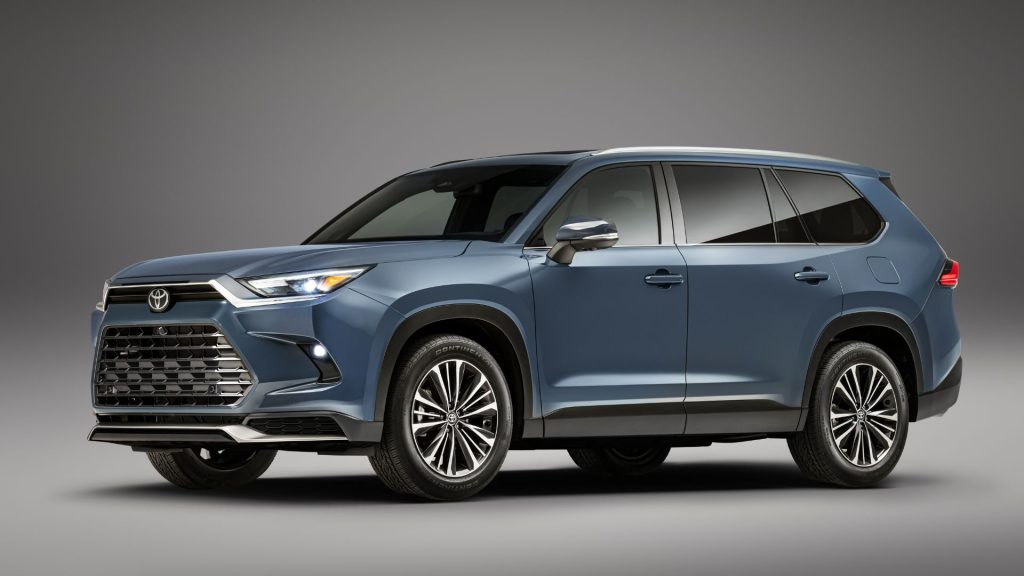
Practical family transportation demands more than advanced electronics alone. The Highlander combines excellent outward visibility, predictable steering, and stable handling with its driver assistance technologies, giving drivers greater confidence during emergencies.
These qualities, together with Toyota’s long-standing commitment to preventive safety, have helped the Highlander earn widespread recognition as one of the most capable crash avoidance performers among midsize family SUVs.
Specifications
- Engine: 2.4-liter turbocharged inline-4
- Torque: 310 lb ft
- Horsepower: 265 hp
- Length/Width: 194.9 in / 76.0 in
6. Kia Telluride
The Kia Telluride has earned widespread praise for blending premium comfort with exceptional safety, and its performance in crash avoidance testing has become one of its strongest selling points.
Equipped with Kia Drive Wise, the Telluride uses a sophisticated network of cameras, radar sensors, and intelligent software to monitor the road continuously. These technologies work together to detect potential hazards early and assist the driver before dangerous situations develop into actual collisions.
Forward Collision Avoidance Assist stands at the center of the system. The technology identifies slower-moving vehicles, stationary traffic, pedestrians, cyclists, and even certain turning scenarios at intersections.
If the driver fails to react after receiving warnings, the SUV automatically applies the brakes to help avoid or reduce the severity of an impact. This capability has contributed significantly to the Telluride’s excellent preventive safety evaluations.
Additional systems strengthen the SUV’s protective capabilities during everyday driving. Blind Spot Collision Avoidance Assist can intervene when another vehicle occupies the adjacent lane, while Highway Driving Assist combines adaptive cruise control with lane centering to reduce driver fatigue during long journeys.
Rear Cross-Traffic Collision Avoidance Assist also helps prevent accidents when backing out of parking spaces where visibility may be limited.
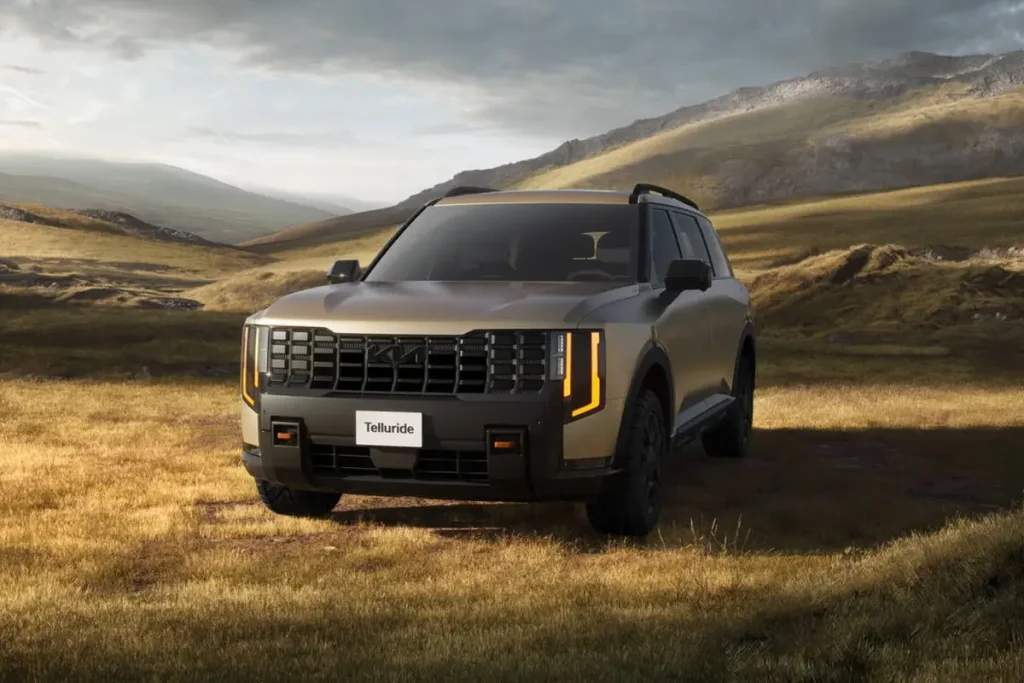
The Telluride complements these electronic systems with stable handling, responsive steering, and a commanding driving position that provides excellent visibility in heavy traffic.
Drivers feel supported without becoming overly dependent on technology because the systems operate naturally and predictably.
This balance between advanced driver assistance and confident vehicle dynamics has established the Telluride as one of the strongest-performing family SUVs in modern crash avoidance testing.
Specifications
- Engine: 3.8-liter naturally aspirated V6
- Torque: 262 lb ft
- Horsepower: 291 hp
- Length/Width: 196.9 in / 78.3 in
7. Volvo XC90
Volvo has built its global reputation around safety for decades, so it is no surprise that the XC90 remains one of the strongest performers in crash avoidance testing. Rather than focusing solely on protecting occupants after a collision, Volvo engineers have long emphasized technologies that help drivers avoid accidents entirely.
The XC90’s City Safety system combines cameras, radar, and advanced software to detect vehicles, pedestrians, cyclists, and large animals, providing one of the most comprehensive preventive safety packages available in a family SUV.
City Safety constantly monitors the environment ahead of the vehicle. If traffic suddenly slows or an obstacle appears, the system first alerts the driver before preparing the braking system for immediate response.
When necessary, it can automatically apply full braking force to avoid or reduce the severity of a collision. The technology also performs effectively during intersection scenarios where another vehicle unexpectedly crosses the SUV’s path, an area where many accidents commonly occur.
Another important advantage is Volvo’s Pilot Assist system. This feature combines adaptive cruise control with gentle steering assistance, helping the XC90 remain centered within its lane during highway driving.
Although the driver must always stay attentive, Pilot Assist reduces fatigue on longer trips and encourages smoother, more controlled driving behavior.
The XC90’s safety philosophy extends beyond electronics. Excellent outward visibility, balanced handling, and predictable steering response help drivers remain confident during emergency maneuvers.
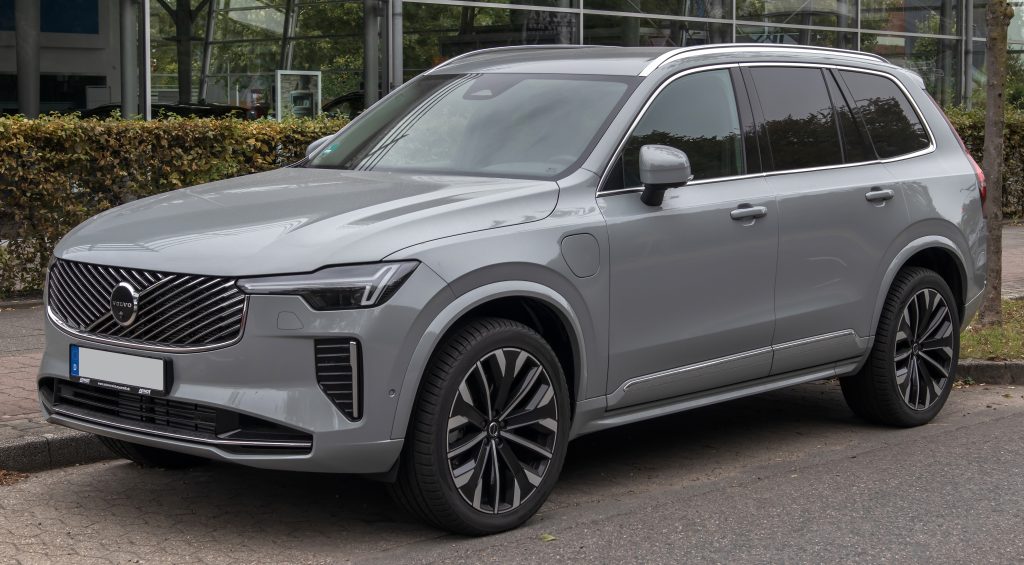
Volvo has carefully calibrated every safety system to feel supportive rather than intrusive, creating an SUV that actively assists the driver without taking control unnecessarily.
This combination of advanced technology and thoughtful engineering continues to make the XC90 one of the safest family SUVs available for buyers who prioritize collision prevention.
Specifications
- Engine: 2.0-liter turbocharged and supercharged inline-4 with mild hybrid assistance
- Torque: 310 lb ft
- Horsepower: 295 hp
- Length/Width: 195.0 in / 79.1 in
8. Genesis GV80
Genesis entered the luxury SUV market relatively recently, yet the GV80 has rapidly established itself as one of the segment’s strongest performers in preventive safety.
Equipped with an extensive collection of advanced driver assistance technologies, the GV80 consistently performs well in crash avoidance evaluations involving vehicles, pedestrians, cyclists, and complex traffic situations.
Genesis combines radar sensors, high-resolution cameras, ultrasonic sensors, and sophisticated software to create an intelligent safety network that operates continuously in the background.
Forward Collision Avoidance Assist can recognize a wide variety of hazards, including crossing traffic at intersections and vehicles suddenly changing lanes ahead. If the system determines that a collision risk is increasing, it warns the driver before applying emergency braking if necessary.
This capability is supported by Blind Spot Collision Avoidance Assist, which can help prevent unsafe lane changes by providing steering intervention under specific conditions.
The GV80 also features Highway Driving Assist, combining adaptive cruise control with lane-centering technology to reduce driver workload during extended highway travel.
Intelligent Speed Limit Assist, Rear Cross Traffic Collision Avoidance Assist, and Driver Attention Warnings provide additional layers of protection that contribute to the SUV’s excellent crash avoidance performance.
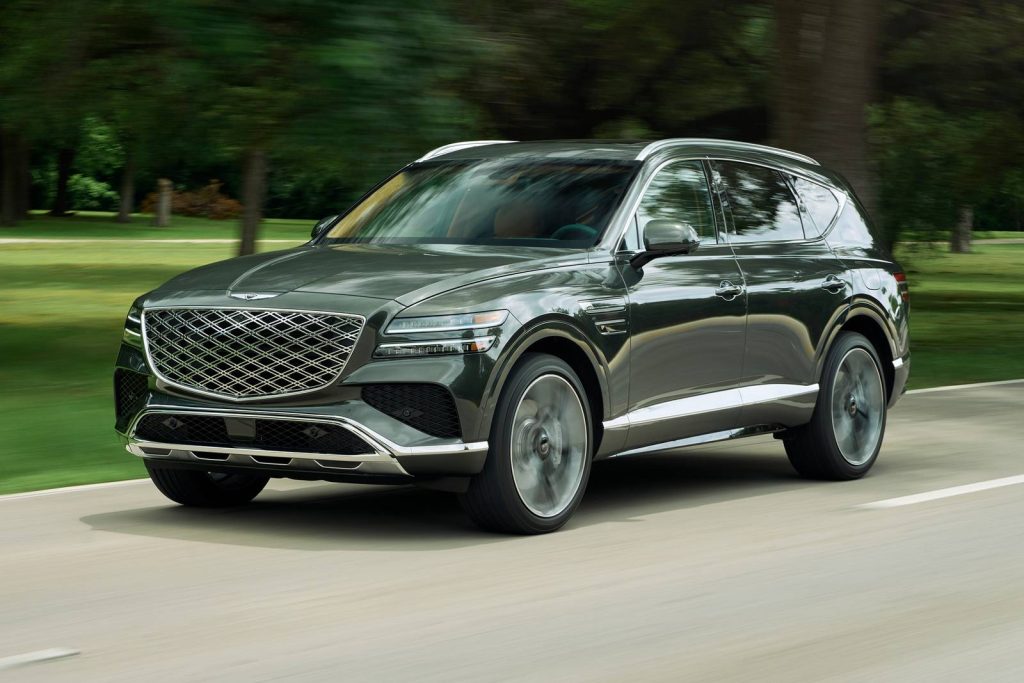
Genesis complements these technologies with outstanding structural engineering, refined suspension tuning, and a quiet cabin that allows drivers to remain focused on surrounding traffic. Excellent visibility and responsive steering further strengthen confidence during emergency situations.
The result is a luxury SUV that demonstrates preventive safety can coexist with premium comfort, making the GV80 one of the standout family vehicles for buyers seeking advanced crash avoidance capability.
Specifications
- Engine: 3.5-liter twin-turbocharged V6
- Torque: 391 lb ft
- Horsepower: 375 hp
- Length/Width: 194.7 in / 77.8 in
9. Acura MDX
Acura has steadily refined its approach to preventive safety, and the latest MDX demonstrates just how effective that strategy has become. As the brand’s flagship three-row SUV, the MDX incorporates the AcuraWatch suite of driver assistance technologies, delivering excellent results in crash avoidance evaluations.
Cameras, radar sensors, and sophisticated processing software constantly monitor the road ahead, helping the vehicle recognize potential hazards before they become emergencies. This proactive approach gives drivers additional time to react while providing automatic intervention when necessary.
The Collision Mitigation Braking System is one of the MDX’s strongest safety features. It continuously evaluates the distance and closing speed between the SUV and objects ahead.
If a collision appears imminent, the system first issues visual and audible warnings before automatically applying braking force if the driver does not respond. The technology is capable of identifying vehicles and pedestrians in numerous real-world situations, helping reduce both accident frequency and impact severity.
Supporting technologies further strengthen the SUV’s crash avoidance performance. Road Departure Mitigation gently assists steering if the vehicle begins drifting toward the edge of the roadway, while Adaptive Cruise Control with Low Speed Follow maintains a safe distance from traffic even during stop-and-go commuting.
The Lane Keeping Assist System also provides subtle steering corrections to help the driver remain centered without feeling intrusive.
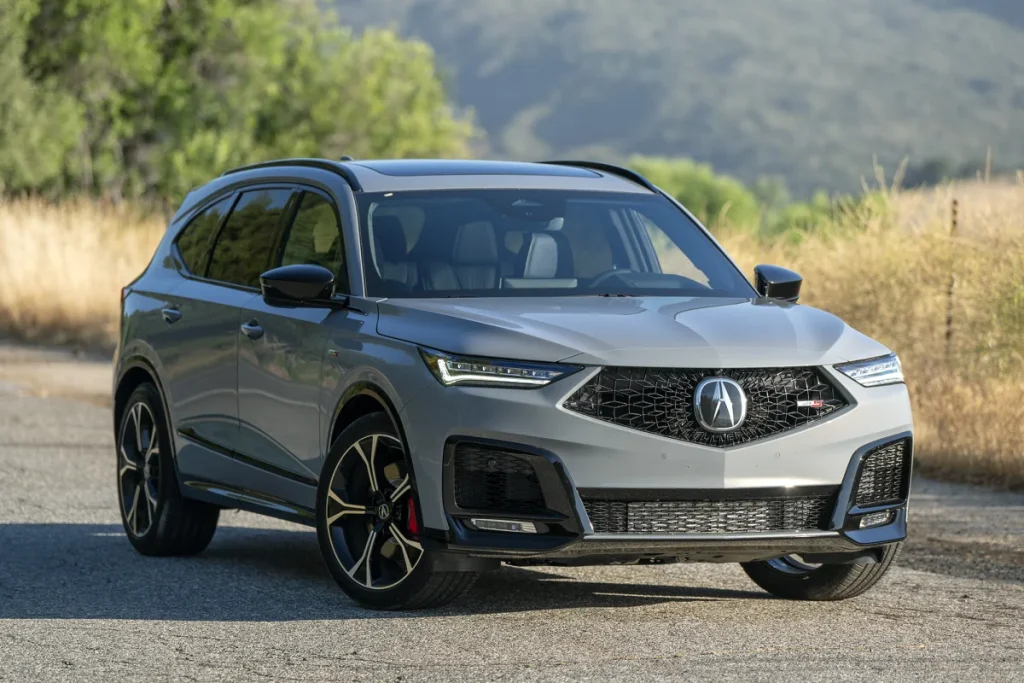
Beyond its electronic systems, the MDX benefits from precise steering, excellent body control, and confident braking performance. The commanding driving position improves visibility in heavy traffic, allowing hazards to be recognized sooner.
Together, these qualities make the MDX one of the most capable luxury family SUVs for preventing collisions before they occur, reinforcing Acura’s growing reputation for advanced safety engineering.
Specifications
- Engine: 3.5-liter naturally aspirated V6
- Torque: 267 lb ft
- Horsepower: 290 hp
- Length/Width: 198.4 in / 78.7 in
10. Lexus RX
The Lexus RX concludes this ranking by combining luxury refinement with one of the industry’s most sophisticated preventive safety systems. Every modern RX comes equipped with Lexus Safety System+, an integrated package of technologies developed to reduce collision risk in a wide variety of driving conditions.
Forward collision detection, automatic emergency braking, lane tracing assistance, adaptive cruise control, blind spot monitoring, and road sign recognition operate together to create a highly capable crash avoidance platform that consistently performs well in independent evaluations.
One of the RX’s greatest strengths is the smooth calibration of its safety technology. The Pre-Collision System identifies vehicles, pedestrians, cyclists, and other potential hazards while minimizing unnecessary interventions.
Drivers receive clear warnings before automatic braking is applied, allowing natural responses whenever possible. This balanced tuning helps maintain driver confidence without creating the frustration that can accompany overly sensitive safety systems.
Lane Tracing Assist and Dynamic Radar Cruise Control work especially well during highway travel. The RX maintains steady spacing from surrounding traffic while providing gentle steering assistance that reduces fatigue on longer journeys.
Rear Cross Traffic Alert and Safe Exit Assist enhance protection in parking lots and urban environments where unexpected hazards often appear.
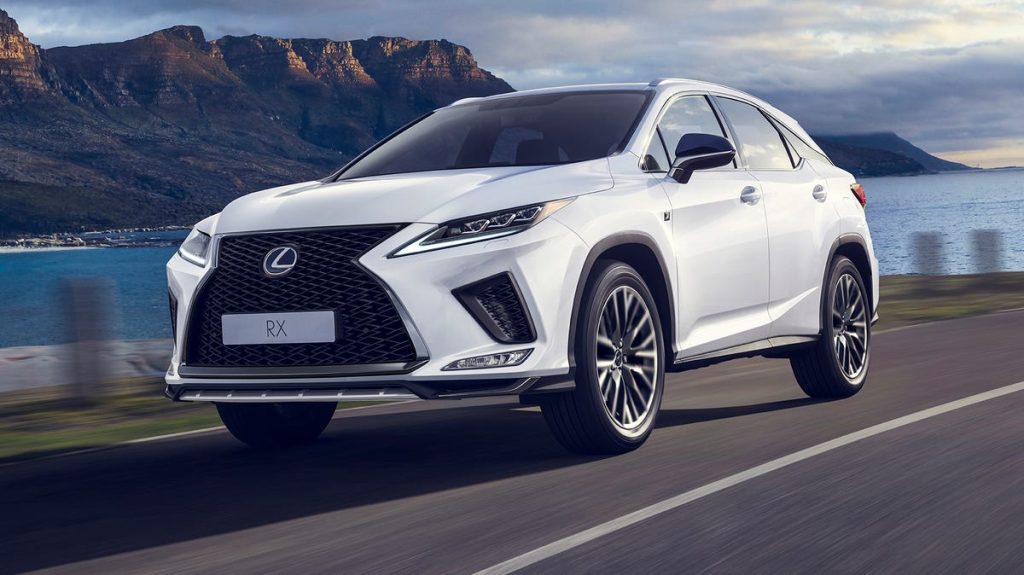
Lexus complements these electronic systems with exceptionally refined ride quality, excellent visibility, and predictable handling characteristics. The quiet cabin allows drivers to remain focused, while the SUV’s composed chassis responds confidently during emergency avoidance maneuvers.
By integrating advanced technology with traditional driving refinement, the Lexus RX delivers a complete safety package that helps families avoid accidents before they happen, making it a deserving conclusion to this list of SUVs that excel in crash avoidance testing.
Specifications
- Engine: 2.4-liter turbocharged inline-4
- Torque: 317 lb ft
- Horsepower: 275 hp
- Length/Width: 192.5 in / 75.6 in
