
Honda is preparing to revive one of the most unconventional vehicles in its history, betting that the market is finally ready for a product that may have arrived ahead of its time more than two decades ago.
According to Automotive News, the Japanese automaker is planning to reintroduce the Element as a compact hybrid SUV in 2029, positioning it between the HR-V and CR-V while targeting younger buyers who increasingly value versatility, outdoor lifestyles, and distinctive design over traditional family-oriented crossovers.
The reported revival comes as automakers rethink their product portfolios to address shifting consumer preferences. Compact SUVs continue to dominate global sales, but buyers are also demanding vehicles with stronger personalities, flexible interiors, and electrified powertrains.
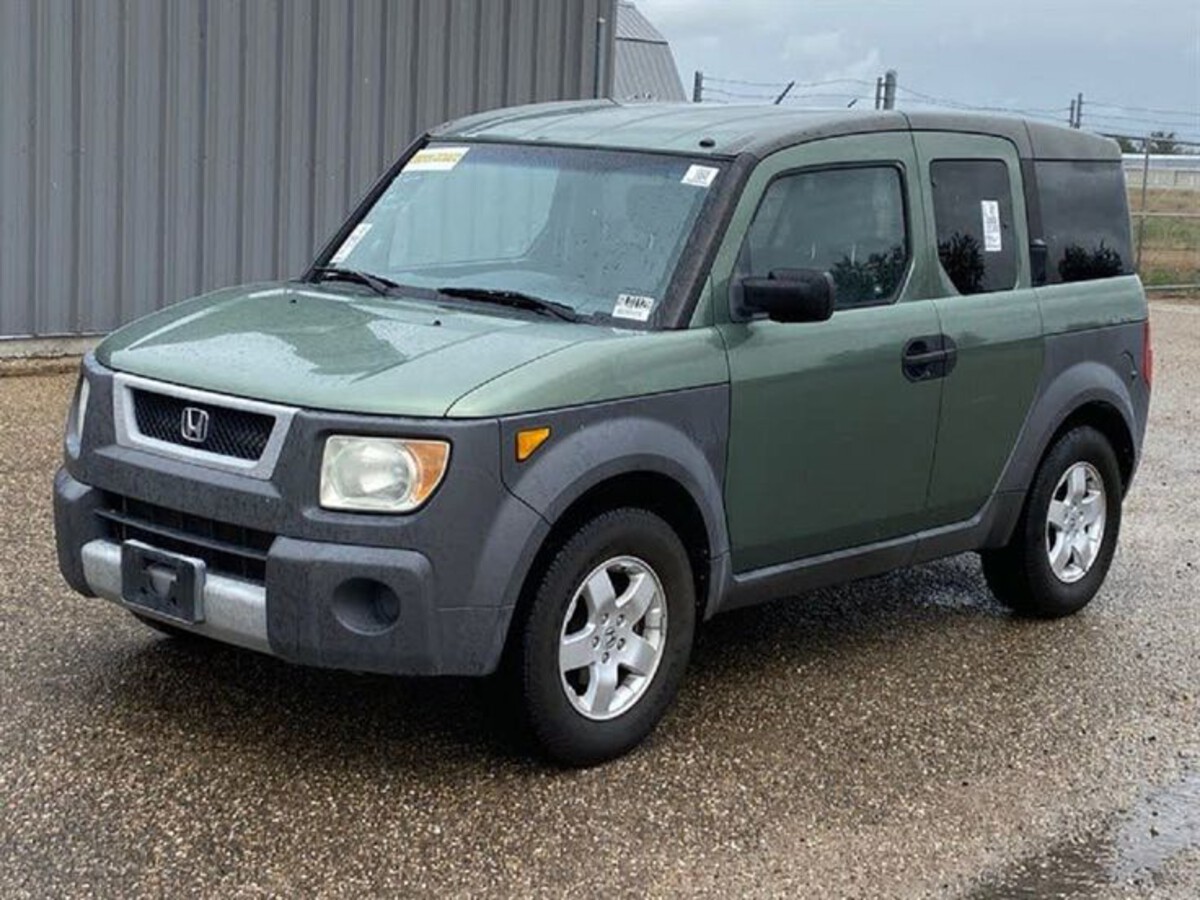
Honda believes the Element’s original philosophy of combining practicality with adventure-ready styling fits today’s market better than it did when the first-generation model debuted in 2003.
According to Automotive News, company planners see an opportunity to attract first-time buyers and younger families who want something different from the growing number of similarly styled crossovers on the market.
If the project moves forward as expected, the new Element will become part of Honda’s broader strategy to expand its hybrid lineup while strengthening its position in one of the industry’s most competitive vehicle segments.
Also Read: 10 Cars With The Best City MPG
A Vehicle That Built a Loyal Following After It Disappeared
The original Honda Element was unlike almost anything else on the road. Developed on the CR-V platform, it featured a boxy shape, rear-hinged cargo doors, a washable interior, removable rear seats, and durable plastic body cladding designed for active lifestyles.
Honda marketed the SUV toward younger buyers interested in surfing, camping, cycling, and outdoor recreation. Commercially, however, the timing proved challenging.
While the Element earned praise for practicality and versatility, many younger buyers found it too expensive, while older customers appreciated its upright seating position and easy cabin access more than Honda had anticipated.
Sales peaked during the mid-2000s before gradually declining as fuel prices increased and consumer preferences shifted. Honda ended production in North America after the 2011 model year.
Despite its relatively short production run, the Element developed a remarkably loyal owner community. Used examples have retained strong resale values, and well-maintained models continue to command premium prices compared with many vehicles of similar age.
Automotive analysts often point to the Element as an example of a vehicle that gained appreciation only after leaving the market, with many enthusiasts arguing it was introduced years before consumers fully embraced lifestyle-oriented crossovers.
Today’s SUV market looks very different.
The market Honda would re-enter in 2029 bears little resemblance to the one the original Element faced.
Compact crossovers have become the fastest-growing segment worldwide, while consumers increasingly favor rugged styling, practical interiors, and vehicles capable of supporting recreational activities.
Models such as the Ford Bronco Sport, Subaru Crosstrek, Toyota Corolla Cross, and Kia Seltos have demonstrated that buyers are willing to choose distinctive designs instead of conventional family SUVs.
Industry data from Cox Automotive shows compact SUVs remain among the strongest-performing segments in North America, with demand supported by first-time buyers, younger households, and consumers downsizing from larger vehicles.
At the same time, hybrid sales continue to expand as many customers seek improved fuel economy without relying exclusively on charging infrastructure.
Those trends help explain why Honda reportedly believes the Element deserves another opportunity.
Instead of simply reviving a nostalgic nameplate, the company appears to be aligning the new model with current consumer expectations.
Reports indicate the revived Element will emphasize hybrid efficiency, flexible cargo space, modern technology, and outdoor-focused practicality while maintaining the distinctive identity that made the original memorable.
Hybrid Power Will Be Central to Honda’s Strategy
One of the biggest differences between the old Element and its successor is expected to be what’s under the hood.
According to Automotive News, Honda intends to position the revived Element as a hybrid model rather than relying solely on conventional gasoline power. That decision reflects the company’s long-term commitment to expanding hybrid availability across its global lineup while continuing to invest in battery-electric vehicles.
Honda has repeatedly described hybrids as an essential bridge during the industry’s transition toward full electrification. Rather than forcing buyers to choose between gasoline and fully electric vehicles, the company believes hybrid technology offers an attractive balance of fuel efficiency, lower emissions, everyday convenience, and long-distance usability.
The strategy has already produced encouraging results. Hybrid versions of the Civic, Accord, and CR-V have become increasingly important contributors to Honda’s sales mix in several markets.
Expanding that technology into another compact SUV would strengthen Honda’s position against rivals that are rapidly increasing their own hybrid offerings.
Although technical specifications remain undisclosed, analysts expect the future Element to share key components with Honda’s latest two-motor hybrid system, which has earned positive reviews for smooth power delivery and competitive fuel economy.
Winning Younger Buyers Will Not Be Easy
Honda’s reported objective extends beyond launching another compact SUV. The company is attempting to reconnect with younger customers entering the new-vehicle market for the first time.
That demographic has become increasingly difficult for many manufacturers to attract. Rising vehicle prices, higher financing costs, and changing transportation habits have encouraged younger consumers to keep older vehicles longer or purchase used models instead of buying new.
Honda believes a modern interpretation of the Element could address those challenges by offering something that feels distinctive rather than conventional.
Practicality, flexible seating, durable materials, hybrid efficiency, and technology-focused features could help differentiate it in a crowded market where many SUVs have begun to look increasingly similar.
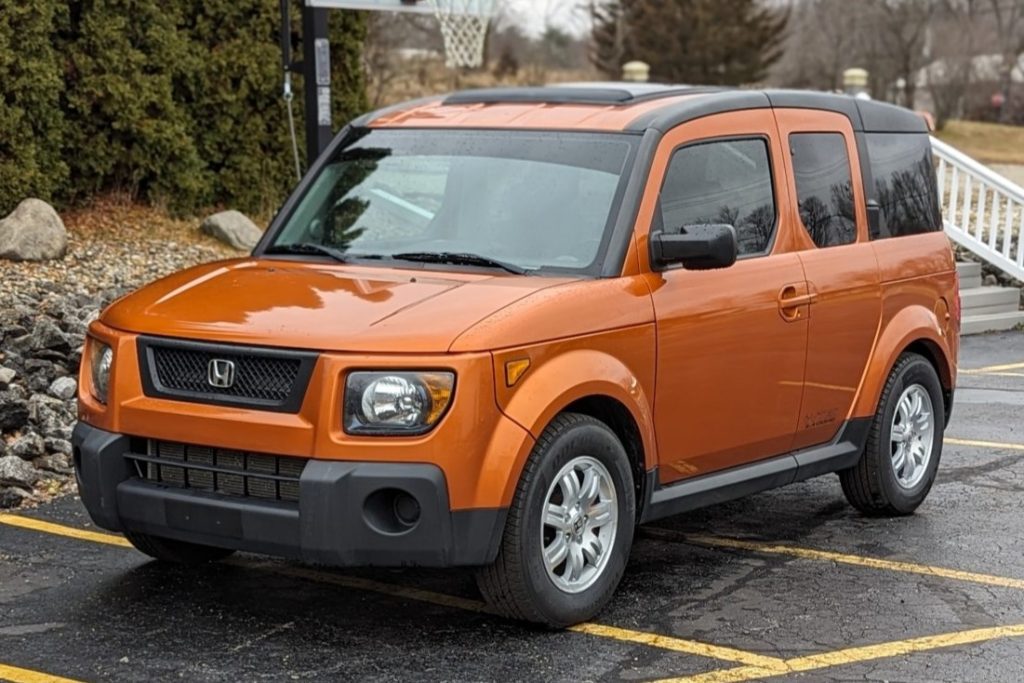
At the same time, nostalgia may also work in Honda’s favor. Buyers who grew up seeing the original Element are now reaching the stage where they are purchasing family vehicles of their own, creating an opportunity for Honda to reconnect with a nameplate that has maintained an enthusiastic following long after production ended.
Honda Is Banking on More Than Nostalgia
The return of the Element is about far more than reviving a familiar nameplate. Honda is responding to a market that has changed dramatically since the original model was discontinued in 2011.
Today’s buyers are increasingly drawn to compact SUVs that combine practicality with distinctive styling, while hybrid powertrains have become one of the fastest-growing segments in the industry. If the reported plans move forward, the new element could arrive at exactly the right time.
Competition, however, will be intense. The revived Element is expected to face rivals such as the Toyota Corolla Cross Hybrid, Subaru Crosstrek, Ford Bronco Sport, Kia Seltos, and Hyundai Kona, all of which have established strong positions in the compact SUV market.
To stand out, Honda will need to deliver more than retro-inspired styling. Buyers will expect excellent fuel economy, advanced driver-assistance technology, a spacious interior, and competitive pricing.
According to Automotive News, Honda believes the Element’s unique identity remains one of its biggest strengths.
Instead of simply recreating the original model, the company is reportedly developing a modern crossover that retains the versatility and adventurous spirit that made the first-generation vehicle memorable while incorporating today’s safety, connectivity, and electrification technologies. That balance between heritage and innovation could prove critical to its success.
If launched as planned in 2029, the Element would also strengthen Honda’s expanding hybrid portfolio, supporting the company’s strategy of increasing electrified vehicle sales before a broader transition to fully electric models later in the decade.
While Honda has not officially confirmed every detail of the reported revival, industry analysts believe bringing back the Element is a logical move given current market trends.
A practical hybrid SUV with distinctive styling and flexible utility could appeal to both loyal fans of the original and a new generation of buyers looking for something different. If Honda delivers on those expectations, the Element may finally achieve the widespread commercial success that eluded its first chapter.
Also Read: 10 Car Brands That Built Aircraft Engines
