
Pedestrian safety has become one of the most important areas of modern automotive development. As cities become more crowded and traffic grows increasingly complex, manufacturers are investing heavily in technologies that can recognize pedestrians before a collision occurs.
Advanced driver assistance systems now combine forward-facing cameras, radar sensors, and sophisticated software to identify people crossing the road, walking along the shoulder, or unexpectedly entering the vehicle’s path.
When necessary, these systems warn the driver and can automatically apply the brakes to reduce impact speed or avoid the collision entirely.
Organizations such as the Insurance Institute for Highway Safety have encouraged rapid improvements by expanding pedestrian crash prevention testing. Modern evaluations now include daytime and nighttime scenarios, higher vehicle speeds, and more challenging crossing situations.
Vehicles that consistently detect pedestrians and respond appropriately earn higher safety ratings, making pedestrian crash prevention an increasingly important factor for buyers comparing new models.
The eight vehicles featured in this article stand out because of their outstanding pedestrian detection capabilities and advanced automatic emergency braking systems. Each combines intelligent hardware with carefully calibrated software that performs exceptionally well during independent safety testing.
While no technology can replace an attentive driver, these vehicles demonstrate how modern safety engineering can provide valuable assistance during unexpected situations.
Their ability to recognize pedestrians quickly and intervene when necessary represents one of the most significant advances in automotive safety, helping protect both vehicle occupants and vulnerable road users alike.
Also Read: 8 Car Features Automakers Now Lock Behind a Monthly Subscription
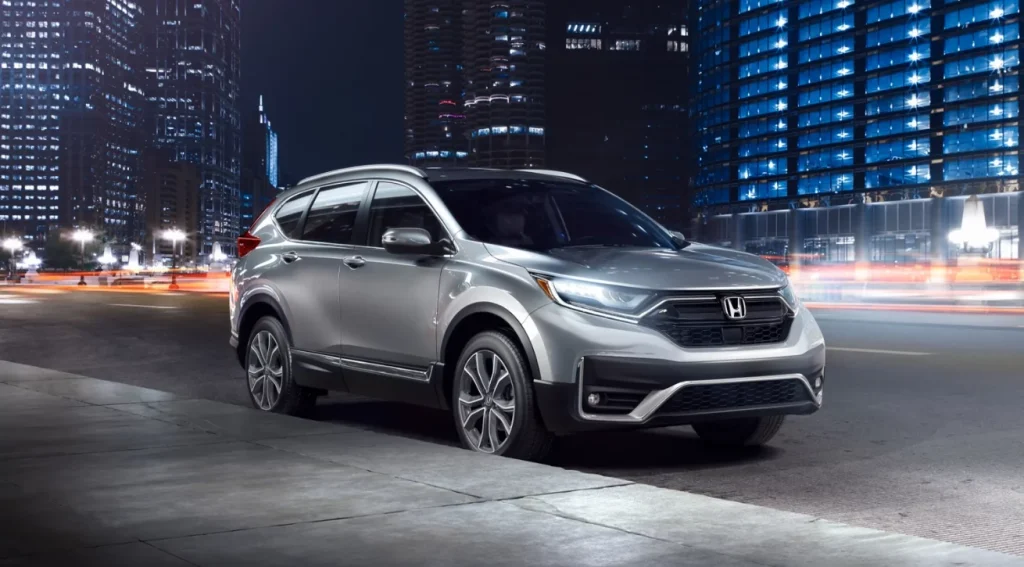
1. Honda CR-V
Modern safety technology is most valuable when it operates quietly in the background, stepping in only when the driver truly needs assistance. The Honda CR-V demonstrates this philosophy through its highly refined pedestrian detection system, which forms part of the standard Honda Sensing safety suite.
The vehicle continuously monitors the road ahead using a forward-facing camera and radar sensor, searching for pedestrians as well as other vehicles. If someone unexpectedly enters the vehicle’s path, the system first alerts the driver before preparing the brakes for maximum response.
When the driver fails to react quickly enough, the Collision Mitigation Braking System can automatically apply braking force to reduce collision severity or avoid the impact entirely.
Honda has steadily improved the software controlling this technology, allowing it to recognize pedestrians in a wider variety of situations than earlier generations.
The system performs effectively during both urban driving and suburban environments where people may emerge from between parked vehicles or approach crosswalks unexpectedly.
Integration with Lane Keeping Assist and Adaptive Cruise Control creates a comprehensive safety package that constantly evaluates surrounding traffic conditions rather than focusing on only one hazard.
The CR-V’s excellent outward visibility also contributes to its pedestrian safety performance. Slim windshield pillars and a commanding seating position provide drivers with a broad view of the road, allowing both human observation and electronic systems to work together more effectively.
Combined with predictable braking characteristics and stable handling, the SUV responds confidently during emergency avoidance situations.
By making Honda Sensing standard across the lineup, Honda ensures every CR-V owner benefits from advanced pedestrian detection without purchasing additional option packages, reinforcing its reputation as one of today’s safest family SUVs.
Specifications
- Engine: 1.5-liter Turbocharged Inline-4
- Torque: 179 lb-ft
- Horsepower: 190 hp
- Length/Width: 184.8 inches / 73.5 inches
2. Toyota Prius
The latest Toyota Prius illustrates how a vehicle known primarily for efficiency has evolved into one of the industry’s strongest performers in pedestrian crash prevention.
Toyota equips every Prius with Toyota Safety Sense, a comprehensive suite of driver assistance technologies that includes an advanced pre-collision system capable of detecting pedestrians during both daytime and many nighttime driving conditions.
Using a combination of cameras and radar, the system continuously evaluates objects ahead and reacts rapidly when it identifies a person entering the vehicle’s projected path.
Unlike earlier generations of collision avoidance systems that primarily recognized other vehicles, the latest software distinguishes pedestrians with greater accuracy while reducing unnecessary warnings.
If the driver does not respond after receiving visual and audible alerts, automatic emergency braking activates to slow the vehicle before impact. Independent testing has shown the Prius performing exceptionally well in pedestrian crash prevention evaluations because of this refined technology.
The Prius also benefits from balanced chassis dynamics that complement its electronic safety systems. Responsive steering, effective braking, and a low center of gravity allow the vehicle to remain stable during sudden avoidance maneuvers.
These characteristics give drivers additional confidence when reacting to unexpected hazards in heavy traffic.
Another advantage comes from Toyota’s integration of Road Sign Assist, Lane Tracing Assist, and Dynamic Radar Cruise Control. Together, these systems help maintain driver awareness while reducing fatigue during longer journeys. They function alongside pedestrian detection rather than operating independently, creating a coordinated safety network.
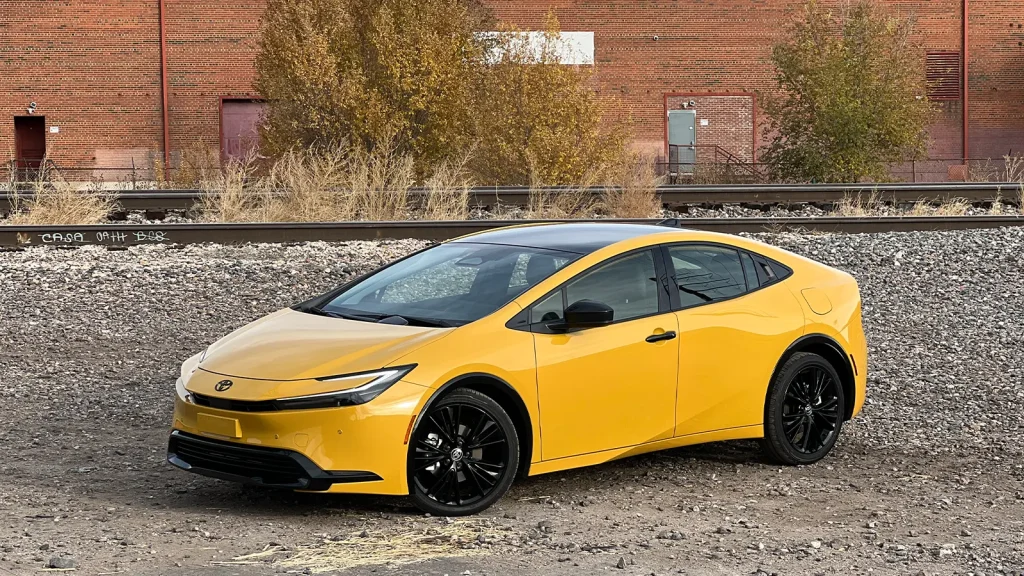
The Prius demonstrates that fuel efficiency and advanced safety can exist within the same vehicle. Its sophisticated pedestrian recognition capability has become just as important as its hybrid powertrain, making it one of the leading choices for drivers who prioritize accident prevention.
Specifications
- Engine: 2.0-liter Hybrid Inline-4
- Torque: 139 lb-ft
- Horsepower: 194 hp
- Length/Width: 181.1 inches / 70.2 inches
3. Hyundai Ioniq 5
Electric vehicles have become showcases for advanced safety innovation, and the Hyundai Ioniq 5 is one of the strongest examples of that progress. While its futuristic styling attracts immediate attention, one of its most valuable qualities is a highly sophisticated pedestrian detection system integrated into Hyundai SmartSense.
Using a combination of forward-facing cameras and radar sensors, the vehicle constantly analyzes the roadway for pedestrians, cyclists, and other vulnerable road users. When it detects a potential collision, the system responds in stages, beginning with warnings before automatically applying the brakes if the driver does not react.
Forward Collision Avoidance Assist has been refined to recognize pedestrians crossing at intersections, individuals walking along the roadside, and people unexpectedly entering the vehicle’s path. The software evaluates vehicle speed, pedestrian movement, and available braking distance before determining the appropriate response.
This intelligent approach minimizes unnecessary interventions while maintaining rapid reaction times during genuine emergencies.
The Ioniq 5 also benefits from excellent visibility and a balanced electric platform. Its low-mounted battery contributes to stable handling during emergency maneuvers, while responsive steering and predictable braking characteristics help drivers maintain control during sudden avoidance situations.
These mechanical qualities complement the electronic safety systems instead of relying on automation alone.
Additional technologies, including Highway Driving Assist, Blind Spot Collision Avoidance Assist, Lane Following Assist, and Driver Attention Warning, operate continuously in the background. Together, they create a comprehensive safety environment that reduces driver workload while improving situational awareness.
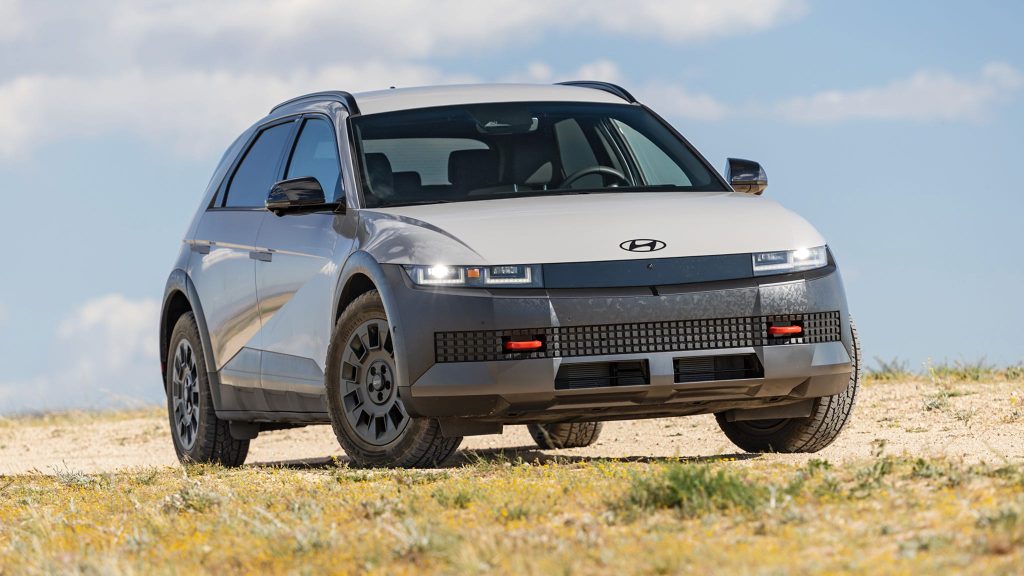
The Ioniq 5 demonstrates how modern electric vehicles combine advanced computing power with refined engineering to protect both occupants and pedestrians. Its ability to recognize vulnerable road users under a wide range of conditions makes it one of today’s most capable vehicles for accident prevention.
Specifications
- Engine: Single Permanent Magnet Electric Motor
- Torque: 258 lb-ft
- Horsepower: 225 hp
- Length/Width: 182.5 inches / 74.4 inches
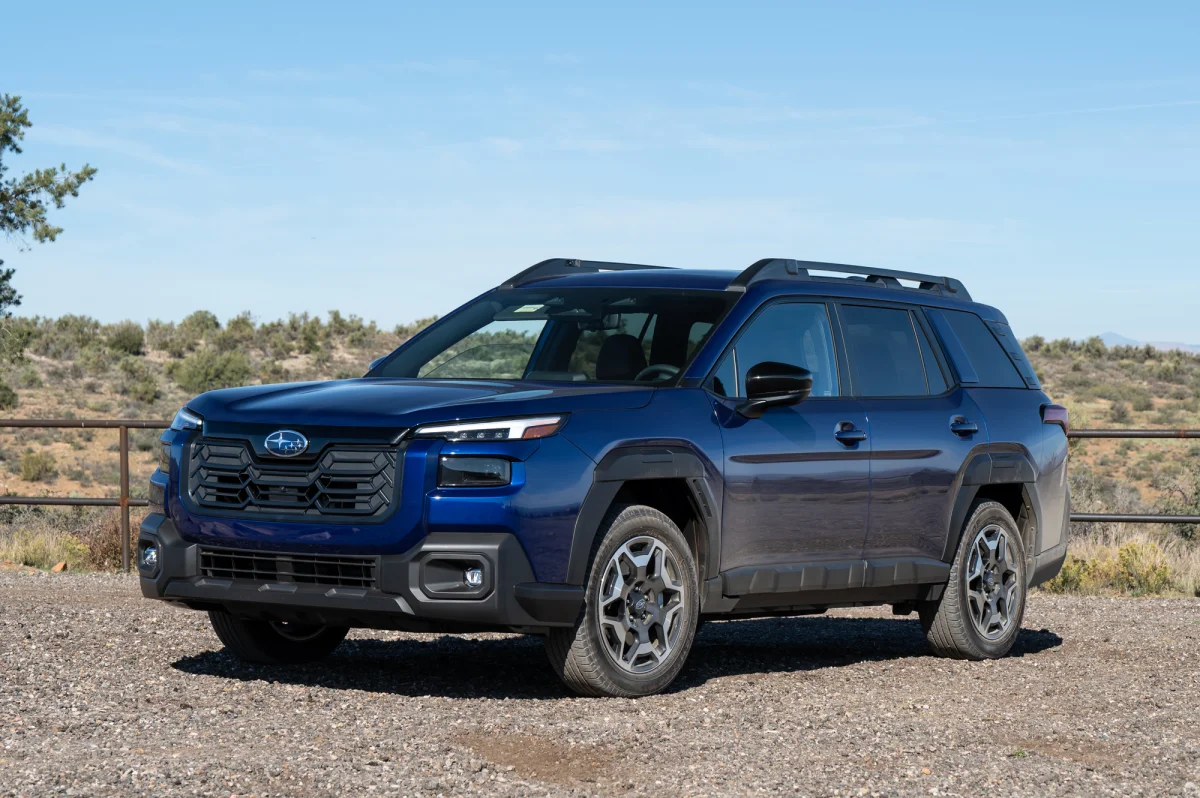
4. Subaru Outback
Subaru approaches pedestrian safety with a philosophy centered on continuous observation rather than last-second intervention. The Outback’s EyeSight Driver Assist Technology uses two stereo cameras positioned near the windshield to create a three-dimensional view of the road ahead.
This unique arrangement allows the vehicle to estimate distance, speed, and movement with remarkable precision, helping it identify pedestrians before a dangerous situation develops.
When someone steps into the roadway, EyeSight immediately begins evaluating whether the driver’s current actions are sufficient to avoid a collision. If necessary, visual and audible warnings appear before pre-collision braking automatically applies the brakes.
The smooth transition from warning to intervention allows the system to react naturally while still providing meaningful assistance during emergencies.
Subaru’s stereo camera system focuses on identifying the shape and movement of pedestrians rather than relying solely on radar-based detection. This approach improves performance in urban settings where pedestrians often cross intersections, move beside parked cars, or walk close to active traffic, enhancing safety in complex city environments.
The Outback’s standard symmetrical all-wheel drive further strengthens accident prevention by providing secure traction during rain, snow, and slippery road conditions.
Combined with responsive steering and predictable braking, drivers have greater control when making emergency avoidance maneuvers that may eliminate the need for automatic braking.
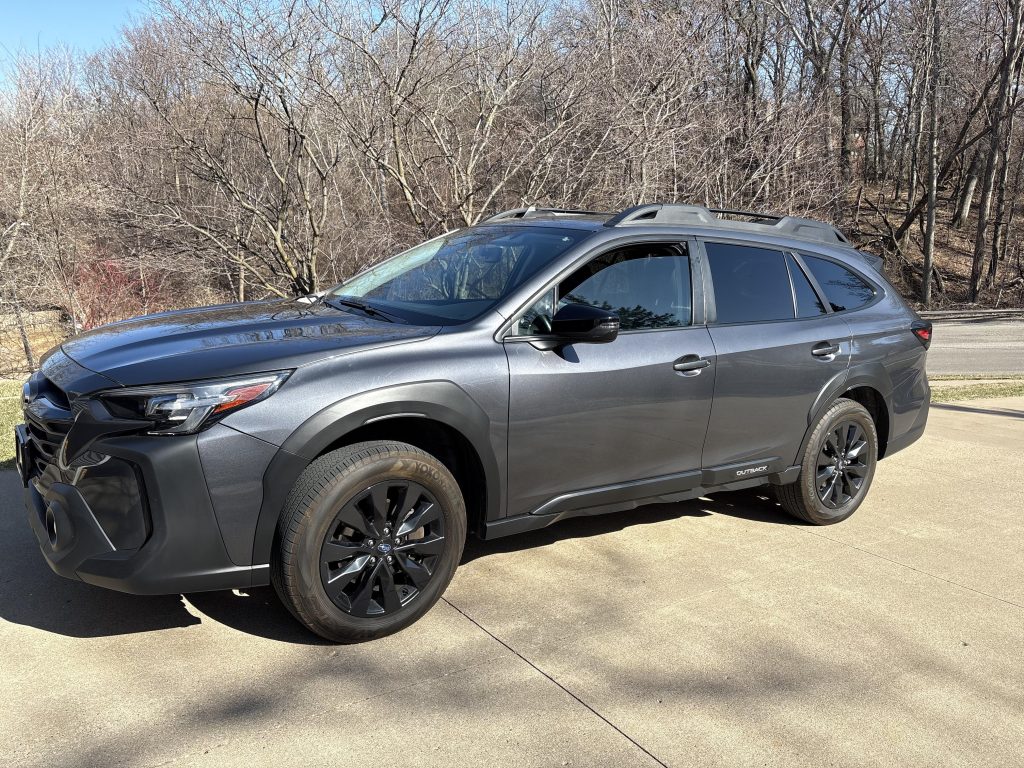
Lane Departure Prevention, Adaptive Cruise Control, Lane Centering, and Lead Vehicle Start Alert complete the EyeSight package, creating a coordinated safety system that continuously monitors the driving environment. Rather than functioning independently, these technologies support one another to reduce accident risk from multiple directions.
The Subaru Outback demonstrates that careful integration of cameras, software, and vehicle dynamics can produce pedestrian detection performance that ranks among the best available in today’s automotive market.
Specifications
- Engine: 2.5-liter Naturally Aspirated Boxer-4
- Torque: 178 lb-ft
- Horsepower: 182 hp
- Length/Width: 191.9 inches / 74.6 inches
5. Mazda CX-90
Rather than relying on aggressive warning systems alone, the Mazda CX-90 uses a carefully balanced approach to pedestrian detection that emphasizes accuracy, smooth intervention, and natural driver interaction.
Its i-Activsense safety suite constantly scans the road ahead through a combination of cameras and radar sensors, identifying pedestrians, cyclists, and vehicles before they become immediate hazards. The technology operates quietly in the background, stepping in only when the system determines that a collision is becoming increasingly likely.
Smart Brake Support plays the central role in this process. The software evaluates the direction, speed, and position of pedestrians while simultaneously monitoring the driver’s steering and braking inputs.
If the driver has not reacted sufficiently, the system first delivers visual and audible warnings before automatically applying the brakes. This graduated response allows the driver every opportunity to avoid the collision independently while ensuring the vehicle intervenes when necessary.
Mazda also complements its electronic safety features with outstanding chassis engineering. The CX-90’s responsive steering, balanced suspension, and predictable braking characteristics make sudden avoidance maneuvers easier to execute without unsettling the vehicle.
Excellent visibility from the driver’s seat further improves the ability to identify pedestrians in busy urban environments.
Additional systems such as blind spot monitoring, lane keep assist, adaptive cruise control, rear cross traffic alert, and driver attention alert contribute to a comprehensive safety package that continuously evaluates surrounding traffic conditions.
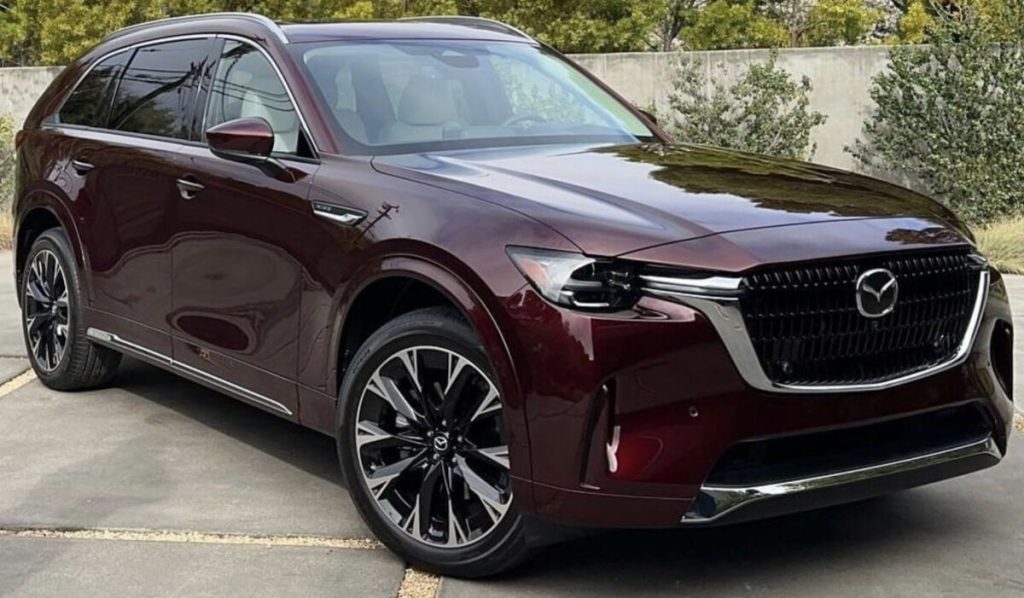
The CX-90 illustrates Mazda’s philosophy that effective crash prevention depends on both intelligent software and confident vehicle dynamics.
Its refined pedestrian detection capability, combined with excellent driving characteristics, has made it one of the strongest performers among modern three-row SUVs for protecting vulnerable road users.
Specifications
- Engine: 3.3-liter Turbocharged Inline-6
- Torque: 369 lb-ft
- Horsepower: 280 hp
- Length/Width: 201.6 inches / 77.6 inches
6. Kia EV9
The Kia EV9 demonstrates how rapidly safety technology has advanced in large electric SUVs. Although its generous dimensions provide a commanding presence on the road, one of its greatest strengths is the sophisticated pedestrian detection capability built into Kia’s latest Drive Wise safety suite.
Cameras, radar sensors, and high-speed processing continuously monitor the driving environment, allowing the vehicle to recognize pedestrians well before they become immediate hazards.
Forward Collision Avoidance Assist 2 expands upon previous systems by identifying pedestrians crossing intersections, individuals approaching from the roadside, and cyclists traveling near traffic lanes.
The software analyzes vehicle speed, pedestrian movement, and available stopping distance in real time before deciding whether to warn the driver or activate automatic emergency braking.
The EV9’s electric platform contributes additional benefits during emergencies. A low-mounted battery pack creates a lower center of gravity than many conventional SUVs, helping maintain stability during sudden steering or braking maneuvers.
Responsive electric power delivery and precise brake modulation allow the vehicle to react smoothly while preserving driver control.
Additional safety technologies strengthen this already impressive package. Highway Driving Assist 2, Blind Spot Collision Avoidance Assist, Lane Following Assist, Intelligent Speed Limit Assist, and Driver Attention Warning continuously work together, reducing driver workload while maintaining awareness of surrounding traffic.
The spacious SUV also provides excellent outward visibility, allowing drivers to identify pedestrians more easily while the electronic systems perform continuous monitoring in the background. This combination of human awareness and intelligent automation significantly improves accident prevention.
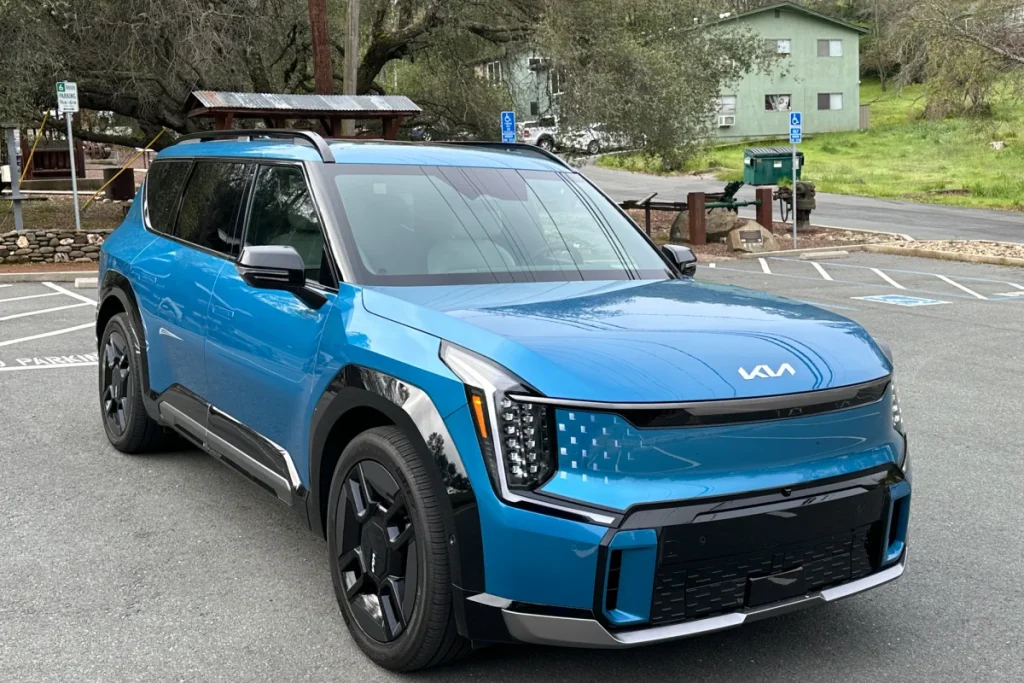
The Kia EV9 shows that large family vehicles can successfully combine exceptional occupant protection with advanced pedestrian recognition technology, making it one of the most capable electric SUVs available for protecting everyone sharing today’s increasingly busy roads.
Specifications
- Engine: Dual Permanent Magnet Electric Motors
- Torque: 443 lb-ft
- Horsepower: 379 hp
- Length/Width: 197.2 inches / 77.9 inches
7. Mercedes-Benz E-Class
The Mercedes-Benz E-Class has long been regarded as a benchmark for automotive safety, and its latest generation continues that tradition with one of the most advanced pedestrian detection systems currently available.
Rather than depending on a single sensor, the sedan combines high-resolution cameras, radar units, and sophisticated processing software to build a detailed understanding of the environment ahead.
This constant analysis enables the vehicle to recognize pedestrians in complex traffic situations and react before a collision becomes unavoidable.
Active Brake Assist serves as the core of the system. It continuously measures the movement of nearby pedestrians, estimating their direction, speed, and likelihood of crossing into the vehicle’s path.
If the driver does not respond to visual and audible warnings, the system automatically applies the brakes with enough force to reduce impact speed or avoid the collision entirely when conditions permit.
The E-Class also benefits from advanced lighting technology that improves the driver’s ability to identify pedestrians during nighttime driving. Combined with excellent visibility from the cabin, these features allow both the driver and the electronic safety systems to detect potential hazards earlier than many conventional vehicles.
Mercedes further strengthens accident prevention with active steering assist, active lane keeping assist, adaptive cruise control, blind spot assist, and evasive steering assist.
These technologies communicate with one another instead of operating independently, creating a coordinated safety network capable of responding to rapidly changing traffic conditions.
The sedan’s rigid passenger cell, multiple airbags, and carefully engineered crumple zones provide excellent occupant protection if an accident cannot be avoided. However, the primary objective remains preventing the collision before it occurs.
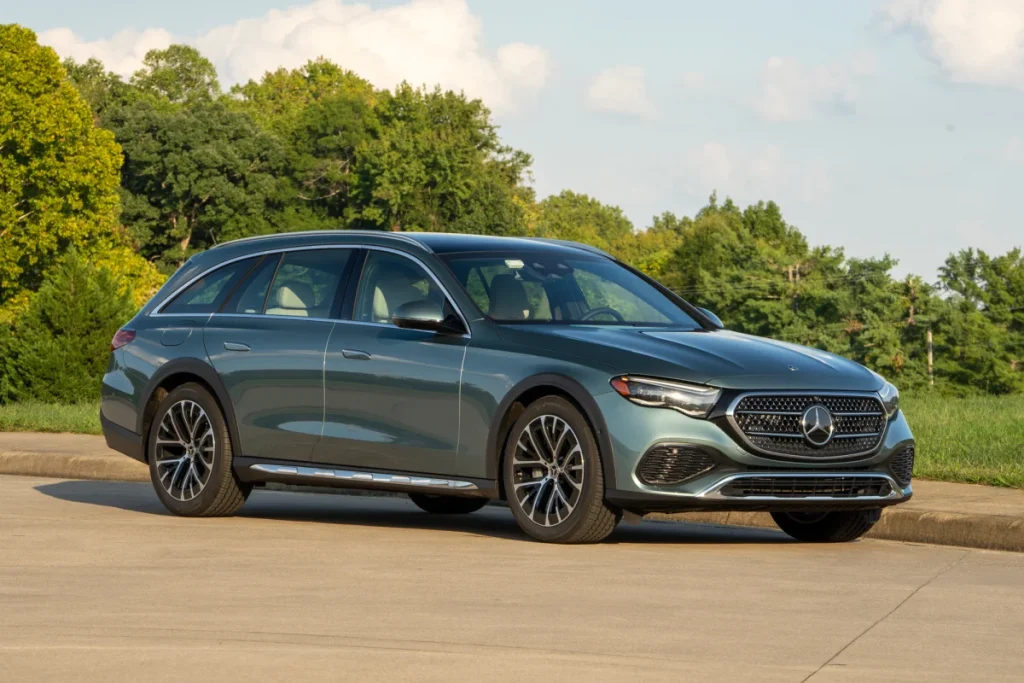
The Mercedes-Benz E-Class demonstrates how decades of safety research have produced a vehicle that excels not only in protecting its occupants but also in identifying and responding to pedestrians with remarkable precision.
Specifications
- Engine: 2.0-liter Turbocharged Inline-4
- Torque: 295 lb-ft
- Horsepower: 255 hp
- Length/Width: 194.9 inches / 74.8 inches
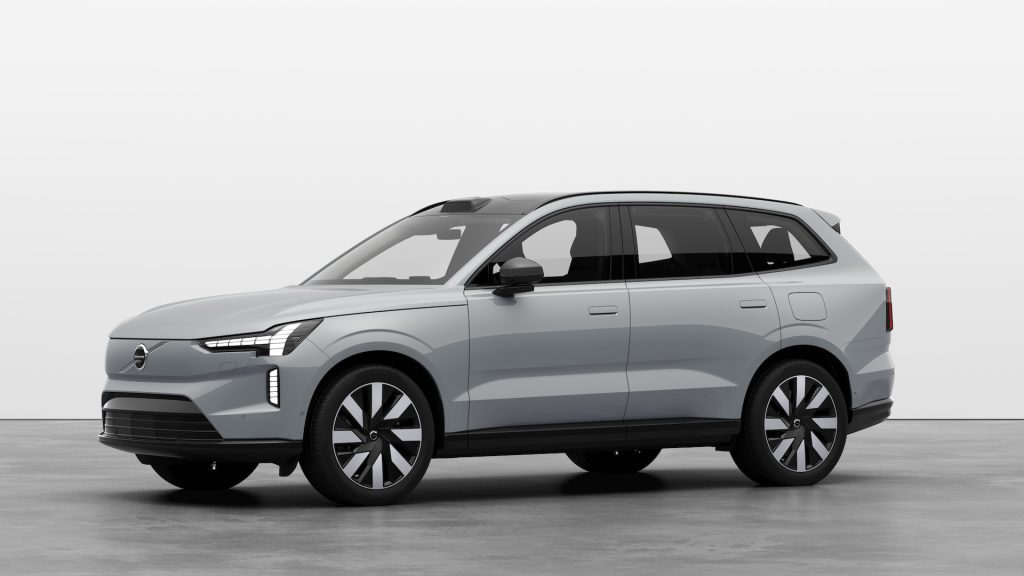
8. Volvo EX90
Volvo has built its global reputation around safety, and the fully electric EX90 represents the company’s most advanced approach to pedestrian protection. Every aspect of the vehicle has been designed with accident prevention in mind, beginning with an extensive sensor network that continuously scans the surrounding environment.
Cameras, radar units, ultrasonic sensors, and a roof-mounted lidar system work together to detect pedestrians at long distances and under challenging lighting conditions, providing one of the most sophisticated collision avoidance systems available in a production vehicle.
Lidar technology in the EX90 produces a highly detailed three-dimensional representation of the road ahead, offering a richer layer of environmental data than traditional camera-based systems. This enhanced perception enables the vehicle to detect pedestrians with high precision, even in low-light conditions or during poor weather.
The vehicle evaluates movement patterns, predicts potential crossing paths, and prepares the braking system before a dangerous situation develops.
When intervention becomes necessary, Volvo’s collision avoidance software issues immediate warnings before applying the brakes automatically if the driver fails to react.
Steering assistance may also contribute to accident avoidance when sufficient space is available, giving the vehicle multiple strategies for reducing collision risk.
The EX90 complements this technology with Pilot Assist, Blind Spot Information System, Rear Collision Warning, Cross Traffic Alert, and Driver Understanding technology that monitors driver attentiveness throughout the journey.
Together, these systems create a comprehensive protective environment for both occupants and vulnerable road users.
Even if a collision cannot be avoided, the EX90’s reinforced safety cage, strategically positioned battery protection, advanced airbags, and carefully engineered restraint systems provide exceptional occupant protection.
The Volvo EX90 represents the latest evolution of automotive safety, demonstrating how intelligent sensing technology and advanced software can dramatically improve pedestrian detection while setting new standards for accident prevention.
Specifications
- Engine: Dual Permanent Magnet Electric Motors
- Torque: 568 lb-ft
- Horsepower: 402 hp
- Length/Width: 198.3 inches / 77.3 inches
Also Read: 8 EVs That Lose Over 30% of Range in Freezing Temperatures
