
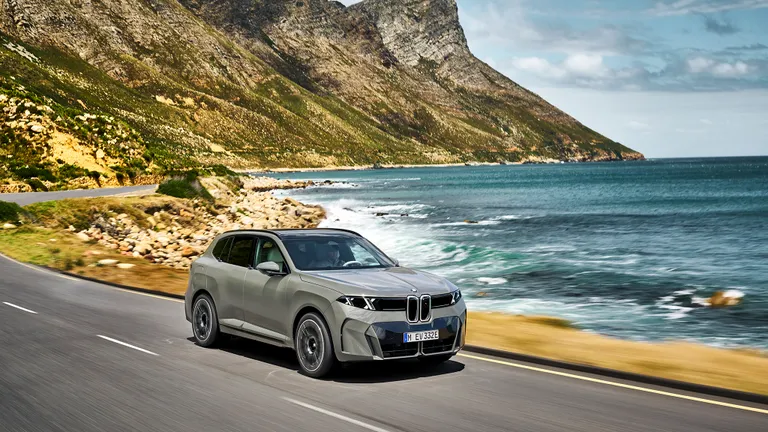
BMW has officially revealed the fifth-generation X5, introducing one of the most comprehensive redesigns in the luxury SUV’s 27-year history. Alongside the redesigned gasoline, diesel, and plug-in hybrid models, BMW also revealed the first-ever fully electric iX5, marking a major milestone in the company’s electrification strategy.
The new lineup adopts BMW’s Neue Klasse design language, introduces an all-new digital cockpit, expands powertrain choices, and brings next-generation battery technology to one of the brand’s most important vehicles.
The launch comes as BMW accelerates its transition toward software-defined vehicles while maintaining a broad range of powertrain options to meet varying customer demand across global markets.
The X5 has been one of BMW’s most successful products since its debut in 1999, helping establish the luxury performance SUV segment and becoming one of the company’s highest-volume global models.
Rather than replacing combustion engines outright, BMW has chosen a multi-powertrain strategy for the new generation. Customers can select from mild-hybrid gasoline engines, plug-in hybrid variants, diesel models in selected markets, the new all-electric iX5, and eventually a hydrogen-powered version.
According to BMW, this flexible approach allows the company to respond to different market conditions and infrastructure readiness while continuing its long-term transition toward electrification.
Also Read: 8 Cheapest BMW Cars Ever Made – Ranked
Neue Klasse Design Defines the New Generation
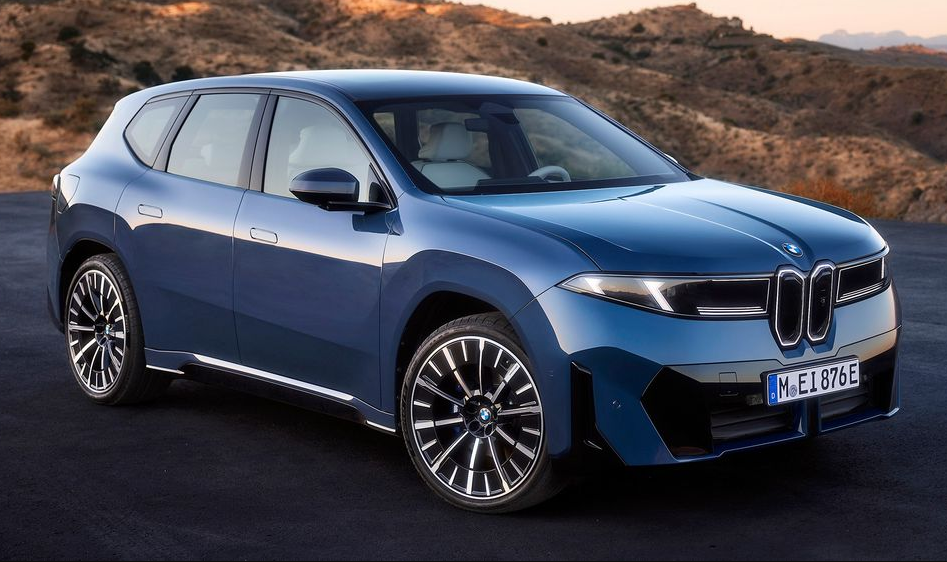
The biggest visual transformation comes from BMW’s Neue Klasse design philosophy, which has already appeared on several recent concept vehicles. The controversial oversized kidney grilles of previous BMW models have been replaced with slimmer, vertically oriented kidney grilles that integrate seamlessly into the front fascia.
The redesigned X5 features narrower LED headlights with distinctive X-shaped daytime running lights, cleaner body surfaces, flush-mounted door hardware, and a more sculpted profile.
Although the SUV remains similar in full size to its predecessor, BMW has stretched the wheelbase by approximately 2.4 inches, increasing rear passenger space while improving ride comfort.
At the rear, slim horizontal LED taillights emphasize the SUV’s width, while redesigned bumpers and aerodynamic detailing improve efficiency. BMW says the new styling was developed not only to modernize the X5’s appearance but also to reduce drag and improve full vehicle performance.
The company has also expanded customization options, offering wheel sizes ranging from 21 to 23 inches along with new exterior paint colors and illuminated grille options on higher trims.
BMW Introduces the First Fully Electric iX5
The headline announcement is undoubtedly the debut of the BMW iX5, the first battery-electric version of the X5.
The launch model, known as the iX5 60 xDrive, uses dual electric motors producing approximately 570 horsepower while drawing energy from a 144-kWh battery pack built around BMW’s sixth-generation cylindrical battery cells.
According to BMW, the new battery technology delivers higher energy density, faster charging, and improved efficiency compared with previous generations.
BMW estimates the iX5 can travel up to 435 miles on a full charge under EPA testing. Its new 800-volt electrical architecture supports DC fast charging at up to 460 kW, allowing roughly 170 miles of driving range to be added in about 10 minutes under ideal conditions. Those figures place the iX5 among the longest-range electric luxury SUVs currently announced.
Performance remains a key priority. BMW says the iX5 accelerates from 0 to 60 mph in approximately 4.4 seconds, maintaining the brand’s reputation for combining luxury with engaging driving dynamics.
Adaptive air suspension, rear-wheel steering, and advanced torque management systems are expected to help the heavy electric SUV deliver handling characteristics similar to those of its combustion-powered counterparts.
Inside the cabin, BMW has completely redesigned the X5 around its latest Panoramic iDrive system, replacing much of the traditional dashboard layout with a cleaner, more technology-focused design.
A full-width display stretches across the base of the windshield, projecting essential driving information directly into the driver’s field of vision.
The central infotainment screen is larger and powered by BMW Operating System X, which offers faster processing, improved voice recognition, wireless software updates, and deeper integration with artificial intelligence.
BMW says the new digital platform is designed to become smarter throughout the vehicle’s life. Owners will receive over-the-air software updates that can introduce new features, improve existing functions, and enhance vehicle performance without requiring dealership visits.
Artificial intelligence also plays a greater role, allowing the voice assistant to understand more natural conversations and respond to complex commands involving navigation, climate control, entertainment, and vehicle settings.
Interior materials have also received significant upgrades. BMW has expanded the use of sustainable materials throughout the cabin while maintaining the premium finishes expected in the luxury segment.
Depending on the trim level, buyers can choose leather-free upholstery, natural wood accents, recycled aluminum, and ambient lighting with customizable themes. Rear passengers benefit from additional legroom created by the longer wheelbase, while cargo capacity has also increased slightly thanks to improved packaging.
Multiple Powertrain Choices Remain a Key Strategy
Unlike several competitors that are moving entirely toward battery-electric vehicles, BMW continues to support multiple powertrain technologies within a single model range.
The new X5 lineup includes turbocharged gasoline engines with 48-volt mild-hybrid assistance, updated plug-in hybrid models offering significantly longer electric-only driving range, diesel engines in selected international markets, and the all-new battery-electric iX5.
BMW has also confirmed that a hydrogen fuel-cell version remains under development for limited production later in the decade.
Company executives have repeatedly stated that customer demand varies significantly between regions. While some markets are rapidly adopting electric vehicles, others continue relying on hybrids or conventional engines because of charging infrastructure, fuel prices, or consumer preferences.
BMW believes offering multiple propulsion systems provides greater flexibility while reducing business risk during the industry’s transition toward electrification.
This strategy has helped BMW maintain strong global sales even as competitors continue adjusting their long-term electric vehicle plans.
Safety and Driver Assistance Take Another Step Forward
The 2027 X5 also introduces BMW’s latest generation of driver-assistance technologies. Enhanced adaptive cruise control, lane-centering assistance, automatic emergency braking, blind-spot monitoring, and traffic jam assistance all receive software improvements that increase responsiveness and accuracy.
The new SUV also benefits from more powerful onboard computing systems capable of processing data from cameras, radar, ultrasonic sensors, and navigation systems simultaneously.
According to BMW, these upgrades improve object recognition, lane positioning, and predictive driving assistance, particularly in complex urban environments.
Parking technology has also advanced considerably. Drivers can remotely maneuver the vehicle using a smartphone, while upgraded automated parking systems can remember frequently used parking locations and repeat the maneuver with minimal driver input.
Although these systems do not make the X5 fully autonomous, they significantly reduce driver workload during everyday driving while enhancing safety and convenience.
Competing in One of the Industry’s Toughest Segments
The redesigned X5 enters one of the world’s most competitive luxury SUV categories. It will continue competing against the Mercedes-Benz GLE, Audi Q7, Porsche Cayenne, Volvo XC90, Genesis GV80, Lexus RX, and Tesla Model X, while the electric iX5 targets premium EV rivals such as the Mercedes-Benz EQE SUV, Porsche Cayenne Electric, Lucid Gravity, Cadillac Vistiq, and Volvo EX90.
Competition has intensified as nearly every luxury manufacturer expands its electric lineup. Buyers now expect not only premium interiors and strong performance but also advanced software, long driving range, rapid charging capability, and seamless digital connectivity.
BMW believes the combination of traditional driving dynamics, cutting-edge technology, multiple powertrain choices, and the introduction of the all-electric iX5 gives the new generation a significant competitive advantage.
The launch also reflects BMW’s broader corporate strategy. Rather than abandoning combustion engines immediately, the company is gradually expanding its electric portfolio while allowing customers to choose the powertrain that best fits their needs.
The arrival of the first electric iX5 represents one of the most important milestones in that strategy, bringing battery-electric technology to one of BMW’s best-selling nameplates without sacrificing the versatility and premium experience that have defined the X5 for more than two decades.
With its redesigned styling, next-generation digital interior, advanced driver-assistance systems, expanded electrification strategy, and significantly improved battery technology, the 2027 BMW X5 enters a new chapter.
Whether buyers choose gasoline, plug-in hybrid, or the fully electric iX5, BMW has positioned its flagship midsize SUV to remain one of the benchmarks in the luxury SUV market for years to come.
Also Read: 5 BMW Models Worth Buying vs 5 to Avoid
