
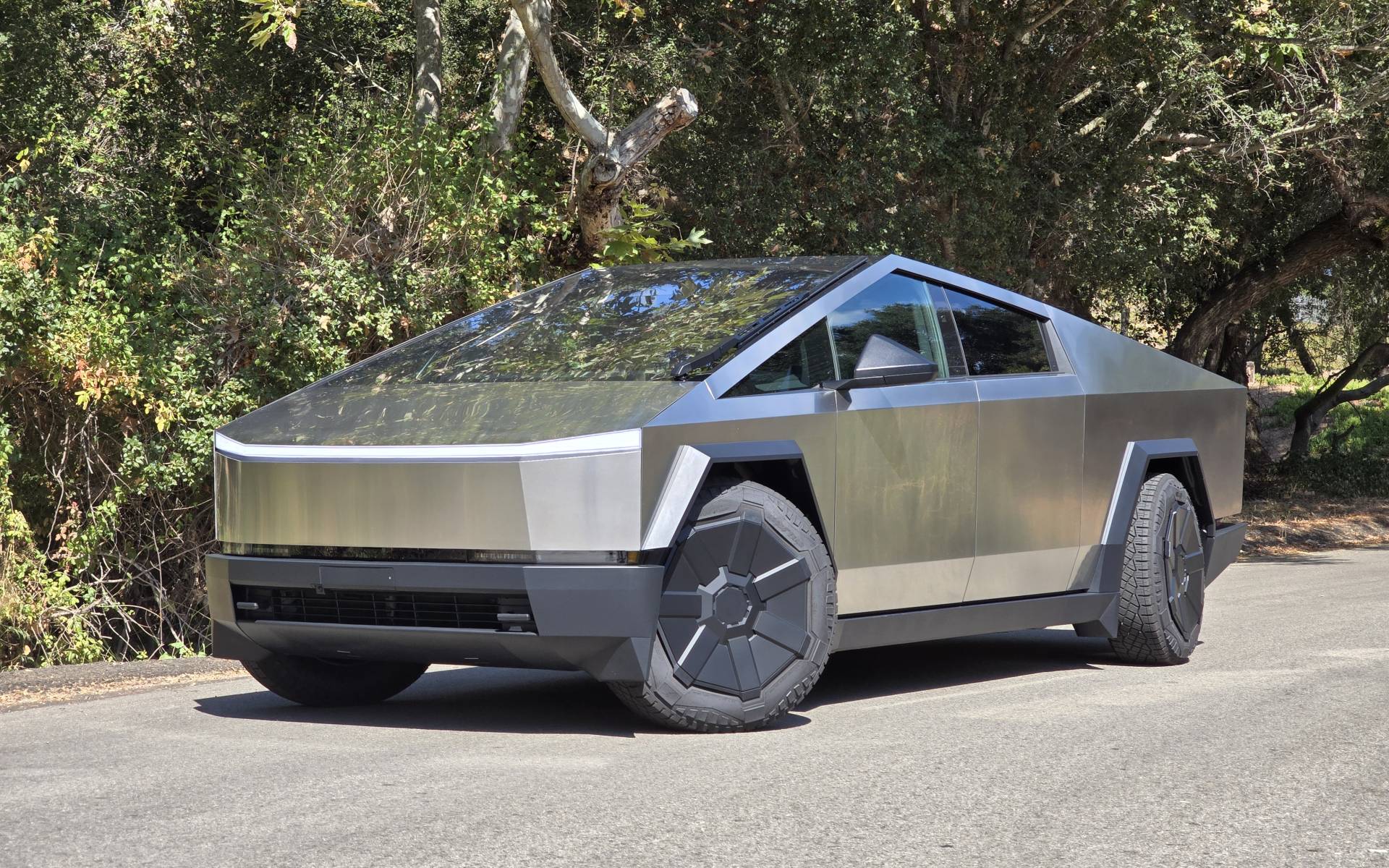
The U.S. National Highway Traffic Safety Administration (NHTSA) has closed its investigation into the Tesla Cybertruck’s power steering system after determining that a software recall issued by the automaker adequately addressed the defect under review.
The decision ends months of regulatory scrutiny surrounding one of Tesla’s newest vehicles and highlights the growing role software updates now play in resolving modern automotive safety issues.
According to Reuters, the investigation involved approximately 39,000 Tesla Cybertrucks produced for the U.S. market. NHTSA launched its preliminary evaluation after receiving reports that drivers experienced a sudden loss of power steering assistance while driving.
Although the steering system remained mechanically functional, the unexpected loss of electric power assist significantly increased steering effort, particularly at lower speeds, creating a potential safety risk during parking maneuvers, sharp turns, or emergencies.
The agency concluded that Tesla’s recall effectively corrected the software defect responsible for the problem, eliminating the need to continue the investigation.
As with other NHTSA safety reviews, closing the case does not suggest the original concern lacked significance. Instead, it indicates regulators believe the manufacturer’s corrective action adequately addresses the identified safety issue.
Also Read: 8 Car Features Automakers Now Lock Behind a Monthly Subscription
Investigation Began After Drivers Reported Steering Problems
NHTSA opened its preliminary evaluation after receiving complaints from Cybertruck owners describing sudden failures of electric power steering assistance while driving. Several owners reported warning messages appearing on the dashboard before steering effort increased dramatically, making the vehicle more difficult to control.
Modern electric power steering systems rely on software to coordinate communication between electronic control modules, steering sensors, and electric assist motors.
If communication is interrupted or software behaves unexpectedly, the system may disable power assistance even though the steering mechanism itself remains physically connected.
According to Reuters, regulators reviewed consumer complaints, Tesla service records, and technical information to determine whether the reported failures represented a broader safety defect affecting additional Cybertrucks. The investigation ultimately covered roughly 39,000 vehicles manufactured during the affected production period.
Tesla Responded With a Software Recall
Following its internal investigation, Tesla determined the issue stemmed from software controlling the vehicle’s electronic power steering system.
The company launched a voluntary safety recall that corrected the defect through an over-the-air software update rather than requiring replacement of mechanical steering components.
Tesla has increasingly relied on wireless software updates to resolve certain vehicle defects, allowing customers to receive repairs without visiting a service center whenever hardware replacement is unnecessary.
Reuters reported that the software update restored proper communication within the steering system, preventing the unexpected loss of steering assistance that prompted the federal investigation.
Because the corrective action addressed the identified defect, NHTSA concluded that additional investigative work was no longer required and officially closed the preliminary evaluation.
Software Is Becoming Central to Vehicle Safety
The Cybertruck investigation highlights how modern vehicles increasingly depend on software rather than purely mechanical systems.
Electric power steering, advanced driver assistance systems, battery management, braking functions, and even suspension controls now rely heavily on electronic control units communicating through millions of lines of software code.
While these technologies provide greater efficiency and new features, they also create new categories of safety risks when programming errors occur.
Industry analysts note that software recalls have become significantly more common during the past decade as automakers transition toward software-defined vehicles.
Tesla has led much of that shift through its ability to deploy over-the-air updates, but traditional manufacturers, including Ford, General Motors, Mercedes-Benz, BMW, Hyundai, and Volkswagen, have also expanded wireless software capabilities across their latest models.
For regulators, however, the standard remains unchanged. Whether a defect involves mechanical hardware or computer software, manufacturers remain responsible for correcting safety-related problems promptly.
Owners Should Verify Their Vehicles Are Updated
Although NHTSA has closed the investigation, Cybertruck owners should ensure their vehicles have received the latest software update included in the recall.
Most affected vehicles should automatically download the update through Tesla’s over-the-air system, although owners can also verify software status through the vehicle interface or Tesla’s mobile application. If an update has not been installed successfully, Tesla service centers can assist in completing the recall.
The investigation serves as another reminder that software updates have become just as important as traditional mechanical maintenance for modern vehicles.
As connected technologies continue expanding across the automotive industry, keeping vehicle software current will play an increasingly important role in maintaining both safety and performance.
Why NHTSA Closed the Investigation
NHTSA’s decision to close the Cybertruck investigation reflects the way federal safety regulators handle potential vehicle defects once an effective remedy has been implemented. A closed investigation does not mean the original issue was insignificant or that no defect existed.
Instead, it indicates the agency determined the manufacturer’s corrective action sufficiently addressed the safety concern and that additional investigative work was no longer necessary.
In this case, Tesla’s software recall corrected the issue that could interrupt electric power steering assistance.
After reviewing the company’s proposed fix and supporting technical information, NHTSA concluded that the recall resolved the defect affecting the vehicles included in the investigation. The agency will continue monitoring recall completion rates, but the preliminary evaluation itself has officially ended.
This process is common across the automotive industry. Manufacturers frequently work alongside regulators during investigations by sharing engineering data, warranty claims, field reports, and internal testing results.
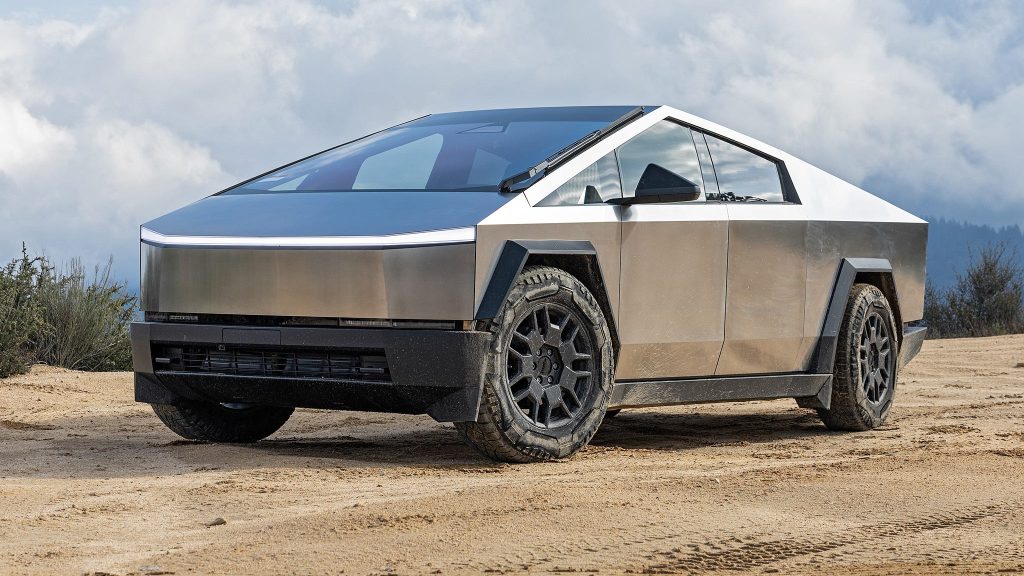
When a defect is identified and a recall is issued before the investigation advances further, NHTSA often closes the case after determining that the safety risk has been appropriately addressed.
Software Recalls Are Becoming More Common
The Cybertruck investigation also highlights how software has become one of the most important components of modern vehicles.
Unlike older vehicles that relied primarily on mechanical systems, today’s electric vehicles depend on dozens of electronic control modules communicating continuously to manage steering, braking, battery performance, suspension, infotainment, and driver-assistance technologies.
As a result, many recalls now involve software rather than physical components. Instead of replacing parts, manufacturers can often resolve issues by updating vehicle software, improving communication between control systems, or modifying how onboard computers respond to certain operating conditions.
Tesla has been one of the industry’s leaders in using over-the-air software updates, allowing owners to receive safety-related fixes without visiting a dealership whenever hardware replacement is unnecessary.
Other major automakers, including Ford, General Motors, Mercedes-Benz, BMW, Hyundai, and Volkswagen, have also expanded their wireless software update capabilities as vehicles become increasingly connected.
Industry analysts believe software recalls will continue becoming more common as manufacturers introduce more advanced driver-assistance systems, artificial intelligence features, and software-defined vehicle platforms.
What Cybertruck Owners Should Do
Although the federal investigation has ended, owners should confirm that their Cybertruck has received the latest software version included in the recall. Installing the update ensures the steering system operates as intended and eliminates the condition that prompted the investigation.
Owners can verify their software version through the vehicle’s touchscreen or Tesla mobile app. If the update has not been installed automatically, Tesla service personnel can assist in completing the recall process.
The closure of the investigation represents positive news for Tesla because it removes another regulatory issue surrounding the Cybertruck, which has experienced several recalls since its launch. At the same time, the case serves as another reminder that software quality has become just as important as mechanical engineering in today’s automotive industry.
As vehicles continue evolving into sophisticated computers on wheels, maintaining reliable software will remain essential for both safety and customer confidence.
