
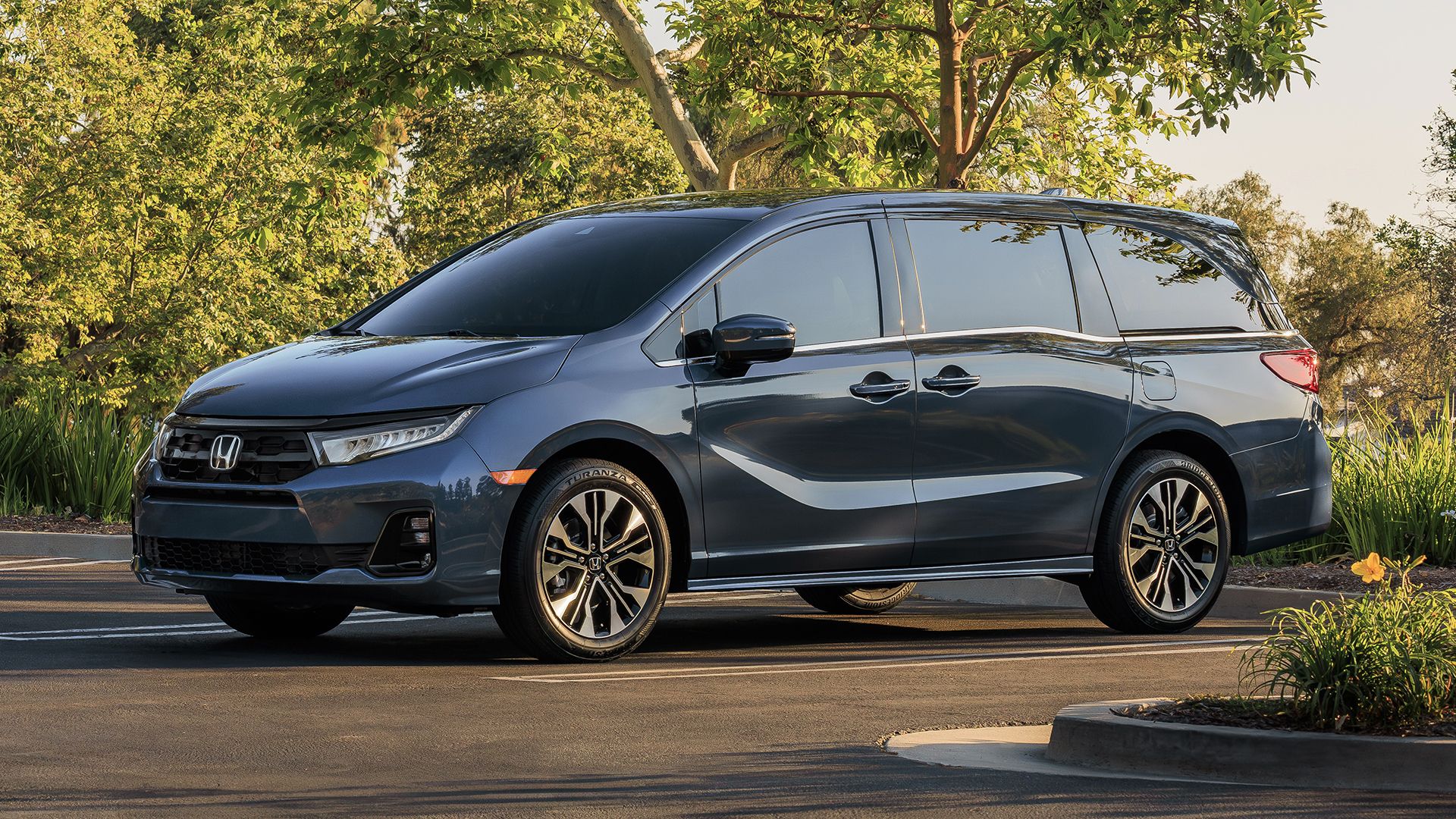
The U.S. National Highway Traffic Safety Administration (NHTSA) has officially closed its preliminary investigation into more than 441,000 Honda Odyssey minivans after Honda issued a recall designed to correct the safety issue that prompted the federal review.
The decision marks the end of an investigation that had raised concerns about unintended side-curtain airbag deployments, a defect that regulators warned could increase the risk of crashes by startling drivers or causing unnecessary airbag deployment while the vehicle was in motion.
According to Reuters, the investigation covered approximately 441,002 Honda Odyssey minivans from the 2018 through 2022 model years. NHTSA determined that Honda’s recall adequately addressed the defect under investigation, allowing the agency to close the preliminary evaluation without escalating it into a more comprehensive engineering analysis.
The decision removes one of Honda’s most closely watched safety investigations in recent months while reinforcing the importance of timely recalls in resolving potential vehicle defects.
The case illustrates how the recall system functions in the United States. When NHTSA receives multiple consumer complaints indicating a possible safety-related defect, it begins a preliminary evaluation to determine whether a broader investigation is warranted.
If a manufacturer voluntarily identifies the root cause and launches an effective recall before the investigation advances further, regulators may conclude that the safety concern has been adequately addressed and formally close the case.
Also Read: 8 Cheapest BMW Cars Ever Made – Ranked
Investigation Began After Reports of Unexpected Airbag Deployments
The investigation originated after NHTSA received numerous reports from Honda Odyssey owners describing side-curtain airbags deploying unexpectedly while driving.
In several complaints, drivers said the airbags inflated after the vehicle struck potholes or experienced relatively minor road impacts that normally would not trigger an airbag deployment.
Because airbags are designed to deploy only during certain crash conditions, any unintended activation raises serious safety concerns. Besides the possibility of injuries caused by the airbag itself, an unexpected deployment can distract the driver, obstruct visibility, or even contribute to a secondary collision.
Reuters reported that these complaints prompted NHTSA to open a preliminary evaluation involving more than 441,000 Odyssey minivans. The agency’s objective was to determine whether a defect existed, how widespread the problem might be, and whether additional regulatory action would be necessary.
Federal safety investigations often begin with only a limited number of consumer complaints. Engineers then analyze warranty claims, manufacturer data, crash reports, dealership repair records, and technical information to establish whether the issue represents an isolated problem or a broader safety defect affecting thousands of vehicles.
Honda Identified the Root Cause
During the investigation, Honda conducted its own technical analysis and ultimately determined that the issue involved a faulty coaxial cable connector used within the vehicle’s airbag system.
According to information released through the recall and reported by Reuters, the defective connector could interrupt communication within the supplemental restraint system, causing the vehicle to incorrectly interpret sensor information.
Under certain circumstances, that communication fault could result in the unintended deployment of the side-curtain airbags.
Once the defect had been confirmed, Honda initiated a voluntary recall covering affected Odyssey models and notified NHTSA of its corrective action. Dealers were instructed to inspect affected vehicles and replace the faulty coaxial cable connector at no cost to owners.
Because the recall directly addressed the defect under investigation, NHTSA concluded that further investigation was no longer necessary and formally closed the preliminary evaluation.
Why NHTSA Closed the Investigation
Closing a federal safety investigation does not mean the original concern was insignificant. Instead, it indicates that regulators believe the manufacturer’s corrective action adequately resolves the identified safety risk.
NHTSA investigations generally follow several stages. A preliminary evaluation determines whether enough evidence exists to justify additional analysis. If unresolved concerns remain, the agency can advance the case into an engineering analysis before deciding whether to request or require a recall.
In Honda’s case, the company voluntarily recalled the affected vehicles before the investigation progressed further. Reuters reported that regulators determined the recall sufficiently addressed the issue, eliminating the need for additional investigative work.
The agency nevertheless continues monitoring recall completion rates to ensure affected vehicles receive the required repairs. Manufacturers are also obligated to submit periodic reports documenting repair progress and owner notification efforts.
Owners Should Still Complete the Recall
Although the investigation has officially ended, affected Odyssey owners should not assume their vehicles are automatically safe unless the recall repair has been completed.
Safety recalls remain active until individual vehicles receive the required repairs. Owners whose vehicles fall within the affected production range should verify their Vehicle Identification Number (VIN) through Honda or NHTSA’s recall database to determine whether their minivan requires service.
Honda dealers will perform the necessary repair free of charge, regardless of vehicle mileage or warranty status.
Completing recall work promptly remains one of the most effective ways for owners to reduce potential safety risks. Even when a vehicle appears to operate normally, underlying defects may not produce symptoms until specific driving conditions occur.
Honda Continues Working With Regulators
Honda has stated that it continues to cooperate with NHTSA on safety matters and routinely conducts investigations whenever potential defects are identified through warranty claims, customer complaints, dealership reports, or internal quality monitoring.
Like every major automaker, Honda remains subject to ongoing federal oversight. NHTSA continues evaluating complaints involving numerous manufacturers each year, with investigations ranging from airbags and engine failures to braking systems, steering components, advanced driver assistance technologies, and software-related issues.
While recalls often generate negative headlines, industry experts generally view voluntary corrective action as an important part of maintaining vehicle safety. Addressing defects early can prevent additional incidents while reducing the likelihood of more extensive regulatory intervention later.
A Reminder of the Importance of Vehicle Recalls
The closure of the Honda Odyssey investigation serves as another example of how the U.S. vehicle safety system is designed to identify potential defects, investigate consumer complaints, and encourage manufacturers to correct safety issues before they lead to additional incidents.
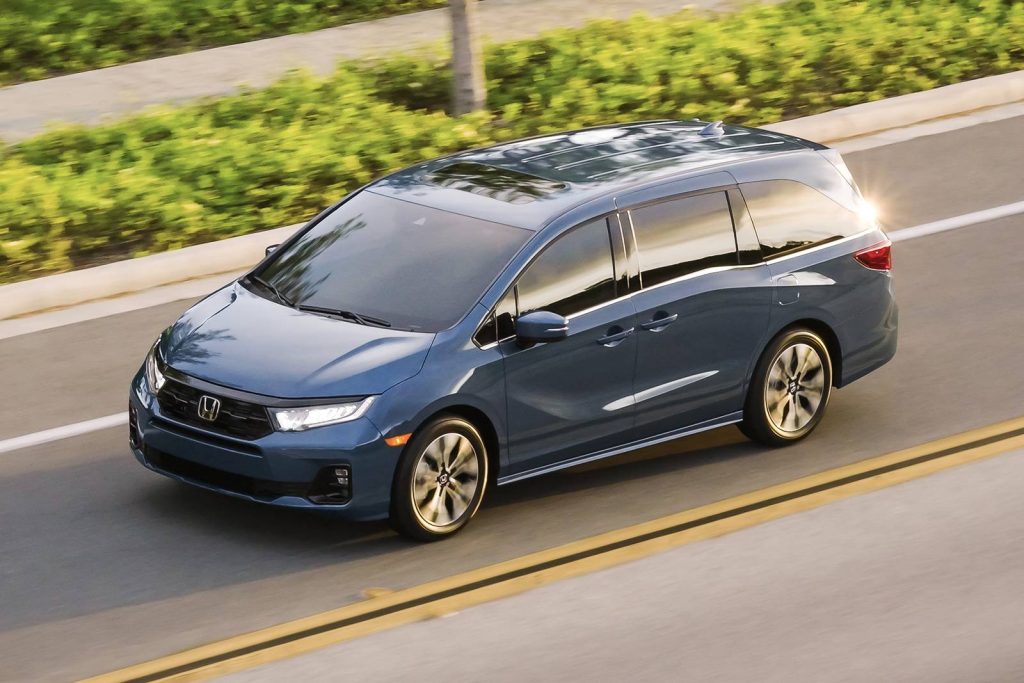
For Honda, resolving the Odyssey investigation removes one regulatory challenge at a time when the company continues investing heavily in new hybrid models, electric vehicles, and advanced driver-assistance technologies.
For owners, however, the message remains unchanged: ensuring recall repairs are completed is just as important as routine vehicle maintenance.
Although NHTSA has ended its investigation, the recall itself remains the critical step in protecting affected vehicles. Owners who have not yet completed the repair should schedule service as soon as possible to ensure the airbag system functions exactly as intended if it is ever needed in a real crash.
What Odyssey Owners Should Do Next
While NHTSA’s decision to close the investigation is positive news for Honda, it does not eliminate the importance of completing the recall.
Every affected Honda Odyssey should receive the recommended repair, even if the owner has never experienced an unexpected airbag deployment. Safety defects can develop without warning, and many recalled vehicles show no obvious symptoms before a failure occurs.
Owners of 2018 through 2022 Honda Odyssey models should check whether their minivan is included in the recall by entering the Vehicle Identification Number (VIN) on Honda’s recall website or NHTSA’s online recall lookup tool.
If the vehicle is affected, Honda dealerships will replace the faulty coaxial cable connector at no cost, regardless of whether the vehicle remains under warranty.
This investigation also highlights the important role consumer complaints play in improving vehicle safety. NHTSA often begins investigations after identifying patterns in owner reports submitted through its safety complaint database.
Those complaints can help regulators detect defects that may not be immediately apparent during routine quality testing.
For Honda, the closure of the investigation removes a regulatory issue, but maintaining customer confidence remains equally important. The Odyssey has long been one of the best-selling minivans in North America, earning a reputation for practicality, family-friendly features, and strong safety ratings.
Promptly addressing defects through recalls helps preserve that reputation while demonstrating the company’s willingness to cooperate with federal safety regulators.
As vehicles become increasingly dependent on advanced electronics, sensors, and software, recalls involving electrical systems are becoming more common across the automotive industry.
The Honda Odyssey case serves as a reminder that identifying and correcting potential defects early remains one of the most effective ways to protect drivers, passengers, and everyone else sharing the road.
Also Read: 8 Car Features Automakers Now Lock Behind a Monthly Subscription
