
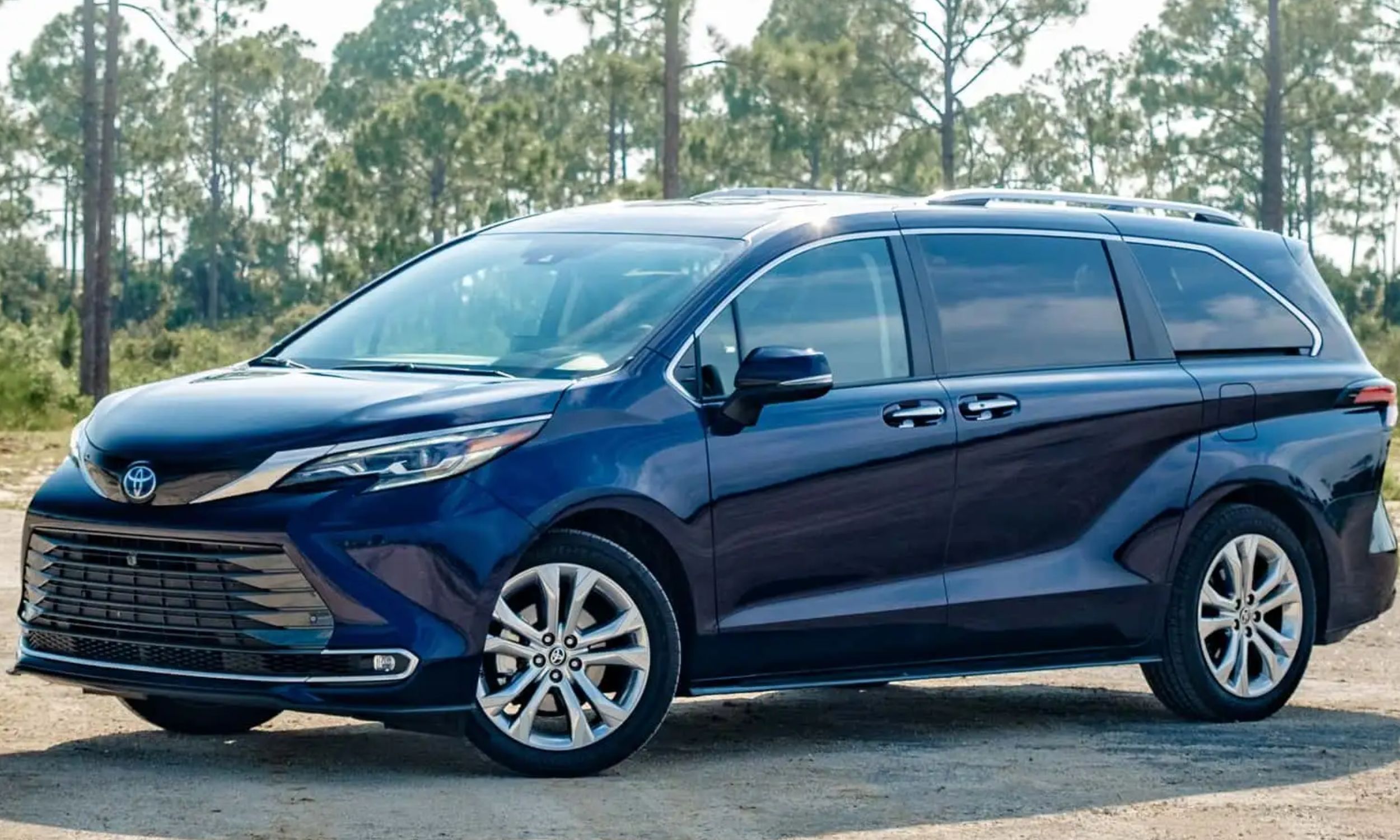
Buying a family vehicle is one of the most practical financial decisions most households make, and the sticker price is only the beginning of that calculation. What matters just as much, and often more, is what the vehicle costs to own and repair once the factory warranty runs out. That moment typically arrives around the five-year mark, and it is where the true quality of any vehicle’s engineering shows up in the most direct way possible: through your repair bills.
Consumer Reports and J.D. Power both track long-term ownership data across hundreds of thousands of vehicles, and the pattern that consistently emerges from that data is clear. Vehicles built on refined, proven platforms with conventional powertrains and well-tested components maintain far lower defect rates at year five than those built around experimental technology, dual-clutch transmissions, or first-generation hybrid architectures.
Eight family vehicles consistently appear at the top of long-term reliability rankings, earning their positions not through marketing claims but through actual owner-reported problem rates collected over real five-year ownership periods. If you are buying a family hauler today with the intention of keeping it well past the warranty period, these are the vehicles that will reward that decision most consistently.
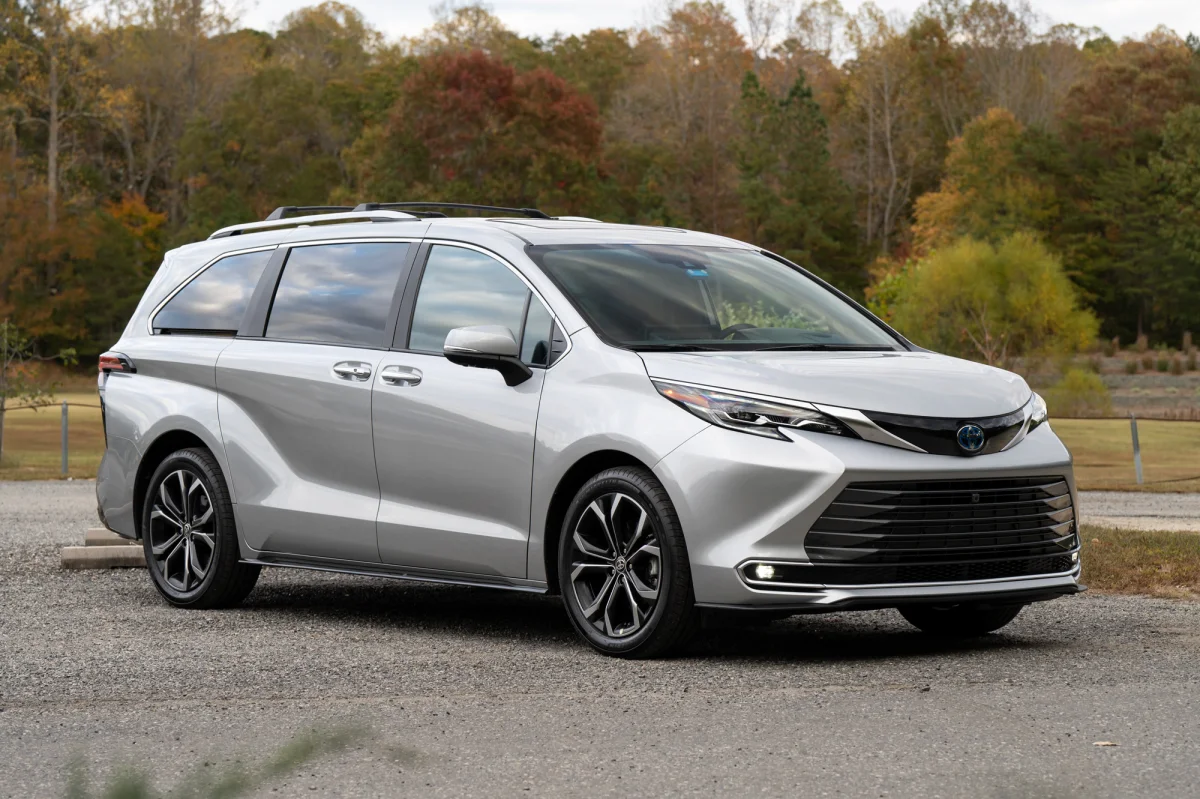
1. Toyota Sienna
Long-Term Reliability: Near-zero major powertrain failures at five years
- Engine: 2.5L 4-Cylinder Hybrid
- Horsepower: 245 hp
- Torque: 176 lb-ft (engine mechanical rating)
- Size: 203.7 in Long x 78.5 in Wide
Minivans live a harder life than almost any other family vehicle category. Daily school carpool runs, sports equipment loads, road trip mileage, food spills, door slams, and constant passenger cycling place sustained stress on every system in the vehicle. Most manufacturers struggle to build a minivan that survives that abuse without accumulating a meaningful repair history by year five. Toyota built the Sienna to be the exception.
Long-term ownership surveys consistently place the Sienna at the top of minivan reliability rankings, and the powertrain story behind that record deserves attention. Toyota made the current Sienna hybrid-only, pairing a 2.5-liter four-cylinder engine with an electric motor system to produce 245 horsepower and 176 lb-ft of mechanical engine torque.
That hybrid system was not first-generation experimental technology when it went into the Sienna. Toyota had spent decades refining the hybrid components used here across multiple vehicle lines before deploying them in this application, which means Sienna buyers inherited a mature, proven system rather than being early adopters absorbing development bugs.
Stop-and-go school carpool driving is where conventional automatic transmissions and torque converters accumulate wear most rapidly. Repeated low-speed engagement and disengagement cycles stress these components in ways that highway driving never does.
The Sienna’s hybrid system handles this duty cycle particularly well because the electric motor manages the low-speed torque delivery that would otherwise put the most strain on a traditional transmission. By year five, while competing domestic minivans accumulate transmission and suspension complaints in owner surveys, Sienna owners are reporting almost no major mechanical failures.
Measuring 203.7 inches long and 78.5 inches wide, the Sienna provides genuine three-row family space without asking owners to accept reliability uncertainty as the cost of that capacity. For families planning to keep their vehicle well past the warranty period, the Sienna’s five-year track record makes it the most defensible choice in its category.
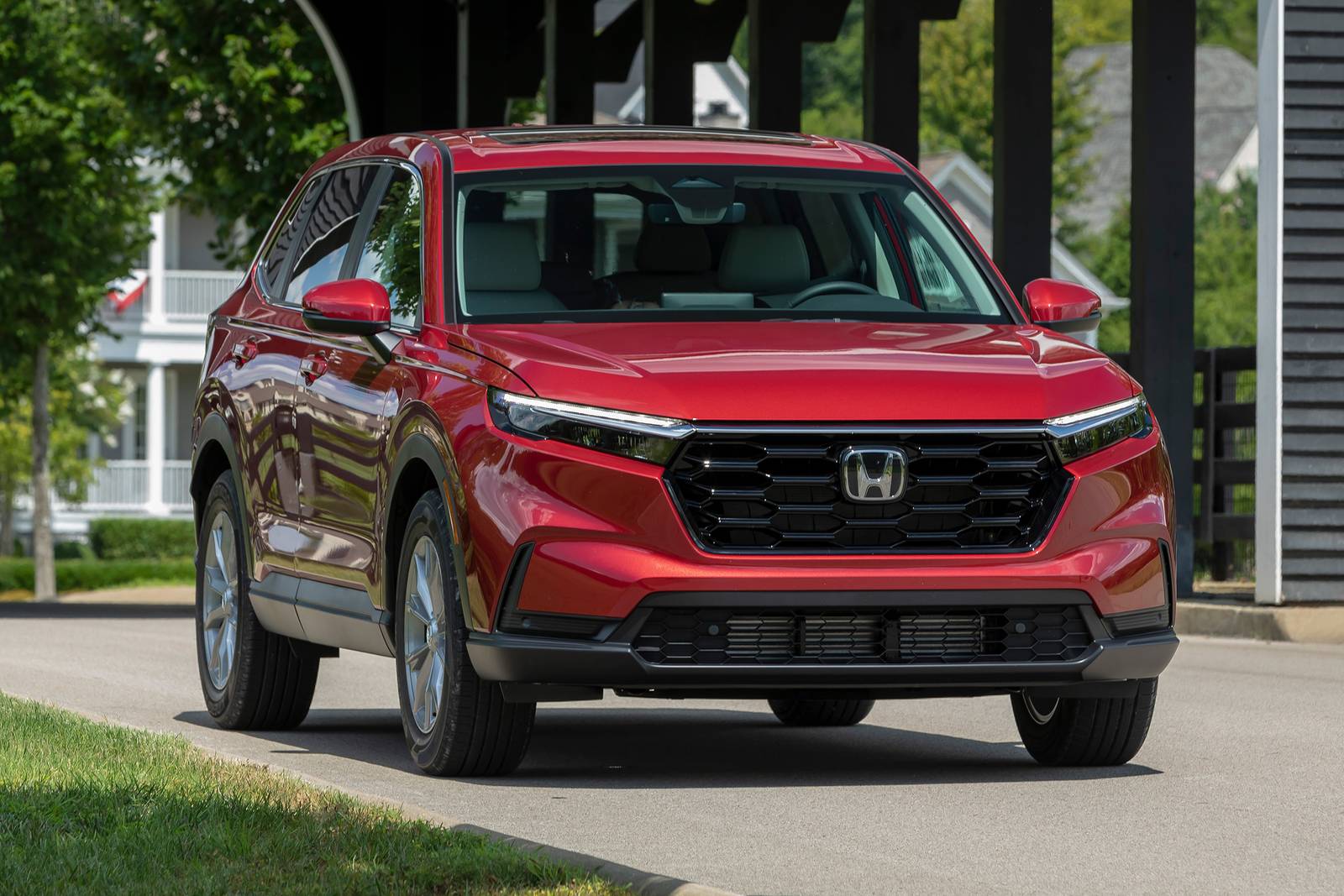
2. Honda CR-V
Long-Term Reliability: Top-tier in compact family crossover segment
- Engine: 1.5L Turbocharged 4-Cylinder or 2.0L Hybrid
- Horsepower: 190 hp (Turbo) / 204 hp (Hybrid)
- Torque: 179 lb-ft (Turbo) / 247 lb-ft (Hybrid)
- Size: 184.8 in Long x 73.5 in Wide
Many family buyers place long-term dependability above flashy features, and this is where the Honda CR-V consistently earns trust. Ownership surveys collected after five years of regular family use reveal a vehicle that maintains mechanical stability well beyond the early ownership period.
Reports from a wide base of drivers show very low occurrences of engine trouble, transmission faults, suspension wear, or electrical malfunctions, which are often the most expensive issues faced by compact crossovers at this age.
When problems do surface, they tend to remain mild. The most common owner complaint involves infotainment software delays, which can be inconvenient but rarely demand costly repairs. This difference matters greatly to buyers who measure reliability by workshop visits rather than momentary irritation. A slow screen may test patience, but it does not interrupt school runs, office commutes, or family travel plans.
Under the bonnet, Honda’s approach favors restraint rather than excess. The turbocharged 1.5-liter engine delivers 190 horsepower and 179 pound-feet of torque, providing steady performance without placing strain on internal components.
Buyers choosing the hybrid option receive a combined 204 horsepower and a higher torque output of 247 pound-feet, delivered smoothly and quietly. Both configurations focus on consistency rather than aggressive tuning.
With exterior measurements of 184.8 inches in length and 73.5 inches in width, the CR-V balances cabin space with easy maneuverability. Honda’s long-standing experience with four-cylinder and hybrid powertrains strengthens confidence, making this crossover a dependable companion long after the warranty period ends.
Also Read: 8 Family Vehicles With the Lowest Five-Year Running Costs
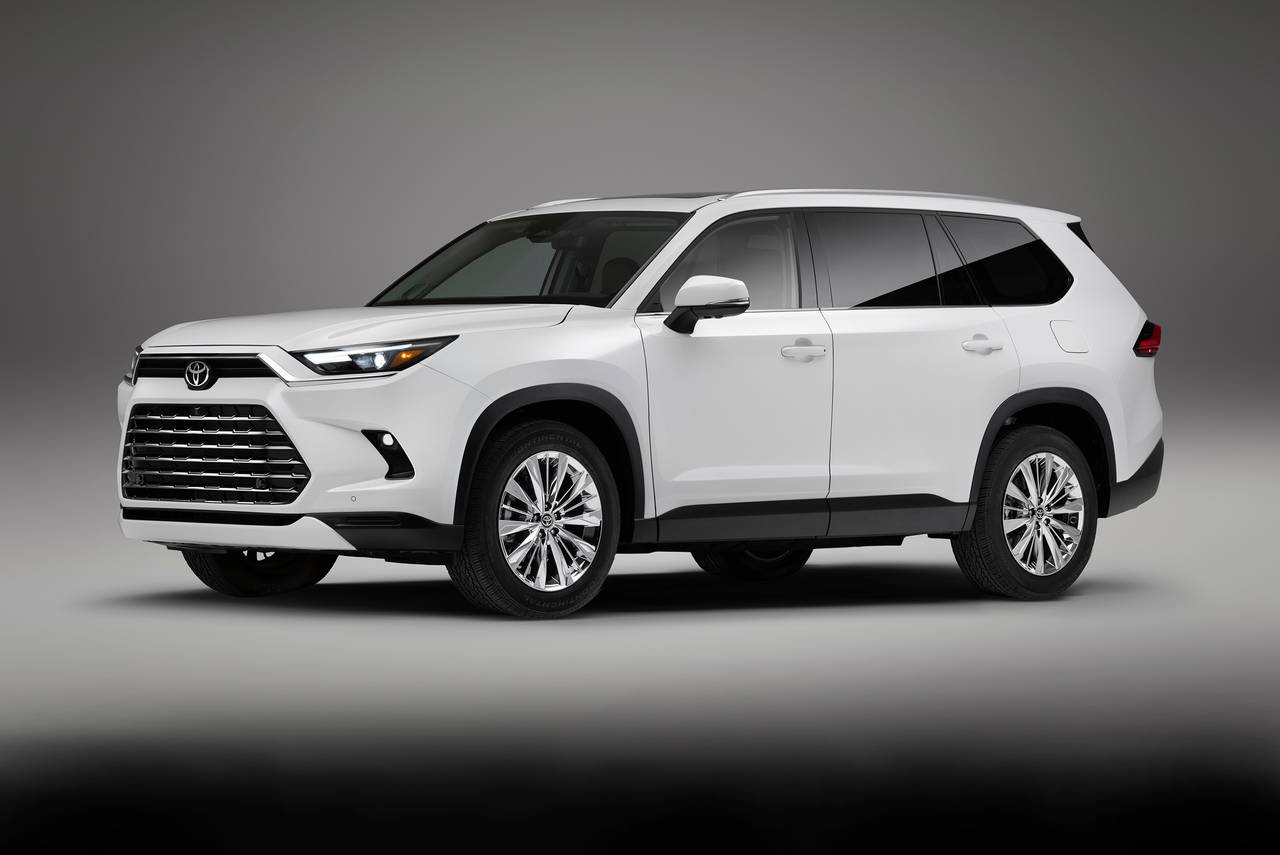
3. Toyota Highlander
Long-Term Reliability: Powertrain is trouble-free at five years, while competitors develop suspension and transmission faults
- Engine: 3.5L Naturally Aspirated V6 or 2.5L Hybrid
- Horsepower: 295 hp (V6) / 243 hp (Hybrid)
- Torque: 263 lb-ft (V6) / 175 lb-ft (Hybrid)
- Size: 194.9 in Long x 76.0 in Wide
Three-row family SUVs face heavier demands than their two-row counterparts, often exposing weaknesses as mileage increases. Extra passenger weight, larger cabins, and more complicated systems usually translate into higher repair rates by year five. Ownership records for the Toyota Highlander, however, reflect a very different ownership pattern marked by steady performance and limited mechanical complaints.
Many rival SUVs begin showing suspension leaks, transmission sensor issues, or cooling irregularities after several years. Highlander data shows these faults appearing far less frequently. This consistency stems largely from Toyota’s reliance on proven engineering rather than experimental hardware. The naturally aspirated 3.5-liter V6, producing 295 horsepower and 263 pound-feet of torque, has served across several Toyota and Lexus models for many years. By the time it reached this platform, refinement had already addressed early design weaknesses.
For buyers prioritising fuel efficiency, the hybrid variant pairs a 2.5-liter engine with Toyota’s established electric system. Delivering 243 horsepower, this setup benefits from years of real-world use in vehicles such as the Camry, RAV4, and Sienna. That shared history reduces the likelihood of unexpected faults often linked to newer hybrid designs.
Physically, the Highlander measures 194.9 inches long and 76 inches wide, providing usable third-row seating without compromising structural durability. The chassis handles repeated family duties without the fatigue commonly reported in competing models. For households needing space, comfort, and peace of mind across several ownership years, the Highlander continues to justify its reputation through consistent long-term performance.
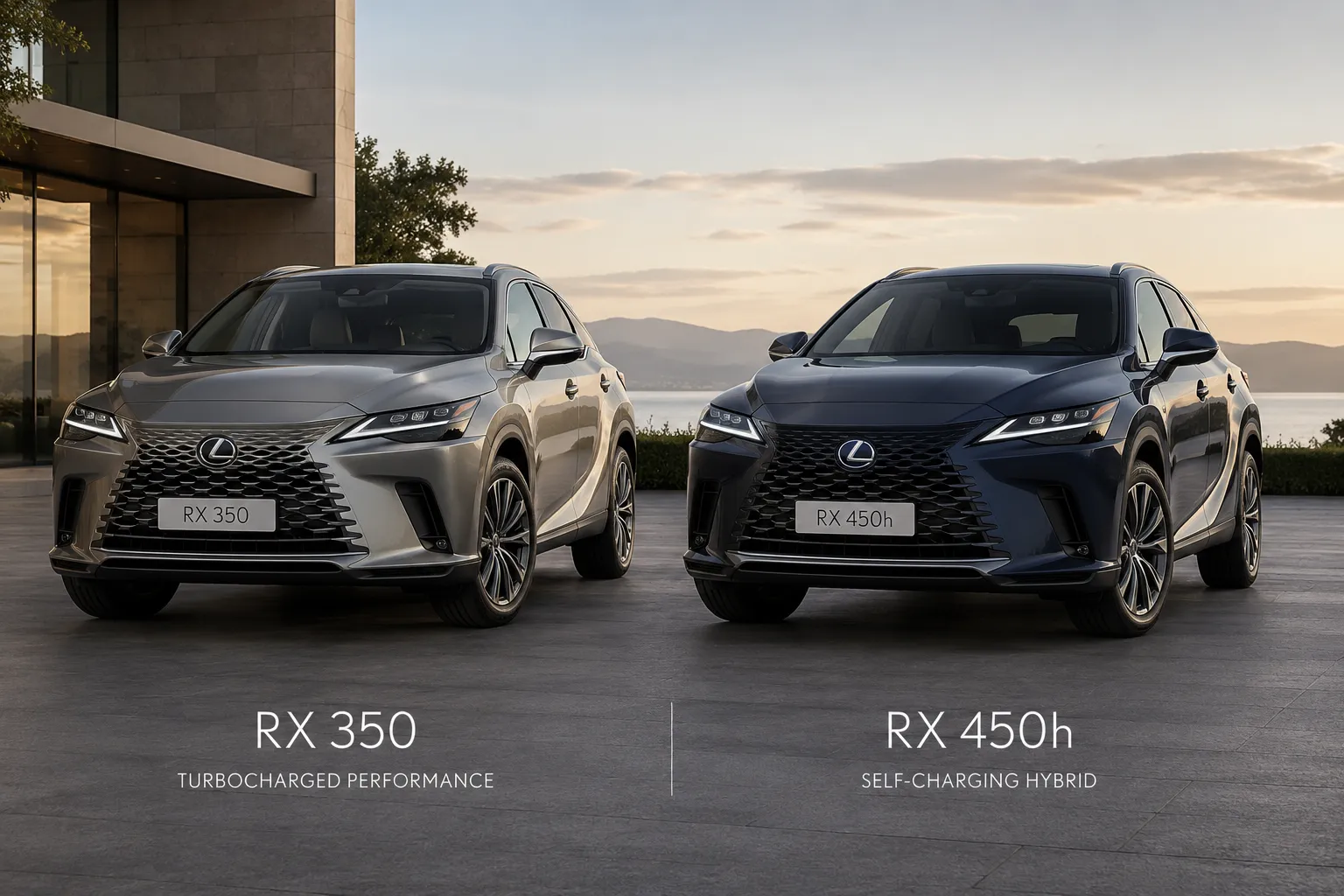
4. Lexus RX 350 and RX 450h
Long-Term Reliability: Anchors the top position in J.D. Power’s Vehicle Dependability Study historically
- Engine: 3.5L Naturally Aspirated V6 (Classic five-year-old baseline)
- Horsepower: 295 hp to 308 hp
- Torque: 268 lb-ft to 247 lb-ft
- Size: 192.5 in Long x 74.6 in Wide
No vehicle in the luxury crossover segment has defended a top reliability position more consistently than the Lexus RX across multiple consecutive years of J.D. Power’s long-term Vehicle Dependability Study. That sustained performance is not accidental.
It reflects a deliberate engineering philosophy that prioritizes proven component selection and thorough validation over first-to-market technology adoption and a manufacturing standard that Lexus maintains at a level consistently above industry averages.
At 295 to 308 horsepower and 247 to 268 lb-ft of torque from a naturally aspirated 3.5-liter V6 platform, the RX delivers its power through a mechanically well-understood engine architecture that has been refined across multiple generations rather than replaced with an experimental alternative.
Measuring 192.5 inches long and 74.6 inches wide, it provides a premium interior environment that Lexus builds to resist the wear and degradation that typically shows up in luxury vehicle cabins after five years of family use. What makes the RX’s five-year ownership record particularly impressive is the breadth of the performance.
Core luxury features, the electronic seat adjustments, the climate control systems, the premium audio hardware, the advanced driver assistance sensors, all continue functioning correctly well past the 100,000-mile mark at rates that competing luxury brands cannot consistently match.
In a segment where buyers are paying premium prices specifically for a premium experience, the RX delivers that experience without the unexpected repair costs that undermine the ownership value proposition of competing luxury crossovers.
Families who want to combine genuine luxury amenities with the financial security of exceptionally low five-year repair costs will not find a more historically validated choice in the premium family crossover segment than the Lexus RX.
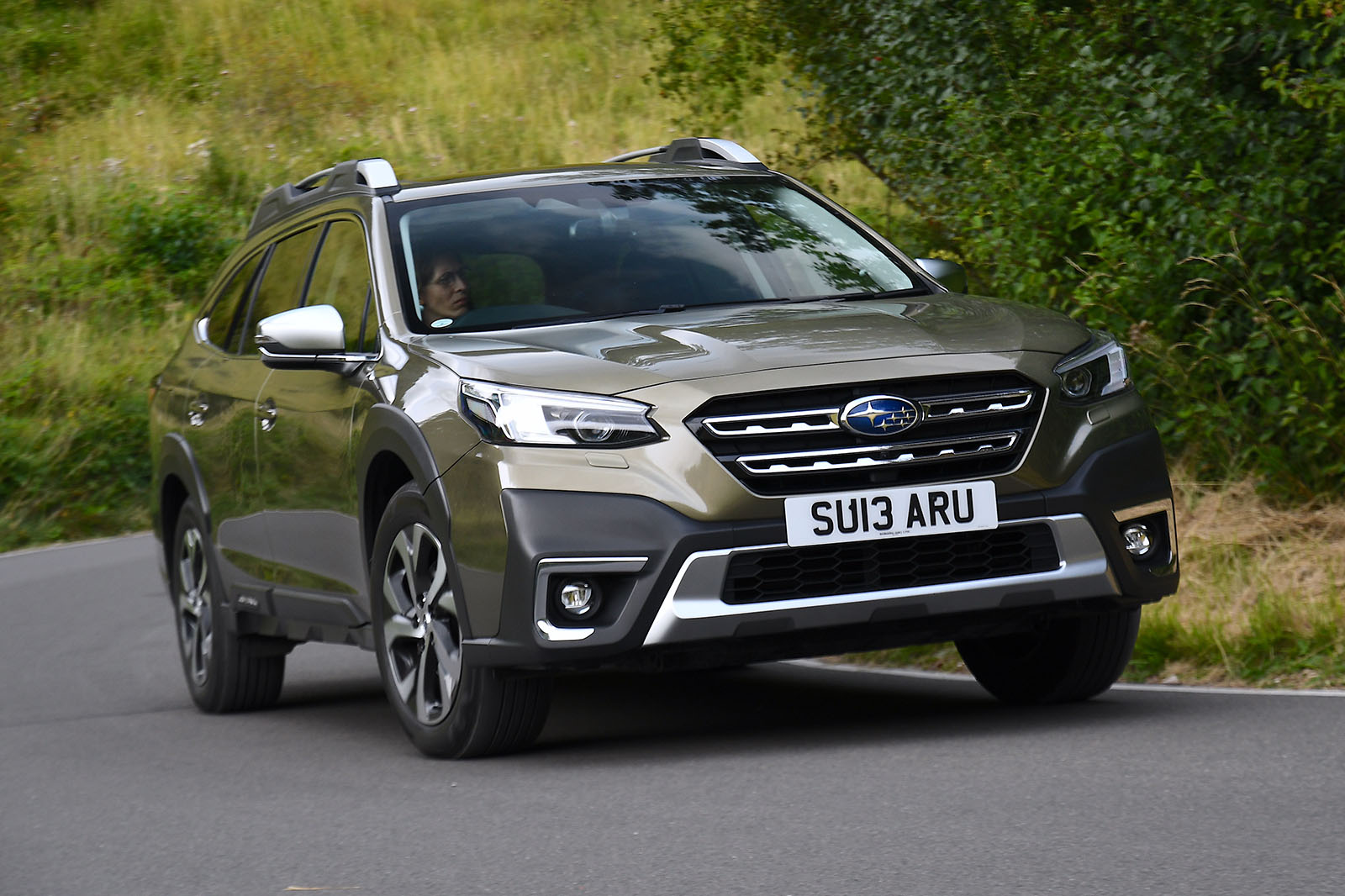
5. Subaru Outback
Long-Term Reliability: Durable AWD hardware with fewer leak patterns than competitive rugged crossovers
- Engine: 2.5L Flat 4-Cylinder Boxer or 2.4L Turbo Flat-4
- Horsepower: 182 hp to 260 hp
- Torque: 176 lb-ft to 277 lb-ft
- Size: 189.6 in Long x 72.4 in Wide
Families living in states with serious winter weather have specific reliability requirements that mild-climate buyers do not need to prioritize. All-wheel-drive systems that cycle constantly through salt, freeze-thaw cycles, and sustained cold-weather operation place mechanical demands on differentials, driveshafts, and transfer case components that accelerate wear on platforms not specifically engineered for this duty.
Long-term ownership data for the Subaru Outback shows that its symmetrical all-wheel-drive hardware handles these conditions with a durability that competing rugged crossovers in its price range consistently fail to match.
Subaru’s horizontally opposed Boxer engine layout, available in naturally aspirated 2.5-liter form producing 182 horsepower and 176 lb-ft of torque, or turbocharged 2.4-liter form producing 260 horsepower and 277 lb-ft of torque, is a fundamentally different approach to four-cylinder engine architecture than most competitors use. The Boxer layout’s lower center of gravity and balanced cylinder arrangement contribute to a powertrain packaging approach that also places the drivetrain components in a configuration well suited to Subaru’s symmetrical AWD architecture.
Five-year ownership data consistently show the Outback experiencing fewer fluid leak patterns from differential and axle components than competing all-wheel-drive crossovers in the same category. For families who bought their Outback specifically for year-round all-weather capability, that result means the core capability they paid for is still performing correctly at year five.
Measuring 189.6 inches long and 72.4 inches wide, the Outback’s wagon-derived body provides practical cargo capacity alongside its reliability credentials, making it one of the most genuinely useful vehicles on this list for active families.
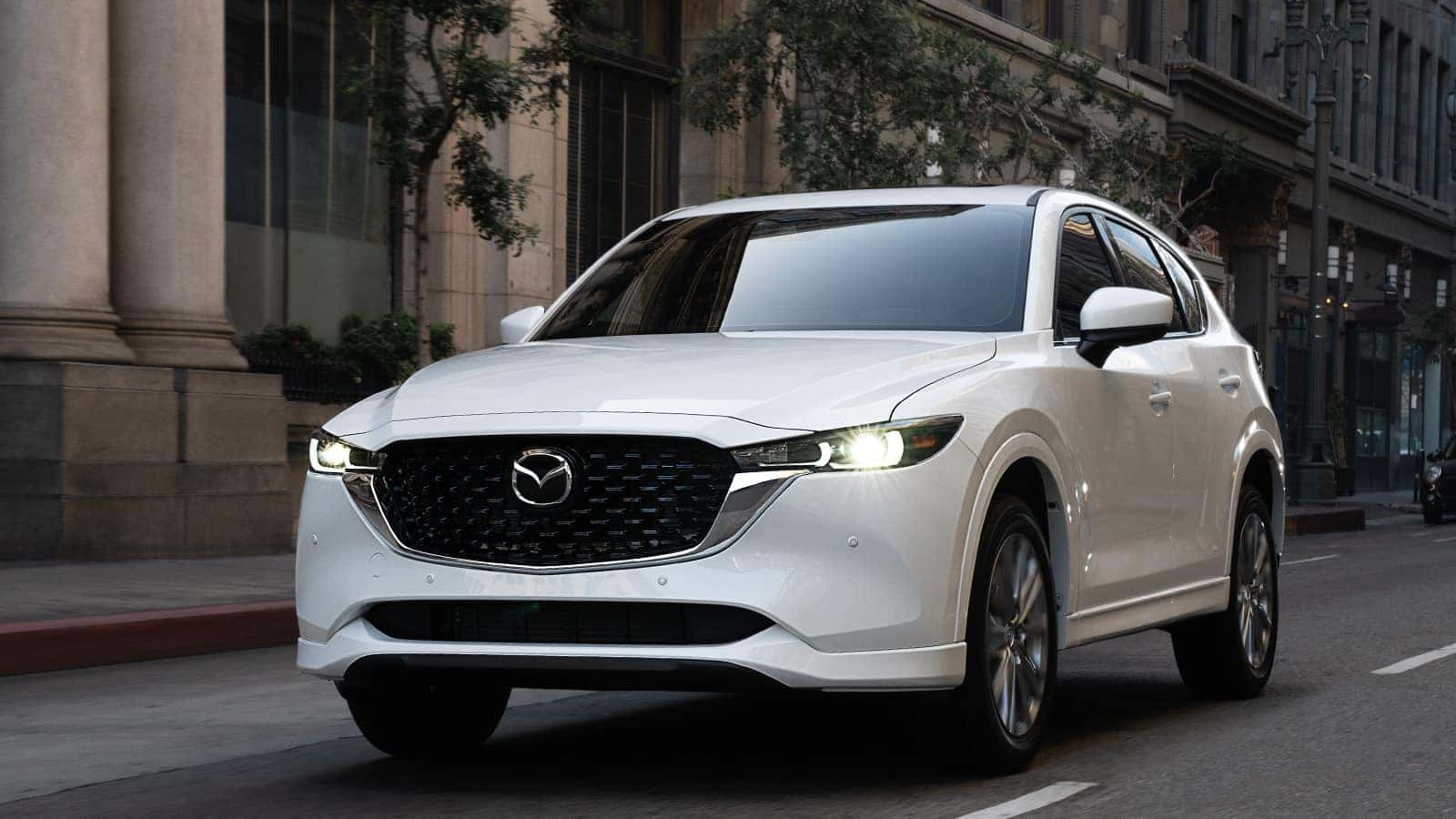
6. Mazda CX-5
Long-Term Reliability: Exceptionally low fault rates through deliberate avoidance of experimental technology
- Engine: 2.5L Naturally Aspirated 4-Cylinder or 2.5L Turbo
- Horsepower: 187 hp to 256 hp
- Torque: 186 lb-ft to 320 lb-ft
- Size: 180.1 in Long x 72.6 in Wide
Mazda has built its reputation by refining proven engineering solutions instead of adopting new technology simply for the sake of innovation. This philosophy has contributed to the brand’s strong record for reliability, allowing its vehicles to deliver dependable performance while avoiding the risks that can accompany untested systems.
That discipline shows up most clearly in the CX-5’s choice of a six-speed automatic transmission as its primary gearbox option rather than adopting the dual-clutch automated manual transmissions that several competitors moved to in search of efficiency gains.
Dual-clutch transmissions offer real benefits in fuel economy and acceleration response, but first- and second-generation implementations across multiple brands generated substantial complaint volumes from owners experiencing hesitation, shudder, and premature wear in real-world low-speed driving conditions. Mazda’s six-speed automatic is not a cutting-edge transmission design, but it is a thoroughly validated one with a failure rate profile that five-year ownership data consistently reflects in the CX-5’s favor.
Producing between 187 and 256 horsepower from its naturally aspirated and turbocharged 2.5-liter four-cylinder options, the CX-5 covers a broad performance range within the same fundamental powertrain architecture. Torque output between 186 and 320 lb-ft gives families adequate pulling capability for everyday towing needs. Measuring 180.1 inches long and 72.6 inches wide, the CX-5 is a properly sized compact crossover that handles daily family use without feeling either cramped or unwieldy.
Mazda’s manufacturing quality standards, which produce interior materials and assembly tolerances that regularly draw favorable comparisons to vehicles costing considerably more, contribute to a five-year ownership experience where both mechanical and cosmetic quality hold up better than most of the CX-5’s direct competitors can demonstrate in long-term owner surveys.
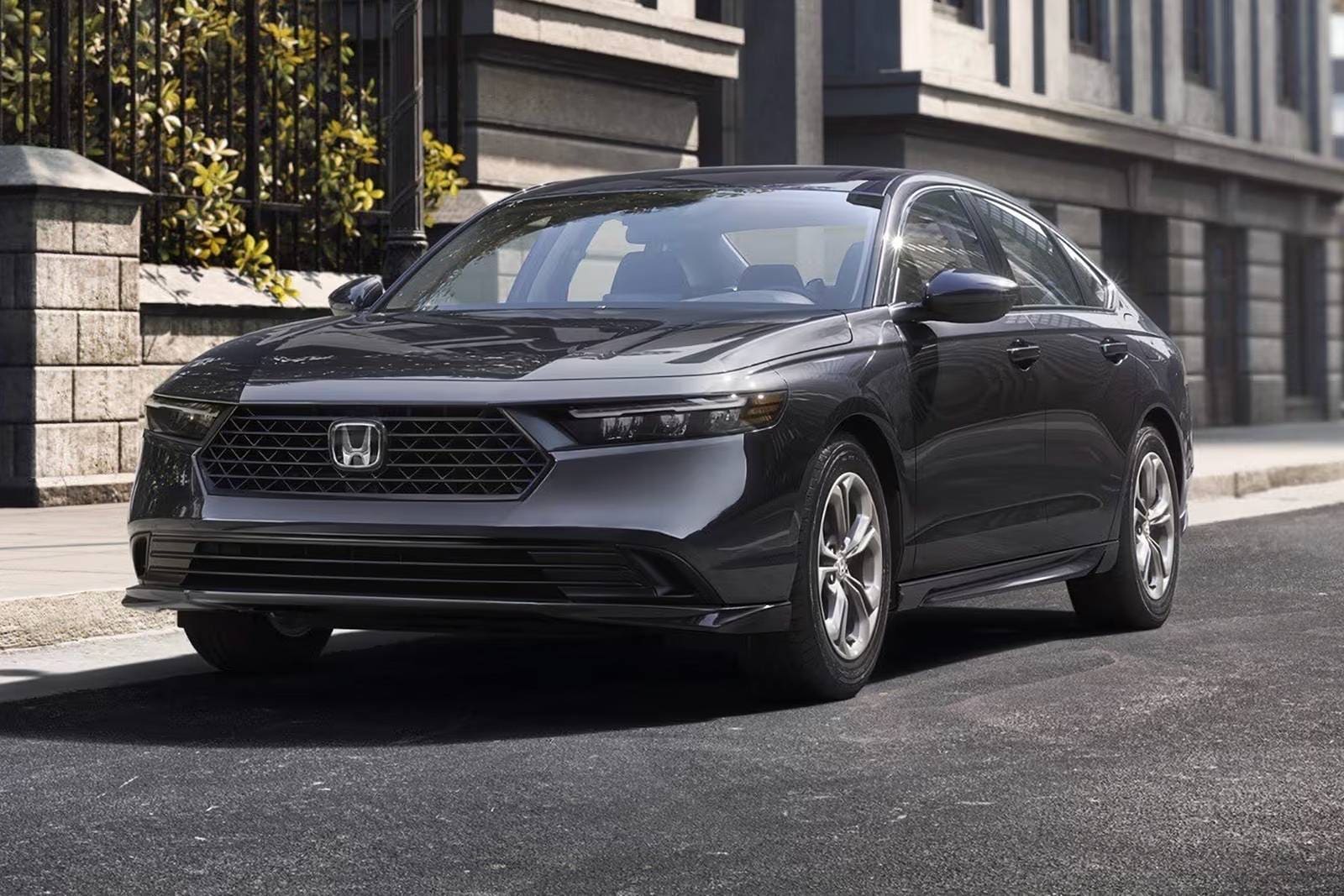
7. Honda Accord
Long-Term Reliability: Lowest five-year operating and repair cost profile in the midsize sedan segment per Kelley Blue Book
- Engine: 1.5L Turbo 4-Cylinder or 2.0L Hybrid
- Horsepower: 192 hp to 212 hp
- Torque: 192 lb-ft to 247 lb-ft
- Size: 196.1 in Long x 73.2 in Wide
Choosing a sedan instead of a crossover still makes sense for many households, especially those who value space, comfort, and steady ownership costs. The Honda Accord continues to meet these expectations by offering a low driving position paired with interior room that comfortably supports family life.
Ownership data show that people who keep their cars beyond five years appreciate generous rear legroom, dependable mechanical design, and repair expenses that stay manageable. Kelley Blue Book repair cost rankings consistently place the Accord among the most affordable midsize sedans to maintain after several years on the road.
Power delivery plays a big role in that long-term confidence. Buyers can select a turbocharged 1.5-liter four-cylinder engine producing 192 horsepower or choose a 2.0-liter hybrid setup generating up to 212 horsepower. Both options deliver torque figures ranging from 192 to 247 pound-feet, which translates into smooth acceleration during daily driving without pushing engine components too hard. This balanced output helps limit wear that often appears after years of school runs, office commutes, and highway trips.
Size also works in the Accord’s favor. Measuring 196.1 inches in length and 73.2 inches in width, it offers cabin dimensions that rival some larger utility vehicles. Rear passengers enjoy legroom that remains comfortable even on long journeys, while the boot easily handles family luggage and shopping needs. These practical advantages challenge the idea that bigger vehicles are always better for family use.
Reliability history further strengthens the Accord’s case. Honda’s turbocharged four-cylinder engines in this model have shown solid durability after five years, avoiding issues that affected some early turbo engines from other brands. For drivers who cover long distances and prefer a refined, car-like feel with predictable expenses, the Accord continues to justify sedan ownership through consistent performance and sensible running costs.
Also Read: 10 Family Vehicles With Stain-Proof Interiors for Young Children
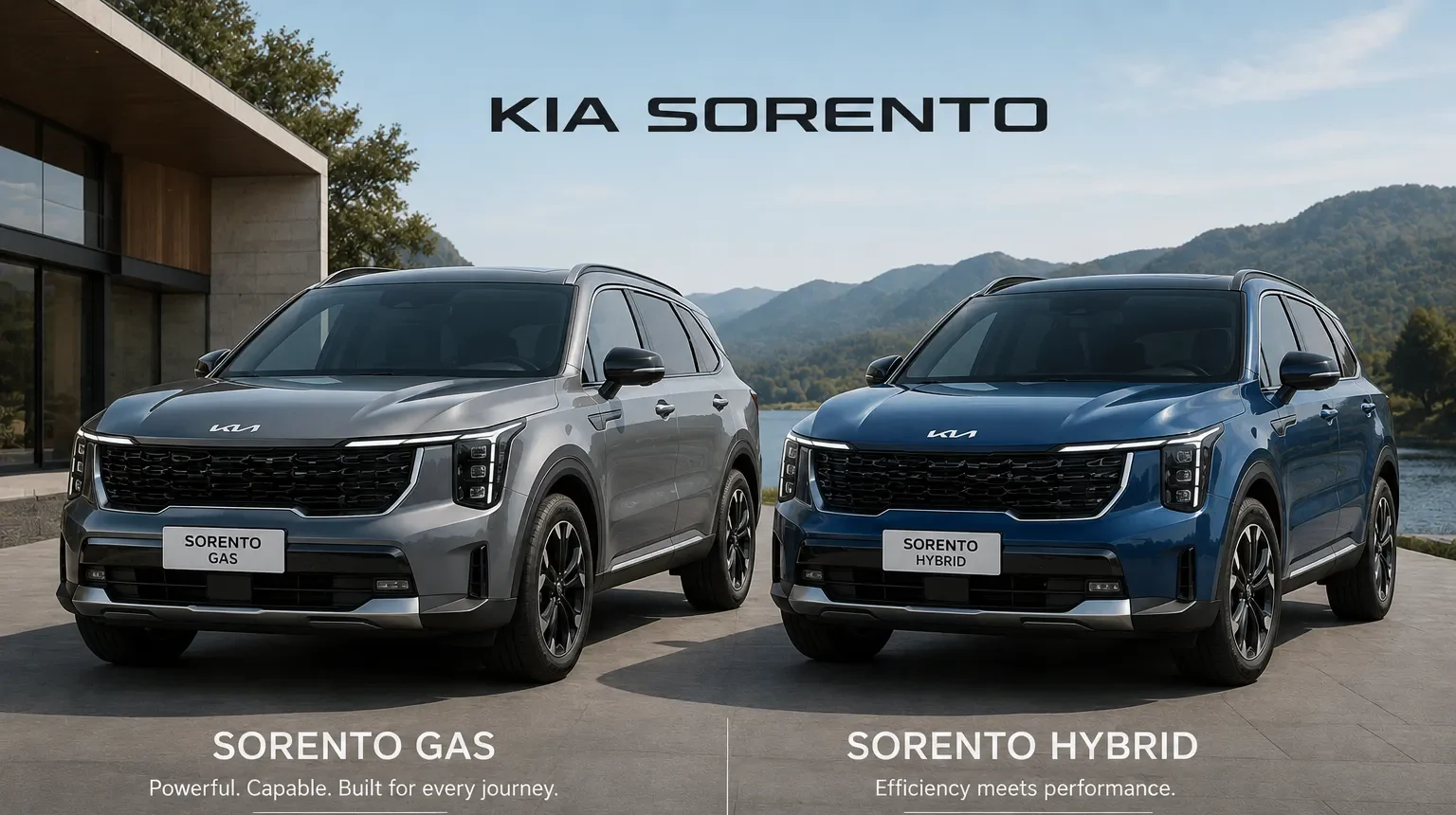
8. Kia Sorento Gas and Hybrid
Long-Term Reliability: Excellent component durability at five years on refined four-cylinder and hybrid layouts
- Engine: 2.5L 4-Cylinder or 1.6L Turbo Hybrid
- Horsepower: 191 hp to 281 hp (Gas) / 227 hp (Hybrid)
- Torque: 181 lb-ft to 311 lb-ft (Gas) / 258 lb-ft (Hybrid)
- Size: 189.0 in Long x 74.8 in Wide
Past ownership records remind buyers that Kia once faced serious trust issues after repeated engine failures led to recalls and extended warranties. That period cannot be ignored, which is why the present-day Sorento stands out as proof of measurable improvement driven by tighter engineering discipline and stricter quality control.
Recent Sorento versions rely on updated four-cylinder petrol designs and a well-developed turbocharged hybrid system. Five-year ownership figures now show strong mechanical stability, supported by Consumer Reports surveys and internal warranty claim patterns.
Petrol models deliver between 191 and 281 horsepower, while the hybrid produces 227 horsepower. Torque figures range from 181 to 311 pound-feet on petrol versions, with the hybrid providing 258 pound-feet. These outputs allow confident overtaking, steady towing ability, and relaxed motorway driving without pushing components beyond safe limits.
Buyers also benefit from extensive factory backing. Kia’s service network covers early ownership concerns efficiently, while the ten-year, one hundred thousand-mile powertrain warranty offers protection few rivals match. This long coverage period reduces anxiety during the first five years, a stage where many vehicles begin showing costly mechanical wear outside standard warranties.
From a practical angle, the Sorento measures 189 inches in length and 74.8 inches in width. That size allows three usable seating rows for up to seven occupants, yet remains suitable for standard residential parking spaces. Cabin layout prioritises comfort, visibility, and easy access, making school runs and longer journeys less tiring.
For households seeking a three-row vehicle backed by clear improvements in build quality and dependability, the current Kia Sorento demonstrates how far the brand has progressed from its earlier reputation.
