
For more than three decades, the Honda Odyssey has remained one of the most respected minivans on the market. Families have consistently chosen it because of its spacious interior, comfortable ride, practical seating arrangements, and reputation for dependable engineering.
Whether transporting children to school, taking long road trips, or carrying large amounts of cargo, the Odyssey has repeatedly demonstrated why it continues to compete successfully in a market increasingly dominated by SUVs.
Strong resale values and widely available replacement parts have further strengthened its appeal among both new and used vehicle buyers.
Even with its excellent reputation, not every Honda Odyssey model year has offered the same ownership experience. Some years benefited from refined powertrains, improved transmissions, and updated technology that significantly enhanced long-term reliability.
Others experienced recurring problems involving automatic transmissions, variable cylinder management systems, engine mounts, electrical components, or sliding door mechanisms.
Although many of these issues were addressed through recalls, software updates, or engineering revisions, they remain important considerations for buyers shopping in the used market.
Selecting the right Odyssey model year can make a substantial difference in maintenance costs, reliability, and long-term satisfaction.
A carefully chosen model often provides hundreds of thousands of miles of dependable service, while less successful years may require expensive repairs that outweigh their attractive purchase prices.
This guide highlights five Honda Odyssey model years that consistently rank among the strongest choices for families seeking reliability and practicality. It also identifies five model years that deserve additional caution because of documented mechanical concerns and recurring owner complaints.
Understanding these differences can help buyers choose an Odyssey that delivers dependable transportation for many years.
Also Read: 5 Volkswagen Models Worth Buying vs 5 to Avoid
5 Best Honda Odyssey Years
1. 2021 Honda Odyssey
By the 2021 model year, Honda had refined the fifth-generation Odyssey into one of the most complete family vehicles available. Building upon several years of production improvements, the 2021 version combined dependable mechanical components with modern technology and thoughtful interior design.
It remains one of the strongest choices for families seeking a minivan capable of providing years of reliable transportation.
Power comes from Honda’s proven 3.5-liter V6 engine paired with a smooth-shifting 10-speed automatic transmission. This combination delivers confident acceleration while maintaining respectable fuel economy for a vehicle of its size.
Earlier transmission concerns associated with previous Odyssey generations had largely been resolved, resulting in a drivetrain that performs consistently during daily driving and long-distance travel.
Inside, practicality reaches another level. Honda’s Magic Slide second-row seats allow families to configure the interior for passengers, child seats, or cargo with remarkable flexibility.
The third row folds flat into the floor, creating a large cargo area suitable for furniture, sports equipment, or luggage. Cabin materials also feel more refined than previous generations, contributing to a comfortable environment for every occupant.
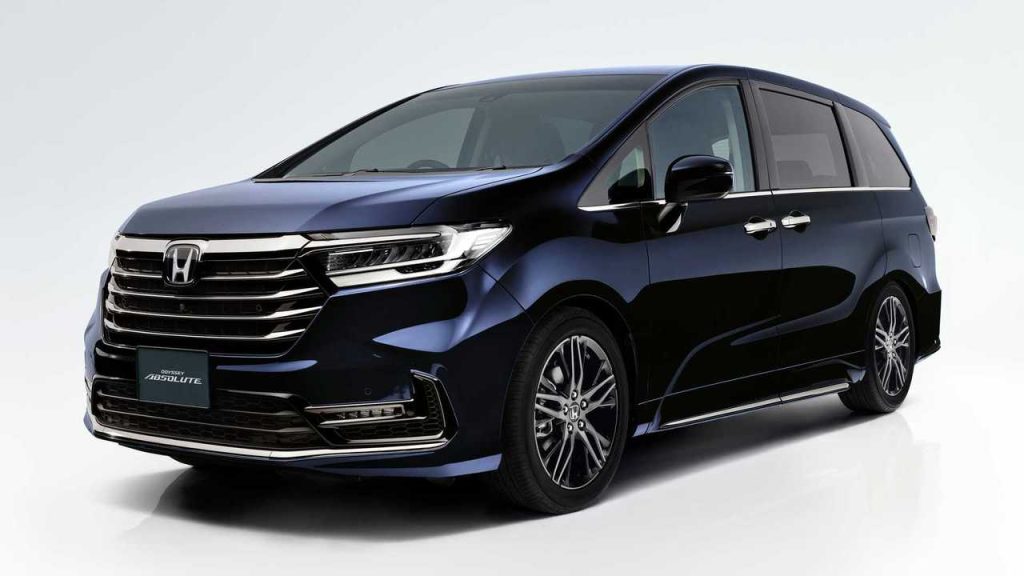
Safety remains a major strength thanks to Honda Sensing, which includes adaptive cruise control, collision-mitigation braking, lane-keeping assistance, and road-departure mitigation. These systems operate smoothly while adding confidence during busy highway driving.
The 2021 Odyssey also enjoys strong resale value and relatively modest maintenance costs when serviced according to Honda’s recommendations. For buyers wanting a modern minivan that combines reliability, comfort, and family-focused practicality, this model year ranks among Honda’s finest achievements.
Specifications
- Engine: 3.5-liter naturally aspirated V6
- Torque: 262 lb-ft
- Horsepower: 280 hp
- Length/Width: 205.2 inches / 78.5 inches
2. 2019 Honda Odyssey
Sometimes the best vehicle is not the newest one but the model that benefits from continuous refinement after a major redesign. The 2019 Honda Odyssey represents exactly that scenario.
Arriving after Honda had time to address many of the early concerns associated with the fifth generation, it became one of the most dependable and family-friendly minivans available.
Its 3.5-liter V6 delivers smooth, effortless power whether carrying a full load of passengers or climbing steep grades. The available 10-speed automatic transmission provides quick, refined shifts while contributing to improved fuel efficiency.
Together, the engine and transmission create a powertrain that has earned positive feedback for both performance and long-term durability.
Passenger comfort remains one of the Odyssey’s greatest strengths. Wide-opening sliding doors simplify entry into the spacious cabin, while supportive seating helps reduce fatigue during long journeys.
The configurable Magic Slide seats provide exceptional flexibility, allowing parents to position child seats more conveniently or create easier access to the third row.
Technology also received meaningful improvements. An intuitive infotainment system, rear-seat entertainment options, CabinWatch, and CabinTalk features help families stay connected during travel. Driver assistance technologies remain comprehensive without becoming overly intrusive.
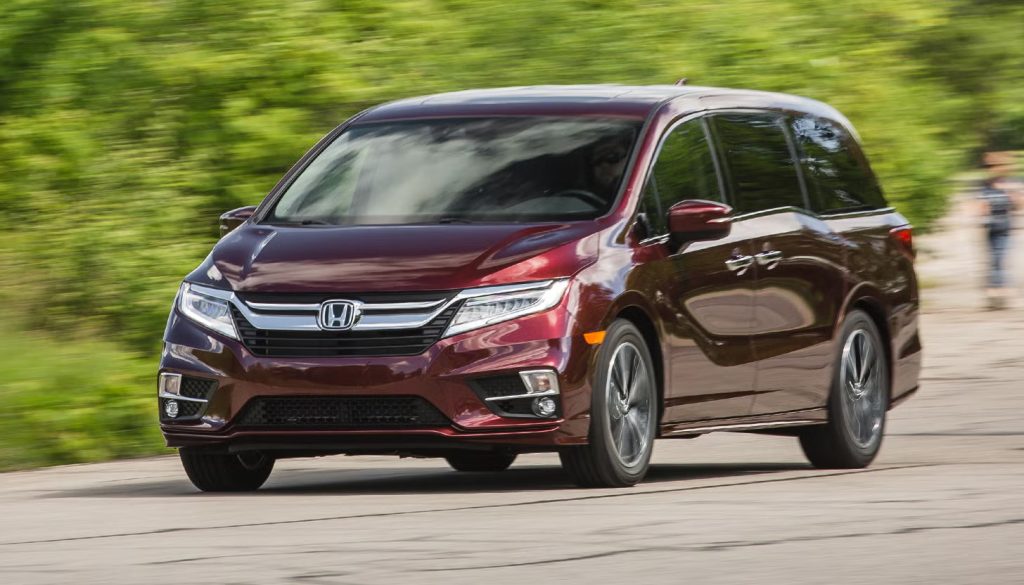
Maintenance requirements remain manageable, replacement parts are widely available, and Honda’s reputation for dependable engineering continues to support strong resale values. Buyers seeking a practical minivan that excels in comfort, safety, and everyday usability will find the 2019 Odyssey to be one of the smartest purchases in its segment.
Specifications
- Engine: 3.5-liter naturally aspirated V6
- Torque: 262 lb-ft
- Horsepower: 280 hp
- Length/Width: 203.2 inches / 78.5 inches
3. 2017 Honda Odyssey
A vehicle often reaches its highest level of refinement during the final years of a production cycle, and the 2017 Honda Odyssey is an excellent example of that pattern. As the last model year of the fourth generation, it benefited from years of engineering improvements that addressed many of the concerns found in earlier versions.
The result was a minivan that combined dependable performance, practical family features, and a strong record for long-term reliability.
The 2017 Odyssey is powered by Honda’s proven 3.5-liter i-VTEC V6 engine, producing smooth acceleration for city driving and highway travel alike. Paired with a refined six-speed automatic transmission on most trims, the powertrain delivers dependable performance while avoiding many of the transmission issues that affected much older Odyssey generations.
Routine maintenance is straightforward, and many owners report reaching well over 200,000 miles with regular servicing.
The interior continues to be one of the Odyssey’s strongest selling points. Wide-opening sliding doors simplify passenger access, while the spacious second and third rows comfortably accommodate adults or child safety seats.
Numerous storage compartments, folding rear seats, and a generous cargo area make the vehicle highly practical for daily family life, vacations, or home improvement projects.
Ride quality is another area where the 2017 Odyssey shines. The suspension absorbs rough pavement with ease, steering remains predictable, and road noise is well controlled. Honda also equipped many trims with advanced safety features, including forward collision warning and lane departure warning.
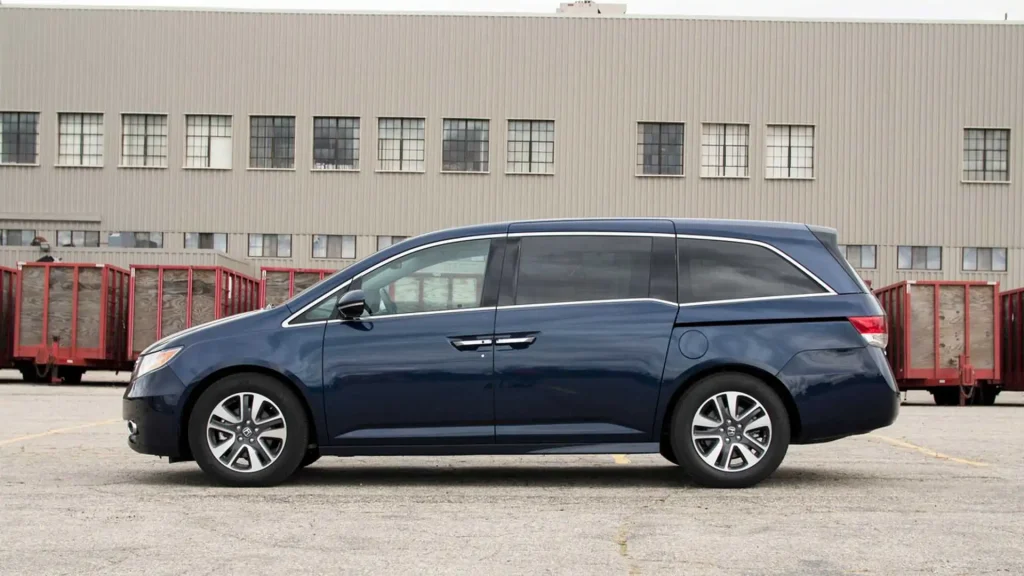
Strong resale values, excellent parts availability, and widespread familiarity among independent mechanics continue to make the 2017 Odyssey one of the safest used minivan purchases for families seeking reliability and versatility.
Specifications
- Engine: 3.5-liter naturally aspirated i-VTEC V6
- Torque: 250 lb-ft
- Horsepower: 248 hp
- Length/Width: 202.9 inches / 79.2 inches
4. 2014 Honda Odyssey
Some family vehicles remain popular long after production ends because they consistently deliver dependable transportation with minimal surprises. The 2014 Honda Odyssey has earned that reputation through a combination of reliable engineering, thoughtful interior design, and comfortable driving characteristics.
Positioned in the middle of the fourth generation, it benefited from production updates that helped improve quality while maintaining the practical features buyers expected.
The familiar 3.5-liter V6 provides smooth and predictable power, making the Odyssey feel confident whether carrying a full load of passengers or traveling long distances.
Honda paired the engine with a refined six-speed automatic transmission that shifts smoothly and has demonstrated good durability when serviced according to the recommended schedule.
Inside the cabin, functionality takes priority. The second-row seating configuration allows families to adjust passenger space easily, while the third-row seats fold flat into the floor to create a spacious cargo area.
Numerous cup holders, storage bins, and charging locations make everyday use especially convenient. Large windows also provide excellent visibility, helping drivers maneuver such a large vehicle with confidence.
Comfort remains one of the Odyssey’s defining qualities. The suspension delivers a composed ride over rough pavement, and cabin insulation reduces outside noise during highway travel. Honda also improved interior materials, giving the minivan a more refined feel than several competitors from the same era.
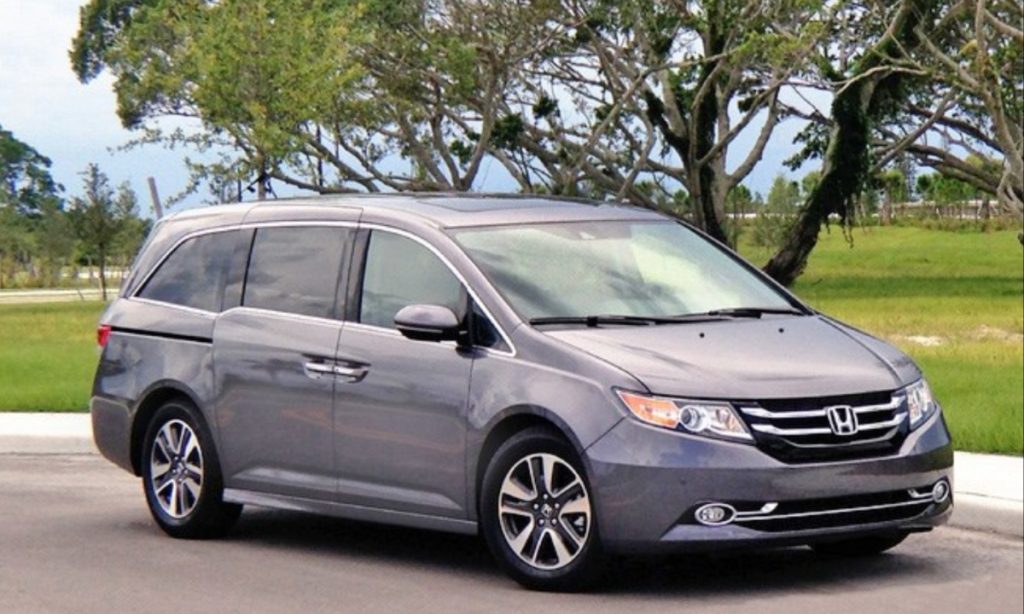
Long-term ownership remains relatively affordable because replacement parts are easy to obtain and the vehicle has developed a strong reputation for durability. Families looking for a practical used minivan with proven reliability continue to view the 2014 Odyssey as one of Honda’s most dependable offerings.
Specifications
- Engine: 3.5-liter naturally aspirated i-VTEC V6
- Torque: 250 lb-ft
- Horsepower: 248 hp
- Length/Width: 202.9 inches / 79.2 inches
5. 2009 Honda Odyssey
Buying an older minivan does not always mean sacrificing reliability. The 2009 Honda Odyssey proves that a well-engineered vehicle can remain a dependable family companion long after newer models have entered the market.
As one of the strongest years of the third generation, it combined Honda’s durable V6 engine with a practical interior and a comfortable driving experience that continues to appeal to used-vehicle buyers.
The 3.5-liter i-VTEC V6 delivers smooth performance with enough power to carry seven or eight passengers without feeling strained.
The five-speed automatic transmission found in this model year has demonstrated better reliability than the transmissions used in some earlier Odyssey generations, especially when owners performed regular fluid changes and preventative maintenance.
Many examples have accumulated more than 200,000 miles while continuing to provide dependable daily transportation.
Inside, the Odyssey emphasizes function over unnecessary complexity. The cabin offers generous passenger room in every row, while the flexible seating arrangement allows owners to adapt the interior for family trips, sports equipment, or large cargo.
Numerous storage compartments and wide sliding doors make daily use especially convenient for households with children.
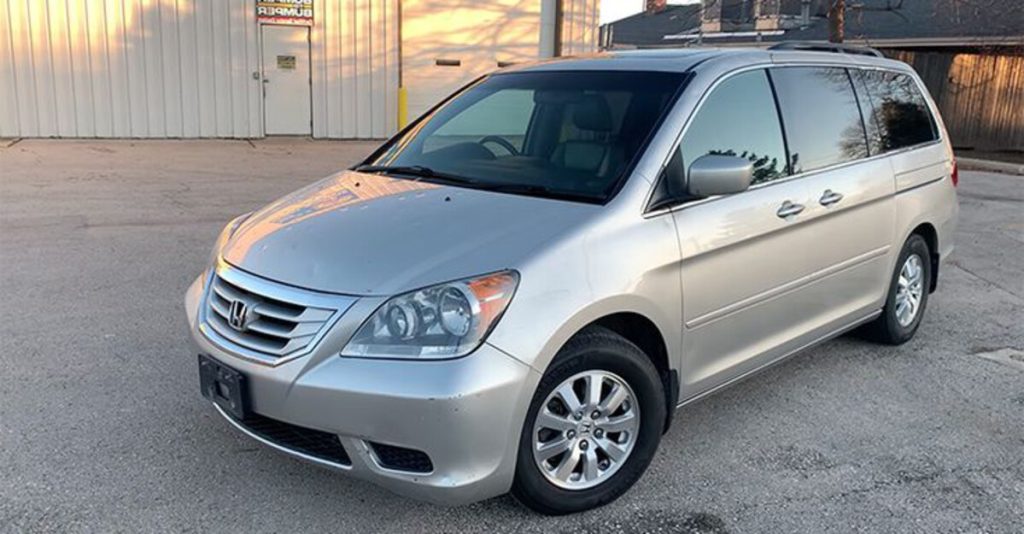
The suspension provides a comfortable ride, absorbing rough pavement without excessive body movement. Visibility remains excellent thanks to large windows and a commanding seating position, helping drivers navigate parking lots and busy streets with confidence.
Although the infotainment technology is dated by modern standards, the vehicle’s proven reliability, affordable maintenance, and readily available replacement parts continue to make the 2009 Honda Odyssey one of the best values among older family minivans.
Specifications
- Engine: 3.5-liter naturally aspirated i-VTEC V6
- Torque: 240 lb-ft
- Horsepower: 244 hp
- Length/Width: 202.1 inches / 77.1 inches
5 Honda Odyssey Years With Known Problems
1. 2002 Honda Odyssey
The 2002 Honda Odyssey remains one of the most frequently discussed model years whenever long-term reliability is mentioned.
While the minivan offered impressive passenger space, a comfortable ride, and a powerful V6 engine for its era, it also became known for one of Honda’s most significant mechanical weaknesses: automatic transmission failure.
The four-speed automatic transmission installed in many 2002 models struggled to handle the torque produced by the 3.5-liter V6. Owners reported symptoms such as slipping gears, delayed engagement, harsh shifting, overheating, and, in severe cases, complete transmission failure before reaching 100,000 miles.
Honda issued recalls and warranty extensions for certain transmission-related problems, but many vehicles still required expensive repairs or complete transmission replacements.
Engine reliability was generally stronger than that of the transmission, although aging motor mounts, power steering leaks, and worn suspension components became more common as mileage increased.
Sliding door mechanisms also developed occasional problems, with some owners reporting doors that failed to close properly or required replacement of electronic control components.
Because these vehicles are now more than twenty years old, buyers must also consider age-related deterioration involving rubber hoses, cooling system parts, electrical wiring, and interior trim.
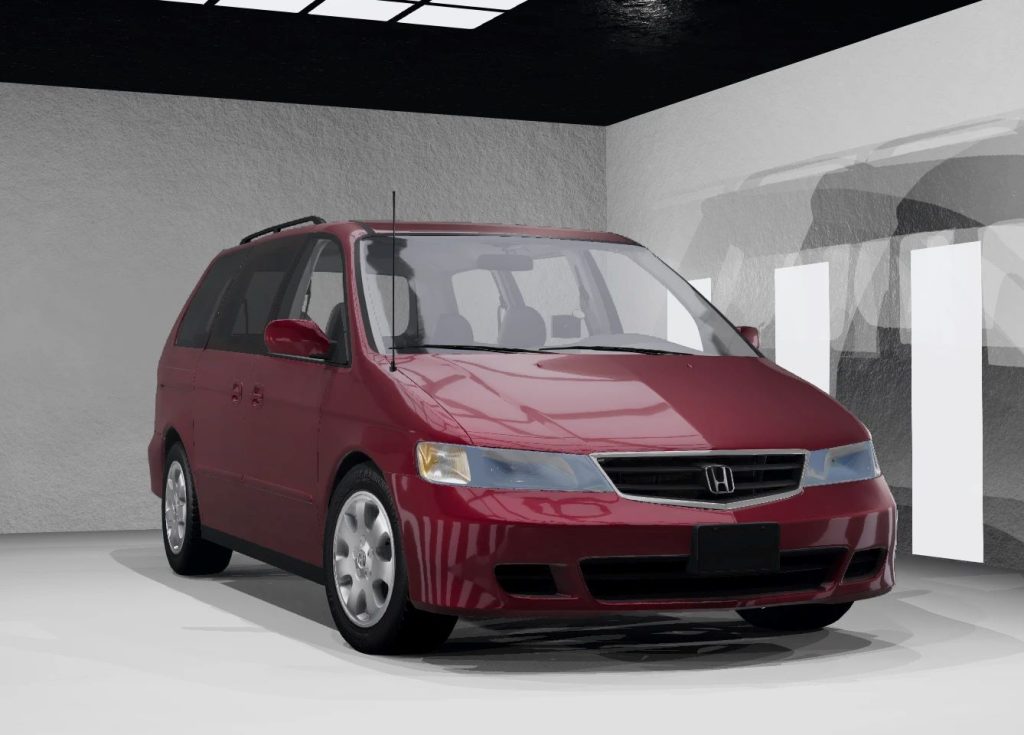
A well-maintained example with documented transmission replacement can still provide dependable transportation, but vehicles lacking repair history present a much greater financial risk.
For shoppers interested in an older Honda Odyssey, later third-generation models usually provide a significantly better ownership experience while retaining the spacious cabin and family-friendly practicality that made the Odyssey so popular.
Specifications
- Engine: 33.5L V6 SOHC
- Torque: 242 lb-ft @ 4,500 rpm
- Horsepower: 240 hp @ 5,500 rpm
- Length/Width: 201.2 inches / 75.6 inches
2. 2005 Honda Odyssey
The 2005 Honda Odyssey introduced a completely redesigned generation with improved styling, additional interior space, and more advanced safety technology.
While the redesign received widespread praise, it also experienced several first-year issues that affected reliability and owner satisfaction.
One of the most common concerns involved the five-speed automatic transmission. Although it represented an improvement over earlier units, some owners still experienced rough shifting, premature wear, and occasional transmission failure after higher mileage.
Engine mounts also became a frequent maintenance item because the powerful V6 placed additional stress on the mounting system, leading to excessive vibration during acceleration or while idling.
Electrical issues contributed to the vehicle’s reputation as well. Sliding door sensors occasionally malfunctioned, dashboard warning lights appeared unexpectedly, and power door mechanisms sometimes required expensive repairs.
Air conditioning compressors also generated complaints, particularly as the vehicles accumulated age and mileage.
The Odyssey continued to offer an exceptionally practical interior, smooth ride quality, and one of the most versatile seating layouts in its segment.
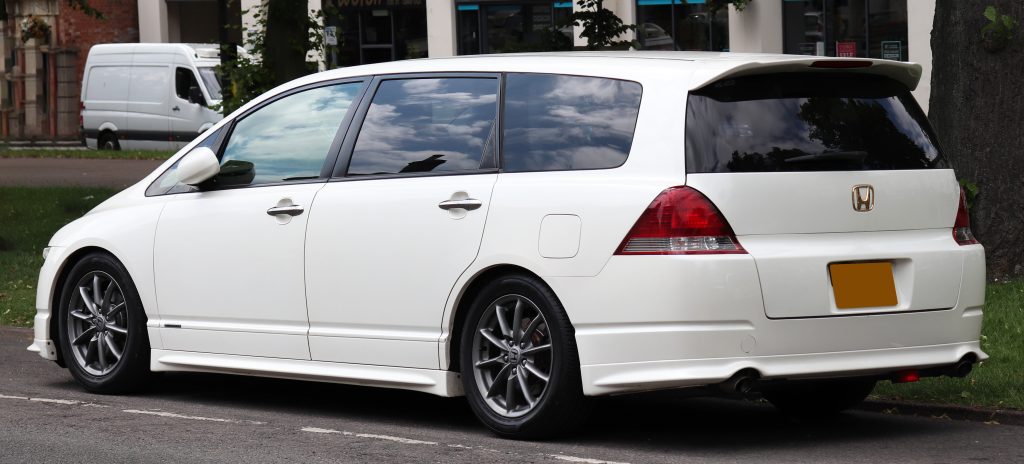
However, buyers considering a 2005 model should carefully review maintenance records to confirm transmission servicing, engine mount replacement, and sliding door repairs have already been completed.
Although many examples remain dependable with proper care, later production years within the same generation benefited from additional refinements that improved reliability and reduced the frequency of these recurring concerns.
Specifications
- Engine: 3.5-liter naturally aspirated i-VTEC V6
- Torque: 250 lb-ft
- Horsepower: 255 hp
- Length/Width: 202.1 inches / 77.1 inches
3. 2008 Honda Odyssey
By 2008, Honda had already made several improvements to the third-generation Odyssey, but this model year continued to receive complaints that kept it from matching the strongest years in the lineup.
Although the minivan remained spacious, comfortable, and practical for family use, recurring mechanical concerns increased ownership costs for many drivers.
One of the biggest issues involved the Variable Cylinder Management system found on many V6-equipped models. Designed to improve fuel economy by deactivating cylinders during light driving, the system sometimes caused excessive oil consumption, engine vibration, and premature wear of piston rings.
Many owners also reported engine misfires that eventually triggered check engine lights and required costly repairs.
Motor mount failures became another common complaint. Because the VCM system repeatedly switched between different cylinder configurations, additional stress was placed on the engine mounts, causing vibrations that could be felt throughout the cabin. Repairing these mounts often became a recurring expense as mileage increased.
Sliding door components, power steering hoses, and air conditioning compressors also generated owner complaints over time. While these issues rarely left the vehicle undrivable, they contributed to maintenance costs that were higher than many buyers expected from a Honda.
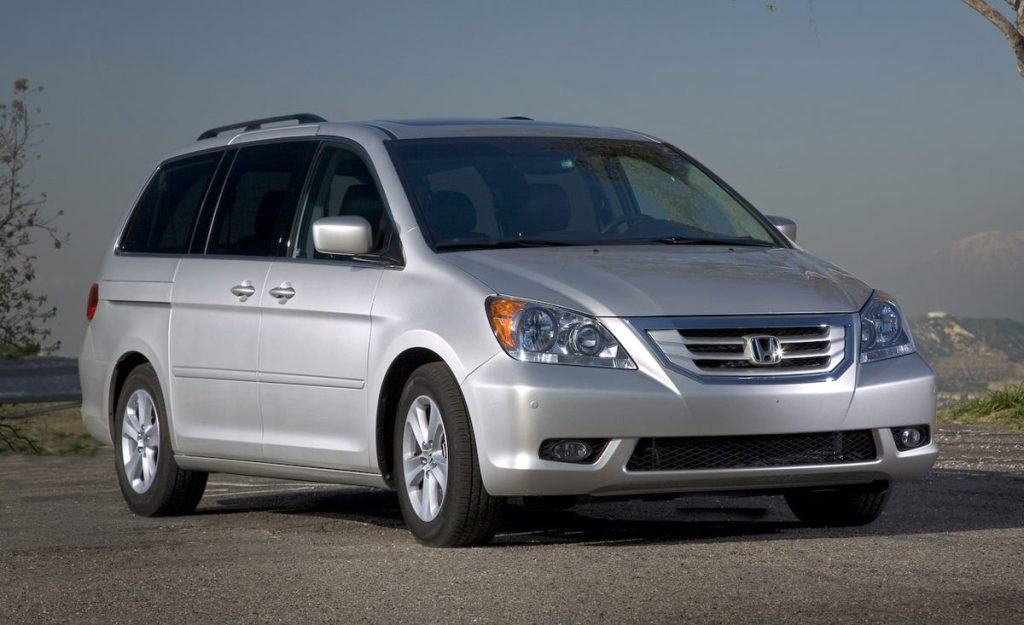
The 2008 Odyssey still offers excellent passenger space and impressive cargo flexibility, but buyers should verify that VCM-related repairs, engine mount replacements, and routine maintenance have been completed before purchasing.
Later Odyssey models received engineering improvements that helped reduce many of these concerns.
Specifications
- Engine: 3.5-liter naturally aspirated i-VTEC V6
- Torque: 240 lb-ft
- Horsepower: 244 hp
- Length/Width: 202.1 inches / 77.1 inches
4. 2018 Honda Odyssey
The 2018 Honda Odyssey launched the fifth generation with updated styling, a redesigned interior, and significantly improved technology. It introduced features such as CabinWatch, CabinTalk, and a new 10-speed automatic transmission on higher trims, helping position the Odyssey among the most advanced minivans on the market.
However, first-year production models also experienced several issues that affected owner confidence.
Some owners reported rough shifting, hesitation, and software-related transmission behavior, particularly on vehicles equipped with the new 10-speed automatic.
Honda released software updates that improved shift quality, but early complaints remained common. Infotainment glitches also appeared, including frozen touchscreens, Bluetooth connectivity problems, and occasional system resets.
Electrical concerns extended to power sliding doors, parking sensors, and various driver assistance features. Although many issues were resolved through dealer updates, owners sometimes required multiple service visits before problems were fully corrected.
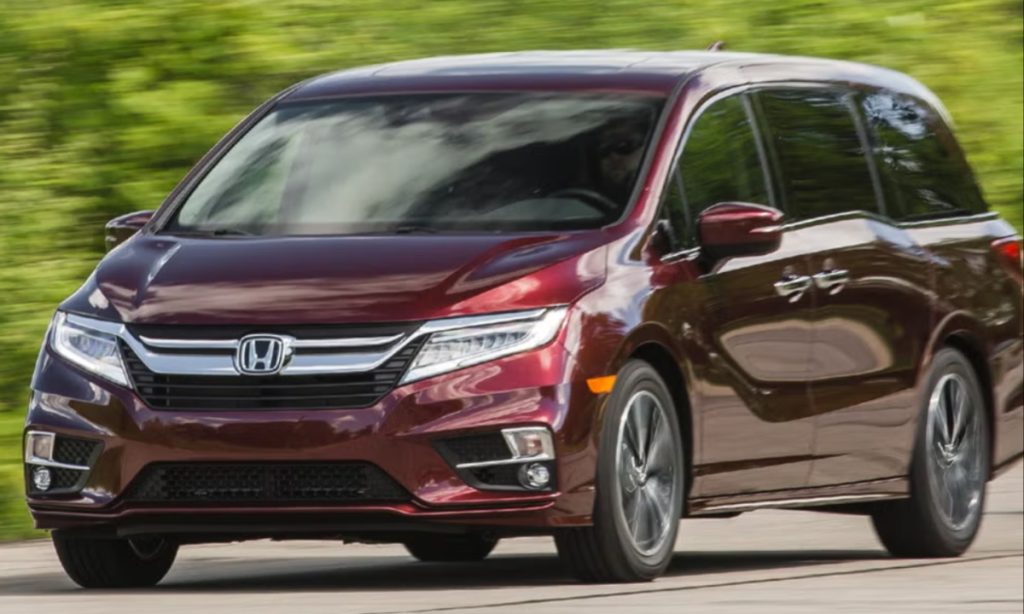
Mechanically, the 3.5-liter V6 remained a dependable engine, and the Odyssey continued to provide excellent ride comfort and interior versatility.
Buyers interested in this generation should verify that all software updates, recalls, and technical service bulletins have been completed. Choosing a 2019 or newer model generally provides a more refined ownership experience with fewer reported concerns.
Specifications
- Engine: 3.5-liter naturally aspirated V6
- Torque: 262 lb-ft
- Horsepower: 280 hp
- Length/Width: 203.2 inches / 78.5 inches
5. 2003 Honda Odyssey
The 2003 Honda Odyssey inherited many of the same transmission-related concerns that affected the previous model year, making it one of the least desirable choices for buyers seeking dependable long-term ownership.
While the minivan remained highly practical and comfortable, recurring drivetrain issues overshadowed many of its strengths.
The four-speed automatic transmission continued to experience overheating, slipping gears, delayed engagement, and premature internal wear.
Even vehicles that received careful maintenance sometimes required expensive transmission rebuilds or complete replacements well before reaching the mileage many owners expected from a Honda.
Although Honda implemented warranty extensions and recall campaigns for certain transmission components, not every vehicle received permanent solutions.
Beyond the transmission, aging power steering systems, worn engine mounts, suspension bushings, and electrical issues involving the power sliding doors became more common as these vehicles accumulated mileage.
Interior quality remained impressive for its time, and the spacious cabin continued to serve families well, but maintenance costs often increased substantially after the first decade of ownership.
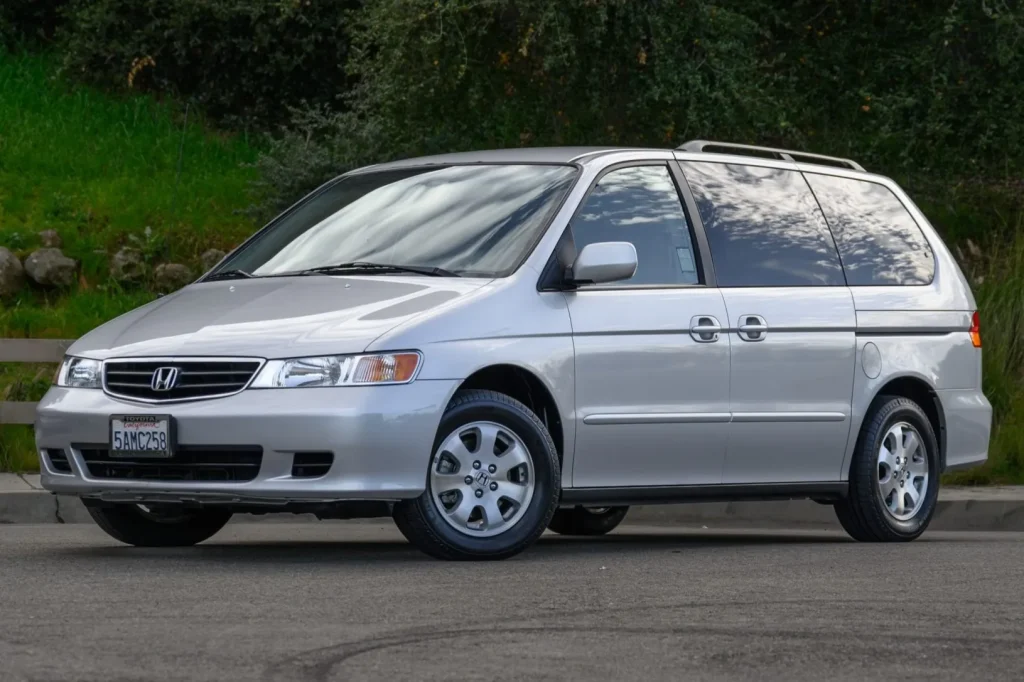
Because these minivans are now more than twenty years old, buyers should also inspect cooling system components, brake lines, fuel lines, and rubber seals for age-related deterioration.
Unless comprehensive service records confirm that the transmission has already been rebuilt or replaced using updated components, the 2003 Odyssey carries considerably more financial risk than later generations.
Specifications
- Engine: 3.5-liter naturally aspirated V6
- Torque: 240 lb-ft
- Horsepower: 240 hp
- Length/Width: 201.4 inches / 77.1 inches
Also Read: 5 Best and Worst Years for the Honda CR-V
