

Modern vehicles have evolved into connected computers on wheels. Beyond navigation, entertainment, and safety systems, today’s cars continuously generate enormous amounts of information about how they are driven, maintained, and used.
Connected services, smartphone integration, mobile apps, over-the-air software updates, and advanced driver assistance systems all rely on data to function effectively. While these technologies improve convenience and safety, they also raise important questions about privacy and how much information automakers collect from drivers.
Not every manufacturer gathers the same amount or type of data. Some companies primarily collect diagnostic information to improve vehicle reliability, while others gather location history, driving behavior, voice commands, app usage, vehicle performance, and connected service data.
The extent of collection often depends on the features a driver activates, the permissions granted through mobile apps, and the privacy policies accepted during vehicle setup.
This ranking examines ten major automakers based on the breadth of driver and vehicle data they are known to collect through their connected ecosystems. The goal is not to suggest that every company misuses customer information, but rather to highlight the differences in data collection practices across the automotive industry.
Understanding what information your vehicle may record allows owners to make informed decisions about privacy settings, connected services, and the digital features they choose to use.
Also Read: 10 Beginner Motorcycles That Hold Their Value Best
10. Subaru
Subaru has traditionally focused more on safety and reliability than on digital services, which places it toward the lower end of this ranking.
The company still collects a variety of information through connected features such as STARLINK services, but the amount is generally more limited than that of manufacturers with highly integrated digital ecosystems.
Most of the collected information supports navigation, emergency assistance, diagnostics, software updates, and remote vehicle functions rather than extensive behavioral profiling.
Drivers using connected services may transmit vehicle health information, maintenance alerts, mileage, GPS location during specific services, and diagnostic fault codes.
If the owner enables remote start, stolen vehicle recovery, or emergency communication, additional operational information may also be shared to ensure those features function properly.
Subaru also records certain information from infotainment systems, including paired devices and service usage, though this typically depends on customer preferences and activated subscriptions.
Privacy settings allow owners to disable or limit several connected functions, reducing the amount of information transmitted. The company also separates certain vehicle diagnostics from personally identifiable information whenever practical.
Compared with manufacturers offering extensive digital ecosystems, Subaru’s approach remains relatively conservative.
For drivers who prioritize straightforward vehicle ownership without relying heavily on connected features, Subaru represents one of the less data-intensive choices among major automakers.
Owners should still review privacy settings during vehicle setup because connected services can expand data collection depending on which features are activated.
9. Mazda
Mazda has embraced connected technology gradually, focusing on improving convenience without building one of the industry’s largest data ecosystems. Through Mazda Connected Services, the manufacturer gathers operational information needed to support remote vehicle functions, maintenance notifications, software updates, and security services.
While this still represents meaningful data collection, it remains narrower than many competitors that integrate numerous third-party digital platforms.
Information commonly collected includes vehicle identification details, mileage, battery condition, maintenance status, diagnostic trouble codes, and location data when owners enable connected services such as vehicle locator or emergency assistance.
Mobile app interactions may also generate information regarding remote lock commands, remote start requests, and account preferences.
Mazda emphasizes that many connected features are optional, allowing owners to decide whether they wish to activate certain services. Drivers who avoid connected subscriptions and rely primarily on local infotainment functions generally transmit less information than those using every available digital feature.
Voice recognition, navigation searches, and smartphone integration may also create additional data depending on how those services are configured.
Rather than aggressively expanding customer profiling, Mazda has largely concentrated on improving vehicle ownership and service support. Nevertheless, owners should understand that modern connected vehicles inevitably exchange operational data whenever internet-enabled features are active.
Reviewing privacy options and app permissions remains an important step for anyone seeking greater control over personal information.
8. Honda
Honda has steadily expanded its connected vehicle ecosystem through services such as HondaLink, allowing owners to access remote vehicle functions, maintenance reminders, emergency assistance, and smartphone integration. As these digital features have grown, so has the amount of information collected to support them.
Compared with some competitors, Honda maintains a balanced approach, gathering operational data primarily to improve the ownership experience rather than building one of the industry’s largest connected platforms.
Vehicles equipped with HondaLink can transmit diagnostic information, maintenance schedules, fuel level, battery status for electrified models, odometer readings, and GPS location when owners enable remote services.
Mobile app interactions may also record account activity, remote commands, and preferences selected within the connected ecosystem. Navigation searches and voice commands can generate additional information depending on which services are active.
Another important category involves advanced driver assistance systems. Features such as adaptive cruise control, lane-keeping assistance, and collision-mitigation braking produce vehicle performance information that helps support software improvements and system reliability.
This information is generally associated with vehicle operation rather than personal content stored on a driver’s smartphone.
Honda also provides privacy controls allowing owners to disable certain connected services or limit data sharing where available. Drivers who decline optional subscriptions often reduce the amount of information transmitted from the vehicle.
As connected technology becomes more sophisticated across the automotive industry, Honda continues expanding digital capabilities while maintaining a data collection approach that remains moderate compared with manufacturers offering broader connected ecosystems.
7. Toyota
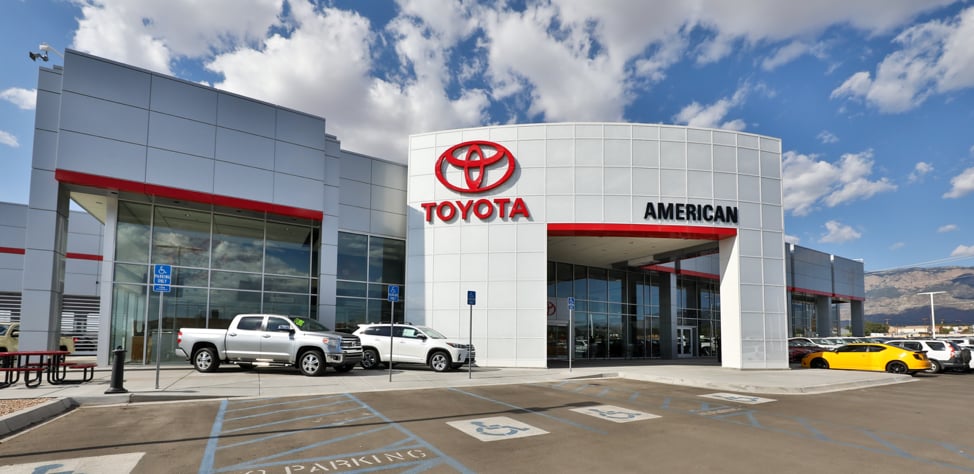
Toyota has invested heavily in connected mobility through its Toyota Connected Services platform, bringing features such as remote access, cloud navigation, digital key functionality, safety assistance, and predictive maintenance to millions of vehicles.
Supporting these services requires the collection of various categories of operational and user information, placing Toyota near the middle of this ranking.
Connected vehicles can transmit diagnostic data, vehicle health reports, fuel or battery status, maintenance information, tire pressure readings, software update history, and location information when owners activate navigation or security features.
Mobile applications also generate information relating to remote start, door lock requests, climate control settings, and account management.
Toyota’s advanced safety technologies contribute another layer of information. Systems such as adaptive cruise control, lane tracing assistance, traffic sign recognition, and emergency braking rely on numerous sensors that continuously monitor vehicle movement and surrounding traffic.
Certain operational information may be used to improve system performance, validate software updates, and enhance future safety technologies.
The company provides privacy notices explaining how connected services operate, and some data-sharing options can be adjusted depending on regional regulations and activated subscriptions. Owners who choose not to enable connected services generally transmit less information than drivers who use the complete digital ecosystem.
Toyota’s approach reflects the industry’s transition toward software-defined vehicles. As more convenience features become internet-enabled, drivers should regularly review app permissions and privacy settings to understand exactly which connected functions remain active.
6. Ford
Ford has transformed many of its vehicles into highly connected platforms through services such as FordPass, cloud-based software updates, built-in navigation, digital key technology, and advanced driver assistance systems.
As a result, the amount of information generated by modern Ford vehicles has expanded considerably. Much of this data supports convenience, security, predictive maintenance, and continuous software improvements, placing Ford among the automakers with broader connected data ecosystems.
A connected Ford vehicle may transmit diagnostic reports, vehicle health information, mileage, tire pressure, battery condition, charging status for electric models, fuel level, and maintenance alerts.
Drivers who use FordPass also generate account activity, remote commands, vehicle location, and service history that allow features such as remote start, lock control, and vehicle tracking to function properly.
Ford’s BlueCruise hands-free driving system introduces another category of operational information. The vehicle continuously monitors road conditions, driver engagement, and system performance to ensure safe operation.
Although these technologies are designed to improve driving assistance, they naturally require more vehicle-generated data than traditional driver assistance systems.
The company also supports over-the-air software updates, allowing features and security improvements to be delivered without visiting a dealership. These updates rely on communication between the vehicle and Ford’s connected infrastructure, creating additional diagnostic exchanges.
Owners retain some control through privacy settings and connected service subscriptions, but drivers who actively use Ford’s digital ecosystem should expect a meaningful amount of operational data to be collected to support these expanding technologies.
5. General Motors
General Motors has built one of the largest connected vehicle platforms in the automotive industry through services integrated across Chevrolet, GMC, Cadillac, and Buick.
Systems such as OnStar, myChevrolet, myCadillac, myGMC, and myBuick provide remote vehicle access, navigation, emergency assistance, diagnostics, and subscription-based digital services. Supporting these capabilities requires extensive communication between vehicles and cloud infrastructure.
Connected GM vehicles commonly generate diagnostic information, vehicle health reports, maintenance reminders, battery performance for electric vehicles, fuel consumption, tire pressure, location data for activated services, and software update information.
Owners using mobile applications also create records of remote commands, charging schedules, navigation destinations, and account activity.
Advanced safety systems contribute additional operational information. Super Cruise, GM’s hands-free driving technology, depends on continuous monitoring of vehicle position, road conditions, and driver attention while interacting with detailed mapping data.
This sophisticated technology requires far more vehicle-generated information than traditional cruise control systems.
Another strength of GM’s connected platform is predictive maintenance. By analyzing vehicle diagnostics, the system can notify owners of developing issues before they become serious mechanical problems. While convenient, this feature also depends on continuous monitoring of numerous vehicle systems.

Drivers who activate every connected service benefit from one of the industry’s most advanced ownership experiences, but they also participate in one of the largest automotive data ecosystems.
Reviewing privacy preferences and understanding which subscriptions remain active can help owners make informed decisions about the information their vehicles transmit.
4. Mercedes-Benz
Mercedes-Benz has evolved far beyond being simply a luxury car manufacturer. Through the Mercedes me platform, cloud-connected infotainment, over-the-air software updates, digital key functionality, and sophisticated driver assistance technologies, its vehicles continuously communicate with online services.
These capabilities require the collection of a broad range of operational and user-generated information, placing Mercedes-Benz among the industry’s most data-intensive automakers.
Connected vehicles routinely transmit diagnostic reports, service history, battery condition for electrified models, fuel level, software status, mileage, and maintenance information.
Drivers using the Mercedes me mobile application also generate data relating to remote locking, vehicle location, climate control activation, charging schedules, and account preferences.
Navigation searches, voice assistant interactions, and entertainment services further expand the amount of information processed while connected features remain active.
Advanced driving technologies create another layer of operational data. Adaptive cruise control, active steering assistance, lane centering, parking automation, and collision avoidance systems continuously analyze sensor inputs to improve vehicle performance and support future software enhancements.
These systems depend on constant communication between onboard computers and cloud-based infrastructure for updates and diagnostics.
Mercedes-Benz allows owners to manage several connected features through account settings, although available controls vary depending on the vehicle model and regional privacy regulations. Drivers who enable every connected function naturally share more information than those who use only essential vehicle features.

The company’s emphasis on digital luxury means connectivity has become an important part of ownership, making Mercedes-Benz one of the manufacturers collecting a substantial amount of vehicle and driver-related operational data.
3. Hyundai
Hyundai has dramatically expanded its connected vehicle capabilities through the Bluelink platform, transforming many of its latest models into highly connected digital products.
Remote vehicle management, smartphone integration, cloud navigation, emergency assistance, digital key technology, and software updates all depend on continuous communication between the vehicle and Hyundai’s online services.
This broad digital ecosystem places Hyundai among the automakers that collect significant amounts of operational data.
Vehicles equipped with Bluelink can transmit diagnostic information, maintenance status, battery condition, charging schedules for electric vehicles, mileage, location data, remote command history, and vehicle health reports.
Drivers using the companion mobile application create additional information through remote start requests, climate control adjustments, charging management, lock and unlock functions, and destination sharing.
Hyundai also equips many models with an extensive suite of advanced safety technologies. Highway Driving Assist, Smart Cruise Control, Lane Following Assist, and Forward Collision Avoidance Assistance rely on multiple sensors and cameras that continuously monitor vehicle operation.
Data generated by these systems helps validate software performance and improve future feature development.
Another area of growth involves over-the-air software updates. Instead of requiring dealership visits for certain improvements, Hyundai can deliver updates remotely, increasing convenience while expanding communication between vehicles and connected infrastructure.

As Hyundai continues introducing software-focused vehicles and electric models, connected services play a larger role in everyday ownership. Drivers who actively use these features benefit from greater convenience but should also remain aware of the amount of operational information generated throughout normal vehicle use.
2. Nissan
Nissan has steadily transformed its connected services into a comprehensive digital ecosystem through NissanConnect.
What began as a platform for navigation and emergency assistance now supports remote vehicle controls, connected smartphone applications, cloud-based services, software updates, vehicle health monitoring, and electric vehicle management.
These expanding capabilities require the collection of a broad range of operational information, placing Nissan near the top of this ranking.
A modern Nissan equipped with connected services can transmit diagnostic reports, odometer readings, maintenance schedules, battery health, charging information for electric models, tire pressure, fuel level, and software status.
Drivers using the NissanConnect mobile app also generate records through remote engine start, lock and unlock commands, climate control activation, destination sharing, and account activity.
The company’s advanced driver assistance suite, ProPILOT Assist, contributes another category of vehicle-generated data. While operating, the system continuously analyzes speed, steering inputs, lane positioning, traffic flow, and sensor performance.
Certain operational information supports software refinement and system reliability while helping Nissan improve future updates.
Owners of electric models such as the Ariya also generate additional information through charging management, route planning, battery monitoring, and energy consumption tracking. Combined with cloud-connected infotainment and voice assistant functions, these services create one of Nissan’s largest digital data streams to date.
Although many connected features are optional, drivers who enable the full NissanConnect experience should expect extensive communication between the vehicle and Nissan’s connected infrastructure.
Reviewing privacy settings and understanding which services remain active allows owners to make informed choices about how much information their vehicle shares.
1. Tesla
Tesla sits at the top of this ranking because virtually every aspect of its ownership experience revolves around software connectivity. Unlike traditional manufacturers that gradually added online services, Tesla designed its vehicles from the beginning to function as continuously connected platforms.
Navigation, mobile app integration, over-the-air software updates, charging management, vehicle diagnostics, security monitoring, driver assistance, and infotainment all depend on constant digital communication.
Tesla vehicles generate extensive operational information, including vehicle location, battery performance, charging sessions, energy consumption, driving behavior, software status, maintenance diagnostics, navigation activity, mobile app interactions, and security system events.
Owners who use features such as remote climate control, Sentry Mode, live camera viewing, and smartphone-based vehicle access naturally create even larger volumes of connected data.
One of Tesla’s defining technologies is its advanced driver assistance system. Features such as Autopilot and Full Self-Driving Supervised rely on a sophisticated network of cameras, sensors, onboard computing, and continuous software improvements.
Operational information collected from these systems helps refine future software releases and improve vehicle performance across the fleet.
Frequent over-the-air updates distinguish Tesla from nearly every other automaker. Instead of waiting for dealership visits, owners routinely receive new features, interface revisions, efficiency improvements, and security enhancements directly through internet connectivity. This constant software evolution depends on an exceptionally active digital ecosystem.
Tesla also provides privacy settings and documentation describing many connected features, but the company’s software-focused philosophy means connected data remains central to the ownership experience.
For drivers seeking the latest technology and continuously evolving features, Tesla represents one of the most connected and data-driven automotive brands available today.
Connected vehicles have fundamentally changed the relationship between drivers and their automobiles. Information that once remained inside the vehicle can now be transmitted to support navigation, remote controls, predictive maintenance, software updates, emergency assistance, and advanced driver assistance systems.
The manufacturers in this ranking differ in how extensively they integrate these connected services, but every modern automaker collects some level of operational data when digital features are enabled.
For consumers, the best approach is to understand the privacy settings available in their vehicle, review connected service agreements carefully, and activate only the features that provide meaningful benefits.
As software continues to become a defining part of vehicle ownership, transparency and informed decision-making will remain just as important as performance, comfort, and reliability.
Also Read: 10 Three-Row SUVs That Leave Plenty of Room for Your Luggage
