
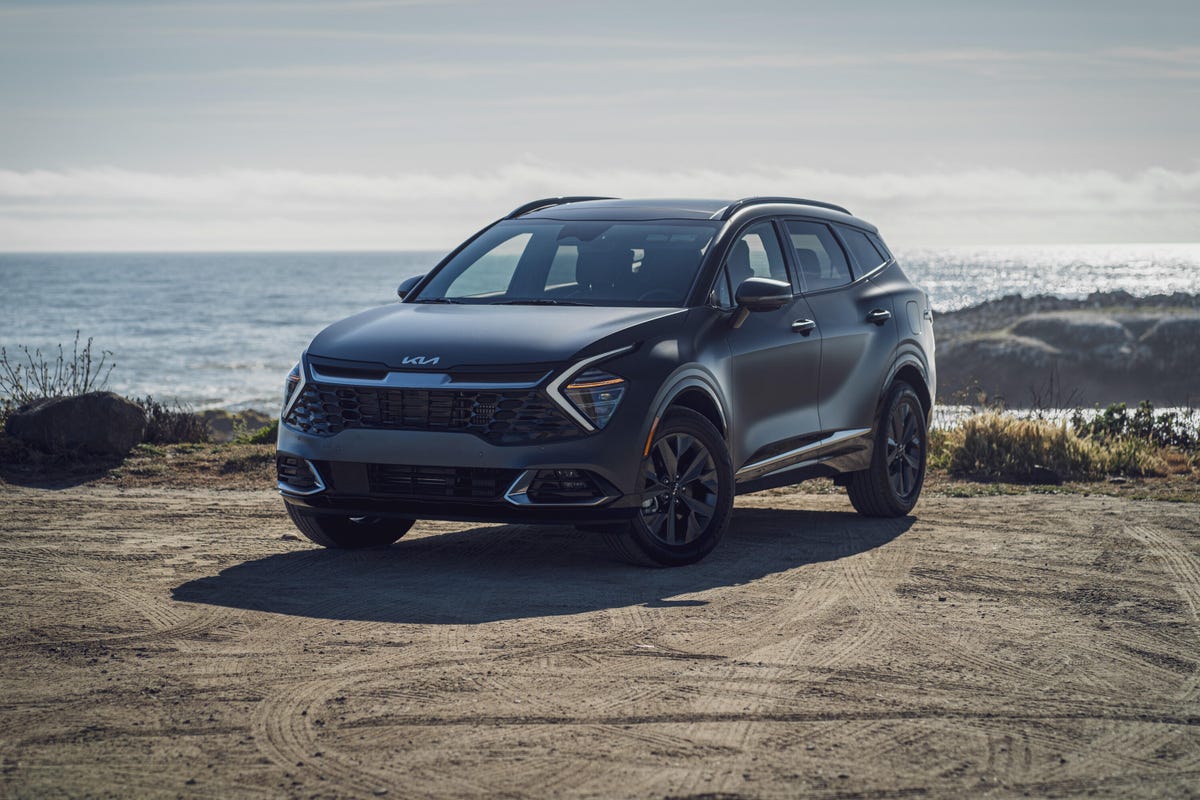
The automotive industry is undergoing one of the biggest transformations in its history. For decades, gasoline-powered cars dominated showroom floors, but stricter emissions regulations, rising fuel costs, and growing consumer demand for greater efficiency are encouraging manufacturers to rethink their lineups.
Instead of replacing every gasoline model with a fully electric vehicle, many automakers have chosen hybrids as the next logical step. Hybrid technology allows drivers to enjoy lower fuel consumption and reduced emissions without depending entirely on public charging infrastructure.
Throughout 2027, this transition is expected to accelerate as more manufacturers discontinue traditional gasoline-only models or reduce their availability in favor of hybrid alternatives. In many cases, familiar nameplates are returning with electrified powertrains, while other vehicles are evolving into hybrid-only offerings.
These changes reflect shifting market preferences as well as long-term investments in cleaner transportation technologies.
For buyers, hybrids often provide an ideal balance between conventional driving habits and modern efficiency. They deliver a longer driving range than most battery-electric vehicles, require no changes to refueling routines, and frequently offer lower ownership costs through improved fuel economy.
The following vehicles represent some of the most important hybrids replacing or succeeding traditional gasoline-focused models as automakers continue their transition toward more electrified lineups in 2027.
Also Read: 10 Beginner Motorcycles That Hold Their Value Best
1. Toyota Camry Hybrid
Few vehicles better illustrate the industry’s changing direction than the Toyota Camry. For decades, buyers could choose between conventional gasoline engines and a hybrid powertrain, but the newest generation has completed a major transformation by becoming an exclusively hybrid sedan.
This decision reflects Toyota’s confidence that hybrid technology has matured enough to satisfy mainstream buyers without compromising practicality or everyday usability.
The latest Camry continues delivering the comfort and reliability that made previous generations successful, yet it now combines those qualities with significantly improved efficiency.
The hybrid system blends a naturally aspirated four-cylinder engine with electric motors that provide smooth acceleration while reducing fuel consumption during city and highway driving. Drivers benefit from quieter operation, lower fuel expenses, and reduced emissions without changing their normal driving habits.
Toyota’s decision also demonstrates a broader strategy across its global lineup. Rather than eliminating popular sedans, the company is modernizing them through electrification.
The Camry serves as an example of how manufacturers can preserve familiar nameplates while adapting to increasingly strict emissions regulations and changing consumer expectations.
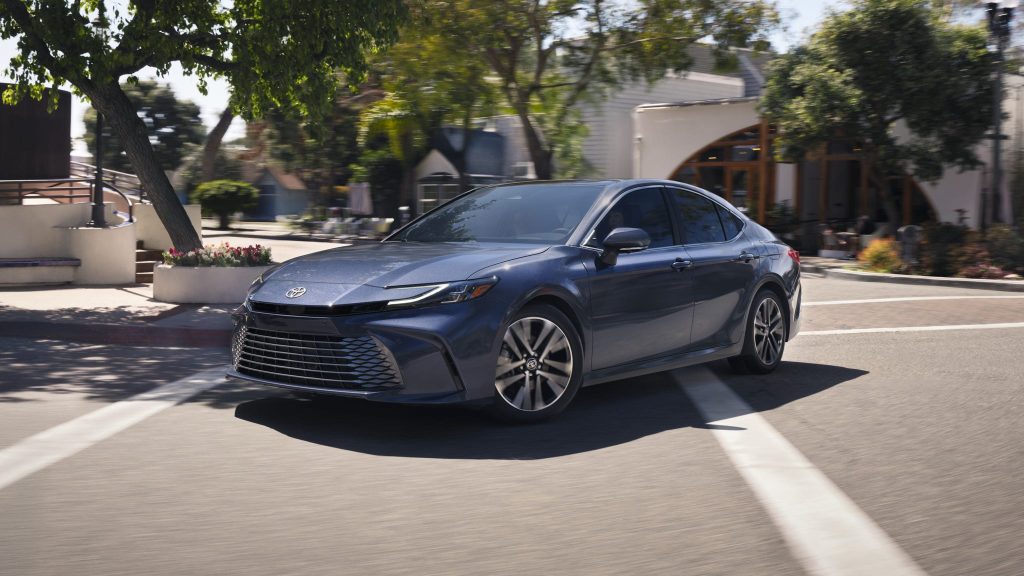
Beyond efficiency, the latest hybrid system delivers refined performance. Electric assistance improves low-speed acceleration, while regenerative braking helps recover energy that would otherwise be lost during deceleration. These improvements occur seamlessly, requiring no special input from the driver.
As more automakers move away from traditional gasoline-only vehicles, the Camry Hybrid stands as one of the clearest examples of a successful transition. It retains everything owners appreciated about previous generations while embracing hybrid technology as the future of one of America’s most recognizable midsize sedans.
Specifications
- Engine: 2.5-liter hybrid inline-four
- Torque: 163 lb-ft (engine)
- Horsepower: 225 hp (FWD system output)
- Length/Width: 193.5 in / 72.4 in
2. Honda Civic Hybrid
Honda has steadily expanded its hybrid strategy, and the Civic Hybrid has become a central part of that plan. As demand for highly efficient compact cars continues growing, the company is positioning the hybrid version as the flagship powertrain for much of the Civic lineup.
While gasoline-powered variants remain available in some markets, Honda’s long-term direction clearly emphasizes hybrid technology as the successor to many traditional gasoline configurations.
The Civic Hybrid uses Honda’s advanced two-motor hybrid system, allowing the electric motor to handle much of the low-speed driving while the gasoline engine operates primarily as a generator or joins directly during higher-speed cruising.
This arrangement produces smooth acceleration, excellent fuel economy, and a refined driving experience that feels more responsive than many conventional compact sedans.
Unlike earlier hybrids that prioritized efficiency above everything else, the modern Civic Hybrid also preserves the engaging handling characteristics for which the Civic has long been known. Precise steering, a composed suspension, and a well-built interior ensure drivers are not sacrificing enjoyment in exchange for lower fuel consumption.
Honda’s growing emphasis on hybrid technology reflects broader industry trends. Buyers increasingly want better fuel economy without committing fully to battery-electric vehicles, and hybrids provide an attractive middle ground.
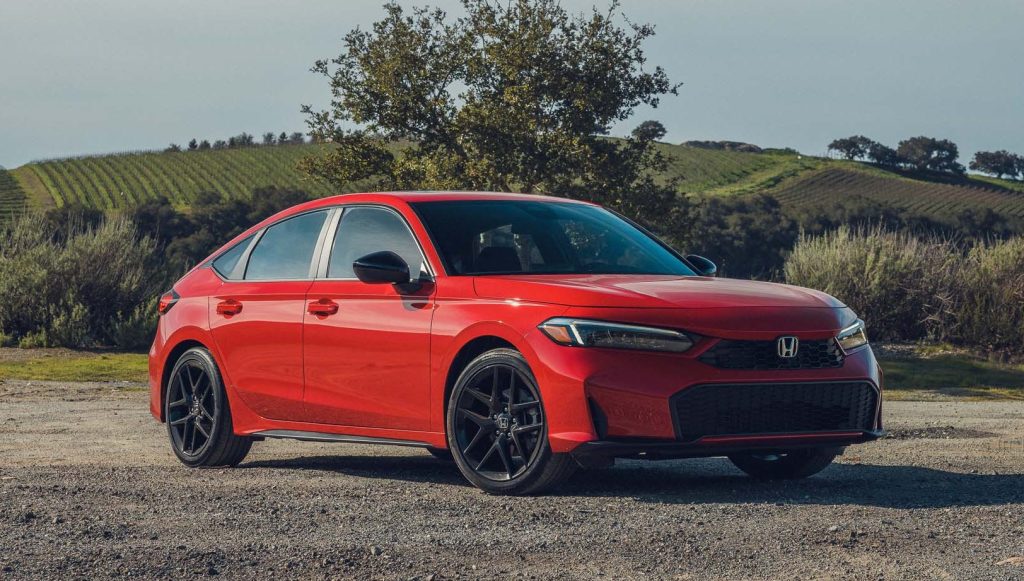
By expanding hybrid availability while reducing dependence on gasoline-only models, Honda is preparing the Civic for the next stage of automotive development.
The Civic Hybrid demonstrates that replacing conventional gasoline power does not require abandoning familiar driving characteristics. Instead, it enhances efficiency while maintaining the practicality, reliability, and everyday comfort that have made the Civic one of the world’s most successful compact cars.
Specifications
- Engine: 2.0-liter hybrid inline-four
- Torque: 232 lb-ft (system)
- Horsepower: 200 hp (system output)
- Length/Width: 184.0 in / 70.9 in
3. Lexus ES 350h
Luxury brands are also reshaping their product strategies, and the Lexus ES 350h reflects that evolution. While traditional gasoline-powered luxury sedans continue to attract loyal buyers, Lexus has steadily increased its emphasis on hybrid variants by making them the centerpiece of future lineup planning.
As the company moves toward greater electrification during 2027, the ES 350h represents the direction many premium sedans are expected to follow instead of relying solely on conventional gasoline engines.
The hybrid system combines a refined 2.5-liter four-cylinder engine with electric motors that work together to deliver smooth, nearly silent acceleration during low-speed driving.
The transition between gasoline and electric power is almost imperceptible, creating the relaxed driving experience expected from a luxury sedan. Fuel economy improves substantially without requiring owners to change their daily routines or depend on public charging stations.
Beyond efficiency, the ES 350h preserves the qualities that have made the model popular for decades. The cabin remains exceptionally quiet, ride quality favors comfort over harshness, and premium materials create an upscale atmosphere suitable for long highway journeys.
Drivers moving from older gasoline-powered luxury sedans often find the hybrid version immediately familiar while appreciating its reduced fuel consumption.
Lexus has consistently favored gradual technological advancement instead of abrupt change. By expanding hybrid availability rather than replacing every model with a battery-electric alternative, the brand allows buyers to transition toward electrification at a comfortable pace.
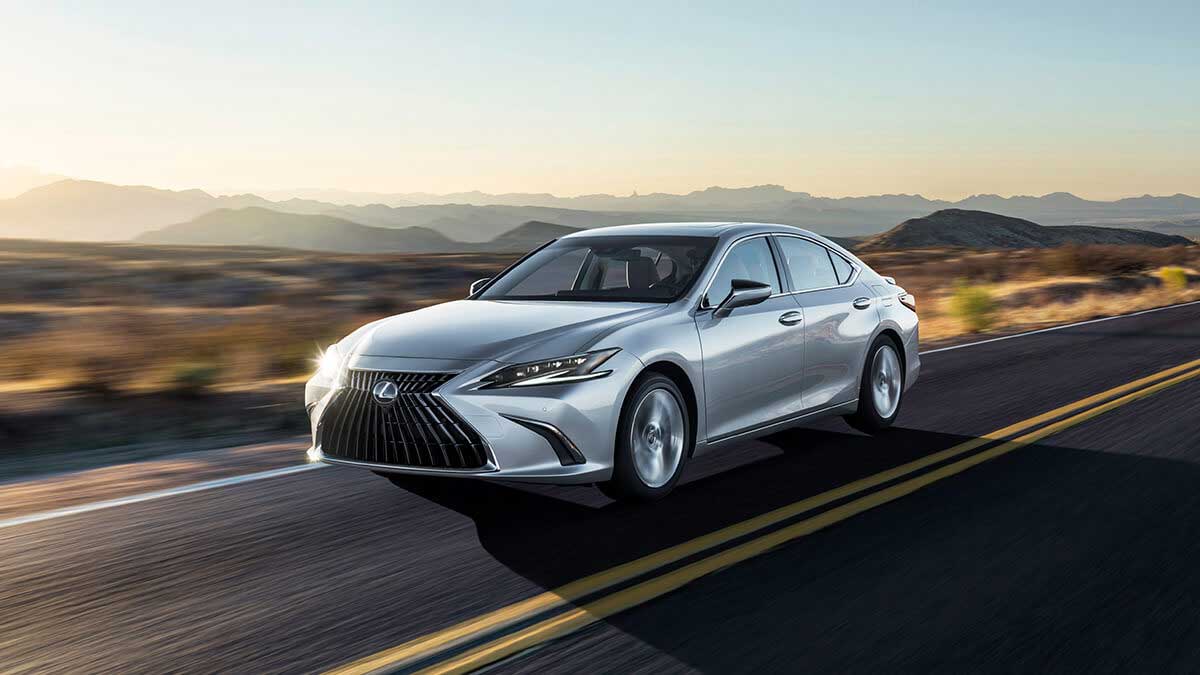
The ES 350h demonstrates that hybrid technology can enhance refinement rather than compromise it. As manufacturers continue reducing their dependence on traditional gasoline-only vehicles, this sedan stands as one of the strongest examples of how luxury and efficiency can successfully coexist.
Specifications
- Engine: 2.5-liter hybrid inline-four
- Torque: 163 lb-ft (engine)
- Horsepower: 215 hp (system output)
- Length/Width: 195.9 in / 73.4 in
4. Kia Sportage Hybrid
Compact SUVs remain one of the most competitive segments in the automotive industry, and Kia has responded by placing increasing emphasis on hybrid technology.
The Sportage Hybrid represents a significant step in that strategy, offering buyers a highly efficient alternative as manufacturers gradually reduce their reliance on traditional gasoline-only crossovers. Instead of treating the hybrid as a niche option, Kia has positioned it as one of the lineup’s primary choices heading into 2027.
Its hybrid powertrain pairs a turbocharged 1.6-liter engine with an electric motor that supplements acceleration while reducing fuel consumption.
The system delivers strong low-speed response thanks to the instant assistance provided by electric power, making everyday commuting smoother and more efficient than many conventional gasoline SUVs of similar size.
Another reason the Sportage Hybrid fits the industry’s transition is its practicality. Families receive generous passenger space, a flexible cargo area, advanced safety technology, and modern infotainment without sacrificing driving range or convenience.
Refueling remains identical to that of any gasoline vehicle, eliminating concerns about charging infrastructure while still reducing emissions and operating costs.
Kia has also invested heavily in refinement. Improved cabin insulation, well-calibrated suspension tuning, and seamless hybrid operation help create a driving experience that feels more premium than many buyers expect within the compact SUV category.
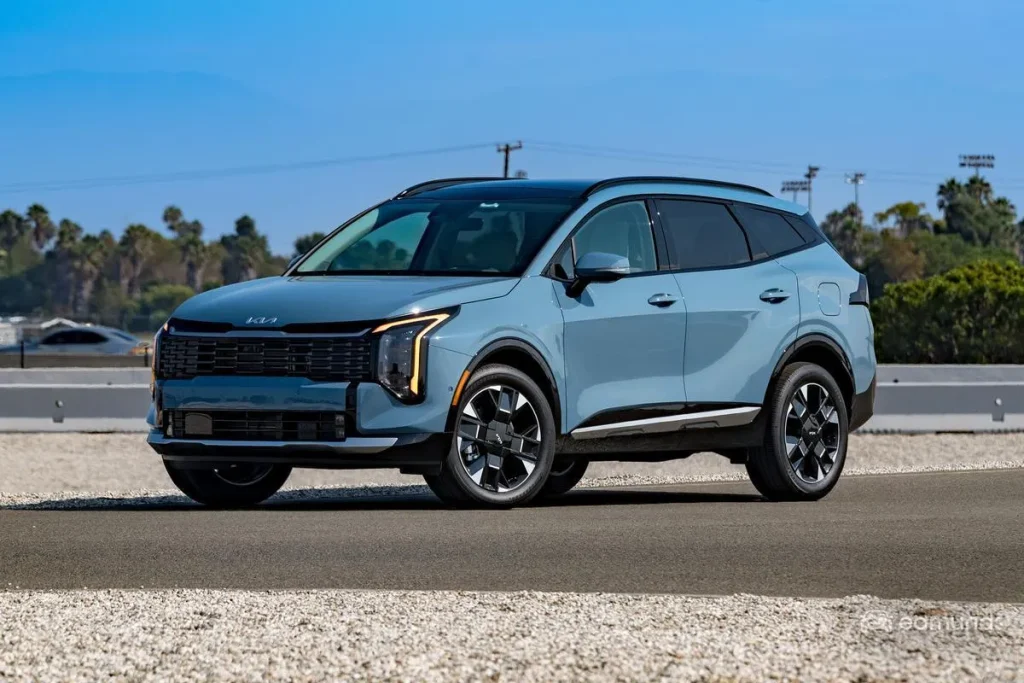
The result is a vehicle that appeals equally to first-time hybrid owners and experienced drivers looking to reduce fuel expenses.
As manufacturers continue shifting away from gasoline-exclusive models, the Sportage Hybrid illustrates how mainstream SUVs are evolving. It combines familiar practicality with efficient electrified technology, demonstrating that the transition toward hybrid transportation can occur without sacrificing versatility or everyday usability.
Specifications
- Engine: 1.6-liter turbocharged hybrid inline-four
- Torque: 258 lb-ft (system)
- Horsepower: 231 hp (system output)
- Length/Width: 183.5 in / 73.4 in
5. Hyundai Santa Fe Hybrid
Hyundai has completely reinvented the Santa Fe, and the hybrid version has become one of the clearest indicators of the company’s electrification strategy.
As buyers increasingly prioritize efficiency without giving up the practicality of a midsize SUV, Hyundai is shifting more attention toward hybrid powertrains while gradually reducing emphasis on traditional gasoline-only configurations. The Santa Fe Hybrid fits perfectly into that long-term vision.
At the heart of the SUV is a turbocharged 1.6-liter engine working alongside an electric motor. Together, they deliver smooth acceleration and noticeably improved fuel economy compared with larger naturally aspirated engines that once dominated this segment.
Electric assistance provides immediate torque during city driving, while the gasoline engine takes over seamlessly during higher-speed cruising.
The redesigned Santa Fe also introduces a more spacious cabin with a boxier exterior that increases cargo capacity and passenger comfort.
Families benefit from flexible seating arrangements, modern infotainment technology, and a comprehensive suite of driver assistance systems. These practical improvements ensure buyers are gaining more than just better efficiency when choosing the hybrid model.
Hyundai’s strategy reflects broader industry trends. Rather than waiting for buyers to transition directly to fully electric vehicles, the company is expanding hybrid availability across its most popular models. This approach allows customers to lower fuel costs and emissions without changing familiar refueling habits.
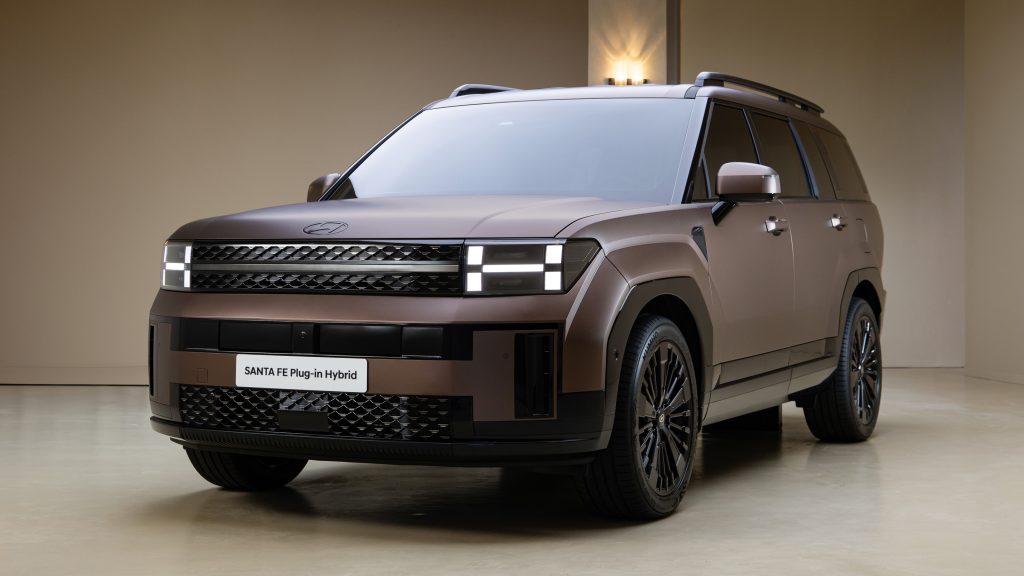
For many consumers, the Santa Fe Hybrid represents an ideal balance between conventional SUV capability and modern electrified technology. It preserves the versatility expected from a family vehicle while preparing Hyundai’s lineup for a future in which hybrid powertrains play an increasingly central role.
Specifications
- Engine: 1.6-liter turbocharged hybrid inline-four
- Torque: 271 lb-ft (system)
- Horsepower: 231 hp (system output)
- Length/Width: 190.2 in / 74.8 in
6. Toyota RAV4 Hybrid
The Toyota RAV4 has been one of the world’s best-selling SUVs for years, and its hybrid version is becoming increasingly important as Toyota continues transitioning away from gasoline-focused lineups.
Rather than treating the hybrid as an alternative, Toyota has steadily expanded production to meet growing demand. In many markets, buyers now actively seek the hybrid before considering the conventional gasoline model, signaling a major shift in consumer preferences.
The RAV4 Hybrid combines a dependable 2.5-liter four-cylinder engine with electric motors that enhance both efficiency and performance.
Instant electric torque improves responsiveness when pulling away from traffic lights, while regenerative braking captures energy that would otherwise be lost during deceleration. These systems operate automatically, requiring no special knowledge from the driver.
One reason the RAV4 Hybrid has become so successful is that it asks owners to change very little about their driving habits. Refueling takes only minutes, the driving range remains excellent, and maintenance requirements closely resemble those of traditional gasoline vehicles. At the same time, owners enjoy significantly improved fuel economy and reduced emissions.
Practicality remains another major advantage. The spacious cabin comfortably accommodates families, while the generous cargo area makes the vehicle suitable for road trips, shopping, and outdoor activities. Toyota’s reputation for reliability further strengthens buyer confidence, particularly among customers purchasing their first hybrid.
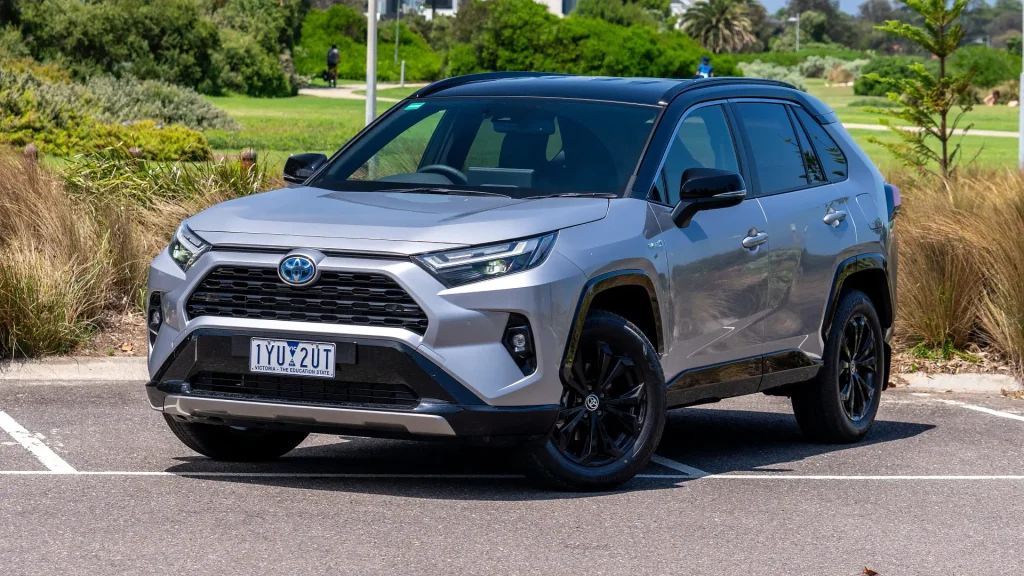
As automakers continue replacing conventional gasoline models with electrified alternatives, the RAV4 Hybrid has emerged as one of the strongest examples of that transition.
Its widespread popularity demonstrates that hybrid technology is no longer a niche solution but a mainstream choice capable of satisfying the needs of millions of drivers.
Specifications
- Engine: 2.5-liter hybrid inline-four
- Torque: 163 lb-ft (engine)
- Horsepower: 219 hp (system output)
- Length/Width: 180.9 in / 73.0 in
7. Hyundai Tucson Hybrid
The compact SUV segment is evolving rapidly, and the Hyundai Tucson Hybrid illustrates how manufacturers are preparing for a future in which hybrid powertrains become the primary choice instead of conventional gasoline engines.
Hyundai has steadily expanded its electrified lineup, and the Tucson Hybrid plays a central role by delivering the practicality buyers expect while significantly improving fuel efficiency.
Its hybrid system combines a turbocharged 1.6-liter engine with an electric motor that works seamlessly during both city and highway driving. Electric assistance provides immediate torque from a standstill, allowing the Tucson Hybrid to feel responsive without requiring a larger-displacement engine.
During steady cruising, the gasoline engine operates efficiently while the electric motor supplements performance whenever additional power is needed.
The transition toward hybrid technology does not affect the Tucson’s practicality. Families still receive a spacious cabin, comfortable seating, generous cargo capacity, and an extensive list of standard safety technologies.
Hyundai has also refined the suspension and cabin insulation, creating a driving experience that feels quieter and more composed than many earlier compact SUVs.
Another reason the Tucson Hybrid represents the industry’s direction is its ease of ownership. Drivers continue using conventional fuel stations while benefiting from lower fuel consumption and reduced emissions. This makes the hybrid an attractive option for customers who are not yet ready to move to a fully electric vehicle.
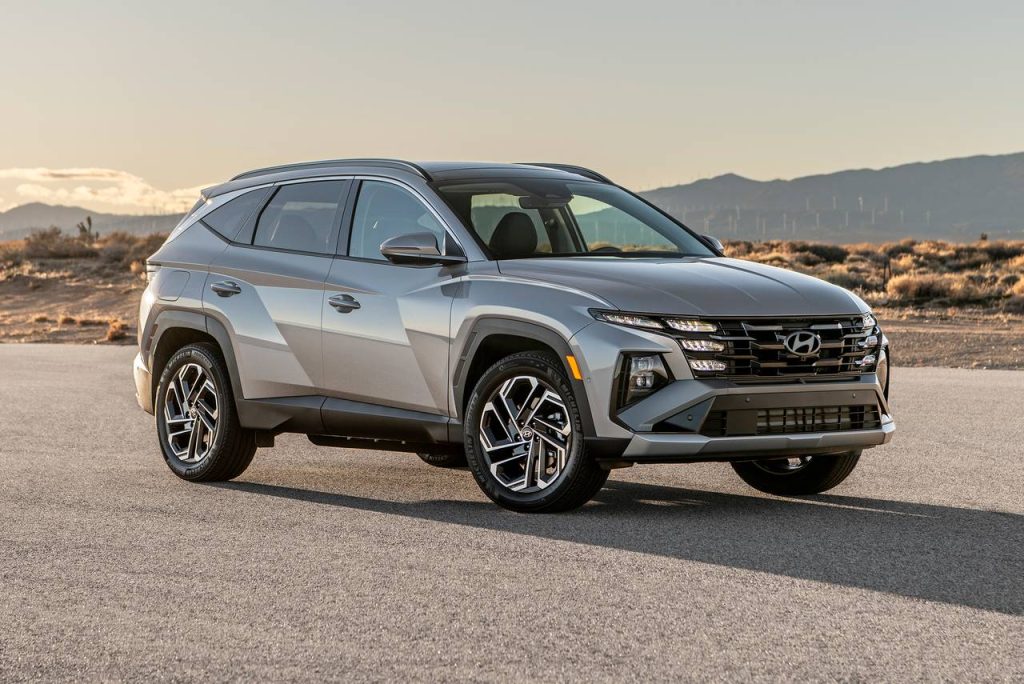
As manufacturers gradually reduce emphasis on gasoline-only variants, the Tucson Hybrid demonstrates how familiar vehicles can successfully evolve without sacrificing versatility or everyday usability.
It delivers the same dependable utility that made the Tucson popular while embracing the efficiency expected from the next generation of mainstream family SUVs.
Specifications
- Engine: 1.6-liter turbocharged hybrid inline-four
- Torque: 258 lb-ft (system)
- Horsepower: 231 hp (system output)
- Length/Width: 182.7 in / 73.4 in
8. Toyota Corolla Hybrid
The Toyota Corolla has long been known as one of the most dependable compact cars available, and its hybrid version is becoming increasingly significant as Toyota expands electrification throughout its global lineup.
While previous generations offered both gasoline and hybrid choices, the company continues to increase the role of hybrid technology, making it a central part of the Corolla’s future as traditional gasoline models become less prominent.
Toyota’s hybrid system pairs a naturally aspirated four-cylinder engine with an electric motor that operates efficiently in stop-and-go traffic and during everyday commuting.
Electric assistance reduces fuel consumption while providing smooth low-speed acceleration. The transition between gasoline and electric operation is almost imperceptible, allowing drivers to enjoy improved efficiency without altering familiar driving habits.
The Corolla Hybrid also maintains the qualities that have made the model successful for decades. Comfortable seating, straightforward controls, dependable engineering, and compact exterior dimensions make it an excellent daily commuter while keeping ownership costs low. Toyota’s long-standing expertise in hybrid technology further reinforces buyer confidence.
Efficiency is not the vehicle’s only strength. The latest generation includes modern driver assistance features, updated infotainment technology, and improved ride comfort, creating a more refined ownership experience than many earlier compact sedans.
These enhancements ensure the hybrid feels like a complete vehicle rather than simply an economy-focused alternative.
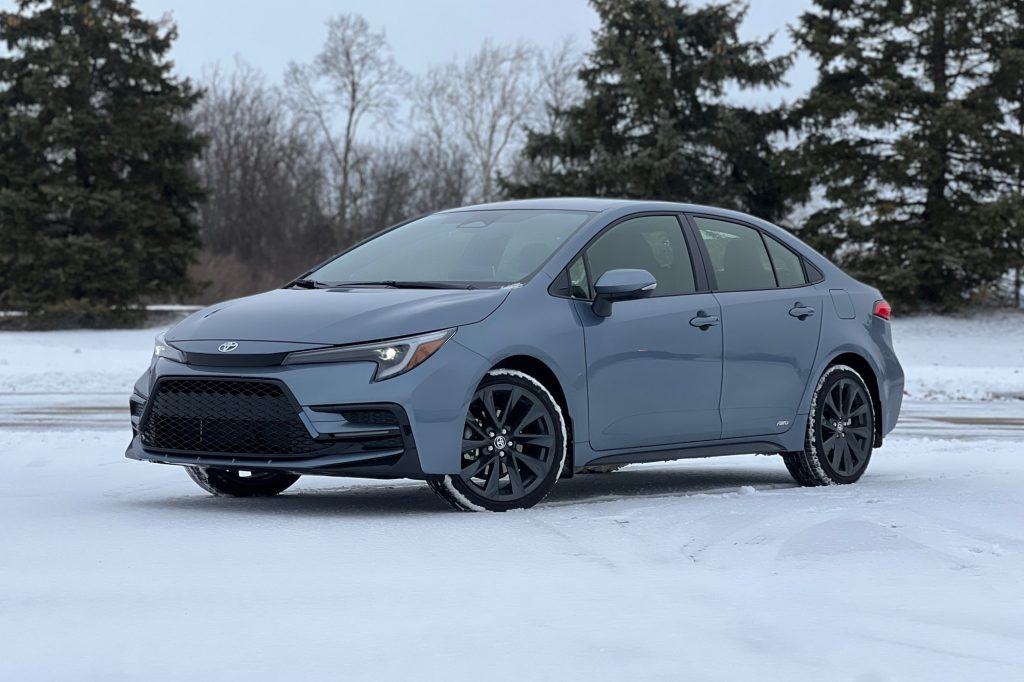
The Corolla Hybrid represents the direction many compact cars are taking as manufacturers prepare for stricter emissions standards and changing customer expectations.
By combining proven reliability with advanced hybrid engineering, it continues one of the automotive industry’s most recognizable nameplates while preparing it for the future.
Specifications
- Engine: 1.8-liter hybrid inline-four
- Torque: 105 lb-ft (engine)
- Horsepower: 138 hp (system output)
- Length/Width: 182.5 in / 70.1 in
9. Kia Sorento Hybrid
Three-row family SUVs have traditionally relied on naturally aspirated V6 engines to deliver the performance buyers expected. The Kia Sorento Hybrid signals a different direction by demonstrating that a smaller electrified powertrain can provide comparable everyday capability while consuming considerably less fuel.
As automakers continue reducing the number of gasoline-only models in their portfolios, hybrid SUVs like the Sorento are becoming increasingly important.
Its powertrain combines a turbocharged 1.6-liter engine with an electric motor to produce confident acceleration during city driving and highway merging. The electric motor contributes immediate torque from low speeds, reducing the need for high engine revs while creating a smooth driving experience.
Unlike some earlier hybrid systems, the Sorento’s setup feels natural because power delivery remains consistent throughout normal driving.
Family practicality remains one of the Sorento Hybrid’s greatest strengths. Three rows of seating allow it to accommodate larger households, while flexible cargo space makes it suitable for vacations, sports equipment, and everyday errands.
Advanced driver assistance systems, a modern infotainment interface, and premium interior materials further strengthen its appeal.
Kia’s decision to expand hybrid offerings reflects changing customer priorities. Many buyers want meaningful reductions in fuel consumption but are not yet prepared to transition completely to battery-electric transportation.
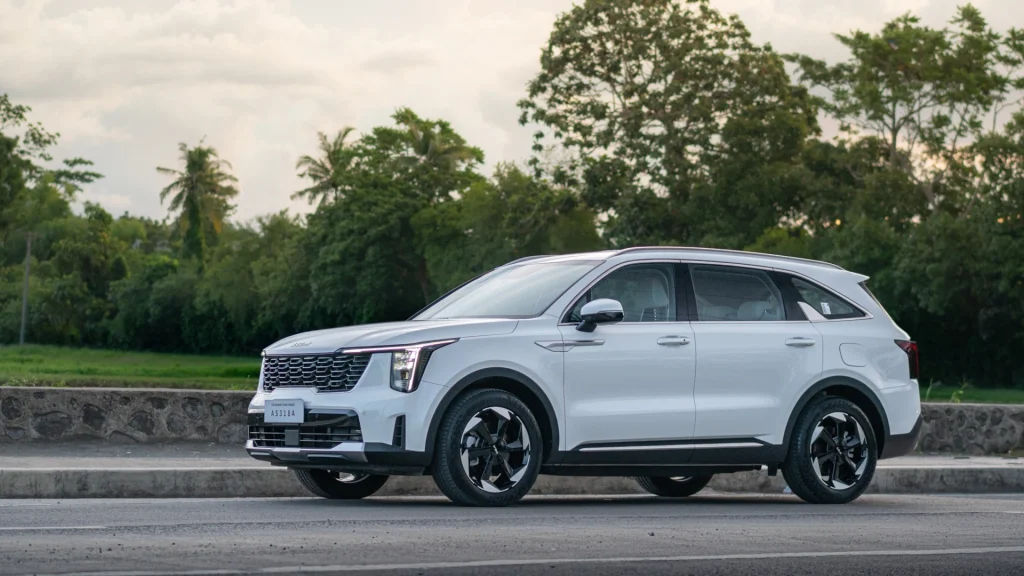
The Sorento Hybrid fills that gap by preserving familiar refueling habits while delivering noticeably better efficiency than traditional gasoline-powered SUVs.
As manufacturers continue modernizing their lineups through electrification, the Sorento Hybrid stands as an example of how larger family vehicles can successfully adapt without sacrificing comfort, capability, or practicality. It represents a balanced approach to the industry’s ongoing transition toward cleaner transportation.
Specifications
- Engine: 1.6-liter turbocharged hybrid inline-four
- Torque: 271 lb-ft (system)
- Horsepower: 227 hp (system output)
- Length/Width: 189.6 in / 74.8 in
10. Toyota Sienna Hybrid
The Toyota Sienna has already completed one of the industry’s most significant transitions by becoming an exclusively hybrid minivan.
Where previous generations offered conventional V6 gasoline engines, the latest Sienna demonstrates Toyota’s confidence that hybrid technology can fully replace traditional powertrains in one of the most demanding family vehicle segments.
It serves as a blueprint for how established gasoline models are evolving during the industry’s shift toward greater electrification.
The hybrid system combines a 2.5-liter four-cylinder engine with electric motors to deliver smooth performance while dramatically reducing fuel consumption compared with earlier V6-powered versions.
Despite using a smaller engine, the hybrid powertrain provides confident acceleration for daily commuting, highway travel, and carrying full passenger loads.
Families benefit from much more than improved efficiency. The Sienna continues offering spacious three-row seating, sliding side doors, flexible cargo arrangements, and numerous storage solutions that make it one of the most practical vehicles on the market. Available all-wheel drive further enhances capability without compromising the hybrid system’s efficiency.
Toyota’s decision to make every Sienna a hybrid reflects a broader industry trend. Instead of offering electrification as an optional upgrade, manufacturers are increasingly making hybrid technology the standard powertrain for high-volume models.
This approach simplifies production while helping reduce fleet emissions and operating costs for customers.
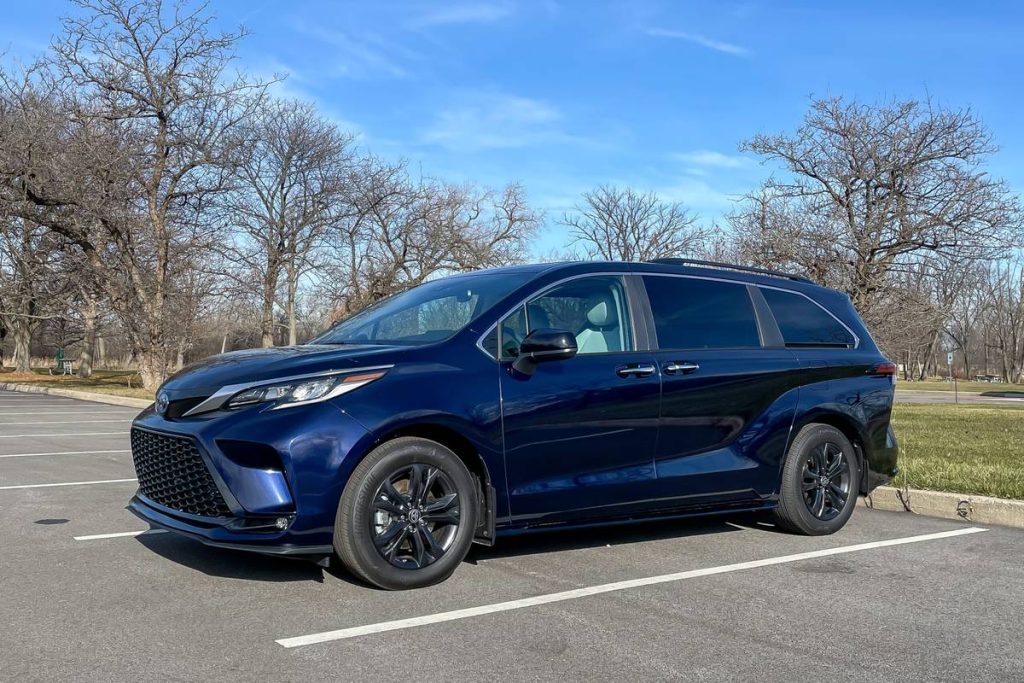
The Sienna Hybrid proves that replacing a gasoline-only model does not require sacrificing the qualities that made it successful. It retains the comfort, reliability, and practicality families expect while embracing a more efficient future.
As automakers continue transitioning their lineups during 2027 and beyond, the Sienna remains one of the strongest examples of how hybrid technology can successfully become the new standard.
Specifications
- Engine: 2.5-liter hybrid inline-four
- Torque: 176 lb-ft (engine)
- Horsepower: 245 hp (system output)
- Length/Width: 203.7 in / 78.5 in
Also Read: 10 Sedans That Hit 60 MPH Much Faster Than You’d Expect
