
Modern vehicles have evolved into sophisticated computers on wheels, offering features that were once limited to smartphones and smart home devices. Voice assistants, hands-free calling, emergency communication services, and natural language controls have become standard equipment in many new cars.
To support these technologies, manufacturers install cabin microphones that remain powered and available while the vehicle is operating.
These microphones allow the system to respond instantly to voice commands, communicate with connected services, reduce background noise during phone calls, and activate emergency assistance features when necessary.
It is important to understand that an active cabin microphone does not necessarily mean a vehicle is continuously recording conversations. In most cases, the microphone stays ready to detect a wake phrase such as “Hey Mercedes” or “Hey Lexus” or to process commands after a steering-wheel voice button is pressed.
Depending on the manufacturer and connected services being used, some voice data may be temporarily processed to improve recognition or provide cloud-based assistance, while privacy settings often allow owners to limit certain functions.
Many drivers are unaware that these microphones operate in the background as part of the vehicle’s communication system. They quietly support navigation, climate controls, infotainment, emergency services, and smartphone integration without requiring additional hardware.
The following vehicles feature cabin microphones that remain available for voice recognition and connected services, demonstrating how modern technology has transformed the everyday driving experience.
Also Read: 10 Engines No Automaker Will Offer After 2027
1. Mercedes-Benz S-Class
The Mercedes-Benz S-Class has consistently introduced technologies that later become common throughout the automotive industry, and its voice control system is no exception.
Equipped with the latest generation of the MBUX infotainment platform, the flagship sedan includes multiple cabin microphones positioned to accurately capture spoken commands from both the driver and passengers.
These microphones remain available whenever the vehicle is operating, so the system can respond quickly to supported voice interactions.
The integrated “Hey Mercedes” assistant allows occupants to adjust climate settings, enter navigation destinations, make phone calls, control ambient lighting, and operate numerous vehicle functions without taking their hands off the steering wheel.
Advanced noise filtering helps separate voices from engine sounds, road noise, and conversations occurring elsewhere in the cabin, resulting in highly accurate command recognition.
The microphone array also contributes to excellent hands-free calling quality. Digital signal processing minimizes background interference so conversations remain clear even while driving at highway speeds with multiple passengers inside the vehicle.
Another important function involves emergency communication. When connected safety services are active, the cabin microphones assist with emergency response systems by allowing occupants to communicate directly with support personnel if an accident occurs.
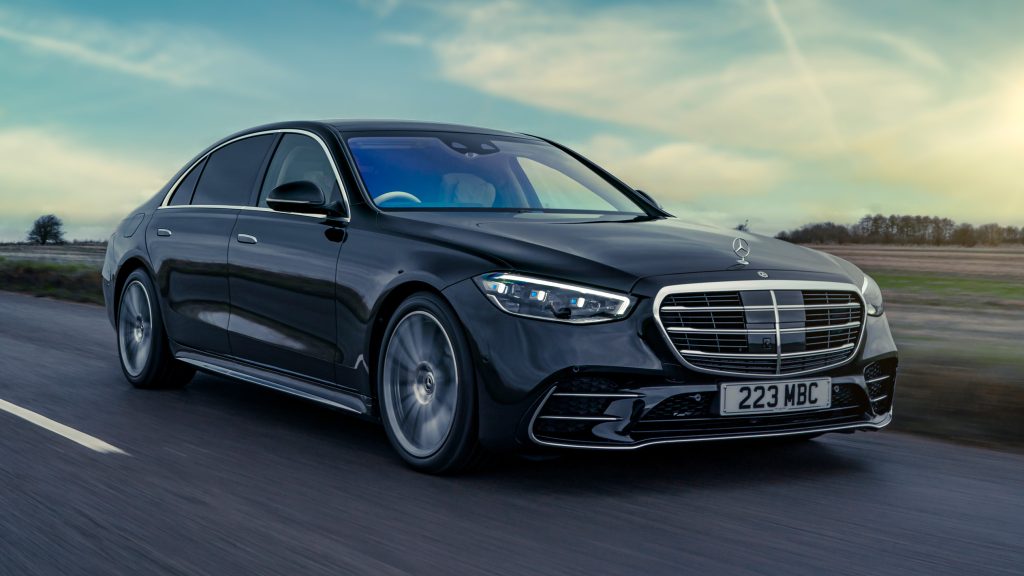
Mercedes also provides privacy controls that allow owners to manage connected services and certain voice assistant settings through the infotainment system. While the microphones remain available for supported features, users can adjust how cloud-based voice processing operates according to their personal preferences.
The combination of convenience, safety, and advanced speech recognition makes the S-Class one of the most sophisticated examples of always-ready cabin microphone technology.
Specifications
- Engine: 3.0-liter Turbocharged Inline-6 with Mild Hybrid
- Torque: 384 lb-ft
- Horsepower: 442 hp
- Length/Width: 208.2 in / 76.9 in
2. BMW i7
BMW approached in-car voice technology by creating a digital assistant capable of understanding conversational speech rather than requiring rigid commands.
The BMW i7 uses strategically positioned cabin microphones that remain ready while the vehicle is in operation, enabling the Intelligent Personal Assistant to respond naturally whenever activated through its designated wake phrase or voice control button.
Drivers can request navigation routes, modify cabin temperature, adjust seat heating, operate the panoramic roof, change entertainment settings, or ask questions about vehicle functions without scrolling through multiple menus.
The microphones work together with advanced software that distinguishes occupant voices from surrounding noise, helping maintain reliable recognition even during busy urban driving.
Because the i7 places significant emphasis on passenger comfort, voice functionality extends beyond the driver. Front-seat occupants can interact with various vehicle systems, allowing commands to be completed without distracting the person behind the wheel. This creates a more intuitive experience during longer journeys.
The microphone system also improves communication quality during Bluetooth phone calls and connected conference calls. Sophisticated audio processing reduces echoes and unwanted background sounds, ensuring voices remain clear for people on both ends of the conversation.
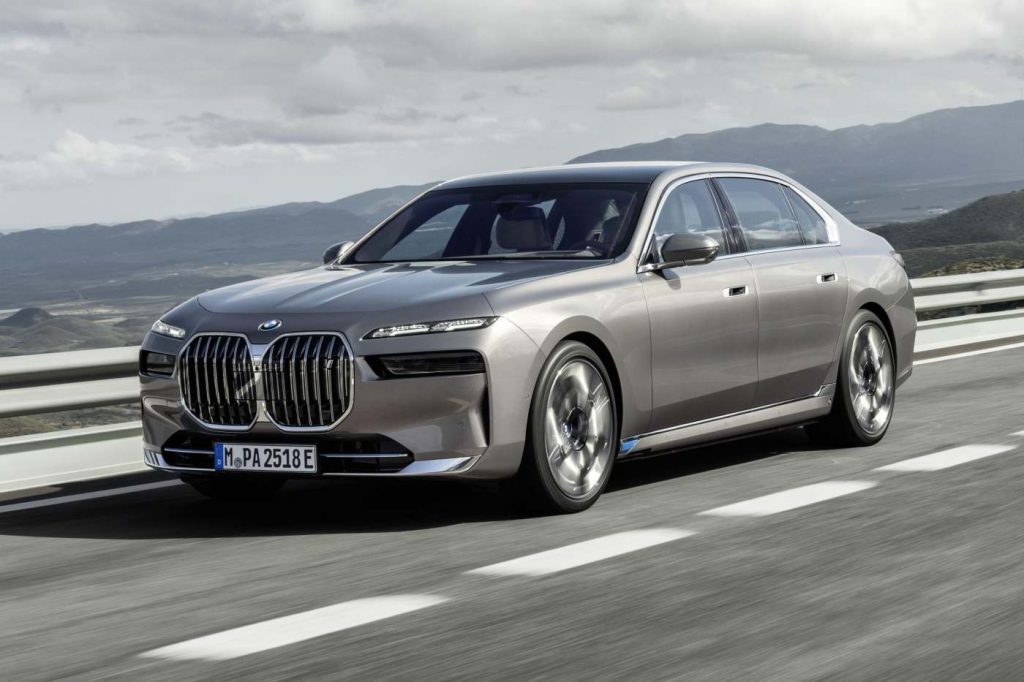
BMW allows owners to review privacy settings connected to digital services through the infotainment interface. Depending on selected preferences and connected features, certain voice interactions may use cloud processing to improve recognition accuracy, while many basic commands continue functioning locally within the vehicle.
The i7 demonstrates how modern cabin microphones have become an essential part of delivering seamless interaction between occupants and increasingly intelligent automotive technology.
Specifications
- Engine: Dual Electric Motors
- Torque: 549 lb-ft
- Horsepower: 536 hp
- Length/Width: 212.2 in / 76.8 in
3. Tesla Model S
The Tesla Model S helped redefine how drivers interact with their vehicles by replacing many traditional buttons with software-driven controls. Because so many functions are integrated into the central touchscreen, Tesla also invested heavily in voice recognition.
Cabin microphones remain available while the vehicle is operating, so supported voice commands can be processed quickly without requiring drivers to navigate multiple on-screen menus.
Using the voice command button on the steering wheel, occupants can control navigation, adjust climate settings, make phone calls, send text messages, search for destinations, and manage media playback.
Software updates regularly expand available voice functions, allowing the system to improve throughout the vehicle’s lifetime without requiring hardware changes.
Tesla’s microphone array also supports hands-free communication. Digital audio processing helps minimize interference from road noise, HVAC airflow, and passenger conversations, making phone calls easier to understand during everyday driving. This contributes to both convenience and safety by allowing drivers to keep their attention focused on the road.
Another advantage of Tesla’s software-focused approach is the ability to introduce improvements through over-the-air updates.
Voice recognition accuracy, response speed, and supported commands can evolve as the company releases new software versions, giving owners access to additional functionality long after purchasing the vehicle.
Owners also have access to privacy controls that allow them to review data-sharing preferences associated with connected services.
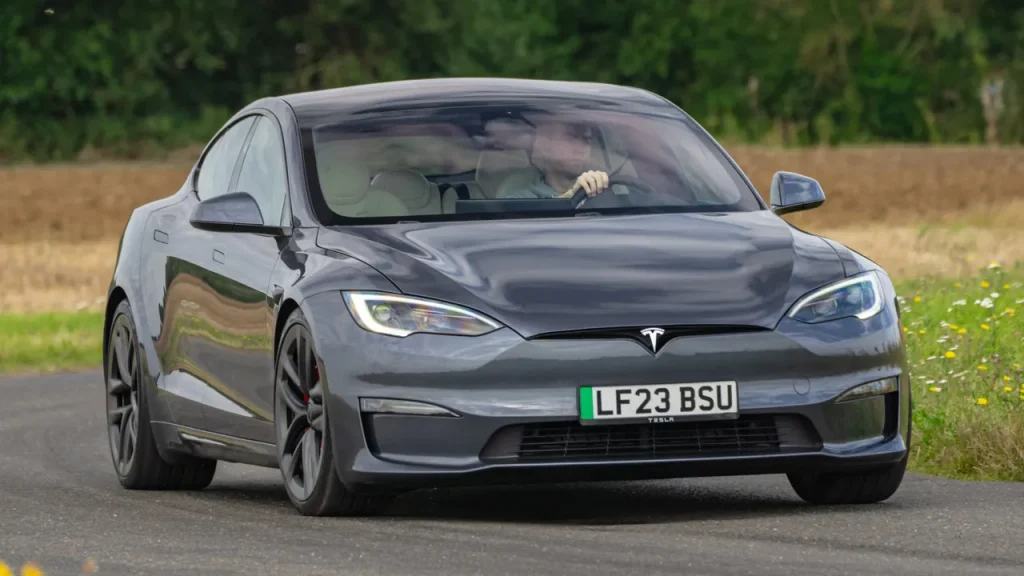
Depending on selected settings and available features, certain voice requests may use cloud-based processing while many functions continue operating directly within the vehicle.
The Model S demonstrates how active cabin microphones have become an essential component of software-defined vehicles where voice interaction complements an increasingly digital driving experience.
Specifications
- Engine: Dual Electric Motors
- Torque: 713 lb-ft
- Horsepower: 670 hp
- Length/Width: 197.7 in / 78.2 in
4. Lexus RX
Lexus has gradually expanded voice recognition capabilities across its lineup, and the RX showcases how modern luxury SUVs integrate cabin microphones into everyday driving.
The vehicle’s multimedia system includes microphones that remain available whenever the vehicle is in operation, allowing supported voice features to respond quickly after activation. Rather than requiring drivers to search through multiple menus, the system enables natural interaction with many common vehicle functions.
Owners can use voice commands to enter navigation destinations, place phone calls, adjust cabin temperature, change entertainment sources, and request information supported by connected services.
The latest Lexus interface platform recognizes conversational language more effectively than earlier systems, reducing the need to memorize specific command phrases.
High-quality microphones also improve Bluetooth calling performance. During highway travel or heavy traffic, advanced audio processing helps isolate the speaker’s voice while reducing interference from wind, tire noise, and engine sounds.
This creates clearer conversations for both vehicle occupants and the person on the other end of the call.
Another important role involves compatibility with smartphone integration systems such as Apple CarPlay and Android Auto. When connected, the cabin microphones support digital assistants available through compatible mobile devices, allowing drivers to interact with smartphone features while keeping both hands on the steering wheel.
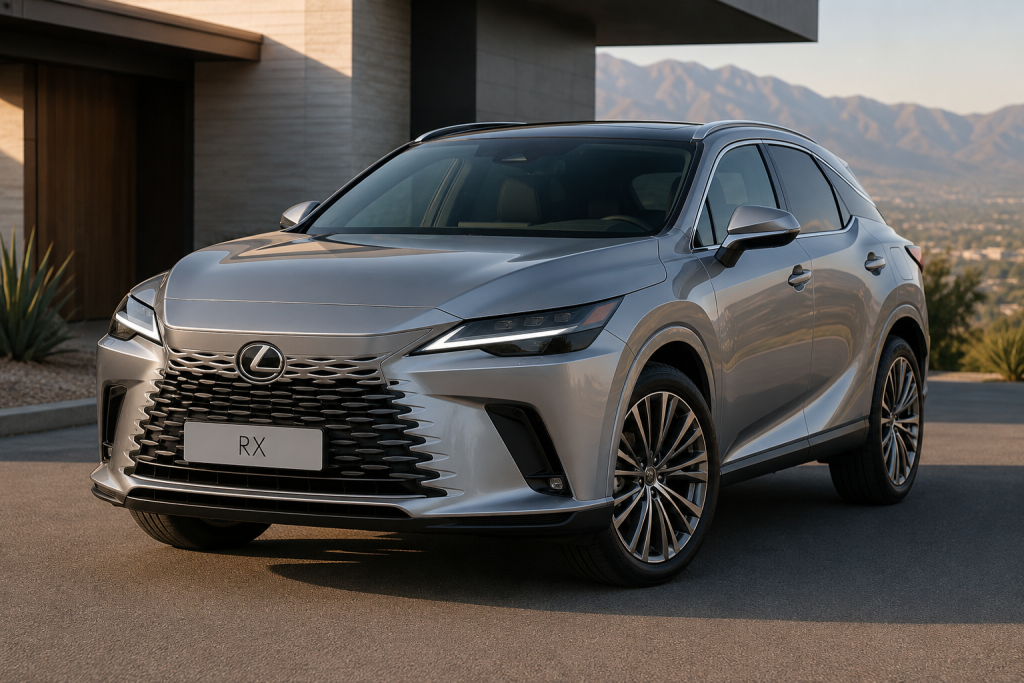
Lexus provides settings that allow owners to review privacy preferences associated with connected services and voice recognition. Depending on configuration and internet connectivity, certain requests may benefit from cloud processing while numerous core vehicle commands continue functioning through the onboard system.
The RX demonstrates how active microphones quietly support convenience, communication, and safety without changing the familiar luxury experience for which Lexus is known.
Specifications
- Engine: 2.4-liter Turbocharged Inline-4
- Torque: 317 lb-ft
- Horsepower: 275 hp
- Length/Width: 192.5 in / 75.6 in
5. Cadillac Escalade
Technology has become one of the defining characteristics of the Cadillac Escalade, and its advanced voice interaction system reflects that philosophy. The luxury SUV uses multiple cabin microphones that remain available whenever the vehicle is running, allowing supported voice functions to respond quickly when activated.
This hardware works alongside the infotainment platform to simplify vehicle operation without forcing drivers to rely entirely on the touchscreen.
Occupants can request navigation guidance, adjust climate settings, select music, make phone calls, dictate text messages through compatible smartphone systems, and control numerous connected services using spoken commands.
The microphones are strategically positioned throughout the cabin so voices can be captured clearly even inside the Escalade’s spacious interior.
Audio quality is another area where the microphone array contributes significantly. During hands-free calls, digital processing helps reduce interference caused by wind, road surfaces, or conversations from other passengers. This results in clearer communication, especially when traveling at highway speeds.
The microphones also support emergency communication features available through connected safety services. If assistance is required after certain collision events, occupants can communicate directly with emergency personnel through the built-in audio system without handling a mobile phone.
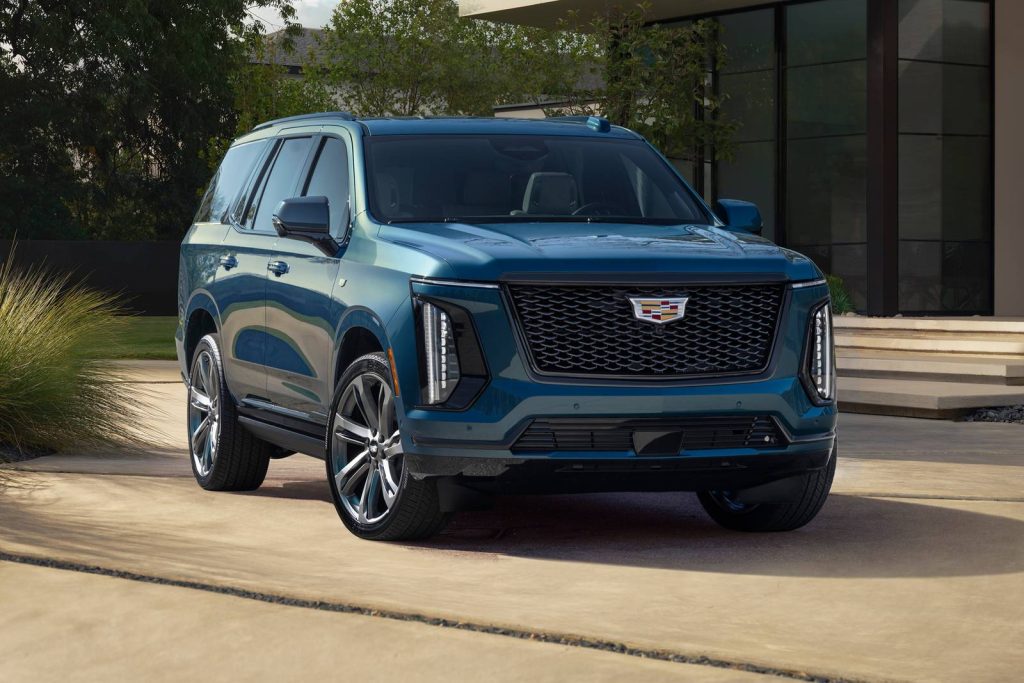
Cadillac allows owners to review and manage privacy settings related to connected features through the infotainment menus. Depending on enabled services, some voice requests may use cloud-based processing to improve recognition accuracy, while numerous functions continue operating locally within the vehicle.
Rather than simply serving as an accessory for voice commands, the Escalade’s microphone system has become an important part of communication, safety, and convenience, helping occupants interact naturally with one of the industry’s most technology-rich luxury SUVs.
Specifications
- Engine: 6.2-liter Naturally Aspirated V8
- Torque: 460 lb-ft
- Horsepower: 420 hp
- Length/Width: 211.9 in / 81.1 in
6. Hyundai Ioniq 5
The Hyundai Ioniq 5 represents a new generation of connected electric vehicles where software plays an increasingly important role in daily driving.
To support its growing list of digital features, Hyundai equips the vehicle with cabin microphones that remain available while the car is operating, enabling supported voice recognition and connected services whenever drivers choose to interact with them.
The voice assistant can perform a wide range of everyday tasks. Drivers are able to request navigation routes, modify climate control settings, search for charging stations, change entertainment options, or operate selected vehicle functions using spoken commands.
This reduces the need to divert attention toward the central touchscreen during busy traffic conditions.
Because electric vehicles produce very little drivetrain noise, Hyundai’s microphones benefit from an already quiet cabin environment. Advanced audio processing further minimizes background sounds created by passengers, road surfaces, or ventilation systems, improving voice recognition accuracy and hands-free calling performance.
The microphones also support smartphone connectivity through Apple CarPlay and Android Auto. When paired with compatible devices, drivers can access mobile digital assistants for messaging, calling, calendar functions, and other supported applications without removing their hands from the steering wheel.
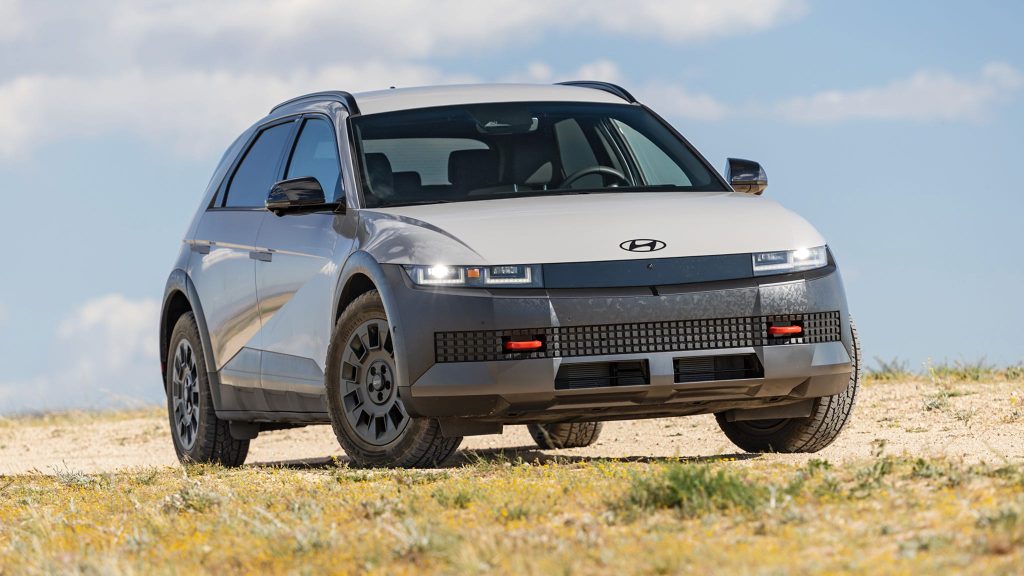
Hyundai includes privacy options that allow owners to review connected service preferences through the infotainment system. Depending on selected settings and internet availability, certain voice interactions may be processed through cloud services while many onboard commands remain available directly within the vehicle.
The Ioniq 5 illustrates how modern electric vehicles increasingly depend on active cabin microphones to create a smoother and more intuitive relationship between drivers and advanced vehicle technology.
Specifications
- Engine: Dual Electric Motors
- Torque: 446 lb-ft
- Horsepower: 320 hp
- Length/Width: 182.5 in / 74.4 in
7. Ford F-150
The Ford F-150 has evolved far beyond its reputation as a dependable work truck. Today’s models incorporate sophisticated connectivity features that rely on cabin microphones to support voice interaction, hands-free communication, and connected services.
These microphones remain available while the truck is operating, so supported commands can be recognized quickly without forcing drivers to remove their hands from the steering wheel.
Ford’s SYNC infotainment system allows users to control navigation, climate settings, entertainment, and phone functions using natural voice commands. The system is designed to reduce distractions by allowing many common tasks to be completed through speech rather than touchscreen inputs.
This becomes especially valuable while towing trailers or driving on busy highways where maintaining attention is essential.
The microphone array also improves Bluetooth calling quality by filtering unwanted cabin noise. Wind, tire sounds, and engine vibration are reduced through digital processing, helping conversations remain clear regardless of driving conditions. Multiple occupants can participate in calls without significantly affecting voice clarity.
Connected services add another layer of functionality. When enabled, owners can access cloud-supported voice features, receive navigation assistance, and interact with compatible smartphone applications.
Depending on selected privacy settings and internet connectivity, certain requests may be processed remotely to improve recognition accuracy, while many standard vehicle commands continue functioning directly through the onboard system.
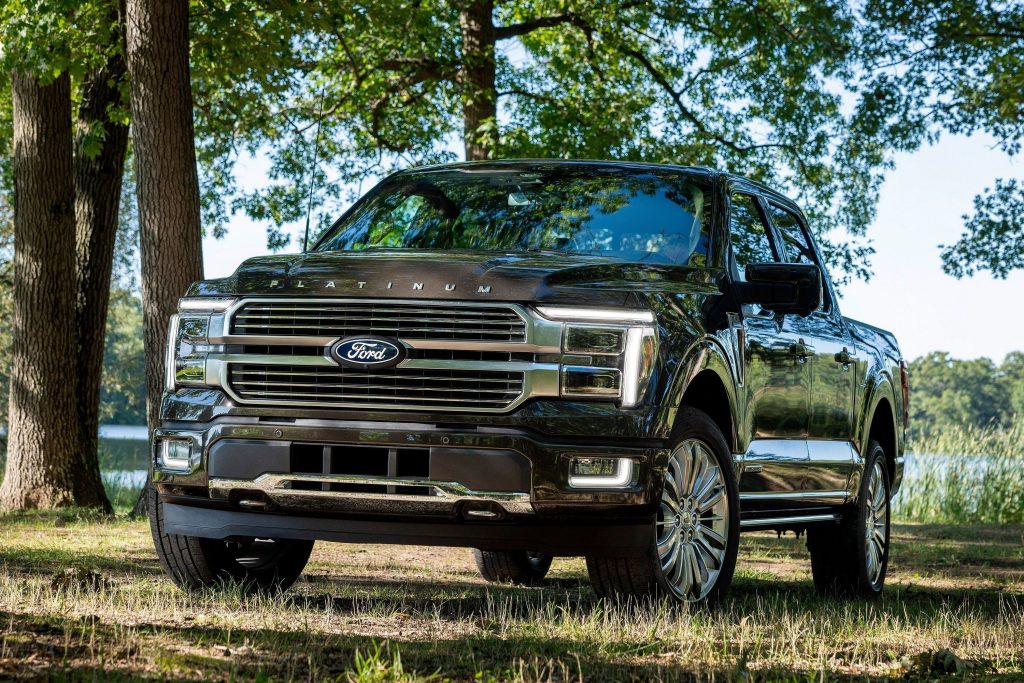
Ford gives owners control over many connected features through the SYNC settings menu, allowing adjustments to privacy preferences and data-sharing options.
The F-150 demonstrates that advanced voice technology is no longer reserved for luxury vehicles. Active cabin microphones have become an important component of one of America’s most popular pickup trucks, enhancing convenience, communication, and safety during everyday driving.
Specifications
- Engine: 3.5-liter EcoBoost Twin-Turbocharged V6
- Torque: 500 lb-ft
- Horsepower: 400 hp
- Length/Width: 231.7 in / 79.9 in
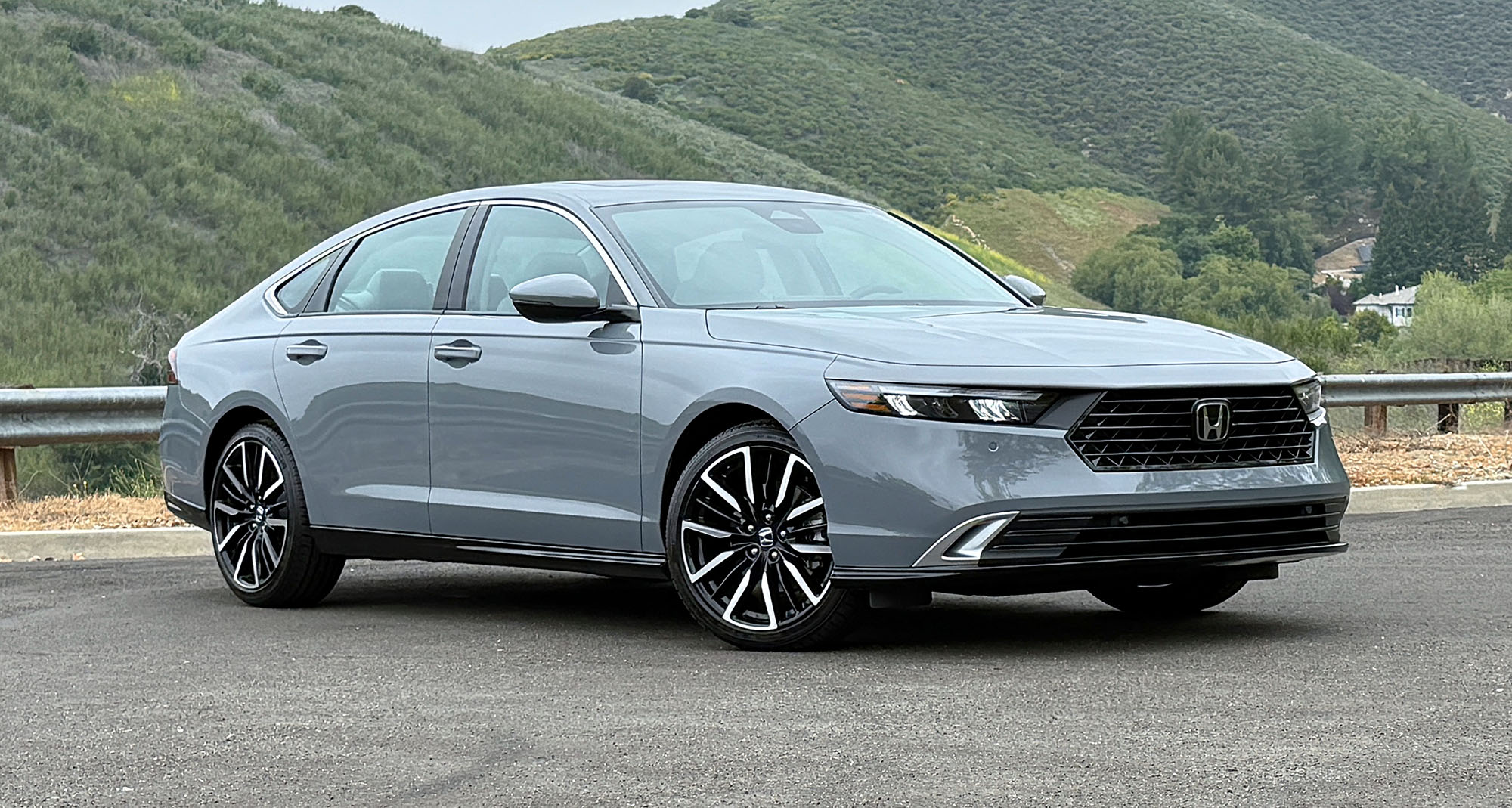
8. Honda Accord
The Honda Accord has earned its reputation by combining reliability with practical technology, and modern generations include voice recognition systems supported by strategically placed cabin microphones.
These microphones remain available while the vehicle is operating, allowing compatible voice functions to respond promptly after activation through the steering-wheel control or supported connected services.
Drivers can use voice commands to enter navigation destinations, place phone calls, send messages through compatible smartphone platforms, adjust selected infotainment settings, and access digital assistants available through Apple CarPlay or Android Auto.
The goal is to reduce driver distraction by minimizing the need to interact with the touchscreen while the vehicle is moving.
Honda engineers also focused on communication quality. The microphone system works alongside digital signal processing to reduce unwanted background sounds during hands-free calls. Road noise, airflow from the climate control system, and surrounding traffic are filtered to improve voice clarity for everyone involved in the conversation.
In addition to convenience, the microphones support connected vehicle services available on equipped models.
Depending on the selected features and user preferences, certain voice requests may use cloud-based processing to deliver more accurate responses, while numerous standard commands continue functioning through the onboard infotainment software.
Owners have access to privacy settings that allow them to manage connected services and determine how eligible voice features operate. Understanding these settings helps drivers balance convenience with their individual privacy preferences.
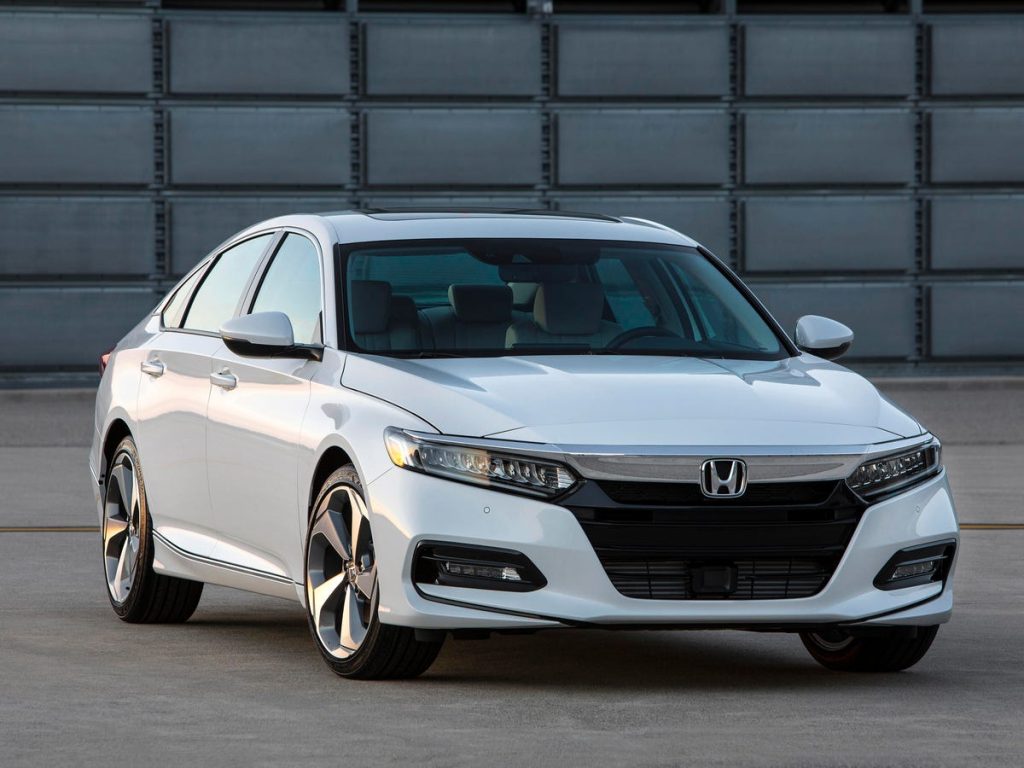
The Accord illustrates how active cabin microphones have become a standard part of modern automotive technology, quietly supporting navigation, communication, and voice interaction without changing the familiar driving experience that has made the sedan so popular.
Specifications
- Engine: 2.0-liter Naturally Aspirated Hybrid Inline-4
- Torque: 247 lb-ft
- Horsepower: 204 hp
- Length/Width: 195.7 in / 73.3 in
Also Read: 10 Hidden Features in the Chrysler Pacifica
