
Vehicle theft is no longer as simple as smashing a window and connecting a few wires beneath the dashboard. Today’s vehicles are built with far better security systems, and one of the most effective is the factory engine immobilizer. This technology links the engine control module with a coded transponder inside the key or key fob.
Before the engine starts, both components must recognise each other through an encrypted digital code. If the authentication fails, the vehicle will not start, even if someone forces the ignition or attempts to hot-wire it. Research from the Highway Loss Data Institute has shown that vehicles fitted with factory immobilizers are stolen less often than similar models without them.
The difference becomes even more obvious when comparing older versions that lacked this protection with newer ones that include it as standard equipment. By preventing unauthorized engine starts, the immobilizer removes one of the easiest methods thieves once relied on.
This article looks at eight vehicles equipped with factory immobilizer systems that have built a strong reputation for helping deter theft. Each one uses its own version of encrypted key authentication, though they all serve the same purpose of stopping the engine from starting without the correct key.
If you regularly park in public places, leave your vehicle outside overnight, or live in an area where vehicle theft is more common, understanding how these systems work can help you appreciate the protection already built into your car and make better decisions about adding extra security where necessary.
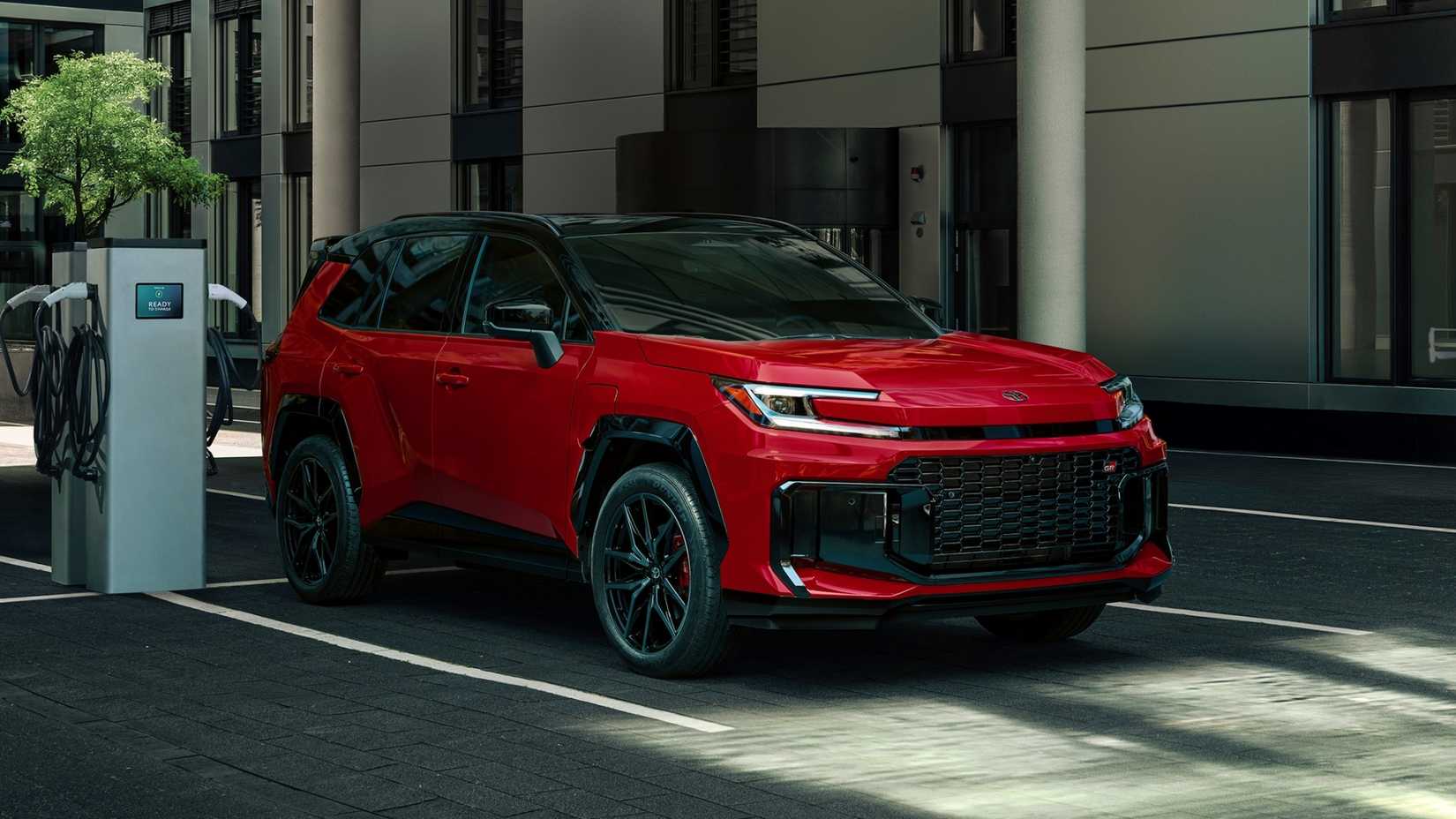
1. Toyota RAV4
Immobilizer Detail: Toyota’s engine immobilizer uses an encrypted transponder key or Smart Key system. The engine control module allows starting only after verifying an authorized key, making traditional hot-wiring ineffective.
- Engine: 2.5L 4-Cylinder
- Horsepower: 203 hp
- Torque: 184 lb-ft
- Size: 180.9 in Long x 73.0 in Wide x 67.0 in High
Many people associate the Toyota RAV4 with strong reliability, but it has also attracted the attention of vehicle thieves in recent years. During the rise of relay attacks, criminals used electronic devices to extend the signal from a Smart Key left inside a nearby home.
This trick made the vehicle believe the genuine key was close enough to unlock the doors and allow access. As reports of these thefts increased, Toyota responded by improving its security technology with stronger encryption, rolling codes, and software updates that made relay attacks much harder on newer models.
At the centre of the RAV4’s security system is a factory engine immobilizer. It works with an encrypted transponder key or Smart Key that must communicate successfully with the engine control module before the engine can start. If the authentication process fails, the system blocks fuel delivery and ignition.
This means the old method of hot-wiring a vehicle by connecting wires under the steering column simply does not work on modern RAV4 models because the engine computer still waits for the correct digital authorization. It is also worth knowing that an immobilizer and physical security protect against different types of theft.
A thief may gain entry by breaking a window or forcing a door open, but without the correct coded key, starting the engine becomes much more difficult. Toyota’s encrypted transponder system is designed to resist cloning attempts, giving owners stronger protection than earlier generations of vehicle security technology.
Recent RAV4 models also benefit from extra security features through Toyota’s connected services, depending on the model year and market. Some versions offer additional authentication options and remote vehicle monitoring. Many owners also keep their key fobs inside signal-blocking pouches when parked at home.
Combining these simple habits with the factory immobilizer provides a stronger defence against modern vehicle theft methods while giving owners greater peace of mind every day.
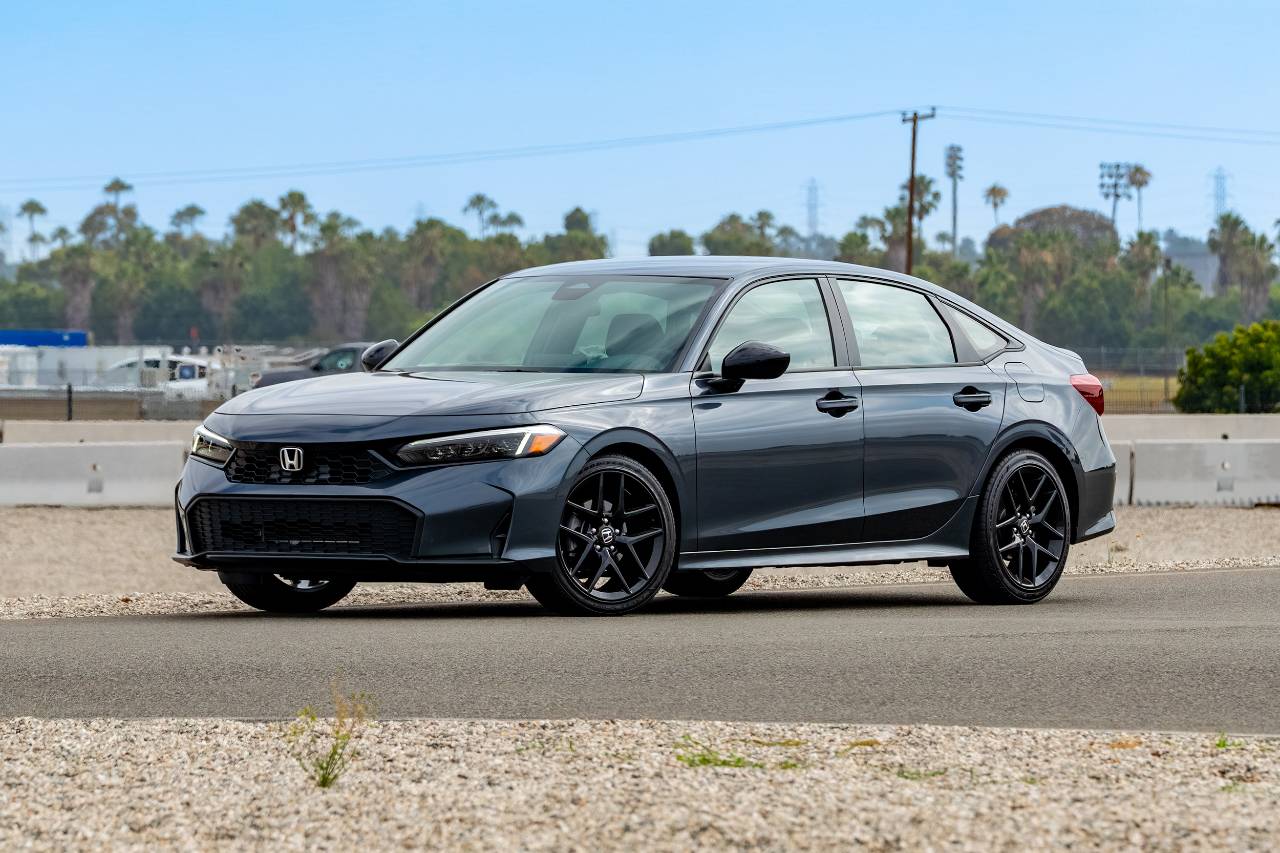
2. Honda Civic
Immobilizer Detail: Honda’s immobilizer communicates with a coded transponder inside the key or key fob. If authentication fails, the engine will not start.
- Engine: 2.0L 4-Cylinder
- Horsepower: 150 hp
- Torque: 133 lb-ft
- Size: 184.1 in Long x 70.9 in Wide x 55.7 in High
A car’s reputation for being easy to steal followed the Honda Civic for many years, especially older models built in the late 1990s and early 2000s before engine immobilizers became standard equipment. Those vehicles were regular targets because experienced thieves could bypass their basic security systems with relative ease.
Honda responded by introducing advanced transponder-based immobilizers across its lineup, making today’s Civic far more secure than the older versions that gave the model its unwanted reputation. Modern Honda Civics rely on an encrypted transponder chip inside the key or key fob that communicates directly with the engine control module before the engine can start.
If the system fails to recognise the correct coded signal, it blocks the engine from starting. That protection remains in place even if someone manages to force the ignition or uses an unauthorized key. The electronic authentication process makes traditional hot-wiring methods ineffective on current models.
Security does not stop with the immobilizer alone. The Civic also uses a steering column lock that adds another layer of protection by preventing the steering wheel from turning without the proper key. Working together, the mechanical lock and electronic immobilizer make stealing the vehicle much more difficult than it was years ago.
Most thieves prefer easier targets rather than spending extra time trying to defeat multiple security systems. Owners can strengthen that factory protection by adopting smart parking habits. Leaving the car in well-lit areas, locking the doors, and avoiding leaving valuables in plain sight can discourage criminals before they even attempt a break-in.
While no security system can promise complete protection, the Civic’s factory immobilizer gives drivers a strong defence against unauthorized engine starts and remains one of the vehicle’s most effective anti-theft features.
Also Read: 8 Cars Leaving Showrooms After the 2027 Model Year
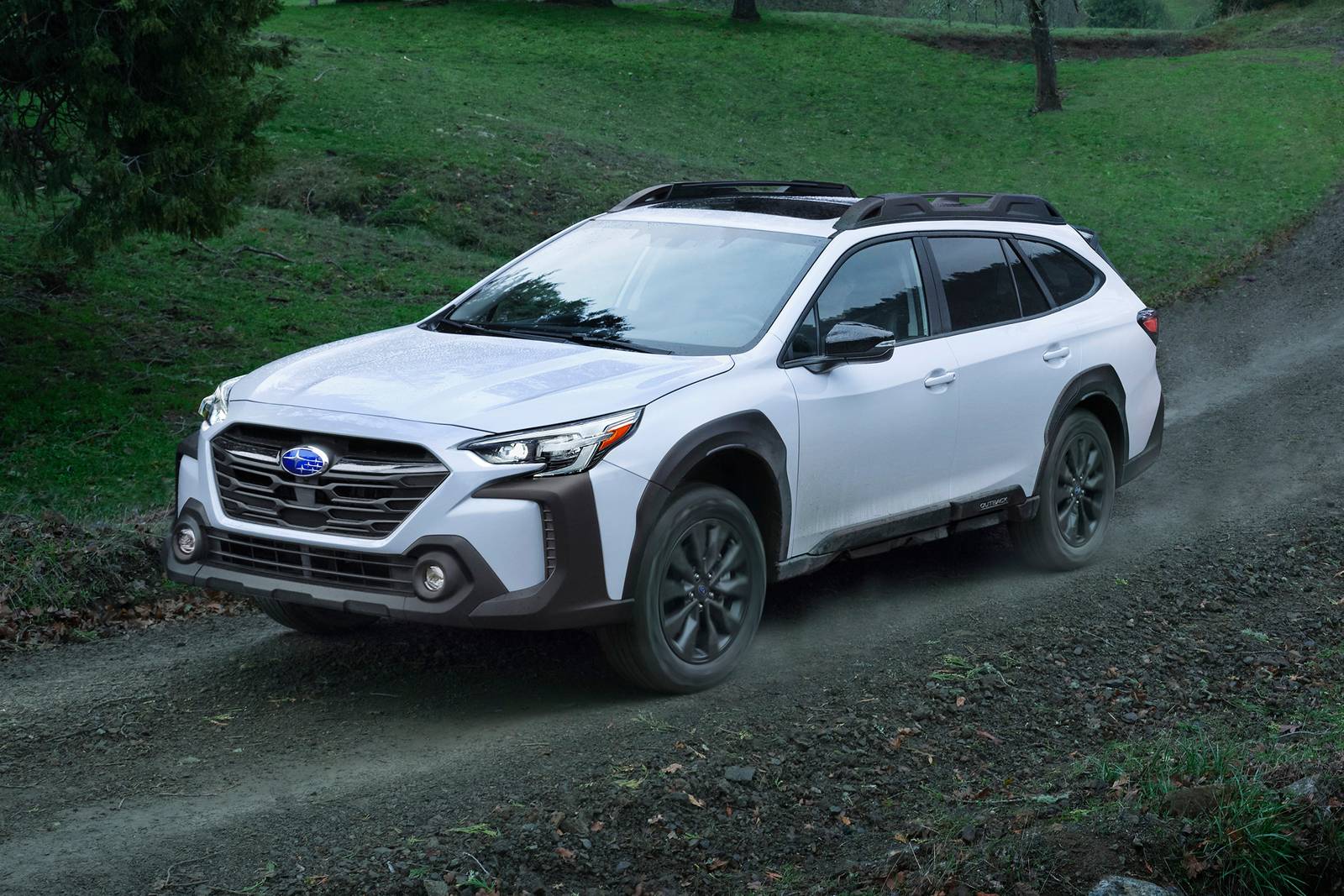
3. Subaru Outback
Immobilizer Detail: Subaru’s immobilizer system verifies the registered transponder key before allowing the engine to start, adding an extra layer of protection against unauthorized vehicle use.
- Engine: 2.5L Boxer 4-Cylinder
- Horsepower: 182 hp
- Torque: 176 lb-ft
- Size: 191.9 in Long x 73.0 in Wide x 66.1 in High
The Subaru Outback is not usually stolen as often as some compact cars or pickup trucks, but that does not mean owners should ignore security. Many Outback drivers use their vehicles for family trips, camping, and outdoor adventures, so they often park in places like hiking trails, campsites, or quiet suburban areas where there are fewer people around. That can create opportunities for thieves looking for an easy target.
To reduce this risk, Subaru equips the Outback with a factory engine immobilizer. Before the engine starts, the system checks the transponder chip inside the registered key and compares its encrypted code with the one stored in the engine control module. If the codes do not match, the engine will not start, even if someone manages to unlock the doors or gain access to the vehicle.
The security system works automatically every time the driver tries to start the engine. There is no button to press or setting to activate, so owners do not have to worry about forgetting to switch it on. The Outback’s Boxer engine has a unique flat design, but this does not affect how the immobilizer works.
The protection comes from the vehicle’s electronic security system, not the engine layout. For owners who regularly park in isolated locations, this extra layer of security can make it much harder for thieves to drive the vehicle away.
4. Ford Explorer
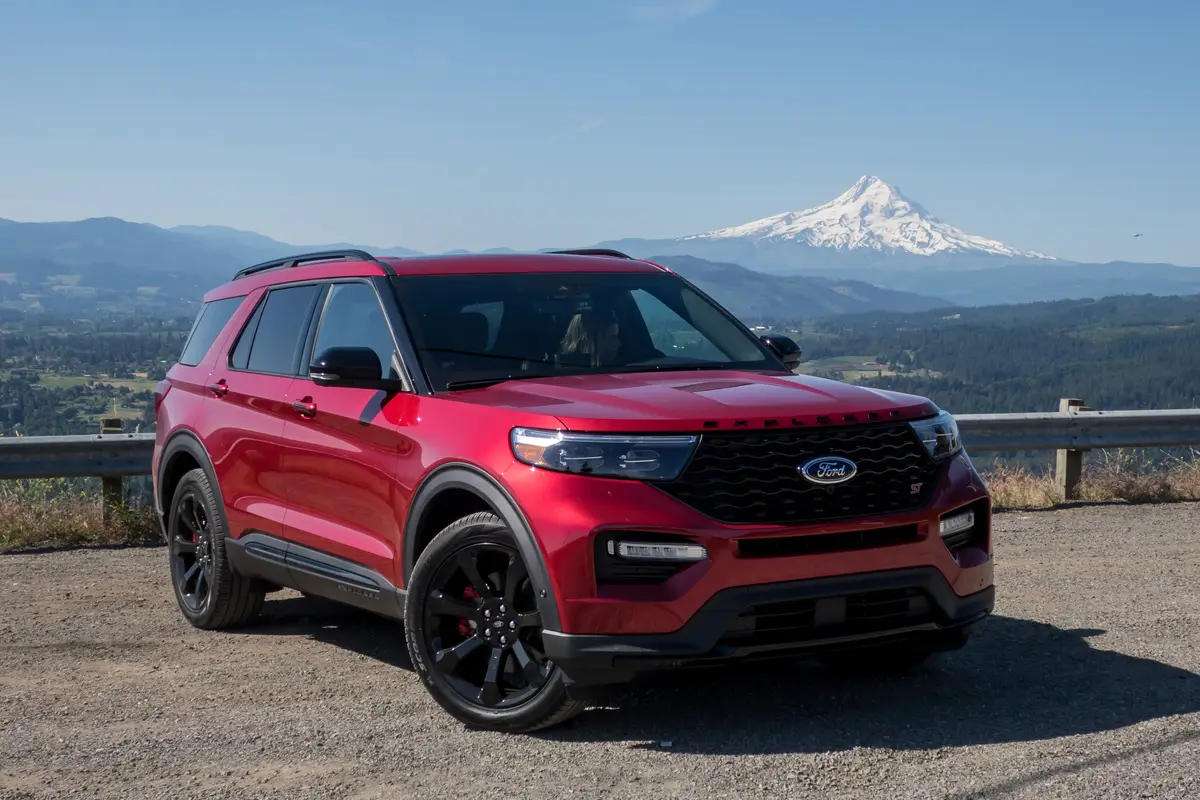
Immobilizer Detail: Ford’s SecuriLock Passive Anti-Theft System (PATS) authenticates the coded key before permitting the engine to start.
- Engine: 2.3L EcoBoost Turbo I4
- Horsepower: 300 hp
- Torque: 310 lb-ft
- Size: 198.8 in Long x 78.9 in Wide x 69.9 in High
Ford created its Passive Anti-Theft System, called SecuriLock PATS, to make it much harder for thieves to steal its vehicles. Over the years, the company has improved the system by introducing stronger encryption to stay ahead of criminals who kept finding new ways to bypass older security features. The version used in the current Explorer is much more advanced than the earlier ones and was designed to deal with techniques like key cloning that became common among vehicle thieves.
Before the engine can start, SecuriLock PATS checks whether the key being used is genuine. It reads the transponder chip inside the key and verifies its encrypted code with the information already stored in the vehicle’s engine control module. If the code matches, the engine starts normally. If it does not, the system blocks the engine from starting.
One advantage of this security feature is that it works automatically. Drivers do not need to switch it on or remember to activate it before leaving the vehicle, reducing the chance of forgetting an important security step. If an Explorer owner loses a key or needs an extra one, the replacement must be programmed by a Ford dealership or a qualified locksmith with the right equipment.
Although this may take extra time, it helps prevent unauthorized keys from being added, giving owners better protection wherever they park.
5. Lexus RX
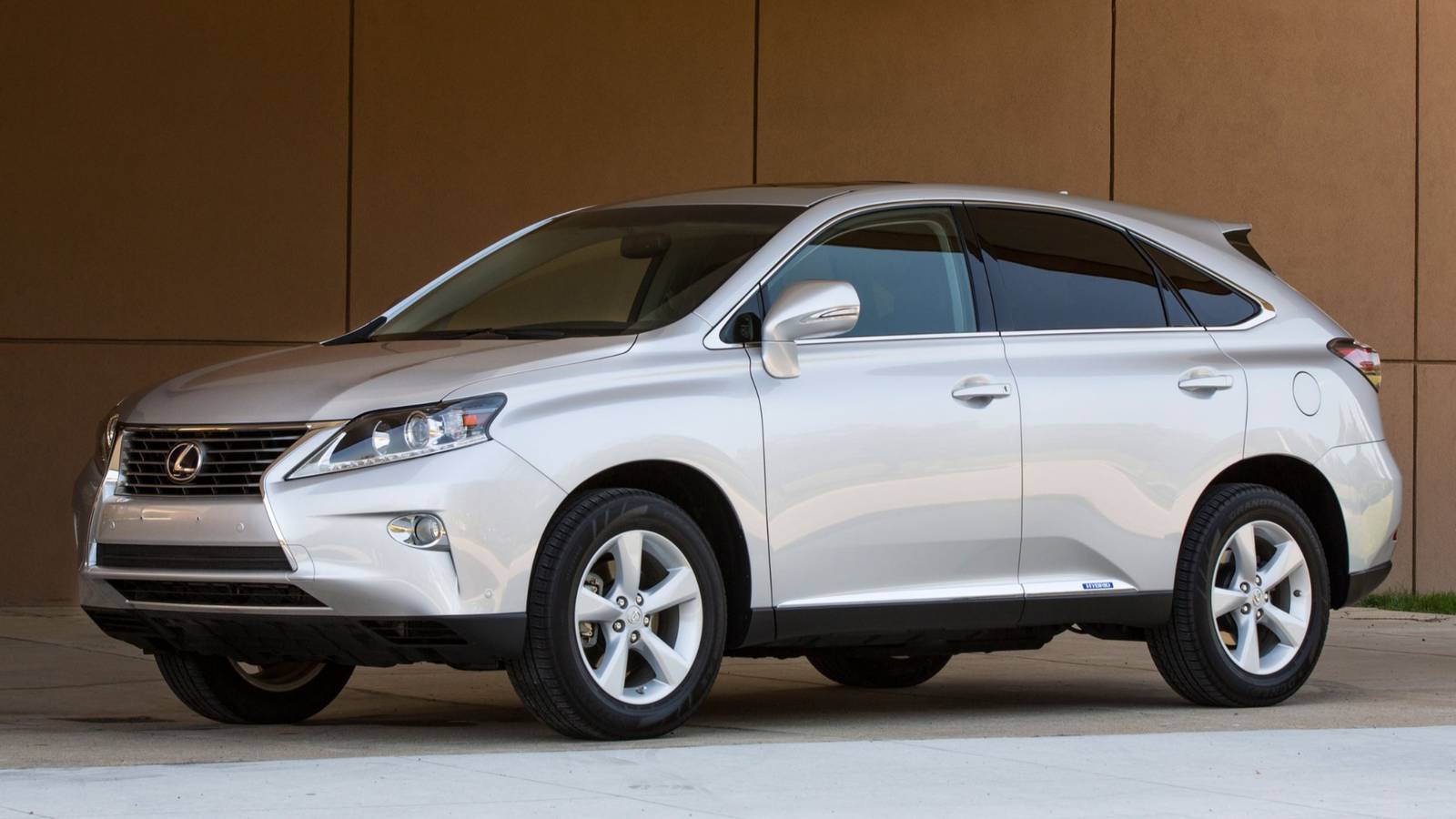
Immobilizer Detail: Lexus combines an encrypted Smart Key system with a factory engine immobilizer that prevents engine startup without an authorized key.Key system
- Engine: 2.4L Turbocharged 4-Cylinder
- Horsepower: 275 hp
- Torque: 317 lb-ft
- Size: 192.5 in Long x 75.6 in Wide x 67.3 in High
Luxury SUVs naturally attract more attention than many mainstream vehicles, and that also makes them more appealing to thieves. As one of Lexus’ most popular premium models, the RX can become a target because of its resale value and strong demand for genuine parts.
For this reason, Lexus equips the RX with advanced security technology designed to make unauthorized access and engine startup much more difficult than simply breaking into the vehicle. At the heart of the system is a combination of the Smart Key and a factory engine immobilizer.
These two features work together but perform different tasks. The Smart Key communicates securely with the vehicle so you can unlock the doors and start the engine without inserting a key. Before the engine starts, the immobilizer checks for a properly authorized electronic code. If the correct code is missing or cannot be verified, the engine remains disabled, even if someone gains access to the cabin.
Using two security systems instead of one adds another level of protection. Even if a thief attempts to interfere with one part of the process, the second security check still helps prevent the vehicle from being driven away. This layered design reflects the extra attention Lexus gives to protecting its luxury vehicles against modern theft techniques.
Owners can also strengthen their vehicle’s security by taking a few extra precautions. Keeping the key fob inside a signal-blocking pouch when it is not in use can help reduce the risk of relay theft attempts. It is also worth activating available security features through the Lexus Connected Services app, giving owners additional tools to monitor and help protect their RX.
6. Tesla Model 3
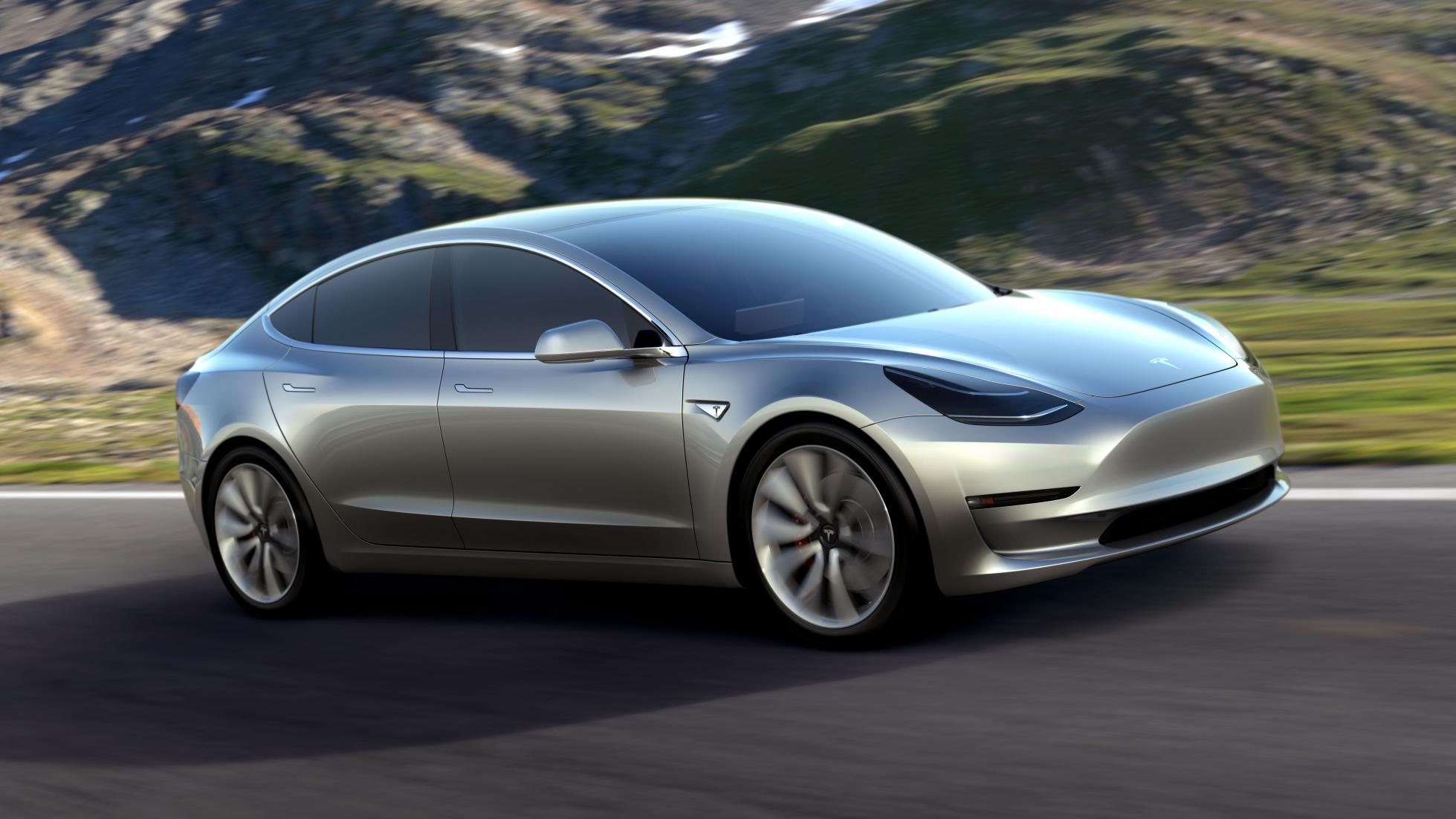
Immobilizer Detail: Tesla uses encrypted phone keys, key cards, and key fobs, while the optional PIN to Drive feature adds another layer of security before the vehicle can be driven.
- Powertrain: Single-Motor RWD Electric
- Horsepower: Approximately 271 hp
- Torque: Approximately 310 lb-ft
- Size: 185.8 in Long x 72.8 in Wide x 56.7 in High
Tesla took a different path when designing the security system for the Model 3. Instead of depending mainly on a traditional key and immobilizer, the company built the vehicle around digital authentication from the start. This modern approach changes how the car is unlocked and started, while providing multiple layers of protection against unauthorized access.
The Model 3 supports encrypted phone keys, key cards, and optional key fobs as approved ways to unlock and drive the vehicle. Owners can manage these access methods through their Tesla account and mobile app, making it easy to add or remove authorized devices. For extra protection, Tesla also offers the optional PIN to Drive feature.
Even if someone gets hold of an authorized key card or phone, they still cannot drive the vehicle without entering the correct PIN on the touchscreen. This added security gives Tesla an advantage in situations where a physical key is lost or stolen. Since the PIN exists separately from the access device, stealing the key alone is not enough to move the vehicle.
That extra verification makes unauthorized driving much more difficult. Another benefit is Tesla’s ability to improve vehicle security through software updates. Instead of waiting for owners to visit a service centre, the company can send security improvements directly to vehicles using over-the-air updates.
As new threats are identified, Tesla can strengthen its systems without replacing hardware. This allows the Model 3’s security features to improve after purchase, giving owners added confidence as technology continues to develop.
7. Kia Sportage (2023 to Present)
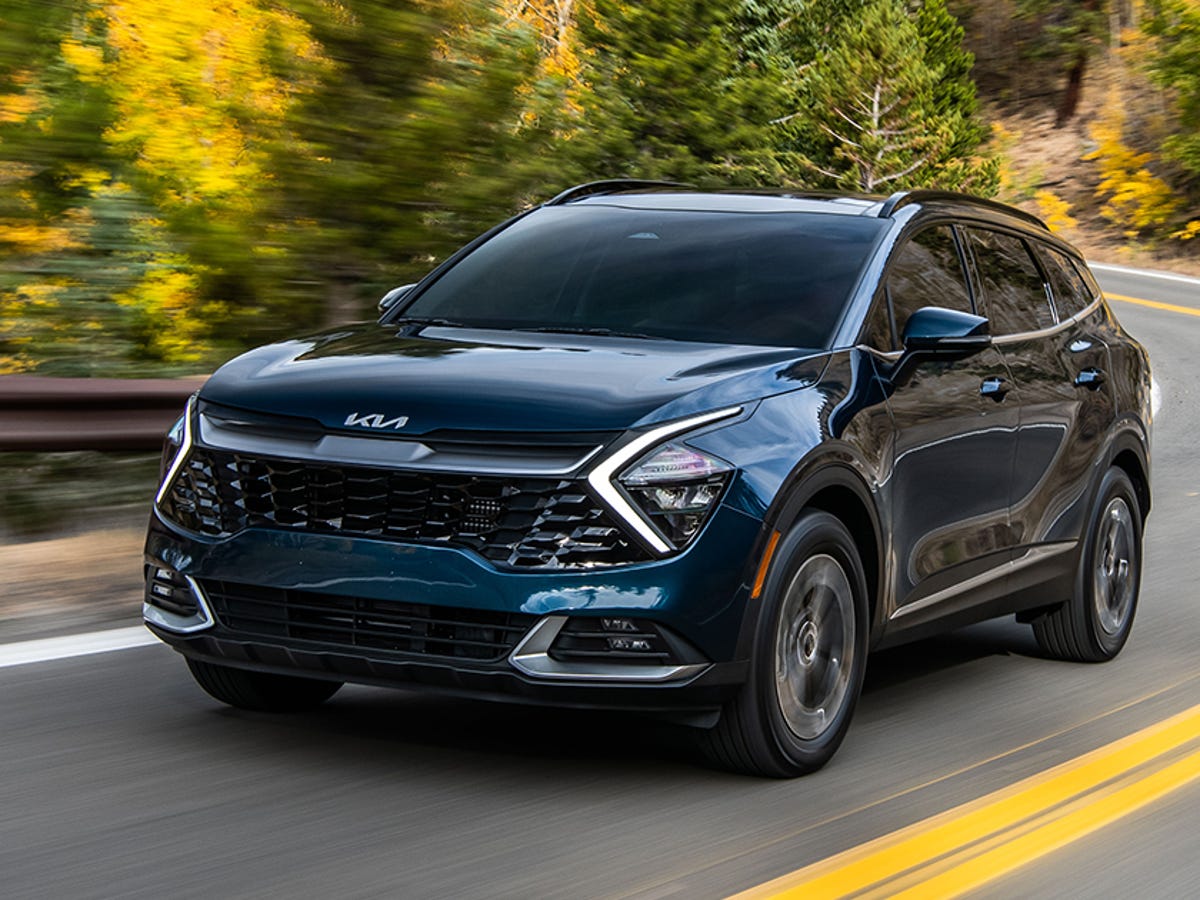
Immobilizer Detail: Current U.S. Sportage models include a factory engine immobilizer as standard equipment, correcting the security weakness found on some older Kia key-start models.
- Engine: 2.5L 4-Cylinder
- Horsepower: 187 hp
- Torque: 178 lb-ft
- Size: 183.5 in Long x 73.4 in Wide x 65.4 in High
A few years ago, Kia came under serious criticism after thieves discovered an easy way to steal some of its older vehicles. Videos shared online showed how certain models with traditional key ignitions, but without factory-fitted engine immobilizers, could be started using simple tools after removing part of the steering column. As the videos spread, more criminals copied the method, making those vehicles easy targets.
The problem affected several older Kia models sold in the United States, and vehicle thefts increased sharply in many cities. The situation led to lawsuits, damaged the company’s reputation, and pushed Kia to improve the security of its newer vehicles. The latest Kia Sportage is one of the models that now comes with much stronger theft protection.
Every new Sportage sold in the United States is fitted with a factory engine immobilizer as standard. Before the engine starts, the system checks whether the transponder chip inside the key or key fob matches the code stored in the vehicle. If the code is incorrect, the engine stays locked and cannot start. This prevents the theft method that affected the older Kia models.
Anyone buying a used Kia should confirm that it has a factory engine immobilizer. If it does not, adding a steering wheel lock, aftermarket immobilizer, or GPS tracker can provide better protection against theft.
Also Read: 8 Cars Assembled in the U.S. Despite Foreign Badges
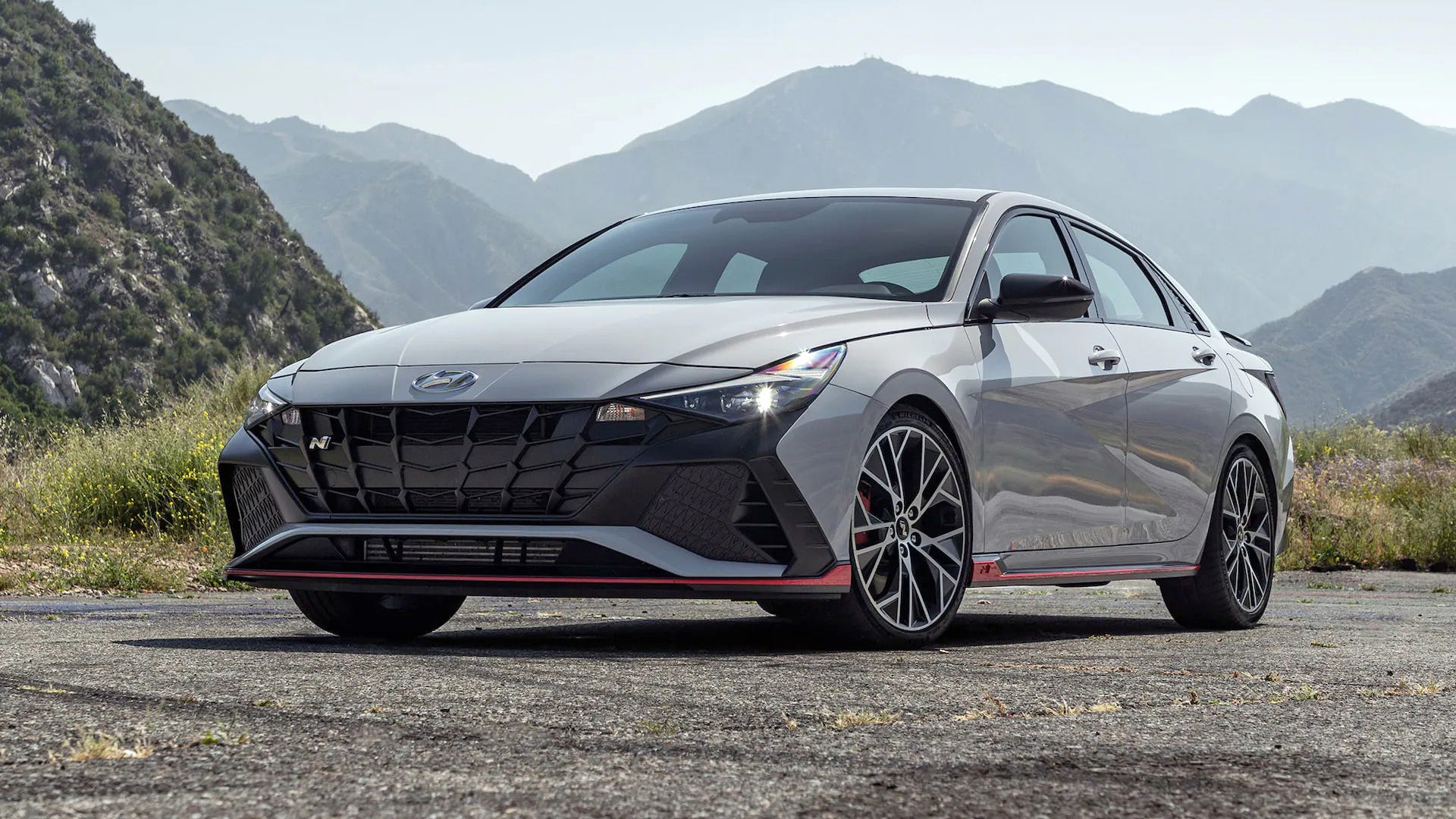
8. Hyundai Elantra (2023 to Present)
Immobilizer Detail: Modern Elantra models include a factory electronic immobilizer that authenticates the coded key before permitting engine startup.
- Engine: 2.0L 4-Cylinder
- Horsepower: 147 hp
- Torque: 132 lb-ft
- Size: 184.1 in Long x 71.9 in Wide x 55.7 in High
Older Hyundai models faced security concerns similar to those of Kia because some were sold without factory engine immobilizers. The Hyundai Elantra was among the vehicles affected after online videos showed how certain key-start versions could be stolen using basic tools. As the clips spread, theft cases increased across several cities in the United States, placing Hyundai under public scrutiny and leaving many owners worried about the safety of their vehicles.
Hyundai has since addressed the issue by making factory electronic immobilizers standard on newer Elantra models sold in the United States. The system checks the coded transponder inside the key or key fob before allowing the engine to start. If the authentication fails, the engine remains locked. This security upgrade prevents the theft method that worked on older models lacking an immobilizer and brings the Elantra in line with many competing vehicles.
Beyond fitting immobilizers to newer models, Hyundai also introduced software updates for eligible older vehicles, offered dealership-installed security improvements, and worked with local authorities to reduce theft incidents. These measures have helped, but a factory-installed immobilizer still provides the highest level of protection because it is built directly into the vehicle’s security system.
Anyone considering a used Hyundai Elantra should check the exact model year and trim before buying. Some older versions may not include a factory immobilizer. Confirming this feature before purchase can reduce theft concerns and help buyers choose a vehicle with stronger built-in security.
