
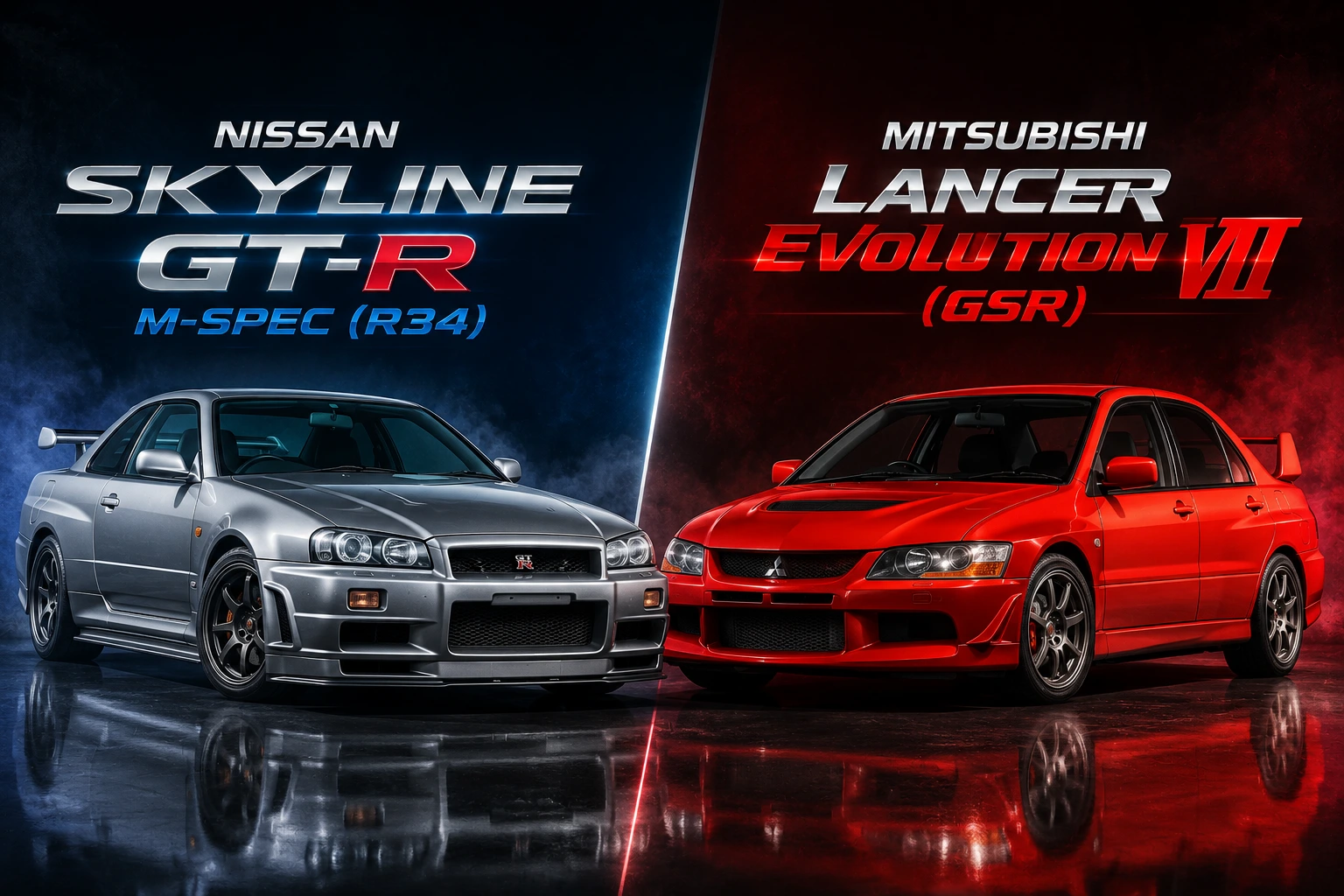
For many years, car enthusiasts in the United States admired some of Japan’s most desirable performance cars from a distance. These models appeared in magazines, racing games, and online forums, yet owning one legally remained out of reach because of federal import laws.
The 25-year import rule requires vehicles to reach 25 years from their exact month of manufacture before they can be brought into the country without meeting Federal Motor Vehicle Safety Standards. As vehicles built in 2001 reach that milestone throughout 2026, many of these long-restricted models are finally becoming legal for import. The arrival of these cars is exciting for collectors and driving enthusiasts alike.
Many of them earned legendary status thanks to their turbocharged engines, advanced all-wheel-drive systems, lightweight construction, and high-revving powertrains. They built strong reputations on race tracks, rally stages, and winding roads long before American buyers had a realistic chance to own them. Their influence also spread through video games, movies, and automotive magazines, creating lasting demand among enthusiasts across the United States.
These Japanese Domestic Market (JDM) models were never intended for widespread sale outside Japan, making them far less accessible than performance cars officially offered in the United States. For years, enthusiasts faced strict import restrictions or had to pay significant sums to bring one into the country through limited legal channels. As more of these vehicles reach the 25-year import threshold, however, owning them legally in America is becoming a realistic option.
Presented below are eight celebrated JDM cars that will become legal for import into the United States in 2026. Along with their engine specifications and performance figures, these models represent a long-awaited opportunity for enthusiasts who have spent years hoping to own one of Japan’s most respected performance machines.
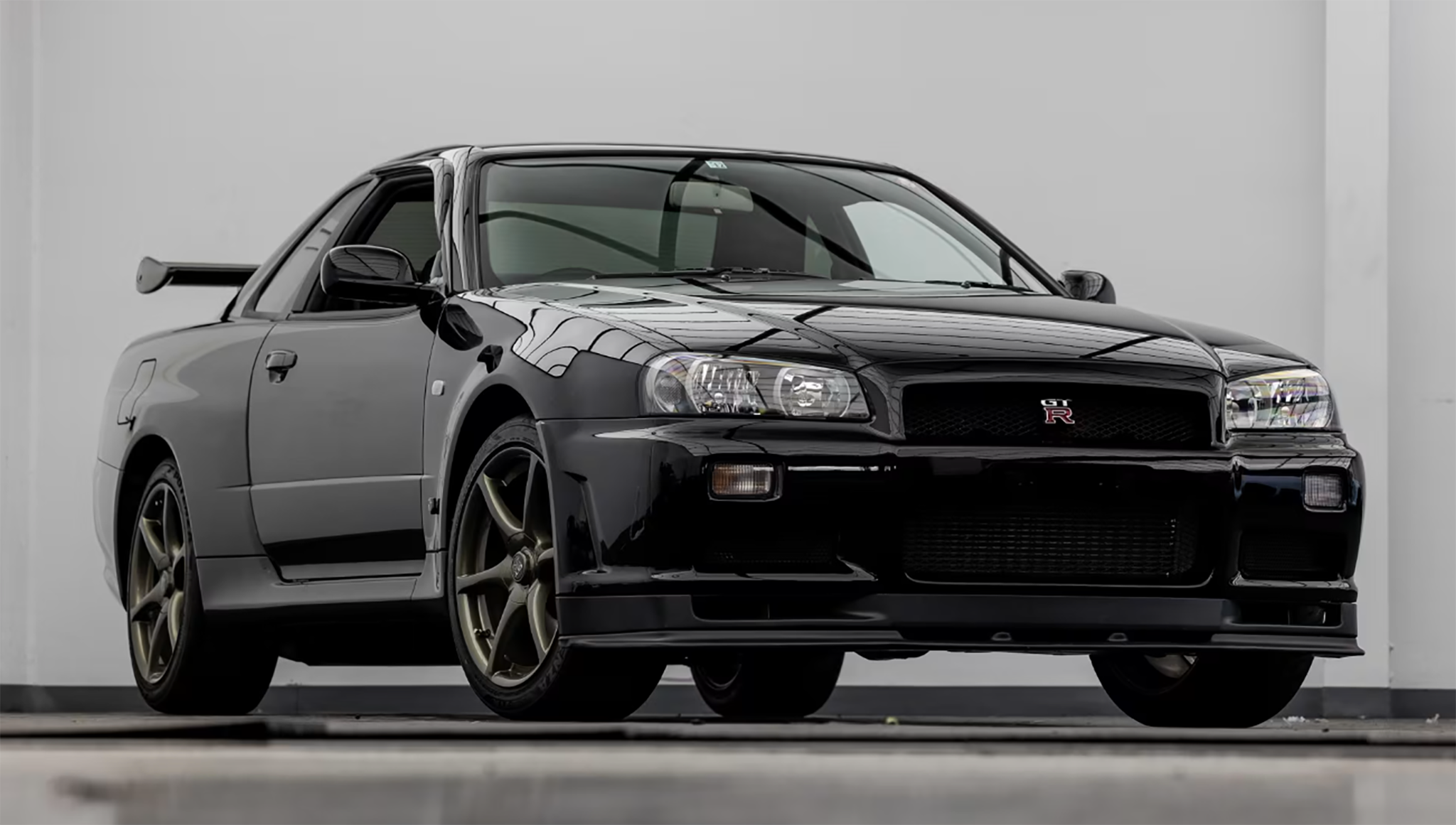
1. Nissan Skyline GT-R M-Spec (R34)
- Engine: 2.6-liter Twin-Turbo Inline-6 (RB26DETT)
- Horsepower: 276 hp (officially rated due to the Gentlemen’s Agreement)
- Torque: 289 lb-ft
- Size: 181.1″ L x 70.3″ W x 53.5″ H
No car on this list carries quite the same mythical weight as the R34 Skyline GT-R. Video games and movies introduced an entire generation of American teenagers to this car long before any of them could legally drive it, let alone import one, and that cultural build-up has only intensified anticipation surrounding its arrival on US roads.
Officially rated at 276 horsepower thanks to Japan’s Gentlemen’s Agreement, a voluntary manufacturer cap that kept power figures artificially conservative on paper throughout the 1990s and early 2000s, the RB26DETT engine’s actual output has long been rumored to exceed that official number considerably. Enthusiasts and independent dyno tests have suggested real-world figures pushing well past what Nissan ever officially claimed.
That twin-turbocharged inline-six, paired with Nissan’s ATTESA E-TS all-wheel-drive system, created a genuinely sophisticated performance package for its era, blending serious straight-line acceleration with cornering confidence that made the R34 dominant across various motorsport disciplines throughout Japan and internationally.
M-Spec trims specifically add subtle refinements over the standard GT-R, including a slightly firmer suspension tune and specific badging that immediately signals authenticity to anyone familiar with the model’s various trim distinctions. Collectors specifically seek out these details when verifying genuine examples versus modified or misrepresented listings.
Prices for clean, unmodified examples have already climbed considerably in international markets, and American demand is widely expected to push values even higher now that legal importation has become possible. For collectors who’ve waited years watching this legend from a distance, that wait is finally, genuinely over.
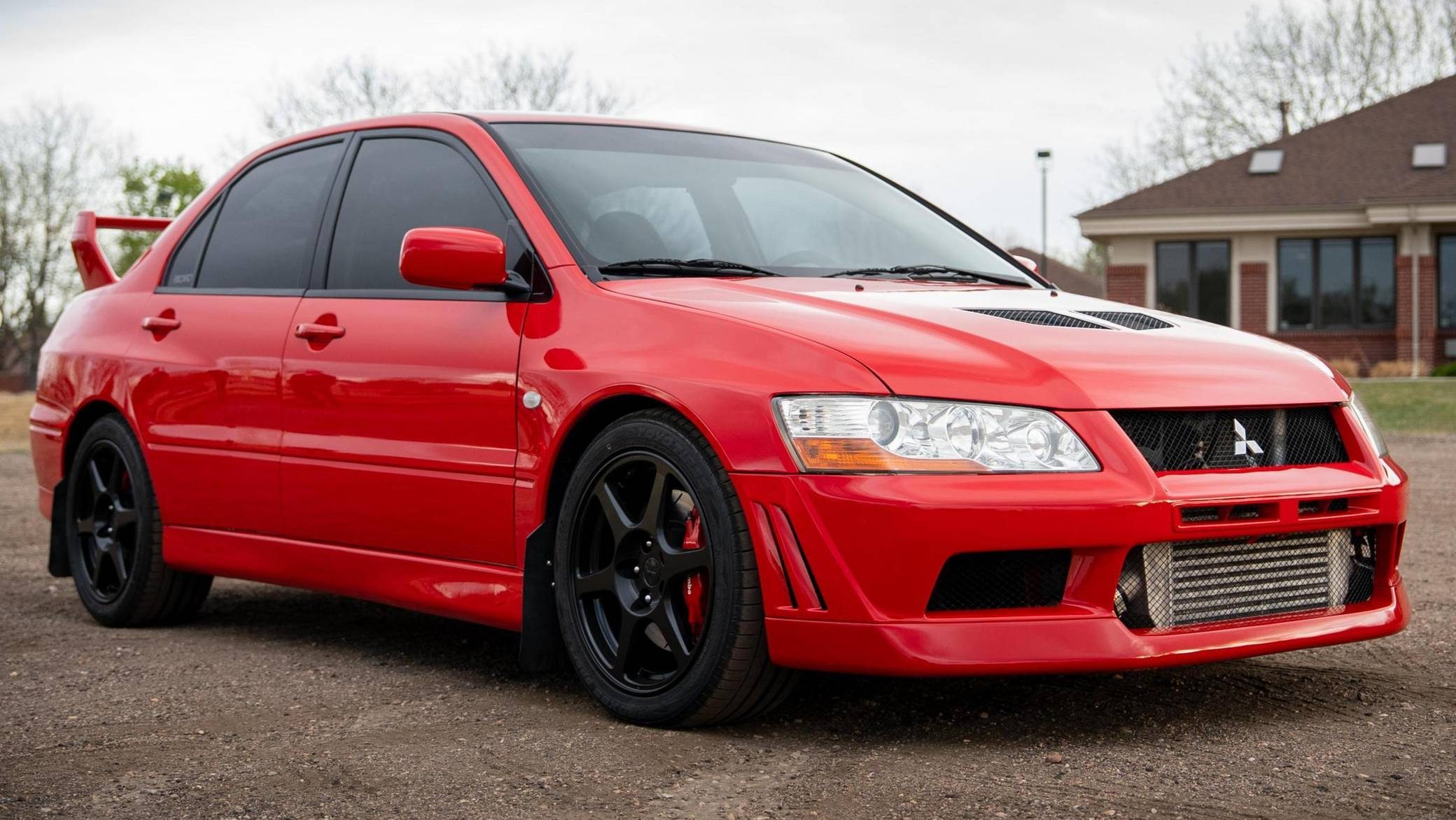
2. Mitsubishi Lancer Evolution VII (GSR)
- Engine: 2.0-liter Turbocharged Inline-4 (4G63)
- Horsepower: 276 hp
- Torque: 282 lb-ft
- Size: 175.4″ L x 69.7″ W x 57.1″ H
Rally heritage runs through every panel of the Lancer Evolution VII, a car built specifically to satisfy homologation requirements for international rally competition before finding its way into the hands of civilian buyers hungry for that same competition-bred engineering.
That legendary 4G63 turbocharged four-cylinder has earned near-mythical status among tuning enthusiasts worldwide, celebrated for its genuinely impressive capacity to handle massively increased power output with proper supporting modifications. Even in stock GSR configuration, though, 276 horsepower from a 2.0-liter engine represented genuinely serious specific output for its era.
All-wheel-drive architecture, borrowed directly from lessons learned through Mitsubishi’s rally program, gave the Evolution VII cornering grip and traction that felt almost unfair compared to rival sports cars relying purely on rear-wheel drive. Loose gravel, wet pavement, tight hairpin turns, this car handled all of it with a confidence that built its reputation as one of the most genuinely capable all-weather performance sedans ever built.
Compact, boxy styling might look understated by today’s more aggressive design standards, yet that restrained exterior hid genuinely serious performance hardware underneath, exactly the kind of sleeper reputation that’s helped cement the Evolution VII’s status among enthusiasts who value substance over flash.
American import demand for Evolution models has been building steadily for years, driven partly by the Evolution’s absence from official US sales during this specific generation. Mitsubishi never officially sold the Evolution VII stateside, meaning this newly legal import window represents literally the only legitimate path for American enthusiasts to finally own this particular chapter of Evolution history.
Also Read: 10 Cars With the Standard Safety Tech That Matters Most After 70
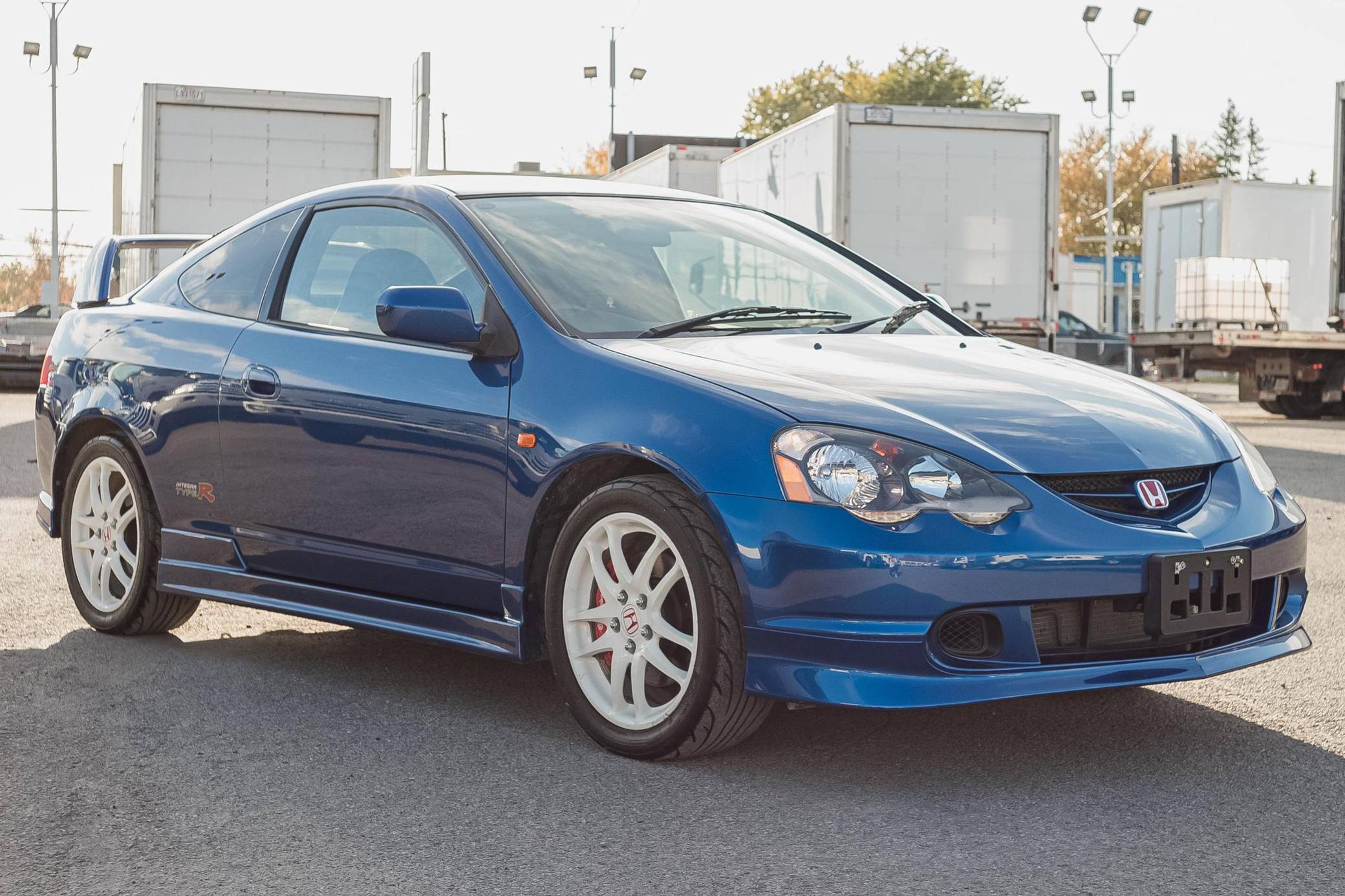
3. Honda Integra Type R (DC5)
- Engine: 2.0-liter Naturally Aspirated Inline-4 (K20A)
- Horsepower: 217 hp
- Torque: 152 lb-ft
- Size: 172.6″ L x 67.9″ W x 54.5″ H
Unlike many of the cars on this list, the Honda Integra Type R DC5 does not depend on turbocharging or all-wheel drive to deliver an exciting drive. Its appeal comes from a naturally aspirated 2.0-liter K20A engine that reflects Honda’s long-standing focus on precision engineering. As the revs climb, the engine becomes more responsive and energetic, giving drivers a rewarding experience that has earned lasting respect among performance car enthusiasts.
Power is sent to the front wheels, a layout that may appear less exciting than all-wheel drive at first glance. Even so, Honda made the most of this setup by fitting the car with a helical limited-slip differential and a carefully tuned suspension. These upgrades help the Integra Type R maintain excellent grip through corners and provide impressive balance, allowing it to compete confidently with cars that produce much higher power figures.
Another strength of the DC5 lies in its lightweight construction. Honda chose to keep unnecessary weight to a minimum, allowing the chassis to respond quickly to steering inputs while improving handling and driver confidence. Instead of relying on outright horsepower, the car delivers enjoyment through sharp steering, predictable handling, and a lively engine that encourages spirited driving whenever the road opens up.
Inside the cabin, the performance-focused approach continues. Supportive sport seats hold occupants firmly in place during spirited driving, while the short-throw manual shifter provides quick and precise gear changes. Reduced sound insulation also allows more engine and road feedback to reach the driver, creating a connection that many modern performance cars no longer offer because of their greater focus on comfort and electronic features.
American buyers never had the opportunity to purchase the DC5 Integra Type R through Honda dealerships. For many years, enthusiasts could only admire it through imported magazines, videos, and online discussions. With eligible 2001-built examples now reaching the 25-year import requirement, collectors finally have the opportunity to own one of Honda’s most respected performance cars legally in the United States.
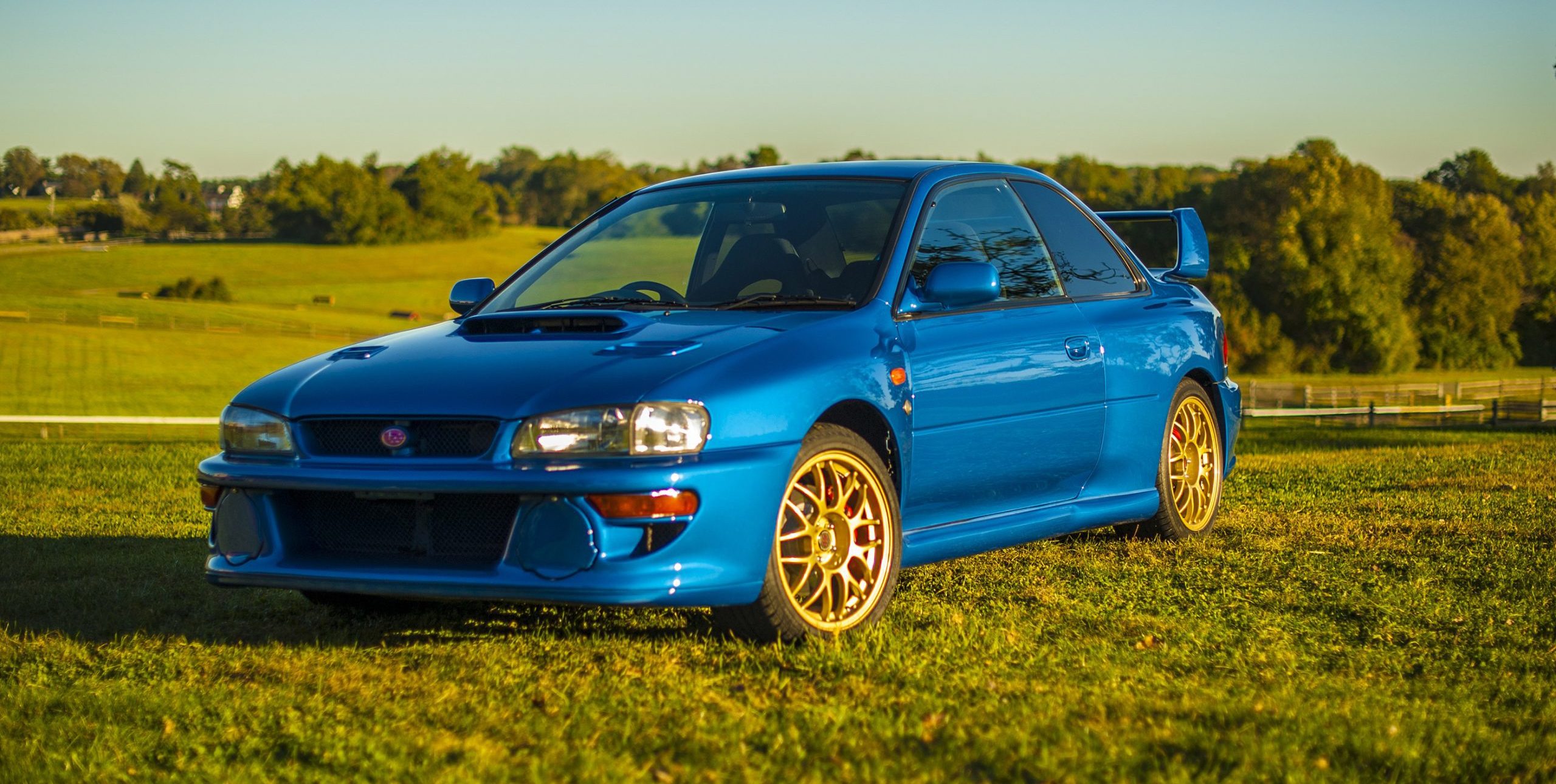
4. Subaru Impreza WRX STi (GDB “Bugeye”)
- Engine: 2.0-liter Turbocharged Boxer-4 (EJ207)
- Horsepower: 276 hp
- Torque: 275 lb-ft
- Size: 173.4″ L x 68.1″ W x 56.5″ H
Distinctive round headlights earned this generation its affectionate “Bugeye” nickname among enthusiasts, an aesthetic quirk that’s since become genuinely beloved rather than the mild criticism it occasionally drew upon its original release. Underneath that distinctive face sat serious rally-derived engineering that helped cement Subaru’s reputation as a genuine performance contender internationally.
That EJ207 turbocharged boxer engine delivers power through Subaru’s signature horizontally opposed layout, creating a low center of gravity that translates directly into confident, planted handling through corners. Combined with symmetrical all-wheel drive, a system genuinely engineered for balanced power distribution rather than simply added for marketing purposes, the Bugeye STi delivers cornering confidence that still impresses driving enthusiasts decades later.
Rally success directly influenced this car’s engineering throughout its development, with Subaru’s World Rally Championship program feeding lessons learned on actual competition stages directly back into road-going STi models. That connection between motorsport and civilian ownership gave buyers genuine confidence that they were purchasing something considerably more serious than a simple badge-engineered performance trim.
American buyers had access to later STi generations sold officially through Subaru dealerships, but this specific 2001 Bugeye variant never received official US sales, remaining exclusively available through Japanese domestic market channels. That absence has only fueled enthusiast desire over the years, with grainy photos and import forum discussions building anticipation for exactly this kind of legal import opportunity.
Now that the 25-year threshold has arrived, American rally and WRX enthusiasts finally have a legitimate path toward owning this specific, genuinely important chapter of Subaru’s performance history, distinctive headlights and all.
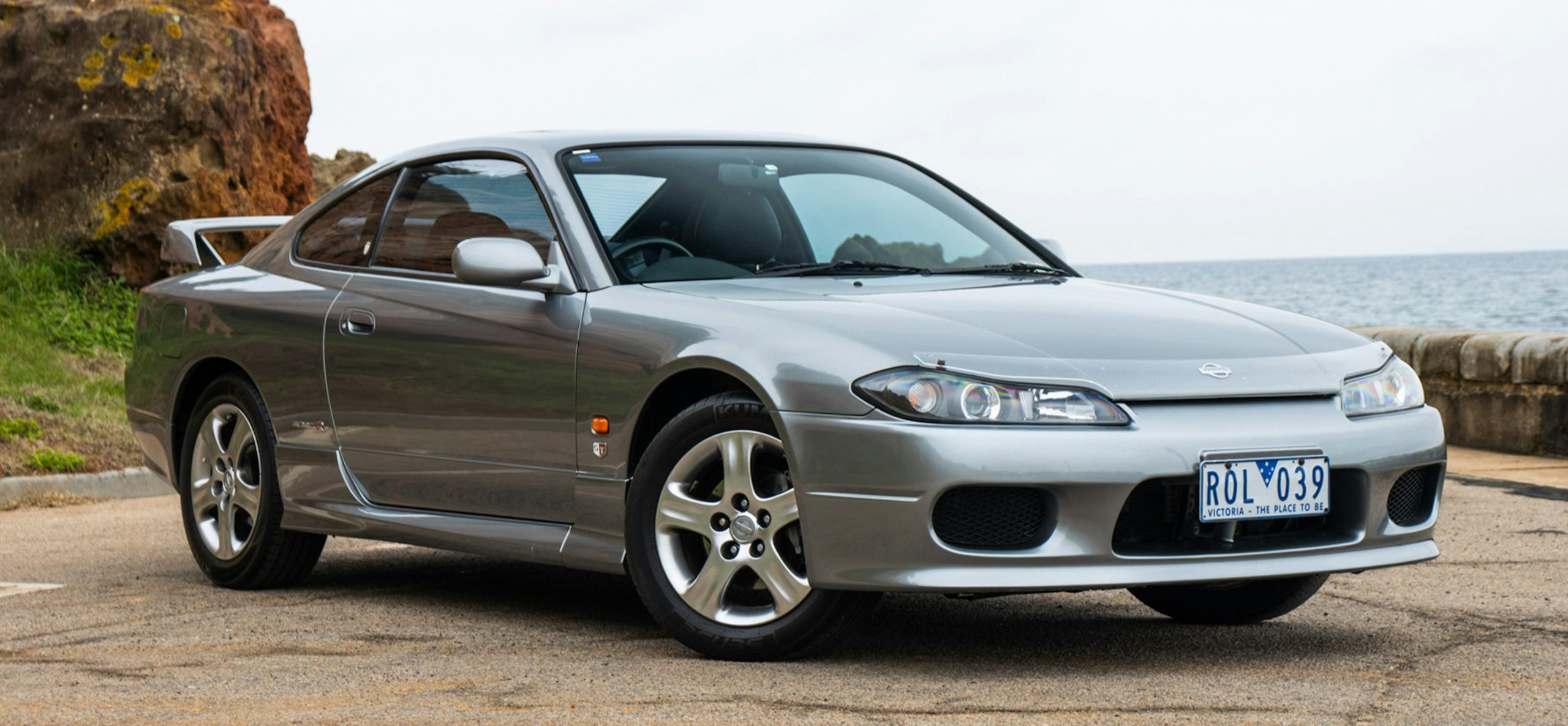
5. Nissan Silvia Spec-R (S15 Varietta)
- Engine: 2.0-liter Turbocharged Inline-4 (SR20DET)
- Horsepower: 247 hp
- Torque: 203 lb-ft
- Size: 174.8″ L x 66.7″ W x 50.6″ H
Drift culture owes an enormous debt to the Nissan Silvia lineup, and the S15 generation represents arguably the platform’s most refined, most celebrated chapter among enthusiasts who’ve spent years studying its chassis balance and engine tuning potential through online forums and imported footage.
That SR20DET turbocharged engine has achieved genuine cult status within tuning circles, celebrated for its responsive power delivery and remarkable capacity to handle modification while remaining genuinely reliable under sustained hard driving, exactly the kind of durability serious drift and track enthusiasts demand from their platform of choice.
Rear-wheel-drive architecture, combined with a genuinely well-balanced chassis, gave the S15 Silvia the kind of controllable, predictable slide characteristics that made it a favorite among drift competitors throughout Japan and, eventually, internationally as footage and reputation spread through early internet car culture communities.
Spec-R trim specifically added a six-speed manual transmission and helical limited-slip differential, upgrades that sharpened the car’s already strong reputation among enthusiasts specifically seeking the most performance-focused version of this particular generation.
American car culture absorbed Silvia influence indirectly for years, through video games, imported drift footage, and aftermarket parts companies building entire business models around this exact chassis, all while the actual cars themselves remained legally out of reach for most enthusiasts. That indirect cultural influence, without direct ownership access, created genuinely intense pent-up demand.
With legal importation finally arriving, American drift and tuning enthusiasts can finally close that gap, bringing genuine S15 ownership experience to a community that’s spent years building entire subcultures around a car most members had never actually driven themselves.
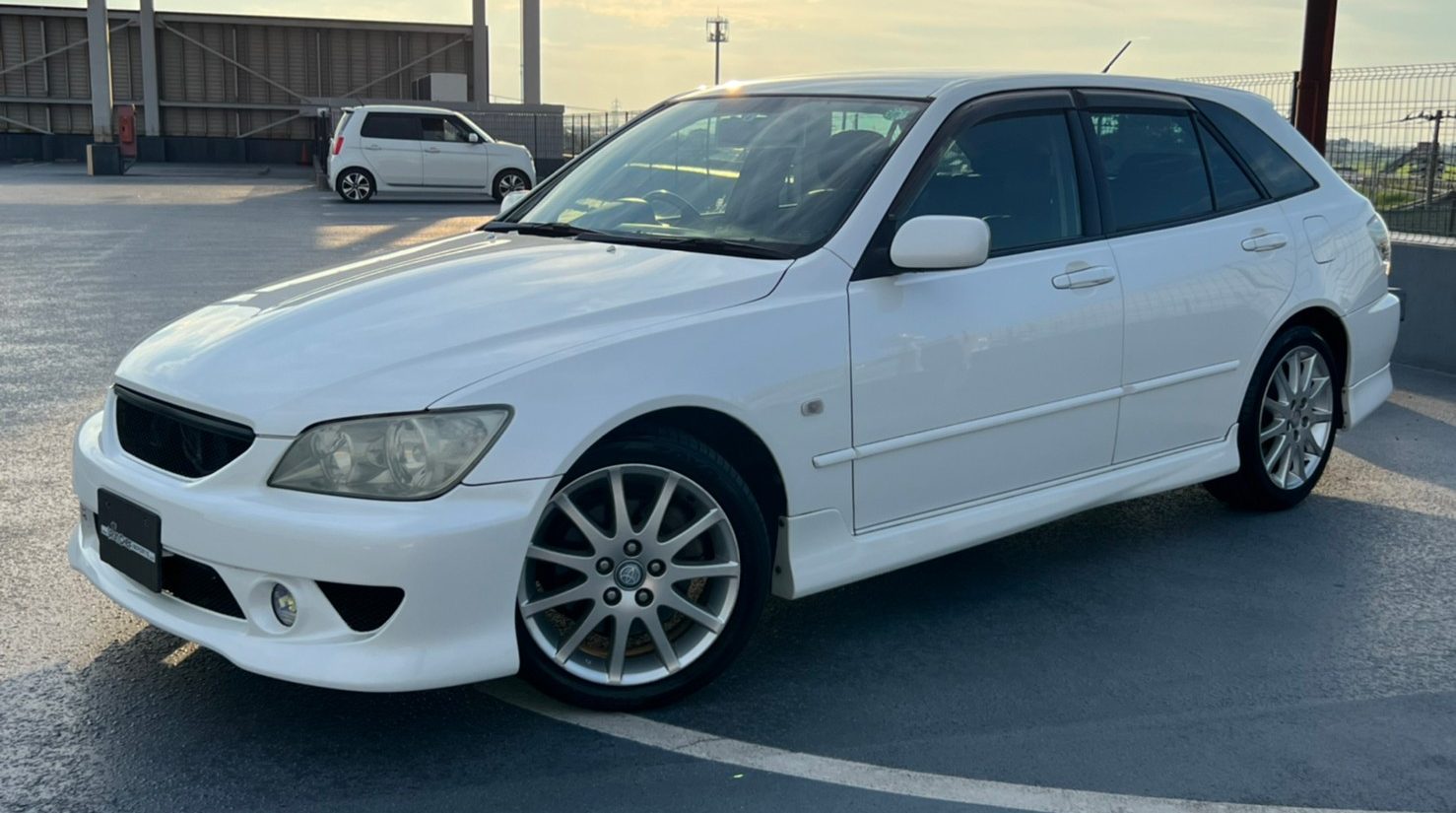
6. Toyota Altezza Gita AS300 (Sportcross Wagon)
- Engine: 3.0-liter Naturally Aspirated Inline-6 (2JZ-GE)
- Horsepower: 217 hp
- Torque: 217 lb-ft
- Size: 173.4″ L x 67.7″ W x 56.7″ H
Finding a vehicle that blends everyday usefulness with enjoyable driving is not always easy, yet the Toyota Altezza Gita achieves that balance very well. Built on the same platform as the Lexus IS300 sold in the United States, this station wagon was offered only in Japan.
While many American buyers became familiar with the IS300 sedan, the wagon remained unavailable through local dealerships, making it one of those rare Japanese models enthusiasts could only admire from a distance for many years. Under the bonnet is Toyota’s naturally aspirated 3.0-liter 2JZ inline-six engine.
Although it does not have the turbochargers fitted to the famous 2JZ-GTE, it still delivers smooth power, dependable performance, and excellent durability. The 2JZ engine family has earned a strong reputation for lasting many years with proper maintenance, and it also provides a solid foundation for owners who may want to make performance upgrades later.
What truly makes the Altezza Gita different is its ability to offer generous cargo space without giving up the enjoyable driving manners of a rear-wheel-drive sports sedan. The suspension and chassis provide stable handling and balanced road manners, making the wagon feel more engaging than many practical family vehicles from the same period. It is well suited for daily driving while still offering enough character to satisfy people who enjoy getting behind the wheel.
Production numbers for the Altezza Gita were much lower than those of the sedan, making clean examples harder to find even in Japan. That limited availability has increased interest among collectors and enthusiasts searching for something less common than the usual performance imports.
For American buyers who appreciate rare vehicles with proven engineering, the Altezza Gita offers a refreshing choice. It combines dependable mechanical components, useful interior space, and enjoyable rear-wheel-drive performance in a package that still feels different from the more familiar Japanese performance cars seen on American roads today.
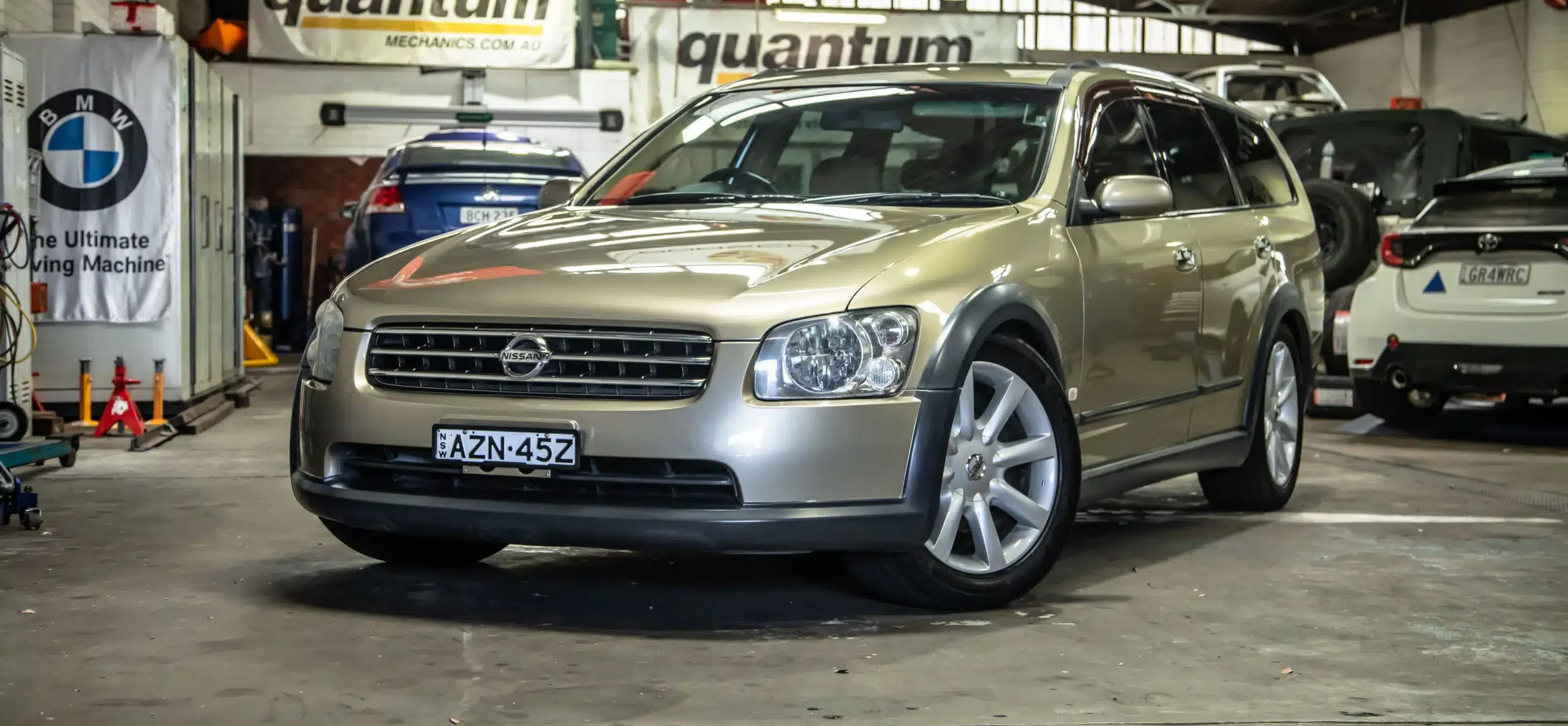
7. Nissan Stagea 250t RS Four V (M35)
- Engine: 2.5-liter Turbocharged V6 (VQ25DET)
- Horsepower: 276 hp
- Torque: 300 lb-ft
- Size: 187.6″ L x 69.3″ W x 59.4″ H
Nissan’s Stagea lineup has built a devoted enthusiast following specifically around its unusual combination of wagon practicality and genuine performance hardware, and this particular M35 generation variant continues that tradition with its turbocharged VQ25DET V6 producing a genuinely strong 276 horsepower and 300 lb-ft of torque.
RS Four V trim specifically indicates all-wheel-drive architecture paired with Nissan’s performance-focused engineering, giving this wagon genuine cornering confidence and traction advantages that most contemporary wagons from other manufacturers simply couldn’t match during this particular era of automotive engineering.
That V6 engine configuration distinguishes this Stagea generation from earlier inline-six-powered variants that gained fame through their connection to Skyline GT-R performance hardware, offering instead a genuinely different character built around smooth, torque-rich V6 power delivery rather than high-revving inline-six theatrics.
Spacious cargo capacity remained a genuine priority throughout the Stagea’s engineering, ensuring this performance wagon retained real practicality alongside its impressive straight-line and cornering capability, exactly the kind of “sleeper” formula that made 1990s and early 2000s performance wagons so genuinely compelling among enthusiasts who valued both speed and everyday usability.
American demand for practical performance wagons has grown considerably in recent years, driven partly by nostalgia for this exact genre of vehicle and partly by genuine appreciation for the engineering achievement of combining family-hauling practicality with genuinely quick, confident performance.
The Stagea’s arrival addresses that demand directly, giving enthusiasts a legitimate path toward owning a genuinely unique chapter of Japanese wagon performance history that never received any official American sales presence whatsoever.
Also Read: 8 Cars With Factory Immobilizers That Deter Thieves
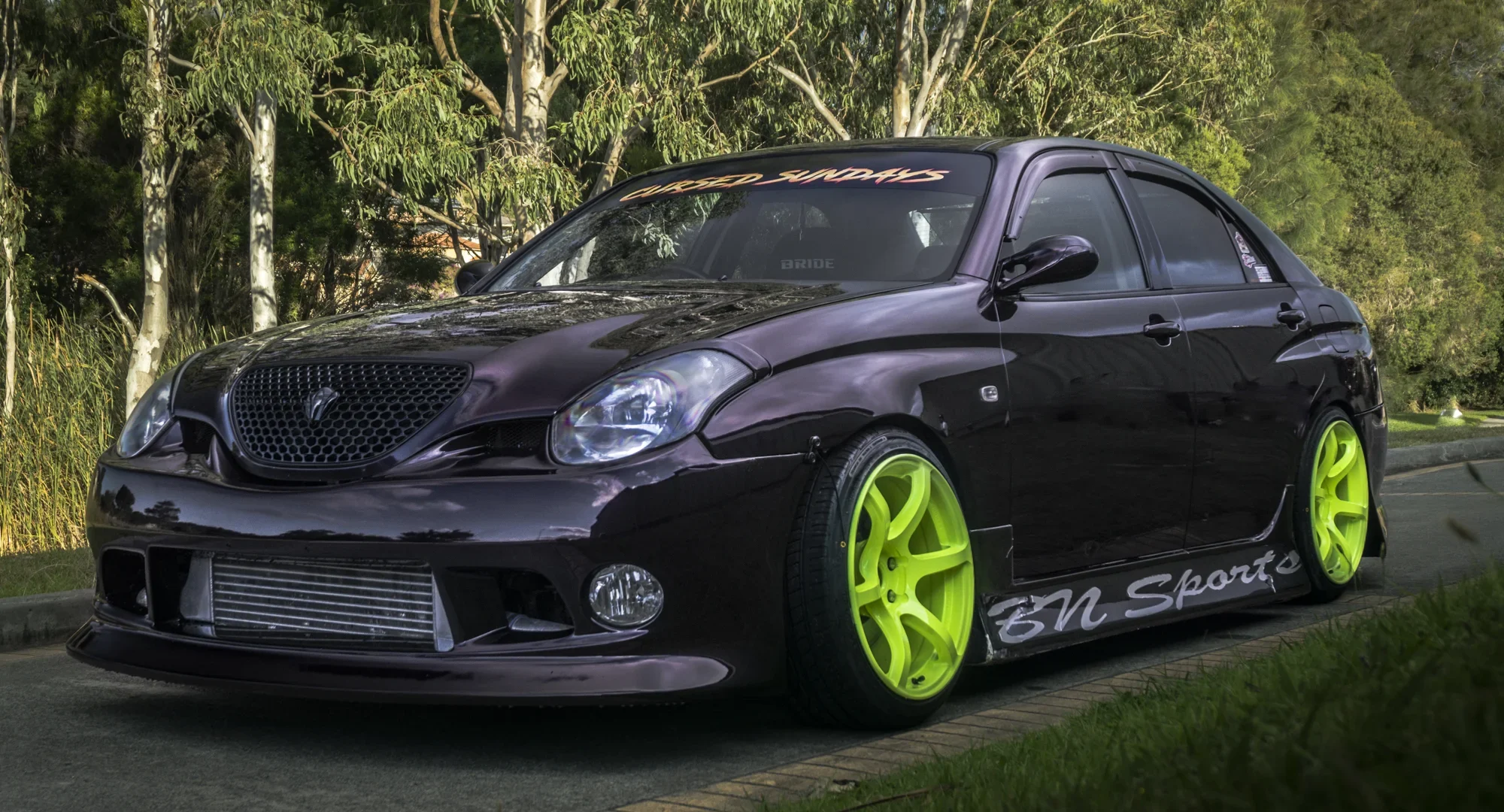
8. Toyota Verossa VR25 (JZX110)
- Engine: 2.5-liter Turbocharged Inline-6 (1JZ-GTE)
- Horsepower: 276 hp
- Torque: 278 lb-ft
- Size: 187.8″ L x 69.3″ W x 57.1″ H
The Toyota Verossa stands out because of its bold styling, which looked very different from most sedans available when it first went on sale in Japan. Its unusual front-end design and unique proportions received mixed opinions at the time, yet many enthusiasts have grown to appreciate its appearance. Today, the Verossa has built a loyal following among people who prefer something less common than the usual Japanese performance sedan.
Beneath its distinctive body is Toyota’s respected 2.5-liter 1JZ-GTE turbocharged inline-six engine. This engine is well known for its durability, smooth power delivery, and ability to support higher performance with the right upgrades. Those qualities have made it a favorite among enthusiasts looking for a dependable platform with plenty of tuning potential.
The Verossa also benefits from a rear-wheel-drive layout, giving it balanced handling and an enjoyable driving experience. It shares its mechanical foundation with the Toyota Chaser and Mark II, both of which have earned strong reputations for reliability and solid performance. That shared platform gives the Verossa proven engineering while allowing it to maintain its own identity through its distinctive styling.
Interest in the Verossa has continued to grow among American JDM enthusiasts, especially as more people look beyond the better-known Japanese imports. With eligible examples now reaching the 25-year import requirement, buyers in the United States finally have the opportunity to own this uncommon sedan. It offers dependable engineering, strong performance potential, and a design that still turns heads many years after its introduction.
