
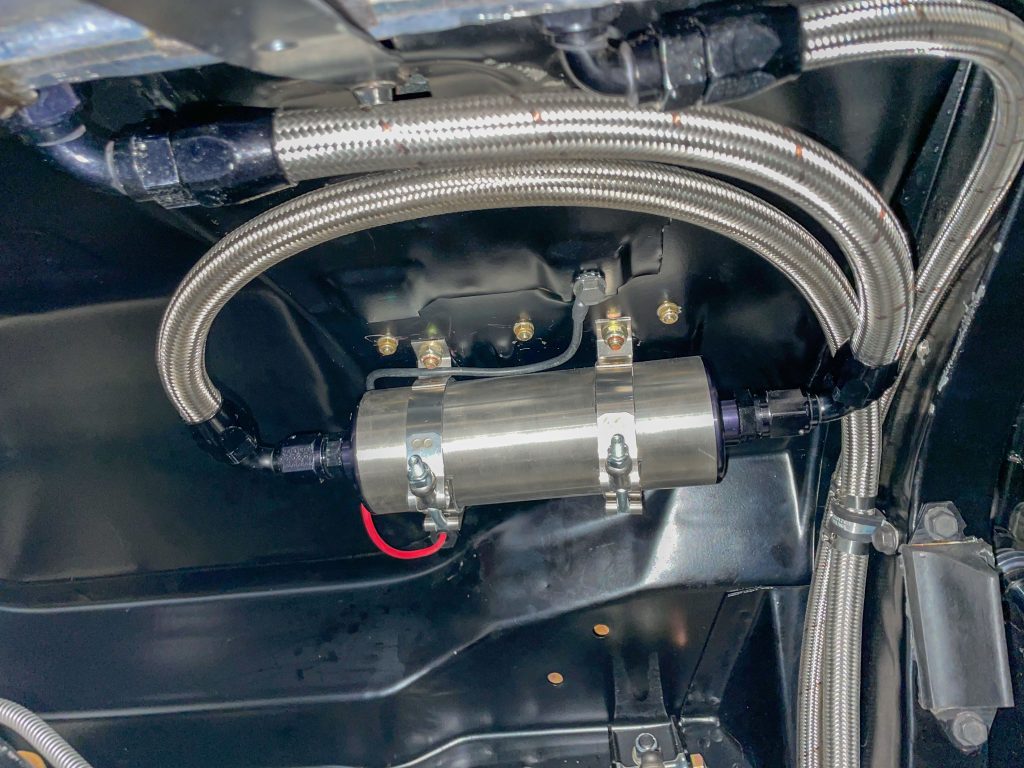
A fuel pump is one of the most important components in any modern vehicle, yet it rarely gets much attention until something goes wrong.
Hidden inside or near the fuel tank on most gasoline-powered cars, the pump is responsible for delivering a steady supply of fuel to the engine at the precise pressure required for efficient combustion. If it fails, your vehicle may hesitate, lose power, stall unexpectedly, or refuse to start altogether.
Unlike many routine maintenance items, a fuel pump is not designed to be replaced at regular intervals. Most modern electric fuel pumps are engineered to last well beyond 100,000 miles, and many survive for the life of the vehicle.
However, when replacement becomes necessary, it is rarely inexpensive. Modern fuel systems have become increasingly sophisticated, with integrated pump modules, electronic pressure regulators, fuel level sensors, and emissions components packaged into a single assembly. As a result, replacing a fuel pump often involves both costly parts and significant labor.
According to the American Automobile Association (AAA), replacing a fuel pump on a modern vehicle typically costs between $1,150 and $1,400, although the final bill can vary considerably depending on the make, model, labor rates, and the complexity of the repair.
Understanding what goes into that estimate can help vehicle owners avoid unnecessary repairs and recognize when a repair quote is justified.
Also Read: 10 Overlooked Ford Bronco Features That Make Every Drive Better
Why Fuel Pump Replacement Has Become More Expensive
Older vehicles often used mechanical fuel pumps mounted directly on the engine. These pumps were relatively inexpensive and easy to access.
Today’s gasoline vehicles almost exclusively use electric fuel pumps mounted inside the fuel tank. This design provides better fuel pressure, quieter operation, and improved emissions performance, but it also makes replacement far more labor-intensive.
Many modern vehicles no longer use a standalone pump. Instead, manufacturers install a complete fuel pump module that includes the following:
- The electric fuel pump
- Fuel level sensor
- Pressure regulator
- Fuel strainer
- Electrical connectors
- Housing assembly
If one component fails, technicians frequently replace the entire module rather than individual parts. This approach improves reliability but significantly increases replacement costs.
Average Replacement Costs in the United States
Fuel pump replacement costs vary depending on vehicle design and labor rates. According to RepairPal, the average fuel pump replacement in the United States costs between $1,319 and $1,504. Parts generally account for $1,082 to $1,156, while labor typically ranges from $237 to $348, before taxes and shop fees.
AAA reports a slightly broader estimate of $1,150 to $1,400 for many modern vehicles, reflecting regional labor differences and varying vehicle designs.
Luxury vehicles, high-performance models, and trucks with larger fuel tanks can exceed these averages, while some compact sedans may cost less.
What Makes Labor So Expensive?
One of the biggest contributors to the repair bill is labor. Although replacing the pump itself may seem straightforward, reaching it often requires extensive disassembly.
Some vehicles include an access panel beneath the rear seat or cargo floor, allowing technicians to reach the pump without removing the fuel tank. These repairs are generally faster and less expensive.
Many other vehicles require technicians to do the following:
- Disconnect the battery
- Safely drain the fuel tank
- Disconnect fuel lines
- Remove heat shields
- Lower the fuel tank
- Remove the old pump assembly
- Install new seals
- Reassemble and test the system
According to Kelley Blue Book, if a vehicle lacks an access panel, removing the fuel tank substantially increases labor time because every fuel line, electrical connector, and mounting strap must be removed before the pump can be accessed.
Depending on vehicle design, labor can range from two hours to more than six hours.
Parts Prices Continue to Rise
The fuel pump itself often represents the largest portion of the repair bill. Original Equipment Manufacturer (OEM) pump modules generally cost considerably more than aftermarket replacements, but many repair shops recommend OEM components because they typically offer better fitment, durability, and fuel pressure calibration.
Modern vehicles frequently use sophisticated electronic fuel systems that require precise operating pressures. Installing a lower-quality replacement pump can sometimes result in poor drivability, diagnostic trouble codes, or premature failure.
Vehicle size also affects pricing. A compact sedan may require a relatively simple fuel pump assembly, while a turbocharged SUV or pickup truck may use a more complex module that costs hundreds of dollars more.
Supply chain costs have also increased replacement part prices during the past several years, contributing to higher repair estimates across the automotive industry.
Signs Your Fuel Pump May Be Failing
Fuel pumps typically weaken gradually before they fail. Common warning signs include:
- Difficulty starting the engine
- Engine sputtering during acceleration
- Loss of power at highway speeds
- Sudden engine stalling
- Whining noise from the fuel tank
- Reduced fuel pressure
- Check Engine light accompanied by fuel pressure-related diagnostic codes
According to Kelley Blue Book, many of these symptoms can also be caused by clogged fuel filters, failing fuel injectors, or electrical faults, making professional diagnosis essential before replacing the pump.
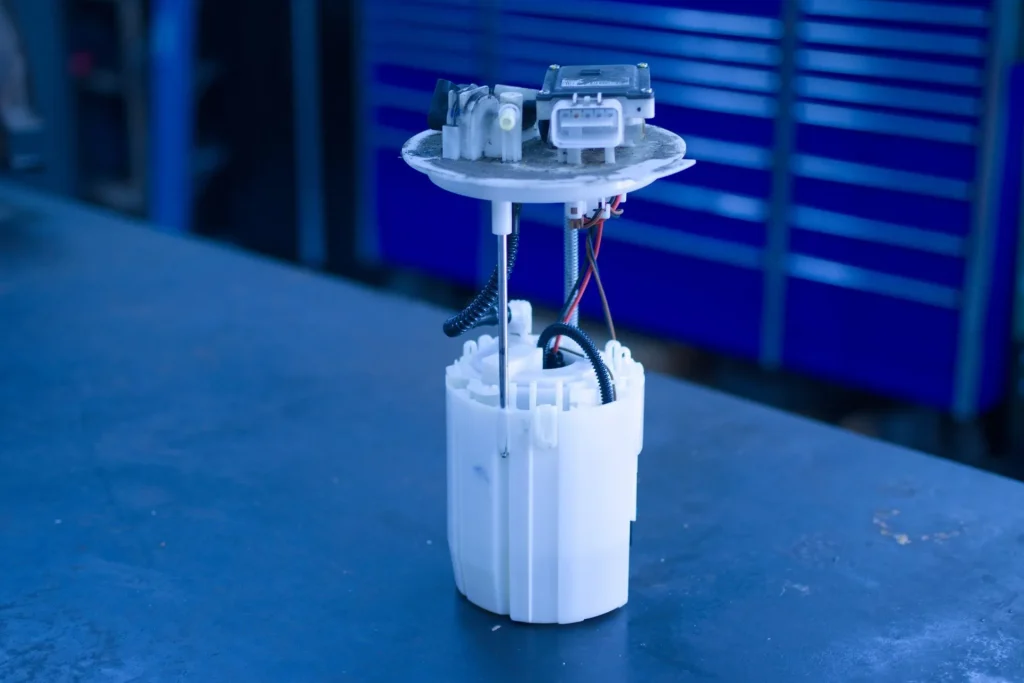
Replacing an expensive fuel pump when the actual problem is a faulty relay or damaged wiring can waste hundreds of dollars.
Diagnosis Comes Before Replacement
Professional technicians rarely replace a fuel pump based solely on symptoms. Instead, they perform several diagnostic procedures, including:
- Measuring fuel pressure
- Testing pump voltage
- Inspecting wiring and connectors
- Checking fuel pump relay operation
- Scanning diagnostic trouble codes
- Verifying proper electrical ground
According to RepairPal, technicians also inspect the pump’s electrical circuit because low voltage or damaged wiring can produce symptoms nearly identical to a failed pump.
This diagnostic process helps avoid unnecessary repairs while identifying related issues that could shorten the lifespan of a new pump.
Additional Repairs That May Increase the Bill
Fuel pump replacement sometimes involves replacing other components at the same time.
These may include:
- Fuel tank seal or O-ring
- Fuel strainer
- Fuel filter, when serviceable
- Fuel pump relay
- Corroded electrical connectors
- Damaged fuel lines
Many repair shops recommend replacing these inexpensive components during the repair because they are already accessible once the fuel tank has been removed.
Although these additions increase the invoice slightly, they often prevent future labor costs if another component fails shortly afterward.
Can You Replace a Fuel Pump Yourself?
While replacing a fuel pump is technically possible for experienced DIY mechanics, it is generally not recommended for most vehicle owners.
Working around gasoline presents significant fire hazards, and many modern vehicles require specialized tools to safely disconnect fuel lines and remove locking rings from the pump assembly.
RepairPal advises leaving fuel pump replacement to trained professionals because improper installation can create fuel leaks, electrical problems, or dangerous operating conditions.
In addition, modern vehicles often require pressure testing after installation to verify that the fuel system is properly sealed.
How Long Should a Fuel Pump Last?
Fuel pumps are designed for a long service life. According to Kelley Blue Book, many in-tank electric fuel pumps last 100,000 miles or more, although lifespan depends on driving habits, fuel quality, and maintenance.
Drivers can often extend fuel pump life by:
- Keeping the fuel tank above one-quarter full, since gasoline helps cool the pump.
- Replace the fuel filter when required on vehicles with serviceable filters.
- Avoiding contaminated fuel.
- Addressing drivability problems before they place excessive strain on the fuel system.
While no maintenance routine can guarantee a fuel pump will never fail, these habits reduce unnecessary wear.
Is Fuel Pump Replacement Worth It?
For most vehicles, the answer is yes. A failing fuel pump eventually leaves the engine without adequate fuel pressure, making the vehicle unreliable or completely inoperable. Unlike cosmetic repairs, this is a repair that directly affects safety and drivability.
The key is ensuring that the diagnosis is accurate before authorizing replacement. Fuel pressure testing, electrical inspection, and proper diagnostics help confirm whether the pump itself has failed or whether another component is responsible.
Although replacing a modern fuel pump often costs well over $1,000, it restores the vehicle’s ability to deliver consistent fuel pressure, maintain proper engine performance, and operate reliably.
With many replacement pumps capable of lasting another 100,000 miles or more, the repair is typically a worthwhile investment for owners planning to keep their vehicles on the road for years to come.
Also Read: 10 Cars Insurers Charge the Most to Cover Against Theft
