
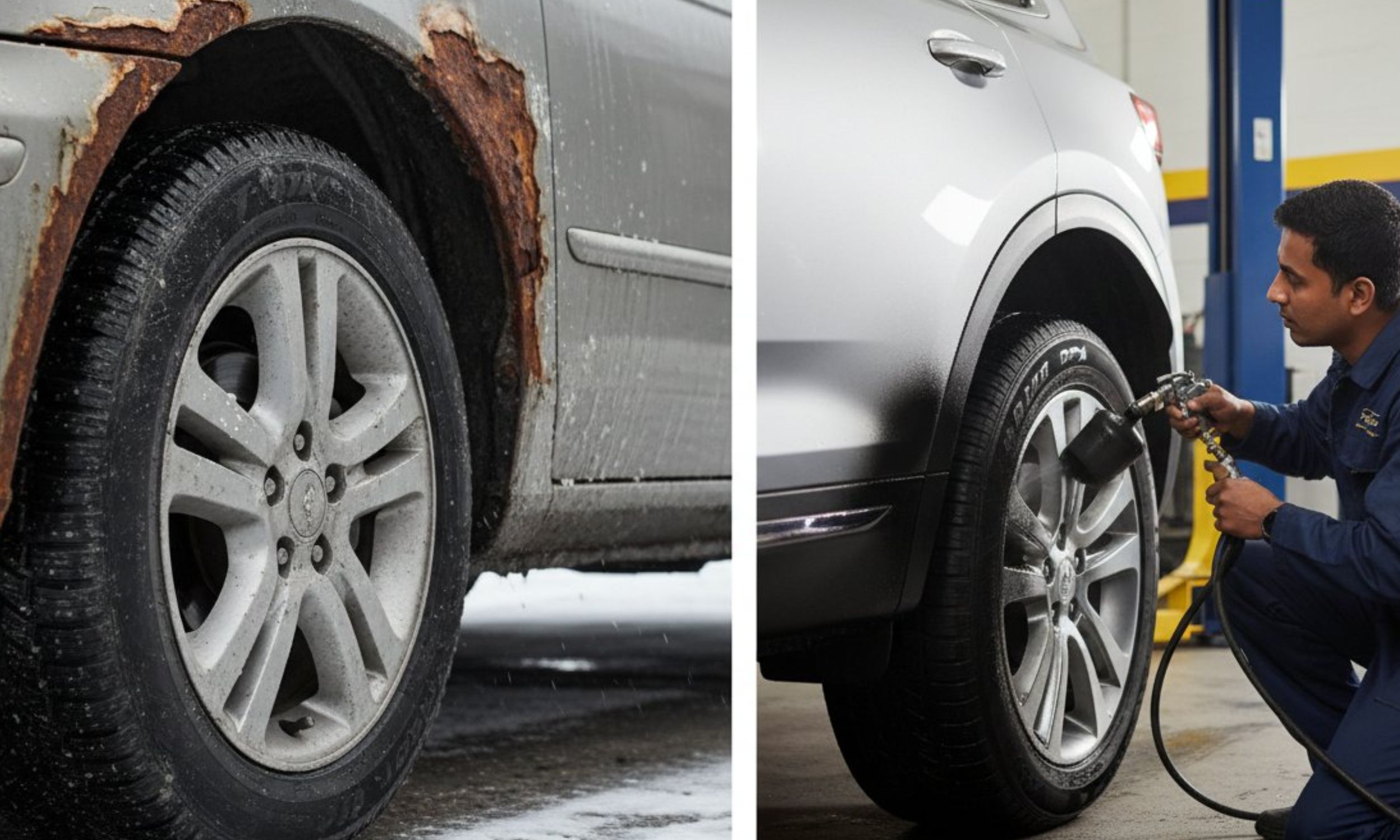
Here’s a question every new car owner asks at least once: should you pay extra for rustproofing, or is it just another dealership add-on designed to drain your wallet? You’re standing at the finance desk, the paperwork is in front of you, and someone is pitching you a shiny package promising to protect your investment for decades.
It sounds smart. It sounds responsible. But is it actually necessary, or are you being sold something your car already has? The truth sits somewhere in the middle, and it depends heavily on where you live, how you drive, and what kind of vehicle you just bought.
Modern manufacturing has changed the rust conversation entirely compared to a few decades ago, when body panels rotted out within a handful of winters. Today’s steel, coatings, and factory processes tell a different story. Still, that doesn’t mean the topic is settled.
This page breaks down what rustproofing really does, whether your new car needs it, and how to make a decision that actually fits your situation instead of a sales script.
What Rustproofing Actually Does to Your Car
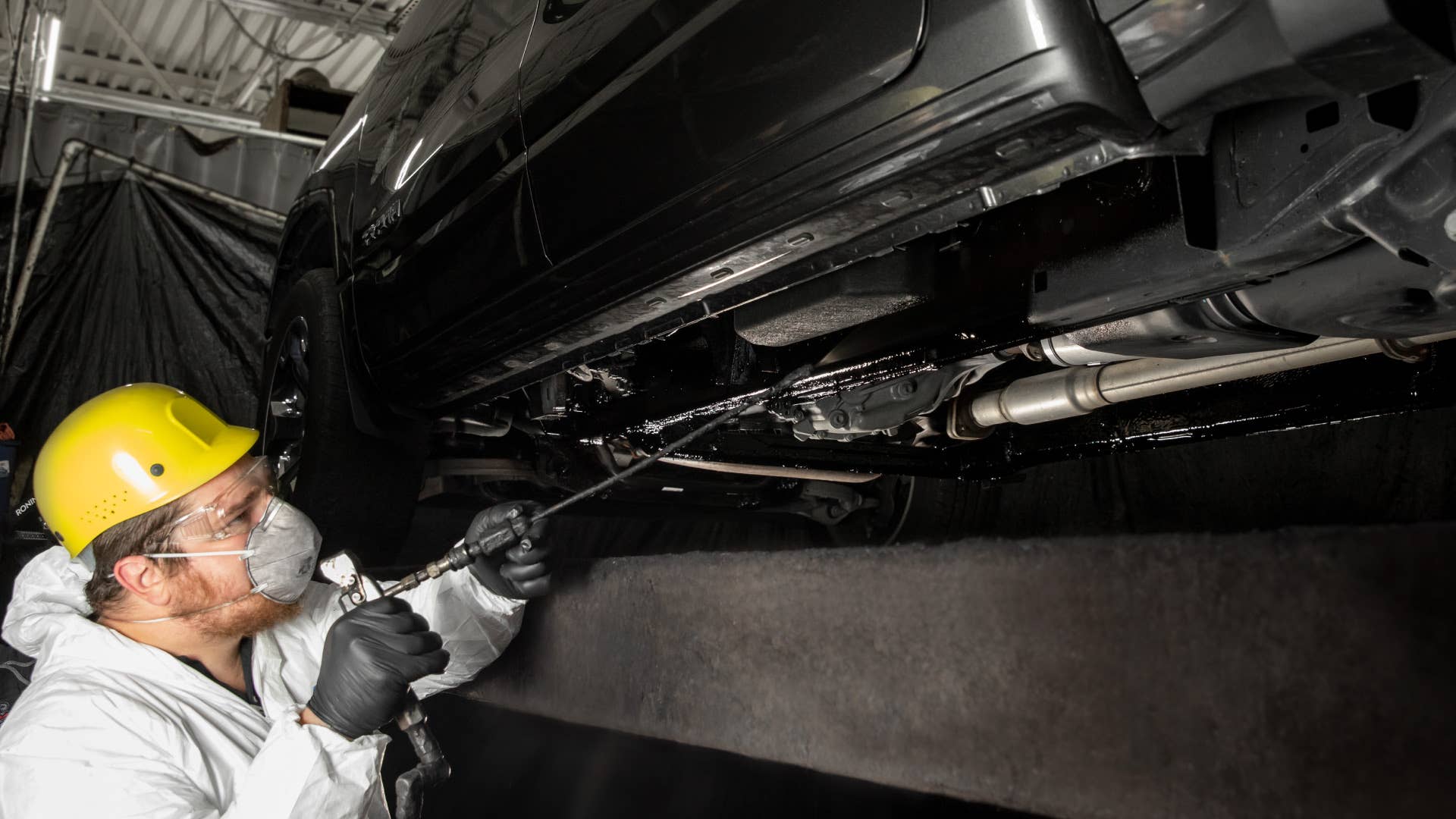
Rust forms when iron, water, and oxygen meet and react with one another, slowly eating away at bare metal. Road salt doesn’t create that reaction on its own, but it speeds it up dramatically, which is why cars in snowy regions age faster underneath than cars in dry climates. Rustproofing exists to interrupt that chemical process by placing a barrier between exposed metal and the elements.
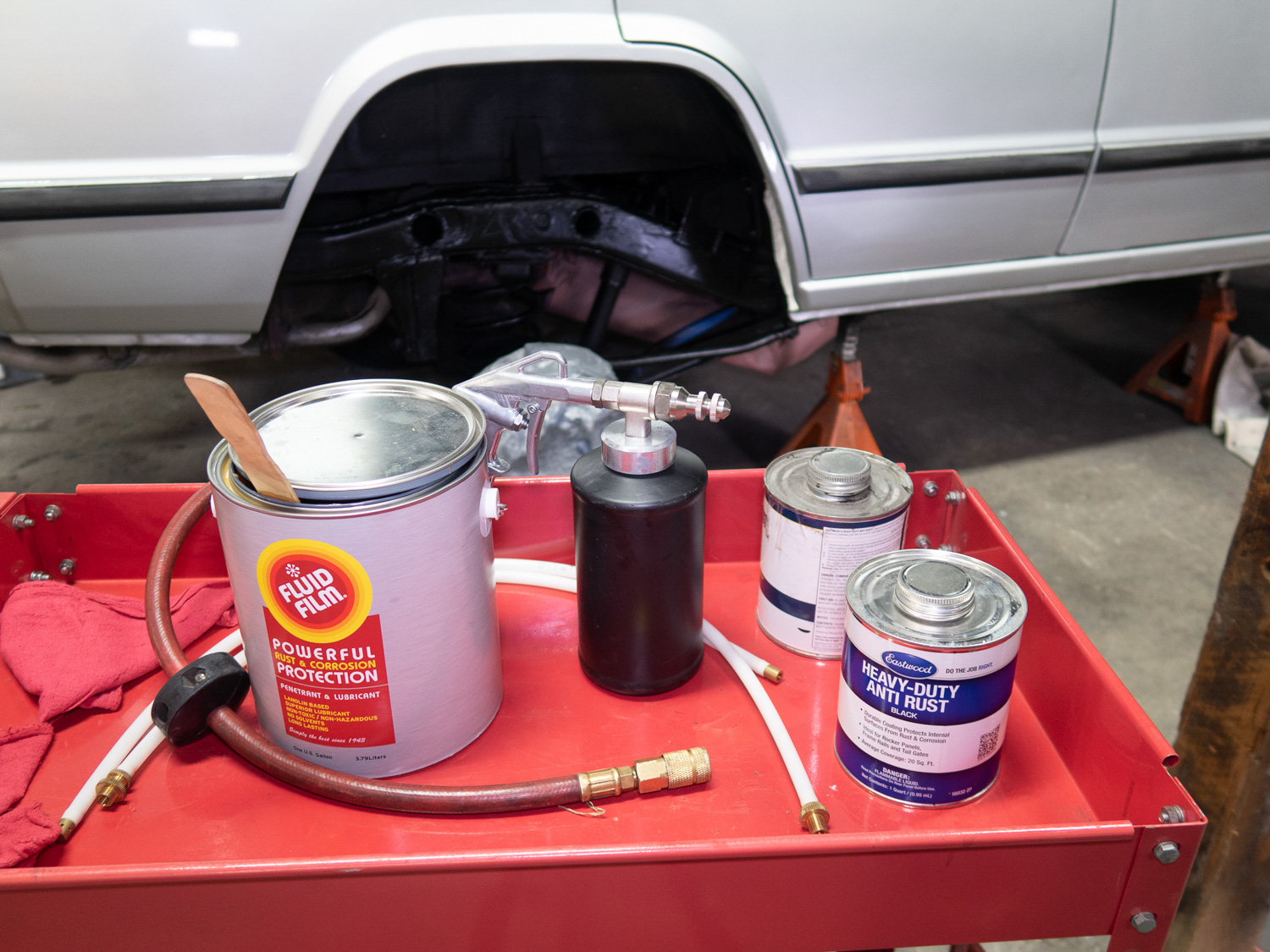
There are a few different approaches on the market, and they’re not interchangeable. Oil-based sprays penetrate seams, crevices, and hard-to-reach areas, creating a self-healing film that can seep into small scratches as time goes on. Undercoating, usually a rubberized or asphalt-based product, gets applied to the underside of the vehicle to shield it from stone chips, moisture, and road grime.
Electronic rust modules, which claim to send a low electrical charge through the body to prevent oxidation, remain controversial among mechanics and have far less consistent evidence behind them. Galvanization, meanwhile, isn’t something you buy aftermarket. It’s baked into the manufacturing process.
Steel gets coated in zinc before the car is even assembled, giving it a built-in defense mechanism that outlasts almost every add-on treatment sold at a dealership. This process became standard across most automakers by the late 1980s and remains one of the biggest reasons rust isn’t the epidemic it once was.
Knowing the difference matters because “rustproofing” isn’t one single product. Someone offering to rustproof your car could mean anything from a $30 can of spray to a $500 undercoating package. Ask specifically what’s being applied, where, and how often it needs to be redone, because vague answers usually signal a service riding on reputation rather than results.
Why New Cars Already Come With Built-In Protection
Automakers aren’t rustproofing your car out of generosity. They’re doing it because rust-related repairs under warranty cost them real money, and companies hate spending money they don’t have to. That financial incentive has pushed manufacturers to build corrosion resistance directly into the production process rather than leave it to third-party vendors after the sale.
Galvanized steel plays the biggest role here. Combined with e-coating, a process where the entire body shell gets dipped in a primer bath that reaches every nook and seam before paint goes on, today’s vehicles start life with a layered defense against corrosion. Most manufacturers back this up with rust-through warranties covering anywhere from five to twelve years, depending on the brand.
That warranty is worth paying attention to. If your automaker is confident enough to guarantee coverage against perforation for a decade, that tells you something about how seriously corrosion resistance gets treated on the assembly line. Paying for extra rustproofing on a car still fully covered under that kind of warranty can feel redundant, almost like buying a second umbrella when you already own a raincoat.
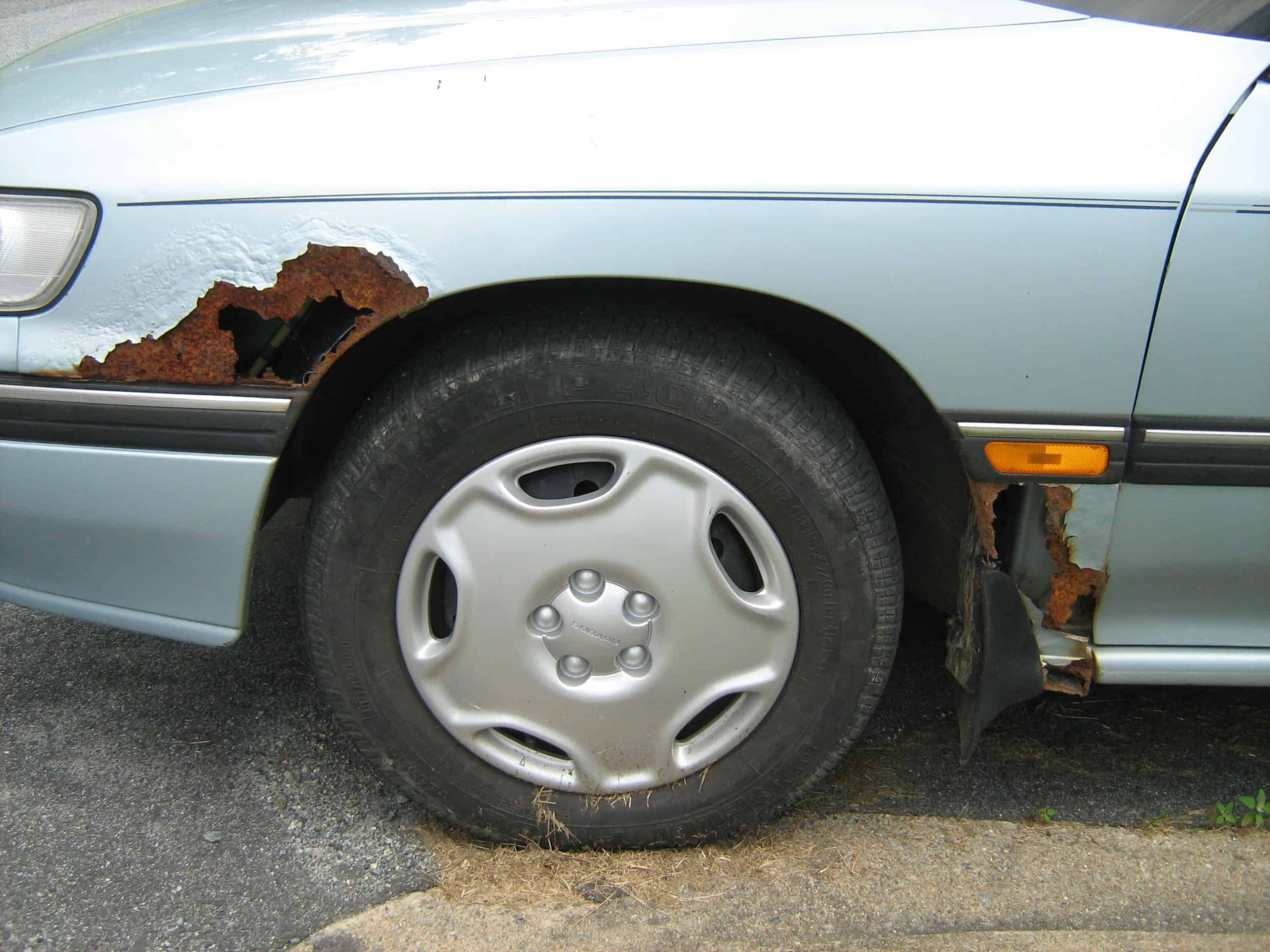
None of this means new cars are invincible. Warranty coverage typically applies only to rust-through from the inside out, not surface rust caused by stone chips, scratches, or accidental damage. A cracked coating from a rough gravel road or a shopping cart ding can expose bare metal just as easily on a brand-new SUV as on a fifteen-year-old sedan. Factory protection is strong, but it isn’t permanent, and it isn’t immune to physical damage.
So the built-in protection argument holds up well for the first several years of ownership, especially for buyers in milder climates. Where things get more complicated is what happens after that window closes, or after the factory coating gets compromised sooner than expected.
Also Read: 8 New Cars That Come With Two Years of Free Maintenance
When Aftermarket Rustproofing Actually Makes Sense
Climate changes everything in this discussion. If you live somewhere that sees heavy winter salting, coastal humidity, or long stretches of road covered in slush, your car faces a much harsher daily reality than one parked in a dry, temperate region. Owners in places like the Rust Belt, the Canadian prairies, or salt-heavy coastal towns often see corrosion issues that owners elsewhere never encounter in the vehicle’s entire lifespan.
A vehicle’s age and mileage also play an important role. Once a car reaches eight to ten years of service and is no longer covered by its factory warranty, its original rust protection has often been weakened by years of road debris, stone chips, and everyday exposure. Applying a new rustproofing treatment at that point helps restore the protection that has gradually worn away over time rather than adding an unnecessary extra layer.
Driving habits play a bigger role than most buyers assume. Frequent trips down gravel roads, off-road excursions, or regular exposure to standing water and mud can chip away at factory coatings faster than typical commuting ever would. If your daily routine looks more like a truck commercial than a suburban errand run, your undercarriage is absorbing far more punishment than the factory anticipated.
Resale plans factor in as well. Buyers shopping for used trucks and SUVs, particularly in colder markets, often specifically ask about rust history and undercoating records. A documented rustproofing routine can reassure a future buyer and occasionally support a slightly higher asking price, even if the financial return doesn’t always match the upfront cost dollar for dollar.
Vehicle type deserves a mention too. Trucks, work vehicles, and anything that regularly hauls cargo or tows trailers tend to see more stress and flex in the frame, which can create tiny cracks in factory coatings faster than a standard commuter car would experience. If your vehicle fits any of these categories, aftermarket rustproofing stops being an unnecessary upsell and starts becoming reasonable insurance against a genuine risk.
The Rustproofing Sales Pitch You Should Be Skeptical Of
Let’s be honest about how this product often gets sold. Dealership finance offices are notorious for bundling rustproofing into a pressure-filled moment, right when you’re signing paperwork, tired, and eager to drive off the lot. That environment isn’t designed for careful decision-making; it’s designed for quick yeses.
Consumer advocacy groups have flagged this practice for years, and plenty of reviewers have pointed out that dealership rustproofing packages frequently cost far more than the same service performed by an independent specialist. You’re often paying a premium simply for convenience and bundling, not for a superior product.
Then there’s the fine print. Some packages come with warranty language so restrictive that claims rarely get approved, requiring annual reinspections, specific documentation, or proof that you’ve followed maintenance steps most buyers never realize exist until it’s too late. A warranty that’s nearly impossible to use in practice isn’t much of a warranty at all.
Electronic rust prevention modules should be approached with caution. Independent tests and evaluations by automotive experts have found little consistent evidence that these devices provide meaningful corrosion protection. While some products make bold claims, the technology has yet to demonstrate reliable results under real-world conditions. Investing in proven rustproofing methods is generally a more practical choice than relying on a system whose effectiveness remains uncertain.
None of this means every rustproofing offer is a scam. Reputable independent shops that specialize in undercoating and cavity waxing, particularly in regions where corrosion is a genuine problem, often provide real value. The distinction comes down to who’s selling it, what exactly you’re getting, and whether the price reflects the service or the sales pressure surrounding it.
A little research before saying yes can save hundreds of dollars and prevent you from paying twice for something your car may not have even needed.
Also Read: 8 Cheapest New Cars in America Right Now
How to Decide What’s Right for Your Vehicle
Start by checking your factory warranty documentation. Find out exactly how many years and miles your rust-through coverage lasts, and read the fine print about what voids it. This single step tells you more about your actual need for extra protection than any dealership pitch ever will.
Think honestly about your climate and driving patterns. If you live somewhere with brutal winters and heavily salted roads, or you regularly drive through mud, gravel, or standing water, your risk profile looks completely different from that of someone in a dry, mild climate who mostly drives on clean pavement. Match your decision to your actual conditions, not a generic recommendation pulled from an online forum.
If you decide rustproofing makes sense, research independent specialists rather than accepting the first dealership offer. Ask what product they use, how long it lasts, whether reapplication is needed annually, and what their warranty actually covers if something goes wrong. Compare a few quotes before committing, since prices for similar services can vary widely between shops in the same city.
Regular maintenance matters just as much as any product you apply. Washing off road salt promptly, especially the undercarriage, during winter months goes a long way toward slowing corrosion regardless of whether you’ve paid for professional rustproofing. Inspecting your car periodically for chips, scratches, or exposed metal and touching them up quickly can prevent small issues from becoming expensive ones.
There isn’t a single correct answer that applies to every driver. A new car owner in a dry southern state with a strong factory warranty likely doesn’t need to spend extra money right away. A truck owner in a snowy northern region who plans to keep the vehicle for fifteen years has a much stronger case for investing in aftermarket protection.
Weigh your specific situation against the cost, and you’ll land on a choice that actually makes sense for your wallet and your car, rather than one shaped by whoever happened to be pitching you the hardest at the dealership.
