
For people who rely on hearing aids, noise inside a vehicle goes beyond simple irritation. Sounds from wind passing the mirrors, tyres rolling on the road, or a steady engine hum can interfere with how hearing aids process speech. When background noise becomes too strong, compression systems may react in ways that distort voices or produce sharp feedback. Simple conversations then turn into a struggle, especially during long drives at highway speed.
Many drivers experience the annoyance of unwanted cabin noise during their journeys. Raising the radio volume to drown out background sounds or repeatedly asking passengers to repeat themselves can become frustrating and tiring. With time, the constant effort required to block out distractions can make even short trips feel more demanding. A noisy vehicle interior affects more than comfort, as it can interfere with concentration, conversations, and the pleasure of driving.
The encouraging part is that car manufacturers have made quite progress in this area. Several modern vehicles now use laminated acoustic glass to reduce external sound before it enters the cabin. Others apply active noise control systems that counter unwanted frequencies through the audio setup. Improved insulation around wheel wells, doors, and the engine bay also plays a major role. These features are no longer limited to the most expensive models, as many mid-range vehicles now benefit from the same thinking.
This attention to sound control has made a real difference for hearing aid users. Lower cabin noise allows speech to remain clear and natural. Assistive devices work more accurately, without constant adjustment. Long journeys feel less tiring, even after hours on the road.
The vehicles highlighted next were selected because they maintain calm interiors under real driving conditions. Each one manages sound levels carefully, helping conversations stay easy and drives remain comfortable from start to finish.
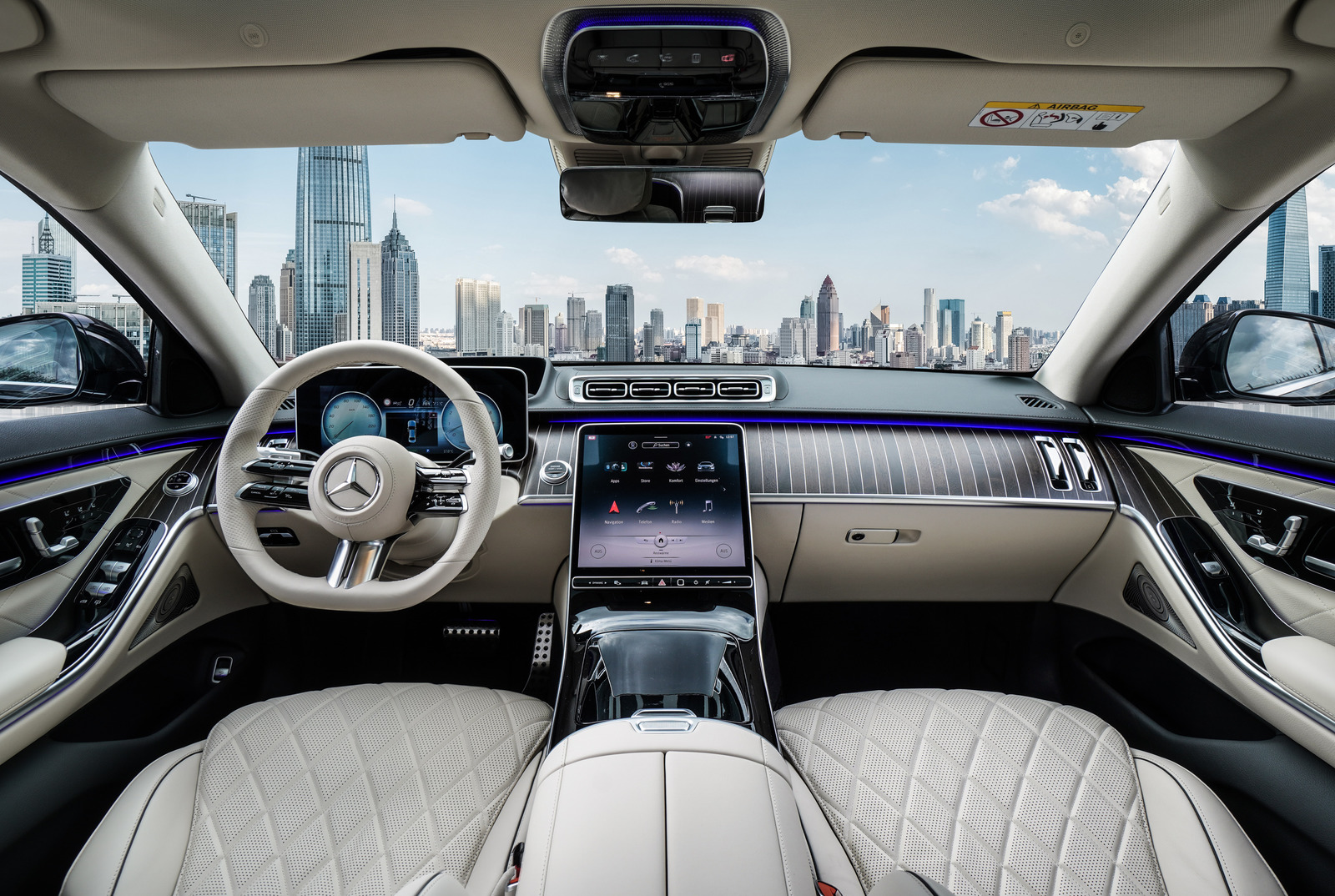
1. Mercedes-Benz S-Class (S 500)
- Engine: 3.0L Turbocharged Inline-6 Mild Hybrid
- Horsepower: 429 hp
- Torque: 384 lb-ft
- Size: 208.2″ L x 76.9″ W x 59.2″ H
There’s a reason the S-Class has been the benchmark for cabin hush for decades, and it isn’t accidental. Mercedes-Benz engineers treat sound isolation as its own discipline, separate from horsepower figures or luxury trim choices, and it shows the moment you close the door. That reassuring thunk isn’t just for show; it’s a signal that the cabin has been sealed against the outside world with real intention.
Dense felt linings packed into the body cavities do a lot of the heavy lifting here, absorbing vibration before it ever has the chance to travel into the passenger space. Combine that with multi-layer acoustic glass on the windshield and side windows, and wind noise at highway speeds becomes almost nonexistent. Testing authorities like Car Confections have repeatedly ranked the S-Class among the quietest gas-powered vehicles sold anywhere, a distinction that holds up trip after trip.
For someone wearing hearing aids, this kind of engineering matters more than most buyers realize. Harsh wind frequencies are exactly the kind of sound that trips up automatic compression settings, causing speech to sound muffled or oddly sharp. By removing those frequencies at the source, the S-Class keeps conversation natural whether you’re merging onto a freeway or cruising through a construction zone.
It isn’t a cheap car, and nobody would pretend otherwise. But for drivers who prioritize a calm, distraction-free cabin above nearly everything else, the S-Class remains one of the most dependable choices on the market, luxury badge aside.
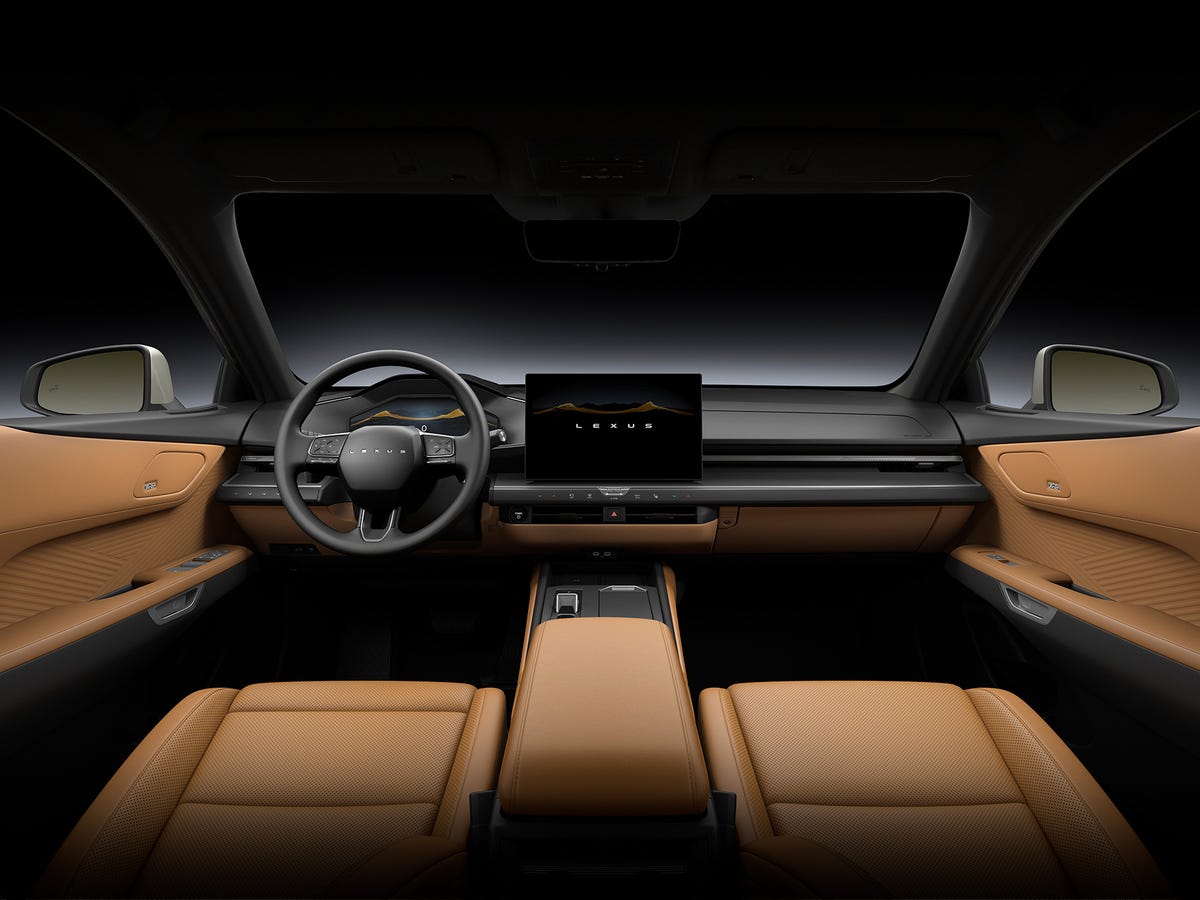
2. Lexus ES (ES 350)
- Engine: 3.5L Naturally Aspirated V6
- Horsepower: 302 hp
- Torque: 267 lb-ft
- Size: 195.9″ L x 73.4″ W x 56.9″ H
A calm cabin does not always require paying premium flagship prices, and this is where the Lexus ES fits neatly. Lexus designed this sedan to deliver the same sense of interior calm found in its more expensive models, while keeping ownership within reach for buyers who value comfort without excess spending. The result is a car that feels carefully considered rather than stripped down.
One of the Lexus ES’s most carefully engineered details can be found in an unexpected place: the wheels. Lexus designed its alloy wheels with integrated resonators that help address tyre noise at its origin. By reducing the vibrations and sound generated as the tyres make contact with the road, these resonators help prevent unwanted noise from reaching the cabin. Rather than relying only on additional insulation to manage sound after it enters the vehicle, the ES takes a proactive approach by limiting the noise from the beginning. This creates a quieter cabin while maintaining a refined and efficient design.
This design choice works well with the ES’s naturally aspirated V6 engine. Unlike smaller turbocharged engines, this V6 delivers power in a smooth and steady manner. Acceleration feels relaxed, and there is no high-pitched turbo sound or vibration creeping into the cabin. Whether moving through city traffic or settling into highway speeds, the car maintains a composed character that suits long journeys.
For people who use hearing aids, constant tyre hum can be tiring because it never fully fades. By limiting that sound before it reaches the cabin, the ES reduces listening fatigue and allows conversations to remain clear. Drivers and passengers spend less effort trying to separate voices from background noise.
The Lexus ES shows that careful engineering choices can produce a refined driving environment without pushing buyers into luxury price extremes. It delivers comfort, calm, and everyday usability in a way that feels well-judged and sensible.
Also Read: 8 Cars Leaving Showrooms After the 2027 Model Year
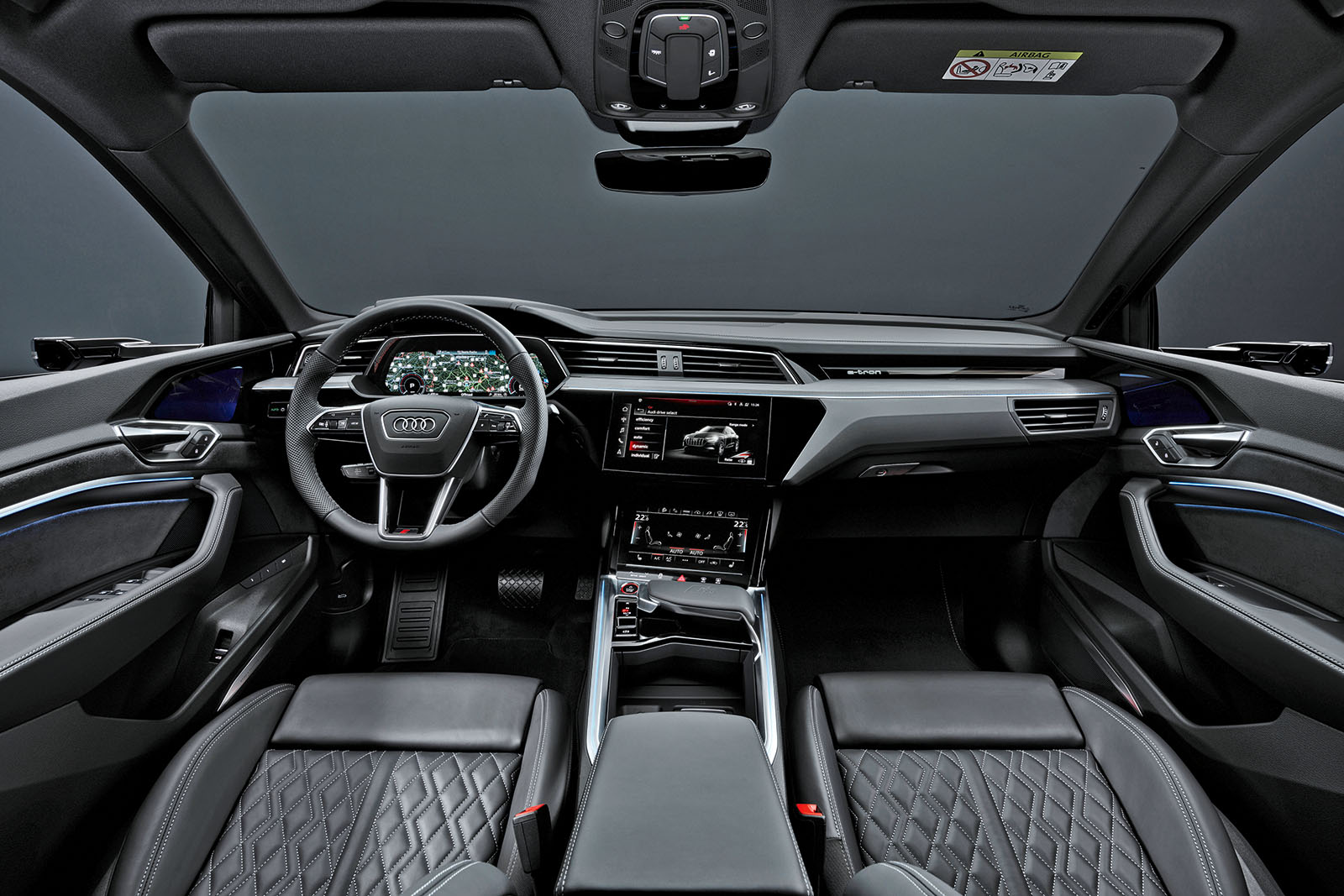
3. Audi Q8 e-tron
- Engine: Dual Electric Motors (95-kWh gross battery pack)
- Horsepower: 355 hp
- Torque: 414 lb-ft
- Size: 193.5″ L x 76.3″ W x 65.5″ H
Electric vehicles have a built-in advantage here, and the Q8 e-tron takes full advantage of it. Remove the combustion engine, and you remove an entire category of mechanical vibration and exhaust drone that gas-powered vehicles simply can’t avoid. That’s not a small thing. Idling at a stoplight, most gas engines produce a low hum that hearing aids pick up and try to compensate for, adding a layer of background static to every conversation. The Q8 e-tron skips that problem.
Audi didn’t stop at removing the engine, though. Engineers added heavy sound-deadening textiles beneath the floorboards specifically to muffle low-frequency tire vibrations, particularly the kind that show up on rougher asphalt surfaces. That’s a detail easy to overlook until you’re driving over a patchy stretch of highway and realize the cabin still feels calm instead of buzzy.
Dual electric motors deliver 355 horsepower and 414 lb-ft of torque, numbers that suggest quick, confident acceleration, and they deliver it without the mechanical noise typically associated with that kind of output. Acceleration in the Q8 e-tron feels closer to gliding than pushing, which matters for anyone sensitive to sudden changes in cabin sound.
For drivers with hearing aids, that combination, no engine noise plus dampened floor vibration, adds up to one of the calmest driving experiences currently available. Conversations stay clear whether you’re idling in traffic or cruising at 70 miles per hour, and that consistency is exactly what makes this vehicle stand out on this list.
4. BMW X7 (40i)
- Engine: 3.0L Turbocharged Inline-6
- Horsepower: 375 hp
- Torque: 398 lb-ft
- Size: 203.9″ L x 78.7″ W x 72.2″ H
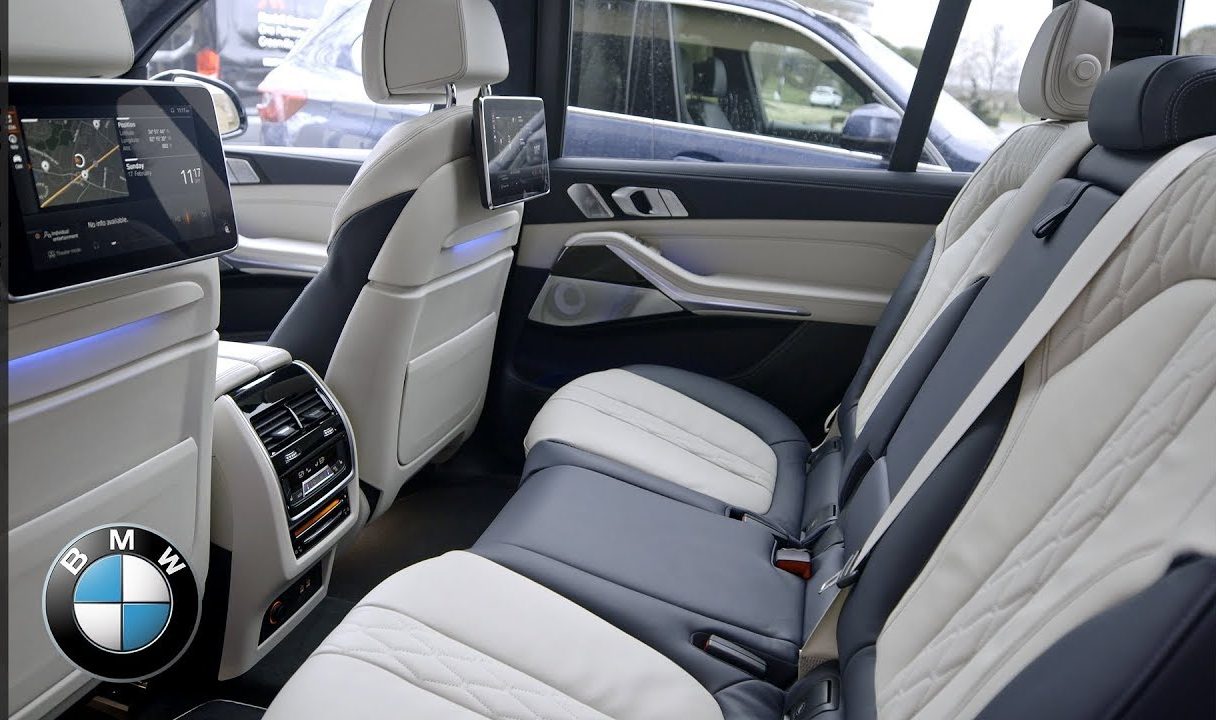
Large SUVs are often expected to come with heavy wind noise, simply because of their size and shape. With the BMW X7, that assumption does not hold up. Despite its wide body and three-row layout, the cabin remains calm at speed. A major reason lies in the door design. BMW used triple door seals instead of a single barrier, creating layered protection that blocks wind before it ever reaches the interior. This setup also maintains performance as the vehicle ages, rather than relying on one seal that can lose effectiveness.
Attention was also paid to areas many drivers overlook, especially the side mirrors. Mirrors with poor shaping disturb airflow, sending turbulent air directly toward the front windows. That turbulence produces sharp wind sounds that can be uncomfortable, especially for people using hearing aids. BMW reshaped the X7’s mirrors to guide air smoothly around the vehicle. The result is a measured cabin noise level of about 51.3 decibels at cruising speed, a figure more commonly linked with smaller cars.
What stands out is how evenly that quiet is shared throughout the cabin. In many large SUVs, noise increases toward the back seats due to weaker insulation near the rear wheels and cargo area. BMW approached the X7 differently, applying sound control measures across all three rows. Passengers in the second and third rows experience nearly the same calm environment as those in front.
Under the bonnet sits a 3.0-litre turbocharged inline-six engine producing 375 horsepower and 398 lb-ft of torque. Power delivery feels smooth and confident, without the steady engine hum that can spoil an otherwise quiet ride. For families needing generous space without giving up interior comfort, the X7 shows how thoughtful engineering can make a large vehicle feel relaxed on long journeys.
5. Genesis G80
- Engine: 2.5L Turbocharged Inline-4
- Horsepower: 300 hp
- Torque: 311 lb-ft
- Size: 197.0″ L x 75.8″ W x 57.7″ H
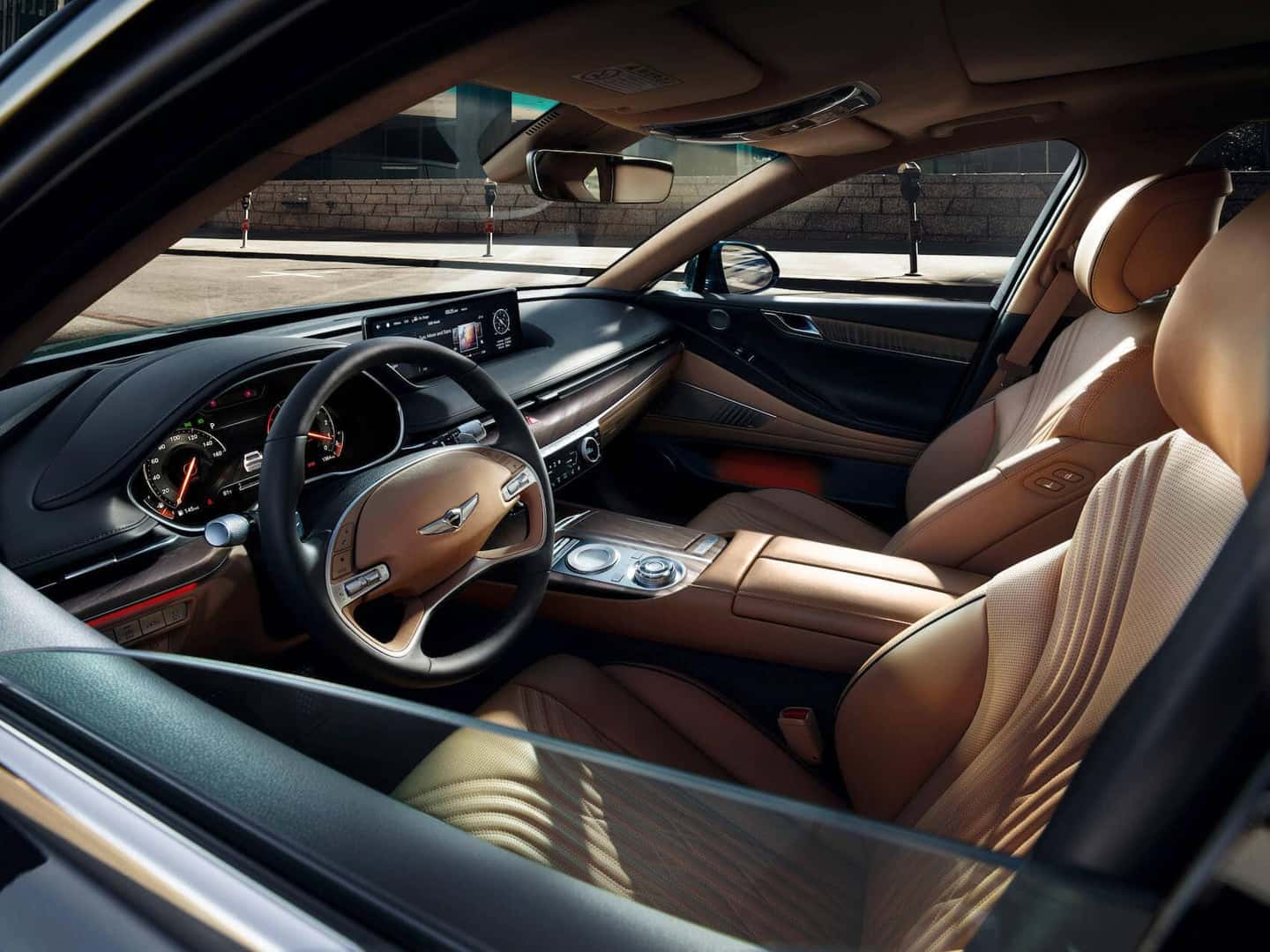
Here’s a fact that might surprise you: Genesis, a brand many drivers still associate primarily with value, builds one of the most acoustically sophisticated cabins on this entire list. The G80 comes standard with dual-pane acoustic glass across the front windshield and every side window, a feature some competitors reserve for pricier trims or optional packages. Genesis simply includes it from the start.
Physical glass barriers only solve part of the puzzle, so Genesis engineers added an active layer on top of it. The G80’s Active Noise Control system fires inverse sound waves through the vehicle’s subwoofers, a technique that works similarly to noise-canceling headphones, continuously and automatically muting incoming road roar before it reaches your ears. It’s a subtle piece of engineering, working quietly in the background rather than announcing itself, and that’s exactly the point.
For a driver wearing hearing aids, this two-layer defense makes a real difference. Dual-pane glass handles wind noise and general ambient sound, while active noise control specifically targets the low-frequency road roar that tends to be the most persistent irritant on long highway stretches. Together, they create a cabin environment where speech doesn’t have to compete with background drone, which means hearing aid compression settings aren’t constantly adjusting to compensate.
Under the hood, a 2.5L turbocharged inline-4 produces a smooth, confident 300 horsepower without introducing unwanted vibration into that carefully isolated cabin. Combined with the G80’s genuinely upscale interior finish, this is a sedan that delivers a hushed ride without asking buyers to pay flagship German prices to get it.
6. Toyota Grand Highlander Hybrid
- Engine: 2.5L 4-Cylinder Hybrid
- Horsepower: 245 hp
- Torque: 177 lb-ft (gas engine) / 199 lb-ft (electric motor)
- Size: 201.4″ L x 78.3″ W x 70.1″ H
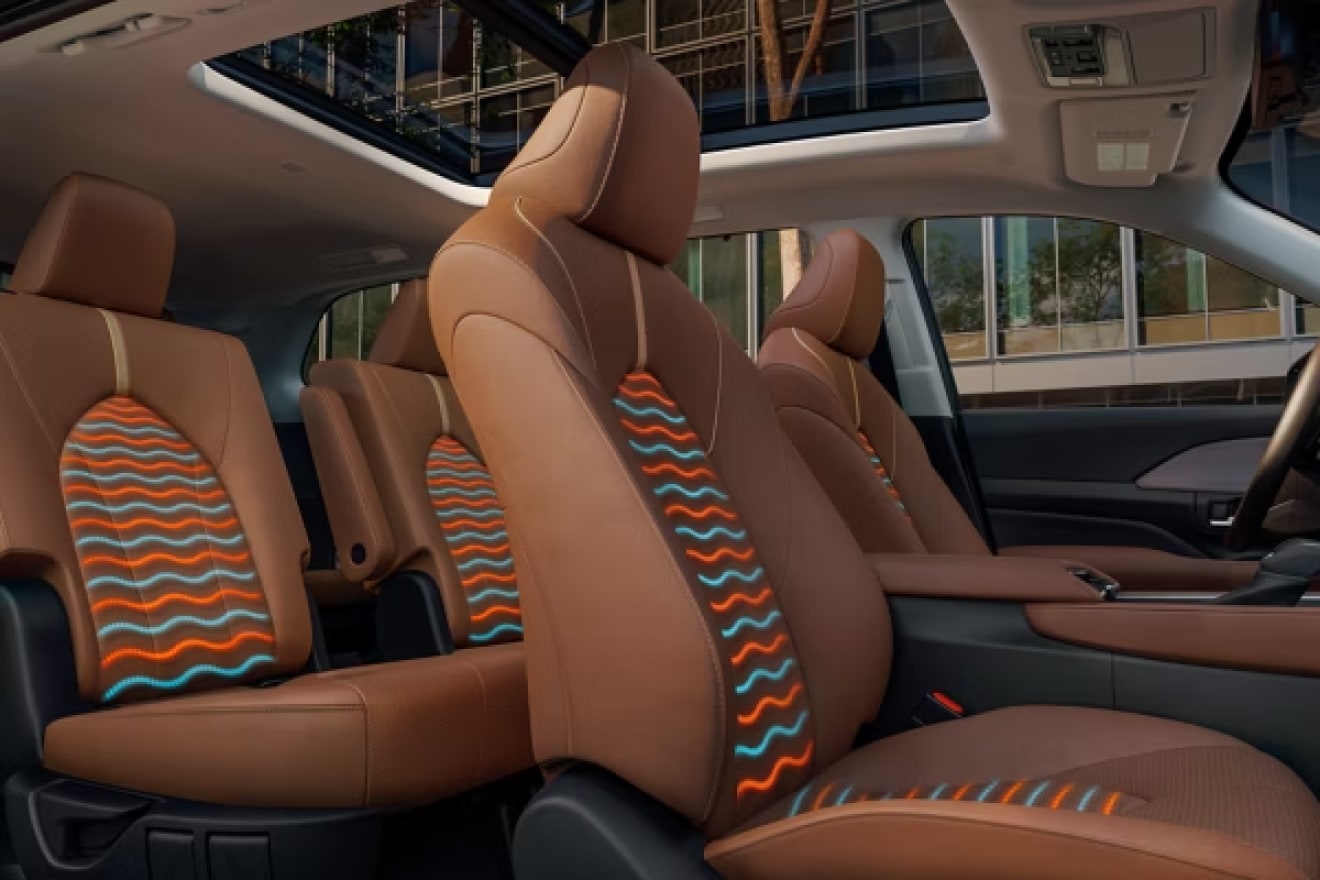
Family SUVs don’t usually make headlines for cabin hush, but the Grand Highlander Hybrid deserves an exception. Independent sound meter testing put this three-row hybrid at a genuinely impressive 51.2 dB at highway cruising speed, a number that would raise eyebrows even among dedicated luxury sedans, let alone a vehicle built primarily to haul kids, groceries, and camping gear.
Toyota achieved that quiet ride through a combination that sounds simple on paper but requires real precision to execute well. An acoustic windshield forms the first line of defense against wind noise, while structural sound baffles hidden behind the interior door cards handle vibration that would otherwise travel through the body panels and into the cabin.
Neither feature is flashy or visible to a shopper walking the lot, which is probably why the Grand Highlander’s quiet cabin remains something of an undersold secret. The hybrid powertrain adds its own benefit here. Because the electric motor handles a share of the workload, particularly during lower-speed driving and initial acceleration, the gas engine doesn’t have to work as hard or as constantly, which cuts down on the kind of engine drone that fatigues hearing aid wearers on long trips.
Around town, the Grand Highlander often runs primarily on electric power, producing almost no cabin noise at all. For families managing a hearing aid user in the third row, that consistency matters as much as the technology itself. A quiet cabin up front doesn’t help much if the back row is a different story, and Toyota’s insulation choices keep noise levels steady no matter where passengers happen to be sitting.
7. Lexus RX (RX 350)
- Engine: 2.4L Turbocharged Inline-4
- Horsepower: 275 hp
- Torque: 317 lb-ft
- Size: 192.5″ L x 75.6″ W x 67.3″ H
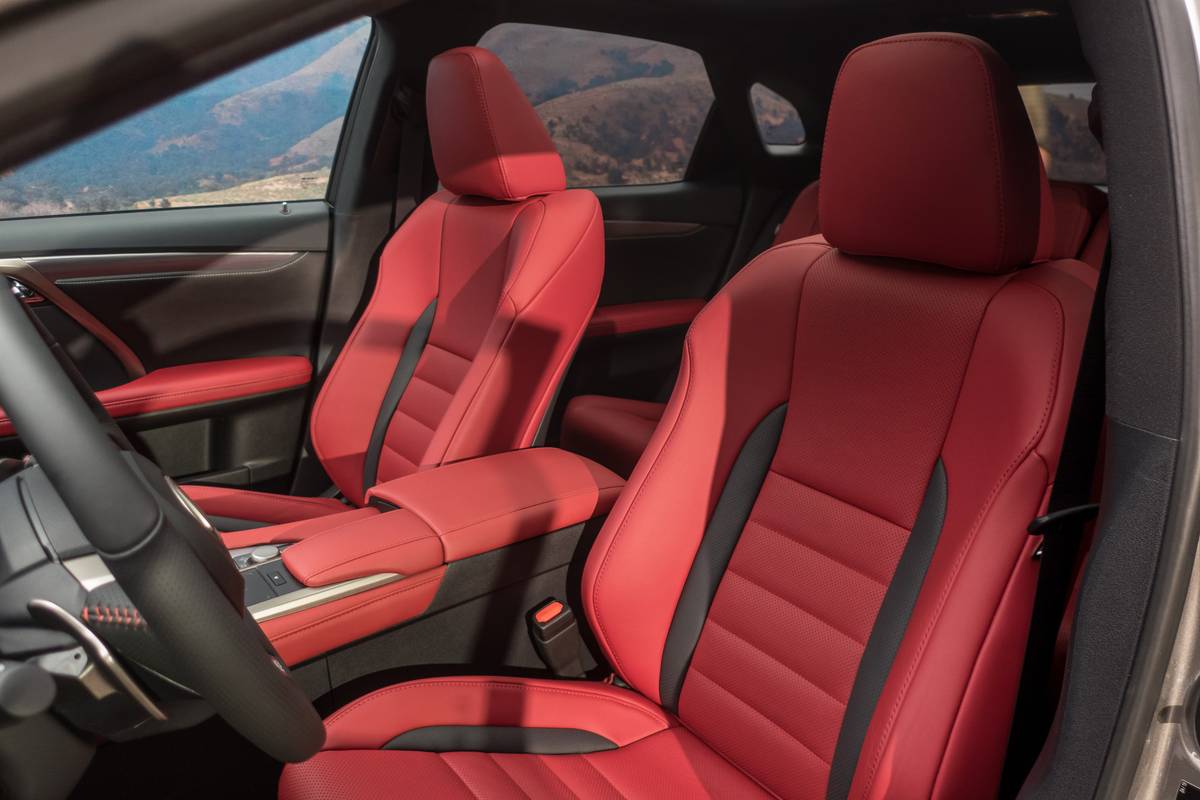
Noise inside a vehicle does not always come from the obvious places like tyres or rushing air around the mirrors. In many cases, the source is the vehicle’s body itself. As a car moves over uneven roads or takes corners, the frame experiences small amounts of flex. This movement can create low-frequency vibrations that travel into the cabin. These sounds often appear as a deep, hollow boom, which can be especially uncomfortable for people who use hearing aids designed to focus on clear speech.
With the Lexus RX 350, this issue was addressed at a structural level. Lexus strengthened the body to reduce the kind of twisting that allows vibrations to build up inside the cabin. Information shared by Lexus of Freehold explains that this reinforcement limits low-frequency panel movement before it turns into interior resonance. It is a solution aimed at a subtle problem, one that is easy to miss because it does not come from a single faulty component.
This body design works well alongside the RX 350’s turbocharged 2.4-litre four-cylinder engine. Smaller engines can sometimes send more noticeable vibration through the vehicle, especially during acceleration. In this case, the reinforced chassis absorbs much of that energy early, preventing it from reaching the passenger space. The result is a drive that remains calm and controlled, even when the engine is working harder.
For drivers who rely on hearing aids, the benefit is immediate and practical. The cabin avoids that deep, echo-like sound on rough roads or during sharper turns. Conversations remain easy to follow, whether on smooth highways or uneven local roads. This level of consistency is what makes the RX 350 a sensible option for anyone who values a quiet, steady interior across different driving conditions.
Also Read: 8 Cars Assembled in the U.S. Despite Foreign Badges
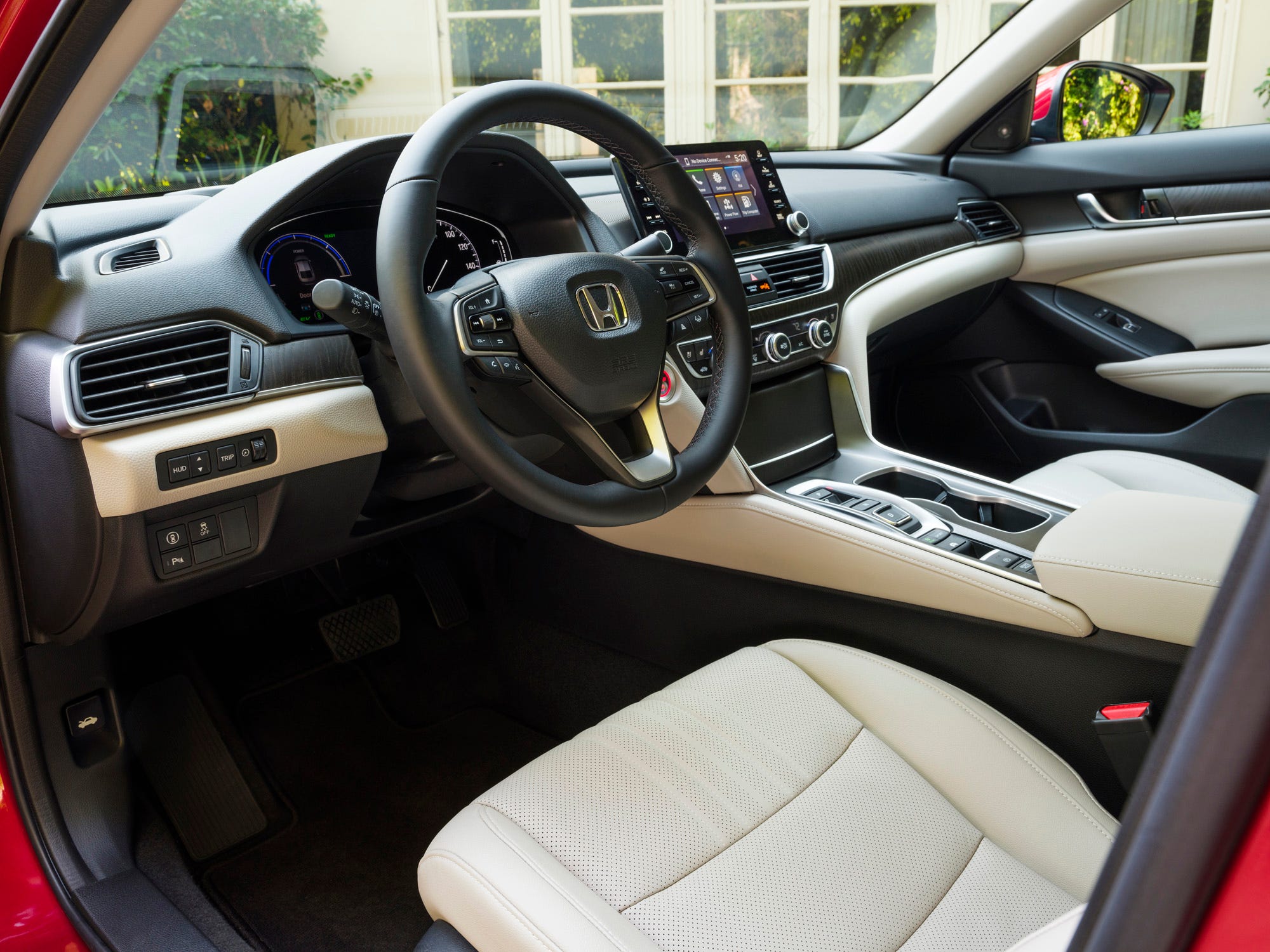
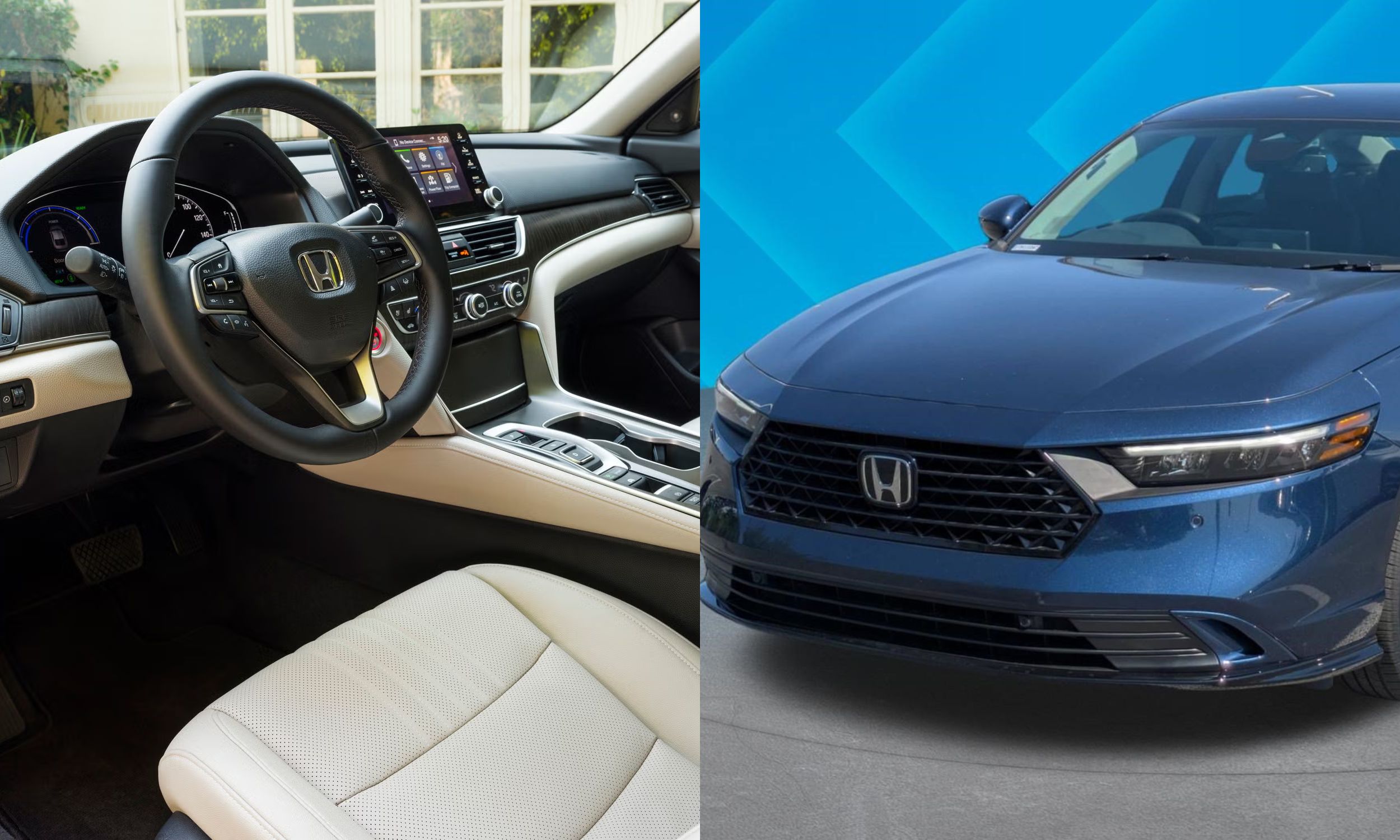
8. Honda Accord (EX-L Hybrid / Touring)
- Engine: 2.0L 4-Cylinder Hybrid
- Horsepower: 204 hp
- Torque: 247 lb-ft
- Size: 195.7″ L x 73.2″ W x 57.1″ H
Anyone who remembers older Accords might be surprised by how far this car has come. Previous generations had a reputation for letting more road and engine noise into the cabin than competitors in the same price range, but Honda clearly took that criticism seriously, because the current upper-trim Accord models tell a different story entirely.
The ES also uses Active Noise Cancellation technology integrated into its infotainment audio system to help maintain a peaceful cabin environment. Ceiling-mounted microphones constantly detect low-frequency sounds from the engine and exhaust system, allowing the system to produce opposing sound waves through the speakers that reduce these unwanted noises in real time. Using a similar concept to noise-canceling headphones, this technology works throughout the vehicle to create a quieter driving experience. The process happens seamlessly in the background, allowing drivers to simply enjoy the calm and refined atmosphere inside the cabin.
That technology pairs well with the Accord’s 2.0L hybrid powertrain, which already runs smoother and quieter than a comparable gas-only engine thanks to the electric motor sharing the workload. Combine a naturally quieter drivetrain with active software cancellation, and you get a midsize sedan that punches well above its price point when it comes to cabin peace.
For hearing aid wearers on a moderate budget, this matters quite a bit. Many of the vehicles on this list carry luxury price tags, but the Accord proves that active noise cancellation technology has trickled down to mainstream, accessible price points. Clear conversation, minimal engine drone, and a composed ride are no longer features exclusive to premium badges, and the Accord stands as solid proof of exactly that.
