
Motorcycle theft is a real worry for riders across the country. Every year, thousands of bikes disappear from driveways, garages, and parking lots. Yet not every motorcycle is an equal target for thieves.
Some models are simply harder to steal or resell. Others carry advanced anti-theft technology built right into the ignition. Many are also less desirable on the black market because their parts don’t move quickly.
Adventure tourers, heavyweight cruisers, and premium touring bikes tend to top this list. They are bulkier, harder to lift into a van, and often loaded with immobilizers and GPS tracking. Sport bikes, by contrast, remain the most frequently stolen because of their light weight and high resale value for parts.
This list highlights ten motorcycles that consistently show lower theft numbers. The reasons vary from engine security systems to sheer size and weight. Some are simply too specialized to attract casual thieves.
Understanding why these bikes stay safer can help you make smarter choices. It can also guide you toward better security habits for your own ride. Let’s look at each one in detail.
1. Honda Gold Wing
The Honda Gold Wing is a full-dress touring machine. It weighs close to 800 pounds fully loaded. That weight alone discourages most thieves. Lifting or wheeling away a Gold Wing without power is nearly impossible.
Honda also equips the Gold Wing with a sophisticated immobilizer system. The ignition uses an encrypted chip key that resists hot-wiring attempts. Owners of Gold Wings tend to be older and more security-conscious. Many invest in garage storage and disc locks as standard practice.
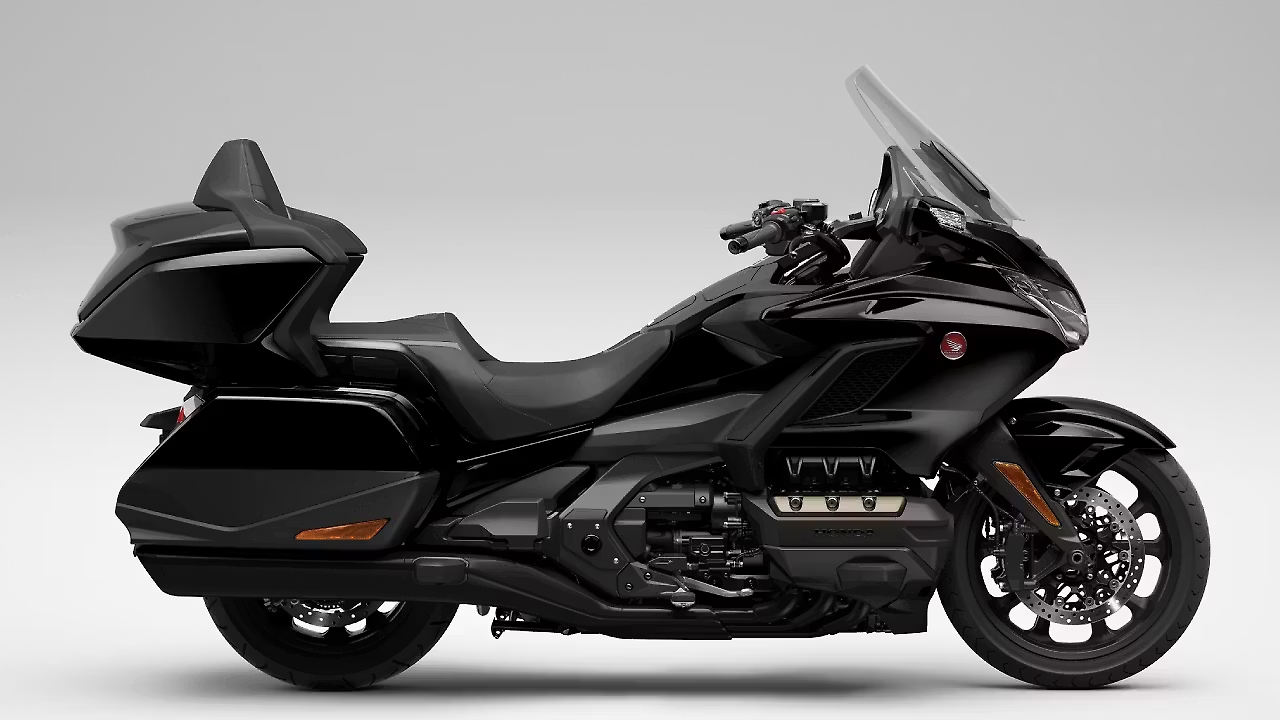
The bike’s resale parts market is also smaller than that of sport bikes. Fewer chop shops want Gold Wing components because demand is limited. Its size makes it hard to conceal during a getaway. Thieves generally prefer bikes that they can move quickly and quietly.
Insurance data consistently shows luxury tourers like the Gold Wing near the bottom of theft charts. This reflects both its physical bulk and its buyer demographic. Many Gold Wings also come fitted with keyless ignition systems now. These add another layer of difficulty for anyone attempting to steal one.
The bike’s price point also limits casual joyriding attempts. Most thieves target vehicles they can flip fast for cash. The combination of weight, security tech, and niche appeal keeps Gold Wings off most theft lists.
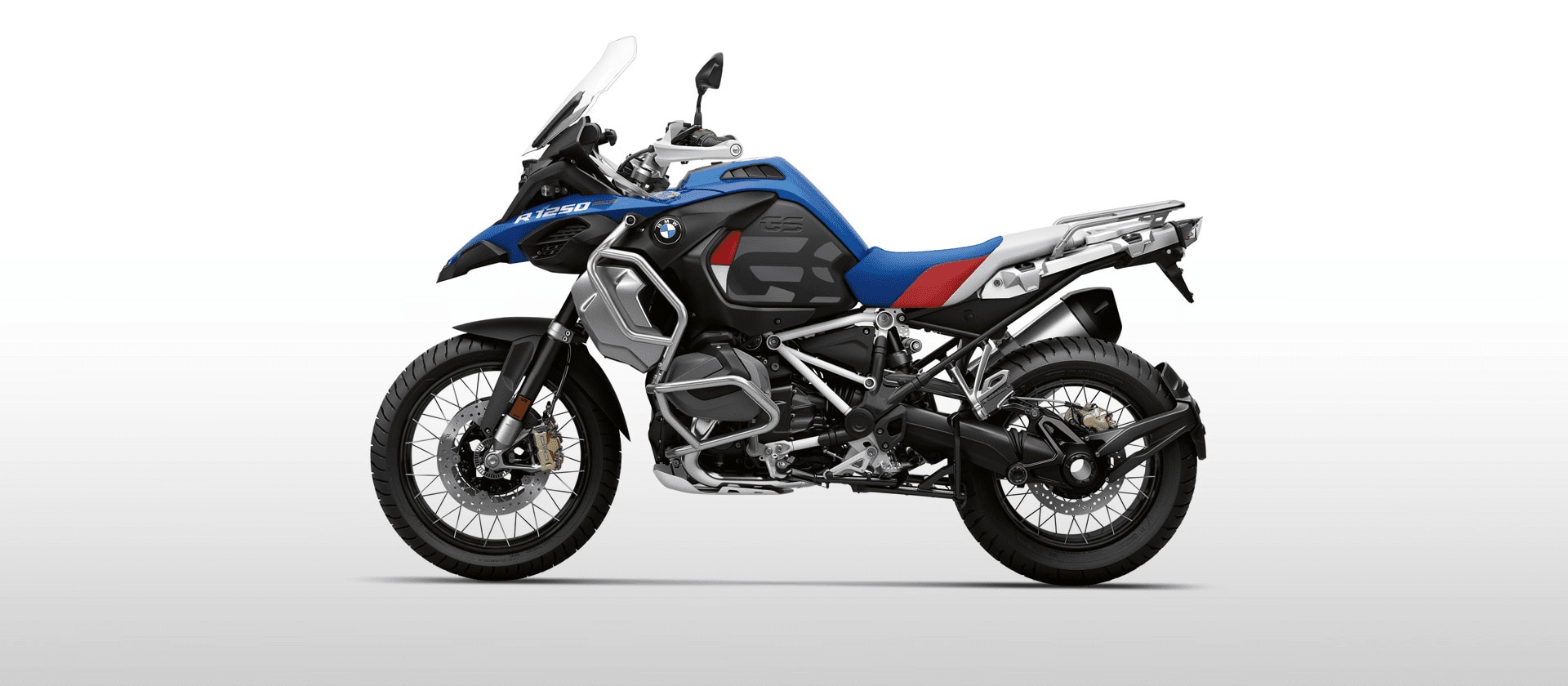
2. BMW R 1250 GS
The BMW R 1250 GS is one of the most popular adventure motorcycles globally. While its high value might suggest it would be a prime target, it is often notably absent from the top of theft statistics. This relative safety is driven by a combination of sophisticated factory technology, physical characteristics, and community behavior.
From a technical standpoint, BMW equips the R 1250 GS with a standard keyless ignition system, eliminating the traditional key slot that thieves often manipulate.
This is complemented by an advanced electronic immobilizer linked to the owner’s fob; without the correct proximity signal, the engine remains disabled.
Furthermore, the bike’s tall seat height and substantial weight make it physically awkward to push or load into a van quickly, which discourages opportunistic “grab-and-go” theft.
Market factors also play a significant role. The GS utilizes specialized, high-end components that are not easily interchangeable with other motorcycles, significantly reducing the bike’s appeal to organized chop shops looking for quick parts turnover. Additionally, BMW’s robust dealer network tracks service history, making it difficult to resell stolen units through official channels.
Beyond the machine itself, the BMW owner demographic often prioritizes security, frequently utilizing aftermarket disc locks, alarms, and secure garage storage rather than street parking.
Finally, the “GS” global cult following creates a highly vigilant network; if a bike is stolen, the community often uses forums and social media to spread alerts rapidly, complicating any attempt to move the bike undetected. While no motorcycle is immune to theft, these layers of protection make the R 1250 GS a less attractive target.
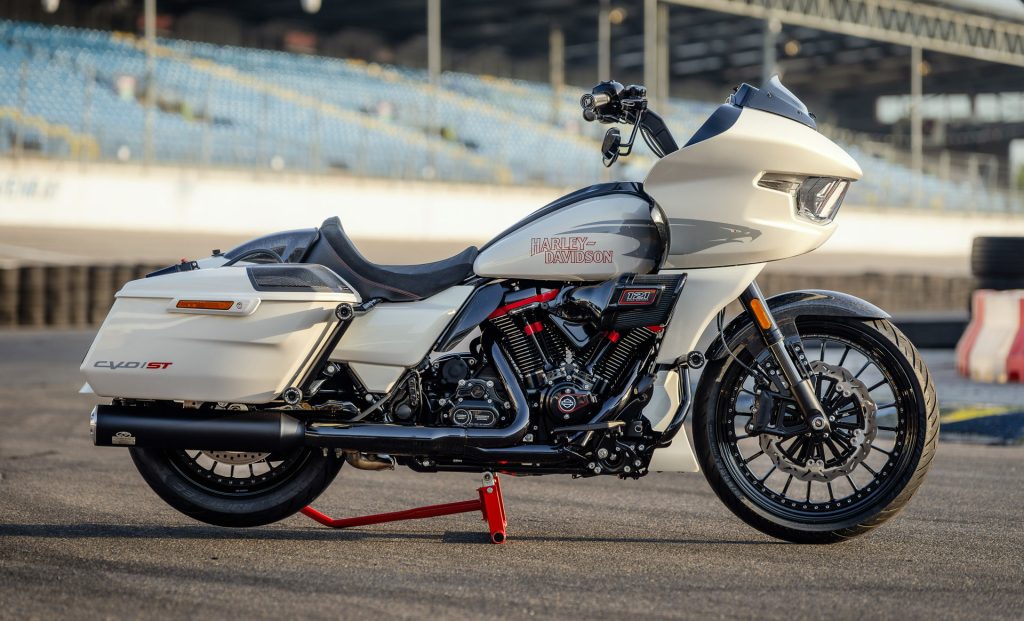
3. Harley-Davidson Road Glide
The Harley-Davidson Road Glide is a full touring cruiser. It’s built heavy, wide, and long. This size makes it extremely difficult to physically remove. Thieves can’t simply carry it away.
Harley-Davidson equips modern Road Glides with a Smart Security System. This includes a hands-free fob and engine immobilizer. The system disables the ignition, starter, and fuel supply. It can also be paired with alarm siren tech.
Road Glide owners typically buy comprehensive insurance policies, too. Many also register with Harley’s HDMC anti-theft network. The bike’s identity is deeply tied to its VIN-stamped components. Reselling stolen Harley parts is risky due to strict tracking.
Owners often form tight-knit riding clubs as well. These groups keep an eye on each other’s bikes at rallies. Chrome and custom parts on Road Glides are also highly specific. Stolen components don’t fit easily onto other models.
Because of its price tag, most buyers are financially stable. This means better home security and covered parking too. All these factors combine to make Road Glides a rare theft target nationally.
4. Triumph Tiger 1200
The Triumph Tiger 1200 is a premium adventure-touring motorcycle. It shares many security traits with its German rivals. Triumph uses keyless ignition across its range now. The Tiger 1200 requires proximity-based key fobs to start.
This makes traditional hot-wiring virtually impossible. Thieves need specialized electronic tools to bypass it. The bike is also fitted with a factory immobilizer chip. Without matching authentication, the engine control unit locks down.
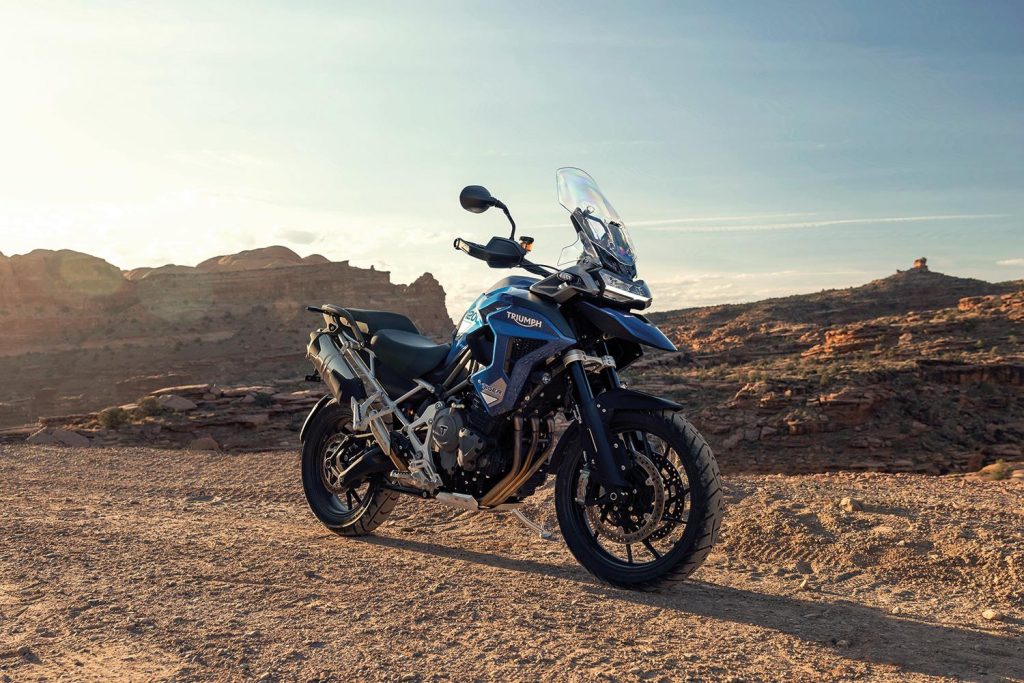
Tiger 1200 buyers tend to be experienced, older riders. This demographic invests more in security measures. The bike’s weight and tall seat height also deter quick theft. It’s not an easy machine to push away silently.
Triumph’s UK-based supply chain also means parts aren’t as universally available in stolen goods markets. This limits resale demand. Owners often join Triumph riding clubs and forums. These communities actively share theft alerts and recovery tips.
Many Tiger 1200 owners also use tracking devices like GPS tags. This adds real-time recovery capability if theft occurs. Combined, these factors keep the Tiger 1200 well below average theft rates.
Also Read: What Does It Cost to Replace a Hybrid Inverter? Explained
5. Suzuki V-Strom 1050
The Suzuki V-Strom 1050 is a mid-premium adventure bike. It doesn’t carry the same theft appeal as sportier Suzuki models. Suzuki’s GSX-R sport bikes dominate theft statistics instead. The V-Strom’s touring focus makes it less attractive to thieves.
Its parts don’t overlap much with high-demand sport bike components. This limits its value on the black market. The V-Strom also comes with a standard immobilizer key system. This isn’t as advanced as keyless systems, but it still adds friction.
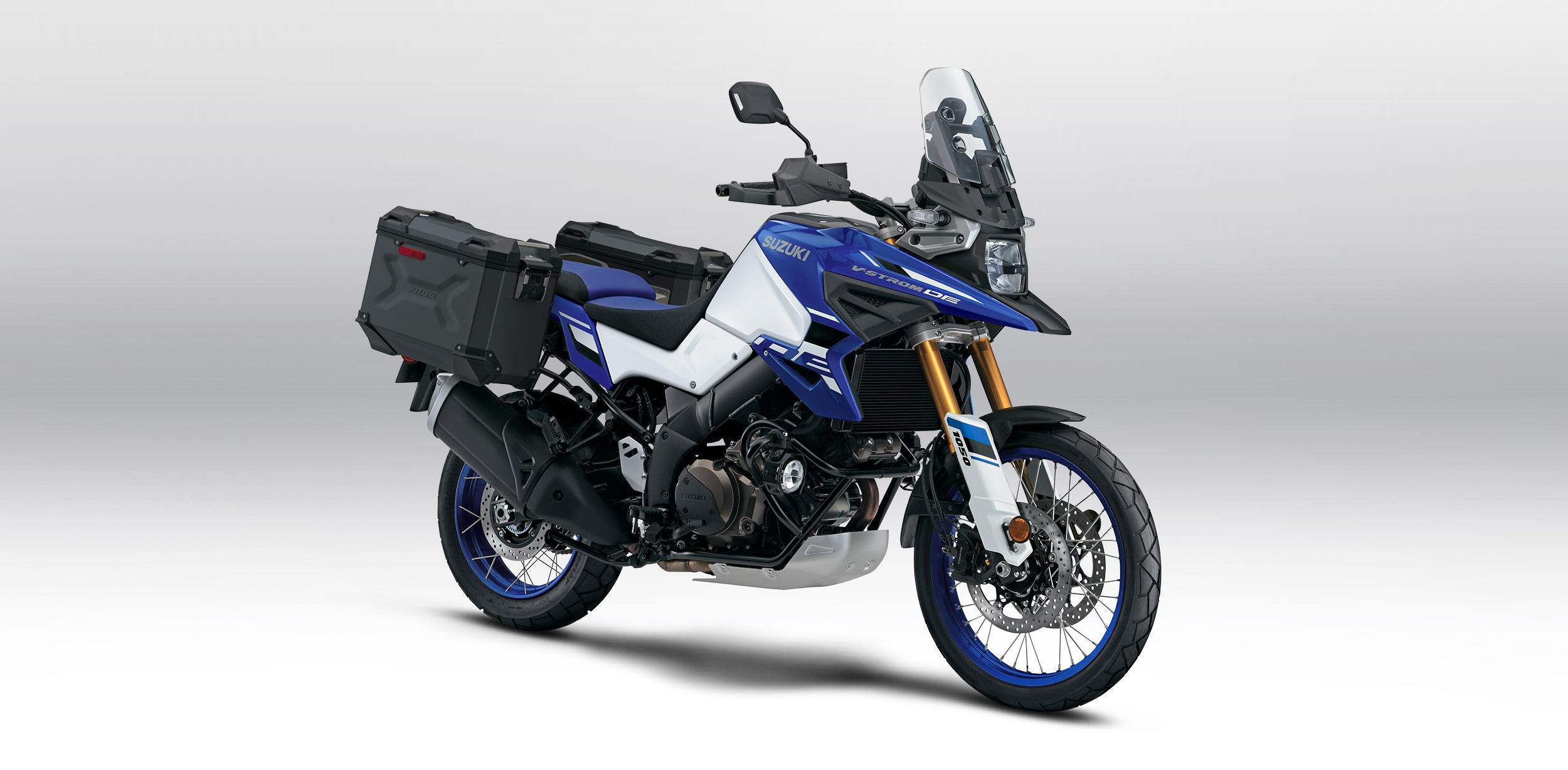
Owners of adventure bikes generally ride less aggressively, too. This often correlates with safer parking habits. The bike’s tall stance and substantial weight make it harder to lift. Quick smash-and-grab theft becomes less practical.
V-Strom riders frequently invest in secure luggage systems and locks. This extends to their approach toward bike security. Suzuki’s dealer network also tracks service and ownership records carefully. This complicates reselling a stolen unit through legitimate channels.
The bike’s price point sits below ultra-luxury tourers. Yet it remains too specialized for casual theft rings. These combined factors keep V-Strom 1050 theft numbers consistently low.
6. Kawasaki Versys 1000
The Kawasaki Versys 1000 is often overshadowed by Kawasaki’s sport bike lineup. This lower profile actually works in its favor. Ninja models dominate Kawasaki theft statistics by a wide margin. The Versys rarely appears on stolen bike reports.
Its adventure-touring design isn’t a magnet for joyriders. Thieves generally prefer faster, flashier machines. The bike includes a standard immobilizer system from the factory. This adds a basic layer of protection against simple theft.
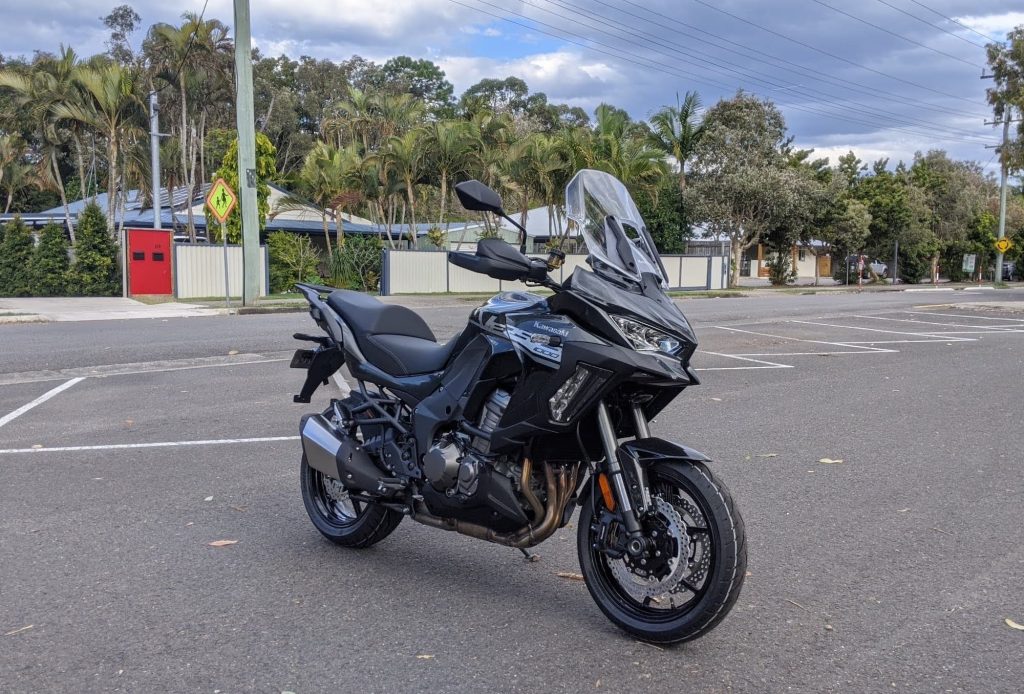
Versys owners tend to use the bike for long-distance touring. This means secure overnight parking at hotels and garages. The model’s parts aren’t in high demand for illegal resale. Chop shops find little profit motive here.
Its weight and upright riding position also make it less nimble for quick escapes. Thieves prioritize bikes they can maneuver fast. Kawasaki’s lower theft profile as a brand also helps. Ninjas and Z-series bikes draw far more attention from criminals.
Insurance premiums for the Versys reflect this safety record too. Lower theft rates translate into lower comprehensive coverage costs. Altogether, the Versys 1000 remains one of the safer choices in its class.
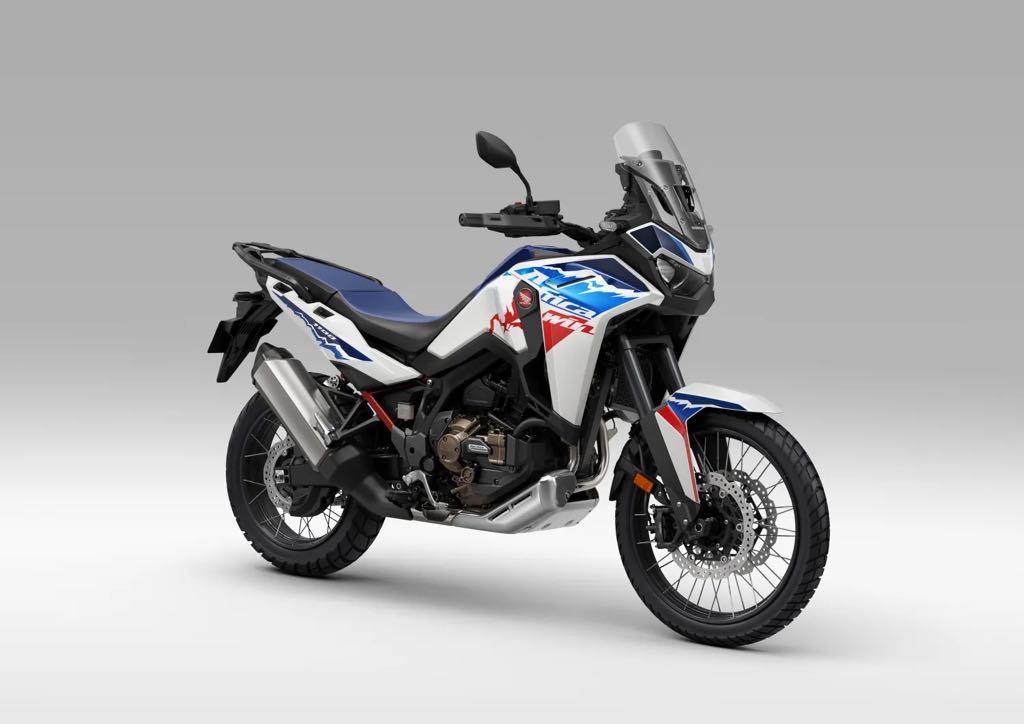
7. Honda Africa Twin
The Honda Africa Twin is a rugged adventure bike built for off-road capability. Its practical design doesn’t attract typical thieves. Unlike Honda’s street bikes, which top national theft charts, the Africa Twin stays under the radar. Its niche appeal limits demand.
The bike features Honda’s Dual Clutch Transmission option. This unique electronic system adds complexity that deters casual theft attempts. The factory immobilizer also secures the ignition circuit. Bypassing it requires specialized knowledge most thieves don’t have.
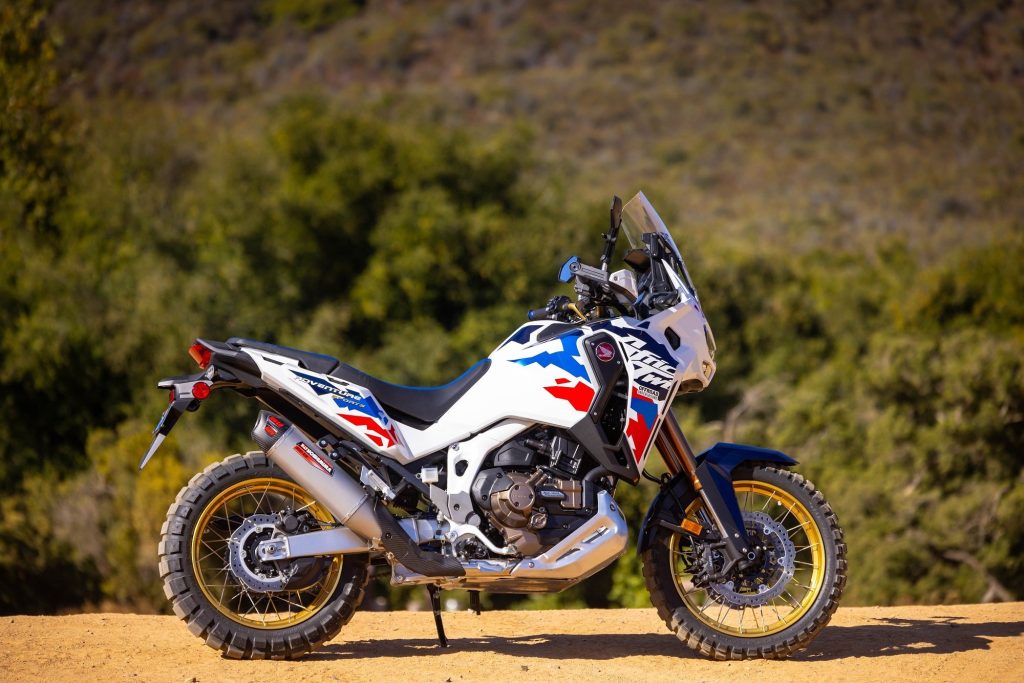
Africa Twin owners often ride in remote areas and store bikes securely. This reduces opportunistic street theft significantly. The bike’s parts are also less interchangeable with common street models. This limits its value to organized theft rings.
Its tall, heavy build makes quick removal difficult too. Thieves need vehicles and tools to transport them discreetly. Honda’s global service network also tracks VIN and ownership data closely. Stolen units become harder to register or resell.
The adventure-riding community is tightly connected through online forums. Stolen bike alerts circulate quickly among these groups. These combined factors keep the Africa Twin well outside typical theft hotspots.
8. Yamaha Super Ténéré
The Yamaha Super Ténéré is a long-distance adventure tourer. It shares little in common with Yamaha’s frequently stolen sport models. Yamaha’s R-series sport bikes see far higher theft rates nationally. The Super Ténéré rarely makes those lists.
Its size and weight make it cumbersome to steal quickly. Thieves typically avoid bikes that require special lifting equipment. The model includes a standard immobilizer key system as well. This adds meaningful resistance against simple ignition tampering.
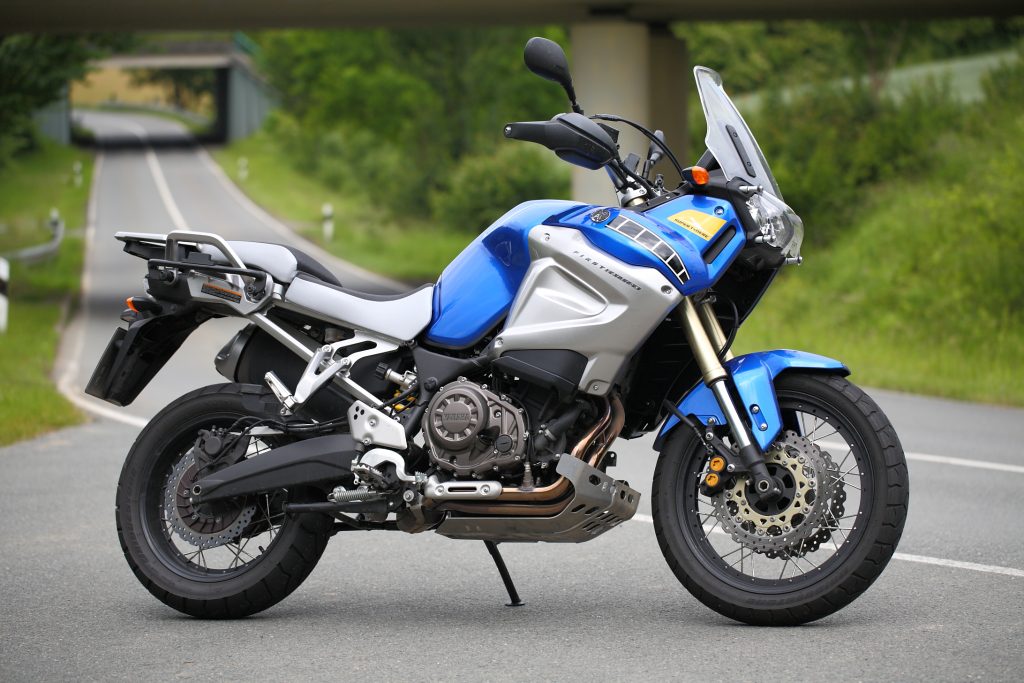
Super Ténéré owners are usually experienced long-distance riders. This group tends to prioritize security gear and safe storage. Its part-out value is also relatively low compared to sport bikes. Stolen units offer limited profit for resale networks.
The bike’s touring-focused design isn’t appealing for joyriding either. Thieves generally want speed and agility, not comfort features. Because of its specialized nature, demand in stolen parts markets stays minimal. This naturally suppresses theft incentives.
Owners often use hard cases and secure mounting systems, too. This makes accessories harder to strip and resell separately. All these factors combine to keep Super Ténéré theft numbers consistently low.
9. Vespa GTS 300
The Vespa GTS 300 might appear to be an easy target for thieves, but it consistently defies those expectations due to a combination of integrated security, specific owner habits, and logistical barriers. While scooters in urban environments are often at higher risk, the GTS 300 leverages modern technology to stay relatively secure.
Modern Vespa models come equipped with sophisticated electronic immobilizer systems as standard, which effectively prevent traditional hot-wiring attempts.
Additionally, the electronic key system is designed to resist cloning, adding a robust layer of digital security that surpasses the protection offered by older mechanical locks.
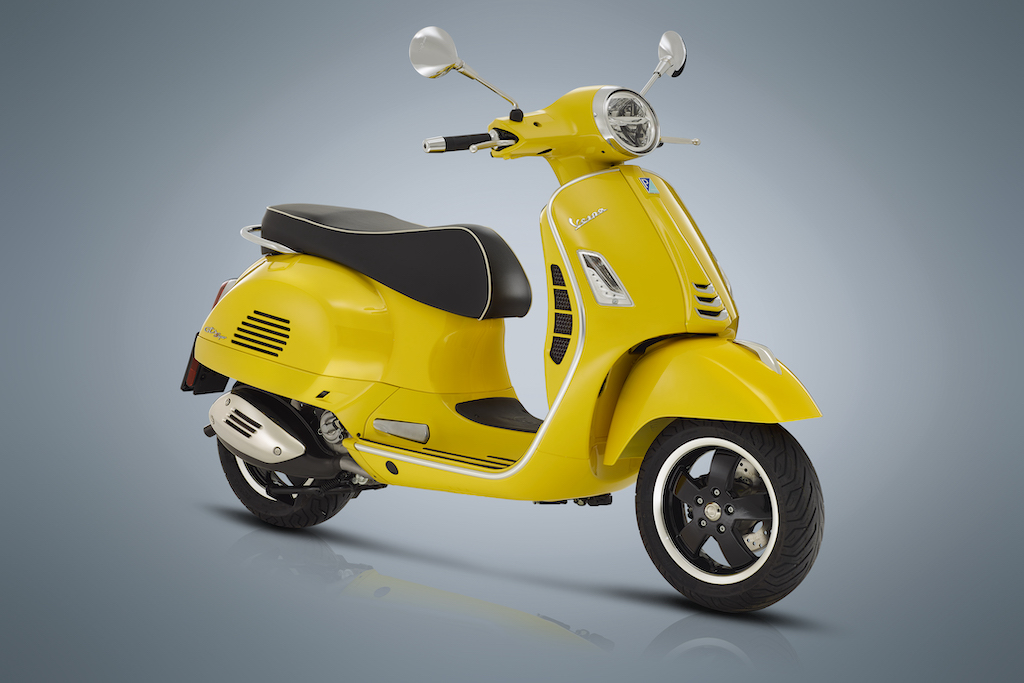
Beyond the factory features, the culture surrounding the Vespa GTS 300 acts as a significant deterrent. Because these scooters hold a premium value, owners are typically highly security-conscious, frequently utilizing heavy-duty disc locks, chains, and secure garage storage.
Many owners also opt for comprehensive insurance policies that often include GPS tracking devices, which drastically increase the likelihood of recovery if a theft is attempted.
From a market perspective, the Vespa’s design also provides inherent protection. Its components are highly brand-specific and not easily interchangeable with other manufacturers, which limits the scooter’s value to organized chop-shop operations.
Furthermore, Piaggio’s integrated service network monitors ownership and service records, making it difficult to resell stolen units through official channels.
Active Vespa riding clubs and online communities ensure that theft alerts and recovery success stories are shared rapidly, keeping potential thieves under constant scrutiny. While not invulnerable, these combined layers make the GTS 300 surprisingly resistant to theft.
10. Ducati Multistrada
The Ducati Multistrada is a premium adventure-sport crossover. Despite its performance pedigree, it rarely appears in theft reports. Ducati equips the Multistrada with keyless ignition technology. The system relies on proximity sensors rather than a physical key.
This makes traditional theft methods largely ineffective. Thieves need advanced electronic bypass tools instead. The bike’s price point also limits its buyer pool significantly. Multistrada owners typically invest heavily in security equipment.
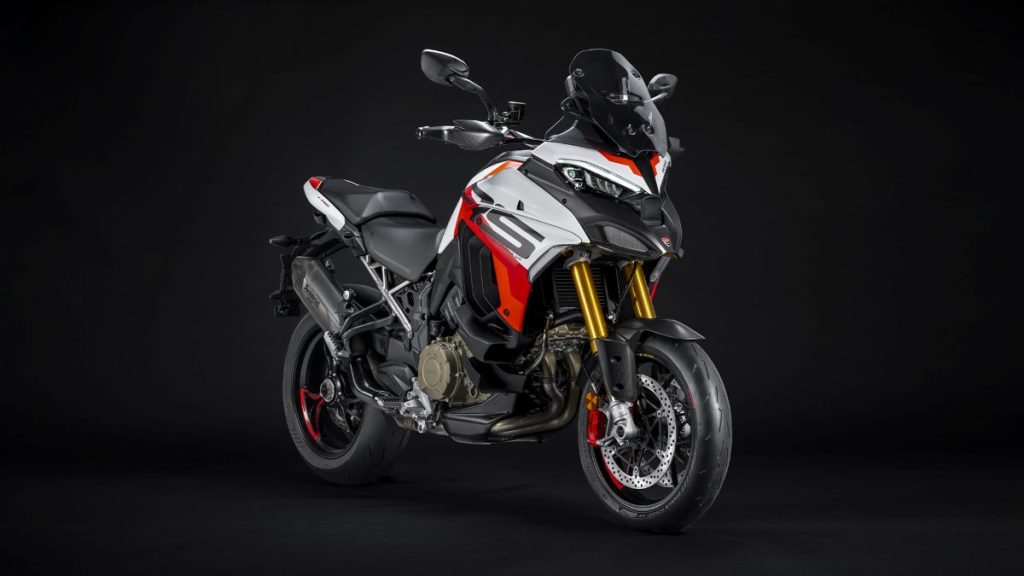
Many owners store their bikes in private garages with alarm systems. This reduces exposure to opportunistic street theft. The Multistrada’s specialized components aren’t interchangeable with common models either. This limits demand from chop shops and part resellers.
Ducati’s dealer network also tracks service history and ownership closely. Stolen units face significant hurdles during resale attempts. Owners’ club memberships and enthusiast forums remain highly active, too. These networks quickly circulate theft alerts and recovery information.
The bike’s weight and adventure-touring stance also make it less nimble for quick getaways. Thieves prefer lighter, faster machines. Altogether, these factors keep the Multistrada firmly among the least stolen motorcycles.
Also Read: What It Really Costs to Own a Toyota Camry for Five Years
