
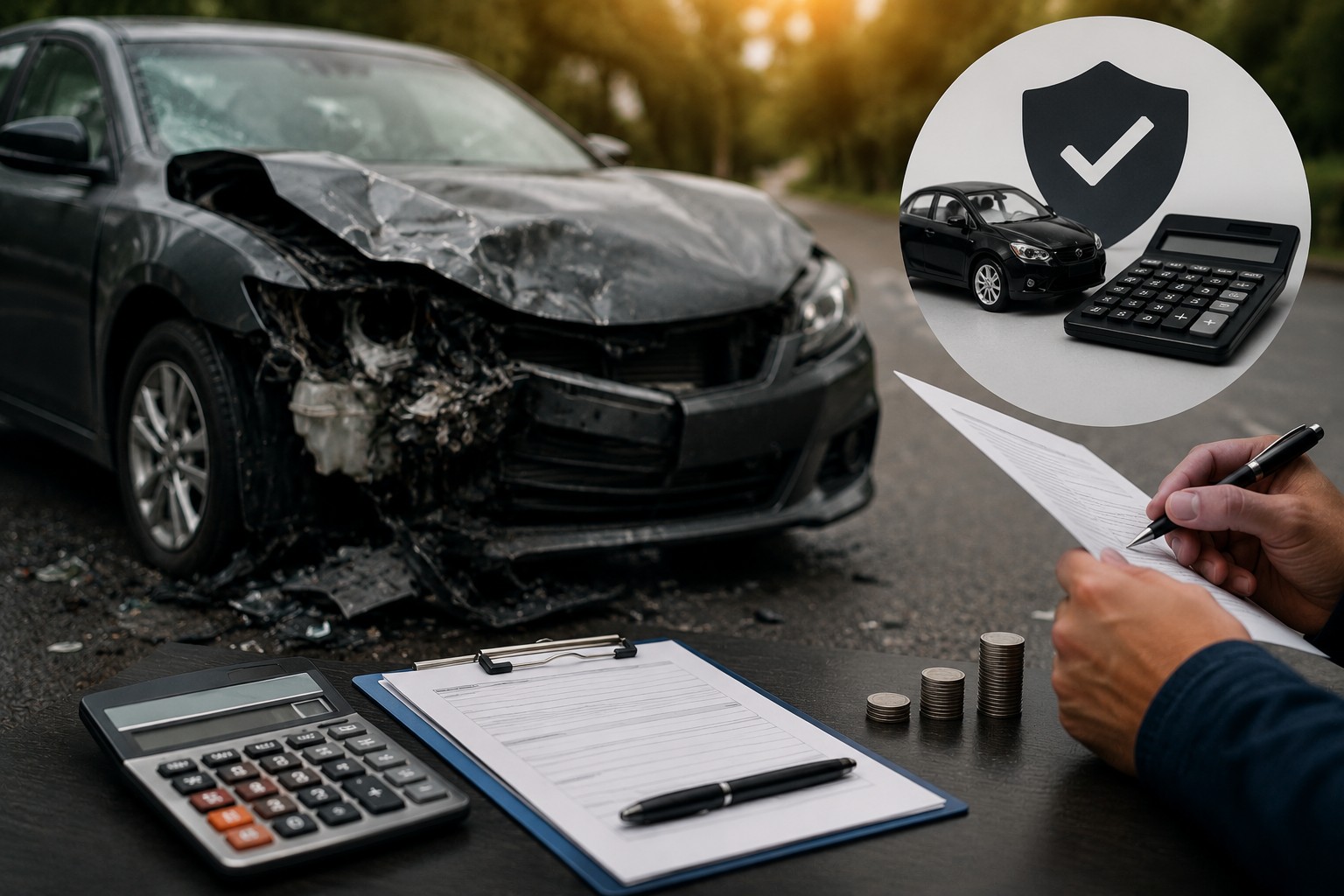
When a car is declared a total loss, most owners assume the story ends there. In reality, this is often just the beginning of a longer financial process. Your loan does not simply disappear because your car is gone. Lenders still expect repayment, regardless of the accident.
This is where things get complicated for many drivers. The outcome depends heavily on whether you had insurance at the time of the crash. It also depends on the type of insurance coverage you carried. Full coverage and liability-only coverage lead to very different financial outcomes.
Many people don’t realize that even with insurance, they can still owe money after a total loss. This happens because insurance payouts are based on the car’s current market value, not the loan balance. If your loan balance is higher than the payout, you are left responsible for the difference.
This article breaks down exactly what happens in each scenario. We’ll look at what happens without insurance, and then explore how full versus partial insurance coverage changes your financial responsibility.
What Happens If You Don’t Have Insurance
If your car is totaled and you have no insurance, the loan does not go away. You are still fully responsible for the entire remaining balance. This means you must continue making monthly payments as if the vehicle still exists. Missing payments will damage your credit score and could lead to collections.
Without insurance, there is no third party to cover repair costs or replacement value. The entire financial burden falls directly on you as the borrower.
In many cases, the lender may demand that the outstanding loan be paid in full immediately. This is especially true if your loan agreement includes an acceleration clause.
Some lenders may work with you on a modified repayment plan. However, this depends entirely on their internal policies and your payment history.
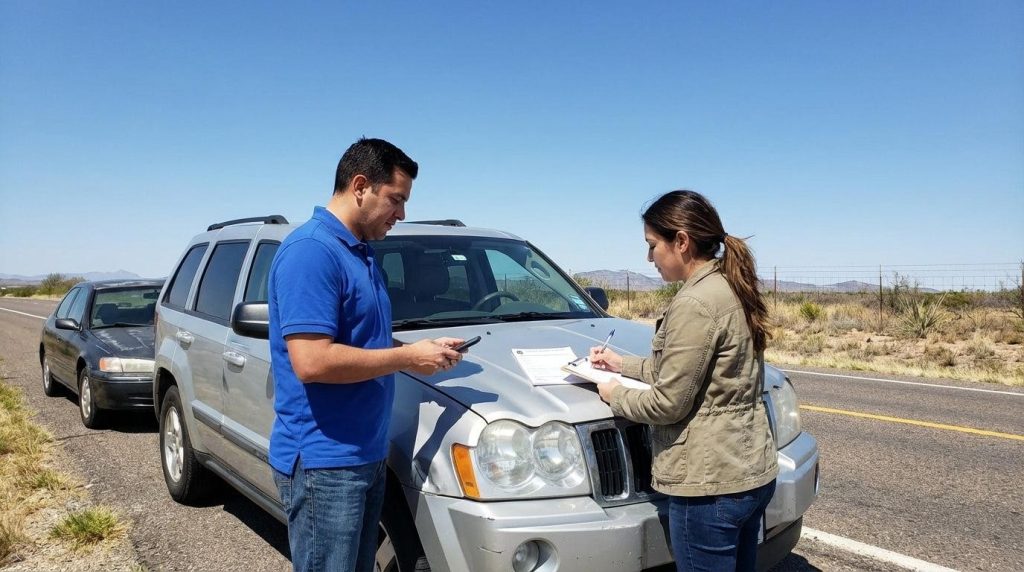
If you cannot pay, the lender could pursue legal action to recover the debt. This might include wage garnishment or additional collection fees. Driving without insurance is illegal in most regions, which adds another layer of risk. You could face fines or license suspension on top of financial loss.
Without insurance, you also lose the vehicle itself and gain nothing in return. This is often called being “doubly penalized,” since you lose the asset and still owe the debt.
Many financial experts strongly advise against skipping insurance, even for older vehicles. The short-term savings rarely outweigh the long-term financial risk involved. This scenario highlights why insurance exists in the first place. It protects not just the car but your financial stability after an accident.
What Happens If You Have Insurance
When you have insurance, the process becomes more structured but still involves nuances. Your insurer will assess the vehicle and determine if it’s a total loss.
A car is usually declared “totaled” when repair costs exceed a certain percentage of its value. This threshold varies by state or country, but often ranges from 70–100%.
Once totaled, your insurance company calculates the Actual Cash Value (ACV) of the vehicle. ACV reflects the car’s value right before the accident, accounting for depreciation.
This is where the type of insurance you hold becomes extremely important. Full coverage and partial coverage lead to very different payout outcomes
Full Insurance Coverage
With full insurance coverage, you typically receive the full Actual Cash Value of the car. This payout goes toward settling your remaining loan balance first.
If the payout is higher than your loan balance, you receive the difference. This extra amount can be used toward a new vehicle purchase.
However, if your loan balance is higher than the ACV, a gap still exists. This is common in the early years of a car loan due to rapid depreciation.
This is where Gap Insurance becomes critically important for full coverage holders. Gap insurance covers the difference between your loan balance and the ACV payout.
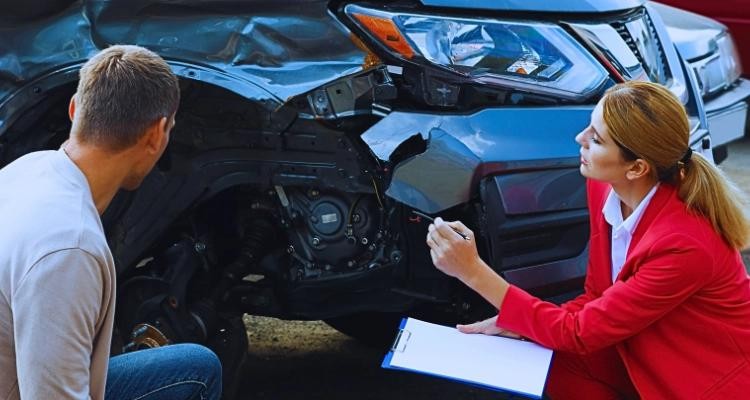
Without gap insurance, even full coverage holders may owe money after a total loss. This surprises many people who assumed “full coverage” meant complete financial protection.
Full coverage generally includes both collision and comprehensive insurance combined. Collision covers accidents, while comprehensive covers theft, fire, or natural disasters.
This combination gives you the best possible protection in a total loss scenario. It significantly reduces, but does not always eliminate, your financial risk.
Half Insurance (Liability-Only Coverage)
Half insurance, often called liability-only coverage, offers much less protection to you directly. It only covers damage you cause to other people or their property.
If your car is totaled in this scenario, your insurer will not pay for your car at all. Liability insurance is designed to protect others, not you or your vehicle.
This means you are financially responsible for the entire remaining loan amount. Essentially, this scenario mirrors the “no insurance” outcome for your own vehicle.

Many drivers mistakenly believe liability insurance offers some protection for their own car. Unfortunately, this misunderstanding often leads to serious financial hardship after accidents.
If the accident was someone else’s fault, their liability insurance may cover your loss. However, this depends entirely on fault determination and the other driver’s coverage limits.
If you were at fault or the other driver is uninsured, you receive nothing. This leaves you responsible for continuing loan payments despite losing the vehicle.
This is why financial advisors strongly recommend full coverage for financed vehicles. Lenders often require full coverage specifically because of this exact risk.
The Loan Payoff Process After a Total Loss
Once a settlement amount is determined, the insurance company sends payment directly to your lender. This ensures the loan is addressed before any funds reach you.
If the payout fully covers the loan, the lender releases the title and closes the account. You are then free of any further financial obligation for that vehicle.
If the payout doesn’t cover the loan, you must pay the remaining balance yourself. This remaining amount is often called “negative equity” or a loan deficiency.
Negative equity is common because new cars depreciate quickly in the first few years. Some cars lose over 20% of their value within the first year alone.

This is precisely why gap insurance exists as an optional add-on product. It specifically targets this depreciation-related financial gap in loan coverage.
Gap insurance is especially useful for buyers who made a small down payment. Smaller down payments mean higher loan balances relative to the car’s actual value.
It’s also valuable for those with long loan terms, such as six or seven years. Longer terms mean slower equity building and higher depreciation exposure.
Some lenders bundle gap insurance directly into the auto loan itself. Others require you to purchase it separately through your insurance provider.
If you don’t have gap insurance and owe money, negotiate directly with your lender. Some lenders allow deficiency balances to be rolled into a new auto loan.
This approach, however, increases your future loan amount and monthly payments. Financial experts generally advise against this unless absolutely necessary. Paying off the deficiency in cash, if possible, is always the safer option. It avoids compounding debt and starting a new loan already underwater.
Steps to Take Immediately After a Total Loss
First, contact your insurance company right away to begin the claims process. Provide accurate details about the accident and vehicle condition. Next, request a copy of the insurance company’s valuation report for your car. Review it carefully to ensure the assessed value seems fair and accurate.
If you disagree with the valuation, you have the right to dispute it. You can provide independent appraisals or comparable vehicle listings as evidence.
Contact your lender directly to understand your exact remaining loan balance. This helps you calculate any potential gap before settlement occurs.
Ask your insurer whether gap insurance was included in your policy. If unsure, review your original policy documents or contact your provider directly.
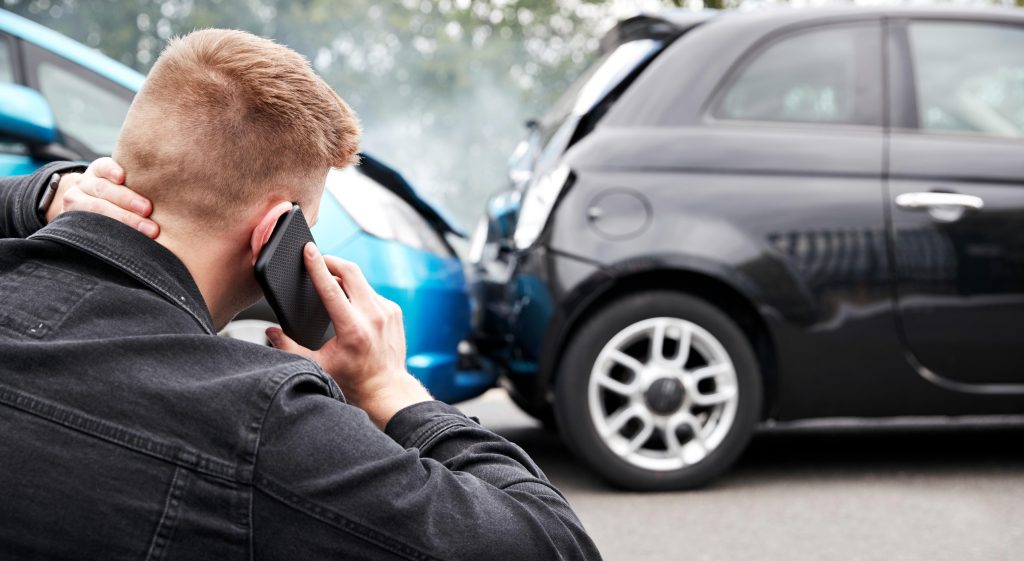
Keep detailed records of all communications with both your insurer and lender. This documentation can help resolve disputes more efficiently later on.
Avoid making new large purchases until the total loss situation is fully resolved. Your financial situation may change significantly depending on the outcome.
If you owe a deficiency balance, explore all repayment options before committing. Compare interest rates, loan terms, and monthly payment impacts carefully.
Consider consulting a financial advisor if the deficiency amount is substantial. Professional advice can help you choose the most sustainable repayment strategy.
Also Read: 10 Muscle Cars From the 1990s That Are Faster Than A Ferrari
