
Modern engines are more powerful and fuel-efficient than ever before, but long-term durability still separates truly exceptional designs from the rest.
While every engine can fail because of poor maintenance, abuse, or manufacturing defects, a small group has earned a reputation for surviving hundreds of thousands of miles without suffering catastrophic internal damage.
These are the engines that mechanics routinely praise, fleet operators continue to rely on, and owners often keep running well beyond 250,000 miles.
Catastrophic engine failures typically involve severe internal damage such as broken connecting rods, cracked engine blocks, spun bearings, dropped valves, or timing system failures that destroy the valvetrain.
Such failures are usually expensive enough to require a complete engine replacement. The engines featured in this list have consistently demonstrated that these kinds of failures are uncommon when regular oil changes, cooling system maintenance, and manufacturer service schedules are followed.
This ranking is based on documented reliability records in the United States, including long-term owner experiences, independent mechanic observations, fleet service history, manufacturer reliability trends, technical service information, and the absence of widespread reports involving major internal engine failures.
None of these engines is completely immune to wear or neglect, but they have repeatedly proven capable of delivering exceptional longevity under real-world conditions.
Their reputation has been built over many years of dependable service across millions of miles, making them some of the safest choices for buyers who value durability above everything else.
Also Read: 10 Fastest Diesel Pickups Ever Made – Ranked
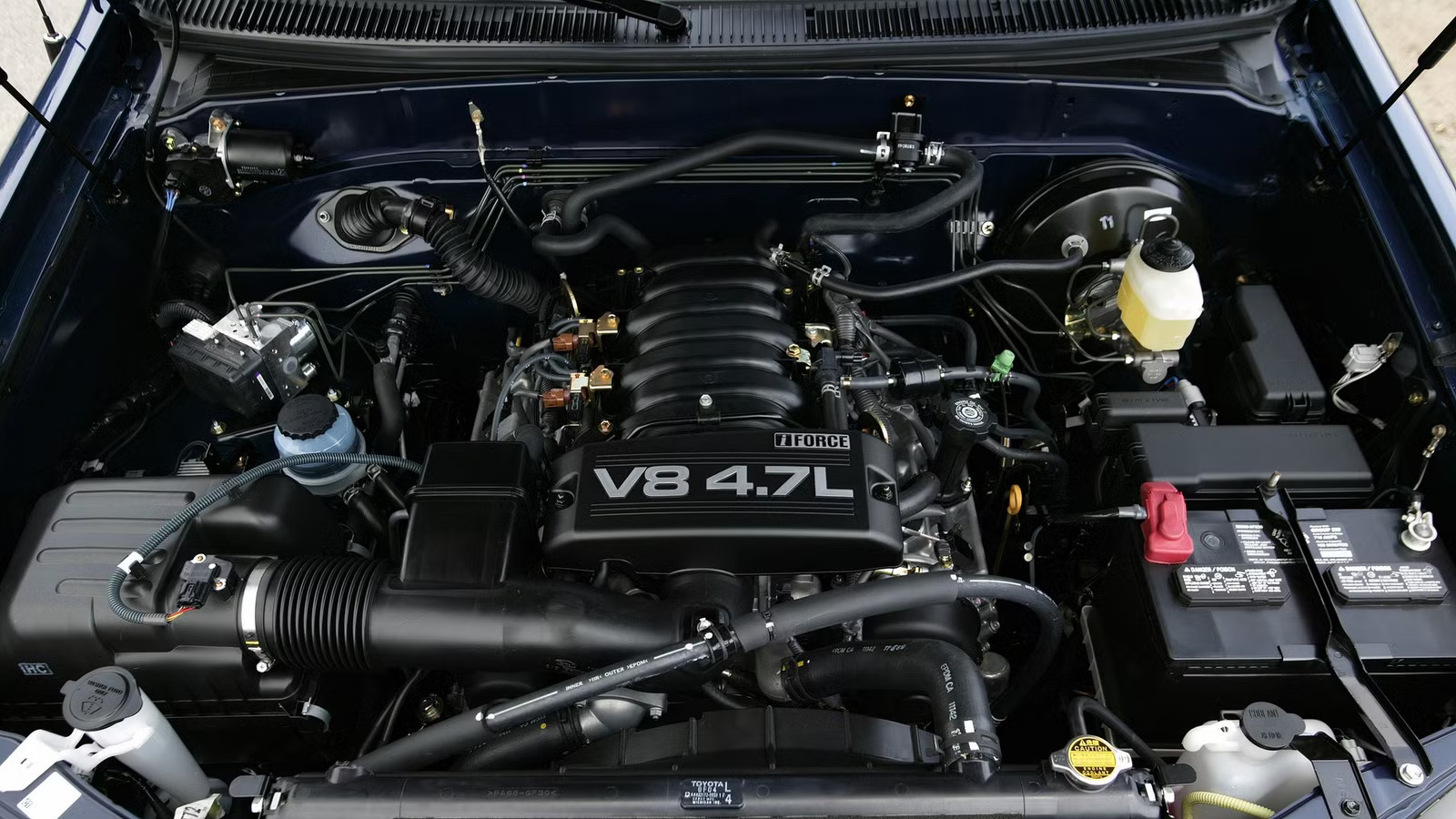
1. Toyota 2UZ-FE 4.7L V8
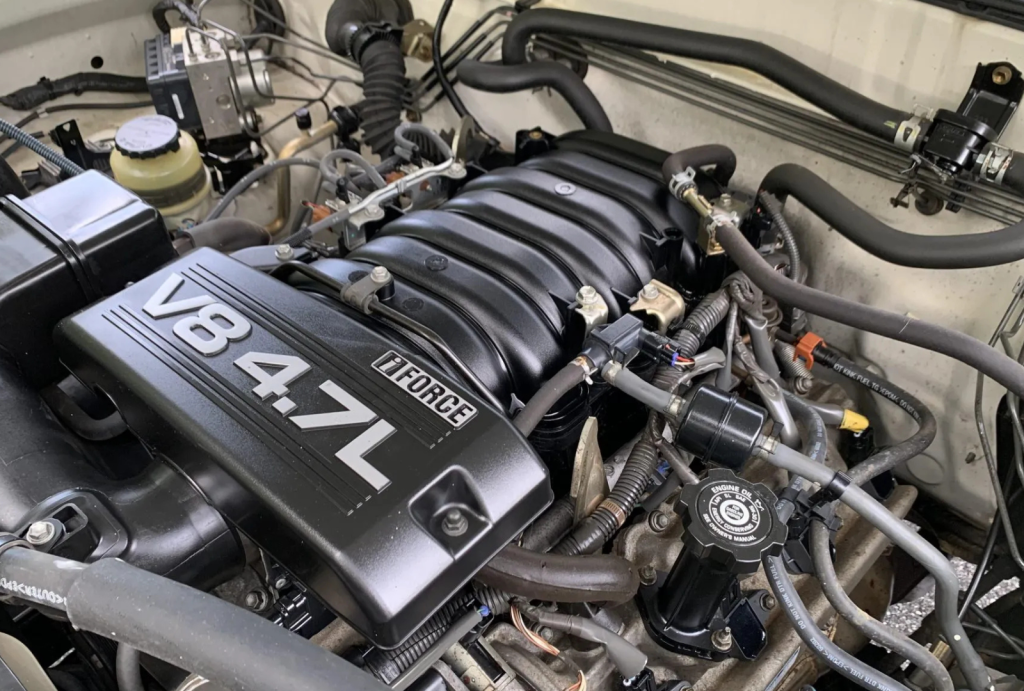
Few engines have earned the respect of mechanics quite like Toyota’s 2UZ-FE. Introduced for the American market in large SUVs and pickup trucks, this 4.7-liter V8 was engineered with durability as its primary objective rather than maximum performance.
Instead of chasing higher output figures, Toyota equipped it with a cast-iron block, forged steel crankshaft, and exceptionally strong bottom end that could withstand years of towing, hauling, and heavy daily use.
One reason catastrophic failures remain extremely uncommon is the conservative engineering philosophy behind the engine. Internal components operate well within their mechanical limits, reducing long-term stress on pistons, connecting rods, bearings, and the valvetrain.
Even under demanding conditions, many examples have exceeded 300,000 miles while retaining their original short block.
The cooling system also contributes significantly to longevity. Unlike some modern turbocharged engines that generate extreme temperatures, the naturally aspirated 2UZ-FE maintains stable operating conditions, helping preserve head gaskets and internal sealing surfaces.
Oil circulation is equally robust, minimizing premature bearing wear that often leads to complete engine failure.
Routine maintenance usually addresses normal wear items such as timing belts, water pumps, ignition coils, or accessory components rather than major internal repairs. Independent repair shops across the United States frequently report seeing high-mileage examples still running smoothly with factory internals intact.
The engine powered millions of reliable work vehicles, including the Toyota Tundra, Sequoia, Land Cruiser, and Lexus GX 470, further proving its durability across different applications.
Although fuel economy is modest by modern standards, owners consistently accept the tradeoff because catastrophic engine failures remain exceptionally rare.
With scheduled maintenance and quality engine oil, the 2UZ-FE has established itself as one of the most dependable gasoline V8 engines ever offered in the American market.
Specifications
- Engine: 4.7-liter naturally aspirated V8 (2UZ-FE)
- Torque: Up to 330 lb-ft
- Horsepower: Up to 282 hp
- Length/Width: Approximately 28.5 inches / 29.7 inches
2. Honda K24 2.4L Inline-4
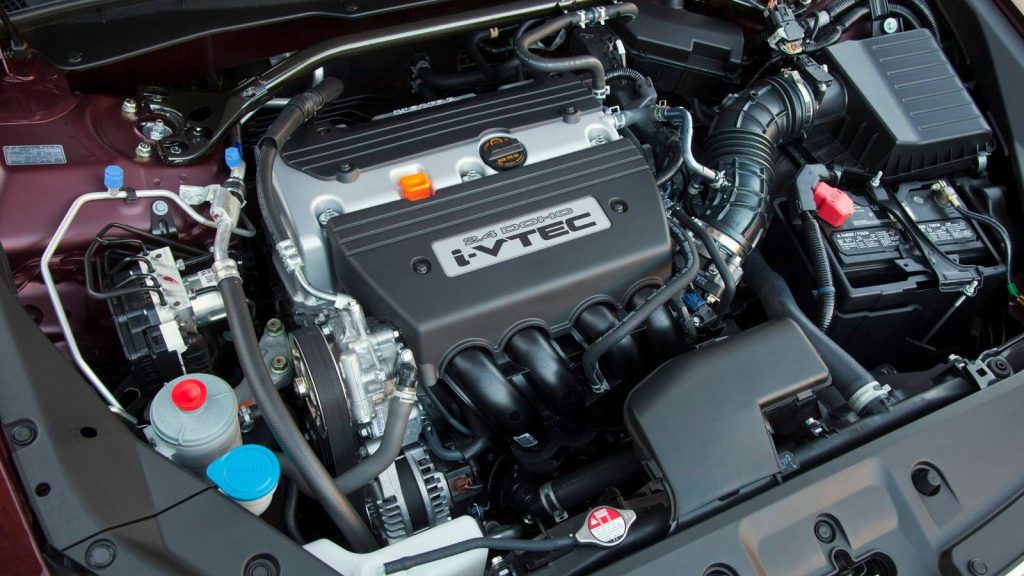
Some engines become famous because they produce remarkable power. The Honda K24 became respected for a different reason. It quietly built one of the strongest durability records in the modern automotive industry while powering millions of American family vehicles.
Installed in models such as the Honda Accord, CR-V, Element, and Acura TSX, the K24 demonstrated that a well-balanced design could remain dependable for hundreds of thousands of miles without developing widespread catastrophic failures.
Honda’s engineering focused on reducing internal friction while maintaining structural strength. The aluminum block uses reinforced construction, and the forged steel crankshaft operates with excellent balance throughout the rev range.
Variable valve timing enhances efficiency without placing excessive stress on critical engine components. As a result, serious failures involving broken connecting rods, cracked blocks, or destroyed rotating assemblies have remained extremely uncommon in properly maintained engines.
Many independent repair facilities note that high-mileage K24 engines typically arrive for routine maintenance rather than complete engine replacements.
Valve adjustments, accessory drive components, sensors, and occasional timing chain tensioner service represent the majority of repairs instead of internal mechanical rebuilds. It is not unusual to find examples surpassing 250,000 miles while still retaining factory compression.
The engine also benefits from an efficient lubrication system that protects bearings during extended highway driving and stop-and-go commuting. Combined with dependable cooling performance, this helps prevent overheating-related damage that often shortens engine life.
Owners appreciate that the K24 delivers dependable everyday performance without requiring premium fuel or unusually expensive maintenance. Even after years of continuous operation, many examples continue serving as reliable daily transportation with their original engines.
Its combination of mechanical simplicity, durable internal construction, and consistently low incidence of catastrophic failures has made the Honda K24 one of the benchmark four-cylinder engines in the United States.
Specifications
- Engine: 2.4-liter naturally aspirated inline-4 (Honda K24)
- Torque: Up to 172 lb-ft
- Horsepower: Up to 205 hp
- Length/Width: Approximately 24.8 inches / 25.6 inches
3. General Motors 3800 Series II 3.8L V6
Longevity is not always tied to cutting-edge technology, and the General Motors 3800 Series II proves that point better than almost any American engine. Introduced during the 1990s and used extensively through the 2000s, this pushrod V6 became a fixture in family sedans, luxury cars, and full-size passenger vehicles.
Its reputation was earned through millions of miles of dependable service, with catastrophic internal failures remaining remarkably uncommon compared to many engines from the same era.
One of the biggest strengths of the 3800 Series II lies in its simple architecture. The overhead valve layout contains fewer moving parts than many dual overhead cam engines, reducing the number of components that can suffer major mechanical failures.
The cast iron block is exceptionally durable, while the rotating assembly was designed with generous safety margins rather than being pushed to its engineering limits. These design decisions contributed to impressive reliability in both private ownership and commercial fleet use.
Mechanics often describe this engine as one that wears gradually instead of failing suddenly. High-mileage examples commonly develop intake manifold gasket leaks or aging plastic coolant elbows, but these are external maintenance concerns rather than catastrophic engine failures.
Once repaired, many engines continue operating reliably well beyond 250,000 miles without requiring internal rebuilding.
Another reason for its durability is stable operating temperatures. The naturally aspirated configuration avoids the upgraded cylinder pressures associated with turbocharged engines, allowing pistons, connecting rods, crankshaft bearings, and cylinder walls to experience relatively low mechanical stress throughout their service life.
Regular oil changes further help preserve bearing surfaces and camshaft components for hundreds of thousands of miles.
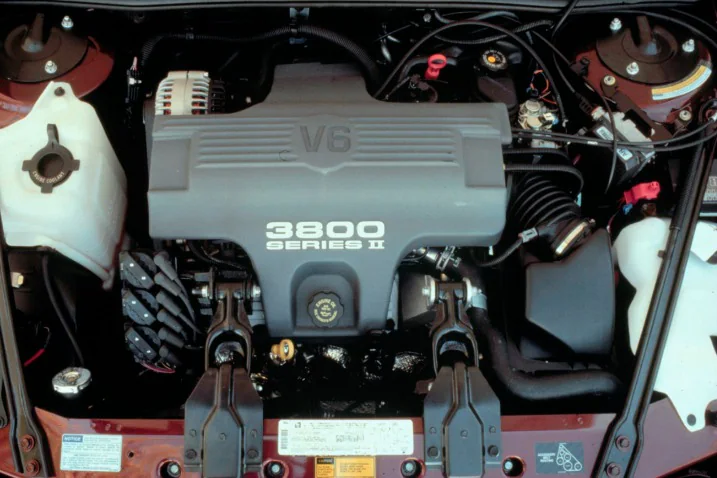
The 3800 Series II-powered vehicles, such as the Buick LeSabre, Buick Park Avenue, Pontiac Bonneville, Chevrolet Impala, and several other General Motors models, were sold across the United States.
Even today, many remain on American roads with their original engines still performing daily transportation duties. Its history of dependable operation has secured its place among the most reliable V6 engines ever produced by an American manufacturer.
Specifications
- Engine: 3.8-liter naturally aspirated V6 (GM 3800 Series II)
- Torque: Up to 230 lb-ft
- Horsepower: Up to 205 hp
- Length/Width: Approximately 24.5 inches / 28.0 inches
4. Lexus 1UR-FE 4.6L V8
Luxury vehicles often carry a reputation for expensive repairs, yet Lexus built the 1UR-FE with durability that rivals many commercial truck engines. Introduced as part of Toyota’s UR engine family, this 4.6-liter V8 combined refined performance with engineering choices intended to minimize long-term internal wear.
It became a trusted powerplant in premium sedans and SUVs, where owners expected both smooth operation and dependable service over many years.
Rather than relying on aggressive tuning, Lexus prioritized balance. The aluminum block features robust reinforcement, while forged steel components in the rotating assembly provide excellent resistance to fatigue during prolonged operation.
Dual variable valve timing with intelligence enhances efficiency without significantly increasing stress on the engine’s internal components.
This measured approach has helped keep reports of broken connecting rods, cracked blocks, and bearing failures exceptionally rare among properly maintained examples.
The lubrication system deserves much of the credit for the engine’s longevity. Oil is distributed efficiently throughout the crankshaft, camshafts, and valvetrain, helping critical components maintain stable wear characteristics even after extended highway driving or frequent stop-and-go traffic.
Cooling performance is equally impressive, reducing the likelihood of overheating-related damage that can shorten engine life.
Unlike some luxury engines that become increasingly problematic with age, the 1UR-FE usually requires attention for predictable maintenance items rather than major internal mechanical work.
Water pumps, ignition components, and accessory drive parts naturally wear over time, but complete engine replacements remain uncommon in vehicles that receive regular servicing.
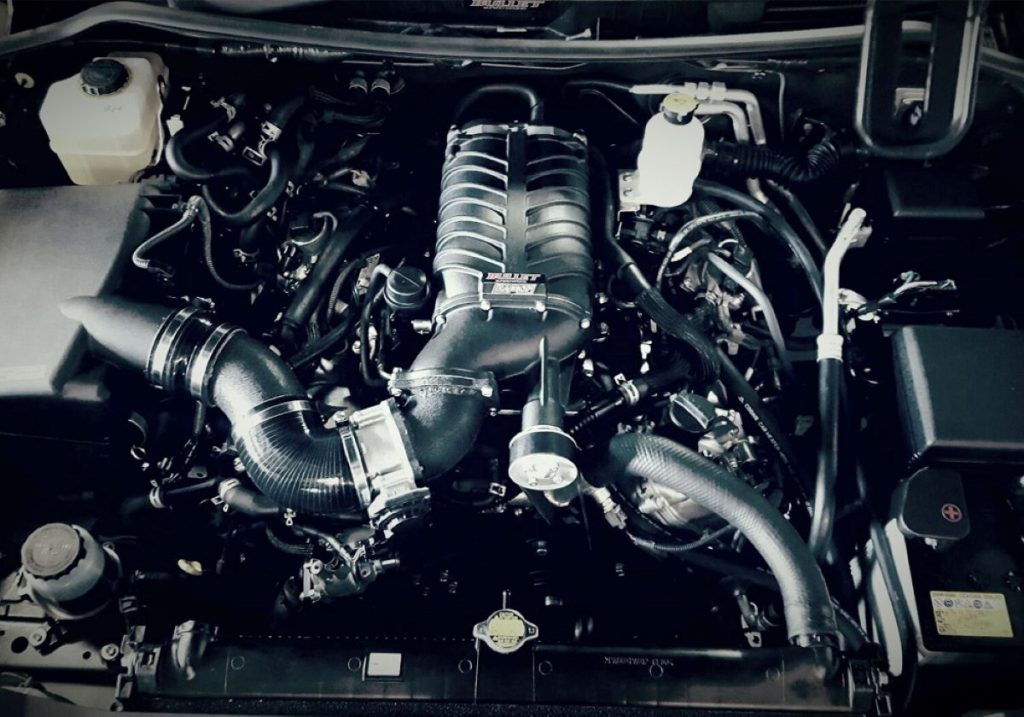
The engine served in vehicles including the Lexus LS 460, GX 460, and Toyota Land Cruiser Prado sold in North America. Many examples have accumulated well beyond 250,000 miles while maintaining smooth performance and factory internals.
Its combination of refinement, conservative engineering, and remarkably low incidence of catastrophic failures has made the 1UR-FE one of the strongest modern luxury V8 engines available to American buyers.
Specifications
- Engine: 4.6-liter naturally aspirated V8 (1UR-FE)
- Torque: Up to 367 lb-ft
- Horsepower: Up to 386 hp
- Length/Width: Approximately 28.8 inches / 29.5 inches
5. Ford 4.6L Modular SOHC V8
The Ford 4.6-liter Modular SOHC V8 spent decades powering some of America’s most recognizable vehicles, and its reputation for durability was earned through sheer volume.
Millions of these engines found homes under the hoods of sedans, pickup trucks, SUVs, and fleet vehicles, giving technicians an enormous sample size from which to judge long-term reliability.
Despite years of heavy use, widespread reports of catastrophic internal failures remained surprisingly limited, particularly among naturally aspirated versions that received routine maintenance.
Ford designed this engine with longevity in mind rather than chasing maximum specific output. The deep-skirt engine block provides excellent rigidity, helping the crankshaft remain stable under load while reducing vibration throughout the rotating assembly.
Strong main bearing support and durable connecting rods contribute to an engine that tolerates prolonged highway driving, towing, and commercial service without developing serious bottom-end problems.
The engine’s overhead camshaft layout also plays an important role. Proper lubrication keeps the valvetrain operating smoothly, and timing chain failures are uncommon when oil changes are performed consistently.
Most high-mileage repairs involve external components such as intake manifolds on certain model years, spark plugs, ignition coils, or accessory drive parts instead of broken pistons or damaged crankshafts.
Police departments, taxi fleets, and municipal agencies across the United States relied heavily on this V8, especially in the Ford Crown Victoria Police Interceptor.
Many fleet vehicles accumulated well over 300,000 miles before retirement while retaining their original engines. That type of service represents one of the toughest real-world durability tests any gasoline engine can face.
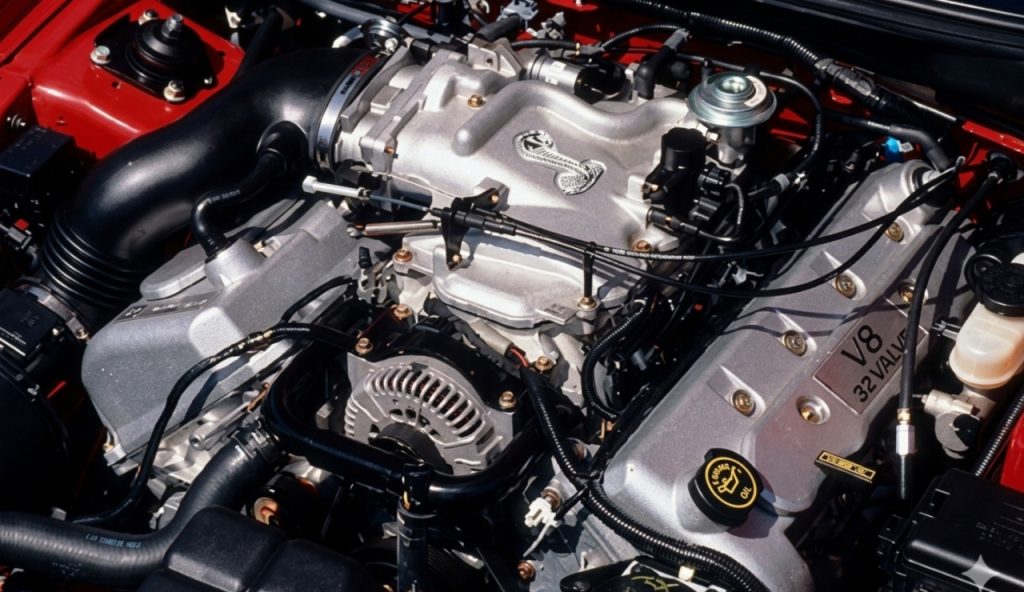
Whether installed in the Ford F-150, Crown Victoria, Mustang GT, Expedition, or Mercury Grand Marquis, the naturally aspirated 4.6-liter Modular V8 consistently demonstrated dependable operation.
Its conservative engineering, extensive fleet history, and low incidence of catastrophic mechanical failures continue to make it one of Ford’s most respected modern V8 engines.
Specifications
- Engine: 4.6-liter naturally aspirated SOHC Modular V8
- Torque: Up to 320 lb-ft
- Horsepower: Up to 292 hp
- Length/Width: Approximately 28.9 inches / 29.4 inches
6. Toyota 1GR-FE 4.0L V6
Not every dependable engine becomes famous because of luxury or performance. The Toyota 1GR-FE built its reputation in environments where reliability mattered far more than acceleration.
Owners frequently subjected this 4.0-liter V6 to towing, off-road trails, desert heat, mountain driving, and long-distance travel, yet reports of catastrophic engine failures have remained exceptionally uncommon throughout its production life.
The foundation of that durability begins with a heavily reinforced engine block and a rotating assembly designed for sustained operation under demanding loads.
Toyota intentionally avoided pushing the engine to extreme output levels, allowing pistons, bearings, and connecting rods to operate comfortably within their design limits. This conservative calibration has contributed to outstanding long-term reliability across a wide range of driving conditions.
Cooling efficiency is another notable strength. Engines used in trucks and sport utility vehicles often experience extended periods of heavy load, but the 1GR-FE maintains stable operating temperatures that help protect cylinder heads, head gaskets, and internal sealing surfaces.
Combined with a dependable oiling system, these characteristics significantly reduce the likelihood of major internal engine damage.
Many independent repair shops report that high-mileage examples usually require maintenance items such as water pumps, serpentine belts, ignition coils, or accessory components instead of complete engine overhauls.
Even vehicles that regularly tow trailers or travel off pavement frequently continue operating well beyond 250,000 miles with factory internal components.
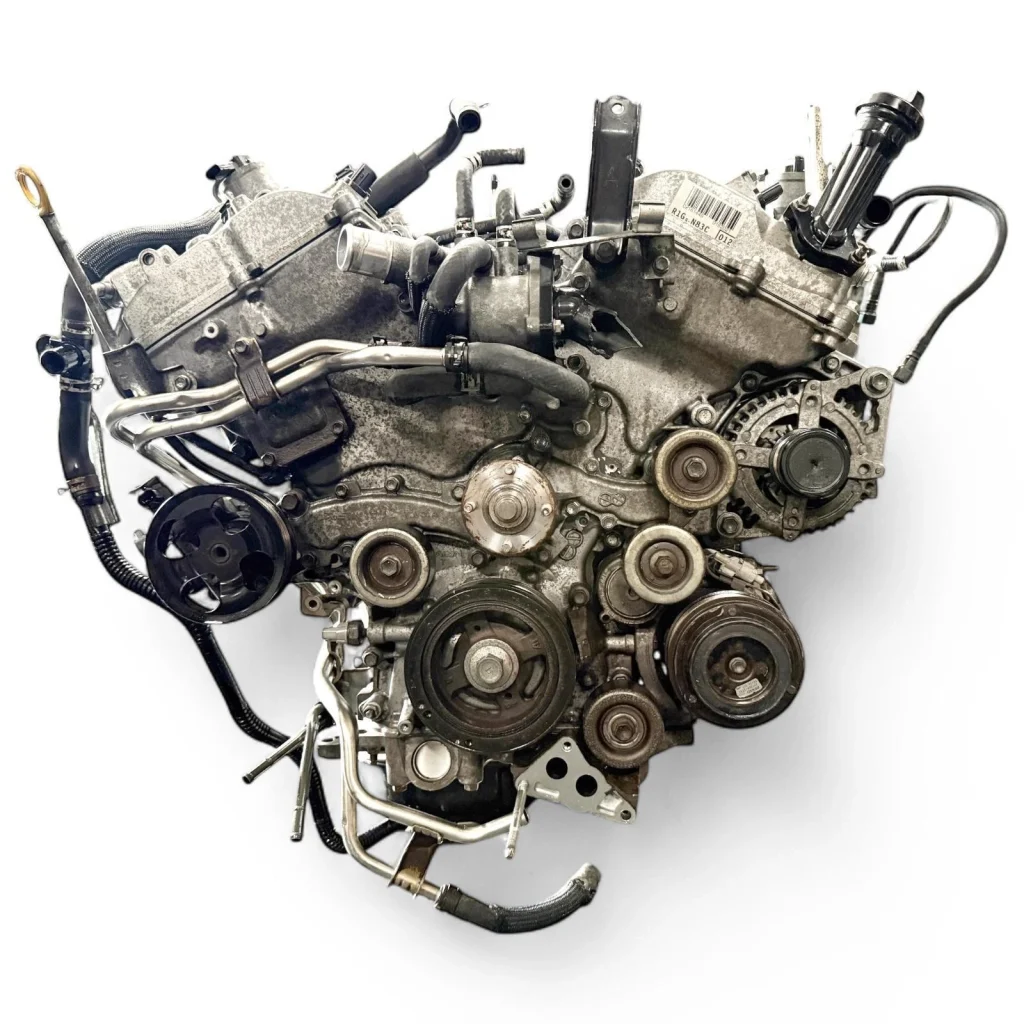
The engine became a trusted choice in the Toyota Tacoma, 4Runner, FJ Cruiser, and Tundra, where owners often prioritize long-term ownership over frequent vehicle replacement. Its ability to withstand years of demanding service without developing widespread catastrophic failures has made the 1GR-FE one of Toyota’s most respected truck engines.
For drivers seeking dependable performance under difficult conditions, few naturally aspirated V6 engines have established a stronger record in the American market.
Specifications
- Engine: 4.0-liter naturally aspirated V6 (1GR-FE)
- Torque: Up to 278 lb-ft
- Horsepower: Up to 270 hp
- Length/Width: Approximately 27.3 inches / 28.1 inches
7. Cummins 5.9L 12-Valve Turbo Diesel (6BT)
The Cummins 5.9-liter 12-valve diesel has earned one of the strongest reputations for longevity ever seen in a pickup truck engine. Introduced in Dodge Ram Heavy Duty models for the U.S. market, it was designed using commercial-grade engineering rather than passenger-car priorities.
That heavy-duty approach has allowed countless examples to remain in service for decades without suffering catastrophic internal failures.
A cast iron block and cast iron cylinder head form an exceptionally durable foundation, while the forged steel crankshaft and connecting rods are capable of handling far more stress than the engine produces in factory specification.
The gear-driven timing system also eliminates concerns associated with timing belts or chains, reducing the number of major components that could cause severe engine damage.
Many engines have accumulated 400,000 to 500,000 miles, with some fleet and commercial operators reporting even higher figures while retaining the original short block.
Routine maintenance generally focuses on fuel system components, water pumps, or accessory parts instead of internal engine repairs. Broken connecting rods, cracked blocks, and bearing failures remain uncommon in stock engines that receive proper servicing.
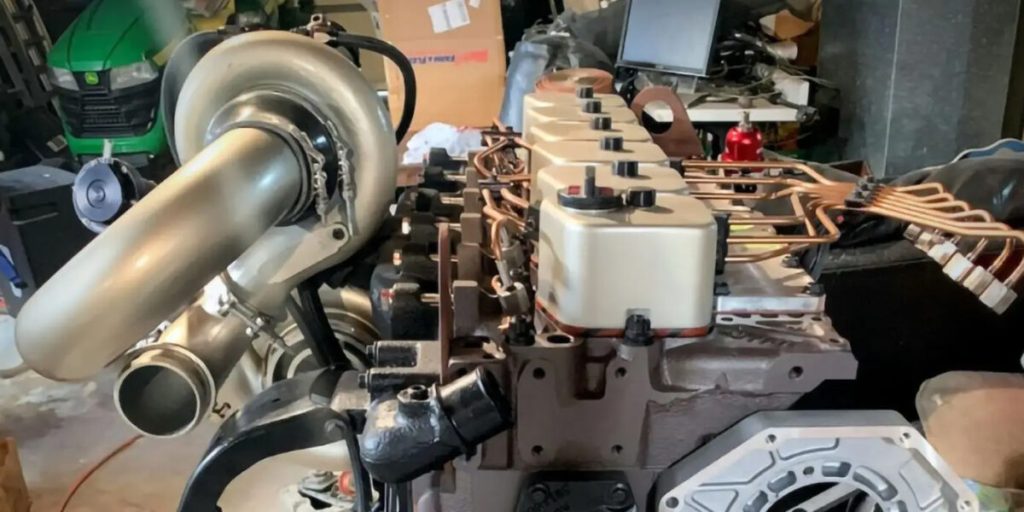
Its durability has made it a favorite among ranchers, contractors, and towing enthusiasts across the United States. Even after years of hauling heavy loads, the 5.9-liter Cummins continues to demonstrate why it remains one of the most trusted diesel engines ever installed in a pickup truck.
Specifications
- Engine: 5.9-liter turbocharged inline-six diesel (Cummins 6BT 12-Valve)
- Torque: Up to 420 lb-ft
- Horsepower: Up to 215 hp
- Length/Width: Approximately 40.0 inches / 30.0 inches
8. Toyota 22RE 2.4L Inline-4
The Toyota 22RE became legendary because of its remarkable consistency rather than impressive performance numbers.
Installed in the Toyota pickup and early 4Runner sold throughout the United States, this 2.4-liter fuel-injected four-cylinder earned a reputation for surviving decades of daily driving, off-road use, and demanding work without developing widespread catastrophic engine failures.
Its durability comes from a simple yet robust design. The cast iron block provides excellent strength, while the aluminum cylinder head efficiently manages heat during long periods of operation.
Toyota tuned the engine conservatively, keeping internal stresses low and allowing components such as pistons, bearings, and connecting rods to last far longer than many competing engines from the same era.
Independent mechanics often report that high-mileage 22RE engines need only routine repairs such as timing chain guide replacement, valve cover gaskets, ignition parts, or cooling system maintenance.
Owners who address these wear items early frequently see the engine exceed 300,000 miles without requiring a major rebuild. Internal failures involving cracked blocks or broken crankshafts remain extremely uncommon.
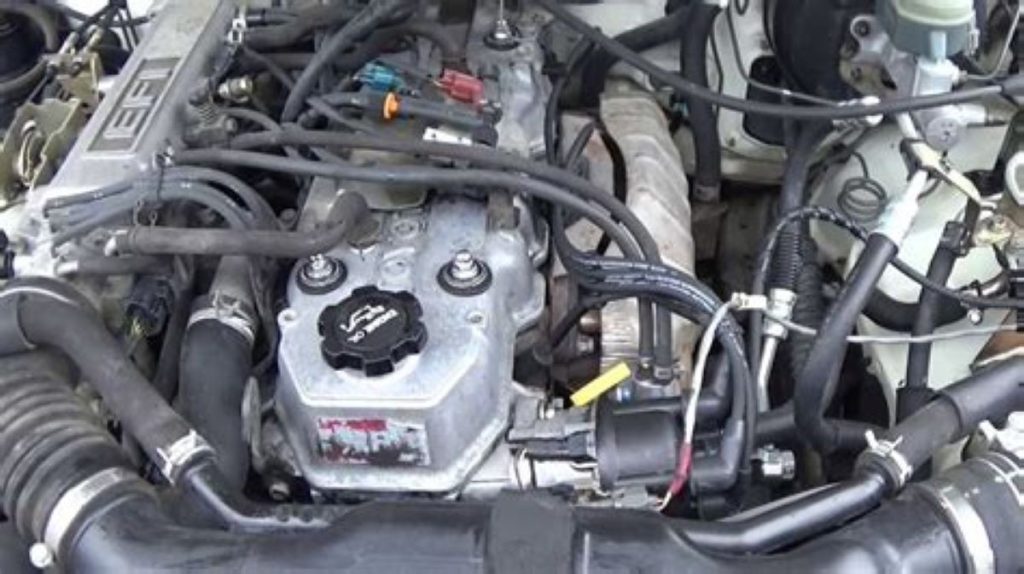
Its reputation extends beyond pavement, as off-road enthusiasts have relied on the 22RE for years in harsh environments where engine reliability is essential. That proven history has made it one of Toyota’s most respected four-cylinder engines and a benchmark for long-term mechanical durability.
Specifications
- Engine: 2.4-liter naturally aspirated inline-four (22RE)
- Torque: 140 lb-ft
- Horsepower: 116 hp
- Length/Width: Approximately 25.8 inches / 24.5 inches
9. Toyota 2AR-FE 2.5L Inline-4
Toyota developed the 2AR-FE to provide dependable transportation for millions of drivers, and it has consistently delivered on that goal.
Found in popular American models such as the Camry, RAV4, Avalon, and several Lexus vehicles, this naturally aspirated 2.5-liter four-cylinder has built an excellent record for avoiding catastrophic engine failures when maintained according to factory recommendations.
The engine combines an aluminum block with durable cast iron cylinder liners, creating a balance between reduced weight and long-term wear resistance. A forged steel crankshaft, dependable timing chain, and efficient lubrication system help protect internal components during years of daily commuting and highway driving.
These engineering choices have resulted in very few widespread reports involving broken connecting rods, cracked engine blocks, or bearing failures.
Repair shops commonly see high-mileage examples requiring maintenance items such as water pumps, ignition coils, or accessory belts rather than complete engine replacements. Many owners report surpassing 250,000 miles while the engine continues operating smoothly with factory internals.
Stable cooling performance also helps prevent overheating, one of the leading causes of serious engine damage.
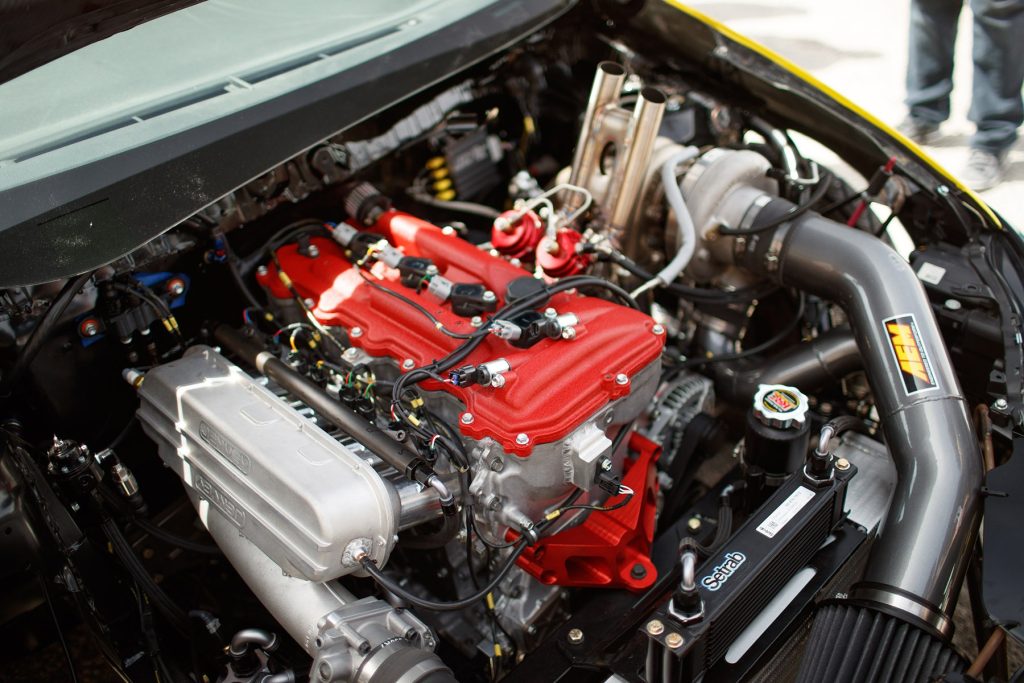
The 2AR-FE demonstrates that reliability does not require excessive complexity. Instead, careful engineering, conservative tuning, and quality manufacturing have allowed it to become one of the most dependable four-cylinder engines sold in the United States, making it a popular choice for buyers seeking long-term ownership.
Specifications
- Engine: 2.5-liter naturally aspirated inline-four (2AR-FE)
- Torque: Up to 184 lb-ft
- Horsepower: Up to 178 hp
- Length/Width: Approximately 24.7 inches / 25.8 inches
10. Chevrolet LS3 6.2L V8
Producing more than 400 horsepower usually increases stress on an engine, yet the Chevrolet LS3 has proven that strong performance and long-term durability can exist together.
Introduced in vehicles such as the Chevrolet Corvette and Camaro SS, this naturally aspirated 6.2-liter V8 has earned widespread respect for maintaining excellent reliability while delivering impressive power.
The LS3 features a deep-skirt aluminum block that provides exceptional rigidity without unnecessary weight. Six-bolt main bearing caps improve crankshaft stability, while the rotating assembly is engineered to withstand sustained high engine speeds.
Combined with an efficient lubrication system, these features significantly reduce wear on bearings, pistons, and other internal components during normal operation.
Unlike many high-output performance engines, the LS3 has not developed widespread patterns of catastrophic internal failures in stock form.
Independent mechanics commonly report routine maintenance involving ignition components, water pumps, or accessory drive parts instead of broken connecting rods or damaged engine blocks.
Owners who perform regular oil changes frequently accumulate well over 200,000 miles without major internal repairs.
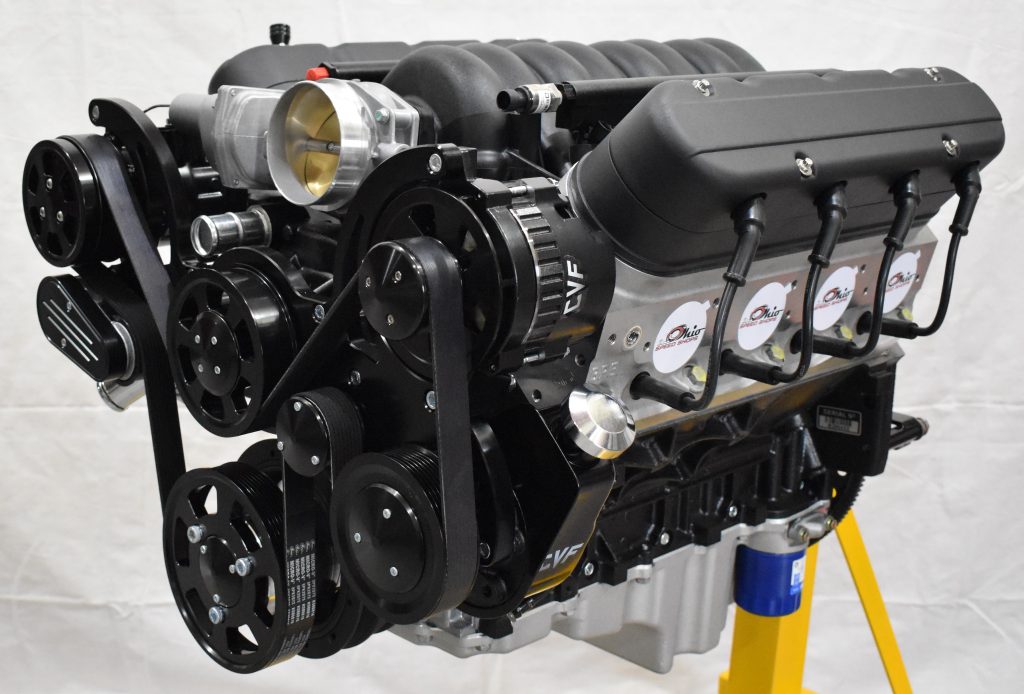
Another advantage is the engine’s relatively simple pushrod architecture, which contains fewer moving parts than many dual overhead cam V8s. This straightforward design contributes to dependable long-term operation while keeping maintenance manageable.
The LS3 remains one of General Motors’ finest naturally aspirated V8 engines, combining strong performance with a proven record of mechanical durability.
Specifications
- Engine: 6.2-liter naturally aspirated V8 (LS3)
- Torque: 424 lb-ft
- Horsepower: 430 hp
- Length/Width: Approximately 28.0 inches / 29.0 inches
Also Read: 10 Hidden Features in the Mazda CX-90
