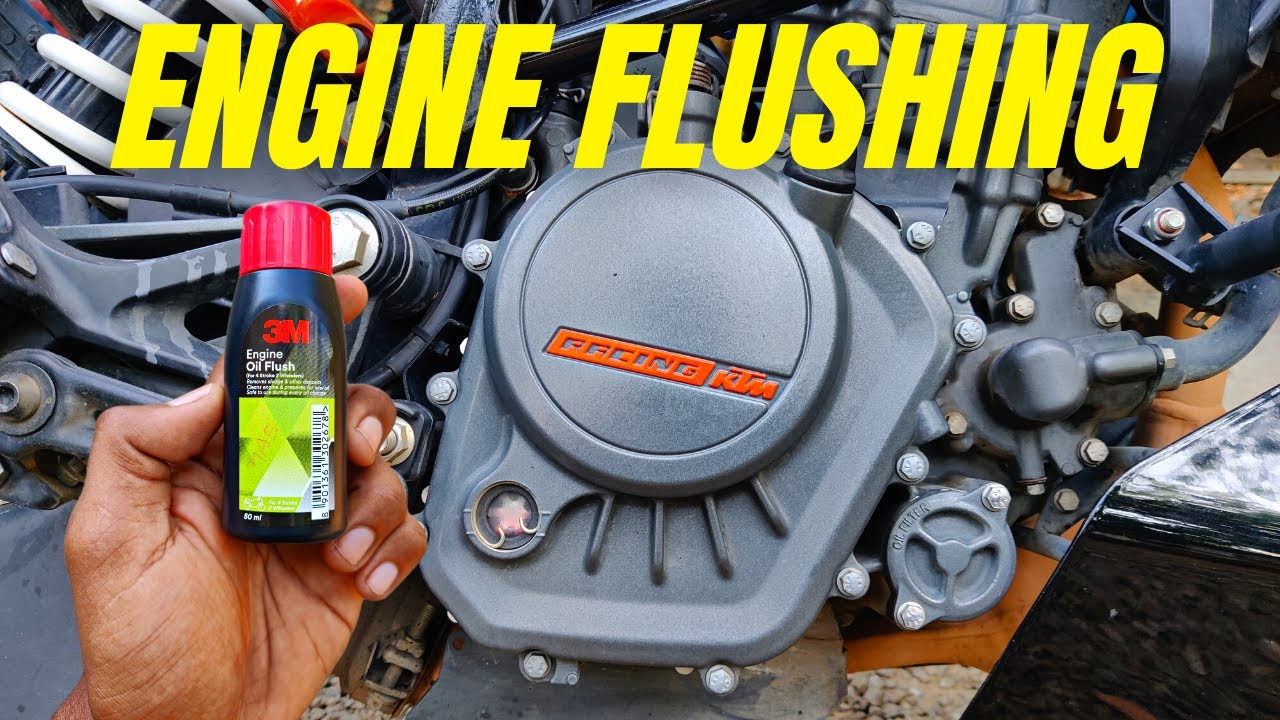
Walk through the service menu at many repair shops or quick-lube centers, and you may come across an engine flush being offered as a way to remove sludge, restore performance, and extend engine life.
The service typically involves adding a chemical cleaning agent to the engine oil, allowing the engine to idle for a short period, and then draining the contaminated oil before refilling it with fresh oil and a new filter.
Supporters argue that the process removes harmful deposits that ordinary oil changes leave behind. Critics, however, warn that flushing an older engine can sometimes create more problems than it solves.
The truth lies somewhere in between. An engine flush is not a routine maintenance procedure recommended for most vehicles, and it is certainly not a cure for years of neglected oil changes.
In some situations, particularly when sludge has accumulated because of poor maintenance or severe operating conditions, a carefully selected cleaning procedure may help remove deposits before they restrict oil flow.
In other cases, especially on high-mileage engines with unknown service histories, a chemical flush can loosen large amounts of sludge that may clog oil passages or expose worn seals that were previously being masked by deposits.
Automakers generally emphasize regular oil changes with the correct oil specification rather than periodic engine flushing.
According to the American Automobile Association (AAA), using the manufacturer-recommended motor oil and following the prescribed oil change interval remains the most effective way to prevent sludge buildup in the first place.
Likewise, vehicle manufacturers such as Toyota, Honda, Ford, and General Motors do not include routine engine flushes in their scheduled maintenance programs for normal driving conditions.
So, does an engine flush help or hurt an older motor? The answer depends largely on the engine’s condition, maintenance history, and the reason the flush is being considered.
Also Read: 10 Longest-Running Automotive Engine Families Ever Built
What Is an Engine Flush?
An engine flush is a chemical cleaning process intended to dissolve sludge, varnish, and carbon deposits inside the engine before the old oil is drained.
Most commercial engine flush products are added directly to the existing engine oil. The engine is then allowed to idle, usually for 10 to 15 minutes, allowing detergents and solvents to circulate through the lubrication system. Afterward, the contaminated oil is drained, the oil filter is replaced, and fresh engine oil is installed.
Unlike fuel system cleaners, an engine flush works only inside the lubrication system. Its goal is to clean areas such as the following:
- Oil galleries
- Valve train components
- Hydraulic lifters
- Timing chain areas
- Crankcase surfaces
While the process sounds straightforward, its effectiveness depends on the type and amount of deposits present inside the engine.
Why Sludge Forms in Older Engines
Engine sludge develops when motor oil breaks down over time and contaminants accumulate faster than the oil’s additives can suspend them.
Common causes include:
- Extended oil change intervals
- Frequent short trips
- Engine overheating
- Using the wrong oil specification
- Poor crankcase ventilation
- Low-quality engine oil
According to the American Petroleum Institute (API), modern engine oils contain detergents and dispersants designed to keep contaminants suspended until the next oil change.
When oil is changed at the recommended interval using an oil that meets the manufacturer’s specifications, significant sludge formation is uncommon under normal operating conditions.
Older engines with inconsistent maintenance histories are more likely to contain hardened sludge that ordinary oil changes cannot easily remove.
When an Engine Flush May Help
There are situations where an engine flush can provide benefits. If an engine has visible sludge beneath the valve cover or shows evidence of restricted oil flow caused by deposits, a technician may recommend a cleaning procedure before performing repairs.
Potential benefits include the following:
- Removing soft sludge deposits
- Cleaning oil passages
- Restoring hydraulic lifter operation
- Improving oil circulation
- Reducing sticking piston rings in some cases
Some repair shops also perform an engine flush after repairing severe coolant contamination caused by a failed head gasket, helping remove residual contaminants before refilling the engine with fresh oil.
However, these situations are relatively specific and usually follow a professional inspection rather than being performed as routine maintenance.
Why Older Engines Can Be at Risk
The biggest concern with flushing a high-mileage engine is that large deposits may break loose all at once.
If significant sludge has accumulated over many years, the cleaning chemicals can dislodge chunks of material that may travel through the lubrication system.
Potential problems include the following:
- Clogged oil pickup screens
- Blocked oil passages
- Restricted oil flow
- Reduced oil pressure
Older engines may also have hardened seals and gaskets that have adapted to years of accumulated deposits.
Once those deposits are removed, small oil leaks that were previously hidden may become noticeable.
This does not mean the engine flush damaged the seals. Rather, the cleaning process exposed wear that already existed.
What Manufacturers Recommend
One of the most important points is that routine engine flushing is rarely included in factory maintenance schedules.
Major automakers instead recommend:
- Using the correct oil viscosity
- Choosing an oil that meets the required industry specifications
- Replacing the oil filter at every oil change
- Following the recommended maintenance interval
Modern synthetic motor oils already contain sophisticated detergent packages designed to clean internal engine components gradually over time.
According to the API, properly formulated engine oils continuously remove contaminants during normal operation, making additional chemical cleaning unnecessary for engines that receive regular maintenance.
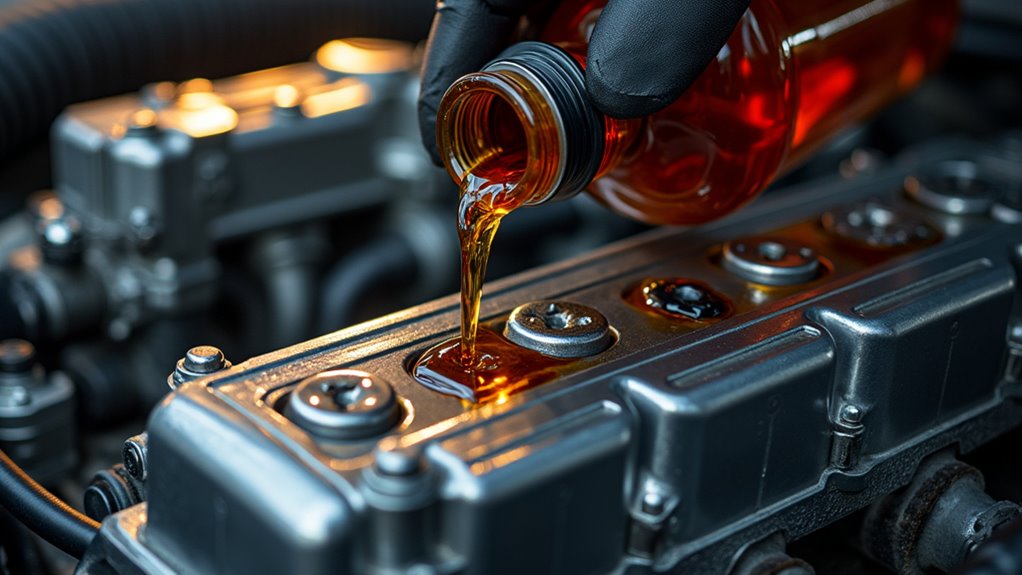
If sludge becomes severe enough to require chemical flushing, manufacturers often consider it evidence of inadequate maintenance rather than a condition requiring periodic flushing.
What Professional Mechanics Often Recommend
Many experienced technicians are cautious when recommending engine flushes for older vehicles with unknown maintenance histories.
Instead, they often prefer a gradual cleaning approach that includes:
- Performing more frequent oil changes
- Switching to high-quality synthetic oil, if approved
- Replacing the oil filter at shorter intervals
- Monitoring the oil condition between services
This method allows modern detergent additives to slowly dissolve deposits over several oil change cycles without releasing excessive debris at one time.
For engines with only light sludge, this gradual approach often carries less risk than an aggressive chemical flush.
Can an Engine Flush Restore Lost Performance?
Some advertisements suggest that an engine flush can restore horsepower, improve fuel economy, or make an aging engine perform like new.
There is little evidence that a healthy engine maintained according to the manufacturer’s recommendations will experience measurable performance improvements simply from an engine flush.
If sludge has restricted oil flow to hydraulic valve lifters or variable valve timing components, cleaning those deposits may resolve specific drivability issues.
However, an engine flush cannot:
- Reverse mechanical wear
- Repair damaged bearings
- Restore compression
- Fix worn piston rings
- Eliminate internal engine damage
Any performance improvements are generally limited to correcting problems directly caused by oil contamination.
How to Decide Whether an Engine Flush Is Worth It
Before authorizing an engine flush, owners should consider several questions.
- Has the engine received regular oil changes throughout its life?
- Is there visible sludge confirmed by a qualified technician?
- Has the manufacturer recommended any specific cleaning procedure after a mechanical repair?
- Is the engine experiencing symptoms directly related to oil contamination?
If the answer to most of these questions is no, routine oil and filter changes using the proper oil specification are usually the safer choice.
Drivers should also be cautious about agreeing to engine flushes that are automatically recommended during every oil change. Many quick-service shops offer the service as an optional maintenance item even though it is not included in the manufacturer’s maintenance schedule.
An engine flush is neither a miracle cure nor an inherently harmful procedure. Its value depends entirely on the condition of the engine and the reason it is being performed.
For a well-maintained engine that has received regular oil changes with the correct oil, a chemical engine flush is generally unnecessary.
Modern engine oils already contain detergents designed to keep internal components clean, and following the manufacturer’s recommended maintenance schedule remains the most effective way to prevent sludge buildup.
For older engines with heavy sludge or a history of neglected maintenance, an engine flush may remove deposits, but it also carries risks. Large amounts of loosened sludge can restrict oil flow, and cleaning away long-standing deposits may reveal worn seals that were already near the end of their service life.
Rather than relying on a chemical flush as preventive maintenance, most automotive experts recommend addressing the root cause of sludge through consistent oil changes, high-quality engine oil that meets the manufacturer’s specifications, and timely filter replacement.
If an older engine shows signs of severe sludge accumulation, the safest approach is to have it evaluated by a qualified technician before deciding whether a flush, gradual cleaning through shorter oil change intervals, or mechanical repair is the most appropriate solution.
Also Read: 10 Fastest Family Sedans You Can Buy for Under $40,000