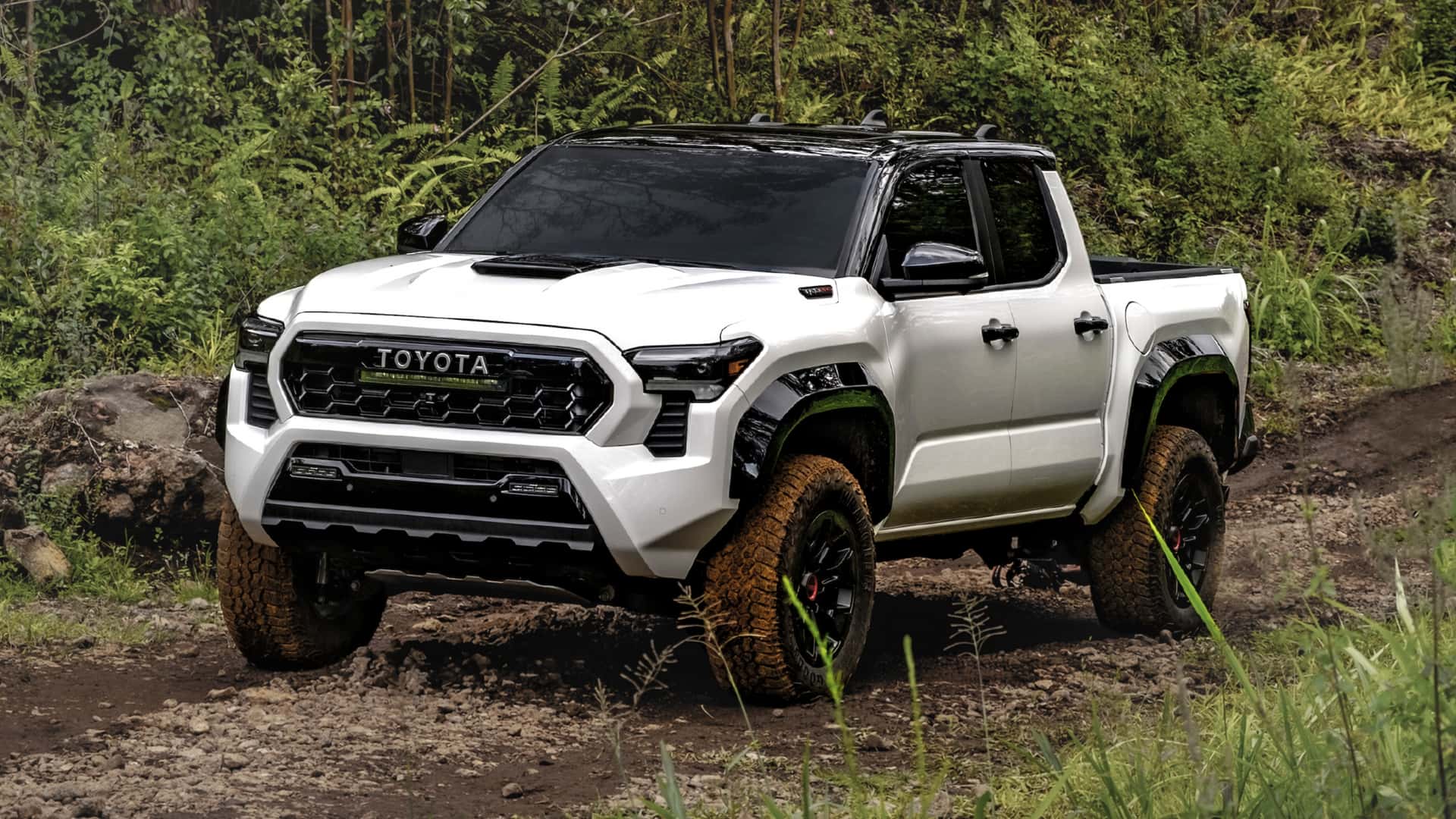
Toyota’s latest investment extends beyond the construction of a single manufacturing plant. Industry analysts view it as part of a broader strategy to strengthen the company’s North American production network and increase its ability to build trucks closer to the customers who buy them.
As demand for pickups continues to remain strong across the United States, Toyota is positioning itself to respond more quickly to market changes while reducing dependence on imported production.
For years, Toyota has balanced truck manufacturing between facilities in the United States and Mexico, allowing the company to efficiently serve the North American market.
However, changing trade policies, rising transportation costs, and the growing importance of supply chain resilience have encouraged automakers to reassess where future production should take place.
Expanding U.S. manufacturing provides Toyota with greater operational flexibility while reducing the logistical complexity associated with cross-border vehicle shipments.
Industry experts believe the strategy also reflects lessons learned during recent global supply chain disruptions.
Factory shutdowns, semiconductor shortages, and shipping delays exposed vulnerabilities in international manufacturing networks, prompting many automakers to diversify production and increase regional capacity.
By expanding operations in Texas, Toyota is reducing potential supply risks while improving its ability to respond to fluctuations in customer demand.
Also Read: 10 Ultra-Compact Cars Ranked From Shortest to Longest
Trucks Continue to Drive Profitability
Pickup trucks remain one of the most profitable segments in the North American automotive industry, making continued investment in production capacity a logical business decision.
Models such as the Toyota Tacoma and Toyota Tundra have developed strong customer loyalty, particularly among buyers seeking durability, reliability, and long-term ownership value.
Analysts note that the midsize pickup segment has experienced sustained growth as more consumers seek trucks that combine everyday practicality with manageable size and fuel efficiency. At the same time, the full-size truck market continues to generate substantial revenue for manufacturers despite increasing competition from domestic rivals.
Toyota’s expanded production capability is expected to improve inventory availability while reducing delivery times to dealerships across the United States.
During periods of strong demand, additional domestic manufacturing capacity allows the company to adjust production schedules more rapidly than relying on imported vehicles shipped over longer distances.
The investment may also create opportunities for future truck variants, including expanded hybrid offerings.
Toyota has consistently promoted its multi-pathway electrification strategy, combining conventional gasoline engines with hybrid, plug-in hybrid, battery-electric, and hydrogen technologies depending on customer needs and regional market conditions.
Producing trucks closer to key engineering and manufacturing operations could simplify the introduction of future powertrain updates.
Strengthening the Supplier Network
The economic impact of Toyota’s expansion extends well beyond the assembly plant itself. Major automotive manufacturing projects typically encourage suppliers to establish nearby operations, creating a regional ecosystem that supports everything from powertrain components and electronics to seating, glass, tires, and logistics services.
Industry analysts estimate that each assembly plant supports thousands of additional jobs throughout the supplier network.
Companies responsible for stamping, plastics, batteries, wiring harnesses, and other components frequently invest in nearby facilities to shorten transportation distances and improve production efficiency.
This clustering effect strengthens regional manufacturing while creating long-term employment opportunities across multiple industries.
Local infrastructure is also expected to benefit. Large manufacturing investments often lead to improvements in highways, rail connections, utility capacity, and workforce training programs, all of which contribute to long-term economic development.
State and local governments generally view automotive assembly plants as strategic investments because they attract additional business activity long after construction has been completed.
Looking Ahead
Toyota’s latest investment demonstrates that North America will remain central to the company’s global manufacturing strategy for years to come.
While the automotive industry continues transitioning toward electrification and advanced manufacturing technologies, demand for pickup trucks remains exceptionally strong, making expanded domestic production a logical long-term investment.
Industry observers expect Toyota to continue modernizing its manufacturing operations with greater automation, digital quality-control systems, and flexible assembly processes capable of supporting multiple powertrains on the same production lines.
These investments will allow the company to adapt more efficiently as customer preferences evolve and new technologies enter the market.
Beyond increasing production capacity, the Texas expansion sends a broader message about Toyota’s confidence in the U.S. automotive market.
By committing billions of dollars to new domestic manufacturing while shifting a portion of truck production closer to American consumers, the company is strengthening its competitive position against both domestic and international rivals.
If demand for pickup trucks continues to grow as expected, Toyota’s expanded manufacturing footprint will provide greater flexibility, improved supply chain resilience, and enhanced responsiveness to market conditions, reinforcing its ambition to remain one of the leading truck manufacturers in North America throughout the remainder of the decade.
Long-Term Benefits for Toyota and the U.S. Auto Industry
Toyota’s manufacturing expansion is expected to deliver benefits that extend well beyond higher truck production.
Industry analysts believe the investment will strengthen the company’s long-term competitiveness by improving manufacturing flexibility, reducing operating costs, and positioning production closer to one of the world’s largest pickup truck markets.
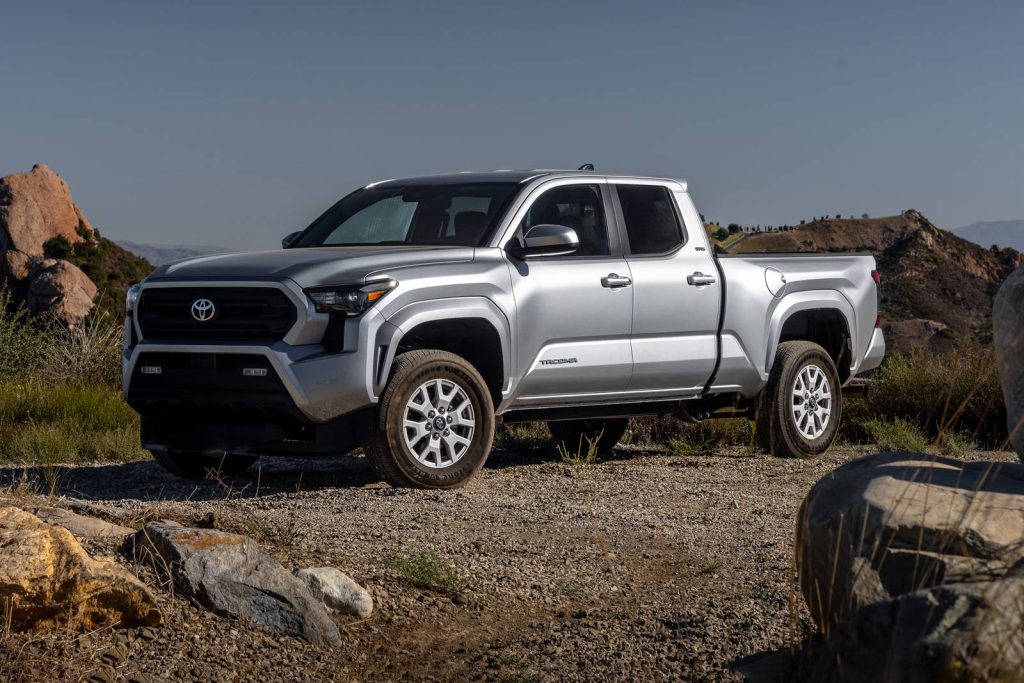
These advantages have become increasingly important as automakers adapt to changing consumer preferences, evolving trade policies, and rapid technological advancements.
A larger domestic manufacturing footprint also gives Toyota greater control over its production schedule. Instead of depending heavily on imported vehicles that may be affected by shipping delays or border-related disruptions, the company can respond more quickly to fluctuations in dealer inventory and customer demand.
This flexibility is particularly valuable in the pickup segment, where seasonal demand and regional buying patterns can change rapidly.
Another important aspect of the expansion is its impact on future product development. Modern automotive plants are designed with flexible production systems capable of assembling multiple models and powertrain configurations on the same production line.
This allows manufacturers to introduce new technologies with fewer infrastructure changes while adjusting production volumes as market demand evolves.
Analysts believe Toyota’s new facility will likely be equipped to support future hybrid and electrified truck variants alongside conventional gasoline-powered models, providing the company with greater adaptability during the industry’s ongoing transition toward lower-emission vehicles.
The investment also reinforces Toyota’s long-standing commitment to manufacturing in the United States. Over the past several decades, the company has invested billions of dollars in American production facilities, supplier partnerships, research centers, and workforce development.
The latest project continues that strategy by expanding domestic capacity while creating additional opportunities for local suppliers, engineering firms, construction companies, and logistics providers.
For consumers, increased domestic production may contribute to improved vehicle availability and shorter delivery times, particularly during periods of strong demand. Building trucks closer to major U.S. markets can also help reduce transportation costs and improve supply chain efficiency, factors that support more stable production throughout the year.
From a broader industry perspective, Toyota’s decision reflects an important shift in global automotive manufacturing. Companies are increasingly prioritizing regional production networks that reduce dependence on long international supply chains while improving resilience against economic uncertainty.
Investments in advanced manufacturing, automation, and localized supplier ecosystems are becoming central components of long-term business strategies across the automotive sector.
Toyota’s expansion demonstrates confidence in both the future of the U.S. truck market and the strength of American manufacturing.
As demand for pickups continues to remain resilient, the company’s larger production footprint will provide additional capacity, greater operational flexibility, and stronger supply chain stability.
Combined with continued investment in hybrid technology and next-generation manufacturing processes, the new Texas facility positions Toyota to compete more effectively in one of the automotive industry’s most important and profitable segments for many years to come.
Also Read: 10 Cars With the Best All-Around Visibility for Aging Eyes