The automotive industry has seen dozens of manufacturers disappear despite producing vehicles that earned loyal followings and strong reputations. Financial struggles, mergers, shifting consumer preferences, and economic downturns have forced many brands to close their doors, yet some of their most successful models have refused to fade away.
In many cases, these vehicles remained on American roads for decades after the companies that built them had ceased operations. Their durability, thoughtful engineering, and plentiful parts support helped them outlive the very brands that introduced them.
Some of these automobiles became collector favorites, while others simply proved so dependable that owners kept driving them long after production ended. A few even benefited from corporate acquisitions that ensured replacement parts remained available, allowing enthusiasts and everyday drivers alike to preserve them.
Their longevity is measured not only by production numbers but also by the fact that they continue to appear at car shows, on daily commutes, and in enthusiast communities across the United States.
This list highlights ten cars whose manufacturers disappeared while the vehicles themselves continued to enjoy long lives. Every model included here was sold in the U.S. market and is backed by documented production history, manufacturer specifications, and verified historical records.
These automobiles demonstrate that a great vehicle can leave a lasting legacy even when the company behind it becomes part of automotive history.
Also Read: 10 Fastest Diesel Pickups Ever Made – Ranked
1. Pontiac G8
When General Motors discontinued the Pontiac division in 2010 as part of its restructuring efforts, many enthusiasts believed the Pontiac G8 would quickly become a forgotten performance sedan. Instead, the opposite happened.
Produced for only the 2008 and 2009 model years in the United States, the G8 developed a devoted following that continues today. Imported from GM’s Australian subsidiary, Holden, the sedan combined rear-wheel-drive architecture with powerful V6 and V8 engines, giving American buyers a genuine sports sedan at a competitive price.
The G8 GT became especially desirable because it featured the proven 6.0-liter LS2-based V8 family, while the later GXP upgraded to the Corvette-derived 6.2 liter LS3, producing 415 horsepower. Those engines earned an excellent reputation for durability and aftermarket support, making ownership practical long after Pontiac disappeared.
Another reason the G8 survived its parent brand is parts availability. Because its platform shared components with Holden and other General Motors products, maintenance remained relatively straightforward.
Owners also benefited from the enormous aftermarket built around GM’s LS engine family, ensuring mechanical components remained accessible years after production ceased.
Values have steadily increased, particularly for low-mileage GXP models equipped with the rare six-speed manual transmission. Enthusiasts appreciate the sedan’s balanced handling, comfortable interior, and understated appearance, qualities that have aged remarkably well.
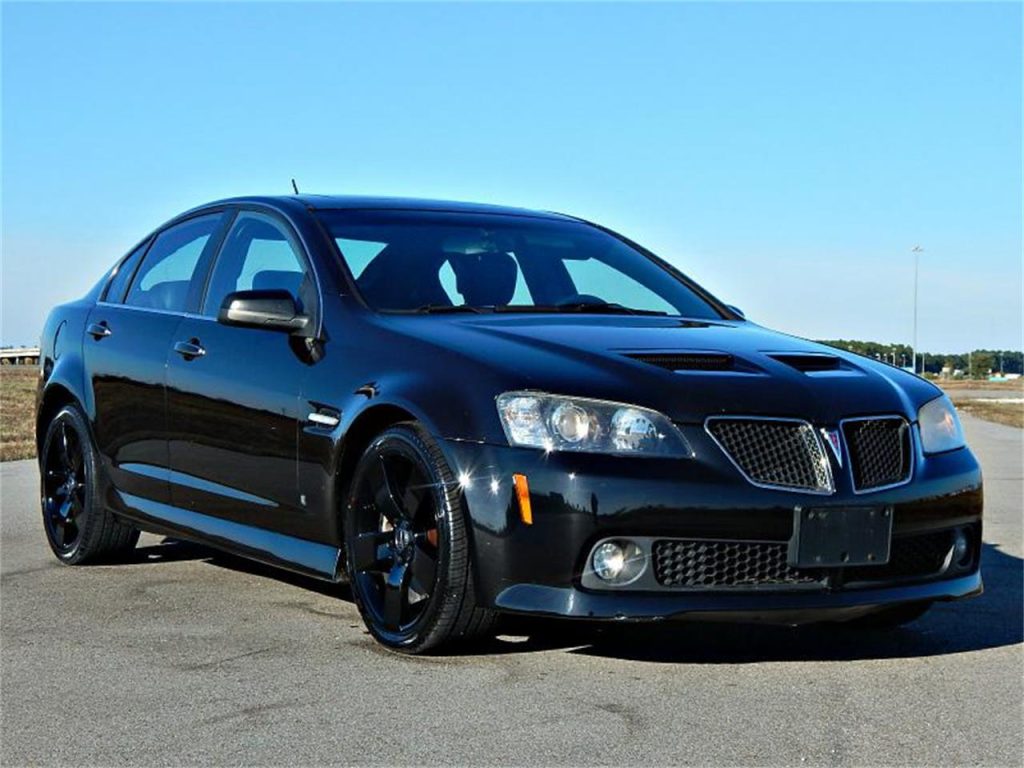
Although Pontiac disappeared more than a decade ago, the G8 continues to appear at enthusiast events, performance gatherings, and daily commutes throughout America. Its combination of reliability, performance, and limited production has allowed it to outlive the badge proudly displayed on its grille.
Specifications
- Engine: 6.0-liter naturally aspirated V8 (GT)
- Torque: 385 lb ft
- Horsepower: 361 hp
- Length/Width: 196.1 inches / 74.8 inches
2. Saab 9-3
Saab officially entered bankruptcy in 2011 after years of financial instability, bringing an end to one of the automotive industry’s most distinctive brands. Despite the company’s disappearance, the Saab 9-3 continues to enjoy a surprisingly active presence across the United States.
Owners have remained committed to preserving these Swedish sedans, wagons, and convertibles because of their unique engineering, comfortable interiors, and impressive highway manners.
Unlike many discontinued vehicles that become difficult to maintain, the 9-3 benefited from General Motors’ ownership during much of its production.
The second-generation model shared numerous components with GM’s global Epsilon platform, allowing many replacement parts to remain available through existing supply chains. Independent Saab specialists also emerged across North America, helping owners keep their vehicles in excellent operating condition.
Turbocharged four-cylinder engines became one of the car’s defining characteristics. These powerplants delivered strong low-end torque while maintaining respectable fuel economy, making the 9-3 enjoyable for both commuting and long-distance travel.
Saab’s focus on ergonomics also distinguished the cabin, with aircraft-inspired controls and supportive seats earning praise from reviewers.
Enthusiast organizations have further contributed to the model’s longevity by documenting repairs, reproducing discontinued components, and organizing events dedicated to the brand. This strong owner community has helped thousands of vehicles remain operational years after Saab ceased manufacturing automobiles.
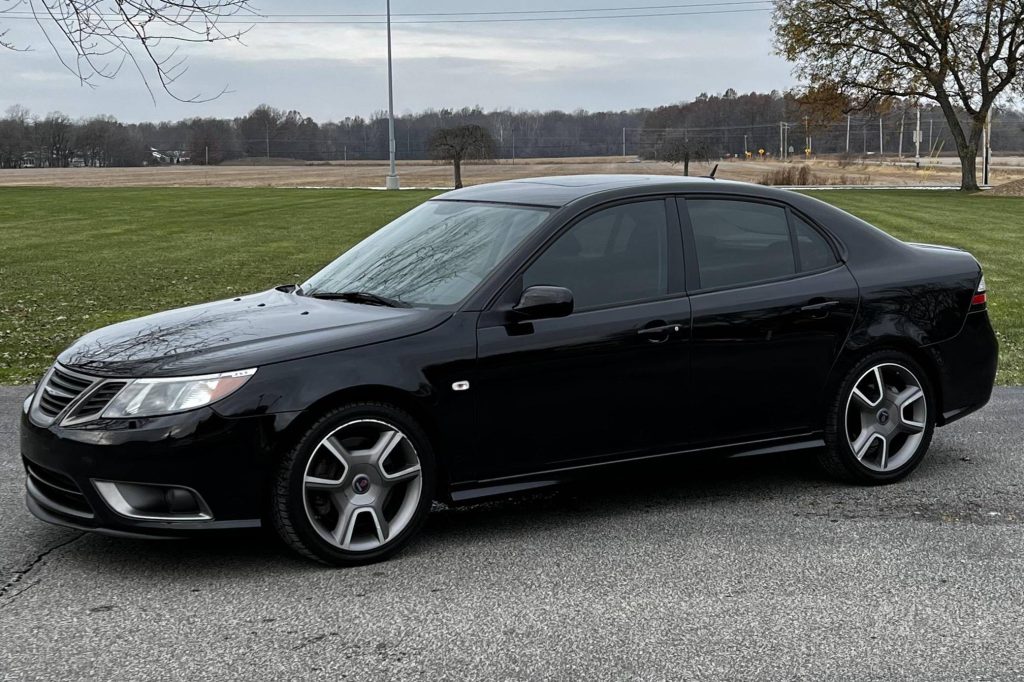
The Saab name no longer appears on new vehicles, yet the 9-3 continues to represent the company’s engineering philosophy. Its enduring popularity demonstrates that a thoughtfully designed automobile can remain relevant even after the manufacturer itself has become automotive history.
Specifications
- Engine: 2.0-liter turbocharged inline-four
- Torque: 258 lb ft
- Horsepower: 210 hp
- Length/Width: 182.5 inches / 69.3 inches
3. Mercury Grand Marquis
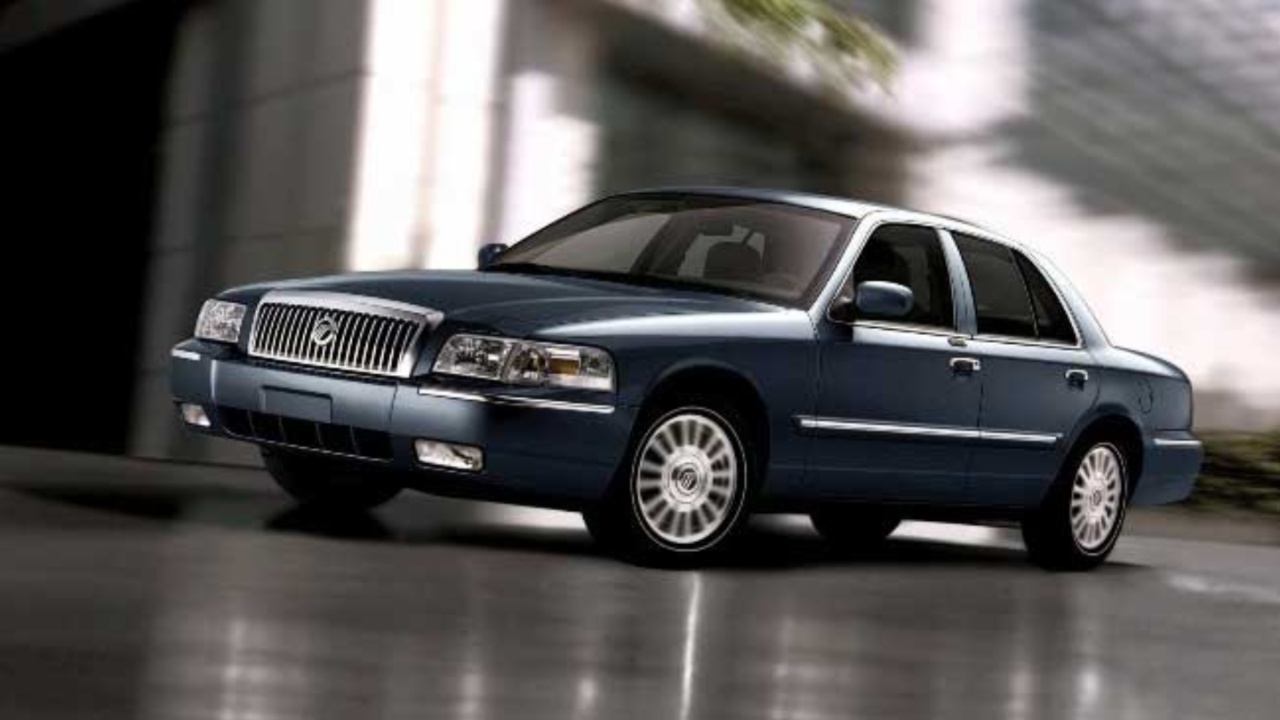
Few full-size American sedans have demonstrated the staying power of the Mercury Grand Marquis. Although Ford ended the Mercury brand in 2011 as part of a broader corporate restructuring, the Grand Marquis continues to serve thousands of owners across the United States. Its survival is no accident.
The sedan was engineered around the durable Panther platform, which also underpinned the Ford Crown Victoria and Lincoln Town Car. That shared architecture ensured replacement parts remained plentiful long after Mercury disappeared from dealership showrooms.
Built with body-on-frame construction, the Grand Marquis earned a reputation for durability that appealed to private owners, government fleets, and taxi operators. Unlike many modern sedans that emphasized lightweight construction, the Mercury prioritized strength, ride comfort, and long-term reliability.
The naturally aspirated 4.6-liter Modular V8 became one of Ford’s most dependable engines, routinely surpassing 200,000 miles with proper maintenance.
Owners also appreciate the car’s straightforward mechanical layout. Routine servicing can often be performed without specialized equipment, while many components remain interchangeable with other Panther platform vehicles. This has kept ownership costs relatively reasonable despite the brand’s closure.
The spacious cabin and exceptionally smooth ride continue to attract drivers seeking traditional American comfort. Large bench seats, generous trunk space, and predictable handling have allowed the Grand Marquis to remain a favorite among retirees and collectors alike.
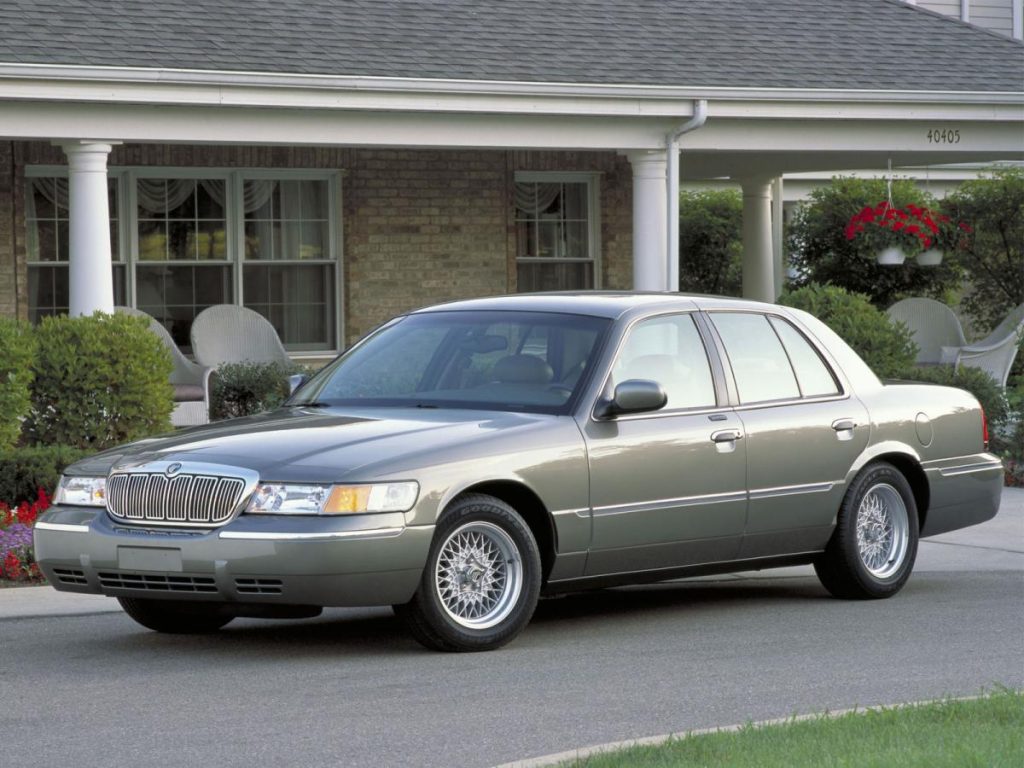
Although Mercury no longer exists, the Grand Marquis still appears regularly on American roads because its proven engineering has stood the test of time. It serves as one of the clearest examples of a vehicle that comfortably outlasted the company responsible for creating it.
Specifications
- Engine: 4.6 liter naturally aspirated SOHC V8
- Torque: 275 lb ft
- Horsepower: 224 hp
- Length/Width: 212.0 inches / 78.2 inches
4. Oldsmobile Alero
Oldsmobile ended production in 2004 after more than a century in the automotive business, making it one of General Motors’ most historic brands to disappear. One of its final mainstream models, the Alero, has quietly remained on American roads thanks to dependable mechanical components and widespread parts availability.
While it never achieved the collector status of high-performance muscle cars from Oldsmobile’s past, it became known as a practical and affordable compact sedan and coupe.
Introduced for the 1999 model year, the Alero shared GM’s N body platform with the Pontiac Grand Am.
This common engineering proved invaluable after Oldsmobile’s closure because many mechanical parts continued to be produced for related General Motors vehicles. Owners rarely faced the challenges often associated with maintaining discontinued brands.
The available 3.4 liter V6 provided respectable performance for its era, while the 2.2 liter four-cylinder offered better fuel economy and lower operating costs. Buyers appreciated the comfortable ride, straightforward controls, and relatively inexpensive maintenance compared with several import competitors.
Another reason the Alero survived beyond its manufacturer is the abundance of independent repair knowledge.
Since many components were shared across multiple General Motors products, technicians remained familiar with the vehicle years after Oldsmobile disappeared. Salvage yards also supplied replacement body panels and interior pieces, helping owners keep aging examples in good condition.
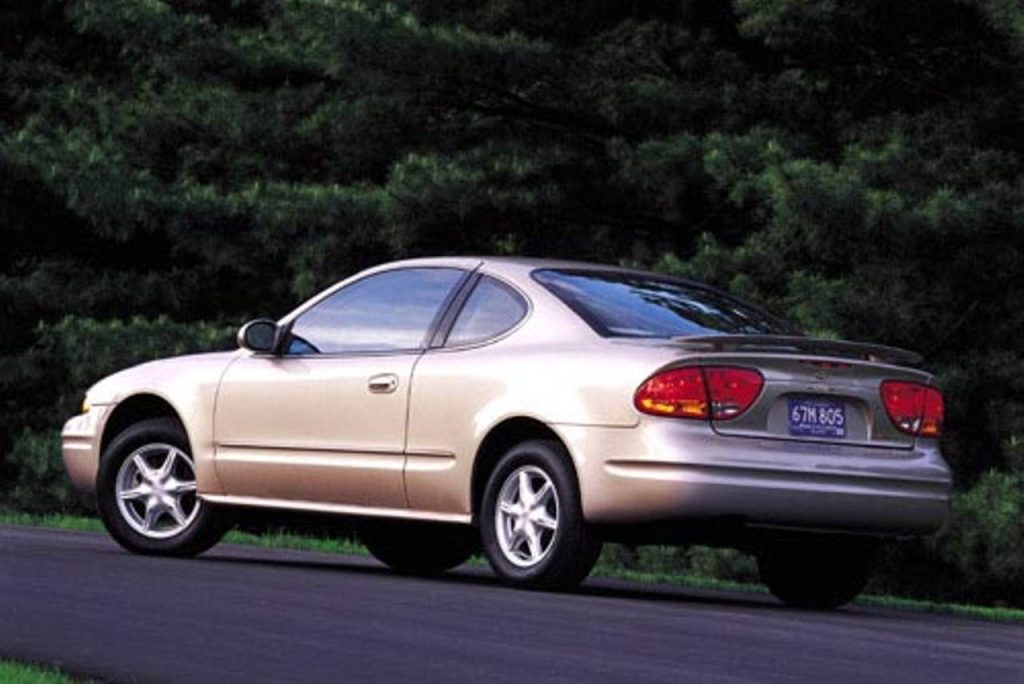
Although it rarely receives the recognition given to classic Oldsmobile performance models, the Alero represents the brand’s final chapter and continues to demonstrate the benefits of parts sharing within a large automotive corporation. Its lasting presence on American roads reflects practical engineering rather than short-term popularity.
Specifications
- Engine: 3.4-liter naturally aspirated V6
- Torque: 200 lb ft
- Horsepower: 170 hp
- Length/Width: 186.7 inches / 69.7 inches
5. Plymouth Prowler
The Plymouth Prowler arrived during the late 1990s as one of the most unconventional production cars ever sold in the United States. With exposed front wheels, dramatic bodywork, and styling inspired by classic hot rods, it immediately attracted attention.
Plymouth itself, however, did not survive much longer. Chrysler officially discontinued the Plymouth brand after the 2001 model year, leaving the Prowler as one of its final and most memorable creations. Rather than disappearing with the badge, the car developed a loyal enthusiast following that continues decades later.
Unlike many limited-production specialty cars, the Prowler benefited from Chrysler’s continued support after Plymouth closed.
Since the vehicle shared numerous mechanical and electronic components with other Chrysler products, sourcing replacement parts remained much easier than owners initially feared. This allowed many examples to stay on the road instead of becoming garage-bound collectibles.
Power came from Chrysler’s 3.5-liter SOHC V6 paired with a rear-mounted four-speed AutoStick automatic transaxle, an unusual layout chosen to improve weight distribution. While some enthusiasts wished for a V8, the lightweight aluminum-intensive chassis still delivered an engaging driving experience.
The car’s distinctive appearance ensured it remained a favorite at automotive events, where it continues to attract attention more than twenty years after production ended.
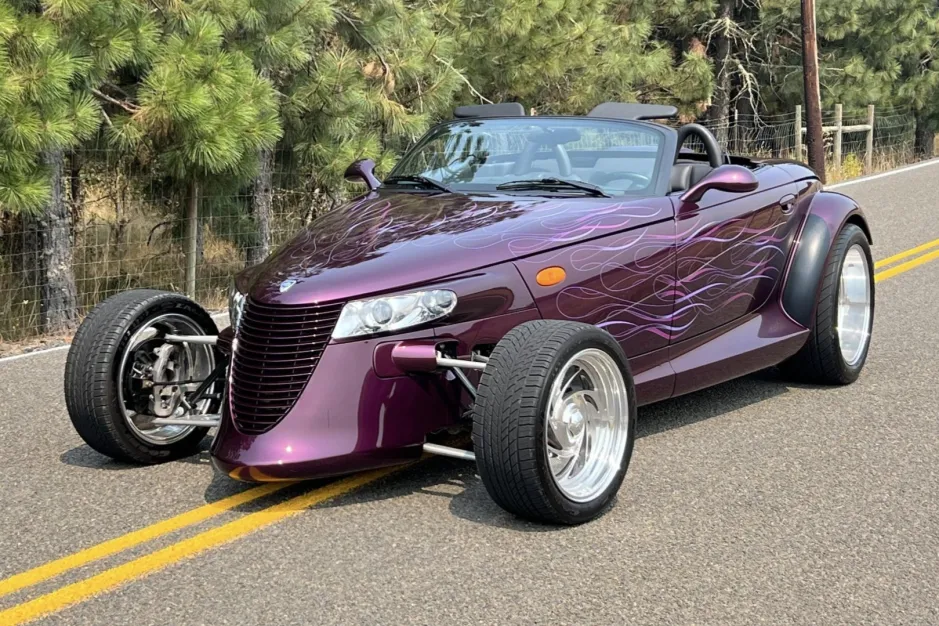
Limited production numbers have also strengthened the Prowler’s reputation. Because relatively few were built, well-maintained examples have become increasingly desirable among collectors looking for something different from traditional American muscle cars.
Today, the Plymouth badge exists only in automotive history books, but the Prowler remains instantly recognizable. Its unique styling, dependable Chrysler mechanicals, and growing collector appeal have helped it comfortably outlive the brand that introduced it.
Specifications
- Engine: 3.5-liter naturally aspirated V6
- Torque: 255 lb ft
- Horsepower: 253 hp
- Length/Width: 165.0 inches / 76.5 inches
6. Saturn Sky
When General Motors closed the Saturn division in 2010, many expected its sports cars to fade into obscurity. Instead, the Saturn Sky carved out a lasting place among affordable American roadsters.
Produced between 2007 and 2010, the Sky combined attractive styling with balanced rear-wheel-drive dynamics, allowing it to remain relevant long after the Saturn name disappeared from dealerships.
Built on GM’s Kappa platform alongside the Pontiac Solstice, the Sky benefited from extensive parts sharing. Suspension components, drivetrain parts, and numerous interior pieces remained available because of this common engineering.
Owners therefore avoided many of the maintenance challenges that often affect vehicles from discontinued manufacturers.
The high-performance Red Line model became particularly sought after thanks to its turbocharged 2.0-liter Ecotec engine. Producing 260 horsepower and 260 lb ft of torque, it offered performance comparable to significantly more expensive sports cars of its era.
Combined with responsive steering and a near 50:50 weight distribution, the Sky delivered an enjoyable driving experience that continues to impress enthusiasts.
Convertible roadsters naturally attract hobbyists, and the Sky has benefited from an active owner community that continues to organize events, technical discussions, and restoration projects throughout the United States.
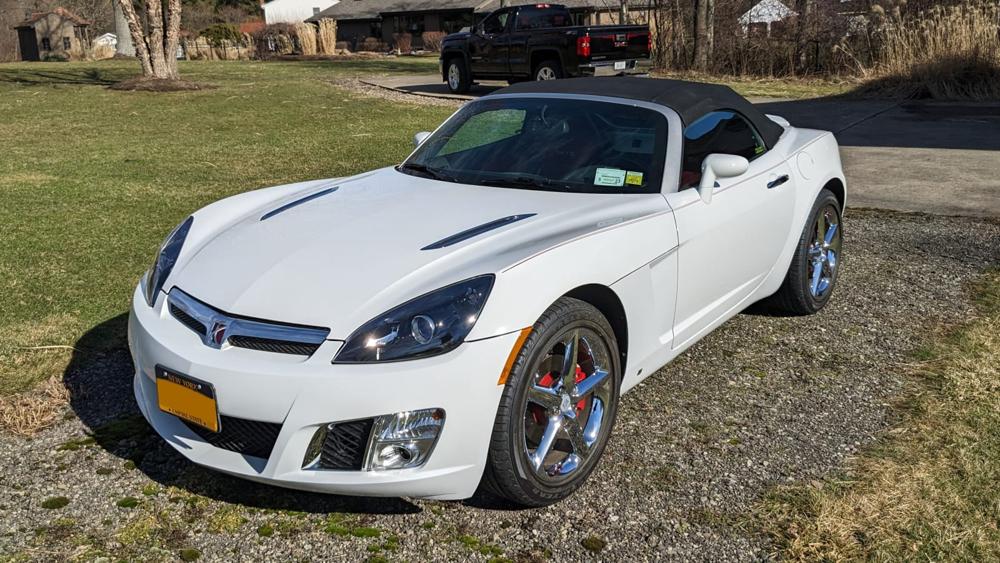
Aftermarket suppliers also continue producing replacement and performance components, extending the vehicle’s lifespan even further.
Although Saturn’s experiment with a different retail approach came to an end, the Sky remains one of the division’s greatest successes. Its handsome styling, engaging performance, and strong mechanical foundation have allowed it to thrive well beyond the life of the Saturn brand.
Specifications
- Engine: 2.0-liter turbocharged inline-four (Red Line)
- Torque: 260 lb ft
- Horsepower: 260 hp
- Length/Width: 161.1 inches / 71.7 inches
7. Hummer H2
The Hummer brand disappeared after General Motors discontinued it in 2010, but the H2 has remained one of the most recognizable SUVs ever sold in America. Unlike many vehicles whose popularity fades after production ends, the H2 has continued to attract buyers looking for bold styling, serious towing capability, and impressive off-road credentials.
Even before the Hummer name returned as GMC’s all-electric sub-brand, used H2 values remained surprisingly resilient because of steady demand.
Built between the 2003 and 2009 model years, the H2 shared much of its engineering with General Motors’ heavy-duty truck lineup. This proved to be one of the biggest reasons it outlived its original brand.
Owners benefited from the widespread availability of drivetrain components, suspension parts, braking systems, and service expertise. Independent repair shops across the United States were already familiar with many of the mechanical systems, making long-term ownership less complicated than many expected.
Under the hood, later H2 models featured a 6.2-liter V8 that produced strong power for towing and highway driving. Combined with a two-speed transfer case, locking rear differential, generous ground clearance, and substantial approach and departure angles, the SUV delivered genuine off-road capability rather than relying solely on aggressive styling.
Another factor contributing to the H2’s longevity is its dedicated enthusiast community. Owners regularly restore older examples, organize trail events, and exchange maintenance knowledge through clubs and online forums. This continued interest has helped preserve thousands of vehicles long after Hummer dealerships disappeared.
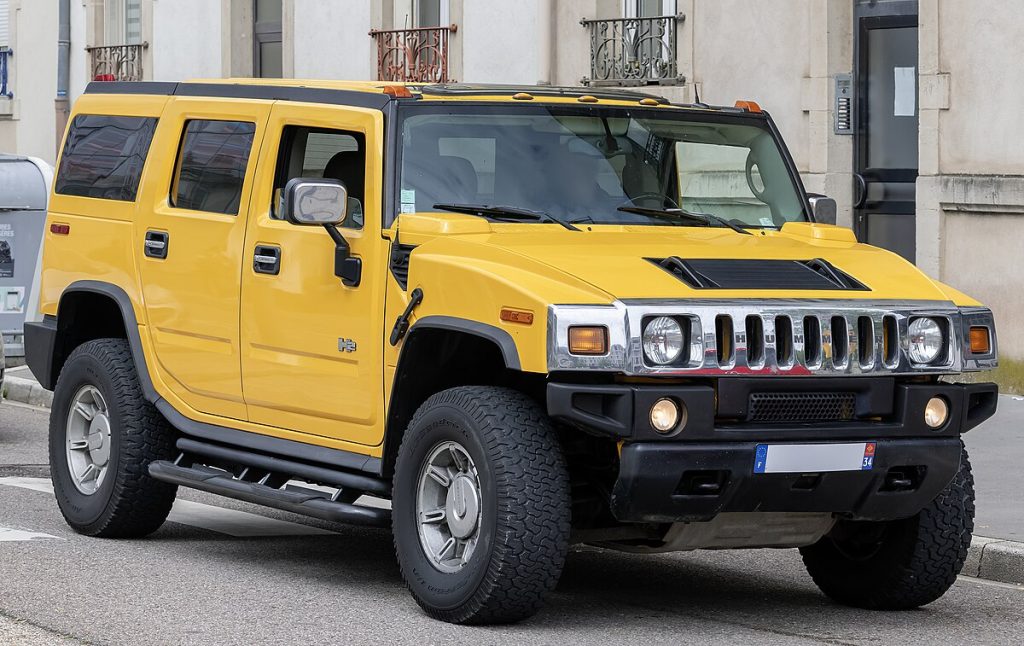
The original Hummer brand no longer manufactures gasoline-powered SUVs, yet the H2 remains an unmistakable presence on American roads. Its combination of truck-based durability, distinctive styling, and mechanical simplicity has ensured that it continues to outlive the company that originally wore the Hummer badge.
Specifications
- Engine: 6.2-liter naturally aspirated V8
- Torque: 417 lb ft
- Horsepower: 393 hp
- Length/Width: 203.6 inches / 81.2 inches
8. Eagle Talon
The Eagle brand officially ended after the 1998 model year, closing a short but memorable chapter in Chrysler’s history. Although the manufacturer disappeared, one of its best-known performance cars continues to enjoy a strong following among enthusiasts.
The Eagle Talon earned its reputation through turbocharged performance, all-wheel drive capability, and a close engineering relationship with the Mitsubishi Eclipse under the Diamond-Star Motors joint venture.
Performance enthusiasts quickly recognized the Talon’s potential. High-output turbocharged models featured Mitsubishi’s legendary 4G63 engine, an iron-block powerplant celebrated for its durability and ability to support substantial horsepower increases with proper modifications.
That engine alone helped secure the Talon’s place in automotive culture, particularly among tuners seeking reliable performance upgrades.
Because the Talon shared nearly all of its major mechanical components with the Mitsubishi Eclipse and Plymouth Laser, replacement parts remained widely available after Eagle disappeared.
Owners could source engines, transmissions, suspension components, and body hardware without relying on obsolete inventory. This extensive parts interchangeability became a major advantage for keeping surviving cars on the road.
The Talon also gained additional recognition through the growing import performance scene of the late 1990s and early 2000s. Numerous aftermarket companies developed upgrades ranging from larger turbochargers to reinforced engine internals, ensuring continued support decades after production ended.
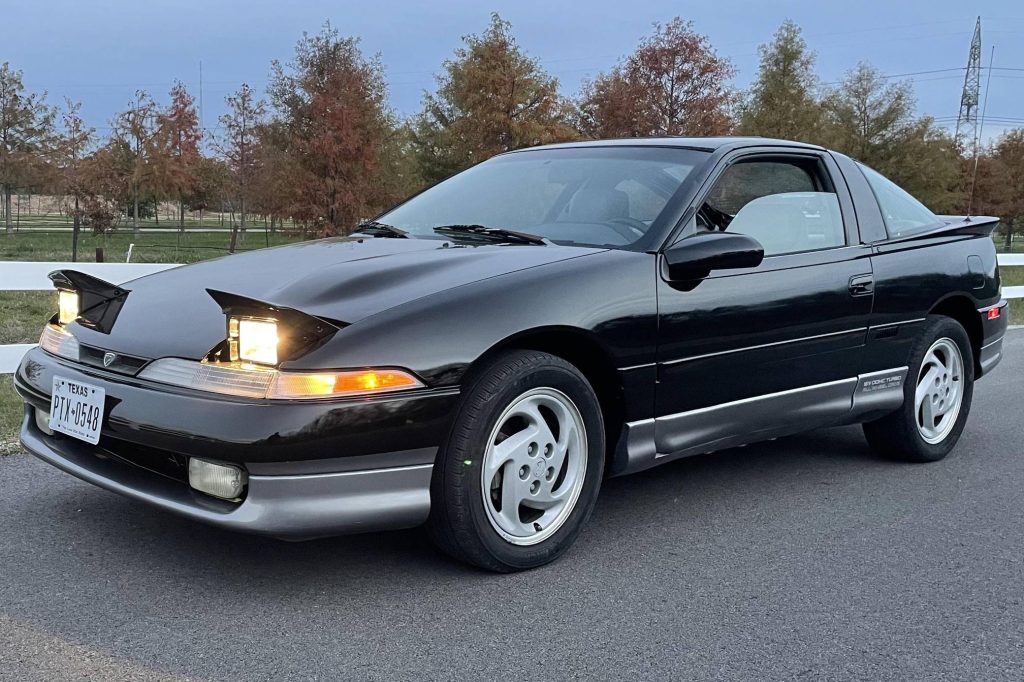
Today, clean examples have become increasingly collectible, especially all-wheel drive TSI models equipped with manual transmissions.
Although Eagle itself has long since vanished from dealership signs, the Talon continues to represent one of the brand’s greatest accomplishments and remains a respected name within the American sport compact community.
Specifications
- Engine: 2.0-liter turbocharged inline four (TSi AWD)
- Torque: 214 lb ft
- Horsepower: 210 hp
- Length/Width: 174.5 inches / 68.1 inches
9. Daewoo Lanos
Daewoo Motor withdrew from the United States after General Motors acquired the company following its financial collapse in the early 2000s.
Although the Daewoo brand disappeared from American showrooms, the Lanos continued to serve thousands of drivers for years afterward.
Introduced as an affordable compact car, it earned a reputation for simple engineering, inexpensive maintenance, and dependable daily transportation, qualities that helped it survive well beyond the brand itself.
One of the biggest reasons the Lanos remained practical to own was General Motors’ acquisition of Daewoo. Many engineering resources and parts inventories transitioned into GM’s global operations, while several components continued to be produced for international markets.
Independent suppliers also filled the gap by manufacturing replacement parts, ensuring owners could maintain their vehicles without excessive expense.
The Lanos featured a straightforward front-wheel-drive layout and a naturally aspirated 1.6-liter four-cylinder engine. Although performance was modest, the powertrain was easy to service and avoided much of the complexity found in newer compact cars.
Routine maintenance such as timing belt replacement, brake service, and suspension repairs remained affordable for budget-conscious owners.
Its compact dimensions also contributed to its popularity in urban environments, where fuel economy and maneuverability were often more valuable than outright performance. Many examples continued operating for well over 150,000 miles when properly maintained, demonstrating that affordability did not necessarily mean poor durability.
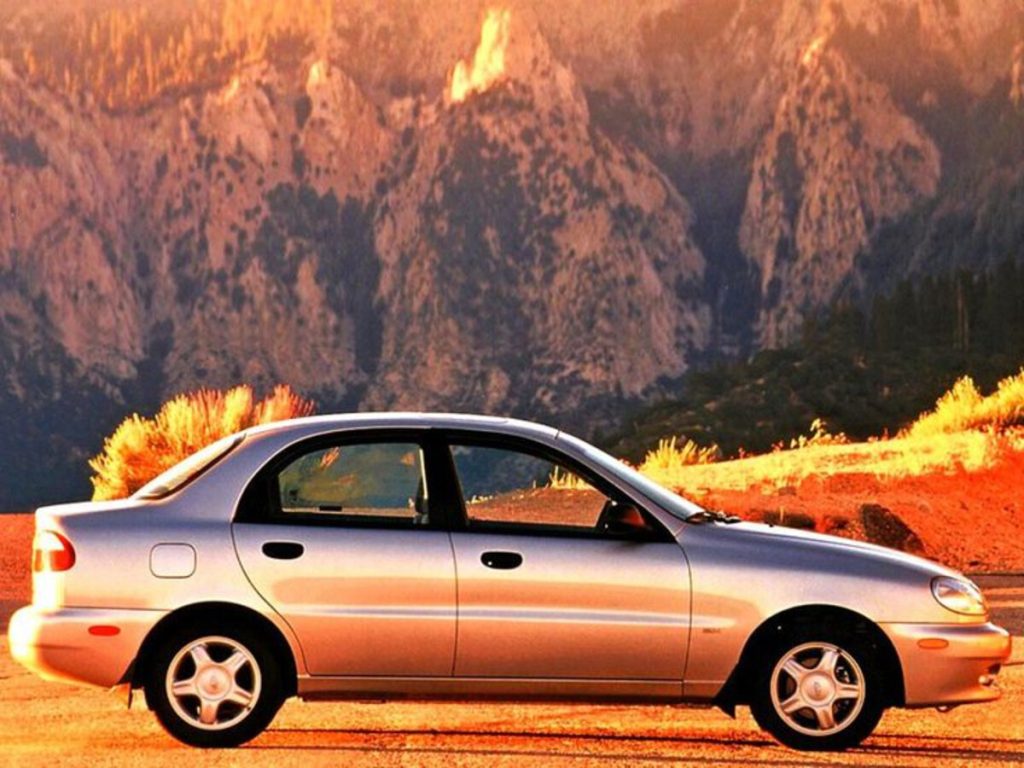
Collectors may not seek out the Lanos in the same way they pursue high-performance vehicles, but it deserves recognition for continuing to serve American drivers after the Daewoo name disappeared. Its longevity reflects practical engineering and low ownership costs rather than flashy styling or high horsepower figures.
Specifications
- Engine: 1.6-liter naturally aspirated inline four
- Torque: 106 lb ft
- Horsepower: 105 hp
- Length/Width: 167.3 inches / 66.1 inches
10. Fisker Karma
Few automotive startups generated as much attention as Fisker Automotive. The company introduced the Karma luxury plug-in hybrid sedan with ambitious goals, but financial difficulties ultimately forced Fisker into bankruptcy in 2013. Despite the brand’s collapse, the Karma itself refused to disappear.
Through continued parts support, specialist repair facilities, and the later acquisition of the vehicle’s assets by Wanxiang Group, many examples remain on American roads today.
The Karma stood apart from traditional luxury sedans by combining dramatic styling with plug-in hybrid technology years before electrification became mainstream. Its twin electric motors powered the rear wheels, while a turbocharged General Motors gasoline engine acted as a generator to recharge the battery during extended driving.
This series hybrid configuration delivered smooth electric performance while eliminating range anxiety associated with early battery-electric vehicles.
Following Fisker’s bankruptcy, many observers assumed servicing the Karma would become impossible. Instead, Karma Automotive was established using the acquired assets and continued supplying replacement parts, technical support, and service for existing vehicles. That decision preserved thousands of cars that might otherwise have become obsolete.
The Karma’s striking design has also contributed to its longevity. Even by modern standards, its low stance, sweeping roofline, and sculpted body panels remain distinctive. Owners frequently maintain their vehicles as collectible examples representing one of the earliest premium plug-in hybrid sedans sold in the United States.
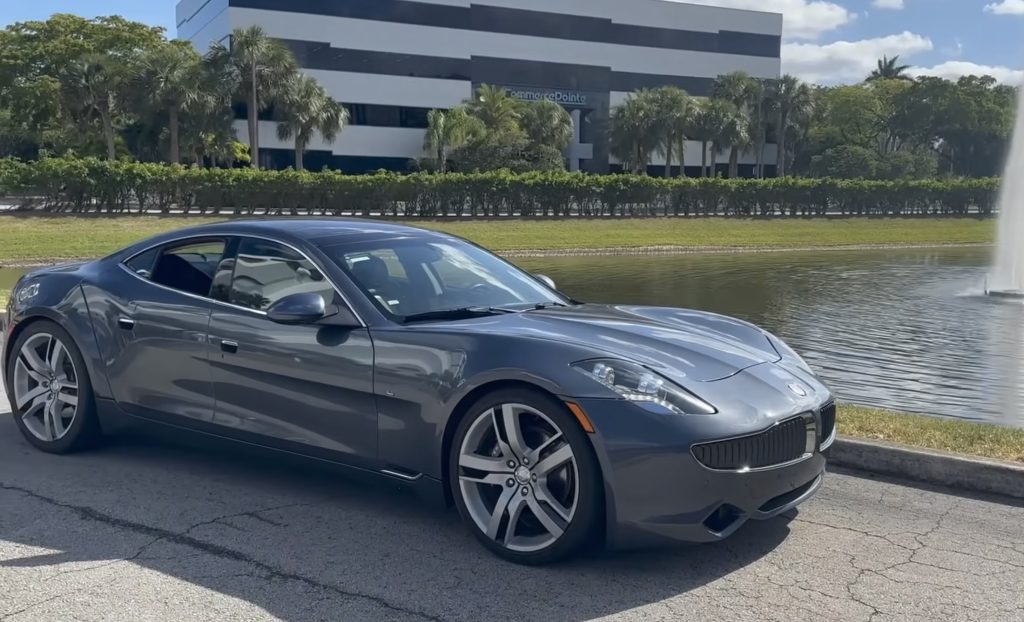
Although Fisker Automotive no longer exists in its original form, the Karma continues to demonstrate that innovative engineering can survive corporate failure.
It remains an important chapter in America’s transition toward electrified transportation and stands as one of the clearest examples of a vehicle that truly outlived the company that first introduced it.
Specifications
- Engine: 2.0-liter turbocharged inline-four-range-extending generator with dual rear electric motors
- Torque: 981 lb ft (combined motor torque)
- Horsepower: 403 hp (combined system output)
- Length/Width: 196.8 inches / 84.0 inches
Also Read: 8 Trucks That Hold Their Value Past 15 Years