
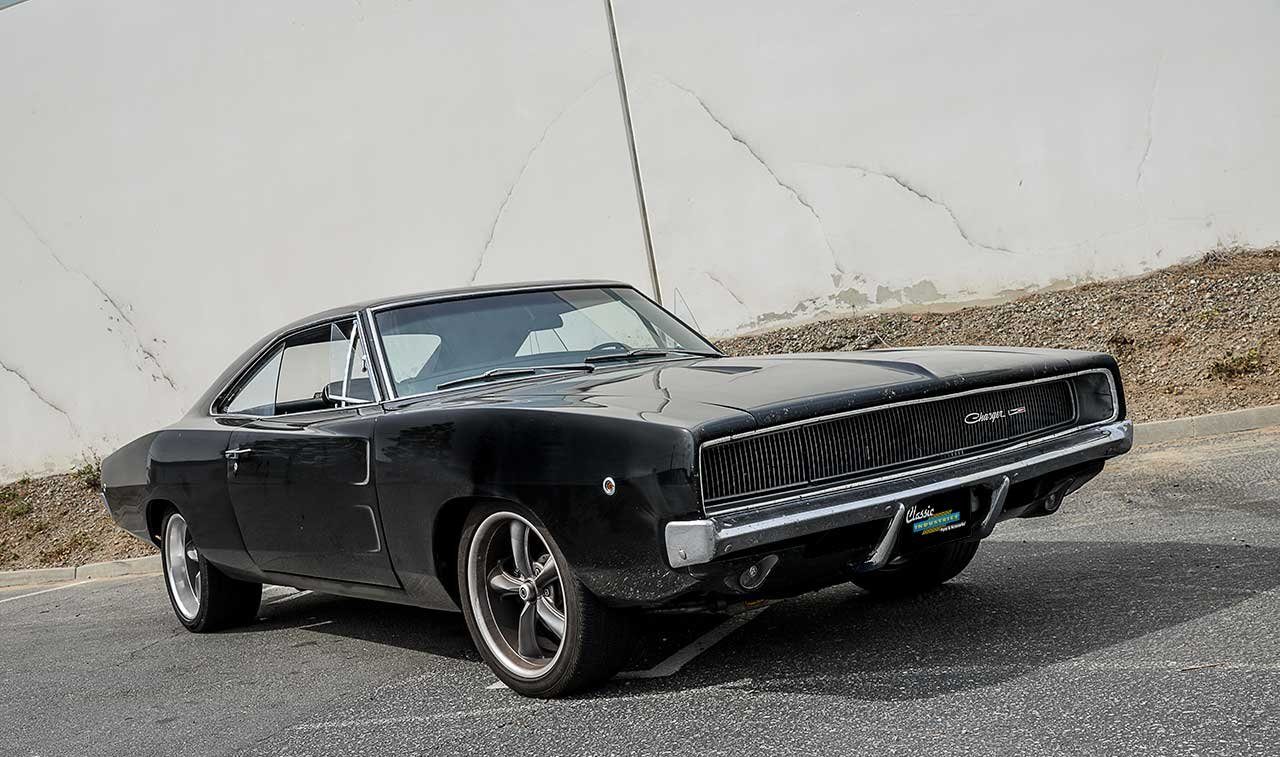
The Dodge Charger occupies a unique position in the American automotive market. While most manufacturers gradually shifted toward smaller turbocharged sedans and crossovers, Dodge continued offering a full-size sedan with available V8 power, rear-wheel drive, and unmistakable muscle car styling.
Since its return for the 2006 model year, the modern Charger has appealed to a wide range of buyers, including families looking for a spacious sedan, enthusiasts wanting Hemi performance, and commuters seeking a comfortable highway cruiser.
Throughout its production, the Charger has evolved through numerous updates that introduced improved technology, stronger safety features, more efficient transmissions, and increasingly refined interiors. However, despite its popularity, not every model year has earned the same reputation for reliability.
Some Charger model years have proven exceptionally dependable, offering durable powertrains, strong build quality, and relatively low ownership costs. Others have struggled with issues involving electrical systems, suspension components, automatic transmissions, and early production defects that reduced owner satisfaction.
Because of these differences, buyers should focus on the specific production year rather than assuming every Charger delivers the same ownership experience.
Choosing the right used charger involves much more than selecting the most powerful engine or the lowest asking price. Engineering refinements, software updates, manufacturing improvements, and reliability enhancements introduced over time have significantly affected long-term durability.
A well-maintained Charger from one of the strongest production years can provide hundreds of thousands of miles of dependable service, while a weaker model may require costly repairs that outweigh any initial savings.
The first half of this guide highlights the four Dodge Charger model years that consistently stand out for reliability, performance, comfort, and owner satisfaction. These vehicles combine proven engines with refined transmissions, improved technology, and fewer reported mechanical complaints.
The second half examines four Charger model years that deserve additional caution. Their inclusion does not mean every vehicle from those years will experience major problems, but they have generated enough recurring complaints and documented reliability concerns to justify a detailed inspection before purchase.
Whether your priority is finding a dependable daily driver, a comfortable touring sedan, or a V8-powered American performance car, understanding which Dodge Charger years represent the strongest value and which ones require greater scrutiny can help you make a far more informed buying decision.
Also Read: 4 Best and Worst Years for the Hyundai Sonata
4 Best Years for the Dodge Charger
1. 2022 Dodge Charger
By the 2022 model year, the Dodge Charger had benefited from more than a decade of continuous refinement.
Rather than relying on major redesigns, Dodge focused on improving quality, expanding technology, and maintaining the dependable mechanical components that had made the Charger one of America’s most recognizable performance sedans.
This mature engineering helps make the 2022 Charger one of the strongest used examples available today.
One of the biggest advantages is the extensive engine lineup. Buyers can choose the dependable 3.6-liter Pentastar V6 for everyday driving or step up to one of several Hemi V8 engines, including the 5.7-liter, 6.4-liter Scat Pack, or the supercharged 6.2-liter Hellcat.
Each engine serves a different audience, but all benefit from years of production improvements and proven reliability when maintained properly.
Another strength is the eight-speed TorqueFlite automatic transmission. It delivers smooth shifts during daily commuting while responding quickly under aggressive acceleration. This transmission has earned an excellent reputation for durability across numerous Stellantis products.
The interior also received meaningful upgrades throughout the Charger’s production life. The Uconnect infotainment system remains one of the easiest interfaces to operate, while available features such as heated and ventilated seats, adaptive cruise control, premium audio, and a large touchscreen help the cabin feel modern despite the vehicle’s age.
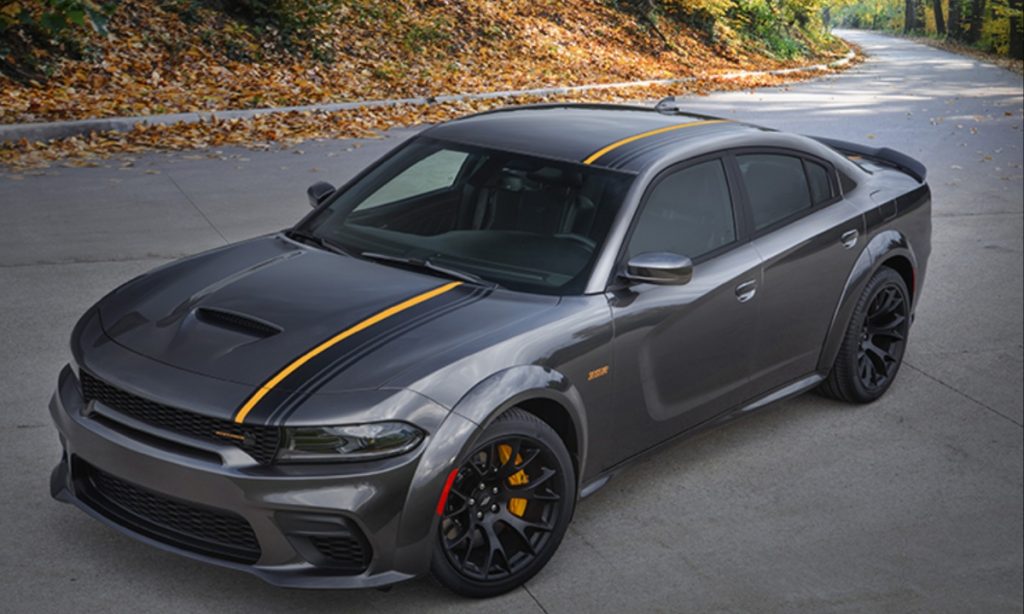
The 2022 Dodge Charger deserves recognition because it combines powerful engine options, dependable engineering, comfortable highway manners, and mature build quality into a full-size sedan that remains unlike anything else currently available.
Specifications
- Engine: 3.6-liter Pentastar V6
- Torque: 260 lb-ft
- Horsepower: 292 hp
- Length/Width: 198.4 in / 75.0 in
2. 2023 Dodge Charger
The 2023 Dodge Charger represents the final production year before the model’s retirement, making it one of the most refined Chargers ever built.
Dodge celebrated the end of the current generation with numerous special editions, but beneath the commemorative appearance remained a platform that had been thoroughly developed through years of engineering improvements.
One reason this model stands out is its consistency. By the final production year, Dodge had already addressed many early software issues, electrical concerns, and manufacturing inconsistencies that occasionally affected earlier models.
Buyers benefit from a vehicle whose mechanical systems have been tested extensively in real-world conditions.
Performance continues to be a defining characteristic. The standard Pentastar V6 provides strong acceleration for everyday use, while the available Hemi V8 engines offer the unmistakable character that has defined the Charger for years.
Despite their impressive output, these engines have established solid reliability records when serviced according to factory recommendations.
The cabin also benefits from years of refinement. Uconnect remains highly responsive, physical controls are logically arranged, and the large trunk adds genuine practicality. Rear-seat space is generous, allowing the Charger to function as a comfortable family sedan despite its muscle car image.
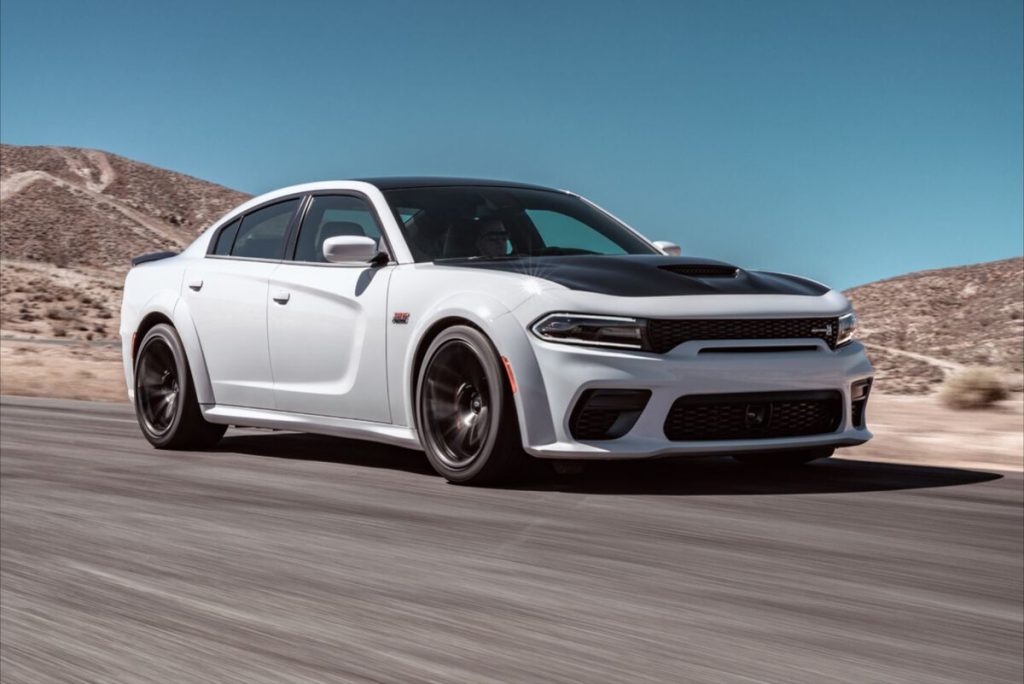
Another advantage involves resale value. As the final year of an iconic American sedan, the 2023 Charger has attracted increased interest from enthusiasts and collectors alike, particularly V8-powered variants.
The 2023 Dodge Charger earns its place among the best years because it combines proven engineering, strong performance, practical everyday usability, and historical significance into one highly desirable package.
Specifications
- Engine: 3.6-liter Pentastar V6
- Torque: 260 lb-ft
- Horsepower: 292 hp
- Length/Width: 198.4 in / 75.0 in
3. 2019 Dodge Charger
The 2019 Dodge Charger demonstrates how a platform can continue improving long after its original introduction. Although the Charger had already been on the market for several years, Dodge continued refining its technology, safety systems, and mechanical components.
As a result, the 2019 model has become one of the most respected choices among used Charger buyers seeking both reliability and performance.
One of its biggest strengths is the proven Pentastar 3.6-liter V6. This engine delivers smooth power, respectable fuel economy for a full-size sedan, and a strong reputation for durability when maintained properly.
Buyers wanting greater performance can move to the legendary 5.7-liter Hemi V8, the naturally aspirated 6.4-liter Hemi in the Scat Pack, or the supercharged Hellcat models, all of which benefit from years of engineering refinement.
The eight-speed TorqueFlite automatic transmission deserves equal praise. Shift quality is smooth during normal driving while remaining quick and responsive under heavy acceleration. The transmission has consistently demonstrated dependable long-term performance across multiple Stellantis vehicles.
Technology also received meaningful updates. The available Uconnect 4C infotainment system is responsive and intuitive, while Apple CarPlay, Android Auto, navigation, and premium audio systems help the cabin remain competitive.
Driver assistance features such as blind spot monitoring, rear cross path detection, adaptive cruise control, and forward collision warning further improve daily usability.
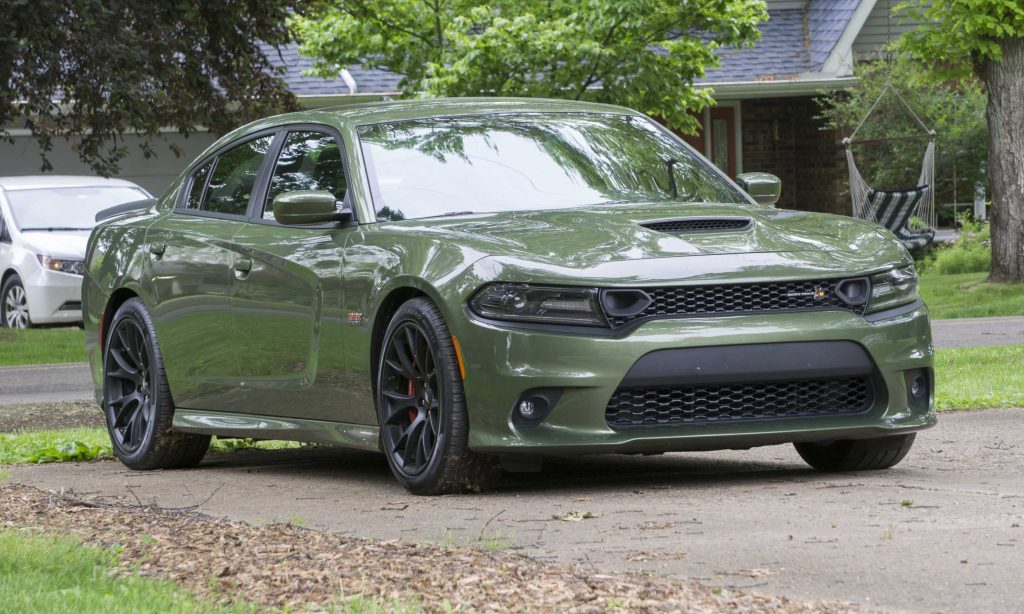
The 2019 Dodge Charger earns its place among the best years because it combines dependable mechanical components, comfortable ride quality, strong performance options, and practical interior space into a sedan that successfully balances muscle car character with everyday transportation.
Specifications
- Engine: 3.6-liter Pentastar V6
- Torque: 260 lb-ft
- Horsepower: 292 hp
- Length/Width: 198.4 in / 75.0 in
4. 2017 Dodge Charger
Not every great performance sedan needs to be the newest model on the road. The 2017 Dodge Charger proves that steady engineering improvements can create a dependable and rewarding ownership experience even without a complete redesign.
By this stage of production, Dodge had already addressed many early issues while continuing to improve quality control and available technology.
The standard Pentastar V6 remains one of the vehicle’s strongest assets. It offers dependable performance, smooth operation, and relatively low maintenance costs compared with larger V8 options.
Enthusiasts still have access to the 5.7-liter Hemi, the 6.4-liter Scat Pack, and the supercharged Hellcat, allowing buyers to choose a powertrain that matches both their budget and driving style.
Ride quality is another reason this model deserves recognition. Despite its performance-oriented character, the Charger delivers a comfortable highway ride thanks to its long wheelbase and well-tuned suspension.
Steering feels predictable, while the rear-wheel-drive layout gives the sedan balanced handling characteristics that distinguish it from many front-wheel-drive competitors.
The interior combines practicality with comfort. The spacious rear seat comfortably accommodates adults, the trunk offers generous cargo capacity, and the Uconnect infotainment system remains among the easiest multimedia interfaces to operate.
Higher trims include premium leather upholstery, heated and ventilated seats, and advanced driver assistance technologies.
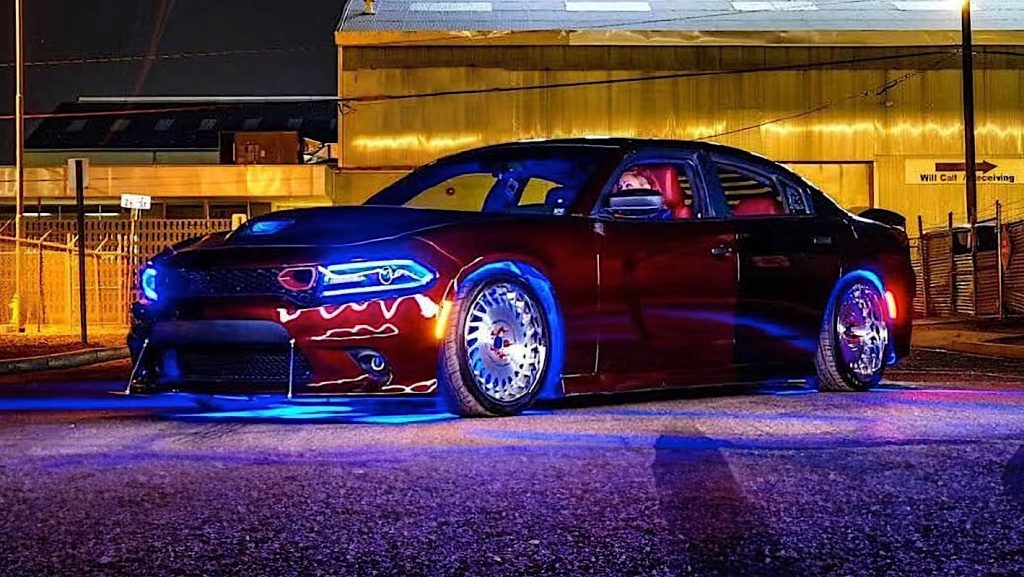
The 2017 Dodge Charger earns recognition because it successfully blends traditional American muscle with dependable engineering, comfortable everyday driving, and reasonable ownership costs. Buyers seeking a used performance sedan frequently consider it one of the strongest values in the Charger lineup.
Specifications
- Engine: 3.6-liter Pentastar V6
- Torque: 260 lb-ft
- Horsepower: 292 hp
- Length/Width: 198.4 in / 75.0 in
4 Worst Years for the Dodge Charger
1. 2006 Dodge Charger
The 2006 Dodge Charger marked the return of an iconic nameplate after a long absence. Built on Chrysler’s LX platform, it introduced rear-wheel drive, available Hemi V8 power, and bold styling that immediately attracted enthusiasts.
Although the redesign successfully revived the Charger, the first production year also experienced several reliability concerns that make it one of the least desirable model years for used-car buyers.
One of the most commonly reported problems involved the electrical system. Owners experienced issues with power window regulators, instrument clusters, door lock actuators, and various warning lights that appeared without clear mechanical faults.
Diagnosing intermittent electrical problems often required multiple dealership visits, increasing ownership costs.
Transmission performance also generated complaints. Vehicles equipped with the five-speed automatic transmission occasionally developed harsh shifting, hesitation, or inconsistent gear engagement, particularly as mileage increased. While routine servicing improved longevity, neglected examples became considerably more expensive to repair.
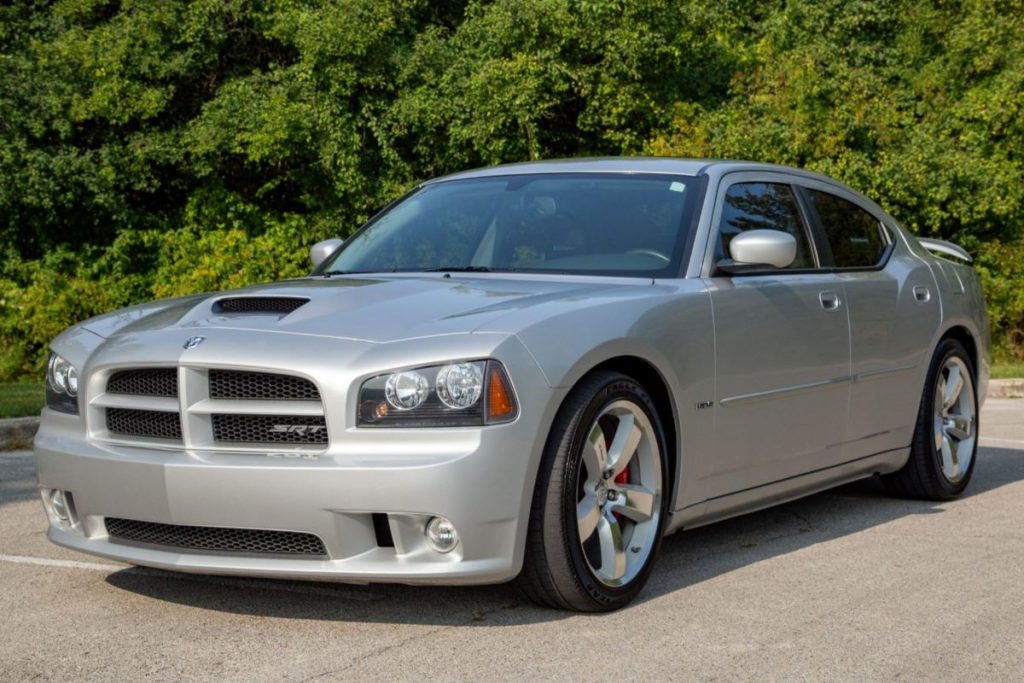
Suspension components also deserve careful inspection. Front control arms, tie rods, and suspension bushings tended to wear more quickly than expected, especially on vehicles driven over rough roads. These issues affected steering precision and ride quality over time.
The 2006 Charger remains appealing because of its styling and available Hemi engines, but buyers should carefully verify maintenance records and inspect the vehicle thoroughly before purchasing. Later production years benefited from numerous engineering improvements that significantly enhanced long-term reliability.
Specifications
- Engine: 2.7-liter V6 (Base)
- Torque: 190 lb-ft
- Horsepower: 190 hp
- Length/Width: 200.1 in / 74.5 in
2. 2007 Dodge Charger
Although the 2007 Dodge Charger followed the successful launch of the modern generation, it continued to experience many of the same issues that affected the 2006 model. Dodge introduced incremental improvements, but several recurring mechanical and electrical concerns remained common enough to influence the vehicle’s long-term reputation.
Electrical reliability continued to be one of the biggest ownership complaints. Drivers reported faulty ignition switches, malfunctioning dashboard displays, power accessory failures, and recurring warning lights.
While many problems were individually manageable, repeated repairs often became frustrating as the vehicle aged.
The suspension system also required attention on higher-mileage vehicles. Premature wear of front suspension components, including ball joints and control arm bushings, could produce clunking noises and reduce steering accuracy. Regular inspections were important to prevent further damage.
Another area worth monitoring is the automatic transmission. Some owners experienced delayed shifts, rough gear changes, or hesitation during acceleration. Consistent fluid changes helped reduce the likelihood of major repairs, but vehicles with incomplete maintenance histories deserve careful evaluation.
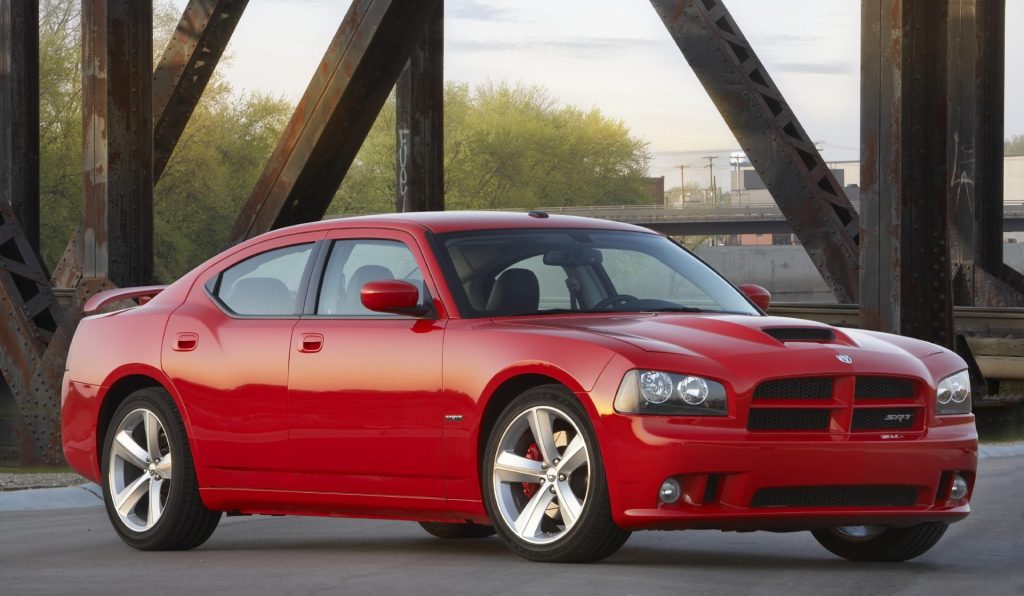
Despite these drawbacks, the 2007 Charger still offers a spacious cabin, a comfortable highway ride, and the unmistakable character of a rear-wheel-drive American sedan.
It appears on this list because buyers can often find later model years with stronger reliability records, improved build quality, and updated technology for only a modest increase in purchase price.
Specifications
- Engine: 2.7-liter V6 (Base)
- Torque: 190 lb-ft
- Horsepower: 190 hp
- Length/Width: 200.1 in / 74.5 in
3. 2011 Dodge Charger
The 2011 Dodge Charger introduced a major redesign that transformed the sedan with updated styling, a redesigned interior, new technology, and improved powertrains.
While these changes represented a significant improvement over the original LX-based models, the first production year also experienced several reliability concerns that buyers should consider before purchasing a used example.
Many of these issues were addressed in later years, making newer Chargers more attractive long-term choices.
One of the most commonly reported concerns involved the electrical system. Owners experienced problems with the Uconnect infotainment system, touchscreen responsiveness, Bluetooth connectivity, dashboard warning lights, and occasionally malfunctioning keyless entry components. Software updates corrected some issues, but others required replacement modules.
Another area requiring attention is the Pentastar 3.6-liter V6 in early production vehicles. Some engines experienced cylinder head problems that could cause a ticking noise, rough running, or misfire conditions.
Chrysler introduced updated cylinder heads and warranty repairs for many affected vehicles, so buyers should verify whether these repairs have already been completed.
Suspension wear also became noticeable on higher-mileage examples. Front-end components such as control arms and bushings may require replacement after years of use, particularly on vehicles driven over rough pavement.
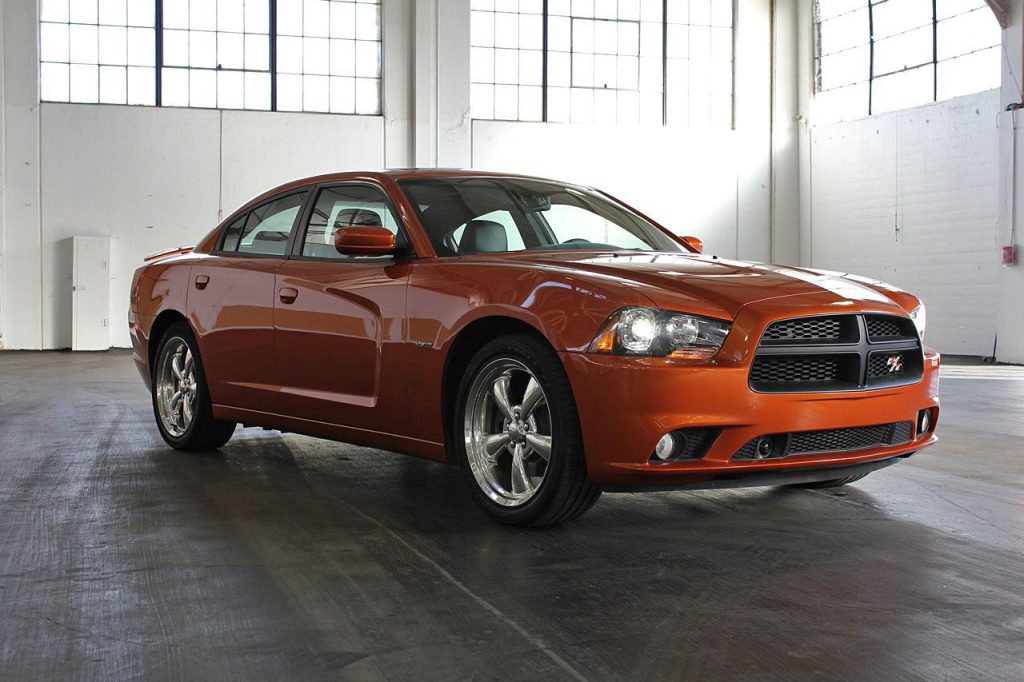
The 2011 Charger remains comfortable, spacious, and enjoyable to drive, but because it represents the first year of a major redesign, it carries more risk than the refined models that followed. Buyers seeking long-term reliability will generally find better value in later production years.
Specifications
- Engine: 3.6-liter Pentastar V6
- Torque: 260 lb-ft
- Horsepower: 292 hp
- Length/Width: 199.9 in / 75.0 in
4. 2012 Dodge Charger
The 2012 Dodge Charger benefited from several improvements following the redesigned 2011 model, yet it continued to inherit a number of issues that prevented it from becoming one of the strongest years in the lineup.
While many owners have accumulated high mileage without significant problems, recurring complaints remain common enough to justify careful inspection before purchase.
Early production versions of the Pentastar V6 continued to receive reports of cylinder head failures. Affected engines could develop ticking noises, check engine lights, or misfires caused by worn valve seats.
Although Chrysler extended warranty coverage for many vehicles and updated the affected parts, buyers should verify repair records before committing to a purchase.
Electrical reliability also remained inconsistent. Some owners reported problems involving the Uconnect infotainment system, faulty alternators, intermittent warning lights, and occasional failures of electronic accessories. These issues were generally repairable but contributed to higher ownership costs over time.
The suspension deserves attention as well. Higher-mileage Chargers may require replacement of front control arms, bushings, sway bar links, or tie rods to maintain proper ride quality and steering precision. These are common wear items, but neglected maintenance can make repairs more extensive.
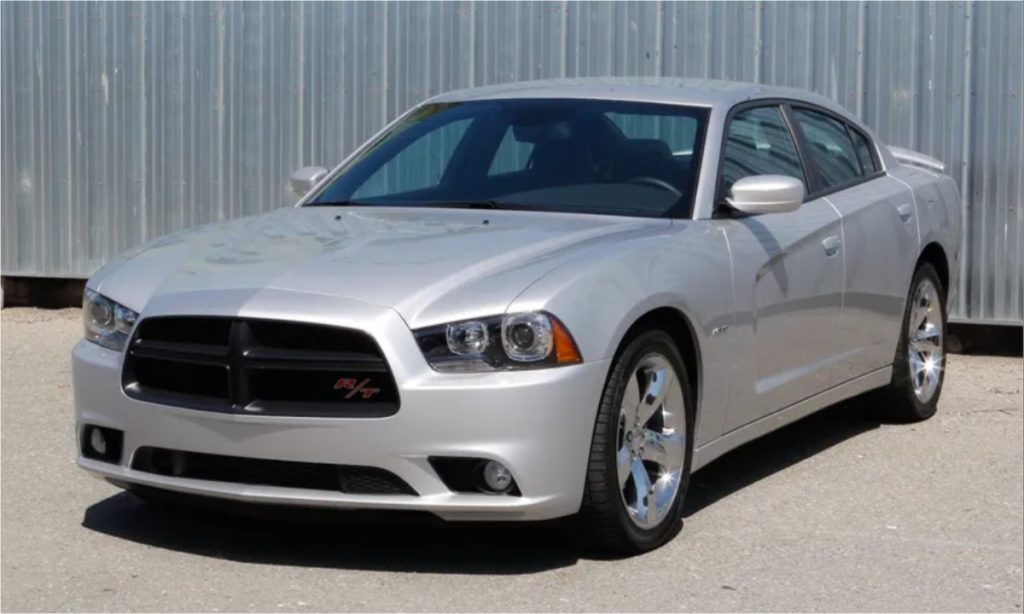
Despite these concerns, the 2012 Charger still offers impressive highway comfort, strong engine choices, and unmistakable muscle car styling. It appears on this list because later model years benefited from improved quality control, updated engine components, and better long-term reliability.
Buyers looking for the most dependable ownership experience are generally better served by choosing the 2017, 2019, 2022, or 2023 Charger instead.
Specifications
- Engine: 3.6-liter Pentastar V6
- Torque: 260 lb-ft
- Horsepower: 292 hp
- Length/Width: 199.9 in / 75.0 in
Also Read: 4 Best and Worst Years for the Nissan Rogue
