For many Americans, buying a new vehicle is no longer just about styling, technology, or performance. With average new vehicle transaction prices remaining above $48,000 in recent years and owners keeping their cars longer than ever, long-term durability has become one of the most important factors influencing purchasing decisions.
A vehicle that can reliably travel 250,000 miles can potentially save its owner thousands of dollars in depreciation and replacement costs over its lifetime.
A new study from automotive research firm iSeeCars has identified the vehicle most likely to achieve that milestone, and the winner is no surprise to those familiar with Toyota’s reputation for reliability.
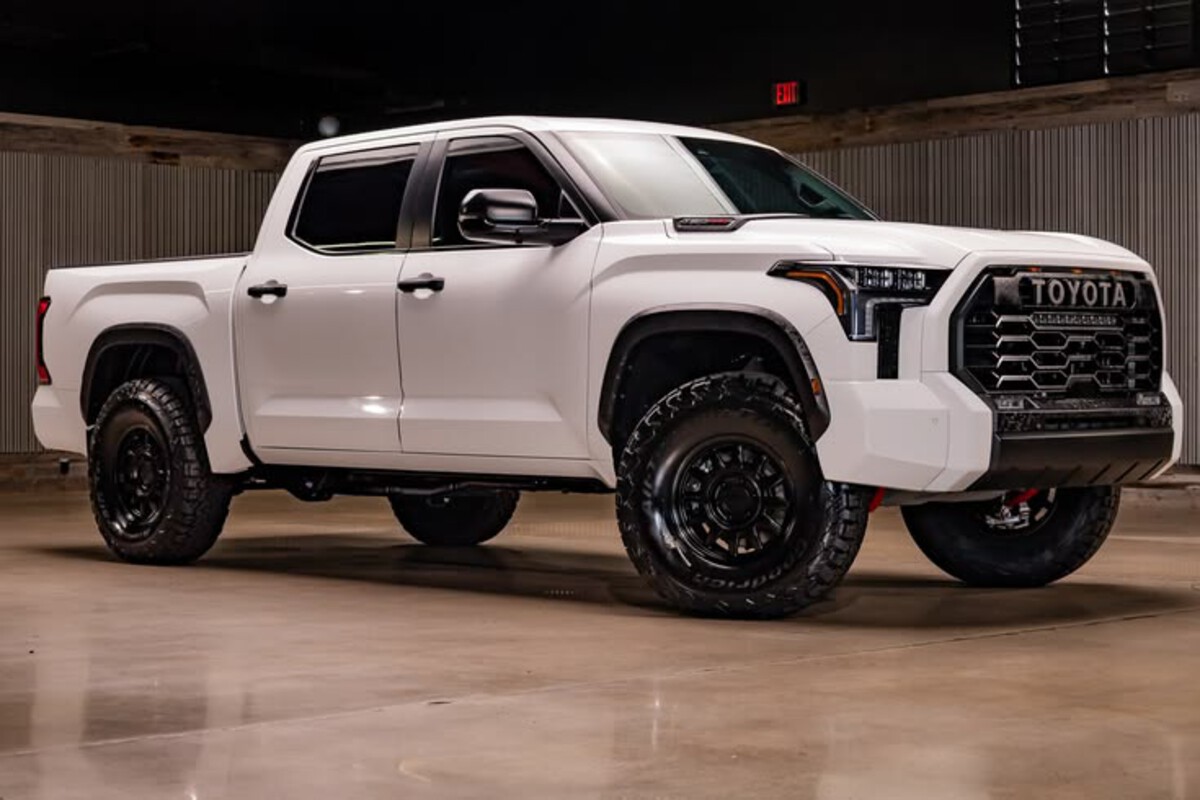
According to the company’s latest longevity analysis, the Toyota Tundra is more than eight times as likely as the average vehicle to reach 250,000 miles, making it the most durable model currently on sale in the United States based on real-world ownership data.
The study estimates that 36.6 percent of Toyota Tundras are expected to surpass 250,000 miles during their lifetimes, compared with a full industry average of just 4.1 percent. According to iSeeCars, that gives the Tundra nearly a nine-fold advantage over the typical passenger vehicle on American roads.
Rather than relying on manufacturer durability testing or owner surveys, the research examined millions of vehicles sold over the past two decades to determine how often different models remain in service long enough to reach exceptionally high mileage.
The findings provide one of the clearest pictures yet of which vehicles truly stand the test of time.
Also Read: 10 Production Cars That Had Two Engines
How iSeeCars Measured Vehicle Longevity
The iSeeCars study analyzed more than 402 million vehicles to estimate each model’s probability of reaching 250,000 miles. Researchers reviewed vehicle registration histories, odometer records, and long-term ownership data covering numerous model years.
Instead of measuring predicted reliability based on warranty claims or repair frequency, the analysis focused on actual vehicle survival over extended periods.
According to Karl Brauer, executive analyst at iSeeCars, reaching 250,000 miles remains an important benchmark because it represents a level of durability achieved by relatively few vehicles.
While advances in engineering have improved average vehicle life expectancy, only a small percentage of cars currently remain on the road long enough to cross that threshold.
The study concluded that the average passenger vehicle has only a 4.1 percent chance of reaching 250,000 miles. By comparison, the Toyota Tundra’s estimated 36.6 percent probability places it well ahead of every other model evaluated.
Toyota Tundra Tops the Rankings
The Toyota Tundra has long been recognized for combining pickup truck capability with exceptional mechanical durability. Since its introduction for the 2000 model year, Toyota has prioritized conservative engineering, proven powertrains, and heavy-duty construction rather than chasing frequent redesigns or aggressive performance targets.
Those decisions appear to have paid off. According to iSeeCars, more than one in three Tundras are expected to exceed 250,000 miles with normal ownership and proper maintenance. No other vehicle in the study achieved a higher projected survival rate.
The Tundra’s success reflects years of dependable service from earlier generations powered by Toyota’s naturally aspirated V8 engines, particularly the 4.7-liter and 5.7-liter V8s, which earned widespread praise from owners for routinely accumulating several hundred thousand miles with relatively few major mechanical failures.
Although Toyota’s newest Tundra uses a twin-turbocharged i-Force V6 and an available i-Force MAX hybrid system, the latest study primarily reflects the long-term performance of previous generations that have already accumulated decades of real-world mileage.
Full-Size Trucks Continue to Dominate
One of the strongest trends revealed by the study is the dominance of body-on-frame trucks and SUVs.
Behind the Toyota Tundra, other top performers include the Toyota Sequoia, Toyota Tacoma, Toyota 4Runner, Chevrolet Suburban, Chevrolet Tahoe, GMC Yukon XL, Toyota Land Cruiser, Honda Ridgeline, and Ford F-250 Super Duty.
According to iSeeCars, these vehicles consistently outperform the industry average because they are engineered for demanding workloads, including towing, hauling, commercial use, and high annual mileage.
Unlike many passenger cars designed primarily for commuting, full-size trucks are built around stronger frames, heavy-duty suspensions, more robust cooling systems, and drivetrains intended to withstand years of hard use.
Many owners also justify investing in maintenance because these vehicles typically retain strong resale values.
Why the Tundra Lasts So Long
The Toyota Tundra’s exceptional longevity stems from several engineering decisions that have remained consistent throughout its history.
Toyota has traditionally emphasized reliability over frequent technological experimentation. Rather than introducing entirely new engine families every few years, the company spent decades refining proven mechanical components before replacing them.
Earlier Tundras became known for durable V8 engines capable of accumulating enormous mileage with routine oil changes and scheduled maintenance. Their six-speed automatic transmissions also developed a reputation for reliability under heavy towing conditions.
The truck’s fully boxed frame provides excellent structural rigidity, while generous cooling capacity helps protect major drivetrain components during demanding operation.
Independent mechanics frequently point to Toyota’s high manufacturing standards, consistent parts quality, and conservative powertrain tuning as additional factors contributing to the truck’s long service life.
Maintenance Remains Essential
Although the study highlights the Tundra’s engineering strengths, experts emphasize that no vehicle reaches 250,000 miles without proper care.
Routine maintenance remains the single most important factor in determining whether any vehicle achieves exceptional longevity.
Oil changes performed on schedule, transmission fluid service, coolant replacement, differential maintenance, brake inspections, suspension repairs, and prompt attention to minor problems all help prevent expensive failures later.
According to Toyota’s maintenance recommendations, following scheduled service intervals is critical for preserving long-term reliability, particularly for owners who tow trailers or operate in severe driving conditions.
Many high-mileage Tundra owners also report replacing wear items proactively rather than waiting for failures to occur.
Toyota Continues to Lead in Reliability
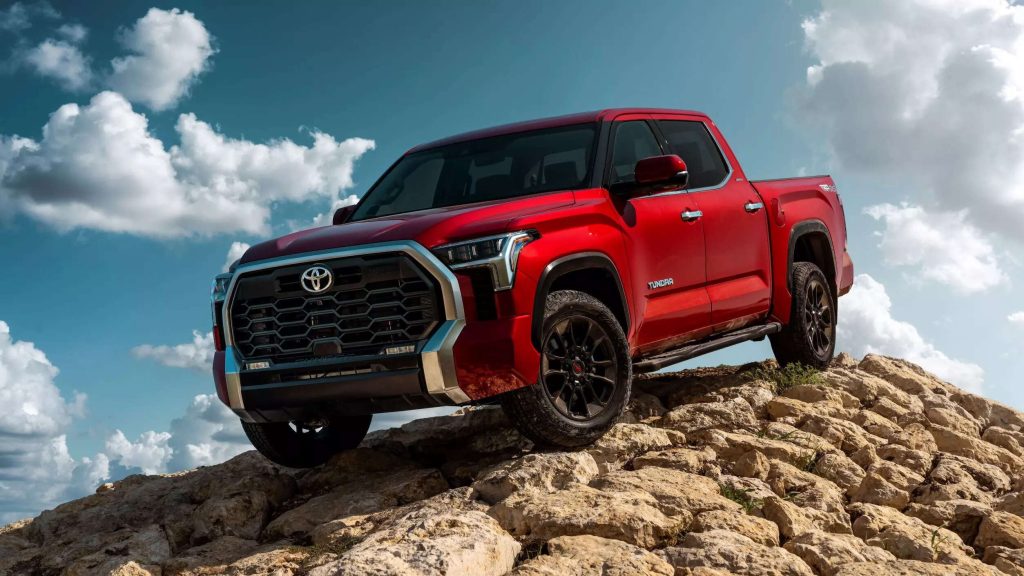
The Tundra’s first-place finish is part of a broader pattern for Toyota. According to the same iSeeCars research, Toyota dominates the list of America’s longest-lasting vehicles, placing more models in the top rankings than any other manufacturer.
The Sequoia, Tacoma, 4Runner, Land Cruiser, Highlander Hybrid, Prius, Avalon, and Tundra all rank among the vehicles most likely to remain on the road for hundreds of thousands of miles.
The company also leads the brand rankings, with Toyota vehicles collectively offering a significantly higher probability of surpassing 250,000 miles than the industry average. Lexus, Honda, and Acura also perform well, reinforcing the long-standing reputation of Japanese manufacturers for producing durable vehicles.
Industry analysts note that Toyota’s emphasis on quality control, incremental engineering improvements, and extensive durability testing has helped the automaker maintain this reputation for decades.
Longevity Is Becoming More Valuable
Vehicle durability has taken on greater importance as Americans keep their vehicles longer than ever before.
According to data from S&P Global Mobility, the average age of vehicles on U.S. roads has reached a record high, reflecting both rising new vehicle prices and improved engineering quality across the industry.
Many owners now expect their vehicles to remain reliable well beyond 150,000 miles, making long-term dependability a major consideration when shopping for a new car or truck.
For commercial operators, contractors, and families who depend on their vehicles every day, extending ownership by several additional years can significantly reduce total transportation costs.
A truck capable of reliably reaching 250,000 miles often delivers a much lower cost per mile than a vehicle requiring replacement at half that distance.
Real-World Data Matters
One reason the iSeeCars study carries weight among consumers is its methodology. Unlike initial quality surveys that focus on problems during the first few years of ownership, this research evaluates how long vehicles actually survive in everyday use.
By analyzing millions of real registration records and odometer readings, researchers can estimate which models consistently remain operational for decades.
That makes the findings particularly relevant for buyers planning to own their next vehicle for ten years or longer.
While driving habits, climate, maintenance practices, and accident history all influence an individual vehicle’s lifespan, large-scale data helps identify broader trends that individual ownership stories cannot.
What the Findings Mean for Buyers
The latest iSeeCars analysis reinforces something many truck owners have believed for years: reliability is built over time, not simply advertised.
With an estimated 36.6 percent chance of reaching 250,000 miles, the Toyota Tundra stands alone at the top of America’s longest-lasting vehicles, making it more than eight times as likely as the average vehicle to achieve that remarkable milestone.
According to iSeeCars, no other current model matches its projected longevity, underscoring Toyota’s continued leadership in long-term durability. (iSeeCars)
For consumers searching for a truck that can remain dependable for decades, the study offers valuable guidance. While no vehicle is immune to wear or unexpected repairs, the Tundra’s combination of proven engineering, robust construction, and strong maintenance record has made it the benchmark for longevity in the American market.
As vehicle ownership costs continue to rise, choosing a model with a proven ability to exceed 250,000 miles may be one of the smartest long-term financial decisions a buyer can make.