
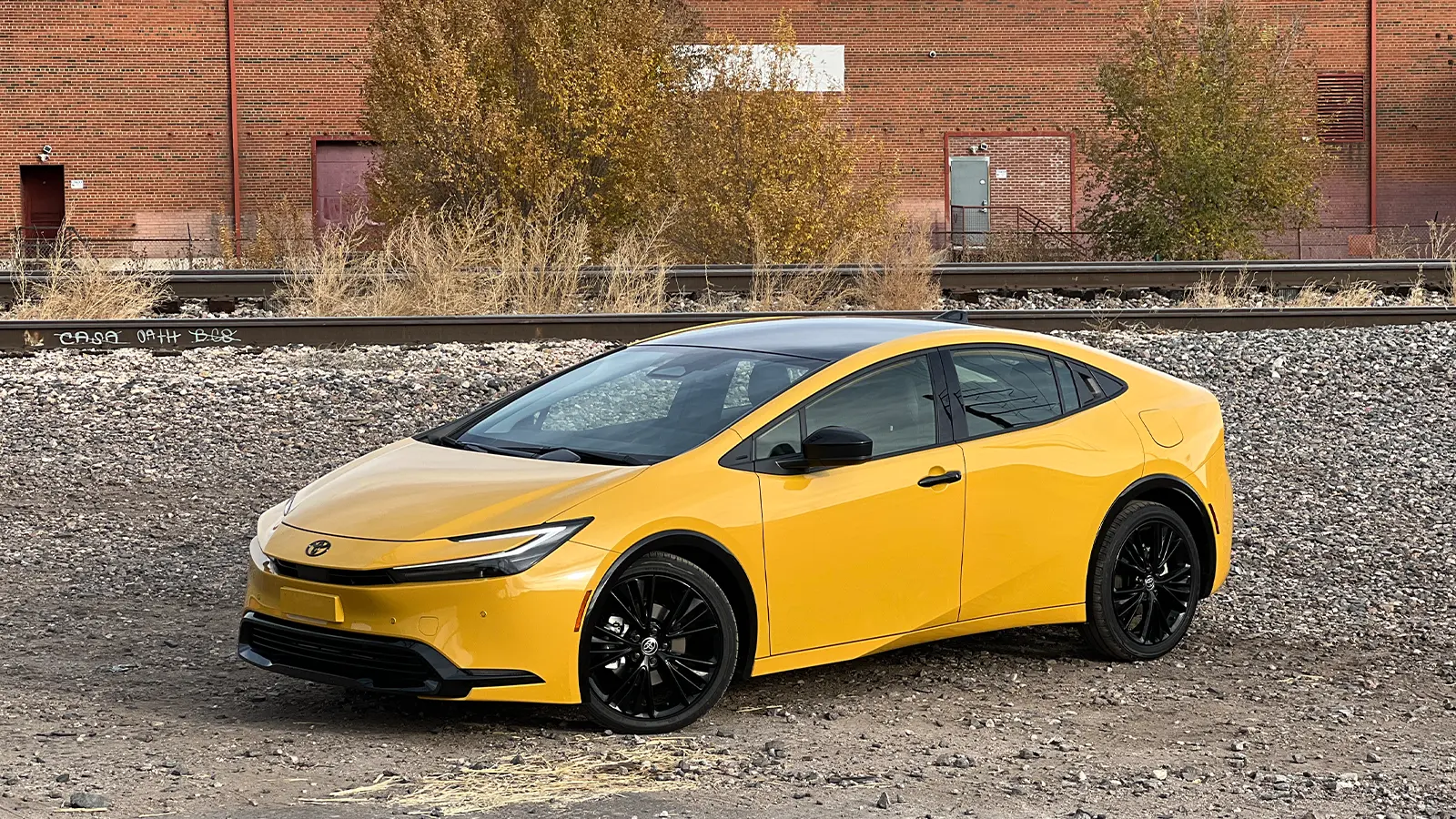
For years, hybrid vehicles faced skepticism from consumers who questioned whether their batteries and complex powertrains could withstand the test of time.
Early concerns centered on expensive battery replacements, long-term maintenance costs, and whether hybrid technology would remain reliable after hundreds of thousands of miles. More than two decades after the Toyota Prius first arrived in the United States, those doubts have largely been put to rest.
A recent longevity study by automotive research firm iSeeCars found that the Toyota Prius has one of the highest probabilities of reaching 250,000 miles, reinforcing its reputation as one of America’s most durable passenger cars.
The research also shows that Toyota’s hybrid lineup extends well beyond the Prius, with the Toyota Highlander Hybrid and Toyota Camry Hybrid ranking among the vehicles most likely to achieve the same milestone.
The findings reflect a broader shift in the automotive industry. Hybrid technology is no longer viewed solely as a way to improve fuel economy. Instead, it has become a proven solution for drivers seeking lower operating costs without sacrificing long-term reliability.
Millions of Toyota hybrid vehicles have accumulated high mileage around the world, providing real-world evidence that electrified powertrains can last just as long as, and in many cases longer than, traditional gasoline vehicles.
For consumers planning to keep their next vehicle for a decade or more, the latest research provides another compelling reason to consider a hybrid.
Also Read: 10 Production Cars That Had Two Engines
iSeeCars Identifies the Prius Among America’s Longest-Lasting Vehicles
The latest study from iSeeCars analyzed more than 402 million vehicles to estimate each model’s likelihood of reaching 250,000 miles. Rather than relying on warranty claims or owner surveys, researchers examined actual registration histories, vehicle transactions, and long-term ownership records to determine which models remain on the road the longest.
According to the study, the Toyota Prius ranks among the vehicles most likely to surpass a quarter-million miles during its lifetime. The Toyota Highlander Hybrid and Toyota Camry Hybrid also appear near the top of the rankings, demonstrating that Toyota’s hybrid technology delivers durability across multiple vehicle segments.
Karl Brauer, Executive Analyst at iSeeCars, noted that reaching 250,000 miles remains a significant achievement because only a small percentage of vehicles achieve that milestone. While the average vehicle has a much lower probability of lasting that long, several Toyota hybrids substantially outperform the industry average.
The findings reinforce what many long-time hybrid owners have experienced firsthand for years.
The Prius Changed Perceptions of Hybrid Reliability
When Toyota introduced the Prius to the U.S. market in 2000, hybrid technology was still largely untested in everyday consumer use.
Many buyers worried about battery longevity, replacement costs, and the complexity of combining gasoline and electric propulsion. Critics questioned whether hybrid systems would remain dependable after years of daily driving.
Toyota responded by engineering the Prius with reliability as its highest priority. The company’s Hybrid Synergy Drive system combined a gasoline engine, electric motor, continuously variable transmission, and nickel-metal hydride battery into a powertrain designed for durability rather than outright performance.
Over the following two decades, millions of Prius owners accumulated extraordinary mileage with relatively few major drivetrain failures. Independent repair shops began reporting examples exceeding 300,000 miles, while taxi fleets around the world demonstrated the model’s ability to withstand constant daily use.
The latest iSeeCars findings confirm that those success stories are supported by large-scale ownership data rather than isolated examples.
Hybrid Batteries Have Proven More Durable Than Expected
One of the biggest misconceptions surrounding hybrid ownership has been battery life. Early concerns suggested that hybrid battery packs would require replacement after only a few years, resulting in expensive repairs. Real-world experience has shown a different outcome.
Toyota designed its hybrid batteries to operate within a carefully controlled state of charge rather than repeatedly cycling between full and empty. This management strategy reduces stress on the battery and helps extend its lifespan.
According to Toyota, the battery management system continuously monitors temperature, charging rates, and operating conditions to maximize durability. Many original battery packs continue functioning well beyond 200,000 miles, particularly when vehicles receive regular maintenance.
Consumer Reports has also found that modern hybrid batteries generally last much longer than many early critics predicted, with failures remaining relatively uncommon.
While battery replacement can eventually become necessary for some high-mileage vehicles, the cost has declined significantly as hybrid production has expanded and aftermarket replacement options have become more widely available.
Why Toyota Hybrids Last So Long
The Prius is not the only Toyota hybrid earning recognition for longevity. The Highlander Hybrid and Camry Hybrid also rank among the vehicles most likely to reach 250,000 miles, reflecting Toyota’s consistent engineering philosophy across its electrified lineup.
Several factors contribute to that durability. First, hybrid systems reduce stress on gasoline engines by allowing electric motors to assist during acceleration. This decreases engine workload, particularly in city driving where conventional engines experience frequent stop-and-go operation.
Second, regenerative braking captures energy while slowing the vehicle, reducing wear on traditional brake components. Many hybrid owners report brake pads lasting substantially longer than those on comparable gasoline vehicles.
Finally, Toyota has spent more than 25 years refining its hybrid technology through continuous improvements rather than radical redesigns. That conservative engineering approach has helped identify potential issues before they become widespread.
Lower Operating Costs Encourage Long-Term Ownership
High-mileage vehicles are often the result of owners choosing to keep them rather than replace them. Toyota hybrids provide several financial incentives that encourage long-term ownership.
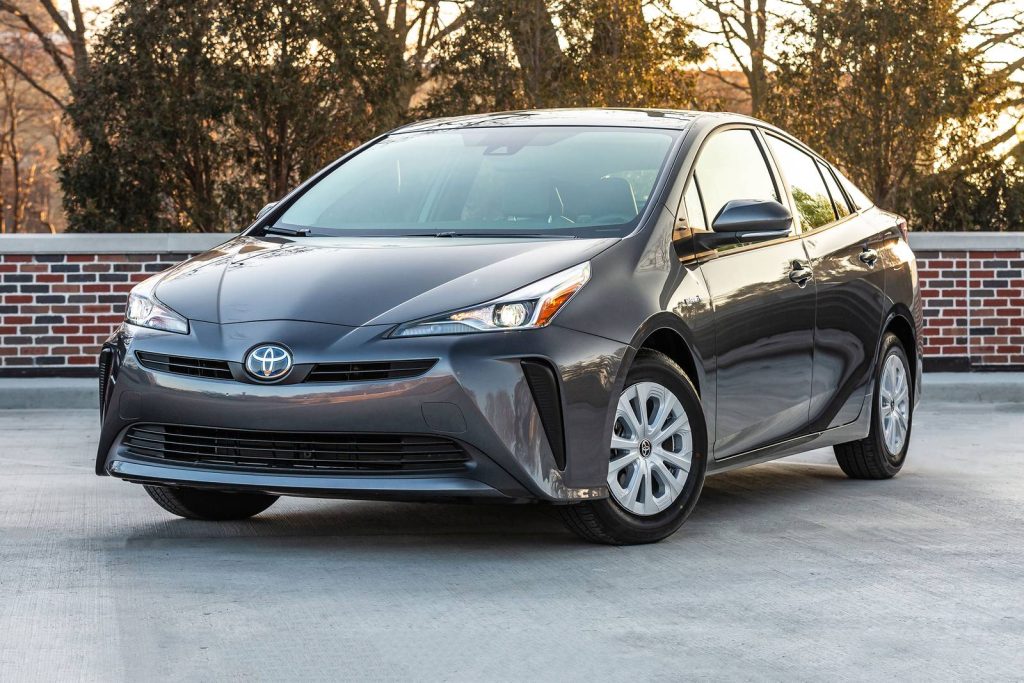
According to the U.S. Environmental Protection Agency, many Prius models achieve fuel economy exceeding 50 miles per gallon under combined driving conditions. The Camry Hybrid and Highlander Hybrid also deliver significant fuel savings compared with their gasoline counterparts.
Lower fuel consumption reduces one of the largest recurring ownership expenses. Over hundreds of thousands of miles, those savings can amount to many thousands of dollars.
Hybrid systems also eliminate traditional starter motors and alternators while reducing wear on brakes through regenerative braking. Fewer replacement parts contribute to lower maintenance costs over time.
When combined with Toyota’s strong resale values, the total cost of ownership becomes especially attractive for drivers planning to keep their vehicles for many years.
Real-World Owners Continue to Prove the Technology
The Prius has become a favorite among taxi operators, rideshare drivers, delivery services, and commuters who routinely accumulate high annual mileage. These drivers provide some of the strongest real-world evidence supporting hybrid durability.
Vehicles used in commercial service often reach mileage levels far beyond those of privately owned cars within only a few years. Numerous fleet operators have reported Prius models exceeding 300,000 miles while retaining their original engines and hybrid systems.
Automotive analysts frequently point to these commercial fleets as valuable demonstrations of long-term reliability because the vehicles operate under demanding conditions and receive detailed maintenance records.
Their continued success has played a major role in changing public perception of hybrid ownership.
Toyota Continues to Dominate Longevity Rankings
The Prius is part of a broader pattern of Toyota success. According to multiple iSeeCars longevity studies, Toyota consistently places more vehicles among America’s longest-lasting models than any other manufacturer.
The Toyota Tundra, Sequoia, Land Cruiser, Tacoma, 4Runner, Highlander Hybrid, Camry Hybrid, Avalon, and Prius all rank among the vehicles with the highest probabilities of exceeding 250,000 miles.
Consumer Reports and J.D. Power have also consistently recognized Toyota for long-term dependability, while Kelley Blue Book frequently ranks Toyota among the brands with the strongest resale values.
These independent evaluations suggest that Toyota’s reputation is built on decades of real-world ownership experience rather than isolated success stories.
Hybrids Have Become a Mainstream Choice
The growing popularity of hybrids reflects increasing consumer confidence. According to Cox Automotive, hybrid vehicle sales have continued to rise in recent years as buyers seek better fuel economy without relying entirely on public charging infrastructure.
Many consumers view hybrids as offering the best balance between efficiency, convenience, and long-term reliability.
Manufacturers have responded by expanding hybrid options across nearly every major vehicle segment, from compact sedans to full-size SUVs and pickup trucks.
Toyota remains the industry’s leader, but Ford, Honda, Hyundai, Kia, and Lexus have all invested heavily in hybrid technology as demand continues to grow. The success of the Prius has helped pave the way for that broader industry transformation.
What the Findings Mean for Buyers
The latest iSeeCars research provides compelling evidence that modern hybrid vehicles are capable of delivering exceptional longevity.
The Toyota Prius, along with the Highlander Hybrid and Camry Hybrid, ranks among the vehicles most likely to reach 250,000 miles, demonstrating that hybrid technology has matured into one of the most dependable powertrain options available.
For consumers considering a hybrid, the findings address one of the technology’s longest-standing questions. Rather than sacrificing durability for efficiency, Toyota’s hybrid models have shown they can provide both.
Lower fuel costs, reduced maintenance, proven battery reliability, and strong resale values make them attractive choices for drivers planning to keep their vehicles well beyond the average ownership period.
As Americans continue holding onto their vehicles longer and placing greater emphasis on total ownership costs, the Prius remains one of the strongest examples of how innovation and reliability can work together.
More than 25 years after it introduced millions of drivers to hybrid technology, the Prius continues to prove that exceptional fuel economy does not come at the expense of long-term durability.
Also Read: 10 Fastest Diesel Pickups Ever Made & Ranked
