
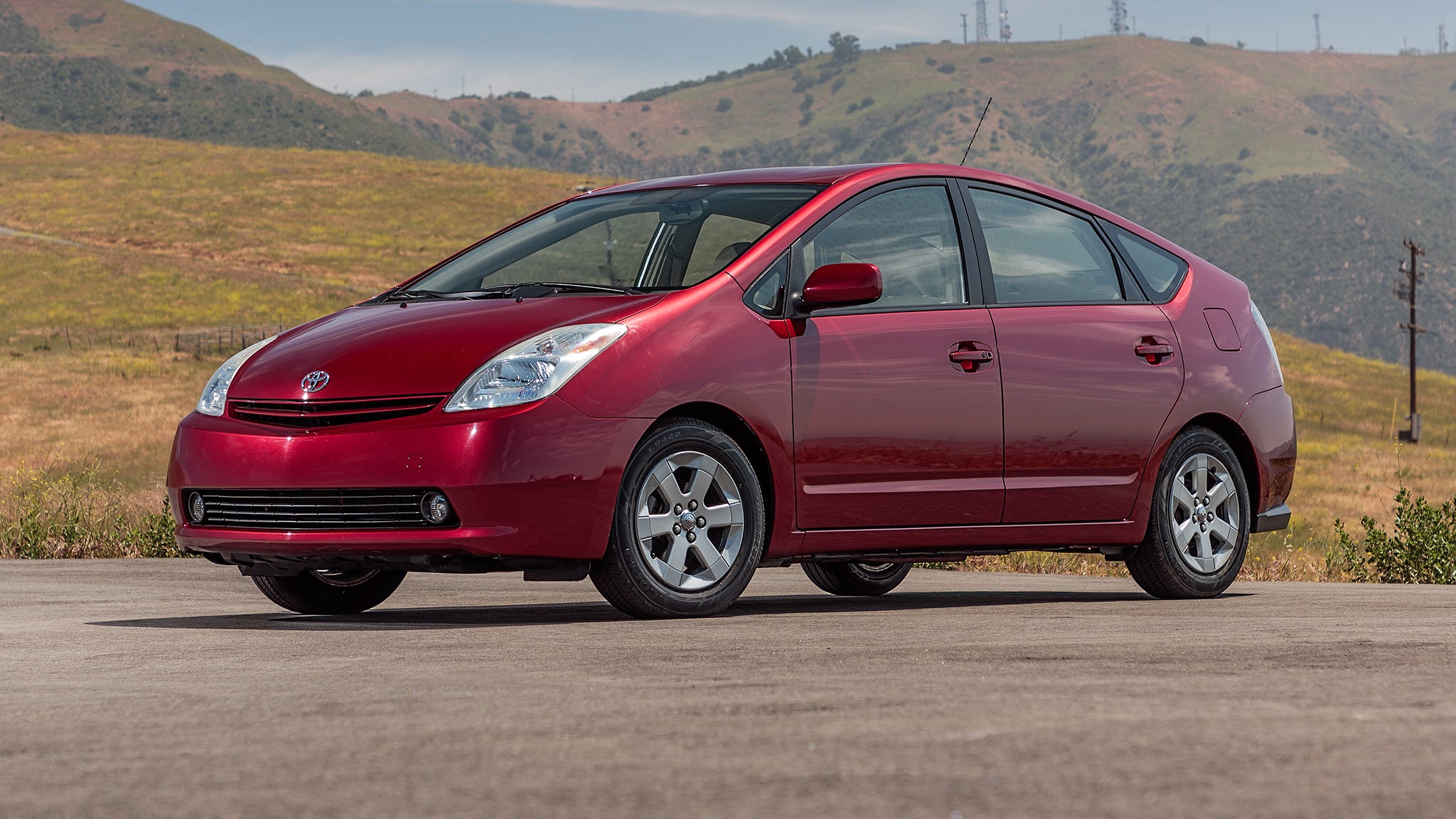
Most cars are considered worn out around 150,000 miles. But a small handful of vehicles routinely blow past that number and keep going. These cars share a few traits. They use simple, well-tested engines. They avoid unnecessary complexity. And their owners tend to follow basic maintenance schedules religiously.
Toyota and Honda dominate this list for good reason. Their four-cylinder engines and conventional automatics have decades of proven durability behind them. Documented examples include a 1971 Corolla that hit 610,000 miles, a Prius taxi that crossed 621,000 miles, and Corollas verified to have passed 600,000 miles by their original owners.
This list isn’t generic praise for “reliable brands.” Each entry below includes the real engine, horsepower, torque, and dimensions of the current model, along with why that specific car has a track record of extreme longevity.
Affordability matters too. Every car here starts under $50,000, and most start well under $35,000. That combination of low purchase price and proven long-term durability is what makes these ten vehicles genuinely exceptional buys, not just popular ones.
1. Toyota Corolla
The Corolla is the benchmark for automotive longevity. A 2005 model reportedly reached 603,500 miles through daily driving alone. Another owner drove a 1971 Corolla to 610,000 miles. The rear axle needed replacement, and a crate engine went in at 115,000 miles.
That’s still remarkable for a compact economy car. Few vehicles in this price range come close to that track record. The current Corolla’s 2.0-liter engine is a direct descendant of decades of incremental refinement. Toyota didn’t reinvent this platform. It perfected it.
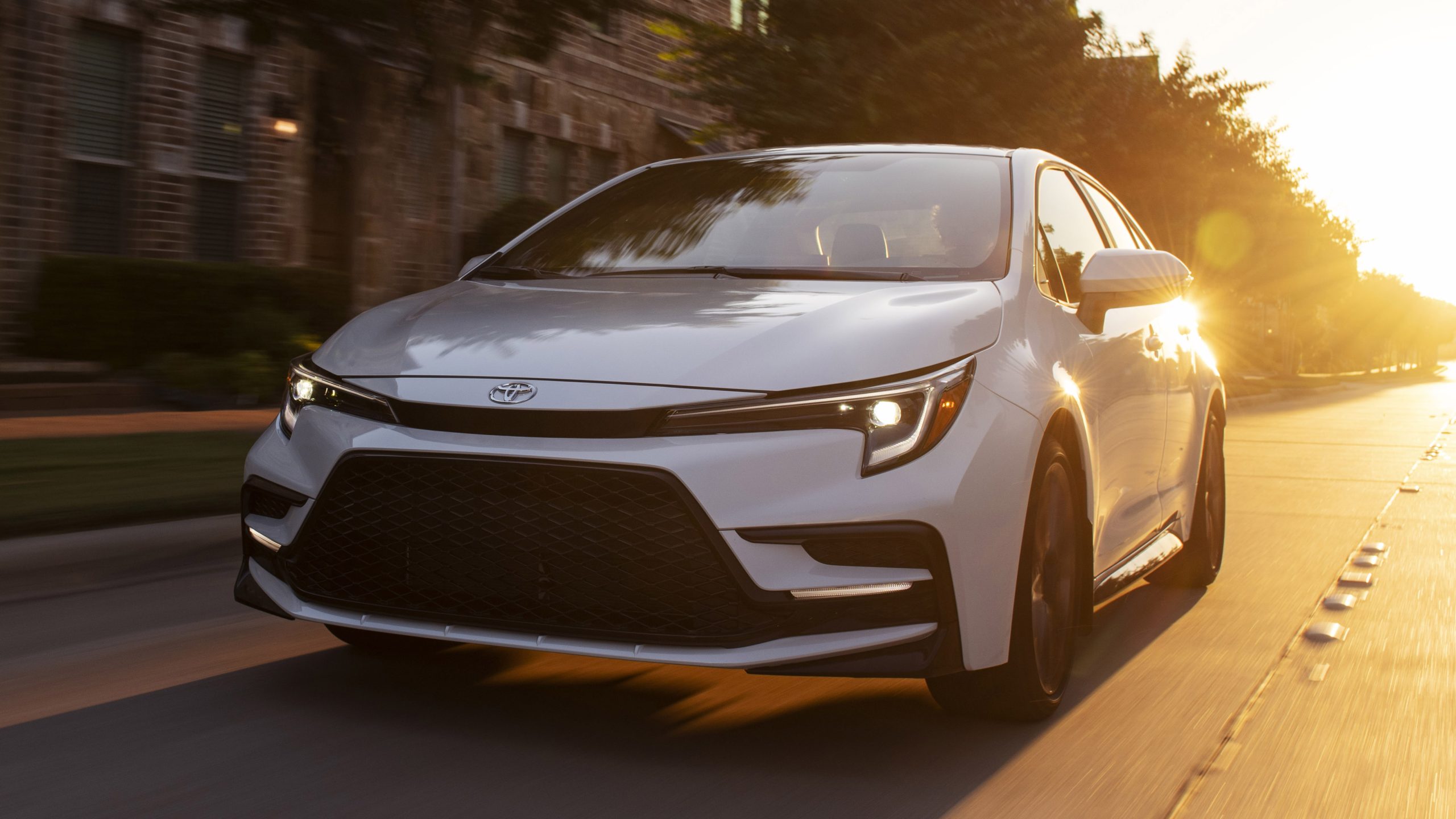
The CVT transmission, when properly maintained, has proven far more durable than early skeptics expected. Fluid changes every 30,000 to 60,000 miles keep it healthy long-term.
Simplicity is the Corolla’s biggest advantage. There’s less to break, and parts are everywhere. Maintenance costs stay remarkably low over a decade of ownership.
Specifications:
- Engine: 2.0L 4-cylinder (Dynamic Force)
- Horsepower: 169 hp
- Torque: 151 lb-ft
- Length: 182.5 in.
- Width: 70.1 in.
2. Toyota Camry
The Camry has quietly built one of the strongest high-mileage reputations in the midsize sedan class. Owners routinely report crossing 300,000 miles with only standard upkeep.
Its reputation stems from decades of engineering consistency. Toyota rarely makes drastic changes to a formula that already works. The 2026 Camry switched entirely to a hybrid powertrain, pairing a 2.5-liter four-cylinder with electric motors. This actually reduces long-term engine strain compared to older V6 versions.
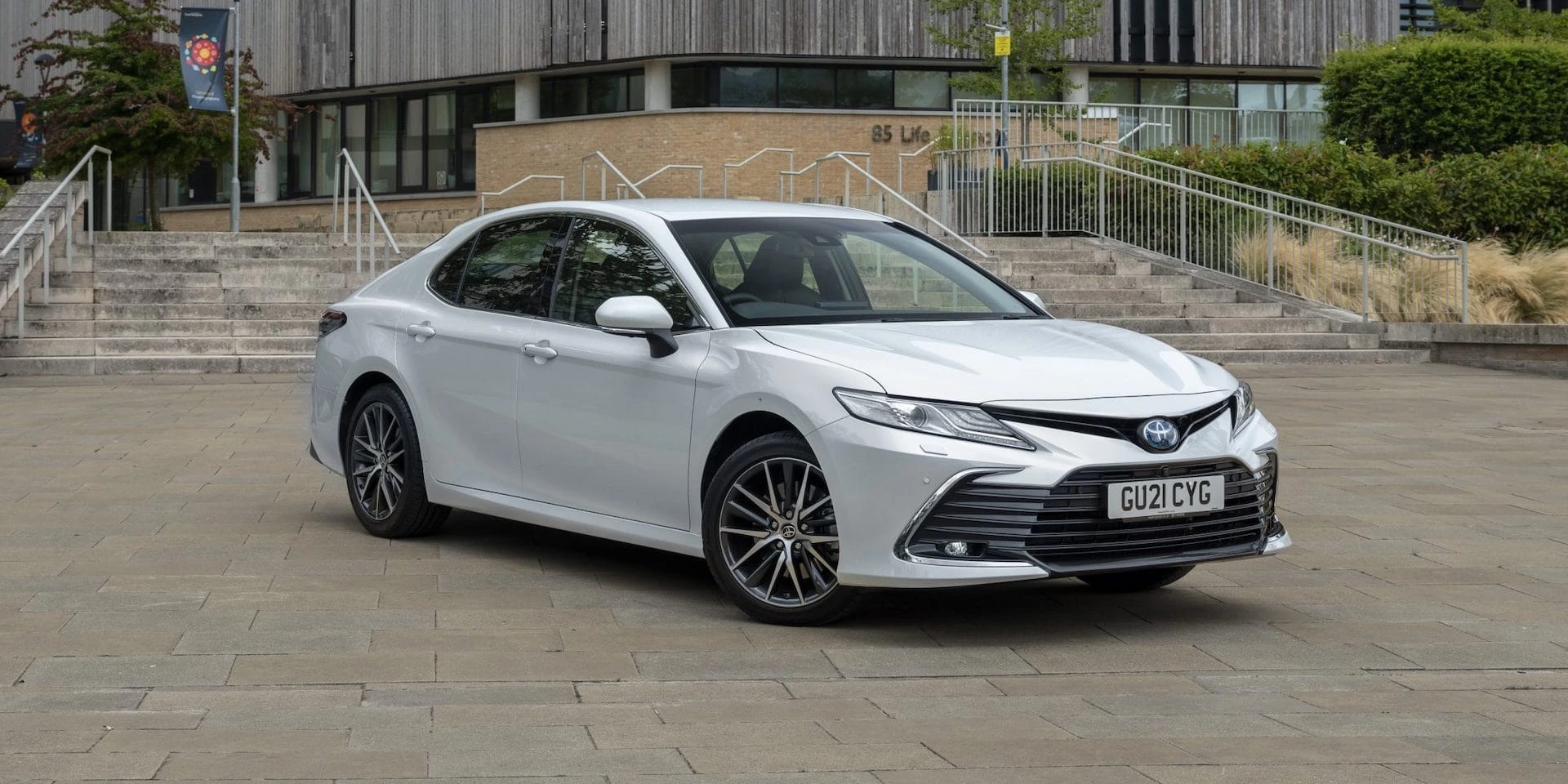
Hybrid components add complexity, but Toyota’s hybrid system has proven exceptionally durable across the Prius and Camry Hybrid for over two decades.
Battery packs in Toyota hybrids commonly last well past 200,000 miles. Many original packs are still functioning at nearly 300,000 miles today. The Camry’s mainstream popularity means junkyards and parts suppliers are flush with inexpensive components.
That keeps repair costs low even as mileage climbs. For buyers wanting a comfortable sedan built to outlast a decade of daily use, the Camry remains one of the smartest used or new purchases available.
Specifications:
- Engine: 2.5L 4-cylinder hybrid
- Horsepower: 225 hp (FWD) / 232 hp (AWD)
- Torque: 163 lb-ft
- Length: 193.7 in.
- Width: 72.4 in.
3. Honda Civic
The Civic has built a cult-like following among high-mileage drivers. It’s common to see Civics still running strong well past 250,000 miles on original engines.
Honda’s engineering philosophy favors free-revving, well-balanced four-cylinder engines. These motors handle sustained highway use without excessive wear.
The Civic’s timing chain, rather than a timing belt, eliminates one of the most common maintenance failure points in older economy cars. Its CVT, introduced more recently than Toyota’s, has matured significantly. Regular fluid service prevents the overheating issues that plagued early CVT designs.
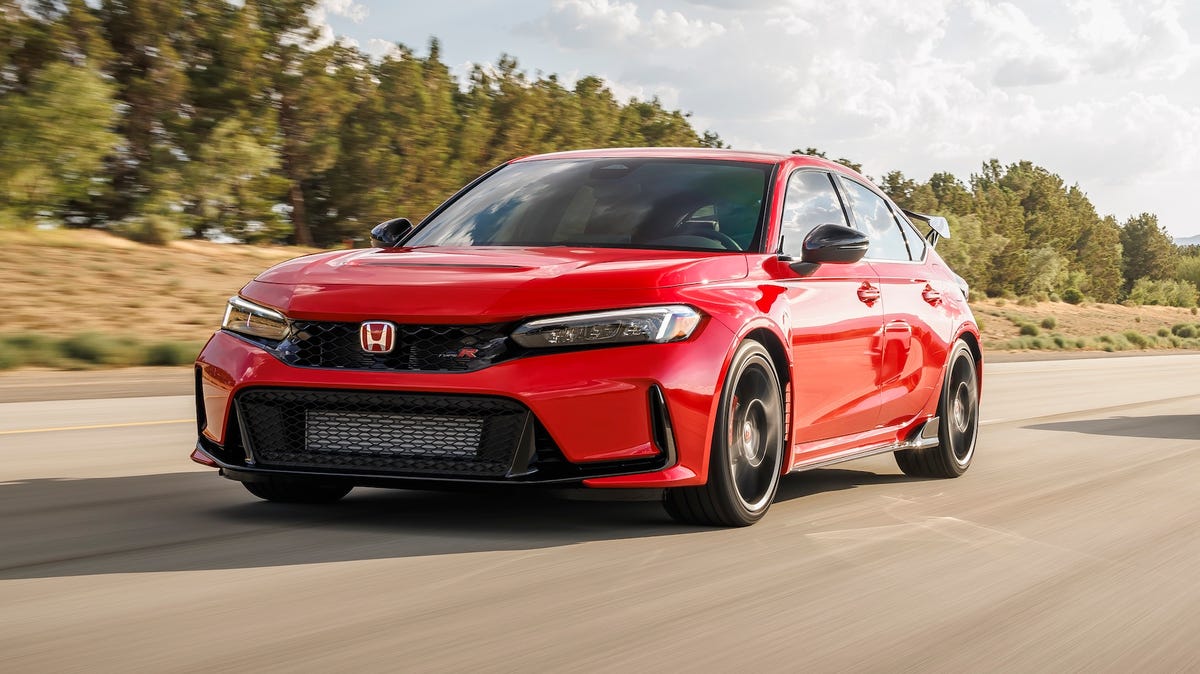
Civic owners report minimal unscheduled repairs even at high mileage. Suspension and electrical components tend to outlast the vehicle’s cosmetic condition.
The hybrid Civic variant adds an electric motor for a combined 200 horsepower, while retaining the same mechanical simplicity that built Honda’s reputation. Parts availability is excellent given the Civic’s massive production volume. That keeps long-term ownership costs predictable and low.
Specifications:
- Engine: 2.0L 4-cylinder (LX/Sport) or 2.0L hybrid (Sport Hybrid)
- Horsepower: 150 hp (gas) / 200 hp (hybrid)
- Torque: 133 lb-ft (gas) / 232 lb-ft (hybrid)
- Length: 184.0 in.
- Width: 70.9 in.
4. Honda Accord
According to iSeeCars data, the Accord is roughly 3.3 times more likely than the average vehicle to reach 250,000 miles. Some documented examples have surpassed 600,000 miles entirely.
Honda’s larger four-cylinder and hybrid powertrains carry the same durability DNA as the Civic, just scaled up for a midsize sedan. The Accord’s turbocharged 1.5-liter engine produces strong torque at low RPM. That reduces strain during everyday acceleration and highway merging.
Hybrid Accord trims use a two-motor system that’s mechanically simpler than a traditional multi-speed automatic. Fewer moving parts generally mean fewer failure points.
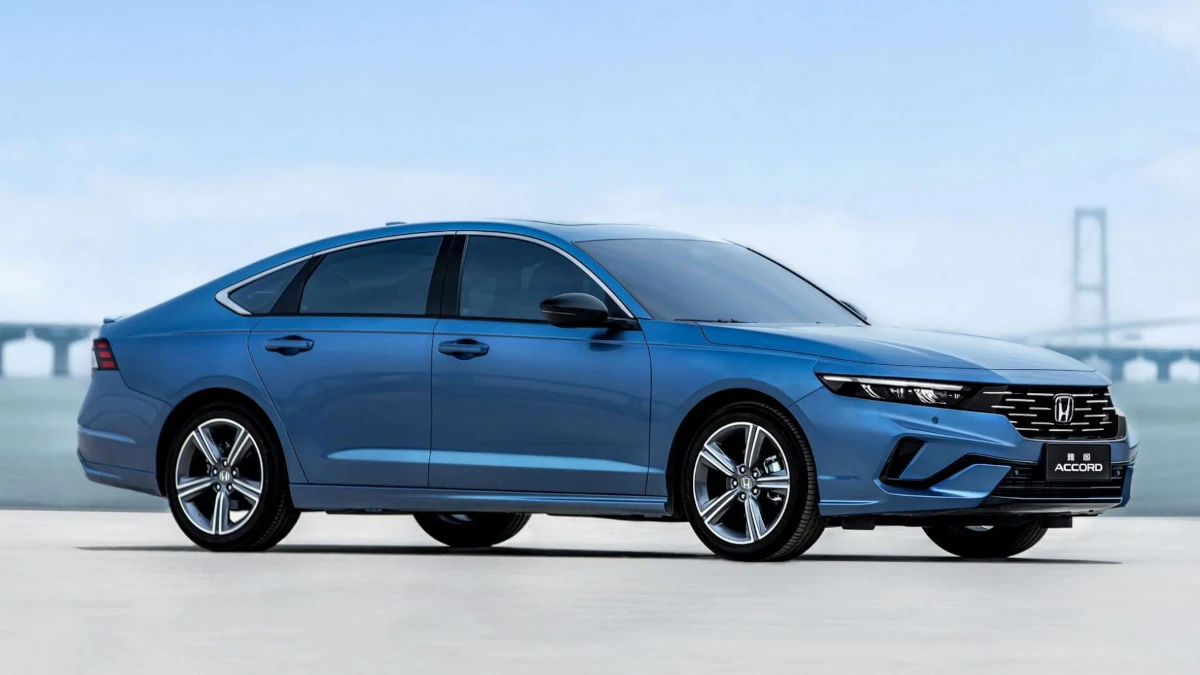
Honda’s Advanced Compatibility Engineering body structure isn’t just about crash safety. It also distributes stress more evenly across the chassis over time.
Owners consistently report the Accord’s interior and drivetrain holding up better than competitors at equivalent mileage. That’s a meaningful factor in resale value. For a full-size feel with proven Honda reliability, the Accord remains one of the strongest long-term bets in its class.
Specifications:
- Engine: 1.5L turbo 4-cylinder or 2.0L hybrid
- Horsepower: 192 hp (gas) / 204 hp (hybrid)
- Torque: 192 lb-ft (gas) / 247 lb-ft (hybrid)
- Length: 195.7 in.
- Width: 73.3 in.
Also Read: 10 Motorcycles With the Lowest Theft Rates
5. Toyota Prius
The Prius holds one of the most astonishing documented mileage records of any consumer car. A 2017 model reportedly logged 546,921 miles in just five years.
Even more notably, a second-generation Prius operating as an Austrian taxi crossed 621,000 miles on its original hybrid battery. That single fact reshapes how people should think about hybrid longevity. Battery degradation, once a major concern, has proven far less severe than critics predicted.
The Prius’s gasoline engine runs an Atkinson cycle, which reduces internal stress compared to conventional combustion cycles. That directly extends engine life. Toyota’s hybrid transaxle has no traditional clutch or torque converter. This eliminates two of the most common wear points in standard transmissions.
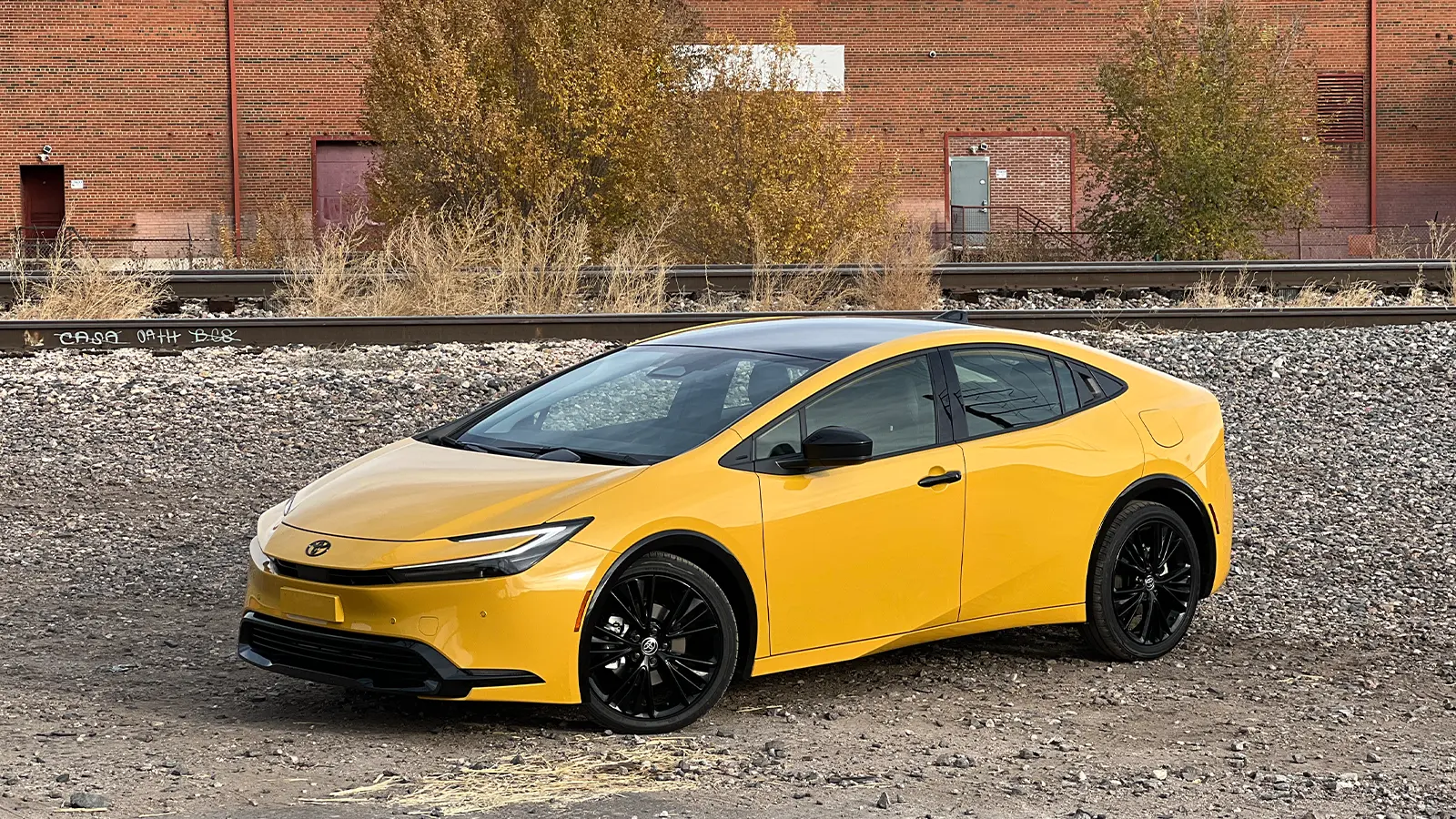
Regenerative braking also reduces wear on physical brake components, since the electric motor handles much of the deceleration duty. For buyers focused purely on maximum lifespan per dollar spent, the Prius may be the single strongest argument on this entire list.
Specifications:
- Engine: 2.0L 4-cylinder hybrid
- Horsepower: 194 hp (FWD) / 196 hp (AWD)
- Torque: 139 lb-ft
- Length: 181.1 in.
- Width: 70.2 in.
6. Toyota RAV4
The RAV4 combines Toyota’s hybrid durability with the practicality of a compact SUV. It’s consistently ranked among the SUVs most likely to exceed 200,000 miles.
For 2026, Toyota made hybrid power standard across the entire lineup, eliminating the gas-only variants that previously existed. That shift matters for longevity. The RAV4 now shares its core mechanical architecture directly with the long-proven Camry and Prius hybrid systems.
The 2.5-liter engine underpinning the RAV4 hybrid is a Dynamic Force unit, engineered specifically for thermal efficiency and reduced internal friction.
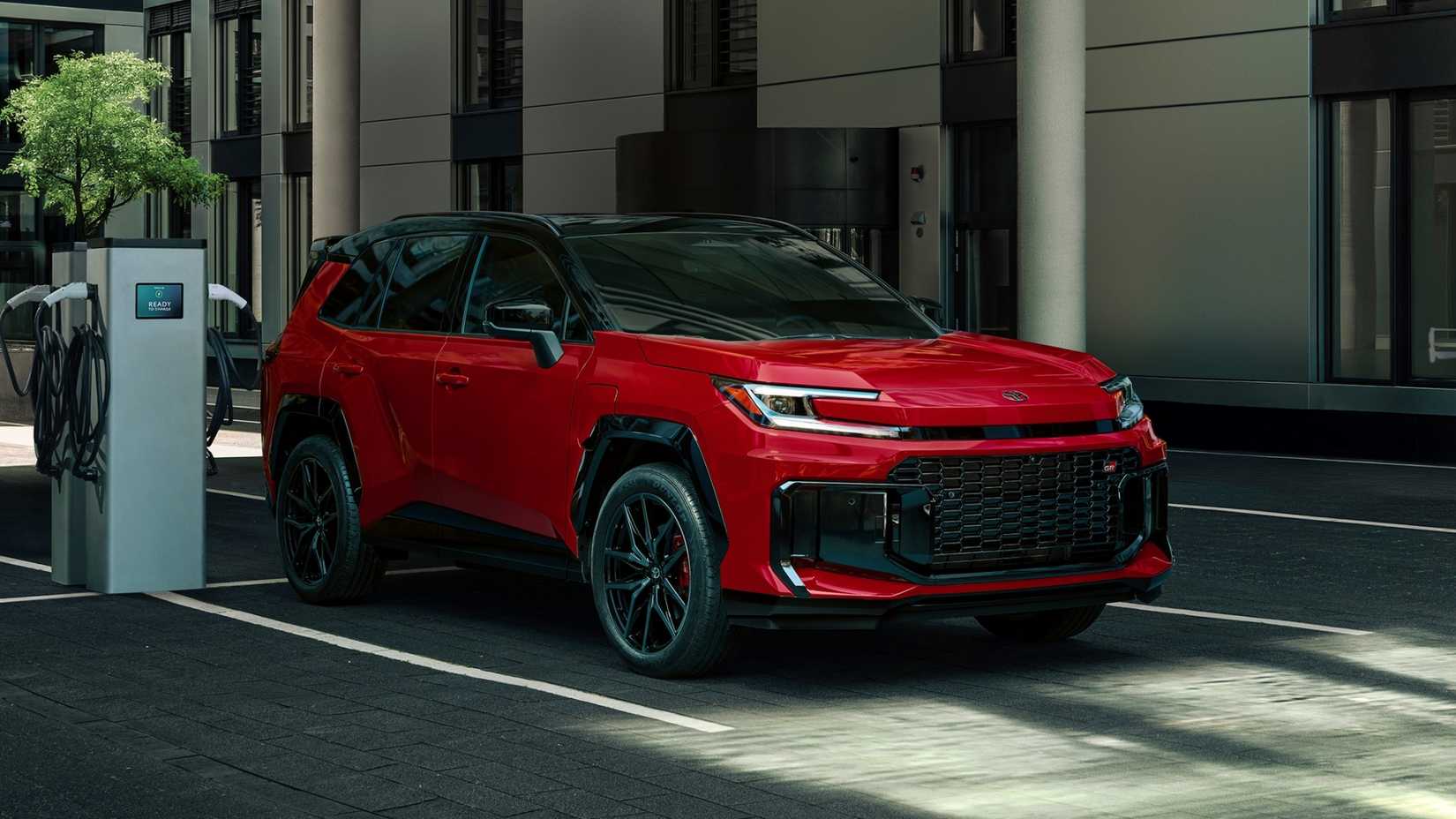
Toyota’s Dynamic Torque Vectoring AWD system, available on higher trims, adds mechanical complexity but has shown strong reliability in real-world testing.
RAV4 owners frequently report minimal unscheduled maintenance even past 150,000 miles. Suspension components and electronics tend to age gracefully. Given its popularity as America’s best-selling SUV, resale value and parts availability remain strong advantages for long-term owners.
Specifications:
- Engine: 2.5L 4-cylinder hybrid
- Horsepower: 226 hp (FWD) / 236 hp (AWD)
- Torque: 175 lb-ft (approx., hybrid net)
- Length: 180.9 in.
- Width: 73.0 in.
7. Toyota Tacoma
Trucks tend to log high mileage simply through work usage, and the Tacoma has one of the strongest reputations in the midsize truck segment for surviving that abuse.
Toyota trucks broadly have a documented history of extreme mileage. One owner’s Tundra crossed the million-mile mark on its original engine and transmission.
The Tacoma benefits from that same engineering philosophy. Its frame and drivetrain are built with heavier-duty tolerances than typical passenger vehicles.
The standard i-FORCE turbocharged four-cylinder replaced the previous V6, offering strong low-end torque that reduces strain during towing and hauling.
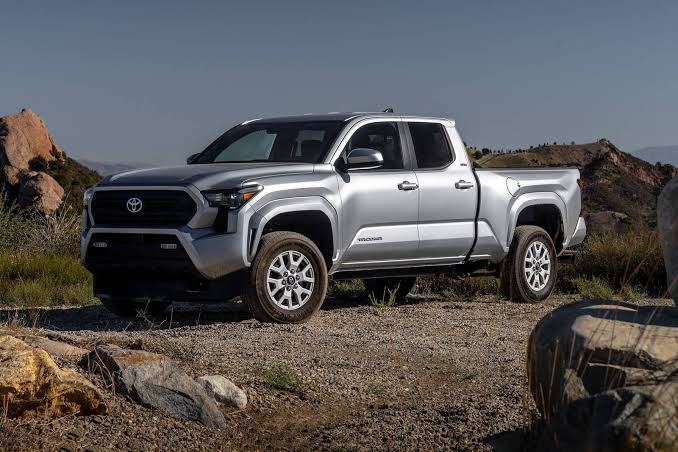
Toyota’s TNGA-F platform underpins the current Tacoma, sharing its foundation with larger, historically bulletproof trucks like the Tundra and 4Runner. The available i-FORCE MAX hybrid powertrain adds torque without significantly increasing mechanical complexity, since it integrates directly into the existing transmission housing.
For buyers who need towing capability alongside long-term durability, the Tacoma remains one of the most trusted midsize trucks on the market.
Specifications:
- Engine: 2.4L turbo 4-cylinder (i-FORCE) or hybrid (i-FORCE MAX)
- Horsepower: 228–278 hp (gas) / 326 hp (hybrid)
- Torque: 243–317 lb-ft (gas) / 465 lb-ft (hybrid)
- Length: 213.0 in.
- Width: 76.9 in.
8. Toyota 4Runner
The 4Runner has built its reputation on body-on-frame construction, a layout that’s mechanically simpler and generally more durable than modern unibody SUVs.
This design choice trades some ride comfort for long-term structural resilience, especially under heavy loads or rough terrain. Toyota’s TNGA-F platform, shared with the Tacoma and Tundra, gives the 4Runner a boxed frame that resists the flex and fatigue that shortens the life of lighter SUVs.
The standard turbocharged four-cylinder engine replaced the previous naturally aspirated V6, delivering more torque with less strain during acceleration.
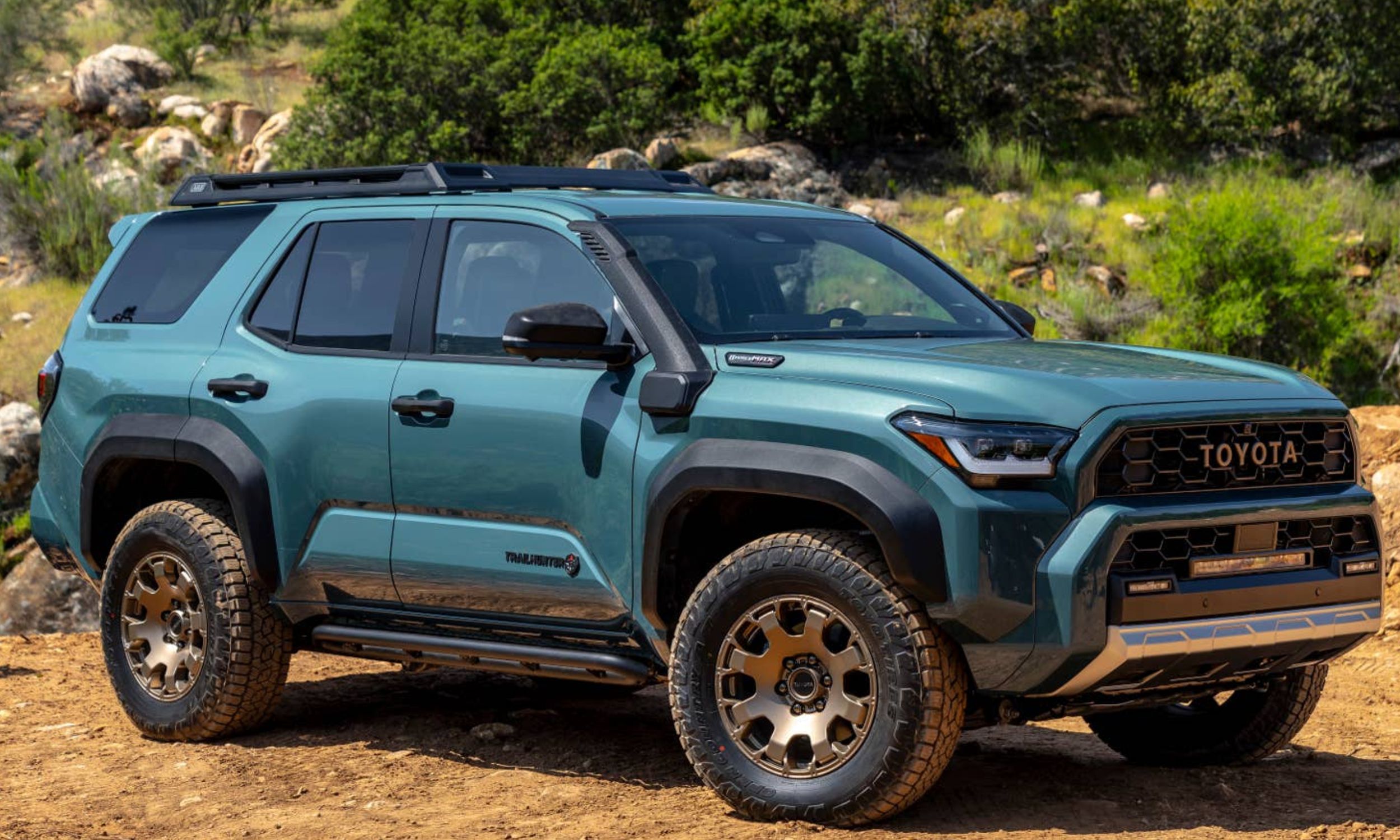
4Runners have long been favored by overlanders and off-road enthusiasts specifically because of their track record for surviving extreme conditions with minimal failures. The available i-FORCE MAX hybrid setup adds an electric motor for extra torque, useful for towing, without meaningfully increasing long-term maintenance needs.
Given its rugged construction and Toyota’s proven turbocharged platform, the 4Runner routinely appears in owner forums documenting 250,000-plus-mile examples still running strong.
Specifications:
- Engine: 2.4L turbo 4-cylinder or hybrid (i-FORCE MAX)
- Horsepower: 278 hp (gas) / 326 hp (hybrid)
- Torque: 317 lb-ft (gas) / 465 lb-ft (hybrid)
- Length: 194.9 in.
- Width: 77.9 in.
9. Honda CR-V
The CR-V has been America’s best-selling compact SUV for over two decades, and that popularity is rooted in a strong reliability track record. It shares its core turbocharged engine architecture with the Civic and Accord, benefiting from the same proven design philosophy.
The standard 1.5-liter turbo four produces solid torque at low RPM, reducing the strain typically associated with small-displacement turbocharged engines. Honda’s Real Time AWD system distributes power intelligently between axles, and it’s proven durable even under regular winter or off-pavement use.
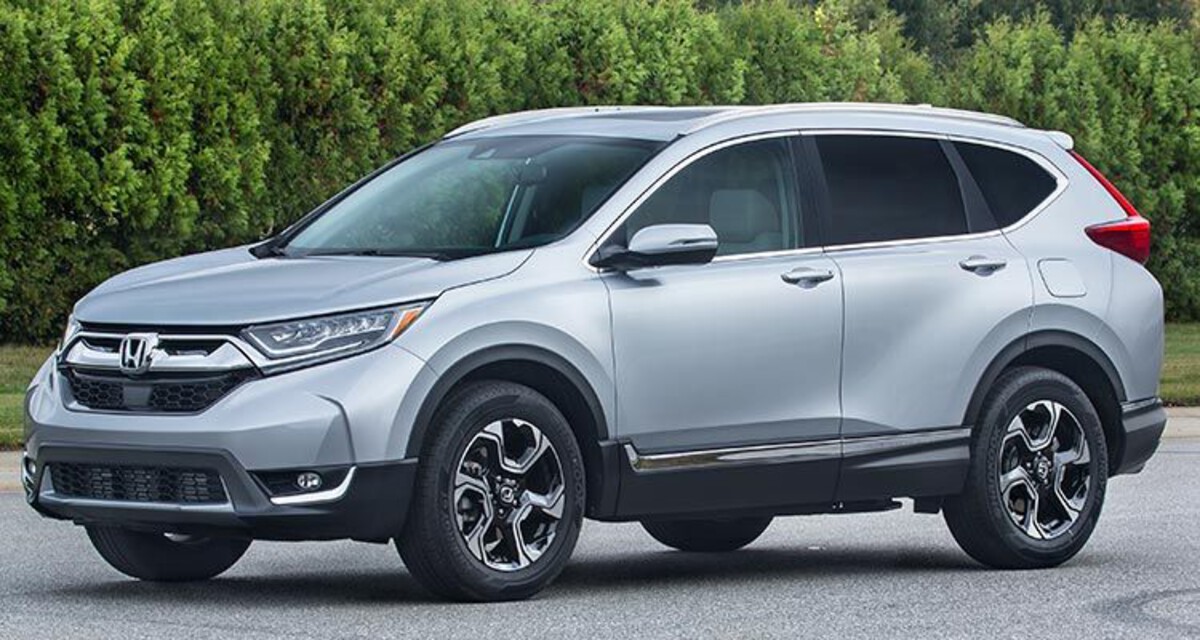
The hybrid CR-V variant uses a 2.0-liter engine paired with two electric motors, offering more torque than the standard model while running smoother. Its single-speed lockup transmission in hybrid trims is mechanically simpler than a conventional multi-gear automatic, which tends to reduce long-term wear.
CR-V owners frequently report minimal drivetrain issues well past 150,000 miles, supported by Honda’s extensive dealer and parts network nationwide.
Specifications:
- Engine: 1.5L turbo 4-cylinder or 2.0L hybrid
- Horsepower: 190 hp (gas) / 204 hp (hybrid)
- Torque: 179 lb-ft (gas) / 247 lb-ft (hybrid)
- Length: 184.8 in.
- Width: 73.0 in.
10. Lexus ES
The Lexus ES essentially shares its bones with the Toyota Camry, meaning it inherits much of that platform’s proven mechanical longevity. Lexus historically over-engineers its vehicles relative to their Toyota counterparts, using higher-tolerance components even when the underlying architecture is shared.
The brand’s earlier LS400 became legendary for reliability, with one example reportedly driven to a million miles by automotive journalist Matt Farah.
That same engineering discipline carries through to the modern ES. Its hybrid 350h trim uses a naturally aspirated four-cylinder rather than a turbocharged unit, favoring long-term durability over outright power.
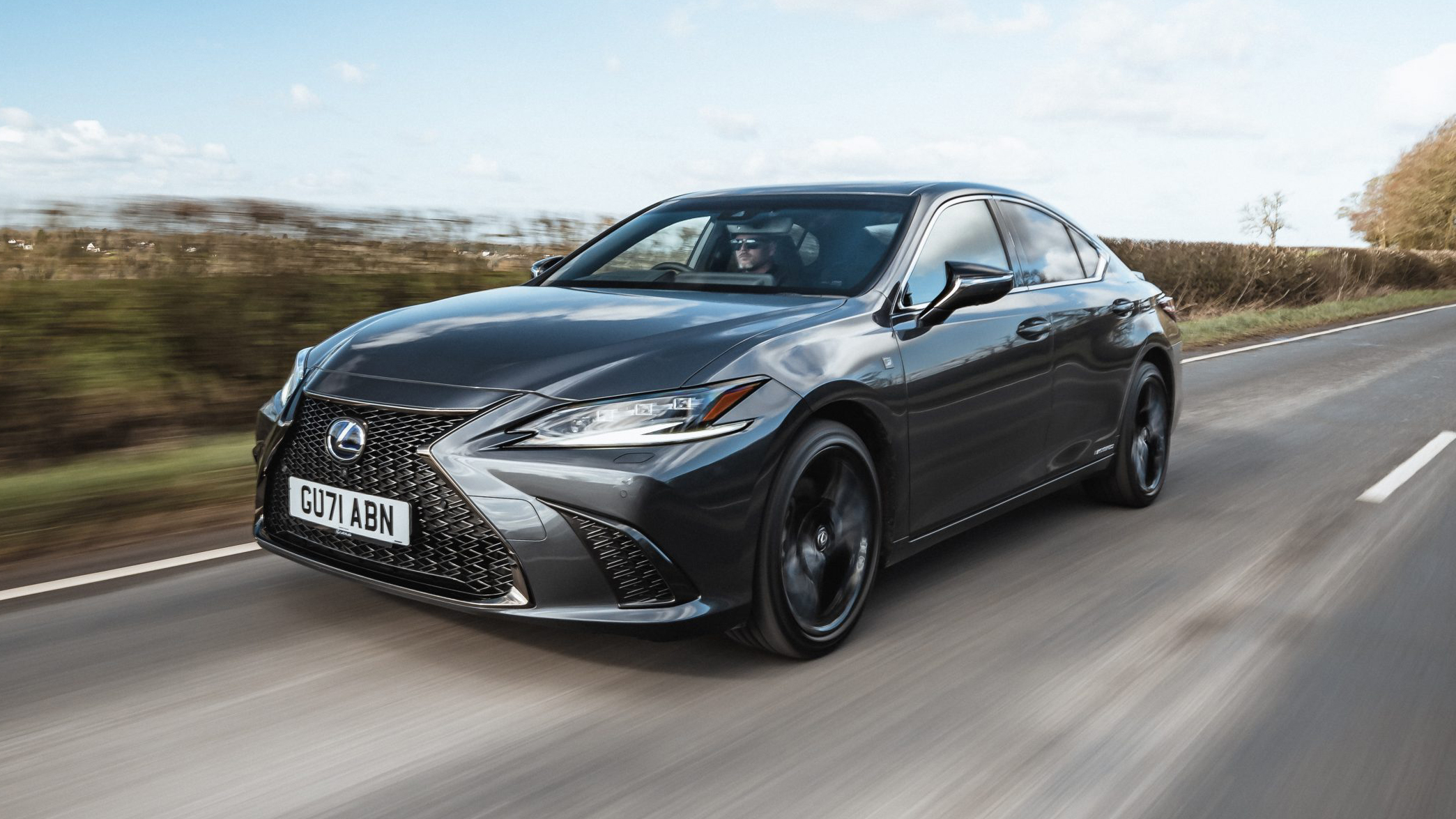
Naturally aspirated engines generally experience less thermal stress than turbocharged alternatives, which can translate to fewer top-end repairs at high mileage. Lexus dealer service networks are known for meticulous maintenance records and genuine parts usage, both of which support stronger long-term reliability outcomes.
For buyers wanting Toyota-level mechanical durability wrapped in a more premium package, the ES offers a rare combination of comfort and proven longevity.
Specifications:
- Engine: 2.5L 4-cylinder hybrid (350h)
- Horsepower: 244 hp (net combined)
- Torque: 175 lb-ft
- Length: 195.9 in.
- Width: 75.5 in.
Also Read: 8 Used Motorcycles That Are Easiest to Maintain at Home
