
A reliable V6 engine can make all the difference in how long a vehicle stays on the road. While horsepower and performance often grab the headlines, true engineering excellence is measured by an engine’s ability to withstand years of daily driving, heavy workloads, and high mileage with minimal mechanical issues. The most durable V6 engines combine robust construction, conservative tuning, proven designs, and simple maintenance requirements, allowing many to surpass 200,000 or even 300,000 miles without major internal repairs.
This list ranks 10 V6 engines by long-term durability, featuring powerplants that have built legendary reputations among owners, mechanics, and enthusiasts. From Honda’s dependable J35 VTEC and Toyota’s nearly indestructible 2GR-FE and 5VZ-FE, to American icons like the Buick 3800 and GM 4.3 Small-Block V6, these engines have repeatedly demonstrated exceptional longevity in a wide variety of cars, SUVs, and trucks.
Even newer designs, such as the Nissan VR30DDTT and Ford Duratec 35 Cyclone, have proven capable of delivering impressive service life when properly maintained. If lasting reliability is your top priority, these V6 engines represent some of the finest examples of durability ever put into production.
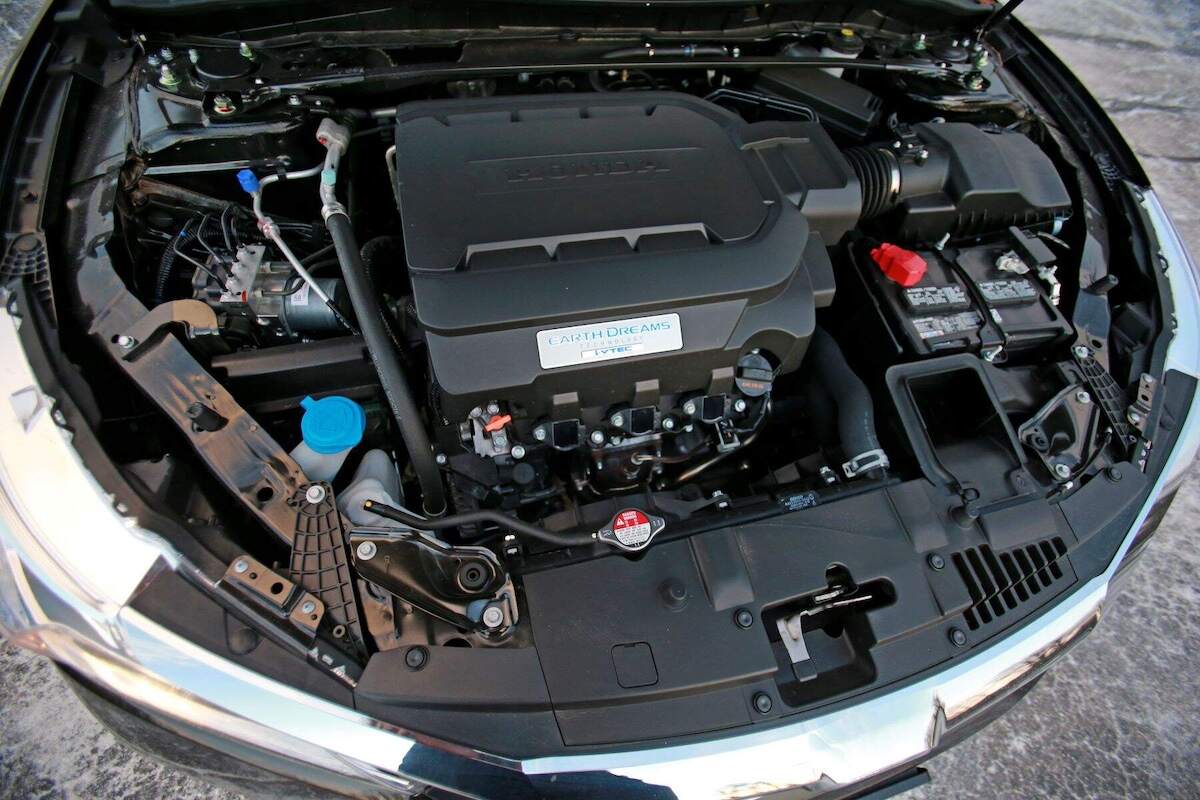
1. Honda J35 VTEC V6
The Honda J35 VTEC V6 is one of the most respected and durable six-cylinder engines ever produced by Honda. Introduced as part of the J-series family, it has powered a wide range of vehicles, including the Honda Odyssey, Pilot, Ridgeline, Legend, Acura MDX, and even served as the foundation for Honda Marine’s BF200 outboard engine. With a displacement of 3.5 liters and power outputs ranging from 210 to 286 horsepower, the naturally aspirated J35 is renowned for its smooth performance, reliability, and longevity.
Its reputation for durability comes from a simple yet robust design. The single overhead cam (SOHC) VTEC layout minimizes mechanical complexity while delivering strong low-end torque and dependable performance. A forged steel crankshaft, rigid aluminum block with iron cylinder liners, cross-bolted main caps, and an inherently balanced 60-degree V6 configuration all contribute to reduced wear and exceptional engine life. With routine maintenance, many J35 engines comfortably exceed 200,000 to 300,000 miles.
Despite its strengths, certain versions require preventive care. Models equipped with Variable Cylinder Management (VCM) may experience excessive oil consumption, fouled spark plugs, and premature piston ring wear. Many owners install VCM-disabling devices to improve long-term reliability. Direct-injection variants can also develop carbon buildup on intake valves, while VCM spool valve gasket leaks should be addressed promptly to prevent alternator damage.
The most critical maintenance requirement is timely timing belt replacement every 90,000 to 105,000 miles, as the J35 is an interference engine. Regular oil changes, valve adjustments where required, and transmission fluid servicing further ensure long-term reliability. Properly maintained, the Honda J35 remains one of the most dependable V6 engines ever built.
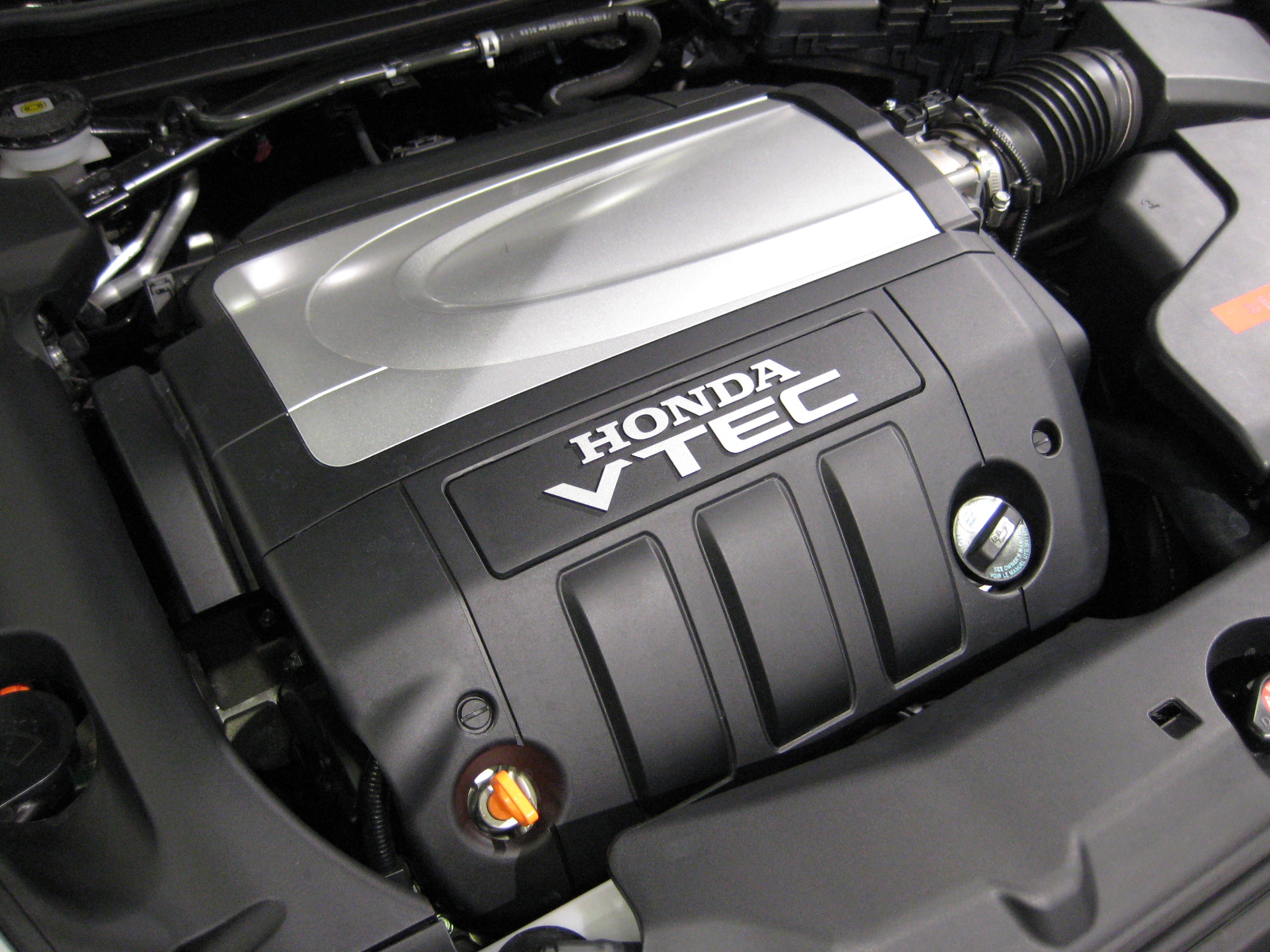
2. Toyota 5VZ-FE 3.4 V6
The Toyota 5VZ-FE 3.4-liter V6 is widely regarded as one of the most durable and dependable truck engines ever built. Produced during the late 1990s and early 2000s, it powered iconic Toyota models such as the Tacoma, 4Runner, T100, Tundra, and Land Cruiser Prado. With a displacement of 3.4 liters and output ranging from 183 to 190 horsepower, the engine prioritized reliability and longevity over outright performance, making it a favorite among off-road enthusiasts and long-term owners.
The 5VZ-FE’s exceptional durability stems from its conservative engineering. It features a rugged cast-iron engine block paired with aluminum cylinder heads, a dual overhead cam (DOHC) 24-valve design, and sturdy internal components that withstand years of heavy use. Unlike many modern engines, it uses a non-interference valvetrain, meaning a broken timing belt will not cause the pistons and valves to collide, preventing catastrophic engine damage. Toyota also kept the engine’s output relatively modest, reducing stress on internal components and contributing to its legendary lifespan.
With routine maintenance, many owners report exceeding 300,000 miles, while well-maintained examples have surpassed 500,000 miles. Essential maintenance includes replacing the timing belt every 90,000 to 100,000 miles, along with the water pump, tensioner, and idler pulleys. The engine’s primary weakness is overheating, which can warp the aluminum cylinder heads and lead to head gasket failure if cooling system issues are ignored.
Despite being less powerful and less fuel-efficient than modern V6s, the 5VZ-FE remains highly respected for its mechanical simplicity, bulletproof reliability, and ability to accept aftermarket upgrades such as TRD and Magnusson supercharger kits for added performance.
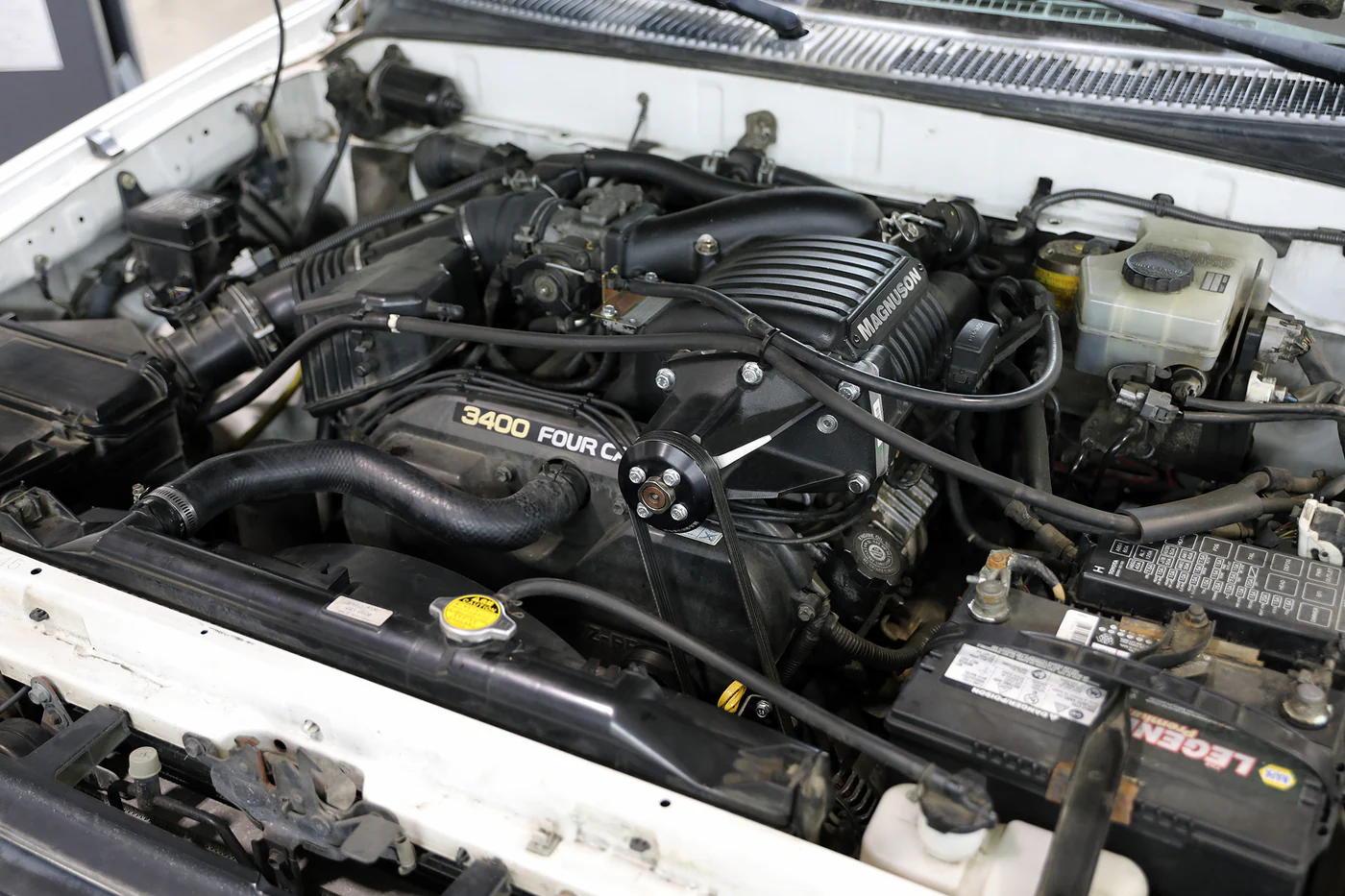
3. Nissan VR30DDTT
The Nissan VR30DDTT is a 3.0-liter twin-turbocharged V6 that represents Nissan’s modern approach to performance and efficiency. Part of the VR engine family introduced in 2007, it powers vehicles such as the Nissan Z, Infiniti Q50, Q60, and Skyline. Producing between 300 and 420 horsepower in factory form, the engine has earned widespread recognition, including consecutive appearances on Ward’s 10 Best Engines list in 2017 and 2018. It is also highly regarded in the tuning community, with modified examples exceeding 1,000 horsepower while showcasing the engine’s impressive strength.
The VR30DDTT features an aluminum block and cylinder heads, mirror-bore cylinder coatings that reduce friction, and a durable double overhead cam (DOHC) timing chain that eliminates the need for periodic timing belt replacement. Its advanced air-to-water intercooler system, integrated into the intake manifold, helps maintain low intake temperatures and minimizes heat soak, improving both performance and long-term reliability. The engine also benefits from engineering derived from Nissan’s legendary GT-R powertrain, giving it a robust rotating assembly capable of handling significant power increases.
With proper maintenance, the VR30DDTT can reliably reach 150,000 to 200,000 miles. However, early models (2016–2019) were affected by issues such as turbocharger oil seal failures, porous engine blocks, and serpentine belt alignment problems, many of which were addressed in later production updates.
To maximize longevity, owners should follow strict synthetic oil change intervals of 3,000 to 5,000 miles, maintain the cooling system, and ensure updated accessory belt components are installed. When properly cared for, the VR30DDTT delivers an excellent balance of performance, refinement, and tuning potential.
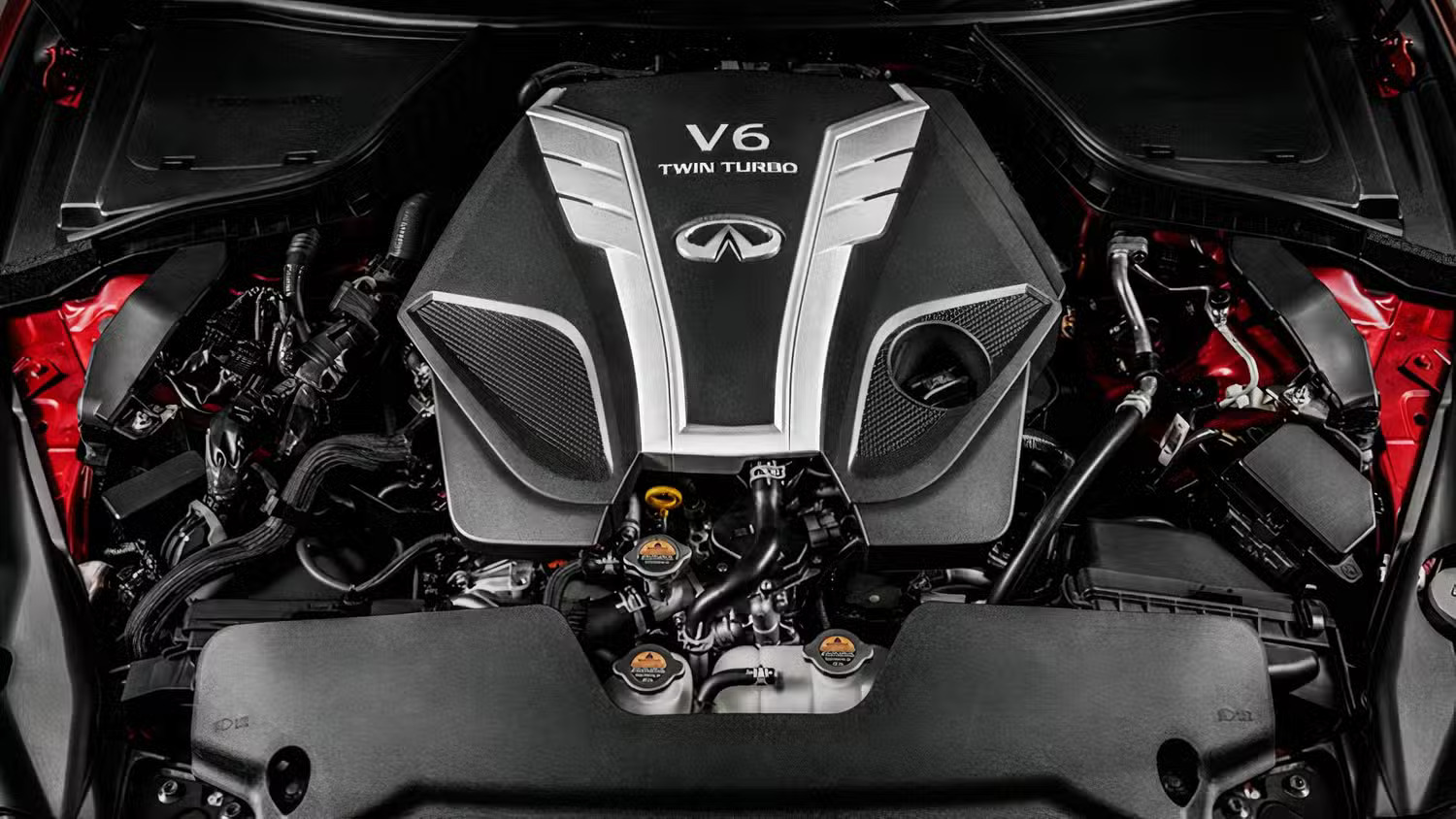
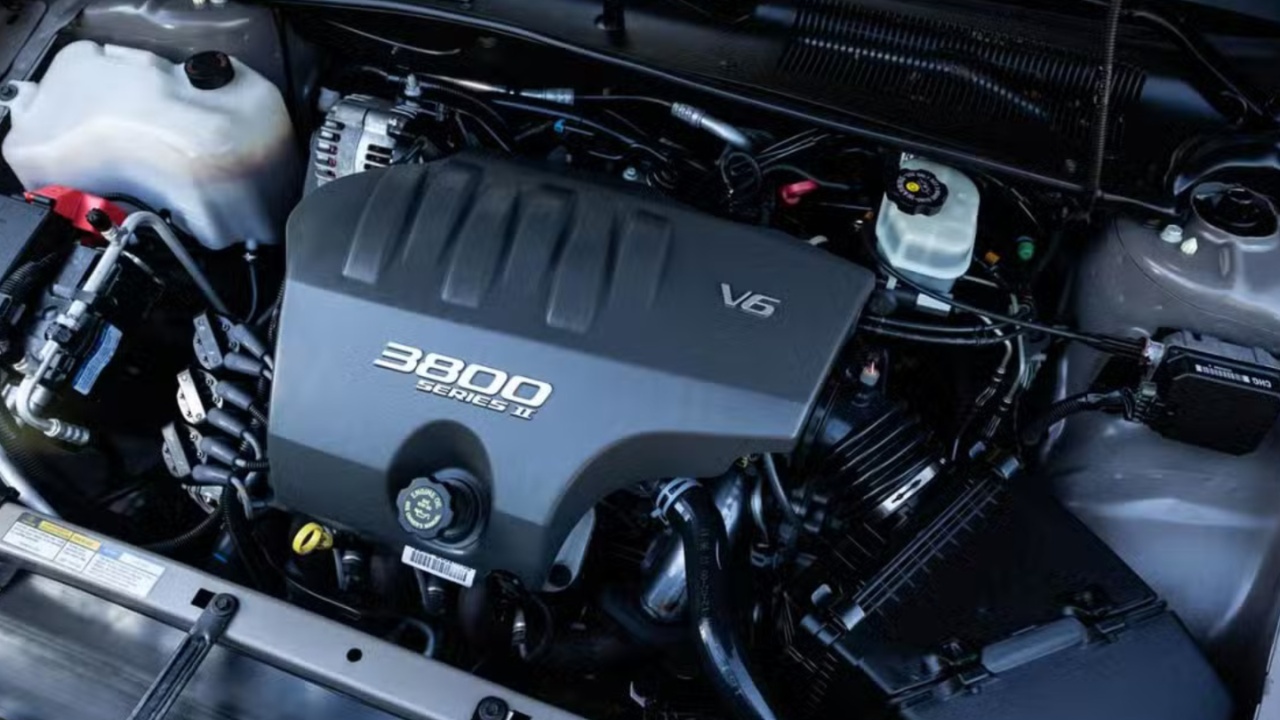
4. Buick 3800 V6
The Buick 3800 V6 is widely regarded as one of the most reliable and longest-lasting American engines ever produced. Introduced in its 3.8-liter form in 1988, it evolved from Buick’s original Fireball V6 and powered numerous General Motors models, including the Buick LeSabre, Buick Riviera, Pontiac Bonneville, and Oldsmobile Toronado. Producing between 165 and 205 horsepower, the 3800 prioritized durability, low-end torque, and efficiency over outright performance, earning a reputation for routinely exceeding 300,000 miles with minimal repairs.
The engine’s legendary longevity is rooted in its simple, over-engineered design. It features a rugged cast-iron block and cylinder heads, a pushrod overhead valve (OHV) valvetrain, and a durable timing chain instead of a timing belt, reducing maintenance requirements. Its low-revving nature minimizes stress on internal components, while the robust bottom end and cross-bolted main bearing caps introduced in the Series II engines make the rotating assembly exceptionally strong. This solid construction also allowed supercharged variants to handle significantly more power without sacrificing reliability.
Despite its strengths, the 3800 has a few well-known weaknesses. Series II models are prone to failures of the plastic intake manifold and intake gaskets, which can allow coolant to leak into the engine. Plastic coolant elbows near the alternator also become brittle with age and may crack, causing sudden coolant loss.
Replacing these components with upgraded metal or revised parts largely eliminates these issues. Additionally, proper cooling system maintenance is essential, particularly for engines using GM’s DEX-Cool coolant. With preventive maintenance, the Buick 3800 V6 remains one of the most dependable and respected engines ever built.
5. Ford Duratec 35 Cyclone
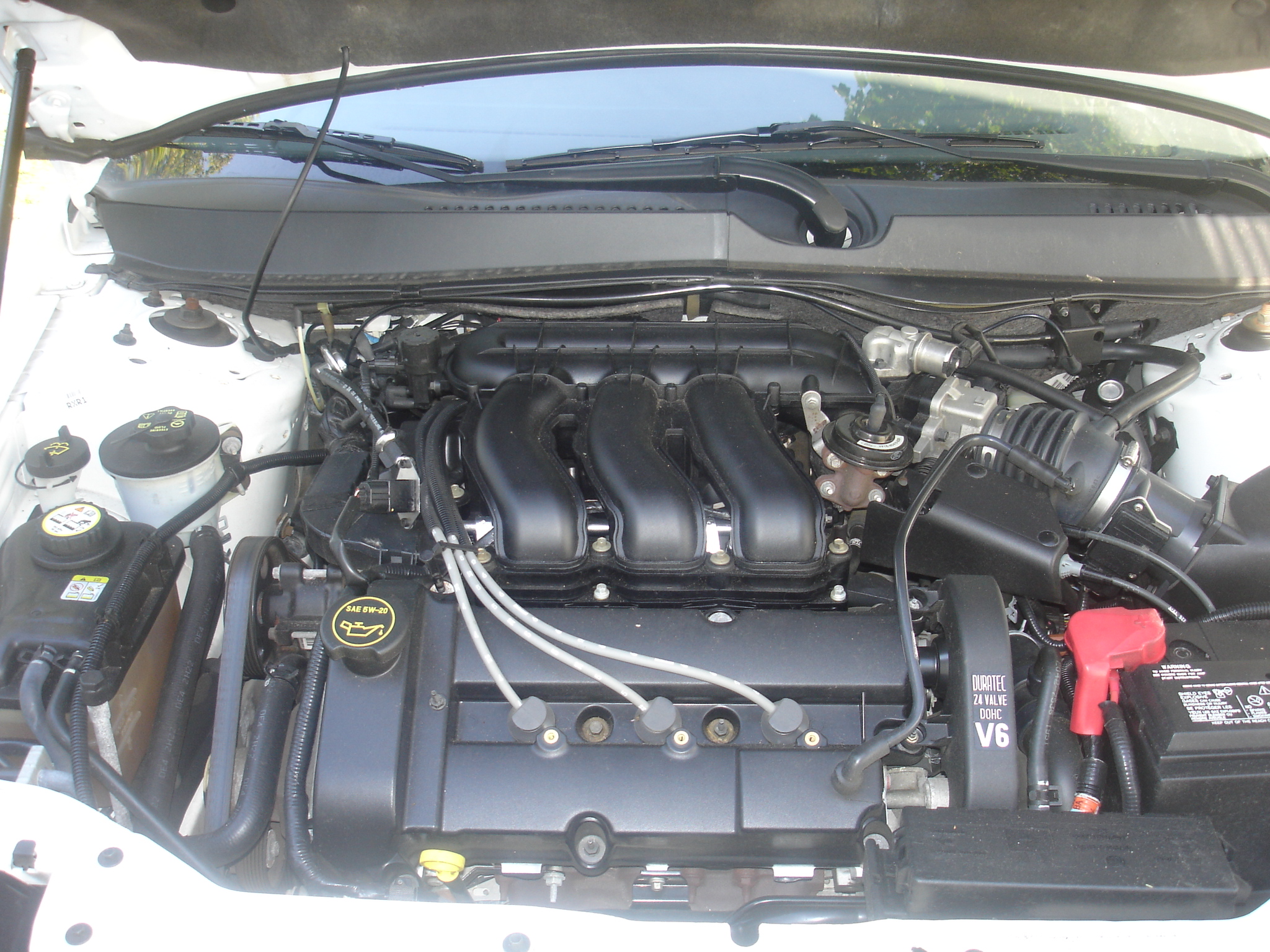
The Ford Duratec 35 Cyclone is a 3.5-liter V6 known for its durability, smooth naturally aspirated performance, and widespread use across Ford, Lincoln, and Mazda vehicles. Introduced for the 2007 model year, it powered models such as the Ford Edge, Explorer, Taurus X, Fusion Sport, Lincoln MKZ, and Mazda CX-9. Producing between 262 and 350 horsepower depending on the application, the Duratec 35 also served as the foundation for Ford’s twin-turbo EcoBoost V6, which remains available as a crate engine.
The engine’s reputation for reliability stems from its robust construction. It features an aluminum block and cylinder heads, a forged steel crankshaft, and a durable dual overhead cam (DOHC) valvetrain with a timing chain instead of a timing belt, reducing routine maintenance. Its naturally aspirated design also avoids the added heat and pressure associated with turbocharging, contributing to lower long-term wear. With regular servicing, many Duratec 35 engines comfortably exceed 200,000 to 300,000 miles.
However, the engine is best known for one significant design flaw: the internal, timing chain-driven water pump used in many front-wheel-drive applications. If the water pump fails, coolant can leak directly into the engine oil, causing severe bearing damage and potentially catastrophic engine failure. Because replacement is labor-intensive, many mechanics recommend preventive water pump and timing chain replacement between 100,000 and 120,000 miles. Other occasional issues include timing chain stretch in early models and worn cam phasers on Ti-VCT-equipped engines.
Regular coolant changes, high-quality synthetic oil, and proactive maintenance are essential for long-term reliability. When properly maintained, the Ford Duratec 35 Cyclone remains one of Ford’s most dependable modern V6 engines despite its well-known water pump vulnerability.
Also read: The 10 Cars Owners Hold For 15 Years or More Are All Japanese
6. 3.6 Pentastar V6
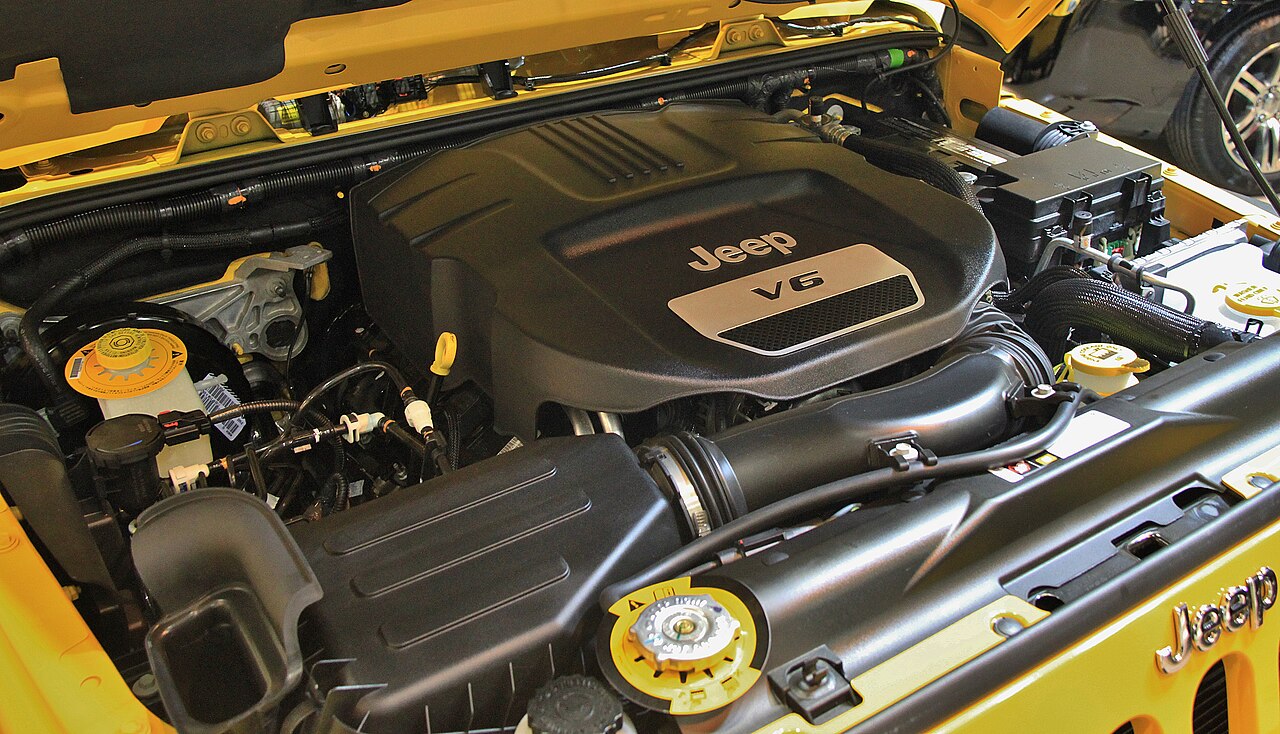
The 3.6-liter Pentastar V6 is one of Stellantis’ most successful modern engines, powering a wide range of vehicles, including the Jeep Wrangler, Gladiator, Grand Cherokee, Chrysler 300, and Dodge Journey. Producing between 283 and 305 horsepower, the naturally aspirated V6 is known for its balance of performance, efficiency, and long-term reliability. Introduced in 2011, the Pentastar has earned a reputation for regularly exceeding 200,000 to 250,000 miles, with well-maintained examples reaching 300,000 miles or more.
Its durability comes from a robust aluminum block and cylinder heads with cast-iron cylinder liners, forged steel connecting rods, a nodular iron crankshaft, and piston-cooling oil jets that reduce combustion temperatures and internal wear. The engine’s straightforward design also makes routine maintenance relatively simple, with accessible spark plugs and a top-mounted cartridge oil filter that appeals to DIY owners and mechanics alike.
Although the Pentastar is highly reliable, it has several well-known maintenance concerns. Early 2011–2013 models experienced left-cylinder-head failures, but these issues were largely resolved in later versions. More common problems include worn rocker arms and camshafts, often identified by the characteristic “Pentastar tick,” as well as cracks in the factory plastic oil cooler and filter housing that can cause oil and coolant leaks. Many owners replace the plastic housing with an aftermarket aluminum unit for improved durability.
To maximize engine life, experts recommend changing the oil every 3,000 to 5,000 miles using the correct viscosity, monitoring coolant levels, and addressing unusual valvetrain noise early. With proper preventive maintenance, the 3.6 Pentastar V6 remains one of the most dependable and versatile V6 engines in the modern automotive market.
7. GM 4.3 Small-Block V6
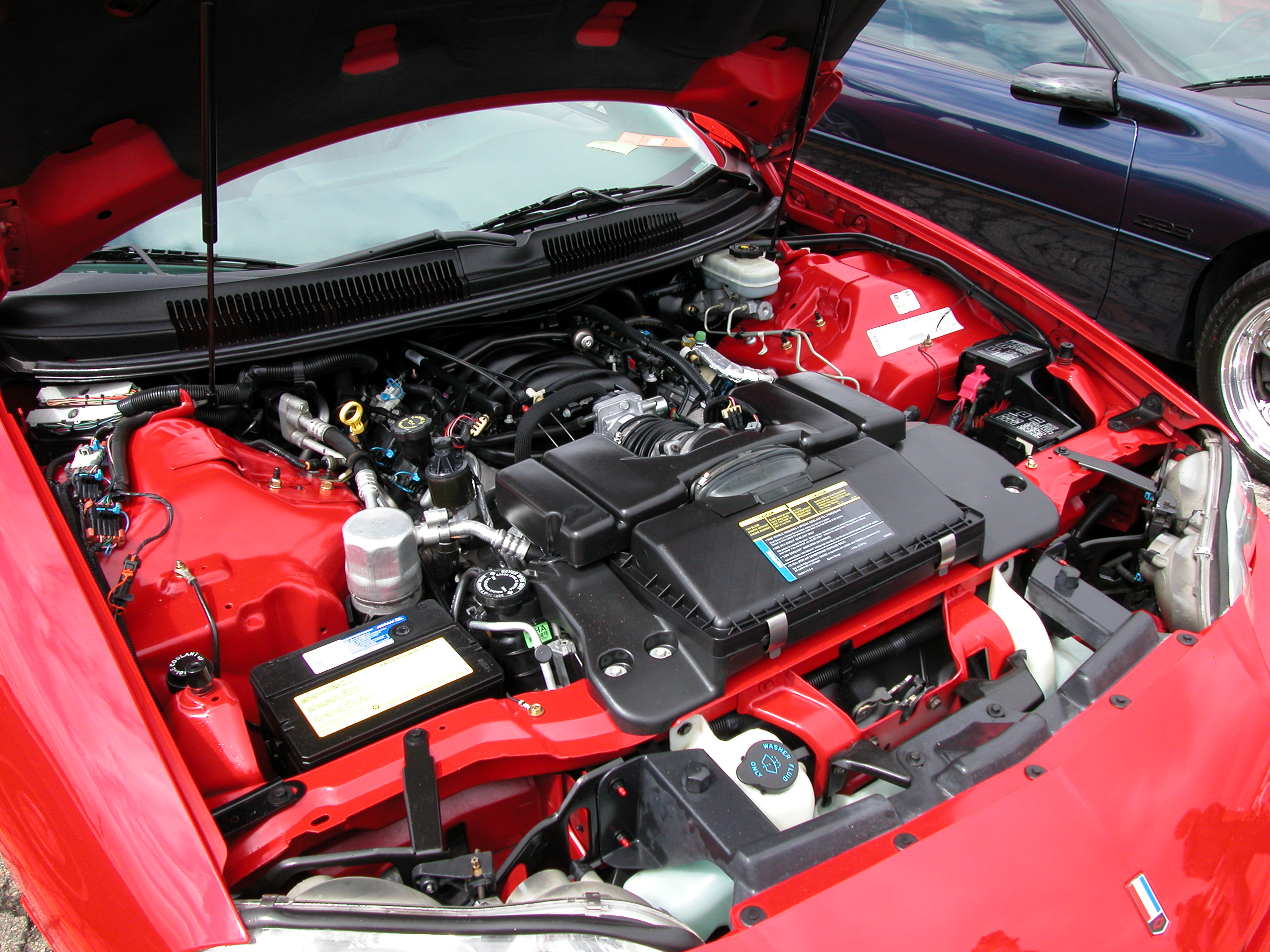
The GM 4.3-liter Small-Block V6 is widely regarded as one of the toughest and most reliable truck engines ever built. Introduced in 1978, it powered numerous Chevrolet and GMC vehicles, including the Chevrolet C/K, Silverado, S-10 Blazer, El Camino, and Impala.
Its production spanned more than three decades, with the modern EcoTec3 version serving as the base engine for the 2014 Chevrolet Silverado. Depending on the application, the engine produced up to 285 horsepower while earning a reputation for outstanding durability and dependable low-end torque.
The 4.3L’s legendary reliability stems from its close relationship with Chevrolet’s iconic small-block V8. Essentially a 350 V8 with two cylinders removed, it shares much of the same rugged architecture, including a durable bottom end and many interchangeable components.
Its cast-iron construction, simple pushrod overhead valve (OHV) design, and conservative tuning minimize mechanical complexity and reduce wear over time. Designed to deliver strong torque at low engine speeds, it excels at hauling and towing without placing excessive stress on internal components. With routine oil changes and basic maintenance, many examples comfortably exceed 250,000 to 300,000 miles.
Like any long-running engine, the 4.3L has a few common issues. Older models are prone to intake manifold gasket leaks, worn Central Port Injection (“spider”) fuel injectors, and distributor cap failures, all of which are relatively inexpensive to repair.
The later EcoTec3 version introduced modern technologies such as direct injection, variable valve timing, and Active Fuel Management (AFM), improving performance and efficiency but adding new reliability concerns. Despite these updates, the GM 4.3 Small-Block V6 remains one of the most respected and long-lasting V6 engines in automotive history.
8. Nissan VQ30DE
The Nissan VQ30DE is one of the most respected naturally aspirated V6 engines ever produced, earning a place on Ward’s 10 Best Engines list for seven consecutive years from 1995 to 2001. Introduced as part of Nissan’s VQ engine family in 1994, the 3.0-liter V6 powered vehicles such as the Nissan Maxima, Gloria, Presage, Bassara, and Infiniti I30. In the 2000–2001 Maxima, it produced up to 222 horsepower without turbocharging, combining strong performance with exceptional reliability.
The VQ30DE’s reputation for durability comes from its robust engineering. It features an aluminum block and cylinder heads for efficient heat dissipation, a forged steel crankshaft, reinforced connecting rods, and molybdenum-coated pistons that reduce friction and wear. Its naturally balanced 60-degree V6 layout minimizes vibrations, while a durable timing chain replaces the traditional timing belt, significantly reducing long-term maintenance requirements. With regular servicing, many VQ30DE engines comfortably exceed 200,000 to 300,000 miles.
Although the engine’s core components are exceptionally durable, a few maintenance items require attention. Unlike engines equipped with hydraulic lifters, the VQ30DE uses solid valve lifters that require manual valve clearance adjustments approximately every 60,000 miles.
High-mileage examples may also develop oil leaks from valve cover gaskets and oil pan seals, while aging mass airflow (MAF), oxygen, and knock sensors can trigger check-engine lights or reduce performance. Overheating should also be avoided, as the aluminum construction is susceptible to warping under extreme temperatures.
While the VQ30DE responds well to mild turbocharging, enthusiasts generally recommend forged internal upgrades for applications exceeding 350 horsepower. Properly maintained, the Nissan VQ30DE remains one of the most reliable and longest-lasting V6 engines ever built.
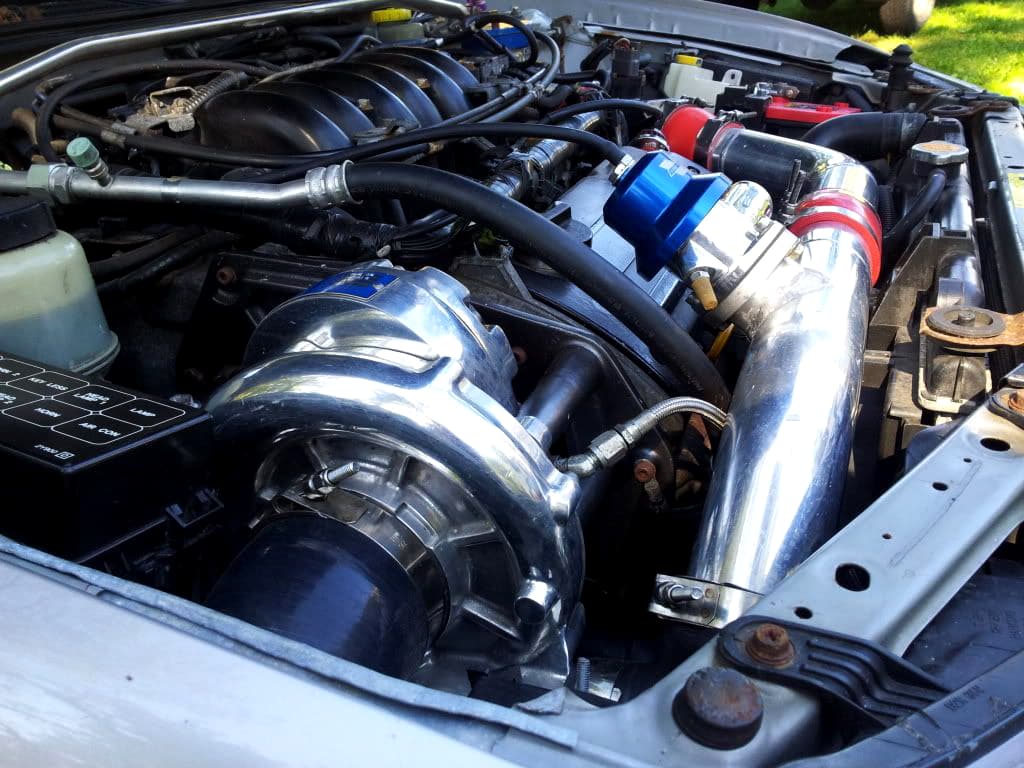
9. Honda C35A
The Honda C35A is a 3.5-liter SOHC V6 that powered the 1996–2004 Acura 3.5RL and Honda Legend. Although less well-known than Honda’s later J-series engines, the C35A has earned a reputation for exceptional reliability and longevity. Producing between 205 and 212 horsepower, the naturally aspirated V6 combines smooth performance with conservative engineering, allowing many examples to exceed 250,000 miles when properly maintained.
The engine’s durability is rooted in its over-engineered design. It features forged connecting rods, a robust bottom end, and a crankshaft girdle that provides excellent structural strength. Honda also incorporated a balance shaft to counteract the inherent vibrations of the 90-degree V6 layout, reducing stress on engine mounts, bearings, and seals over time.
Retaining a relatively low 9.6:1 compression ratio despite its larger displacement further minimizes heat and internal stress, contributing to the engine’s long service life. It’s simple port fuel injection and single overhead cam (SOHC) design also avoids many of the carbon buildup and complexity issues associated with modern direct-injection and turbocharged engines.
Despite its legendary reliability, the C35A requires diligent maintenance. As an interference engine, it depends on timely timing belt and water pump replacements every 90,000 miles or six to seven years to prevent catastrophic engine damage. Cooling system maintenance is equally important, as overheating can lead to head gasket failure. High-mileage engines may also develop oil leaks around the valve covers, rear main seal, and crankshaft seal due to aging gaskets.
With routine servicing and preventive maintenance, the Honda C35A remains one of Honda’s most dependable V6 engines, offering smooth performance, mechanical simplicity, and the ability to deliver decades of reliable service.
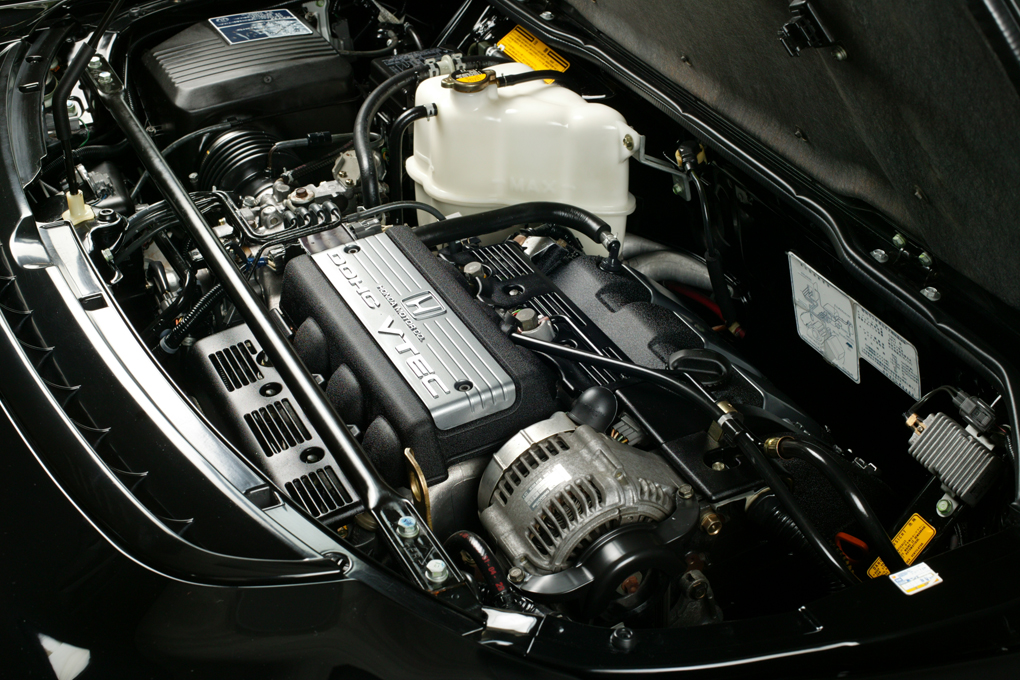
10. Toyota 2GR-FE
The Toyota 2GR-FE is a 3.5-liter naturally aspirated V6 that has earned a reputation as one of the most reliable and durable engines ever built. Introduced in 2005, it powers a wide range of vehicles, including the Toyota Camry, Avalon, Sienna, Lexus ES 350, Lexus RX 350, and even the Lotus Evora sports car. Producing between 268 and 314 horsepower, the 2GR-FE combines strong performance with outstanding longevity, with many examples easily surpassing 200,000 to 300,000 miles through routine maintenance alone.
The engine’s reliability comes from its conservative yet robust engineering. It features a die-cast aluminum block and cylinder heads, forged internal components, and a naturally aspirated design that avoids the extra heat and stress associated with turbocharging.
Instead of a timing belt, the 2GR-FE uses three timing chains, reducing maintenance while improving long-term durability. Toyota’s Dual VVT-i (Variable Valve Timing with intelligence) system enhances performance and efficiency without significantly increasing mechanical complexity. These qualities have also made the engine a favorite for engine swaps and high-performance applications.
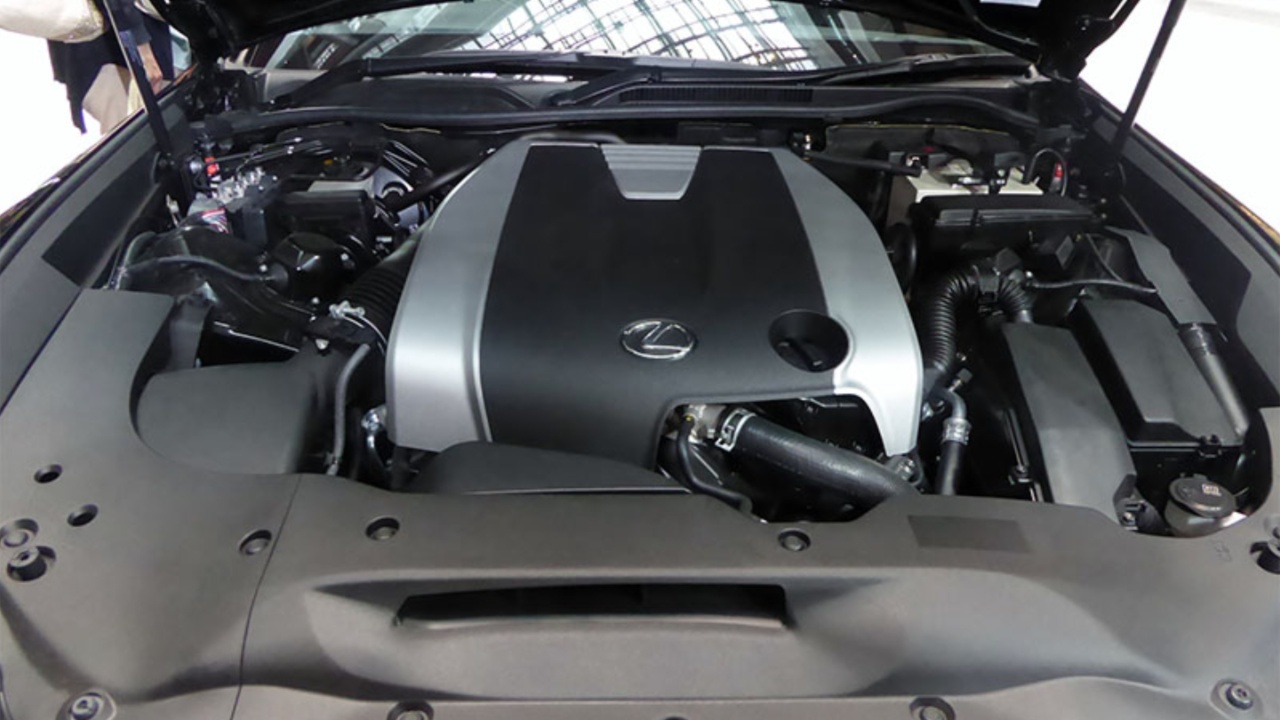
Despite its excellent reputation, the 2GR-FE has a few known maintenance concerns. Early pre-2010 models used a rubber VVT-i oil line that could fail unexpectedly, although Toyota later replaced it with a more durable all-metal version. Some engines may also develop timing cover oil leaks, which are labor-intensive to repair, while the water pump is considered a routine wear item that often requires replacement every 60,000 to 90,000 miles.
With regular oil changes and preventive maintenance, the Toyota 2GR-FE delivers exceptional reliability, smooth power, and long service life, making it one of the finest naturally aspirated V6 engines ever produced.
