

Used-car prices have been unusually difficult to predict. While many pre-owned vehicles became more expensive as buyers competed for limited inventory, certain models moved sharply in the opposite direction.
For shoppers, those declines can create lower entry prices. For existing owners, however, a rapid price drop can mean weaker trade-in values and more depreciation than expected.
This ranking is based on iSeeCars’ U.S. used-car pricing study, which analyzed more than 1.5 million 1- to 5-year-old vehicles and compared average prices year over year.
The research found that the average used vehicle increased 3.7 percent in price, reaching $31,770. Against that rising market, the vehicles on this list recorded some of the largest price declines in the study.
Electric vehicles dominate the first three positions, but the pattern is not limited to battery-powered cars. A discontinued hybrid configuration, a pickup truck, and several luxury SUVs also appear among the eight steepest decliners.
The ranking uses percentage price decline because it provides a more consistent comparison across vehicles with very different average prices. Dollar losses are also included to show how much the average asking price changed. Here are eight vehicles whose used prices dropped the most in the latest available U.S. model-level pricing data.
Also Read: 8 Best V8 Engines With the Fewest Reported Problems
1. Tesla Model S: 12.3% Price Drop
The Tesla Model S sits at the top of the decline ranking with a 12.3 percent year-over-year reduction in its average used price.
iSeeCars calculated an average price of $47,416 for 1- to 5-year-old examples, representing a $6,662 decrease from the previous year’s comparable figure. That is particularly striking because the wider used-car market moved in the opposite direction, gaining 3.7 percent.
Several market forces provide context for the Model S result. Used electric vehicle prices were still declining in the iSeeCars study, even as conventional used vehicles became more expensive. Tesla also recorded the largest brand-level price reduction at 5.3 percent. The Model S fell much faster than the Tesla brand average.
Price positioning creates another challenge. The Model S occupies the premium end of the used EV market, where buyers can compare older examples with newer electric sedans offering updated technology, revised charging capability, and factory warranty coverage. A high original transaction price can also create more room for substantial dollar depreciation.
The $6,662 average decline matters differently depending on the shopper. Someone buying a used Model S may see a lower entry point than a buyer faced a year earlier. An owner attempting to trade a similar vehicle could find that market pricing has moved against them.
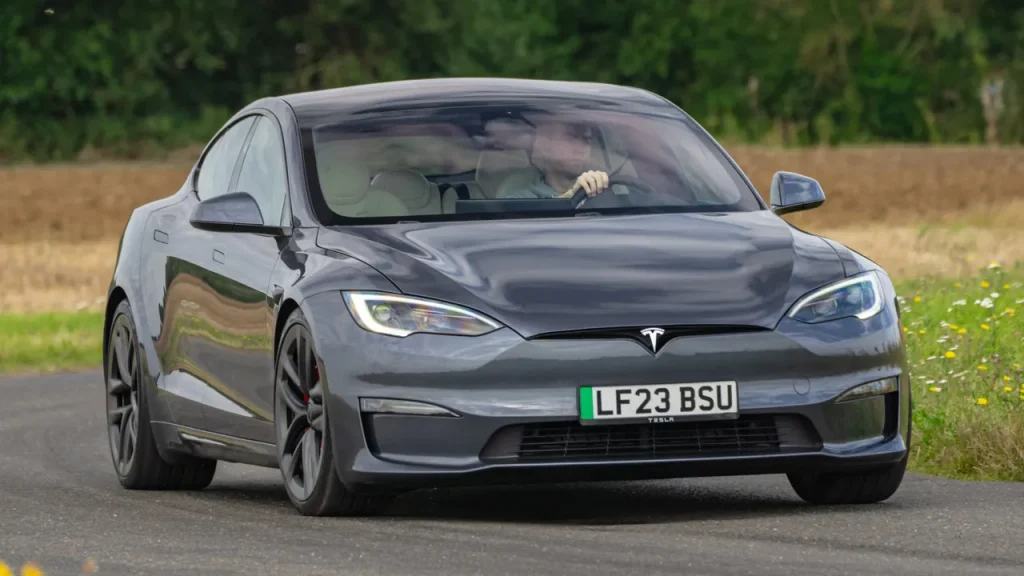
iSeeCars did not rank vehicles by mechanical quality, reliability, or owner satisfaction in this study. The data simply measures changes in average used prices. For the Model S, that measurement is clear: a 12.3 percent decline was the largest percentage drop among the analyzed models.
- Engine: Dual electric motors on the long-range AWD configuration
- Torque: Tesla does not publish one official combined torque figure
- Horsepower: Tesla does not publish an official combined horsepower figure for the standard Model S
- Length/Width: 197.7 inches / 78.2 inches
2. Tesla Model Y: 12.3% Price Drop
A tie in percentage terms puts the Tesla Model Y second, but the dollar story is very different from the Model S. iSeeCars found that the average price of a 1- to 5-year-old used Model Y fell by $4,071 year over year. Its average used price reached $29,141, a 12.3 percent reduction from the comparable previous-year period.
What makes this decline especially notable is the Model Y’s position as a high-volume electric crossover rather than a low-volume luxury sedan. A larger pool of vehicles entering the secondhand market can give shoppers more choices.
Buyers may compare mileage, battery configuration, condition, and model year across numerous listings rather than competing for a small number of available examples. The wider EV pricing environment also affected the result. iSeeCars reported that used electric vehicle prices declined 1.3 percent in the study period.
Earlier monthly comparisons had shown much steeper EV losses, including an 8.8 percent year-over-year decline in May and a 4.8 percent drop in June. The Model Y’s 12.3 percent reduction remained severe even as the broader used EV market showed signs of stabilization.
For used buyers, a $29,141 average price can make the Model Y accessible to shoppers who previously viewed it mainly as a new-car purchase. That does not mean every listing has fallen by exactly $4,071. iSeeCars compared model-level average prices across two large sales periods, so individual vehicles will vary.
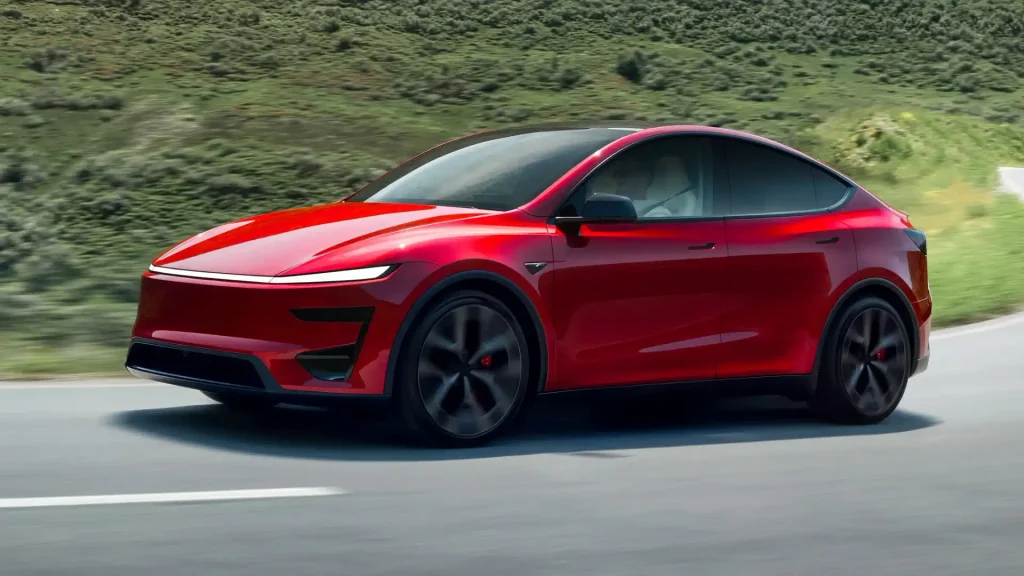
The Model Y shares the largest percentage decline with the Model S but ranks second in iSeeCars’ table. Its $4,071 year-over-year average price reduction demonstrates how quickly used-market values can change even for a widely recognized and high-volume electric crossover.
- Engine: Dual electric motors on the long-range AWD configuration
- Torque: Tesla does not publish an official combined torque figure
- Horsepower: Tesla does not publish an official combined horsepower figure for Long Range AWD
- Length/Width: 188.6 inches / 75.6 inches
3. Tesla Model X: 12.1% Price Drop
The Tesla Model X completes a sweep of the top three positions for Tesla, but its dollar loss is the largest of the entire group. iSeeCars found that the average price of a 1- to 5-year-old used Model X fell from its year-earlier level by $6,950.
The average used price reached $50,392, representing a 12.1 percent year-over-year decline. The study ranked it third among vehicles with the largest used-price drops. That $6,950 reduction even exceeds the Model S’s $6,662 average dollar decline. For a luxury electric SUV, the change can significantly alter how shoppers view affordability.
A buyer who previously found the Model X too expensive may encounter a substantially lower average market price, though individual listings still vary by age, mileage, seating configuration, condition, and trim.
The Model X also operates in a rapidly changing part of the market. Newer electric SUVs continue to give buyers additional choices, while used EV prices were still down 1.3 percent year over year in the iSeeCars study. Tesla’s used prices fell 5.3 percent at the brand level, the largest decline among the automakers analyzed.
Owners considering a trade face the less attractive side of the same data. A falling market average can reduce equity and weaken trade-in expectations, especially for vehicles purchased when EV prices were higher.
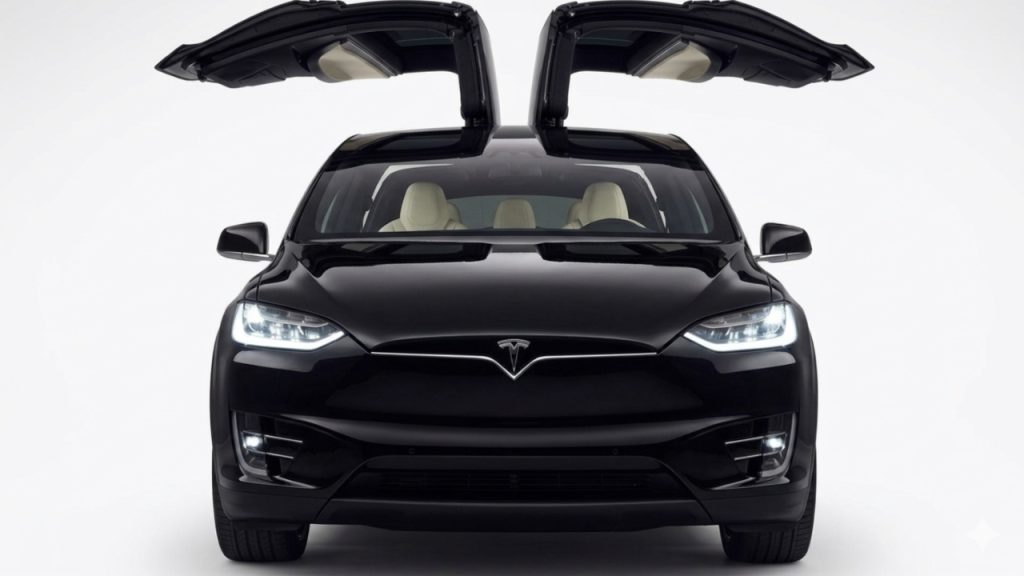
The Model X’s third-place position is based strictly on measured U.S. used-price movement. A 12.1 percent decline and $6,950 average loss make it one of the clearest examples of rapid price compression in the study.
- Engine: Dual electric motors on an All-Wheel Drive configuration
- Torque: Tesla does not publish one official combined torque figure
- Horsepower: Tesla does not publish an official combined horsepower figure for the standard Model X
- Length/Width: 198.9 inches / 78.7 inches
4. Ford Explorer Hybrid: 9.5% Price Drop
Fourth place introduces a very different type of vehicle. The Ford Explorer Hybrid was not a battery-electric luxury model, yet its used price declined 9.5 percent year over year.
iSeeCars calculated an average price of $31,585 for 1- to 5-year-old used examples, down $3,324 from the previous year’s comparable average. That made it the steepest decliner in the study outside Tesla’s Model S, Model Y, and Model X.
The Explorer Hybrid’s market position requires context. Ford discontinued the Explorer Hybrid from the retail lineup after the 2023 model year. However, iSeeCars’ methodology examined 1- to 5-year-old vehicles sold in July 2024 and July 2025 and excluded models discontinued as of the 2024 model year.
The Explorer Hybrid, therefore, remained eligible for the study’s model-level comparison under those rules.
Mechanically, the Explorer Hybrid used a 3.3-liter V6-based hybrid powertrain. In the 2023 Explorer Limited Hybrid, Ford rated the system at 318 combined horsepower and 322 lb-ft of torque. A 10-speed modular hybrid transmission handled power delivery, giving the three-row SUV a different engineering approach from smaller four-cylinder hybrids.
Its $3,324 average price reduction may appeal to used-SUV shoppers who specifically want a hybrid Explorer. At the same time, discontinuation can reshape demand because buyers no longer see a new retail equivalent in Ford’s current Explorer range.
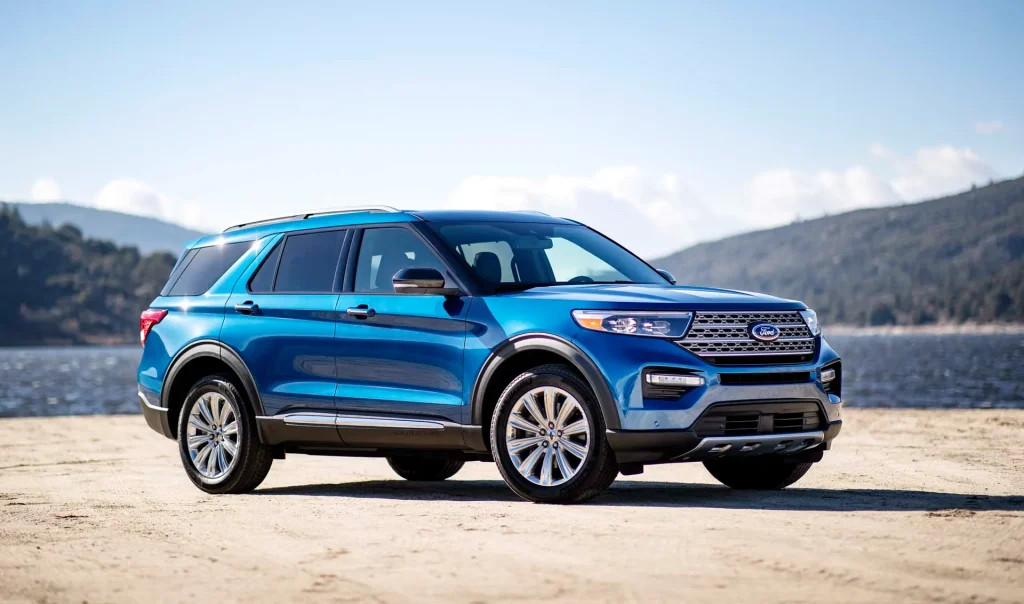
The data do not establish that discontinuation alone caused the decline. iSeeCars measured pricing changes rather than assigning one reason to each model. What can be stated firmly is that the Explorer Hybrid lost 9.5 percent of its average used price, placing fourth among the 20 biggest decliners in the study.
- Engine: 3.3-liter V6 hybrid
- Torque: 322 lb-ft
- Horsepower: 318 combined hp
- Length/Width: 198.8 inches / 78.9 inches
5. Chevrolet Silverado 1500: 8.4% Price Drop
Pickup trucks often benefit from strong demand in the American used market, which makes the Chevrolet Silverado 1500’s position on this list particularly noteworthy. iSeeCars measured an 8.4 percent year-over-year decline in the average price of 1- to 5-year-old used Silverado 1500 models.
The average transaction price fell by $3,580 to $38,854, giving the full-size Chevrolet the fifth-largest percentage decrease in the study.
The change stands out because the average used vehicle became 3.7 percent more expensive during the same comparison period. In other words, the Silverado moved sharply against the broader market direction.
iSeeCars analyzed more than 1.5 million used vehicles sold in July 2024 and July 2025, adjusting prior-year prices for inflation before calculating the model-level differences.
Used Silverado pricing can be influenced by an unusually wide range of configurations. Work Truck, Custom, LT, RST, LTZ, High Country, and off-road-focused versions do not enter the second-hand market at identical prices.
Cab layout, bed length, four-wheel drive, engine selection, mileage, and equipment can create substantial differences between individual listings.
The 2026 Silverado’s available 6.2-liter V8 provides a useful specification reference, producing 420 horsepower and 460 lb-ft of torque. Chevrolet also offers four-cylinder, 5.3-liter V8, and Duramax diesel powertrains, reinforcing how diverse the Silverado market is.
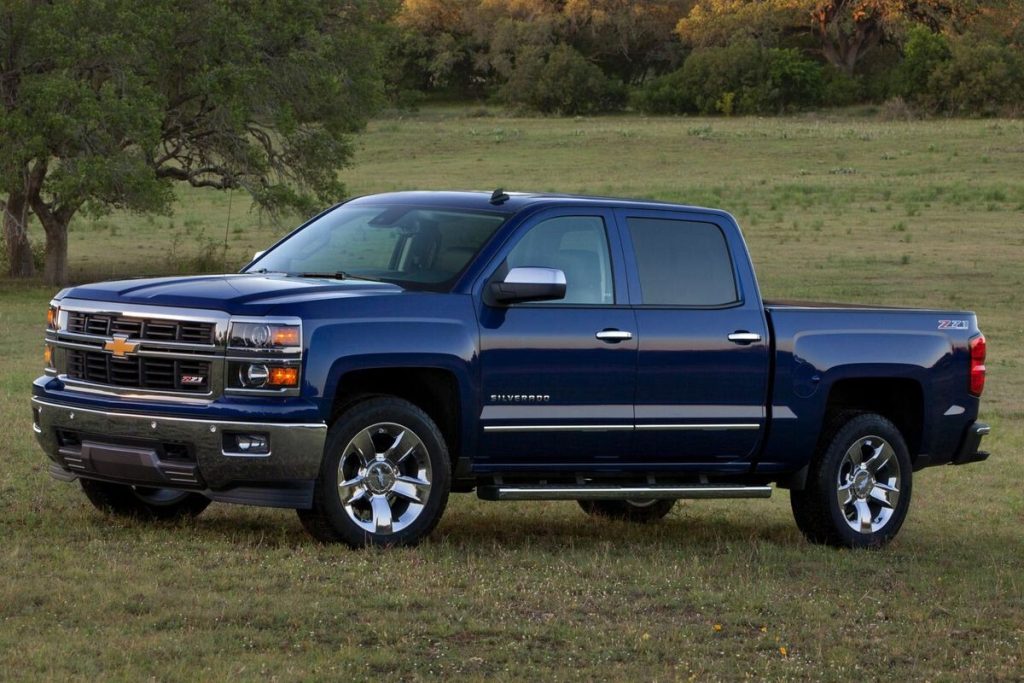
For shoppers, an 8.4 percent average decline can mean better buying opportunities. Existing owners face the opposite side of the pricing shift, especially when calculating trade-in equity. The data does not claim every Silverado lost $3,580.
It shows that the model-level average used prices recorded one of the steepest declines in the U.S. market studied.
- Engine: 6.2-liter EcoTec3 V8
- Torque: 460 lb-ft
- Horsepower: 420 hp
- Length/Width: Up to 241.4 inches / 81.2 inches
6. Land Rover Range Rover Velar: 8.0% Price Drop
Luxury depreciation appears again in sixth place, but the Range Rover Velar’s decline is measured on a much higher average used price than that of many mainstream vehicles. According to the iSeeCars study, 1- to 5-year-old Velar prices dropped 8.0 percent year over year.
The average used price declined by $3,747, settling at $43,240. That percentage was large enough to make the Velar the study’s sixth-steepest model-level price decliner.
A nearly $3,750 reduction can quickly change the used-buying calculation. Luxury SUVs begin with expensive new-vehicle pricing, so depreciation can move well-equipped examples into price ranges shared with newer mainstream crossovers. The lower purchase price may attract buyers who previously considered the Velar financially out of reach.
Yet the purchase price is only one part of used luxury ownership. Maintenance history, warranty status, tire costs, insurance, and the condition of complex electronic equipment remain important considerations. The iSeeCars price study measures market values and does not rate reliability or forecast repair expenses.
The Velar also sits in a highly competitive luxury SUV field. Used buyers can compare it with German, Swedish, Japanese, and American premium crossovers. That broad choice can place pressure on asking prices when sellers compete for a limited pool of shoppers.
For the 2026 model, the standard P250 powertrain uses a turbocharged 2.0-liter four-cylinder producing 247 horsepower and 269 lb-ft of torque. The available P400 uses a 3.0-liter turbocharged inline-six mild hybrid with substantially more power.
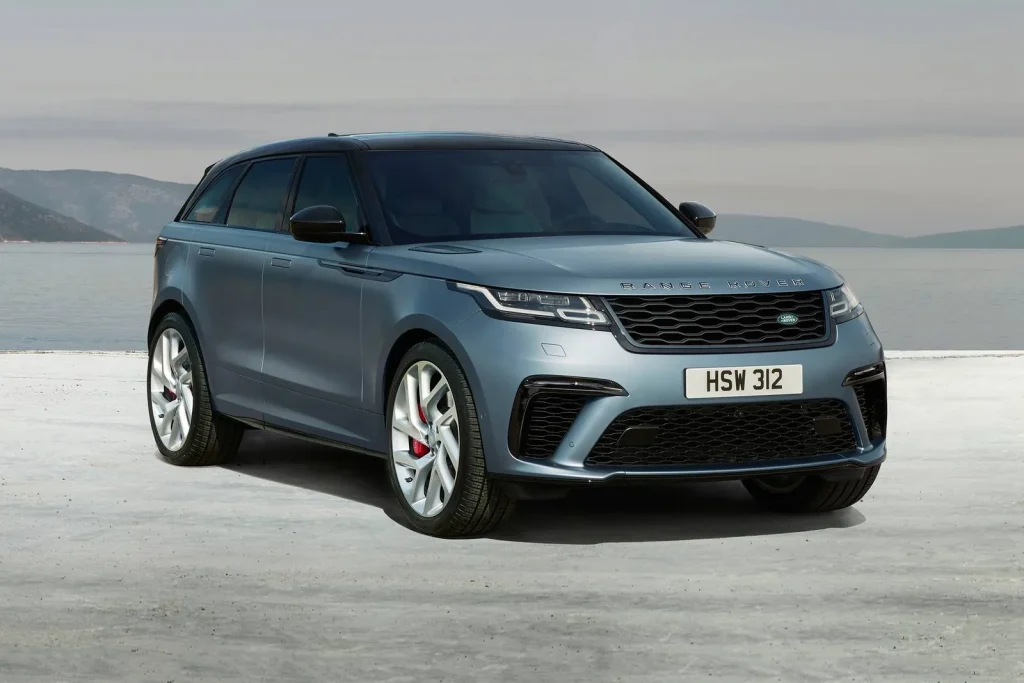
It’s 8.0 percent price decline is the key number here. While the average U.S. used vehicle increased in price, the Velar moved lower by $3,747. That makes it a potential value opportunity for informed buyers and a reminder of how quickly premium SUV values can shift.
- Engine: 2.0-liter turbocharged inline-four
- Torque: 269 lb-ft
- Horsepower: 247 hp
- Length/Width: 188.9 inches / 80.4 inches
7. Land Rover Discovery: 7.8% Price Drop
The Land Rover Discovery adds another premium SUV to the list, but its price decline is notable for a different reason than the electric vehicles at the top.
In the iSeeCars U.S. used-price study used for this ranking, the Discovery’s average price for 1- to 5-year-old examples fell 7.8 percent year over year. The average used price declined by $3,741, reaching $44,090.
For shoppers, a drop of nearly $3,750 can make a meaningful difference in financing and purchase costs. The Discovery is a three-row luxury SUV with standard all-wheel drive and genuine off-road hardware, so it attracts a different buyer from a conventional premium crossover.
Lower used prices can place relatively recent examples within reach of consumers who might otherwise shop for a new mainstream SUV.
The vehicle’s complexity deserves equal attention. A reduced purchase price does not change the cost of premium tires, insurance, scheduled servicing, or potential repairs once factory coverage expires. Buyers considering a depreciated luxury SUV should examine service records and warranty status rather than focusing only on the lower asking price.
Current Discovery specifications also show why the model remains distinct. The available P360 powertrain uses a 3.0-liter turbocharged inline-six with mild-hybrid technology, producing 355 horsepower and 369 lb-ft of torque. Land Rover pairs it with an eight-speed automatic transmission and four-wheel drive.
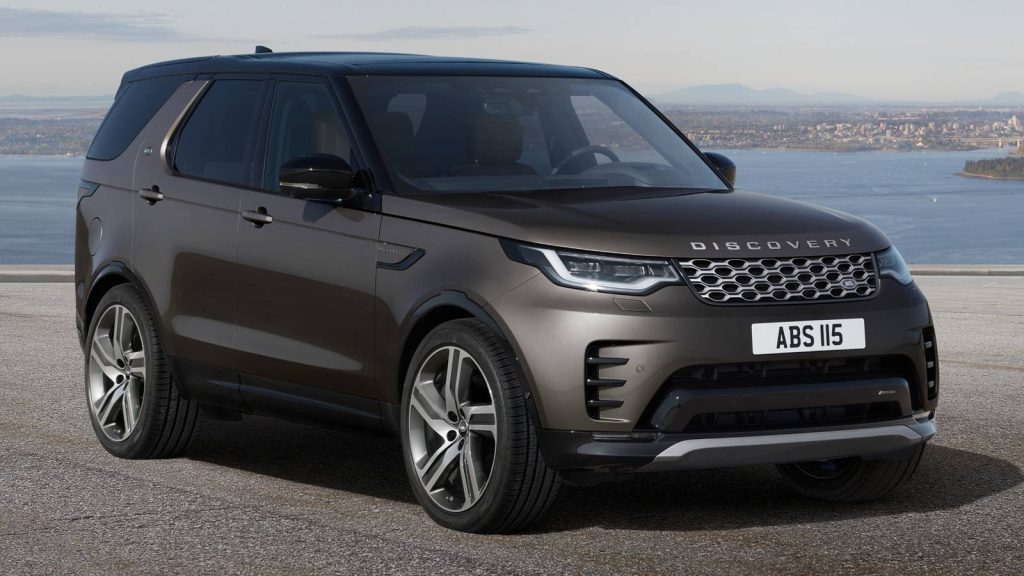
The 7.8 percent decline measured in the study does not prove that every individual Discovery lost the same amount. Mileage, trim, condition, accident history, and location still affect pricing.
The model-level data does show that Discovery values moved sharply downward while average U.S. used-vehicle prices were rising, earning it seventh place among the steepest decliners.
- Engine: 3.0-liter turbocharged inline-six mild hybrid
- Torque: 369 lb-ft
- Horsepower: 355 hp
- Length/Width: 195.1 inches / 81.6 inches
8. Land Rover Range Rover Evoque: 7.6% Price Drop
Three Land Rover products appearing close together in used-price decline data create a pattern that is difficult to ignore. The Range Rover Evoque closes this ranking after its average used price fell 7.6 percent year over year. iSeeCars measured a $2,792 reduction, bringing the average price of 1- to 5-year-old used examples down to $33,759.
The Evoque’s smaller size makes its situation different from the Discovery and Range Rover Velar. It competes in the compact luxury SUV category, where buyers have an extensive selection of used vehicles from BMW, Mercedes-Benz, Audi, Lexus, Volvo, and other premium manufacturers. Competition gives shoppers the ability to compare numerous alternatives before committing to one model.
A $33,759 average used price also moves the Evoque closer to well-equipped mainstream compact SUVs. That can make the Land Rover badge and distinctive styling attractive to a used buyer, but ownership expenses remain an important consideration.
The pricing study measures vehicle values, not maintenance or reliability, so a lower market price should not be interpreted as lower running costs.
The 2026 Range Rover Evoque uses a P250 powertrain built around a turbocharged 2.0-liter four-cylinder engine. It produces 246 horsepower and 269 lb-ft of torque, with a nine-speed automatic transmission and all-wheel drive. Its compact exterior dimensions separate it from the larger Land Rover models immediately above it on this list.
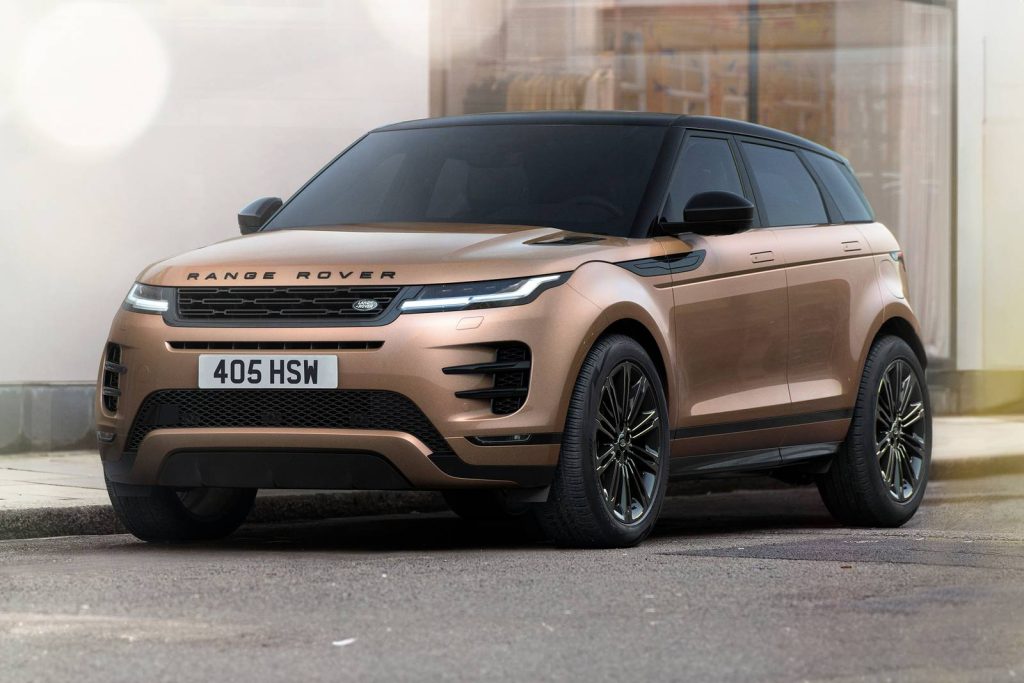
For current owners, the 7.6 percent decline represents weaker average market values compared with the previous year. Used shoppers see the same movement from the opposite perspective: recent Evoques have become less expensive on average.
That contrast is the central story behind this ranking. The Evoque’s $2,792 average decline occurred during a period when the wider used-vehicle market increased 3.7 percent. Its movement against the broader pricing trend gives it eighth place among the vehicles whose used prices dropped most sharply in the study.
- Engine: 2.0-liter turbocharged inline-four
- Torque: 269 lb-ft
- Horsepower: 246 hp
- Length/Width: 172.1 inches / 75.0 inches
Also Read: 10 Numbers on Your Window Sticker and What Each One Really Means
