

Walking into a dealership with cash in hand feels like a strong position. You expect a warm welcome and a quick sale. Instead, many buyers get a strange kind of resistance. Salespeople keep circling back to loan options.
This isn’t random behavior or bad manners. It’s built into how dealerships actually make money. Dealerships generally prefer buyers who finance rather than pay cash, because financing generates profit beyond the sale price of the vehicle itself. A cash deal closes the door on several income streams at once.
Front-end profit is tied to the selling price of the car, minus what the dealer has in it. On new vehicles, that margin is often razor-thin. Financing opens a second, often larger, profit channel behind the scenes. It runs through interest rate markups and bundled products.
This article breaks down exactly where that money comes from. It also explains what cash buyers can realistically do about it. Understanding these mechanics won’t make dealerships stop pushing loans. But it will help you walk in prepared and negotiate from strength.
The Real Money Is in the Finance Office
Car dealerships operate on notoriously thin vehicle margins. The sale of the car itself often isn’t where profit lives anymore. A significant F&I profit driver is attached to financing. When buyers opt for cash, dealers don’t make any commission or receive any fees for arranging the car loans.
That commission comes from something called dealer reserve. It’s the core mechanism behind almost every financing push. Dealers have a “buy rate” with each lender that represents the minimum interest rate on a loan that the lender will accept. This is the wholesale price of money, essentially.
The dealership can mark up that rate by an agreed-upon amount, usually capped at about 2-3 percentage points, depending on lender policy and state laws. The dealer never has to disclose this markup to you.
Dealers are not required to tell you if you have been offered a loan with a marked-up interest rate. Most buyers never realize a markup even occurred.
The math on this adds up fast for the dealership. Small percentage differences compound over the years of payments. Say you take a $30,000, five-year auto loan through a dealership that has marked up the interest rate from 6% to 7%.
Over the life of the loan, that markup would result in you paying an additional $840 in interest, and the dealer would earn some portion of this. On a single deal that might sound modest. Across hundreds of monthly sales, it becomes serious recurring revenue. Dealerships earn significant income through financing commissions, often called “dealer reserve.”

When you finance through a lender partnered with the dealer, the lender pays the dealer a percentage of the loan amount, typically 1–3%. That’s real money on every single financed unit.
This isn’t limited to outside banks and credit unions either. Manufacturer-owned lenders work the same way. New car dealerships often arrange loans through automaker captive lenders, such as Toyota Financial Services or Ford Credit, in the same way that they do with banks or credit unions.
The dealer may earn compensation similar to that of other dealer-arranged loans, such as a flat fee or interest-based commission. Dealer reserve isn’t always a slow trickle over the loan term, either. Sometimes it arrives as a lump sum.
Some loans make a dealer very little, $100 or even less, but some can generate thousands of dollars in profit. The variation depends heavily on your credit, the lender, and the negotiated rate spread.
Dealerships also protect this income with fine print. Early payoff can trigger a clawback. Most dealer financing agreements include a chargeback provision: if you pay off the loan within roughly the first 90 days, the lender claws back the dealer’s finance reserve commission. This explains a lot of odd salesperson behavior around quick payoffs.
That dynamic means the dealership has little reason to offer you a better price in exchange for financing if it suspects you will pay the loan off immediately. They can sense when a customer plans to game the system.
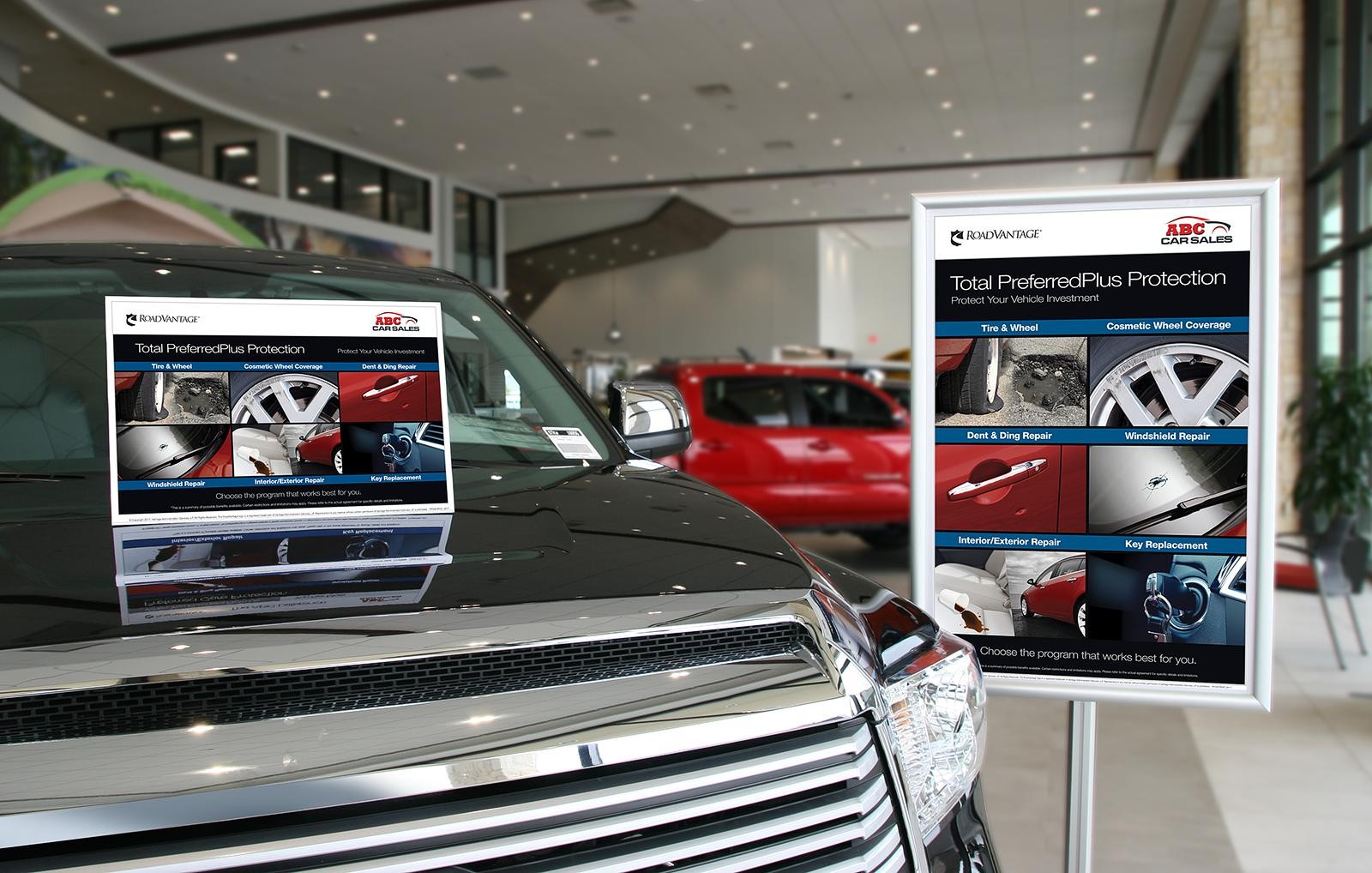
Explaining protection products during the vehicle presentation (when customers are typically at peak excitement about their purchase) taps into the customer’s emotional investment, making them more receptive to add-ons and boosting penetration for the dealer. Timing the pitch matters as much as the pitch itself.
Add-On Products and the Psychology of Monthly Payments
Financing doesn’t just unlock interest rate profit on its own. It also opens the door to the finance office itself. Financing also funnels you through the finance and insurance office, which is often the most profitable stop in the dealership. This is where the real upsell conversation begins.
Products like gap insurance, extended service contracts, tire-and-wheel protection, and paint sealant are folded into your monthly payment, making them feel smaller than they are. A few extra dollars a month feel painless in the moment.
The dollar amounts involved are larger than most buyers expect. Extended warranties alone carry a hefty price tag. Extended service contracts alone can run $1,500 to $4,000. Stacked into a 72-month loan, that cost nearly disappears from view.
A cash buyer removes this psychological cushion entirely. There’s no loan structure to hide add-on costs inside. A cash buyer who skips the finance office altogether deprives the dealership of these high-margin sales, leaving it to profit only from the narrow gap between invoice and the negotiated price. That’s a much thinner outcome for the dealership.
Longer loan terms have become the industry norm partly for this reason. Stretching payments makes almost anything feel affordable. The longer the term, the lower the payments. That may help explain why loan terms have stretched longer as vehicle prices have risen. Sales conversations are steered toward payment size, not total cost.
Financing also allows sales staff to focus the conversation on monthly payments rather than the total price, a tactic that can make a much more expensive car feel affordable. It’s a well-worn negotiating tactic in showrooms nationwide.
This shift in loan length shows up clearly in national data. Six-year loans are now common rather than unusual. Standard advice for buyers used to be a 48-month loan, but 72-month loans have become the most popular over the past decade. Longer terms mean more interest paid.
Longer loans typically mean paying more interest over time and a higher risk of ending up upside down on the vehicle. But for dealerships, longer financing can equal higher profits. What benefits the buyer’s monthly budget can hurt their long-term finances.
This shift reflects the growing profitability of F&I products and manufacturers’ focus on promoting loans with low APR offers. Cash has quietly lost some of its old negotiating power.
Manufacturer Incentives, Chargebacks, and What Cash Buyers Can Actually Do
Not every reason to finance comes from dealer greed alone. Automakers themselves add pressure toward loans. Automakers sometimes offer promotional financing such as 0% APR for qualified buyers or extra rebates available only to people who finance through the manufacturer’s lending arm. Cash buyers can lose out on real savings by skipping these programs.
These incentive programs can mean a financed buyer pays less for the same vehicle than a cash buyer would, because the cash buyer does not qualify for the financing-linked discount. In some cases, financing genuinely is the smarter move.
There’s a well-known workaround for buyers who still want to pay cash. It involves taking the loan, then paying it off fast. If an automaker is offering 0% APR or a significant rebate tied to its financing program, you may come out ahead by taking the promotional loan and making large principal payments afterward. This captures the rebate without carrying long-term debt.
But this strategy carries real risk if you don’t check the fine print first. Chargeback clauses can quietly undo the benefit. The opportunity cost: If the loan interest rate is low, keeping the loan while holding onto your cash could provide flexibility, especially for emergency savings. Sometimes it’s smarter to keep the loan open and invest your cash elsewhere.
If the contract presented to you allows paying off the loan with no early repayment fee, doing so quickly can lock in the discount while avoiding paying interest. The real danger is assuming, rather than verifying, that early payoff is penalty-free. Always confirm this detail before signing anything.
A few concrete steps can protect you from surprises down the line. Get everything documented before you commit. Ask directly about early repayment penalties and minimum interest requirements. Get any payoff conditions in writing, not just a verbal promise. Request a payoff quote as soon as the loan is active. These questions cost nothing and save real money.
Dealerships aren’t legally obligated to reveal any of this proactively. The burden of asking falls entirely on you. The dealer is not going to give you the exact rate being offered by the financial institution. The dealership is going to add on something called the “finance reserve.” Assume there’s a markup unless you’ve verified otherwise.
Coming in prepared changes the entire conversation in your favor. Outside pre-approval is the single strongest tool available. When you are pre-approved for financing, you will know the interest rate you were offered and the maximum amount you can spend. This gives you a real benchmark to compare against.
Have a pre-approved auto loan for the dealer to match or beat. Let the dealership try to compete against a rate you already secured. It also helps to control how much information you share upfront. Silence is sometimes a better strategy than transparency.
When the dealership asks what interest rate you are pre-qualified for, ask them in response what the lowest interest rate they can get you is. This way, you keep your floor while testing if they’ll go lower.
Ultimately, the financing push isn’t personal or arbitrary. It’s simply where dealership profit has migrated over the past decade. Knowing the mechanics behind dealer reserve, chargebacks, and F&I products puts real power back in your hands. Walk in informed, and negotiate accordingly.
Also Read: 8 SUVs With Over 400 Horsepower for Under $60,000
