
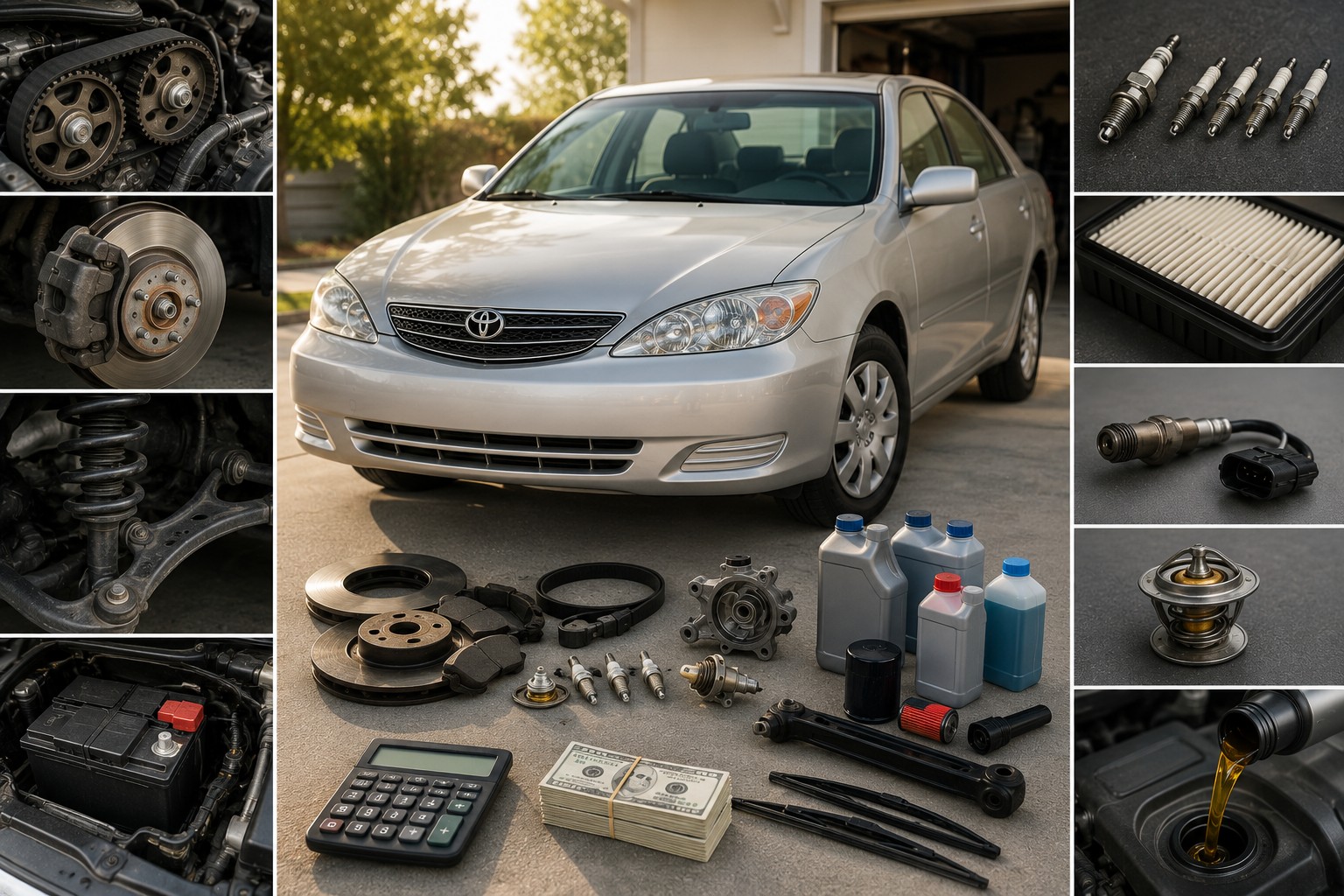
A Toyota that crosses 250,000 miles has already proven something rare in the auto world. It has outlived most loans, most warranties, and most owners’ patience with other brands.
But high mileage brings its own financial reality. Rubber perishes, metal fatigues, and electronics age regardless of how well the engine was built. Owners at this stage aren’t budgeting for oil changes anymore. They’re budgeting for suspension components, transmission service, and the occasional big-ticket repair.
The good news is that Toyota’s reputation for durability is backed by data, not just folklore. Industry sources consistently show Toyota running below the industry average for annual repair costs.
Still, “below average” doesn’t mean free. A 250,000-mile Corolla or Camry needs a realistic annual budget, a plan for surprise repairs, and an honest look at when repair costs start outweighing the car’s value.
This article breaks down what owners can actually expect to spend, using real cost data, common failure points, and practical guidance for keeping a high-mileage Toyota on the road affordably.
Average Annual Maintenance and Repair Costs
Across the Toyota lineup, industry data puts average annual repair and maintenance spending at roughly $441 per year. That figure sits well below the broader industry average of about $652.
Model by model, the numbers vary a bit. The Corolla averages around $348 to $362 annually, while the Camry lands closer to $367 to $883 depending on the data source used.
Those figures, though, are lifetime averages across all mileages, including the first free years under ToyotaCare. A car with 250,000 miles is well past that easy period.
Real-world owners at this mileage typically report yearly costs in the $800 to $1,500 range. That’s once you factor in aging suspension parts, fluid replacements, and worn-out wear items.
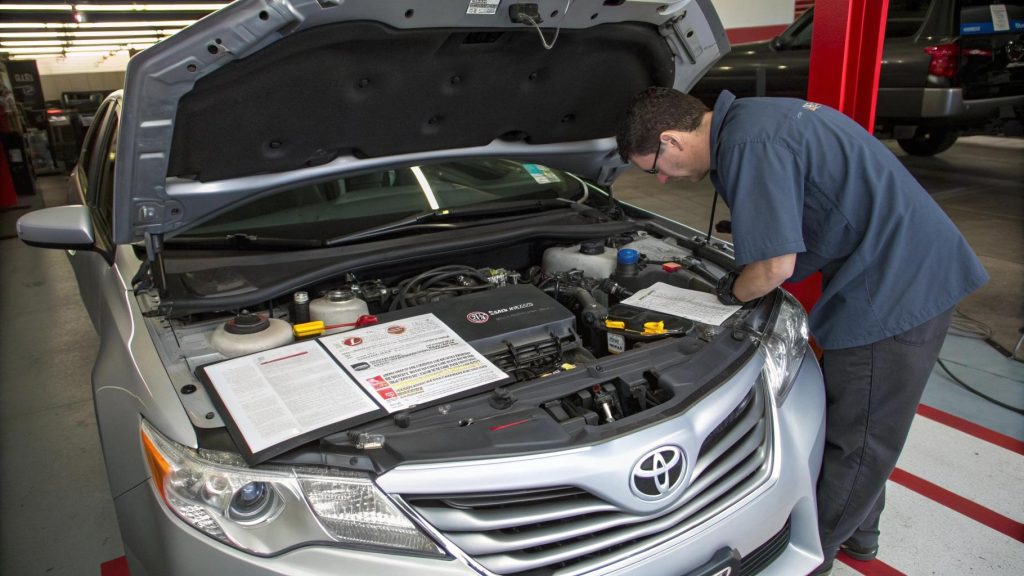
It’s also worth noting that repair costs tend to be irregular rather than steady. You might go a full year with just oil changes and tires. Then a single year brings a water pump, an alternator, and a set of brake rotors all at once. Budgeting an average number still means saving monthly, even in the quiet years.
Insurance is a separate but related cost that owners often overlook. A Camry costs roughly $2,039 a year to insure, while a Corolla runs closer to $2,642 annually on average.
Combined with maintenance, total ownership costs for an older Toyota can reach $2,000 to $4,000 a year. That number includes insurance, routine service, and typical repairs.
Compared to owning a newer vehicle with loan payments, that total is still usually far cheaper. This is the core financial argument for keeping a high-mileage Toyota instead of replacing it.
Common High-Mileage Repairs and Their Costs
By 250,000 miles, certain components have simply reached the end of their expected service life. Timing components, water pumps, and suspension bushings fall into this category for most vehicles.
A water pump replacement typically costs between $849 and $1,010 depending on labor rates. This is one of the more expensive routine failure points on high-mileage engines.
Transmission issues also become more common in this mileage range. Reports note that automatic transmissions in some Toyota models may shift roughly starting around 125,000 to 150,000 miles, a problem that often worsens with age.
A full transmission rebuild or replacement can run into the thousands of dollars. This is usually the single largest repair decision a high-mileage owner will face.
Smaller but still significant repairs include ignition switches, running around $339 to $379 to replace. Door lock actuators typically cost between $437 and $532 when they fail.
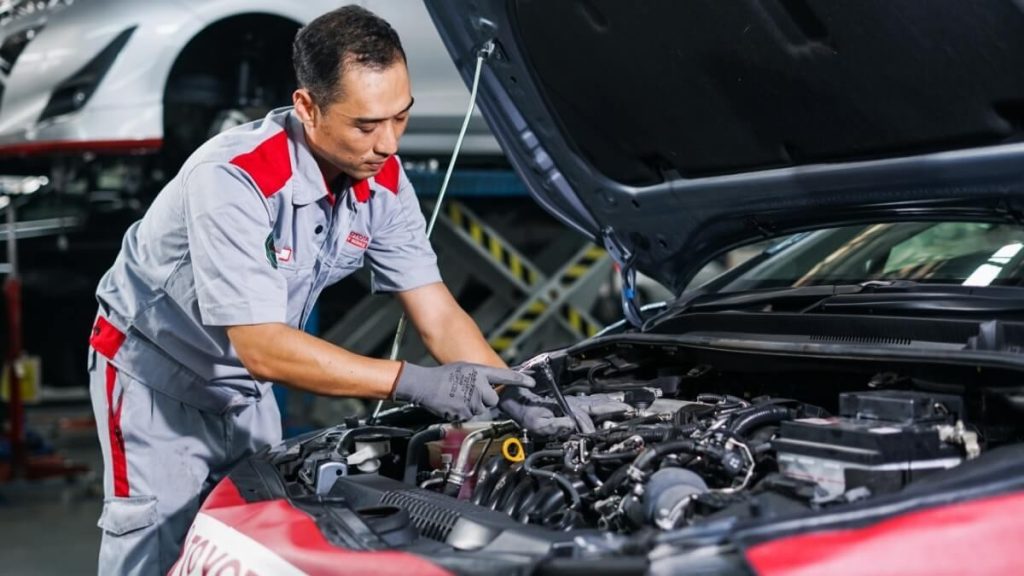
Sensors are another frequent culprit as mileage climbs. A mass airflow sensor replacement generally falls between $210 and $264, a relatively minor but recurring expense.
Traction control switches are cheaper to fix, usually costing around $147 to $154. These smaller repairs add up but rarely threaten the car’s viability.
Suspension work deserves special attention at this mileage. Struts, control arm bushings, and sway bar links have all typically absorbed a quarter-million miles of road impact and need replacement.
Brake systems also need more than routine pad changes by this point. Rotors, calipers, and brake lines may all need attention, especially in regions with road salt or heavy rust exposure.
The check engine light becomes a frequent visitor for many high-mileage owners. One of the most commonly reported Toyota issues involves the evaporative emission system triggering false or minor alarms.
Batteries typically last three to five years regardless of mileage, and replacement costs range from about $100 to $200. This is an easy, low-cost repair compared to drivetrain or suspension work.
None of these repairs individually is catastrophic for a Toyota owner. The concern is cumulative: several of these components tend to fail in overlapping windows once a car crosses 200,000 miles.
Smart budgeting means expecting one or two “big” repairs like these each year. Setting aside $100 to $150 monthly specifically for repairs covers most scenarios without financial stress.
How to Manage Costs and Decide When to Stop Repairing
The most effective way to control costs at high mileage is staying strict about preventive maintenance. Regular fluid changes protect the transmission, differential, and cooling system from premature failure.
Oil changes remain the cheapest insurance a high-mileage engine can get. These typically cost between $50 and $100 and should never be skipped or delayed to save money short term.
Tire rotations, priced around $25 to $50, help avoid uneven wear that stresses suspension components further. This is a small cost that prevents larger, avoidable repairs down the line.
Choosing where to get service done also matters financially. Independent mechanics often charge less than dealerships for the same parts and labor quality.
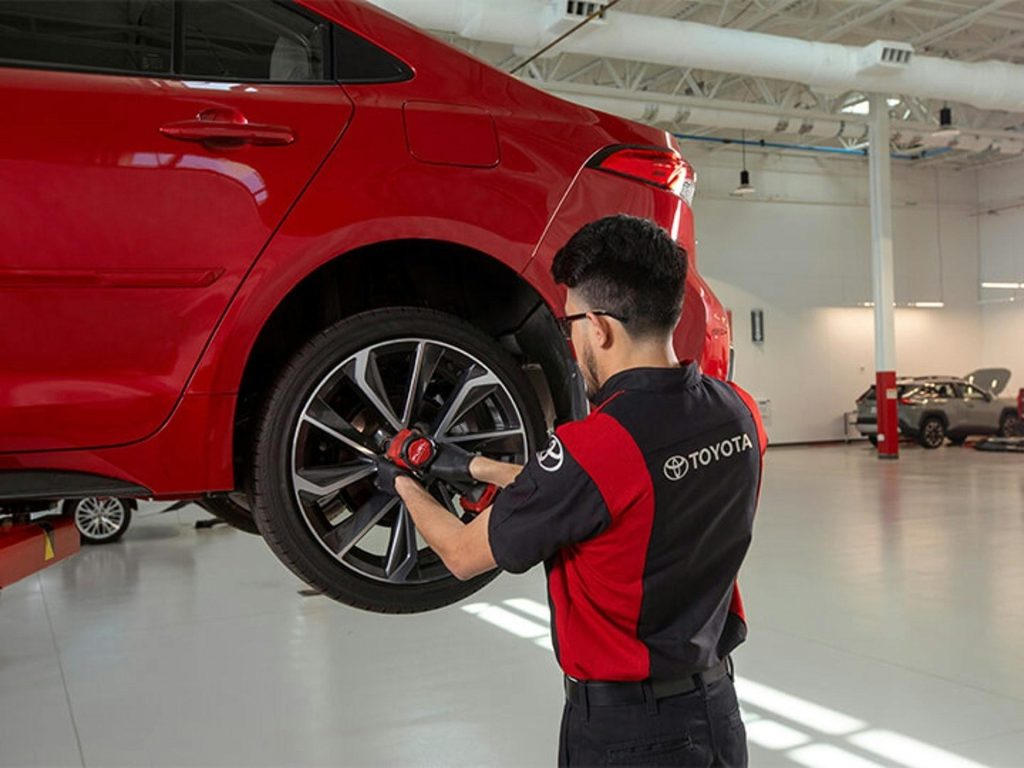
That said, dealership service centers use OEM parts designed specifically for Toyota vehicles. For major repairs like transmission or engine work, that precision can be worth the premium price.
Extended warranties are worth considering, though they come with tradeoffs. Coverage plans can range from around $1,000 upward, depending on the length and depth of protection chosen.
For a car already past 250,000 miles, many warranty providers limit or exclude coverage. Self-insuring through a dedicated repair fund is often the more practical option at this stage.
Eventually, every high-mileage owner faces the same question: repair or replace. The general rule of thumb is comparing the repair cost to the car’s current market value.
If a single repair costs more than half the car’s worth, that’s typically a signal to reconsider. A quarter-million-mile Toyota may have modest resale value, so this threshold arrives sooner than owners expect.
However, Toyota’s reliability changes that calculation somewhat compared to other brands. Many owners choose to keep repairing because a comparable used car might have unknown history and similar risks.
A well-maintained Toyota engine can often exceed 300,000 miles without major internal failure. That extended lifespan frequently justifies continued investment even when repair costs feel significant in the moment.
The transmission and engine are usually the two components that make or break this decision. If both remain healthy, cosmetic and peripheral repairs are almost always worth the investment.
Documentation also plays a quiet but important role in cost control. Keeping detailed maintenance records helps mechanics diagnose issues faster and avoid unnecessary diagnostic charges.
It also helps owners spot patterns, like a part that keeps failing prematurely due to a related issue. Catching these patterns early saves money by fixing root causes instead of symptoms.
Finally, driving habits influence long-term costs more than most owners realize. Gentle acceleration, timely fluid checks, and avoiding short trips that never fully warm the engine all extend component life.
A quarter-million miles is a milestone, not a finish line, for most Toyota models. With realistic budgeting and consistent maintenance, many of these vehicles comfortably reach 300,000 miles or more before major decisions become unavoidable.
Also Read: 8 Safest Used Cars Under $20,000, Based on IIHS Ratings
