
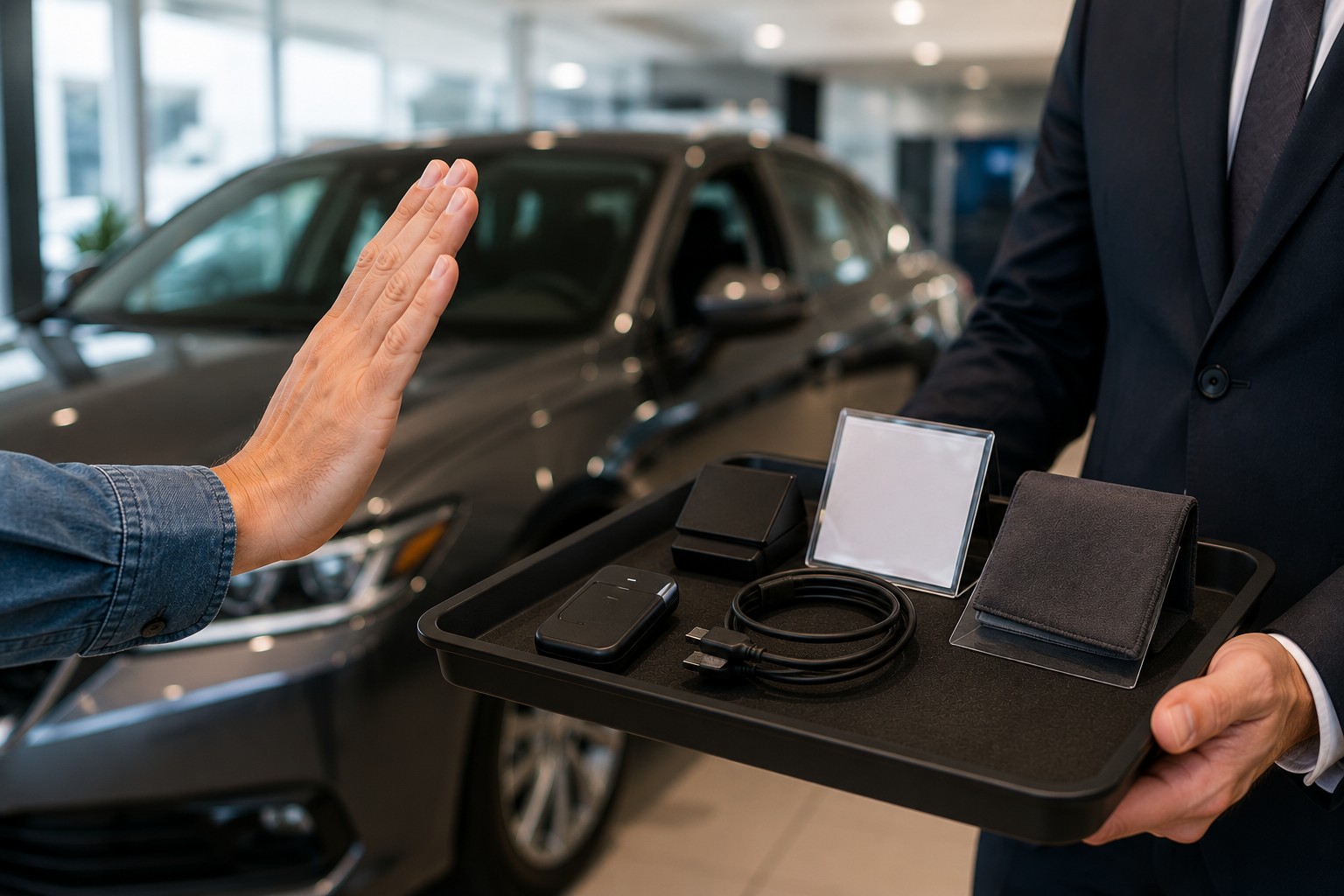
Car buying is exciting, but the finance office can turn that excitement into frustration fast. Dealers often slip extra charges into the paperwork after you’ve already agreed on a price. These add-ons are rarely mandatory, even though salespeople present them as standard procedure. Most exist purely to boost dealer profit margins, not to protect your vehicle or your investment.
Nitrogen fills, paint sealant, fabric protection, and VIN etching are classic examples of markup dressed up as necessity. The actual cost to the dealer is minimal, but the markup charged to you can run into hundreds of dollars. Understanding which fees are negotiable empowers you to walk into a dealership with confidence. You don’t have to accept every line item just because it’s printed on official-looking paper.
This guide breaks down eight common add-on fees, explains why dealers push them, and shows you exactly how to say no. Knowing this information before you sit down at the negotiating table can save you real money. Being polite but firm is the key to pushing back successfully. Dealers respect buyers who know the game and aren’t afraid to question unnecessary charges.
1. Nitrogen-Filled Tires
Dealers often charge fifty to two hundred dollars to fill your tires with nitrogen instead of regular air. They claim it improves fuel economy and keeps tire pressure more stable.
The truth is that ordinary air is already about seventy-eight percent nitrogen. The performance difference is negligible for everyday commuting and city driving.
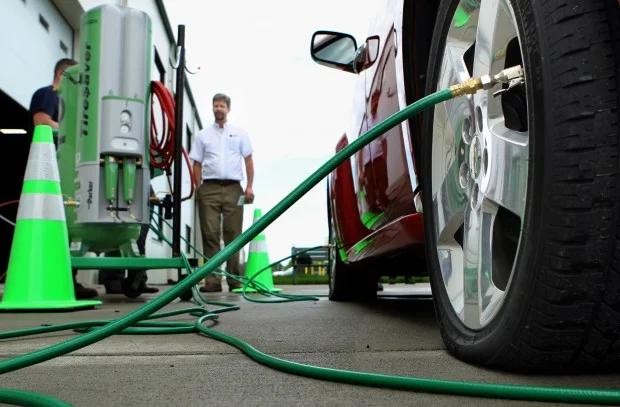
Racing teams and aviation use pure nitrogen for specific technical reasons. Your daily commuter sedan does not need this level of precision. If your tires already have nitrogen valve caps, you can simply refill them with air at any gas station for free. Nitrogen top-offs typically cost money each time, while air is always free.
Refuse this charge outright, since it offers almost no measurable benefit for regular drivers. Tell the finance manager you’ll manage your own tire pressure.
2. VIN Etching
VIN etching involves engraving your vehicle identification number onto the windows using acid or laser equipment. Dealers charge anywhere from two hundred to eight hundred dollars for this service.
The stated purpose is theft deterrence, since etched windows are harder for thieves to resell. This is a real anti-theft measure, but the dealer markup is wildly inflated.
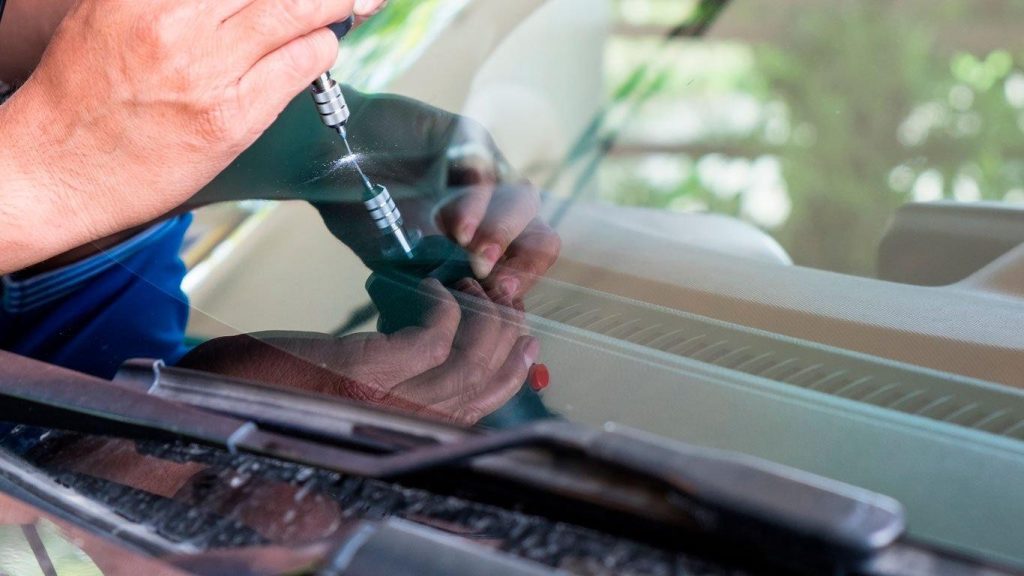
You can buy a DIY VIN etching kit online for twenty to forty dollars. Doing it yourself takes about fifteen minutes and works just as well. Many insurance companies offer small discounts for VIN etching, but the discount rarely covers the dealer’s inflated price. Do the math before agreeing to pay.
Simply decline this add-on and etch the windows yourself later if you want the theft protection. There is no reason to pay dealer prices for a task this simple.
3. Paint Protection Packages
Paint protection, sometimes marketed as paint sealant or clear coat protection, promises to shield your car’s finish from the elements. Dealers frequently charge five hundred to one thousand dollars for this application.
In reality, most new cars already come with factory clear coat that provides solid protection. The dealer’s added layer is often a basic wax or sealant applied in minutes.
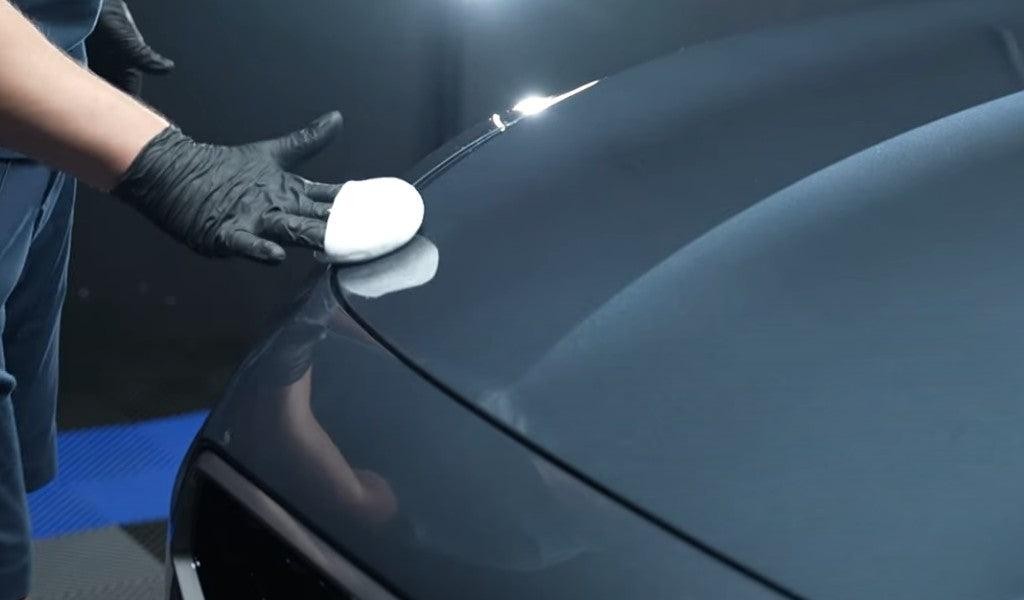
Independent detailing shops offer superior paint protection film or ceramic coating at competitive prices. You retain full control over quality and cost when you shop around yourself.
Some dealers apply this product before you even arrive, then claim it’s mandatory since it’s “already been done.” This is a pressure tactic, not a legitimate requirement.
Push back and ask for proof the product was applied, then negotiate the price down or remove it entirely. You are never obligated to pay for a service you didn’t request.
4. Fabric and Upholstery Protection
Fabric protection sprays claim to guard your seats against stains and spills. Dealers commonly charge two hundred to six hundred dollars for this treatment. The active ingredient is usually a basic stain-repellent spray available at any auto parts store for under twenty dollars. The dealer markup here is enormous relative to the actual cost.
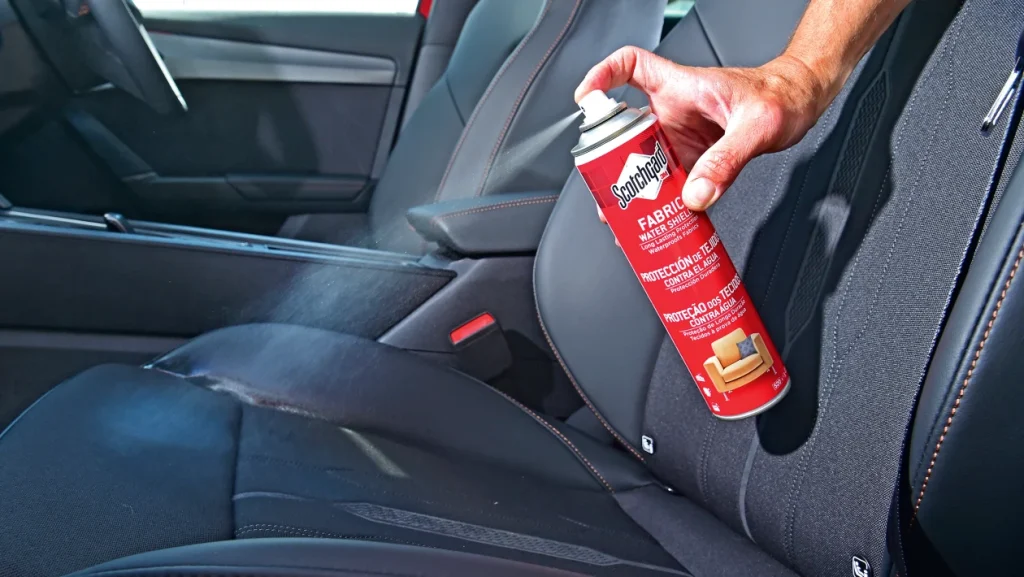
Many new vehicles already come with stain-resistant fabric or leather from the factory. Adding another layer offers minimal additional protection. You can achieve similar results using a store-bought fabric protector spray in your own driveway.
The application takes less than half an hour. Decline this fee confidently, since the value proposition simply doesn’t hold up under scrutiny. Spend that money on something with real, lasting benefit instead.
Also Read: What It Costs to Keep a 250,000-Mile Toyota Running
5. Key Replacement or Theft Protection Plans
Some dealers push extended key replacement programs, promising free replacement keys if yours are lost or stolen. These plans can cost anywhere from one hundred to four hundred dollars.
Modern car keys with chips can be expensive to replace, which is exactly why dealers use fear to sell this add-on. However, many auto insurance policies already cover key replacement.

Check your existing insurance policy before agreeing to this extra plan. You may already have overlapping coverage that makes the dealer’s offer redundant.
Locksmiths and dealerships elsewhere can often cut and program replacement keys for less than the “protection plan” premium itself. Shopping around after the fact is usually cheaper. Ask your insurance agent about key coverage before your dealership visit. This preparation lets you confidently decline this fee at the table.
6. Window Tinting Markup
Dealers sometimes bundle in window tinting at inflated prices, especially on trucks and SUVs. Markups can range from three hundred to eight hundred dollars above local shop pricing.
Independent auto tint shops typically charge significantly less for the same quality film and installation. Dealers add a hefty margin simply because you’re a captive audience during financing.
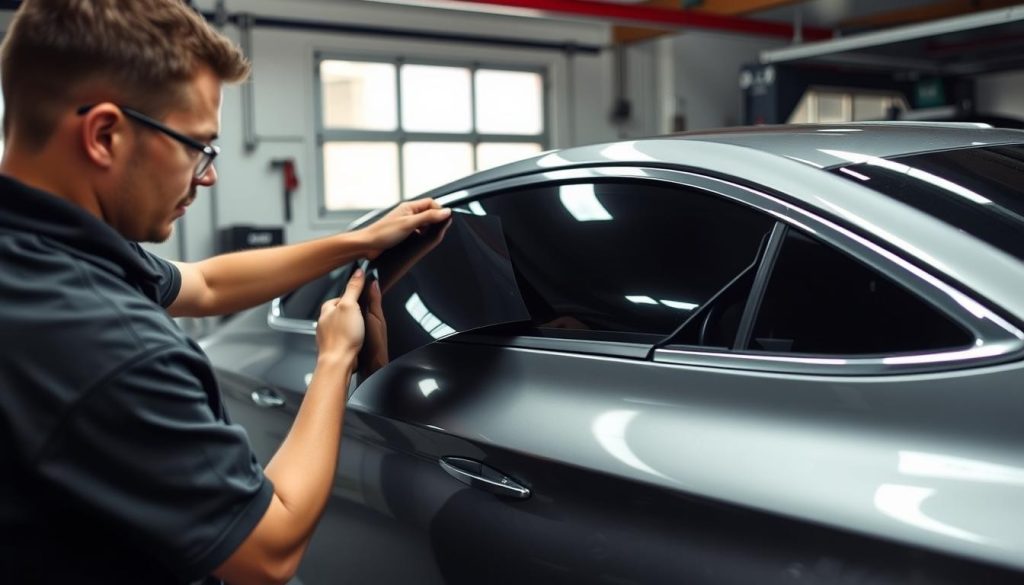
Ask specifically whether the tint is already installed or optional before signing anything. If it’s pre-installed, negotiate it out of the price rather than accepting it as fixed. Local tint shops often provide lifetime warranties and multiple film options the dealer doesn’t offer. You get better value and more choices going independent.
Remove this line item whenever possible and get your tinting done elsewhere. The savings are usually substantial and the quality comparable or better.
7. Dealer-Installed Accessories and “Market Adjustment” Fees
Some dealers install accessories like all-weather mats, mud flaps, or wheel locks and charge inflated prices for them. These items often cost triple or quadruple retail price.
“Market adjustment” fees are another sneaky addition, especially on popular or hard-to-find models. Dealers justify these fees by citing high demand, even when the manufacturer’s suggested price already reflects fair value.
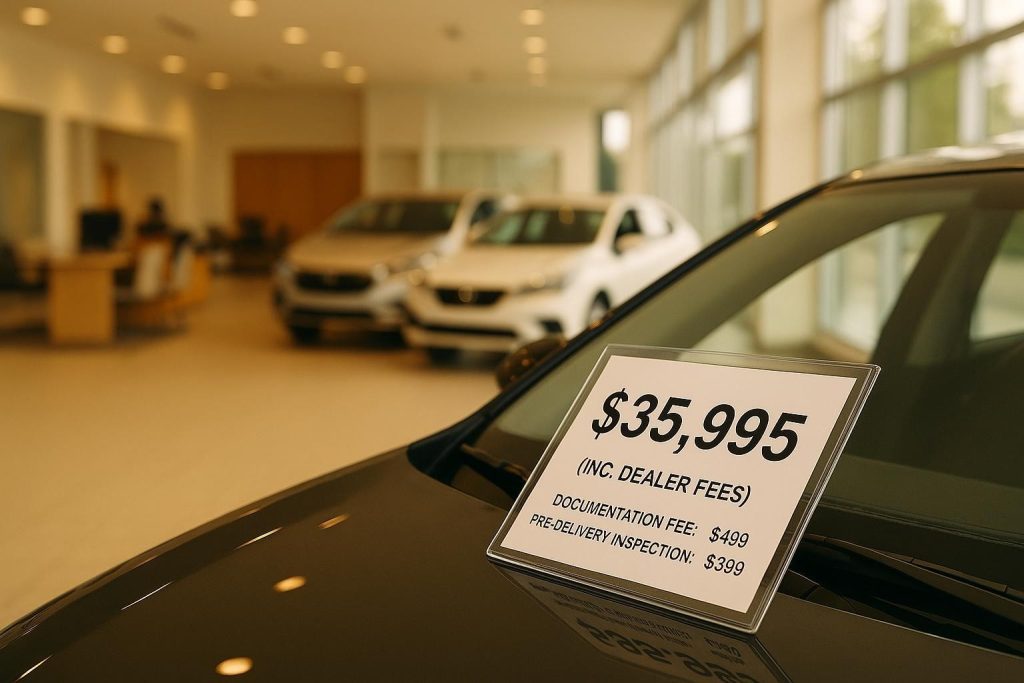
You can buy floor mats, mud flaps, and similar accessories directly from the manufacturer or third-party retailers for far less. There’s no reason to accept dealer pricing on generic aftermarket parts.
Market adjustment fees are almost always negotiable, especially if you’re willing to walk away and shop other dealerships. Competition among dealers works in your favor here. Request an itemized breakdown of every accessory and its cost before signing. Challenge anything that looks inflated compared to retail prices you’ve researched.
8. Extended Warranty Add-Ons Bundled at Signing
While extended warranties can have genuine value, dealers often bundle them into financing without clear explanation, burying the true cost in your monthly payment. This makes the extra expense easy to overlook.
Some finance managers present these warranties as mandatory, when in fact they are almost always optional. You retain the right to decline or purchase one later from a third party.

Third-party extended warranty providers frequently offer similar coverage for less money than dealer-branded plans. Comparing options after your purchase can lead to real savings.
Ask for the warranty to be removed from the deal and calculated as a separate line item. This transparency helps you judge whether the price is fair. Never let a warranty be silently rolled into your loan without your explicit understanding and consent. You should always know exactly what you’re financing and why.
How to Handle the Finance Office
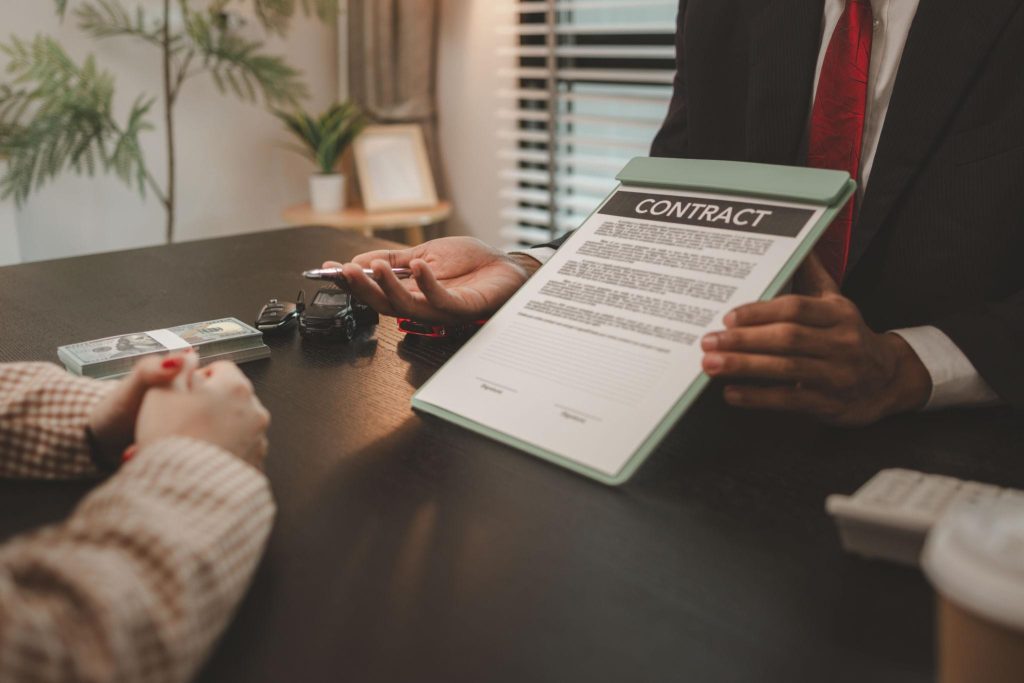
Walking into the finance office prepared is your best defense against unwanted fees. Review your paperwork carefully and question every unfamiliar line item.
Ask directly, “Is this fee mandatory, or can it be removed?” Dealers must legally disclose whether an item is optional if you ask directly. Don’t feel rushed, even if the finance manager seems to be moving quickly through documents. Slow down and read every page before signing anything.
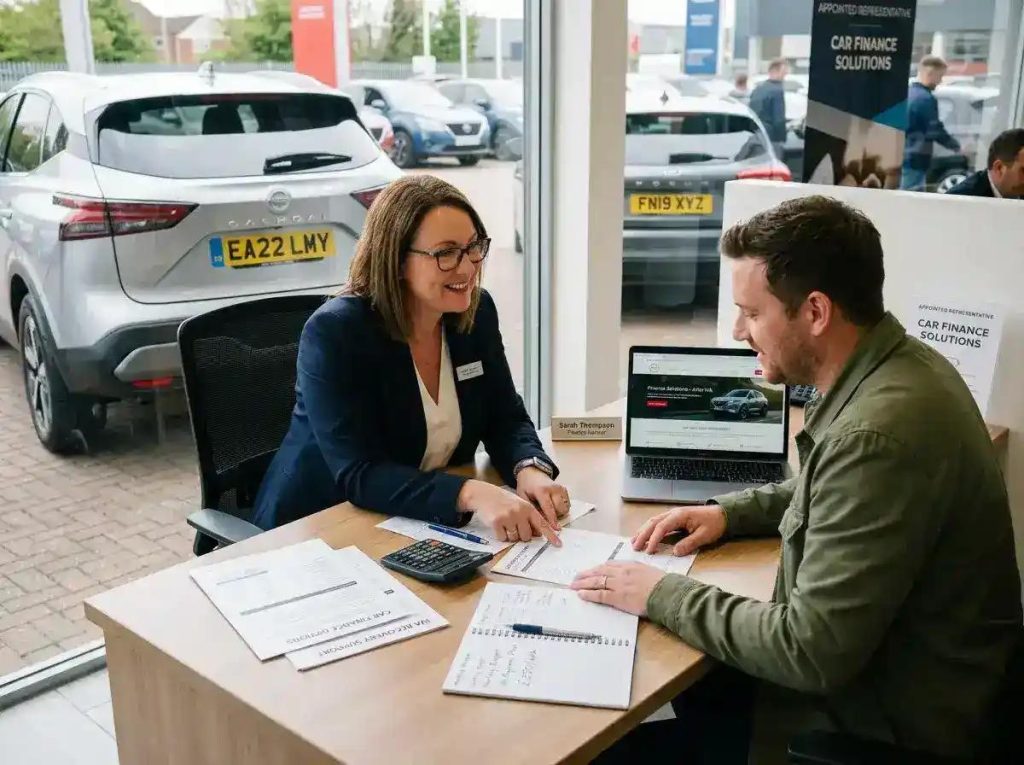
Bring a printed list of common add-on fees so you can reference it during your appointment. This shows the dealer you’ve done your homework and won’t be easily pressured.
Remember that the finance office is a profit center for the dealership. Their job includes selling you extras, so your job is to evaluate each one critically.
Negotiation Tips for Add-On Fees
Always negotiate the vehicle price first, separately from any add-ons or fees. Mixing these discussions together makes it harder to track true costs. Once the base price is settled, review the add-on sheet line by line. Ask for each one to be removed or justified with clear reasoning.
Use phrases like “I’d like this removed from the deal” rather than asking permission. Confident language signals you understand your rights as a buyer.

If a dealer refuses to remove a fee, be willing to walk away and visit a competing dealership. Competition is a powerful tool in your favor. Get everything in writing before signing, including confirmation of removed fees. Verbal promises made in a rushed finance office are easy to forget or dispute later.
Legal Protections and State Regulations
Many states regulate which fees dealers can charge and require clear disclosure of optional versus mandatory costs. Research your state’s specific consumer protection laws beforehand.
Documentation fees, for example, are capped in some states but uncapped in others. Knowing your local regulations gives you leverage during negotiations.
Consumer protection agencies in most states allow you to file complaints against dealerships engaging in deceptive fee practices. This accountability mechanism exists for a reason.
If a dealer claims a fee is “required by law,” ask for the specific statute or regulation. Legitimate fees can be explained clearly; inflated ones often cannot. Being informed about your state’s rules turns a vague negotiation into a factual, evidence-based conversation. This shifts power back toward you as the buyer.
Red Flags to Watch For
Be wary of any fee described vaguely, such as “market adjustment” or “dealer prep,” without an itemized explanation. Vague language often hides padding.
Watch for add-ons already applied to the vehicle before your visit, since dealers use this tactic to claim the charge is nonnegotiable. It almost always is negotiable.

Pressure tactics like “this offer expires today” or “another buyer is interested” are designed to rush your decision-making. Slow down regardless of the pressure applied.
If the finance manager becomes evasive when you ask direct questions about a fee, that hesitation itself is a red flag. Transparency should never feel difficult to obtain.
Trust your instincts if something feels off during the paperwork process. It’s always acceptable to pause, step outside, and reconsider before signing.
