
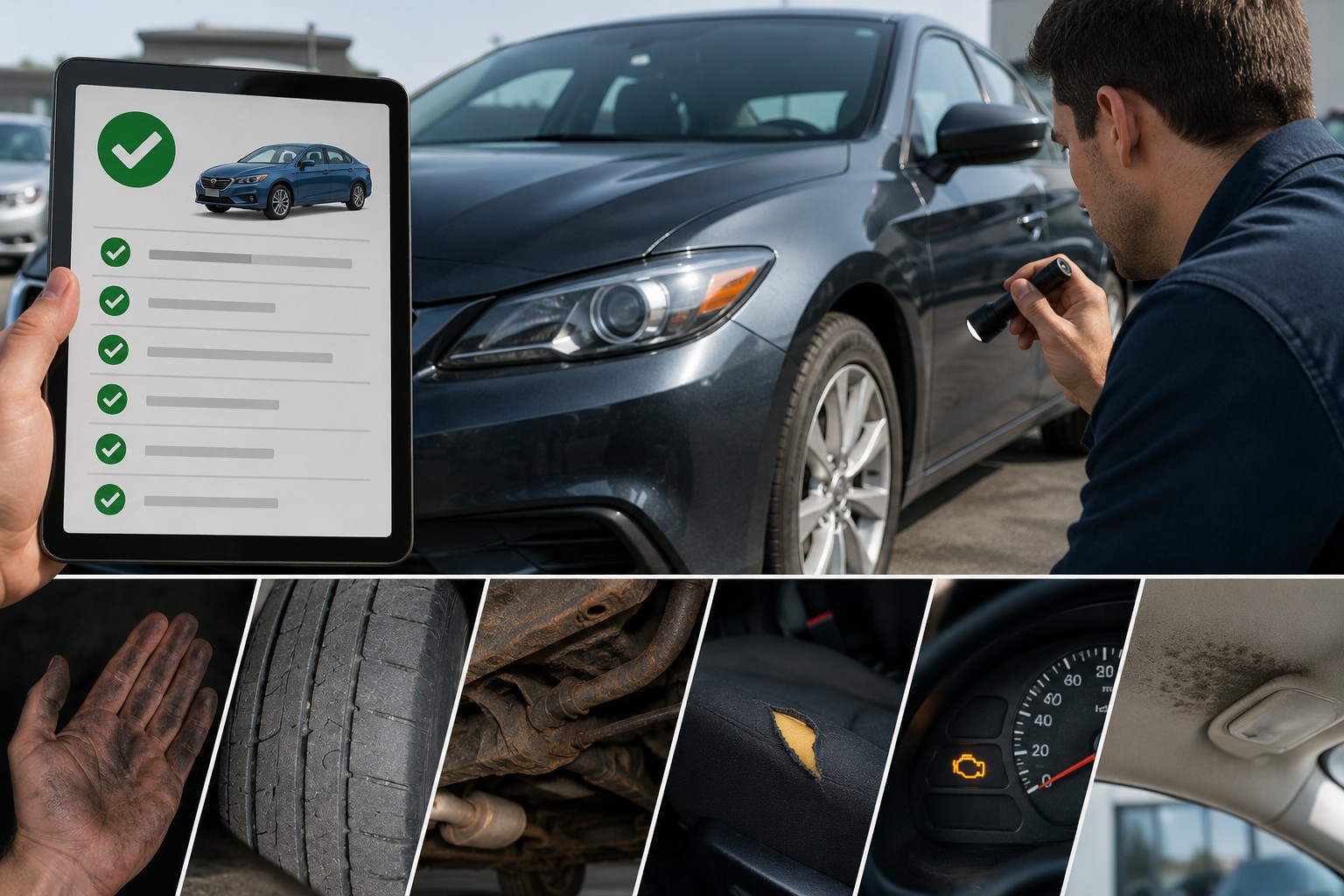
A clean Carfax report feels like a guarantee. Buyers treat it as proof a car has no history worth worrying about. But a Carfax report can only show what someone actually reported to it. CARFAX cannot access an event that was never officially reported, and private repairs and cash settlements are common reasons records go missing.
There is no legal requirement forcing shops or owners to disclose this information. No law requires businesses or agencies to report accident or repair data to CARFAX. That gap creates real risk for used car buyers. A vehicle can carry a spotless report while hiding a rough history underneath.
Independent body shops, cash transactions, and private settlements all slip through the cracks. Cash repairs, private settlements, non-reporting shops, and unreported police incidents all create real-world accidents that leave zero trace in any vehicle history database.
This article breaks down eight specific problems a clean Carfax will never reveal. Each one can cost a buyer thousands of dollars after the sale is done. Understanding these blind spots is the only real protection. It changes how you should shop for a used car.
1. Cash-Paid Accident Repairs
Many accidents never touch an insurance company at all. The owner simply pays for repairs directly out of pocket. This single choice erases the entire paper trail. When an owner handles a collision without filing an insurance claim, the accident bypasses the entire reporting pipeline.
No insurance claim means no notification to anyone. No claim means no insurer notification, and no insurer notification means no data reaches Carfax.
This happens constantly with moderate damage. A front bumper repair costing thousands of dollars paid in cash at a neighborhood shop generates zero documentation in any vehicle history database.
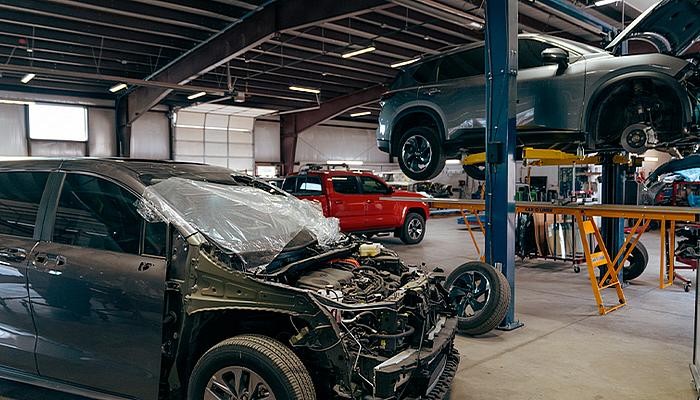
The car looks fine on paper afterward. Yet real structural or cosmetic work happened underneath the surface. Independent shops rarely have reporting relationships with Carfax. The vast majority of independent body shops and collision repair facilities have no data-sharing agreement with Carfax.
They are under no obligation to share anything. Shops are under no legal obligation to report repairs, and many customers specifically choose them to keep repairs private.
Even serious repair work can vanish this way. Structural work, frame straightening, and complete panel replacement leave nothing behind if performed at a non-reporting facility. This is not a rare loophole. It is the most common reason a Carfax report misses damage entirely.
A buyer relying only on the report assumes safety that may not exist. Frame integrity, airbag function, and alignment can all be compromised silently. The only real defense is a physical inspection. No amount of report-checking replaces hands-on verification of the vehicle itself.
2. Minor Collisions and Parking Lot Damage
Small accidents are the easiest to hide from any database. They rarely generate police reports or insurance paperwork in the first place. Fender benders and lot damage are the textbook examples. Parking lot bumps, curb strikes, and similar low-level damage often stay off the report.
These incidents happen far more often than people realize. Most drivers do not call police for a scraped bumper or dented door. Reporting depends entirely on formal documentation existing somewhere. Events that create a VIN-linked record through a DMV, insurer, auction, or participating shop are more likely to appear.
Private, undocumented events almost never make it through. Private, cash, DIY, or very recent events are more likely to be missing from the report entirely.
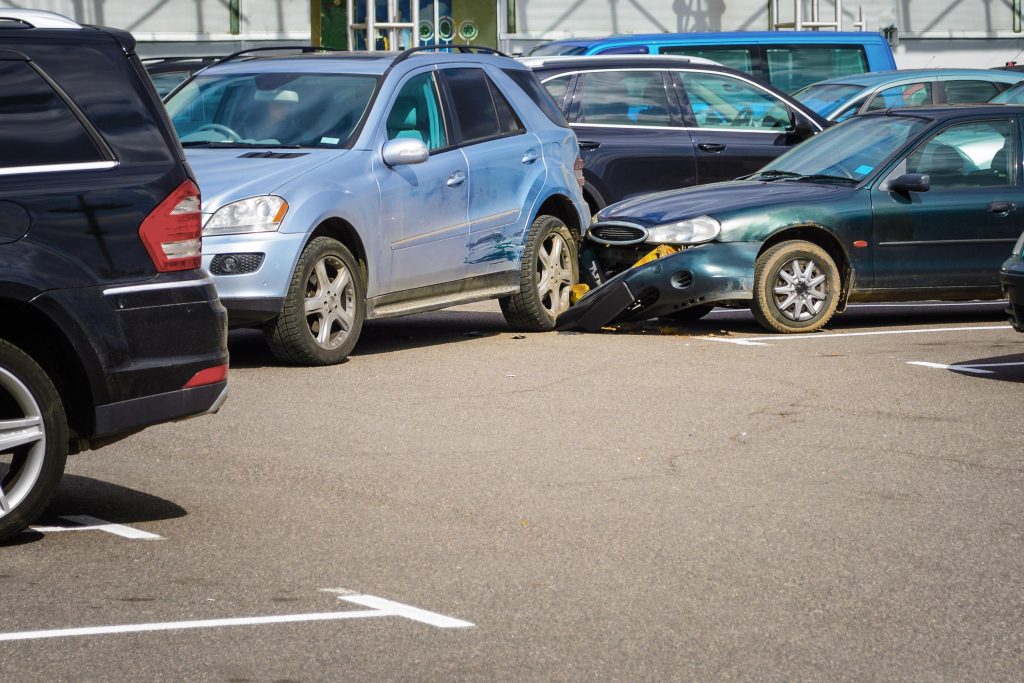
Timing plays a role here too. Some records appear quickly, while others take days or weeks to reach the report. A car sold shortly after a minor accident may show nothing yet. The damage happened, but the database has not caught up.
This creates a false sense of security for buyers. They see a clean report and assume a spotless history. In reality, the car may have several small repairs stacked together. Each one individually minor, but collectively signaling a rough life.
Multiple small repairs can also mask a larger pattern. Repeated fender damage sometimes points to careless ownership or high-mileage commuting. Always ask directly whether the owner has had any repairs done. Verbal history often reveals what the report cannot.
3. Structural Work From Non-Reporting Body Shops
Serious repair work does not always mean an insurance claim was filed. Owners sometimes pay privately even for major structural damage. The professional quality of the shop has no bearing on reporting. Professional quality and reporting participation are unrelated, since even a highly skilled independent shop may never report to Carfax.
This means expert-level frame work can go completely undocumented. The car might drive perfectly while hiding a repaired chassis. Physical inspection is the only reliable way to catch this. Panel gaps that don’t match side-to-side, hood and trunk alignment issues, and visible spot-weld patterns are physical signs of past repair.
Undercoating inconsistencies are another telltale sign. Inconsistent undercoating or body seam sealer application is evidence of work that may not appear in any report. Buyers rarely check for these details themselves. Most people simply look at the car’s paint and assume it is fine.
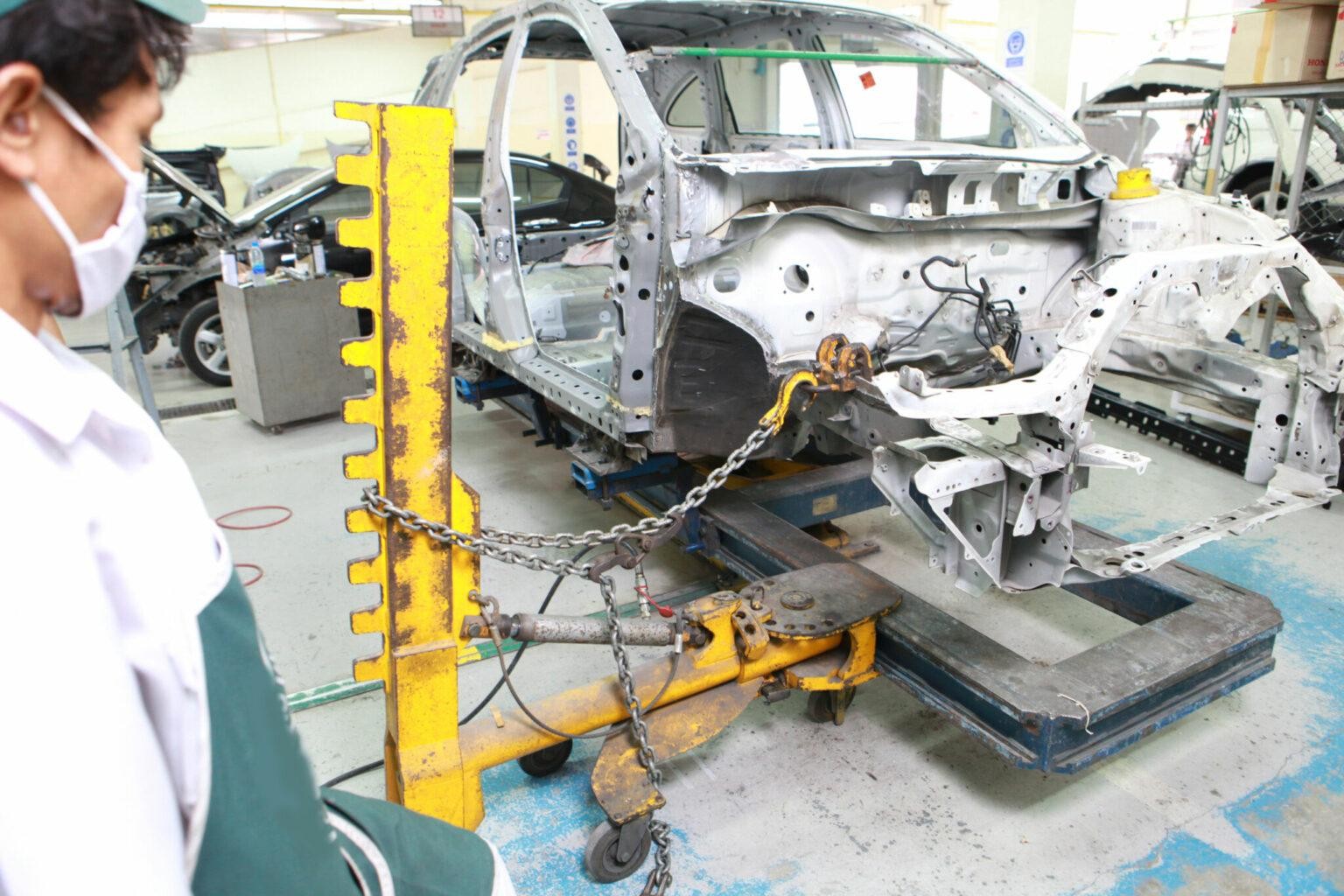
A trained eye sees something entirely different. Some dealerships use special gauges to measure paint thickness and other techniques to spot repair work buyers assumed was hidden.
This is why diminished value becomes a real financial issue later. A vehicle with hidden accident history will likely be costly for its owner, even if the damage never appears on a report. Reselling the car later can also become difficult. Future buyers using better inspection tools may discover what the report missed.
A pre-purchase inspection focused on structural assessment closes this gap. A pre-purchase inspection from an independent shop that includes structural assessment is where hidden repair work typically surfaces. Skipping this step leaves buyers exposed to invisible structural risk.
4. Undisclosed Flood and Water Damage
Flood damage is one of the most dangerous hidden problems in used cars. It can silently destroy electrical systems years after the sale. Not every flooded car receives a formal insurance claim. Many owners choose to dry the car out and sell it quietly instead.
Water damage impacts far more than upholstery. Waterlogged seats, carpets, and air ducts may result in odor, mold, and damaged or rusted mechanical parts. Cleaning only fixes the surface, not the underlying damage. Cleaning a vehicle may improve appearance, but severe water infiltration damage is often not easy to detect.
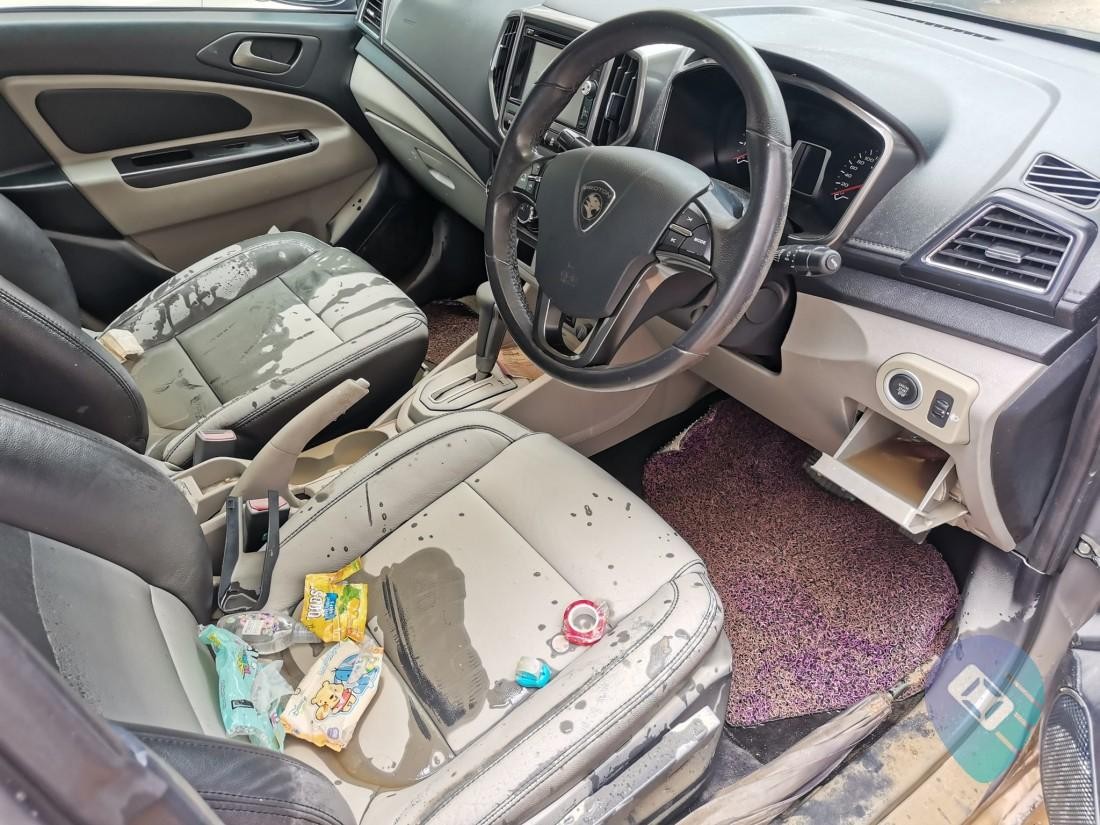
These vehicles frequently reenter the used car market anyway. “Cleaned” flood vehicles often find their way back into the stream of commerce. Sellers often move these cars far from the original flood zone. Flood-damaged cars are often transported to other regions to avoid scrutiny by local buyers familiar with flood risk.
This makes distant buyers especially vulnerable to the scam. Buyers far from recent flood zones can be easier targets because flood history may seem locally unlikely. Look for physical warning signs during any inspection. Flood water, especially salt water, can wreak havoc on electrical systems, mechanical parts, and fluids.
Mold is another red flag worth checking carefully. Flood exposure can cause mold to grow on carpets, seats, and even inside the trunk. Check under carpets, inside the spare tire well, and along seat rails. Musty odors and rust in unusual places often reveal what paperwork will not.
Also Read: 10 Cars Worth More at Trade-In Than Owners Think
5. Title Washing to Erase Salvage or Flood Brands
Title washing is one of the most deliberate forms of hidden damage. It specifically targets vehicles that already have a damage brand. The scheme relies on differences between state title laws.
Because states have different regulations on what constitutes a salvage car, moving the vehicle to a state with more lenient laws can remove the brand. Retitling in a new state can effectively erase warning history. Title washing moves a vehicle with a branded history to another state and retitles it so the warning is reduced or missing.
Some schemes go even further with physical document tampering. Some title-washing schemes involve making physical changes to the paper document that remove all evidence of branding.
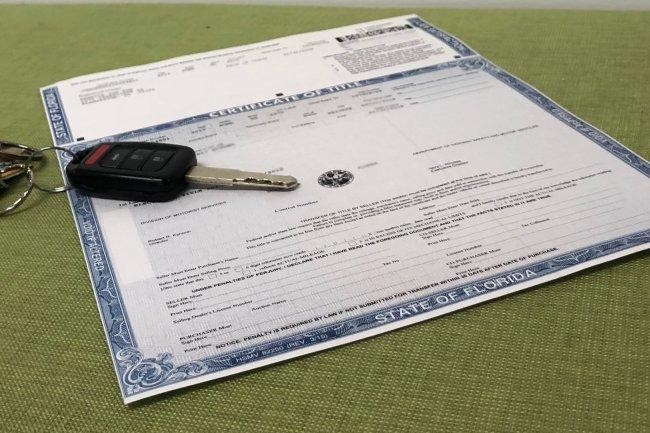
This practice is not a minor technicality. Title washing is a federal crime and can result in hefty fines or even prison. State-hopping vehicles are a major warning sign for buyers. Buyers should always be suspicious if a vehicle has been licensed in several states over a short period of time.
Federal databases exist specifically to fight this problem. Federal regulations require every state to report titling information to NMVTIS, including all brands associated with a vehicle. Even so, the system has real limitations. Not every state reports with the same speed or consistency, and private-party sales that skip the titling process can create gaps.
Penalties for sellers caught doing this are severe. Title washing and concealing material damage can carry felony-level penalties, including substantial fines and imprisonment.
Cross-state fraud can even trigger federal charges. Schemes crossing state lines can bring federal wire fraud or mail fraud charges carrying penalties of up to twenty years imprisonment. Always run the VIN through NMVTIS directly, not just Carfax alone.
6. Odometer Rollback and Mileage Tampering
Mileage fraud remains a persistent problem in the used car market. It directly affects both safety and resale value. Rolling back an odometer is explicitly illegal under federal law. Odometer rollback is illegal, and it can be hard to detect without a skilled mechanic’s inspection.
Digital odometers made this harder, but not impossible. Skilled fraudsters still find ways to alter electronic mileage records. A branded title system exists to catch some of this. Odometer readings come from title work, inspections, emissions testing, auctions, and many dealer or chain service visits.
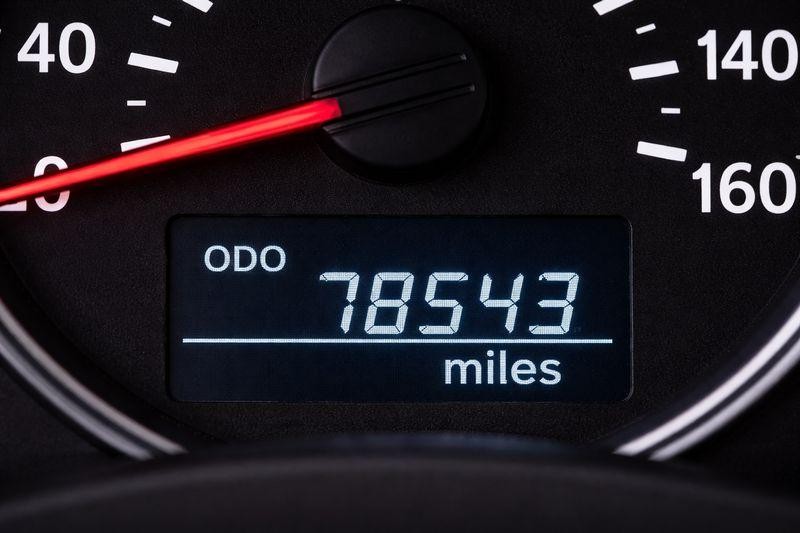
Gaps in this chain leave room for manipulation. A car serviced only at independent shops may have fewer verified mileage checkpoints. Cross-referencing sources is the best defense against this fraud. Compare the odometer reading against old inspection stickers, service records, and state registration renewals.
Wear patterns on pedals, seats, and the steering wheel tell their own story. A car showing 40,000 miles should not look like it has driven 150,000. Tire wear and windshield chip count offer additional clues. Excessive wear inconsistent with low mileage is a strong warning sign.
Mileage fraud inflates resale value artificially. It also hides how much wear the drivetrain has actually absorbed. Buyers should treat suspiciously low mileage on an older car with skepticism. It is often the first sign something does not add up.
7. DIY and Owner-Performed Repairs
Not every repair happens at a shop at all. Many owners handle maintenance and even collision repair themselves. This type of work leaves essentially no digital footprint. Oil changes done at home, repairs by a friend, or work at a shop that doesn’t report to Carfax never appear on the report.
A car can look mechanically sound while hiding amateur repair work. The quality of DIY repairs varies enormously between owners. Some owners are skilled and careful with their work. Others cut corners to save money on parts or labor.
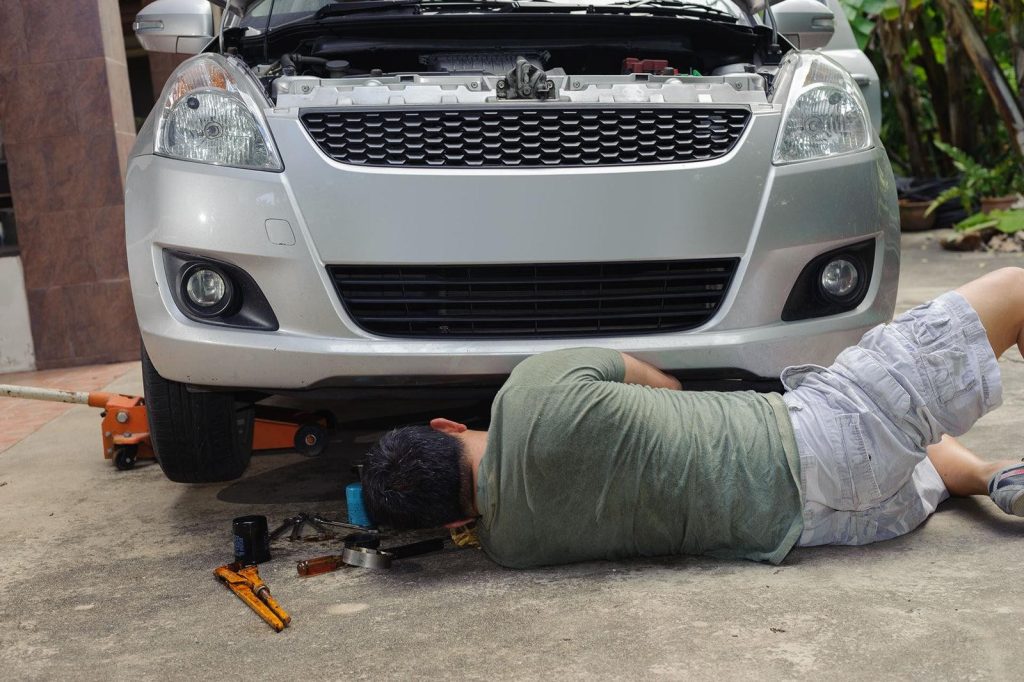
Neither scenario shows up differently on a Carfax report. The report simply stays silent about both possibilities equally. This is especially risky with suspension, brakes, or electrical work. A vehicle can have had significant repairs and still show a completely clean Carfax report.
Safety-critical systems repaired incorrectly can fail without warning. A buyer has no way to know from paperwork alone. Ask sellers directly about any work they performed themselves. Request receipts for parts purchased, even without professional labor involved.
A mechanic’s inspection can reveal amateur work through fastener wear. Mismatched bolts, incorrect torque marks, or aftermarket parts often give it away. This gap matters more on older or high-mileage vehicles. Owners of aging cars are far more likely to self-repair over time.
8. Reporting Delays and Recency Gaps
Even legitimate, properly reported events take time to appear. A Carfax report is never truly real-time. Data submission speed varies wildly by source. It can take anywhere from a few days to several months for a record to appear, depending on the source.
This creates a dangerous window for recently damaged vehicles. A car sold quickly after an accident may show a clean report temporarily. This is not a permanent gap that eventually closes either. If an event never enters the formal reporting system, it will never appear on Carfax, with no delayed discovery mechanism.
Running multiple report services does not fully solve this problem. Running the VIN through multiple vehicle history services helps catch some events, but no combination of reports captures everything.
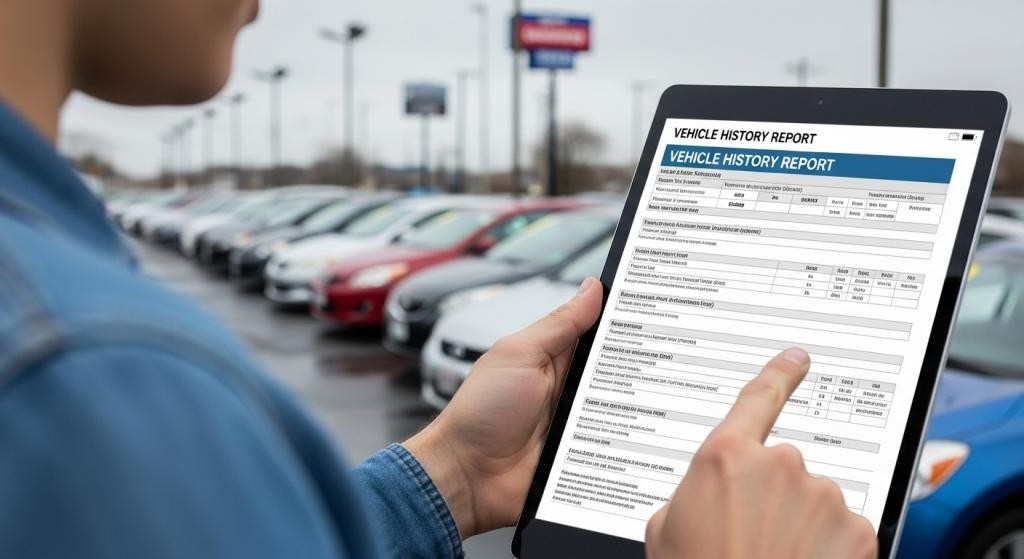
Regional differences also affect reporting speed and completeness. Data availability varies by state and country, and some regions have stronger reporting networks than others.
Older vehicles face an additional handicap in this system. CARFAX has limited access to records for older vehicles, since many predate digital recordkeeping.
A car built decades ago may simply lack the digital trail newer cars have. This makes older used cars harder to fully verify through any report. Buyers should treat a clean report as a starting point, not an end. It confirms nothing was reported, not that nothing happened.
Combine the report with an independent inspection and a direct conversation with the seller. That combination catches far more than any single report ever will.
Also Read: 8 Vehicles With The Cheapest Replacement Parts, Per RepairPal
