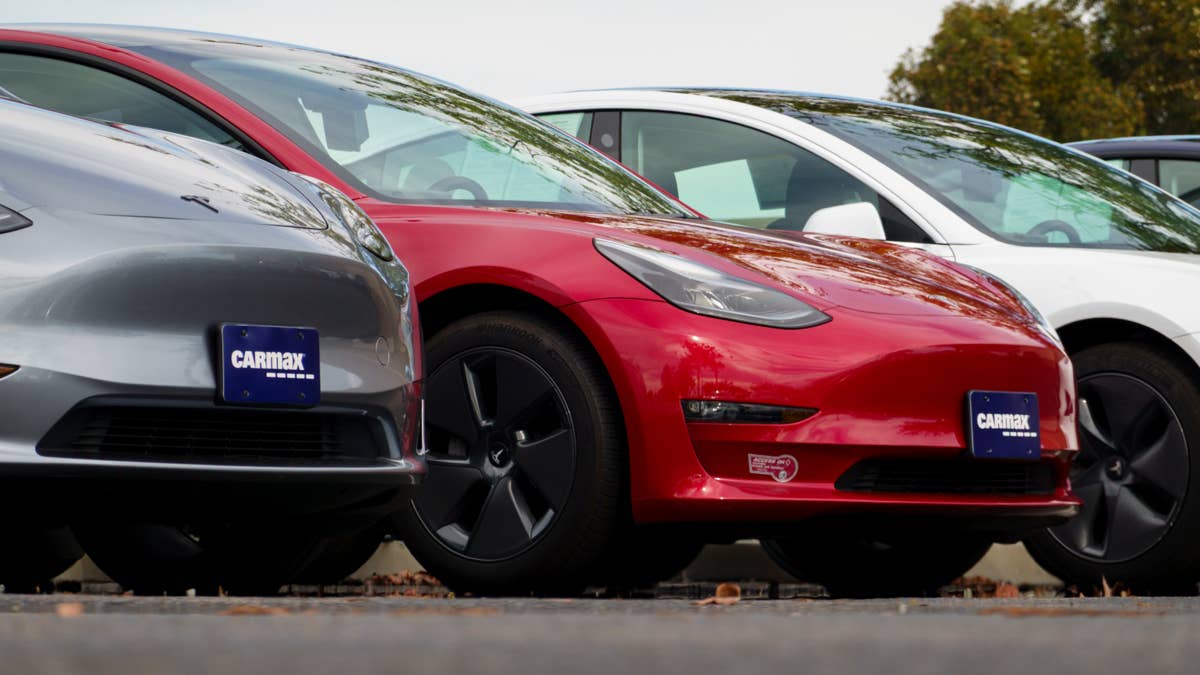
Electric vehicles have become one of the biggest talking points in the automotive industry over the past decade.
Nearly every major manufacturer has invested billions of dollars in battery-electric vehicles, governments around the world have introduced incentives to encourage adoption, and charging infrastructure has expanded rapidly.
Yet despite these efforts, many American consumers still appear hesitant to make a fully electric vehicle their next purchase. Affordability, charging convenience, driving habits, and concerns about long-distance travel continue to shape buying decisions, even as EV technology improves.
A new Deloitte 2026 Global Automotive Consumer Study, which surveyed more than 28,500 consumers across 27 countries, highlights just how cautious U.S. buyers remain.
According to the survey, only 7% of Americans say they intend to purchase a battery-electric vehicle (BEV) as their next vehicle, while 61% plan to buy a vehicle powered by a traditional internal combustion engine (ICE).
The findings, first highlighted by Gizmodo, suggest that gasoline-powered vehicles continue to dominate consumer preferences despite years of rapid EV development. The results also arrive at a time when several automakers are slowing or revising their electric vehicle rollout plans in response to changing market demand.
While EV sales continue to grow in absolute numbers, the survey indicates that the transition to widespread electrification may be more gradual than many industry forecasts predicted. Understanding why consumers continue to favor gasoline vehicles provides valuable insight into where the American automotive market may be headed over the next several years.
Also Read: 10 Trucks That Beat Their EPA Ratings in Real-World Driving
Why Most Americans Still Prefer Internal Combustion Engines
One of the clearest messages from Deloitte’s latest consumer survey is that the internal combustion engine remains the preferred choice for most American buyers.
Although electric vehicles have become more common on dealership lots, gasoline-powered vehicles continue to dominate purchase intentions because they align more closely with how many Americans use their vehicles every day.
Price remains one of the largest obstacles. Battery-electric vehicles have become more affordable than they were just a few years ago, but they still carry higher average transaction prices than many comparable gasoline-powered vehicles.
Even when federal or state incentives are available, buyers often focus on monthly payments rather than long-term operating costs. Higher interest rates have further increased financing costs, making expensive new vehicles even less attractive.
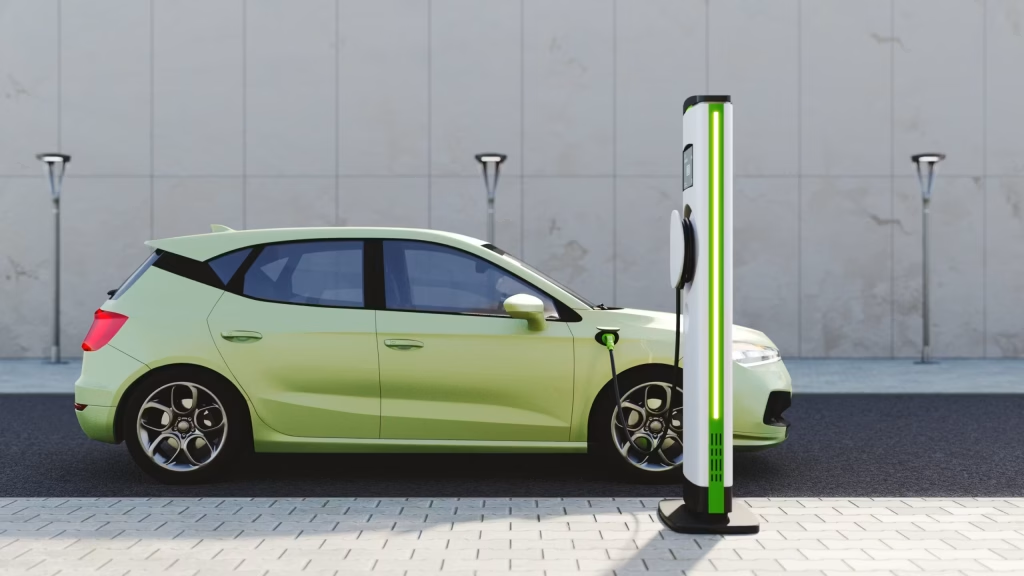
Charging convenience is another major concern. Millions of Americans live in apartments, condominiums, or urban neighborhoods where installing a home charger is difficult or impossible. For these drivers, relying on public charging stations can be less convenient than stopping at one of the country’s thousands of gas stations.
Although charging networks continue to expand, consumers frequently cite charger availability, reliability, and charging speeds as reasons for delaying an EV purchase.
Driving habits also influence consumer preferences. Many American households regularly take long-distance road trips, tow trailers or travel through rural areas where fast-charging infrastructure may be limited.
While many modern EVs now exceed 300 miles of EPA-estimated range, buyers continue to express concerns about charging stops, winter driving, and battery performance under heavy loads. These concerns contribute to the persistence of range anxiety, even as battery technology continues to improve.
Another factor is familiarity. Gasoline-powered vehicles have been the backbone of the American automotive market for more than a century.
Drivers understand how they operate, where to refuel them, and what maintenance they require. Purchasing a gasoline vehicle represents a lower-risk decision for many consumers who are uncertain about adopting new technology.
Reliability perceptions also play a role. Although many electric vehicles have demonstrated excellent long-term durability with fewer moving parts than conventional vehicles, some consumers remain concerned about battery replacement costs once the warranty expires.
High-profile discussions about battery prices, even if they affect only a small percentage of owners, continue to influence public perception.
Vehicle choice is another consideration. Pickup trucks and large SUVs remain among the best-selling vehicles in the United States. While electric alternatives are becoming more common, gasoline-powered trucks still offer greater towing range, faster refueling, and broader availability.
Buyers who regularly tow boats, campers, or equipment often view internal combustion engines as the more practical option. The Deloitte survey also reflects changing consumer priorities after several years of economic uncertainty.
Inflation, higher borrowing costs, and household budget pressures have encouraged many buyers to focus on affordability and reliability instead of adopting new technology. For these consumers, purchasing a proven gasoline-powered vehicle represents a more comfortable financial decision.
Hybrids have become particularly attractive because they combine many of the strengths of both technologies. They deliver better fuel economy than traditional gasoline vehicles without requiring external charging, making them an appealing compromise for buyers who want improved efficiency while maintaining familiar driving habits.
This growing interest in hybrids has prompted several automakers to expand hybrid production even as they continue investing in battery-electric models.
Regional differences across the United States also play a significant role in shaping consumer preferences. States with well-developed charging infrastructure and higher rates of electric vehicle adoption generally exhibit greater consumer interest in EVs. In contrast, buyers in rural areas or regions where charging networks remain limited are more likely to favor gasoline-powered vehicles due to concerns about convenience, accessibility, and driving range.
The survey reflects these diverse experiences, showing that consumer readiness for electrification varies significantly depending on where people live.
What the Deloitte Survey Reveals About America’s Changing Vehicle Preferences
While the headline finding that only 7% of Americans want a fully electric vehicle next has attracted significant attention, Deloitte’s 2026 Global Automotive Consumer Study provides a broader look at how U.S. buying habits are evolving.
Rather than showing consumers rejecting electrification entirely, the survey suggests that many buyers are taking a more gradual approach by continuing to favor gasoline-powered vehicles or considering hybrid alternatives.
The study surveyed more than 28,500 consumers across 27 countries, allowing researchers to compare purchasing intentions across different regions. The United States stands out because of its continued preference for internal combustion engines.
According to Deloitte, 61% of American consumers intend to purchase a gasoline or diesel vehicle as their next car, one of the strongest indications that traditional powertrains continue to dominate consumer confidence.
Several factors help explain this trend. American drivers generally travel longer distances than motorists in many other countries, making vehicle range and refueling convenience especially important.
A gasoline vehicle can typically be refueled in just a few minutes at one of more than 145,000 fueling stations across the United States, while charging an electric vehicle still requires considerably more time, even at high-speed DC fast chargers.
Infrastructure remains another major influence. Although charging stations continue to expand nationwide, their availability is uneven. Urban areas generally have greater charging access, while rural communities often have fewer public charging options.
Consumers who frequently drive outside metropolitan areas may therefore be less confident about relying solely on battery-electric transportation.
Home charging also plays a significant role in purchase decisions. Homeowners with private garages can often charge overnight, making EV ownership much more convenient. However, apartment residents and those without dedicated parking may have limited access to charging equipment, reducing the practicality of owning a fully electric vehicle.
The survey also reflects concerns about purchase price. Although battery costs have declined over the past decade and several manufacturers have introduced lower-priced electric models, the average transaction price for many EVs remains higher than comparable gasoline-powered vehicles.
For families already managing higher mortgage payments, inflation and increased borrowing costs, choosing a less expensive gasoline vehicle may simply be the more practical financial decision.
Another important consideration is resale value. Although the used EV market has matured considerably, rapid technological improvements and changing incentive programs have created uncertainty about long-term depreciation.
Some buyers remain unsure how future battery technology or changing government policies could affect resale values several years down the road. Consumer education also continues to influence adoption. Many drivers have never owned or even driven an electric vehicle.
Questions about charging times, battery longevity, cold-weather performance, and maintenance requirements can discourage buyers from making the transition, even if many of those concerns have become less significant as the technology has improved.
Hybrids are benefiting directly from this cautious approach. Instead of requiring buyers to make a complete shift away from gasoline, hybrids offer better fuel economy while preserving familiar refueling habits.
As a result, many manufacturers have expanded hybrid production to meet growing demand from customers seeking improved efficiency without changing how they use their vehicles.
Automakers have responded by adjusting production strategies. Several companies that previously announced ambitious all-electric timelines have since moderated their plans, increasing investment in hybrid technology while continuing to develop future EV platforms.
Rather than abandoning electrification, manufacturers are increasingly pursuing a balanced strategy that allows them to respond to changing consumer demand.
The Deloitte findings also reinforce that consumer preferences can differ significantly between countries. Markets with higher fuel prices, denser urban populations, and stronger government incentives often report greater interest in battery-electric vehicles.
In contrast, the United States presents unique challenges, including longer travel distances, diverse climates, and widespread demand for pickup trucks and larger SUVs.
Taken together, the survey suggests that America’s transition toward electrification is unlikely to follow a straight path. Instead, the market appears to be moving through a period where gas, diesel, hybrids, and fully electric models will coexist, giving consumers greater flexibility to choose the powertrain that best fits their lifestyle and budget.
What This Means for Automakers, EV Adoption and the Future of the U.S. Market
Deloitte’s findings suggest that the transition to electric vehicles in the United States is likely to be slower and more gradual than many automakers originally expected.
While manufacturers continue investing billions of dollars in battery-electric vehicles, the survey indicates that most American consumers still prefer traditional gasoline-powered vehicles for their next purchase.
Rather than abandoning electrification, many automakers are adapting by offering a broader mix of gasoline, hybrid, plug-in hybrid, and fully electric models to meet changing consumer demand.
Hybrid vehicles have become a particularly important part of this strategy. They provide improved fuel economy without requiring drivers to rely on public charging infrastructure, making them an attractive option for buyers who are not yet ready to switch to a fully electric vehicle.
Several manufacturers have responded by expanding hybrid production while continuing to develop future EV platforms. Charging infrastructure and affordability remain two of the biggest factors that could influence future EV adoption.
Public charging networks continue to grow, and improvements in battery technology are expected to reduce vehicle costs while increasing driving range. As these developments continue, more consumers may become comfortable choosing a battery-electric vehicle.
The survey does not suggest that electric vehicles are losing relevance. Instead, it highlights that consumer preferences currently differ from some earlier industry expectations. Millions of Americans continue to purchase EVs each year, and the market is expected to grow as technology improves and charging becomes more convenient.
For now, however, Deloitte’s research indicates that gasoline-powered vehicles remain the preferred choice for most U.S. buyers.
With 61% of consumers planning to purchase an internal combustion engine vehicle and only 7% intending to buy a fully electric model next, automakers will likely continue balancing investments across multiple powertrain technologies while responding to evolving consumer demand.
Also Read: 10 Cars That Are Getting A Complete Redesign for 2027