Buying a new vehicle is one of the biggest financial commitments most people make, and while shoppers often focus on monthly payments, interest rates, and insurance premiums, one optional product frequently raises questions: Guaranteed Asset Protection, better known as GAP coverage.
Dealership finance offices, lenders, and insurance companies commonly offer GAP protection during the purchase process, promising peace of mind if your vehicle is totaled or stolen. For some drivers, it can prevent thousands of dollars in unexpected debt. For others, it becomes an unnecessary expense that is unlikely to provide any real benefit.
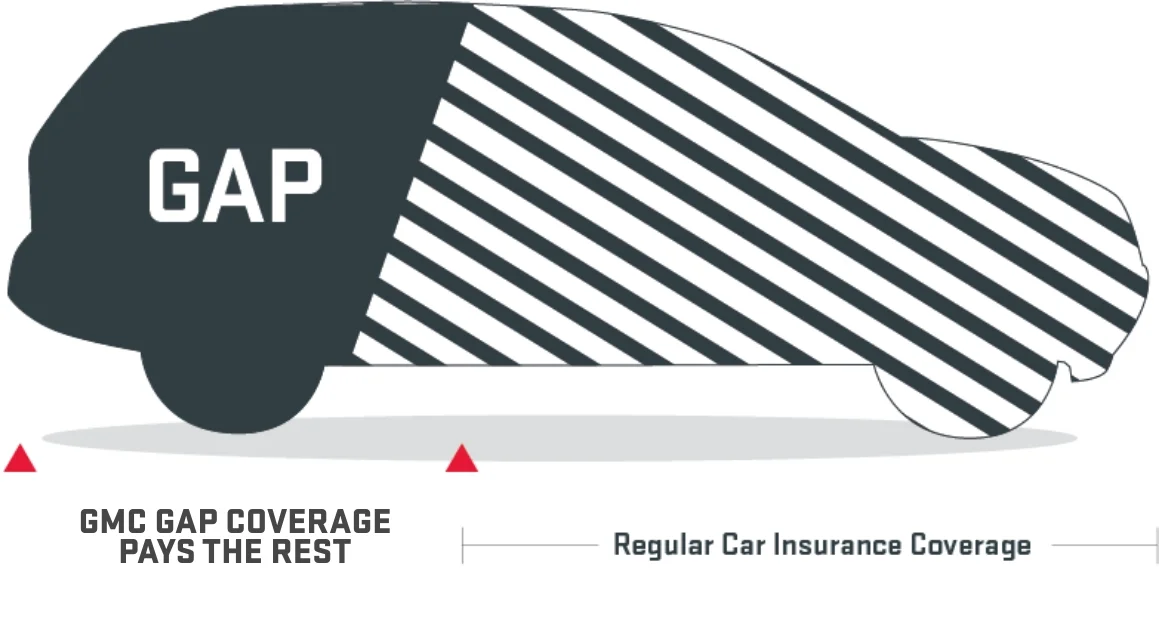
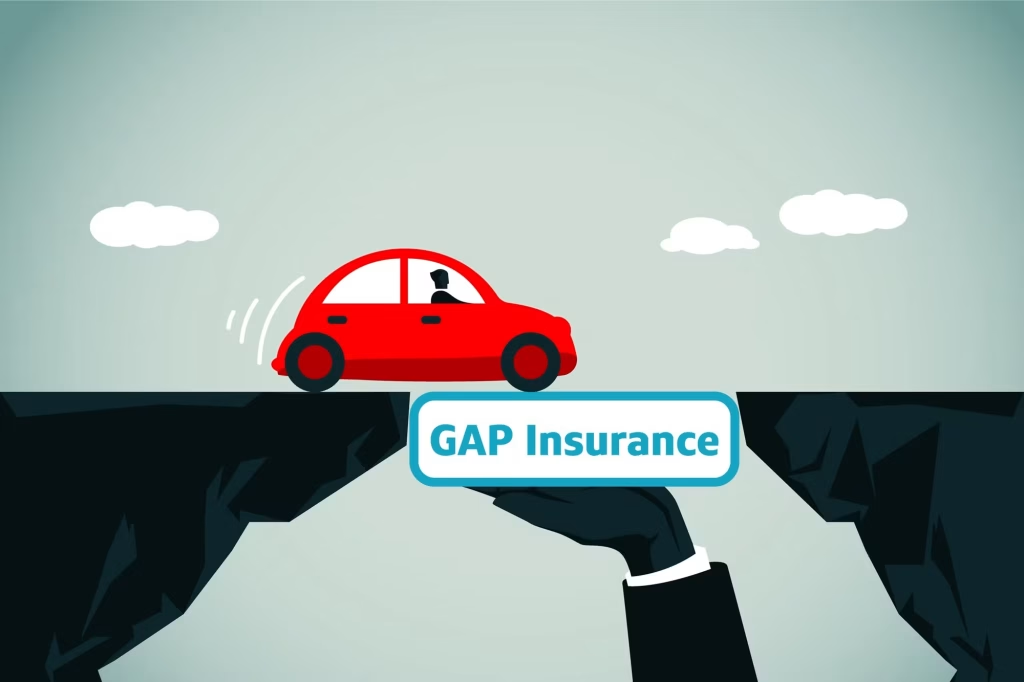
The confusion stems from the fact that GAP coverage does not replace standard auto insurance. Instead, it fills a very specific financial gap that can occur when a vehicle’s value drops faster than the loan balance.
Because new vehicles depreciate quickly during the first few years of ownership, many borrowers owe more on their loan than the vehicle is actually worth.
If the car is declared a total loss after an accident or theft, standard insurance pays only the vehicle’s actual cash value, leaving the owner responsible for any remaining loan balance. That is where GAP coverage becomes valuable.
However, GAP insurance is not the right choice for everyone. Buyers who make large down payments, finance for shorter terms, or purchase used vehicles at fair market prices may never need it.
Understanding when GAP coverage pays for itself and when it simply adds unnecessary cost can help buyers make a smarter financial decision.
Also Read: 10 Hybrids That Miss Their EPA Numbers by the Widest Margin
What GAP Coverage Actually Pays For
GAP coverage is designed to protect borrowers from negative equity after a total loss. Unlike comprehensive or collision insurance, which pays the current market value of the vehicle, GAP insurance pays the difference between the insurance settlement and the remaining balance on the auto loan or lease.
Consider a simple example. You purchase a new SUV for $42,000 with a small down payment and finance the remaining balance over 72 months. After one year, the vehicle is involved in a severe accident, and the insurance company declares it a total loss.
Because vehicles depreciate rapidly during their first few years, the insurer determines the SUV’s actual cash value is now $33,000. However, you still owe $38,000 on the loan.
Without GAP coverage, your insurance company pays $33,000, leaving you responsible for the remaining $5,000 loan balance. Even though you no longer have the vehicle, you must continue making payments or pay the difference out of pocket.
With GAP coverage, that remaining $5,000 is typically paid on your behalf, eliminating the financial burden.
Many GAP policies also cover deductible reimbursement up to a specified amount, although this benefit varies depending on the provider. It is important to read the policy carefully because coverage limits differ between insurers and lenders.
Why New Cars Are Most Likely to Need GAP Coverage
The biggest reason GAP coverage exists is vehicle depreciation. Most new vehicles lose a significant portion of their value during the first year of ownership, with many models declining 20 to 30 percent within the first 12 months.
While depreciation slows in later years, loan balances often remain high because early monthly payments are largely applied to interest rather than principal.
This situation creates negative equity, commonly referred to as being “upside down” on a loan. It means the borrower owes more than the vehicle could be sold for in the current market. If a total loss occurs during this period, standard insurance alone may not be enough to satisfy the outstanding loan.
Long loan terms make this problem even more likely. Financing a vehicle over 72 or 84 months keeps monthly payments lower but delays the reduction of the principal balance. Small or zero down payments further increase the risk because the borrower starts with little or no equity in the vehicle.
Leased vehicles are another category where GAP coverage is often recommended. Many lease agreements either include GAP protection automatically or require lessees to carry it because lease balances frequently exceed the vehicle’s market value during the lease term.
Buyers who roll unpaid balances from a previous loan into a new vehicle purchase should also pay close attention. Carrying negative equity from an earlier loan means the new loan starts higher than the vehicle’s value, increasing the likelihood that GAP protection will eventually be needed.
When GAP Coverage Can Save Thousands of Dollars
There are several situations where purchasing GAP coverage is a financially sound decision. The first is when buying a brand-new vehicle with little money down. A down payment of less than 20 percent means depreciation can quickly outpace loan repayment during the first few years.
The second is financing over 72 months or longer. Extended loan terms increase the amount of time borrowers remain upside down, making GAP protection more valuable.
Drivers purchasing vehicles with historically rapid depreciation may also benefit. Luxury cars, electric vehicles with significant incentive-related price fluctuations and certain premium SUVs often lose value faster than mainstream models.
High-mileage drivers should also consider GAP coverage. Driving substantially more than average accelerates depreciation because mileage is one of the largest factors affecting resale value. If a total loss occurs after accumulating far more miles than expected, the insurance settlement may be lower than anticipated.
Another important consideration is theft risk. Owners living in areas with higher vehicle theft rates face a greater chance of experiencing a total loss unrelated to an accident. GAP coverage can provide financial protection in these circumstances as well.
For many of these buyers, the relatively modest cost of GAP coverage can prevent several thousand dollars in unexpected loan obligations after a total loss.
When GAP Coverage Is Probably Wasted Money
Despite its benefits, GAP coverage is far from essential for every buyer. In many cases, paying for it provides little or no financial advantage.
One of the clearest examples is making a 20 percent or larger down payment. Starting with substantial equity reduces the likelihood of owing more than the vehicle is worth, especially if monthly payments are made consistently.
Financing over 36 or 48 months also lowers the need for GAP protection. Shorter loan terms reduce the principal balance much more quickly, helping borrowers build positive equity earlier in the ownership cycle.
Used vehicle buyers frequently have less need for GAP coverage because much of the initial depreciation has already occurred. Purchasing a three- or four-year-old vehicle at market value often means the loan balance remains much closer to the vehicle’s actual worth.
Drivers buying vehicles with exceptionally strong resale values may also avoid needing GAP insurance. Models from manufacturers known for retaining value, such as Toyota or Honda, generally depreciate more slowly than many competitors, reducing the size of any potential gap.
Another common mistake is purchasing overpriced GAP coverage from a dealership without comparing alternatives. Some dealerships charge several hundred dollars more than insurance companies offering similar protection. Shopping around before agreeing to finance office products can result in significant savings.
Finally, continuing to pay for GAP coverage after achieving positive equity offers no meaningful benefit. Once the outstanding loan balance falls below the vehicle’s market value, the financial gap disappears, making the coverage unnecessary.
How to Decide Whether GAP Coverage Makes Sense
The decision ultimately comes down to one question: Would you owe money on your loan if your vehicle were totaled tomorrow?
If the answer is yes, GAP coverage deserves serious consideration. If the answer is no, the money may be better spent elsewhere.
Before purchasing, compare quotes from your auto insurer, lender, and dealership. Many insurance companies offer GAP endorsements at significantly lower prices than dealer-arranged products. Also review exactly what the policy covers, including deductibles, loan balance limits, and exclusions.
Buyers should periodically review their loan balance against the vehicle’s estimated market value. Once positive equity has been established, GAP coverage can often be canceled if it is not already included for the life of the loan.
For the right buyer, GAP coverage is one of the most valuable forms of financial protection available because it shields against a debt that standard auto insurance does not cover. For others, especially those with large down payments, shorter loans, or substantial equity, it may simply become another unnecessary expense.
Understanding your financing situation, depreciation risk, and remaining loan balance is the key to determining whether GAP coverage is a smart investment or wasted money.
Also Read: 8 Tires That Get Loud Before They Get Worn