Buying a used motorcycle can be exciting, but choosing the right model requires careful attention to reliability, repair costs, parts availability, and long-term ownership value.
Mechanics across the United States often see the same patterns when working on customer bikes. Some motorcycles earn strong recommendations because they handle high mileage, have dependable engines, and remain affordable to maintain.
Other models create frequent headaches because of complicated designs, expensive repairs, or poor durability. This guide covers five used bikes mechanics commonly recommend, and five they often suggest avoiding based on years of repair experience, owner feedback, and common service trends.
Also Read: 10 Toyota Models That Tell the Brand & Story
5 Used Bikes Mechanics Recommend
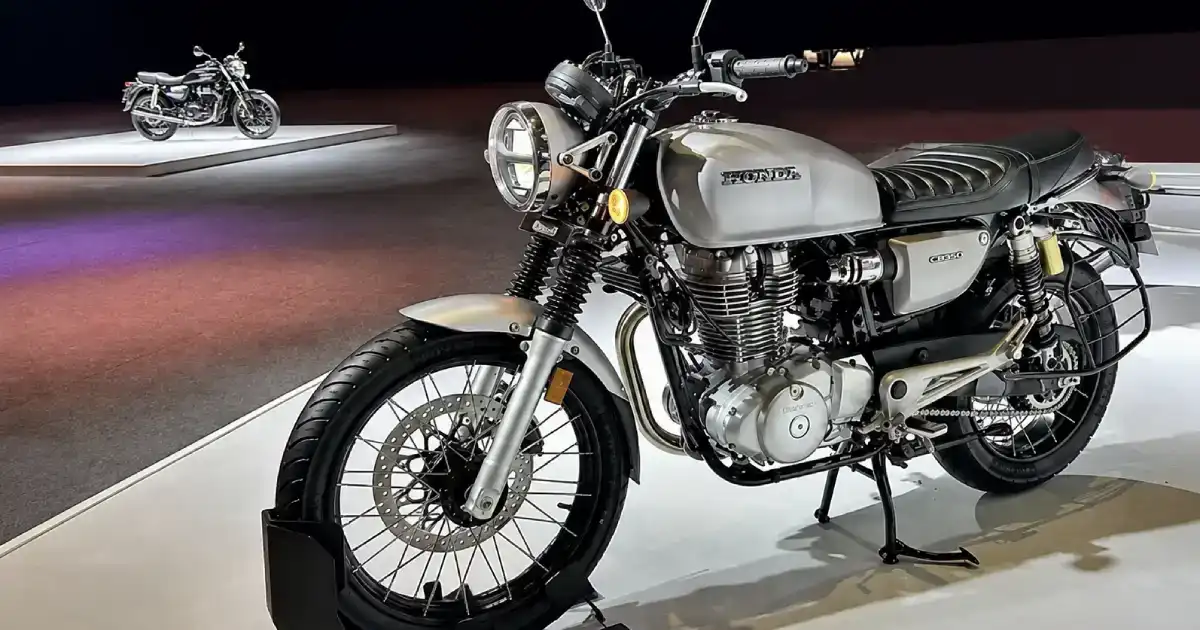
- Engine: 471cc liquid-cooled parallel-twin, DOHC, 4 valves per cylinder
- Horsepower: Around 47 hp at 8,600 rpm
- Torque: Around 32 lb-ft at 6,500 rpm
- Length: Approximately 81.1 inches (2,060 mm)
- Width: Approximately 31.1 inches (790 mm)
1. Honda CB500 Series: A Reliable Choice for Daily Riders
The Honda CB500 series has earned a strong reputation among motorcycle mechanics throughout the United States because of its simple engineering, dependable performance, and affordable maintenance needs.
Models such as the CB500F, CBR500R, and CB500X are frequently recommended to riders searching for a used motorcycle that can provide years of dependable service. The parallel twin engine design offers a good balance between fuel efficiency and usable power, making these bikes suitable for commuters, beginners, and experienced riders who want a practical machine.
Mechanics appreciate the CB500 platform because it avoids unnecessary complexity. The engine is known for lasting high mileage when owners follow regular maintenance schedules, including oil changes, chain care, valve inspections, and proper cooling system checks.
Many repair shops find that these motorcycles arrive for routine services rather than major engine repairs. The availability of replacement parts also helps keep ownership costs reasonable, which is an important factor for used motorcycle buyers.
Another positive feature is the bike’s manageable size. Riders who use motorcycles for commuting often value a machine that is comfortable in traffic, easy to handle at low speeds, and efficient on fuel.
The CB500 models provide enough performance for highway riding while remaining forgiving for less experienced riders. Mechanics often recommend these bikes because they rarely surprise owners with unexpected repair bills.
Used Honda CB500 models from the last decade can represent excellent value because depreciation reduces the purchase price while reliability remains strong. Many examples have been used as commuter bikes, meaning they may have accumulated miles but received consistent servicing.
A well-maintained CB500 with service records can often be a safer purchase than a lower-mileage motorcycle that has been neglected.
For riders shopping in the used market, mechanics commonly suggest checking for signs of proper ownership, including clean oil, smooth shifting, healthy tires, working electronics, and evidence of scheduled maintenance.
A Honda CB500 with responsible ownership history is considered a practical investment for riders who want dependable transportation without excessive maintenance demands.
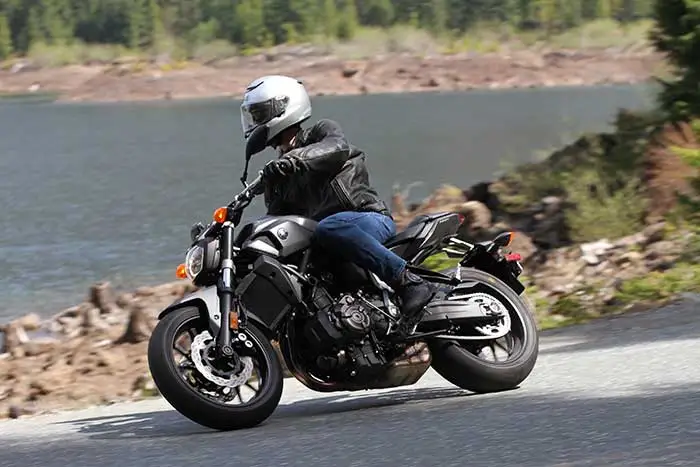
- Engine: 689cc liquid-cooled parallel-twin, DOHC, 4 valves
- Horsepower: Around 74 hp at 9,000 rpm
- Torque: Around 50 lb-ft at 6,500 rpm
- Length: Approximately 82.1 inches (2,085 mm)
- Width: Approximately 29.9 inches (760 mm)
2. Yamaha FZ-07 and MT-07: A Mechanic Favorite for Fun and Reliability
The Yamaha FZ-07, later renamed the MT-07 in many markets, is frequently praised by motorcycle professionals for its excellent engine design and low ownership costs.
Yamaha’s 689cc parallel twin engine has developed a reputation for durability, strong low-end torque, and simple maintenance requirements. Many mechanics consider it a motorcycle that delivers excitement without creating unnecessary repair challenges.
The engine’s reliability is a major reason shops recommend this model. The CP2 engine platform has been used successfully across several Yamaha motorcycles and is known for handling daily riding, weekend trips, and aggressive use when properly maintained.
Mechanics often see these bikes reach significant mileage without major internal engine problems, provided owners keep up with oil changes and basic service needs.
The FZ-07 and MT-07 also benefit from Yamaha’s approach to keeping motorcycles mechanically straightforward. The design does not rely on excessive electronic systems or complicated components that can become expensive as the bike ages.
This simplicity helps reduce repair costs and makes routine maintenance easier for both professional technicians and owners who perform basic work themselves.
Used examples are popular because they offer strong performance at reasonable prices. Riders often choose these motorcycles because they are lightweight, comfortable, and enjoyable on city streets or winding roads.
Mechanics frequently mention that these bikes are difficult to dislike because they combine reliability with an engaging riding experience.
When buying a used FZ-07 or MT-07, professionals recommend checking suspension condition, tire wear, chain maintenance, and signs of hard abuse. Many of these bikes are popular with newer riders, so some examples may have been dropped or modified poorly. A stock motorcycle with service records is usually the preferred option among experienced buyers.
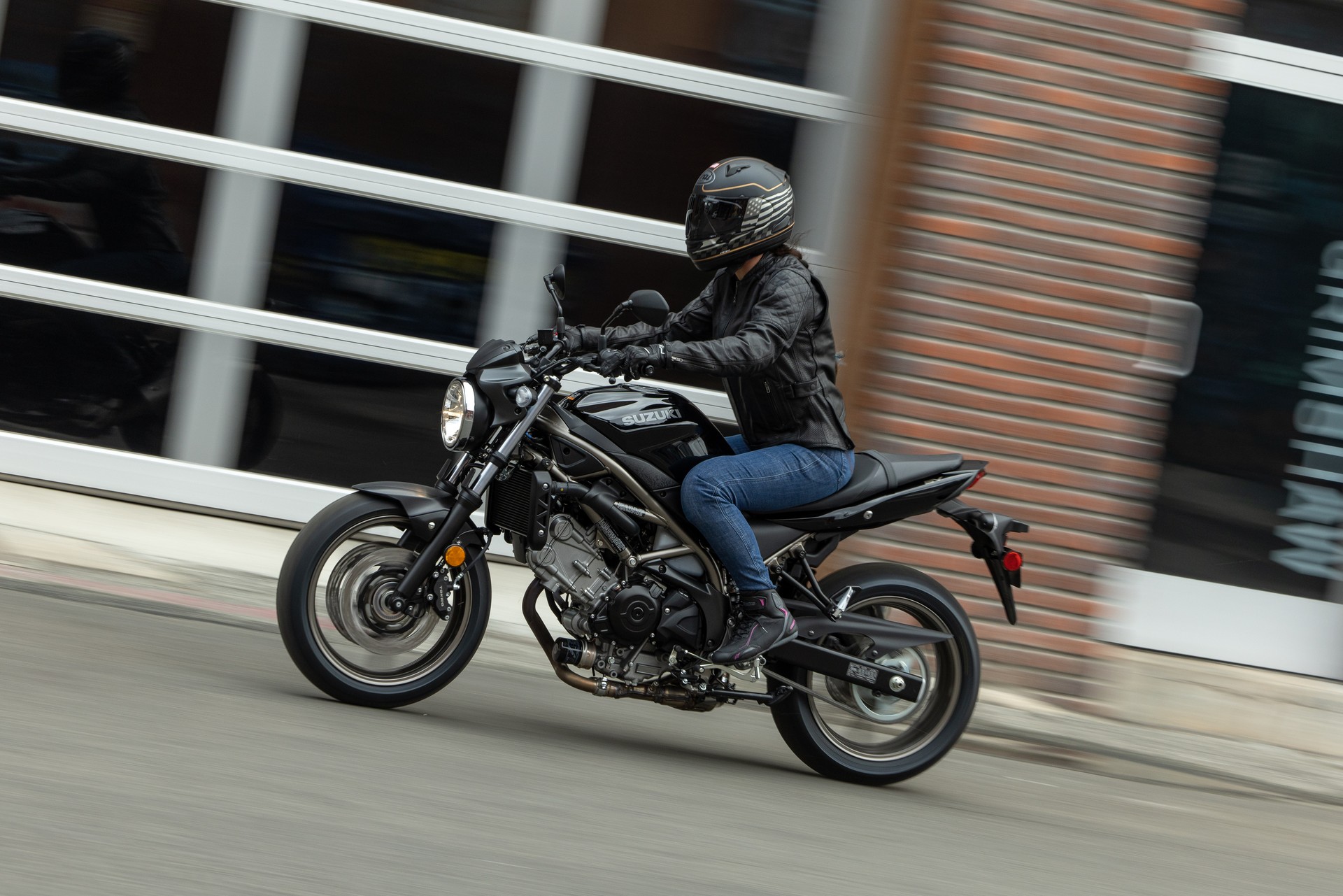
- Engine: 645cc liquid-cooled 90-degree V-twin, DOHC
- Horsepower: Around 75 hp at 8,500 rpm
- Torque: Around 47 lb-ft at 8,100 rpm
- Length: Approximately 84.8 inches (2,155 mm)
- Width: Approximately 30.3 inches (770 mm)
3. Suzuki SV650: A Long-Standing Reliable Performer
The Suzuki SV650 has been recommended by mechanics for decades because of its proven V-twin engine, comfortable riding position, and strong reliability record.
Many motorcycle technicians view the SV650 as a dependable machine that can serve commuters, touring riders, and weekend enthusiasts. Its mechanical simplicity has helped it remain popular in the used market.
The 645cc V-twin engine is one of the motorcycle’s biggest strengths. It delivers smooth power, good fuel economy, and enough performance for a wide range of riders. Mechanics often praise the engine because it does not typically require complicated repairs when maintained correctly. Many SV650 owners report years of reliable service with regular maintenance.
The motorcycle’s popularity also helps owners find parts, repair information, and aftermarket support. When a bike has been sold for many years, mechanics become familiar with common service points and potential issues.
The SV650 benefits from this familiarity because technicians generally know how to diagnose and repair these motorcycles efficiently. Many used SV650 models are available at reasonable prices, making them attractive for riders who want a quality motorcycle without paying premium prices.
The bike’s comfortable ergonomics also make it suitable for longer rides compared with some sport-focused motorcycles. This versatility is a major reason it continues to receive positive recommendations. Before purchasing a used SV650, mechanics suggest checking the cooling system, charging system, suspension components, and maintenance history.
Older examples may need age-related repairs, but a properly cared-for SV650 remains a strong choice. Its combination of reliability, affordability, and enjoyable performance keeps it high on many shop recommendation lists.
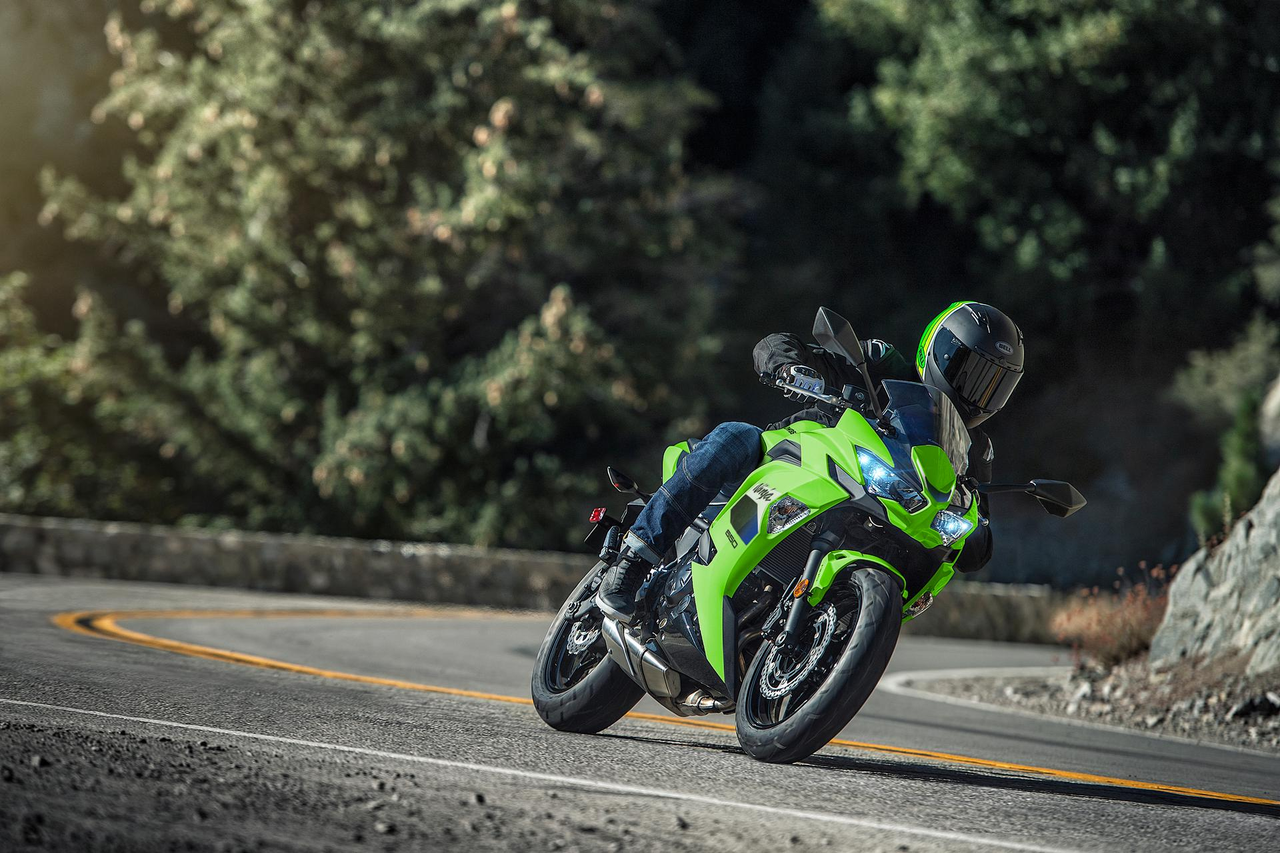
- Engine: 649cc liquid-cooled parallel-twin, DOHC, 8 valves
- Horsepower: Around 67 hp at 8,000 rpm
- Torque: Around 48 lb-ft at 6,700 rpm
- Length: Approximately 80.9 inches (2,055 mm)
- Width: Approximately 29.9 inches (760 mm)
4. Kawasaki Ninja 650: Sporty Performance Without Excessive Problems
The Kawasaki Ninja 650 is another motorcycle commonly recommended by repair professionals because it offers sportbike styling with practical reliability.
Many riders want the appearance and excitement of a sport motorcycle but do not need extreme performance. The Ninja 650 fills that role by providing comfortable ergonomics, manageable power, and dependable mechanical components.
Mechanics often appreciate the Ninja 650 because its engine platform has proven durable over many years. The parallel twin engine provides enough power for highway riding while maintaining reasonable maintenance costs.
Regular servicing, including oil changes, chain adjustments, and brake inspections, usually keeps these motorcycles running well.
The bike’s popularity in the United States means owners have access to many replacement parts and experienced technicians. This reduces the difficulty of ownership compared with less common motorcycles. Shops often prefer working on models with established service histories because repairs can be completed more efficiently.
Used Ninja 650 motorcycles can offer excellent value for riders who want a versatile machine. They work well for commuting, weekend rides, and longer trips. The upright riding position is more comfortable than many aggressive sportbikes, which makes it appealing to a wider range of riders.
Mechanics recommend looking for examples without excessive modifications. Some owners install performance parts or make changes that can reduce reliability. A mostly stock Ninja 650 with documented maintenance is usually considered a safer purchase and can provide many years of enjoyable riding.
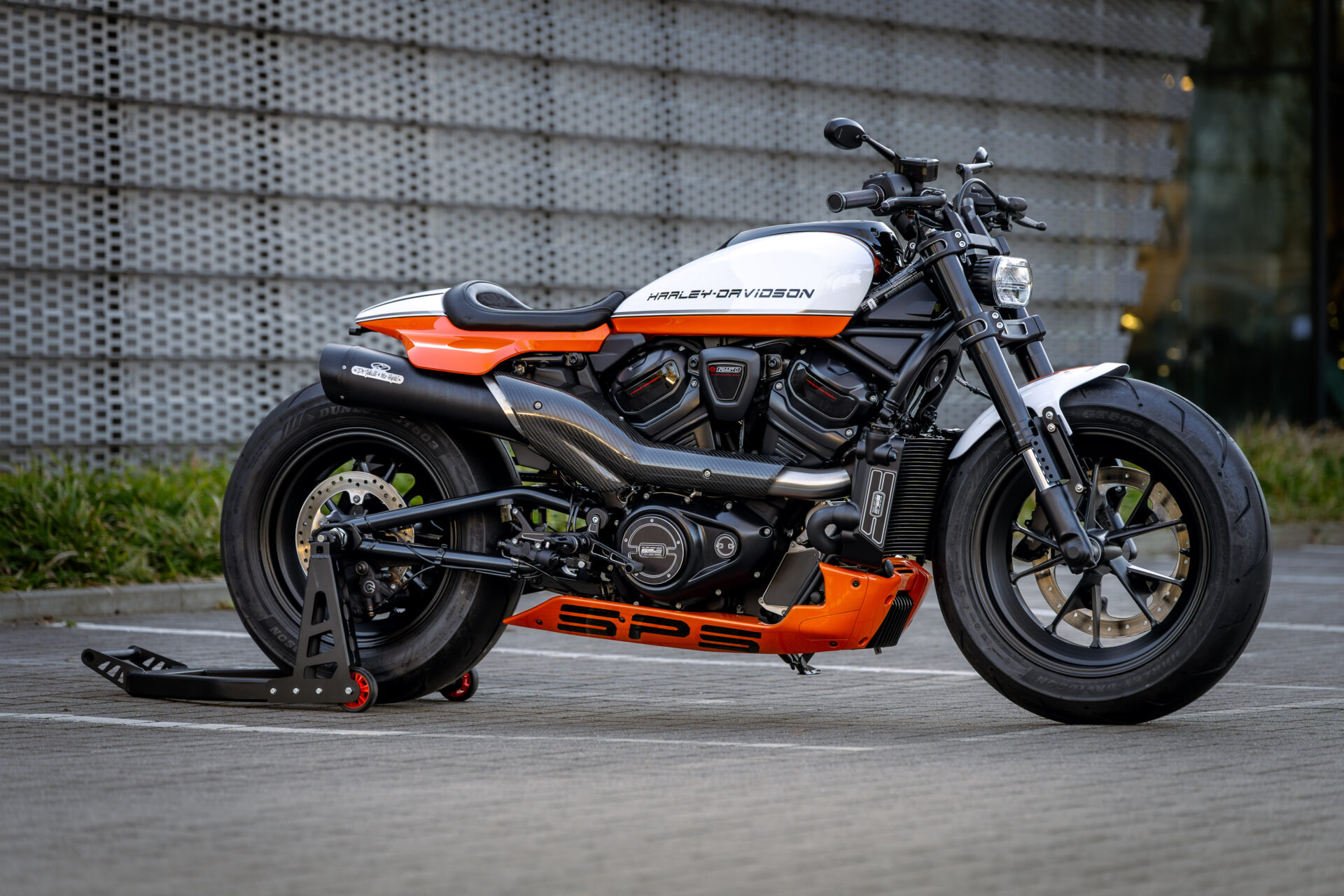
- Engine: 883cc or 1,202cc air-cooled Evolution V-twin
- Horsepower: Around 50 hp (883) to 60 hp (1200)
- Torque: Around 54 lb-ft (883) to 73 lb-ft (1200)
- Length: Approximately 87.6 inches (2,225 mm) depending on model
- Width: Approximately 32 inches (815 mm) depending on model
5. Harley-Davidson Sportster: A Durable American Classic
The Harley-Davidson Sportster has been a common recommendation among mechanics who understand cruiser motorcycles.
While opinions about Harley-Davidson models vary, many technicians recognize the Sportster family for its simple mechanical design, strong aftermarket support, and long production history. These factors make finding parts and repair knowledge relatively easy.
The Sportster’s air-cooled V-twin engine is known for its straightforward construction. Mechanics often appreciate that many repairs can be completed without specialized equipment compared with more complicated motorcycles. Owners who perform regular maintenance can often keep these bikes running for many years.
The large number of Sportsters sold in the United States contributes to their strong used market. Buyers can find many examples at different price points, from older models to newer versions. This availability allows shoppers to compare condition, mileage, and maintenance records before making a decision.
Mechanics often recommend Sportsters for riders who enjoy relaxed riding, customization options, and traditional motorcycle character. The bikes are not designed for maximum speed or aggressive cornering, but they perform well for cruising and everyday riding. Their comfortable nature appeals to many motorcycle owners.
When purchasing a used Sportster, experts suggest checking for oil leaks, electrical issues, clutch operation, and evidence of proper servicing. A well-maintained example can be a reliable motorcycle with strong resale value and a large community of owners.
5 Used Bikes Mechanics Often Avoid
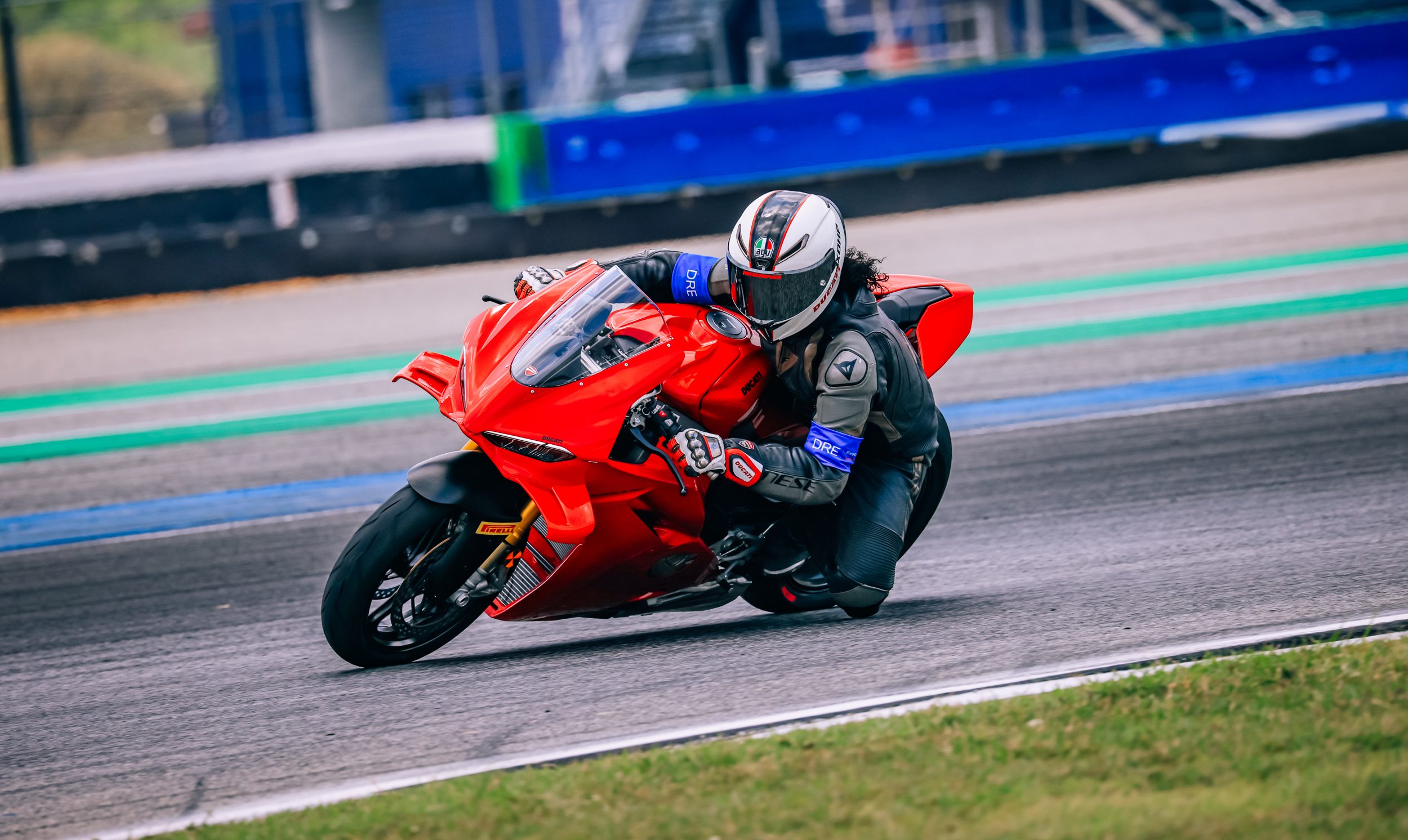
- Engine: 1,198cc to 1,285cc liquid-cooled L-twin, DOHC, 4 valves per cylinder
- Horsepower: Around 195 hp (1199) to 197 hp (1299)
- Torque: Around 98 lb-ft (1199) to 101 lb-ft (1299)
- Length: Approximately 81.1 inches (2,060 mm)
- Width: Approximately 31.1 inches (790 mm)
1. Ducati Panigale V-Twin and Superbike Models: High Performance With Expensive Ownership
Ducati motorcycles are admired for their incredible performance, Italian design, and advanced engineering, but many mechanics become cautious when evaluating used Ducati superbikes with unclear maintenance histories.
Models such as the Ducati 1199 Panigale, 1299 Panigale, and earlier high-performance Ducati motorcycles can become expensive ownership choices when previous owners have skipped scheduled services. The issue is usually not the motorcycle’s capability, but the cost and complexity involved in keeping it properly maintained.
Ducati engines often require specialized service procedures, including valve inspections and manufacturer-specific maintenance schedules. When these services are delayed, repair costs can increase quickly.
Mechanics frequently see buyers attracted by lower used prices without understanding that premium motorcycles often require premium maintenance budgets. A motorcycle that appears affordable at purchase can become expensive if major service items are overdue.
Professional technicians often recommend checking complete service records before purchasing a used Ducati. A well-maintained Ducati can be an excellent motorcycle, but examples with missing documentation create uncertainty.
Mechanics are usually more comfortable recommending bikes that have simpler maintenance requirements and lower repair costs for the average used buyer.
Another concern involves previous ownership habits. High-performance Ducati models are often purchased by riders who enjoy aggressive riding, track days, or performance modifications.
These activities are not automatically harmful, but they can increase wear on components such as clutches, brakes, suspension parts, and tires.
For buyers considering a used Ducati, a detailed inspection from a technician familiar with the brand is strongly recommended. A clean example with proper maintenance can be rewarding, but neglected models may create expensive repair challenges.
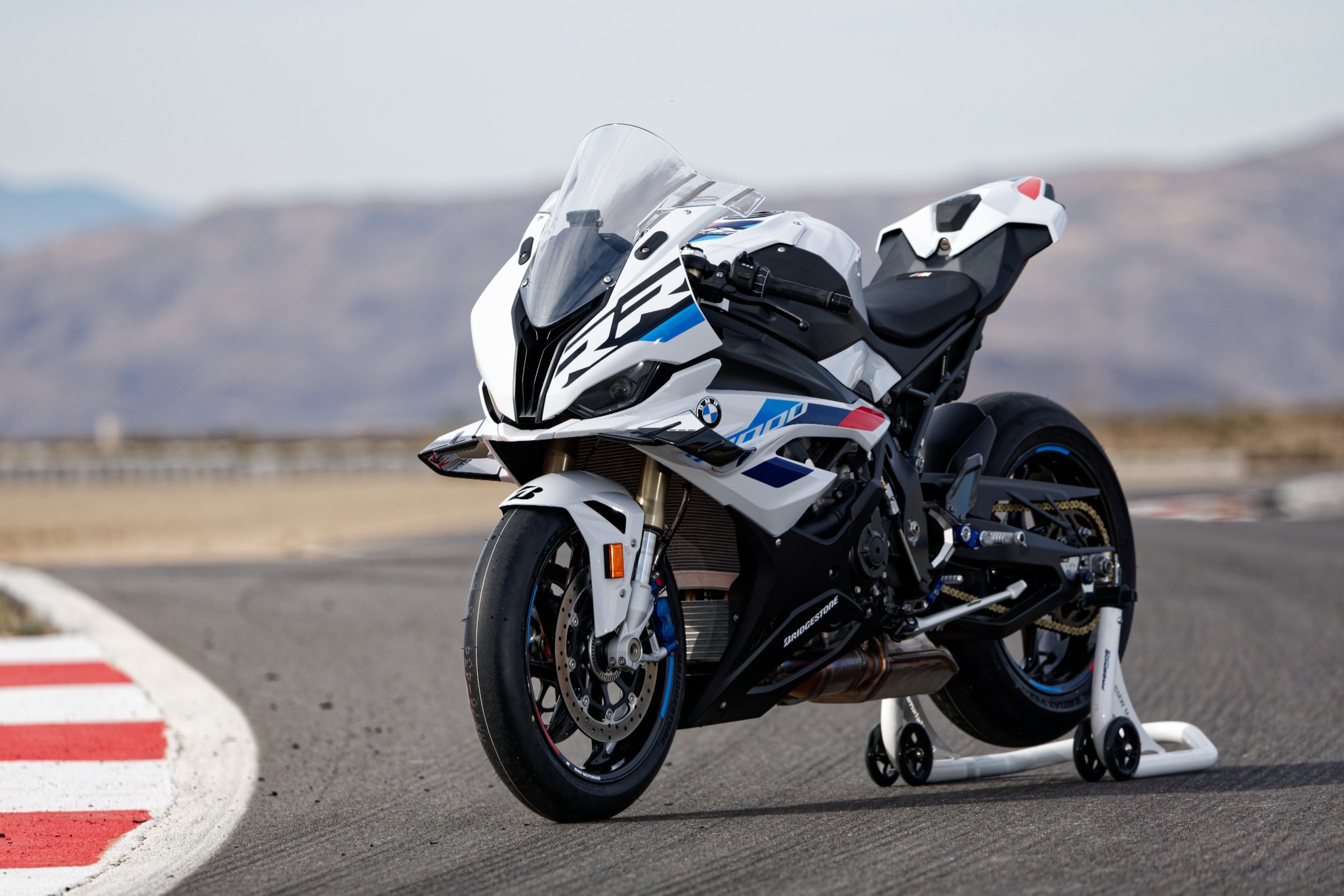
- Engine: 999cc liquid-cooled inline-four, DOHC, 16 valves
- Horsepower: Around 205 hp at 13,500 rpm
- Torque: Around 83 lb-ft at 11,000 rpm
- Length: Approximately 81.1 inches (2,060 mm)
- Width: Approximately 33.3 inches (846 mm) including mirrors
2. BMW S1000RR: Advanced Technology With Costly Repairs
The BMW S1000RR is recognized as one of the most impressive modern sport motorcycles, offering outstanding performance, advanced electronics, and exceptional engineering.
However, many mechanics advise caution when buying used examples without complete maintenance records. The same technology that makes the S1000RR impressive can also increase repair complexity as the motorcycle ages.
The S1000RR includes advanced systems such as electronic rider aids, sophisticated engine management, and premium components. These features improve performance and safety, but they can require specialized diagnostic equipment and trained technicians when problems occur. Repair costs are often higher compared with simpler motorcycles.
Mechanics frequently mention that used S1000RR models should be purchased carefully because some examples may have experienced hard riding. Sportbike owners often push these machines to their limits, including track use.
A motorcycle that looks clean externally may still have experienced significant stress on its engine, transmission, brakes, or suspension.
Maintenance history is especially important with high-performance BMW models. Regular servicing, proper fluid changes, and inspection records help show whether the motorcycle received appropriate care. Without this information, buyers may face unexpected expenses after purchase.
The BMW S1000RR can be an excellent motorcycle for experienced riders who understand its requirements. However, mechanics often suggest that average used buyers consider simpler alternatives if they want lower maintenance costs and fewer potential repair complications.
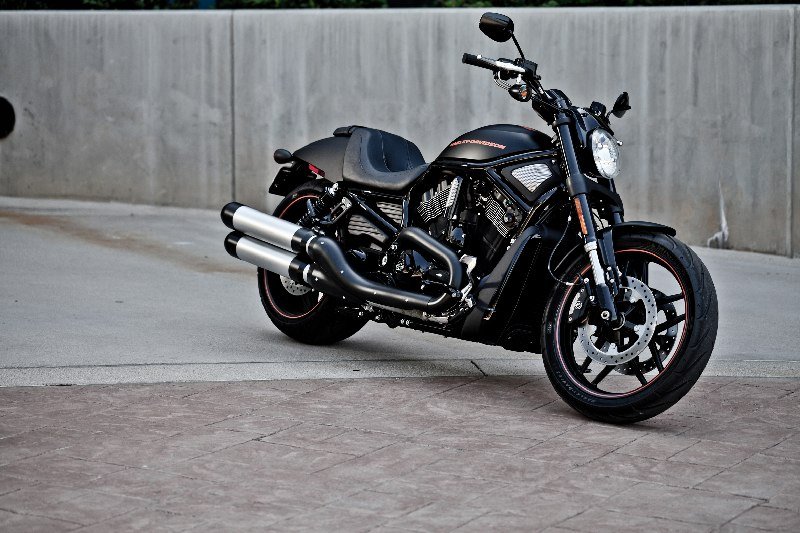
- Engine: 1,247cc liquid-cooled Revolution V-twin
- Horsepower: Around 115 hp
- Torque: Around 74 lb-ft
- Length: Approximately 94.9 inches (2,410 mm)
- Width: Approximately 35.0 inches (890 mm)
3. Harley-Davidson V-Rod: Powerful Engine With Limited Practicality
The Harley-Davidson V-Rod remains a unique motorcycle because of its collaboration with Porsche engineering and its liquid-cooled Revolution engine.
While it has a strong fan base, some mechanics hesitate to recommend used V-Rod models because of parts availability, specialized components, and ownership considerations compared with more common Harley-Davidson motorcycles.
The V-Rod’s engine design differs significantly from traditional Harley-Davidson engines. This means some technicians who regularly work on classic Harley models may have less familiarity with certain repairs. Specialized knowledge can increase service costs in some areas.
Another challenge is that the V-Rod was discontinued, which can make certain parts and accessories harder to locate compared with current production motorcycles. While many parts remain available through aftermarket suppliers, buyers should research availability before purchasing an older example.
Mechanics also point out that some V-Rod owners modify their motorcycles heavily. Performance upgrades, custom tuning, and aftermarket changes can affect reliability if they were not completed correctly. A poorly modified motorcycle can create additional diagnostic problems.
A well-maintained Harley-Davidson V-Rod can still be a reliable and enjoyable motorcycle. The concern from mechanics usually focuses on buyers who want easy ownership, affordable repairs, and simple maintenance. For those priorities, more common Harley models may be easier choices.
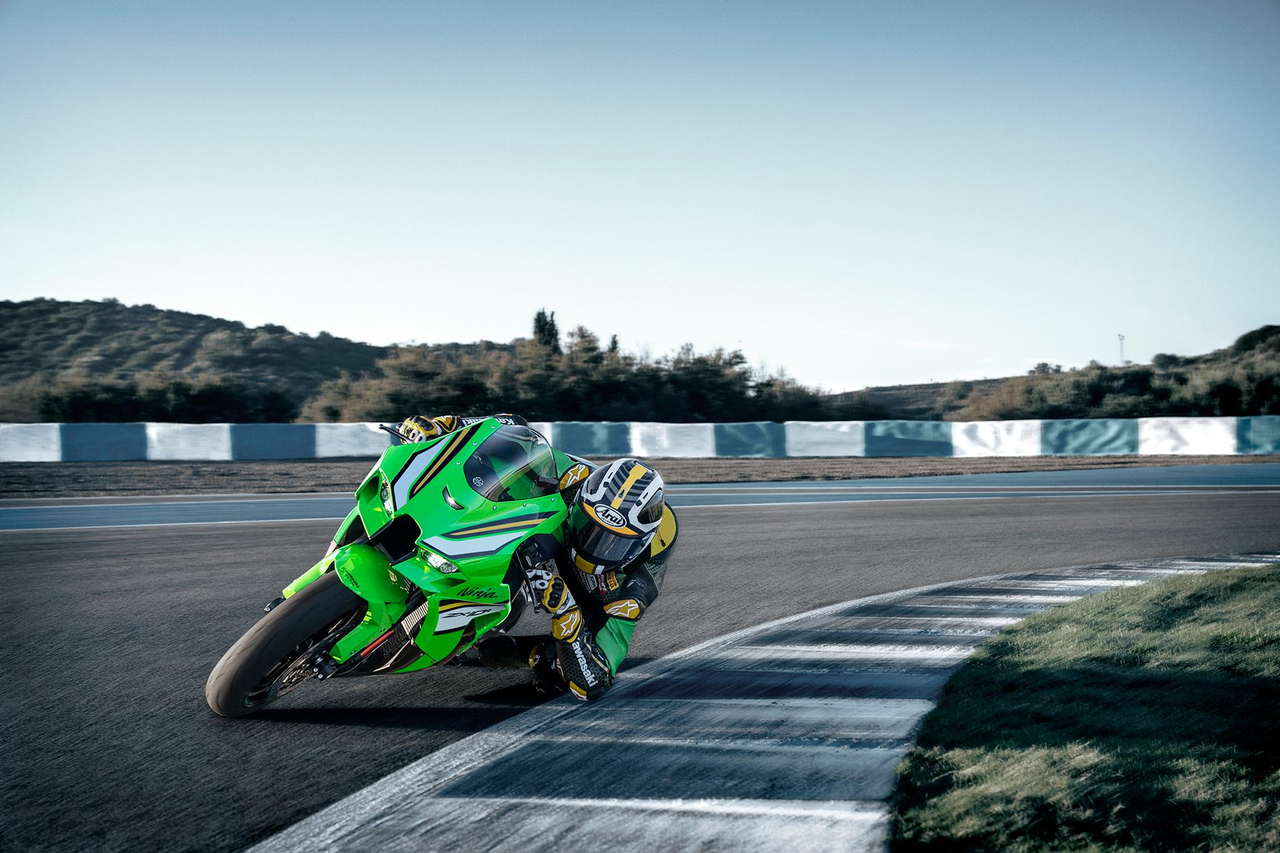
- Engine: 998cc liquid-cooled inline-four, DOHC, 16 valves
- Horsepower: Around 200 hp (varies by year)
- Torque: Around 84 lb-ft
- Length: Approximately 82.1 inches (2,085 mm)
- Width: Approximately 29.1 inches (740 mm)
4. Kawasaki ZX-10R: Extreme Performance and Possible Abuse History
The Kawasaki ZX-10R is one of the most capable sport motorcycles available, known for its powerful engine, sharp handling, and racing-inspired design.
However, mechanics often recommend caution when buying used examples because many ZX-10R motorcycles have been ridden aggressively or modified for performance.
High-performance sport bikes attract riders who enjoy fast riding, track events, and aftermarket upgrades. While responsible use is not a problem, these motorcycles can experience increased wear when pushed hard. Components such as clutches, brakes, tires, suspension systems, and engines may require closer inspection.
Mechanics often advise buyers to look beyond mileage numbers. A low-mileage ZX-10R that has spent time on a racetrack may have more wear than a higher-mileage motorcycle used for normal street riding. Service records and owner history provide valuable information when evaluating these bikes.
The advanced performance equipment found on modern ZX-10R models can also increase repair costs. Electronics, suspension components, and engine parts may require more expensive repairs compared with beginner-friendly motorcycles.
The Kawasaki ZX-10R is not considered a bad motorcycle. It is respected for its performance and engineering. The reason mechanics often hesitate is that used examples require careful screening to avoid buying a machine that has been neglected or heavily abused.
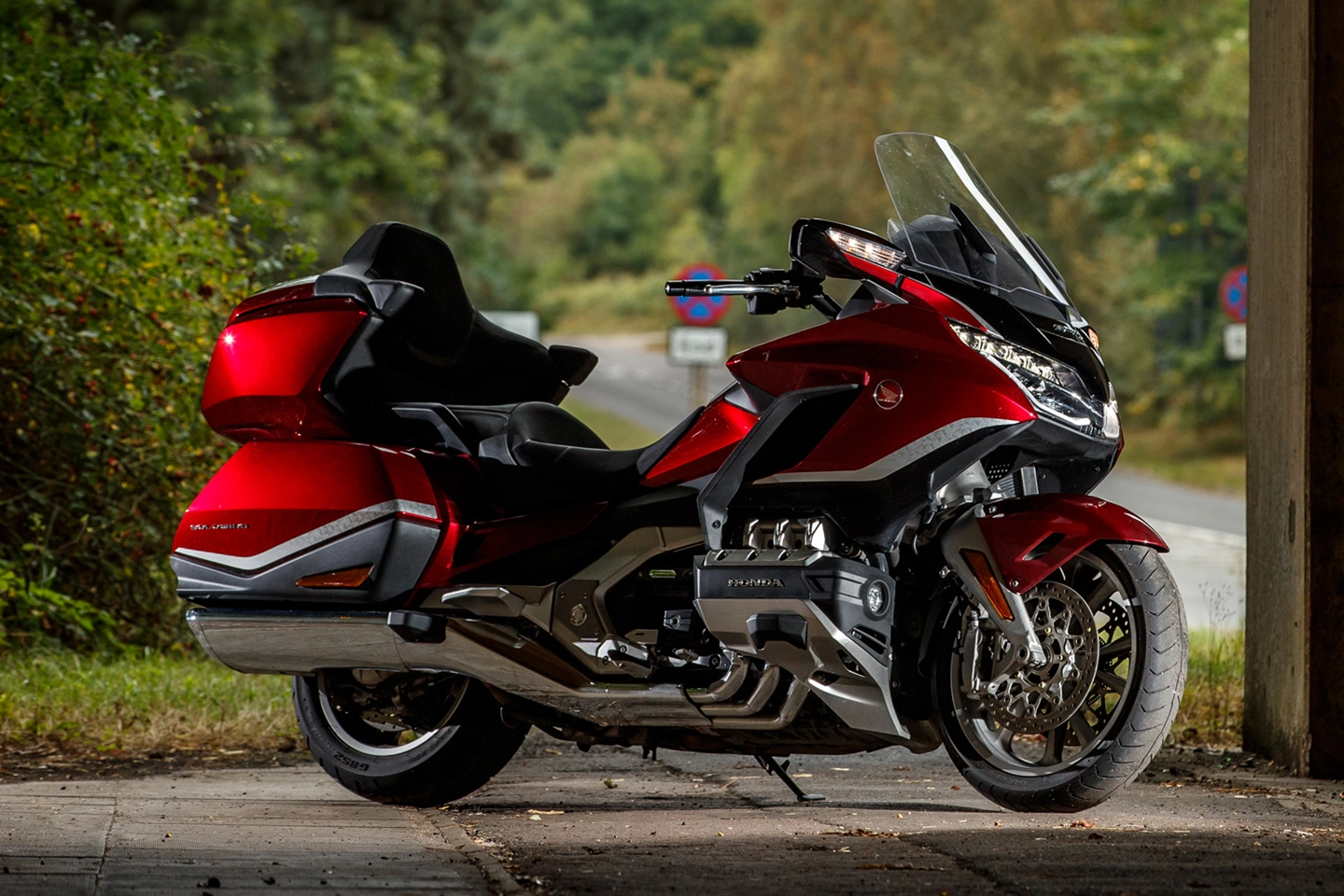
- Engine: 1,833cc liquid-cooled horizontally opposed six-cylinder, SOHC
- Horsepower: Around 125 hp
- Torque: Around 125 lb-ft
- Length: Approximately 104.3 inches (2,650 mm)
- Width: Approximately 35.4 inches (900 mm)
5. Honda Gold Wing GL1800: Expensive Repairs on Older Touring Models
The Honda Gold Wing GL1800 is famous for comfort, long-distance capability, and impressive reliability. However, mechanics sometimes advise caution when buyers consider older, high-mileage examples without detailed maintenance records.
The motorcycle’s size, complexity, and number of components can make repairs expensive when problems develop.
Gold Wings include advanced touring features such as integrated electronics, large body panels, comfort systems, and complex electrical components. These features provide an excellent touring experience, but repairs can require more time and labor compared with simpler motorcycles.
Many Gold Wing owners maintain their bikes carefully, and well-serviced examples can last for hundreds of thousands of miles. The concern among mechanics is focused on neglected motorcycles that have accumulated years of use without proper servicing.
Older Gold Wing models can also require attention to age-related issues, including suspension wear, electrical problems, cooling system maintenance, and worn drivetrain components. These repairs may become costly because accessing certain parts requires significant labor.
Mechanics often recommend buying a Gold Wing from an owner who has detailed service records and understands proper maintenance. A carefully maintained example can be a fantastic touring motorcycle, while an ignored high-mileage model can become a major repair project.
Also Read: 10 States Where Owners Keep Their Cars the Longest