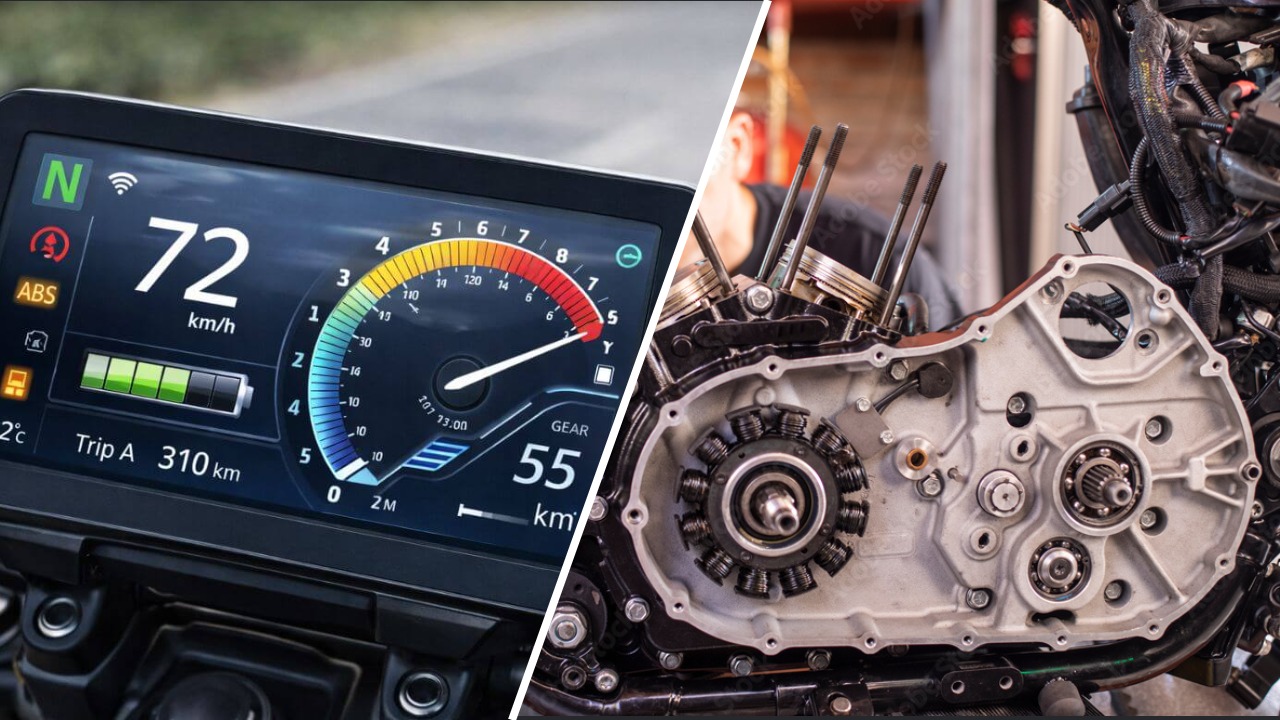
Buying a used motorcycle can be a smart way to own a reliable machine without paying the cost of a brand-new model. However, checking the mileage is one of the most important steps before making a purchase.
Some sellers may alter the odometer reading to show fewer kilometers or miles, making the motorcycle appear newer and more valuable than it really is. A swapped instrument cluster, modified digital display, or inconsistent maintenance history can reveal the truth.
Knowing the warning signs of fake mileage helps buyers make better decisions, avoid expensive repairs, and choose a motorcycle with genuine usage records and condition.
Also Read: 10 Hybrids That Miss Their EPA Numbers by the Widest Margin
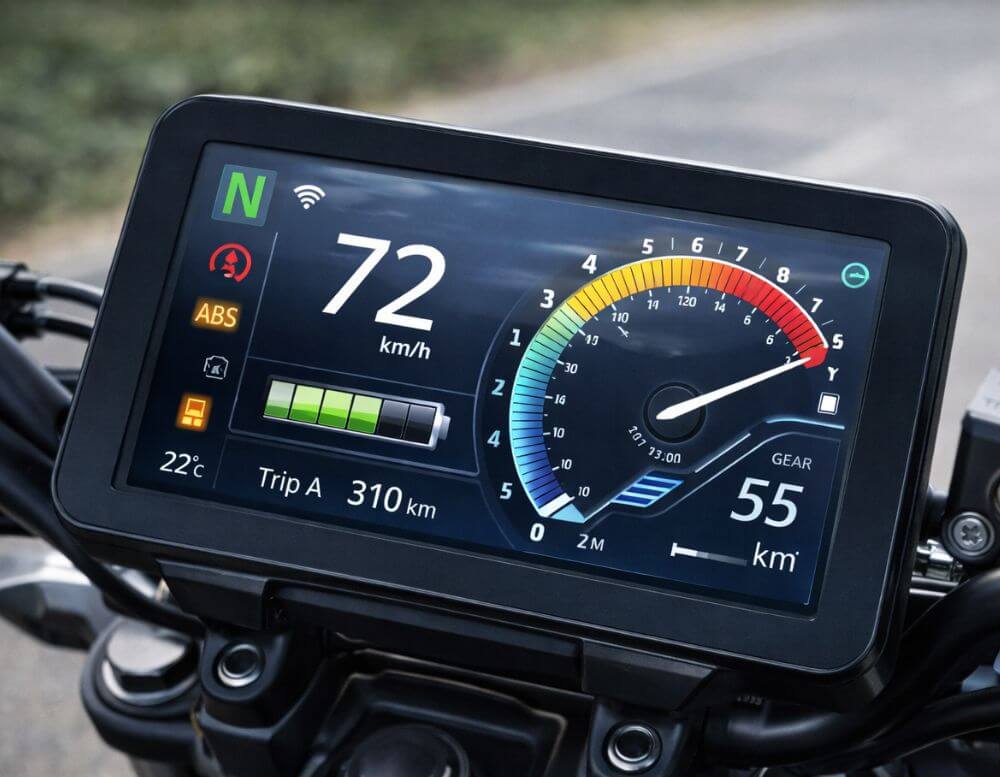
1. The Instrument Cluster Looks Newer Than the Motorcycle
A motorcycle’s instrument cluster often provides the first clue about possible mileage fraud. If the display unit appears unusually fresh compared with the rest of the bike, it may have been replaced.
Scratches, faded plastics, worn buttons, and aging marks usually develop over years of regular use. When the cluster looks almost untouched while the fuel tank, switches, seat, and body panels show heavy wear, there may be a mismatch between the displayed mileage and the motorcycle’s actual history.
A replacement cluster is not always proof of dishonest activity. Instrument panels can fail because of electrical problems, accidents, water damage, or manufacturing issues. Some owners replace damaged units with used or new parts to keep the motorcycle working properly.
However, a buyer should ask for documents explaining why the replacement happened and when it was installed. A genuine replacement usually has a clear reason and supporting records.
The mounting points around the instrument cluster can also provide useful information. Factory-installed clusters usually sit firmly with matching screws, brackets, and connectors.
If screws appear damaged, recently removed, or different from the surrounding hardware, the unit may have been opened or replaced. Signs of tool marks around the dashboard area deserve closer attention before completing a purchase.
Digital motorcycles are especially difficult to judge because modern displays do not always show physical wear like older mechanical odometers.
A clean screen can still hide a history of high usage. Buyers should inspect the entire motorcycle instead of trusting the number shown on the display. The condition of the machine must match the claimed mileage.
A motorcycle advertised with extremely low mileage should always be checked carefully. For example, a five-year-old motorcycle showing very few kilometers should still have signs of regular use, aging parts, and maintenance records.
If the cluster condition, bike condition, and paperwork do not match, the mileage reading may not represent the motorcycle’s true distance traveled.
2. The Wear on the Motorcycle Does Not Match the Claimed Mileage
Physical wear is one of the strongest indicators of a motorcycle’s real usage. A bike showing low mileage should generally have limited wear on parts that riders frequently touch and use.
Hand grips, foot pegs, brake pedals, gear levers, seats, and handlebar controls naturally become worn after thousands of kilometers. Excessive wear in these areas can suggest the motorcycle has traveled much farther than the odometer indicates.
Handlebar grips can reveal a surprising amount about a motorcycle’s history. A machine claiming very low mileage but showing smooth, shiny, or heavily damaged grips may have been used extensively.
The same applies to foot controls. Riders place pressure on these components every time they operate the motorcycle, creating wear patterns that are difficult to hide completely.
The seat condition can also tell a story. A motorcycle used frequently may have compressed foam, faded covers, cracks, or repaired areas. A replacement seat can hide some signs, but the surrounding parts may still show evidence of regular use. Buyers should compare the seat condition with the mileage claim and ask whether replacements were performed.
Brake components provide additional clues. Brake discs develop wear marks over time, and brake pads require replacement after repeated use.
A motorcycle with very low mileage should usually not have heavily worn braking parts unless it has been ridden in demanding conditions. If multiple components suggest high usage, the displayed mileage deserves further investigation.
A careful inspection should focus on the entire motorcycle rather than a single part. Sellers attempting to hide mileage may replace visible components while leaving other signs behind. Looking at tires, suspension parts, chain condition, engine areas, and controls together creates a clearer picture of the motorcycle’s actual age and usage.
3. Service Records Do Not Match the Odometer Reading
Maintenance records are among the most reliable ways to verify a motorcycle’s mileage. Many owners service their motorcycles at regular intervals, and dealerships often record the odometer reading during inspections and repairs.
If service documents show higher mileage than the current display, it is a strong indication that the cluster may have been changed or the reading was altered.
A motorcycle’s service history should include details such as oil changes, filter replacements, repairs, and inspections. These records create a timeline showing how the bike was used over time. When the timeline suddenly becomes inconsistent, buyers should ask questions before making a decision. Missing records are not always suspicious, but unexplained gaps require attention.
Authorized service centers often maintain digital records for motorcycles they inspect. These records can sometimes reveal previous mileage readings, warranty visits, or repair information.
Asking the seller for permission to verify service history can help confirm whether the odometer reading is accurate. Honest sellers are usually willing to provide reasonable proof.
Private sellers may not always keep every maintenance receipt, especially if they perform basic repairs themselves. In such cases, buyers can use multiple sources of information instead of depending on one document.
The motorcycle’s physical condition, registration history, previous ownership details, and available paperwork should support the mileage claim.
A genuine low-mileage motorcycle usually has a consistent story. The odometer, maintenance history, appearance, and mechanical condition should all point in the same direction. When these details conflict, it is better to investigate further rather than assume the displayed mileage is correct.
4. The Digital Odometer Shows Signs of Tampering
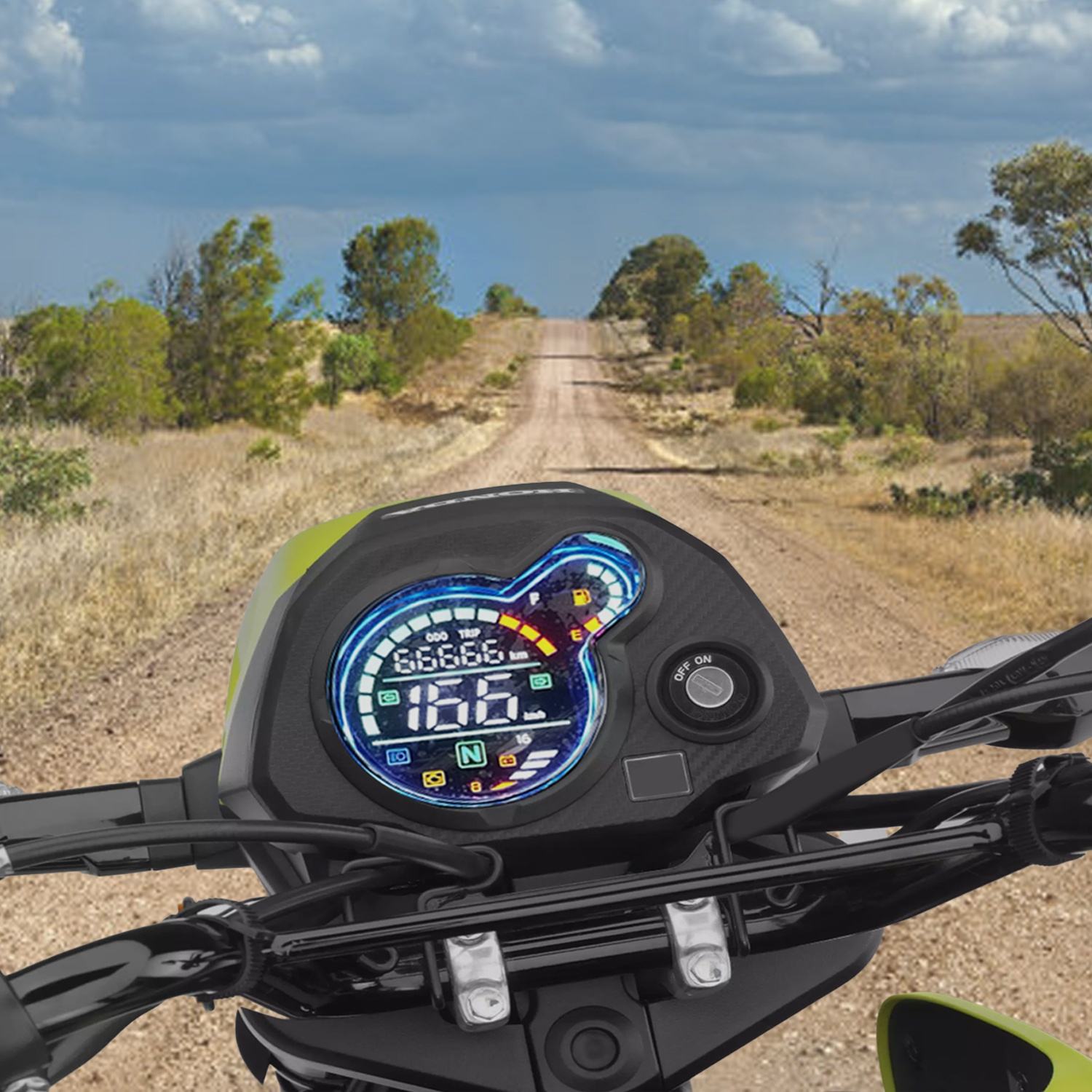
Digital instrument clusters have made mileage changes more complicated because there are no traditional mechanical numbers to inspect.
However, digital systems can still leave signs of interference. Loose wiring, damaged connectors, unusual error messages, or problems with the display may indicate that someone has accessed the cluster or replaced electronic components.
Some motorcycles store mileage information in multiple electronic systems. Depending on the model, data may exist in the instrument cluster, engine control unit, or manufacturer service database.
A mismatch between these sources can reveal that the displayed mileage does not represent the motorcycle’s complete history. Professional inspections may identify these differences.
A swapped cluster may also display incorrect information related to service reminders, warning lights, or calibration settings. If the motorcycle behaves differently from what the display suggests, the buyer should investigate. Electronic parts often communicate with each other, and incorrect data can create unusual behavior.
Buyers should be careful when sellers explain unusual cluster situations without proper documentation. Statements such as “the display was replaced but the mileage was reset” should be supported with repair records.
Without evidence, it becomes difficult to know whether the change was legitimate or intended to reduce the visible mileage.
Checking the instrument cluster should be part of a larger inspection process. A motorcycle with genuine mileage usually has consistent electronic records, physical condition, and ownership history.
When electronic signs combine with other warning signals, the chances of mileage manipulation become higher.
5. The Motorcycle’s Age Does Not Match the Low Mileage Claim
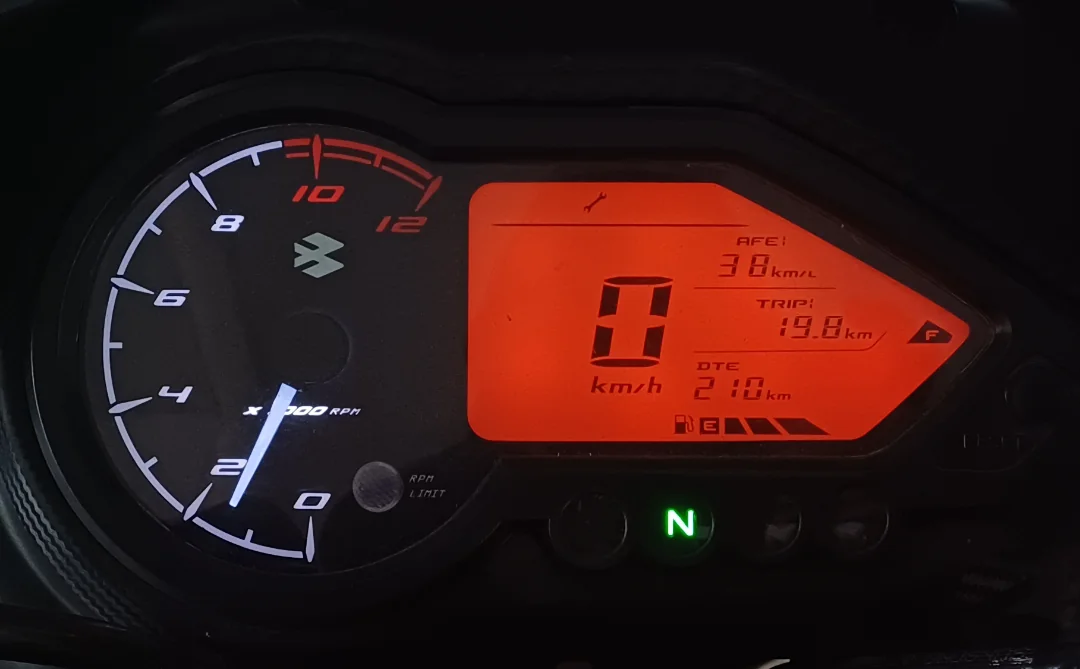
The age of a motorcycle plays an important role when checking whether the mileage is believable. A motorcycle that has been on the road for many years but shows an unusually low distance reading should be inspected carefully.
While some owners genuinely ride their motorcycles very little, extremely low mileage claims require supporting evidence. The motorcycle’s condition should match the number displayed on the odometer.
For example, a motorcycle that is several years old with only a few thousand kilometers may still be genuine if it was used occasionally, stored properly, and maintained regularly.
However, if the bike shows signs of daily riding, frequent repairs, or long-term exposure to weather conditions, the mileage number may not tell the complete story. The condition of the motorcycle often reveals how much use it has experienced.
Storage conditions can affect a motorcycle’s appearance, but they cannot completely hide years of operation. Components such as the engine, suspension, braking system, and drivetrain experience mechanical stress whenever the motorcycle is ridden.
A low-mileage motorcycle should generally have less wear on these important systems compared with a machine that has covered many more kilometers.
The registration date can also help buyers judge whether the mileage claim makes sense. A motorcycle registered many years ago with extremely limited usage should have a believable explanation.
Some owners may use their motorcycles only for weekend rides, seasonal trips, or occasional personal travel. These situations are possible, but the seller should be able to explain the motorcycle’s history clearly.
Buyers should avoid judging mileage based only on the number shown on the display. A motorcycle’s age, ownership pattern, service records, and mechanical condition should all support the claim.
When the motorcycle tells a different story through its worn parts and history, the odometer reading may need additional verification.

6. The Seller Avoids Questions About the Motorcycle’s History
The seller’s behavior can provide important clues when checking a used motorcycle. A trustworthy seller usually knows basic details about the bike, including when it was purchased, how often it was used, where it was serviced, and whether any major repairs were completed. A seller who avoids simple questions or provides unclear answers may be hiding important information.
Mileage fraud often becomes easier to identify when buyers ask for details about ownership history. Questions about previous owners, accident history, maintenance work, and replacement parts can reveal whether the motorcycle has had changes that affect its value.
A seller who provides honest information usually has fewer problems explaining these details.
Pay attention to statements that seem designed to discourage inspection. Some sellers may claim that the motorcycle has very low mileage because it was “barely used” but cannot provide service records or other proof.
Others may rush the buyer into making a quick decision by creating pressure. A careful buyer should always take enough time to inspect the motorcycle properly.
The seller’s willingness to allow a professional inspection is also important. A genuine owner who has maintained the motorcycle properly usually understands the value of an independent check. Refusing inspection, avoiding a mechanic visit, or becoming defensive about normal questions can be warning signs.
A used motorcycle purchase requires trust between buyer and seller, but trust should be supported by evidence. Documents, service history, and a detailed inspection provide stronger confidence than verbal promises. A motorcycle with a genuine history should be easy to explain and verify.
7. The Engine and Mechanical Condition Suggest Higher Usage
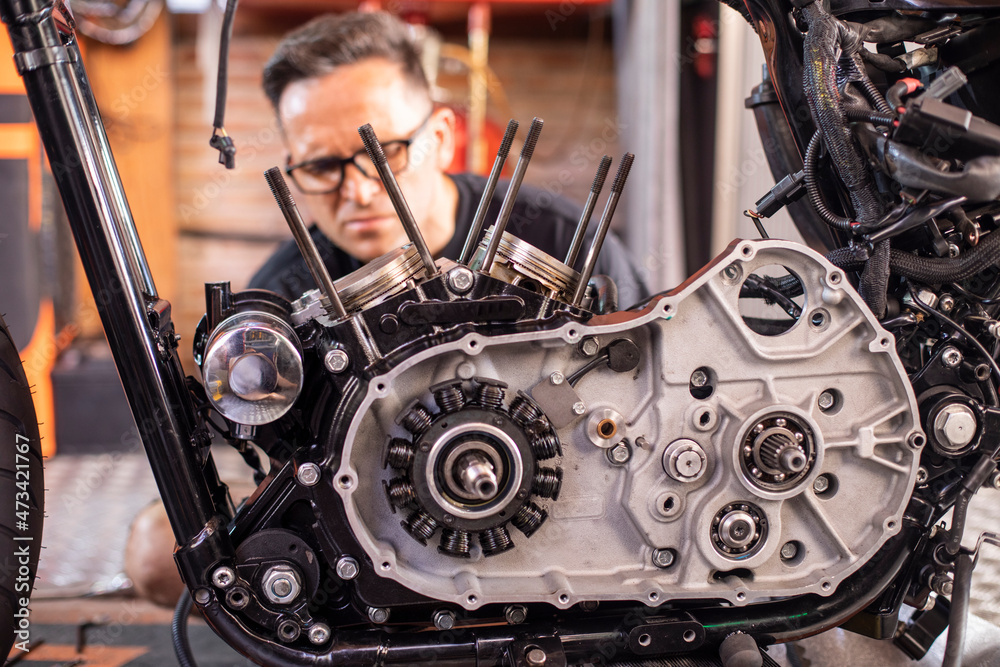
The engine is one of the most important areas to inspect when checking whether a motorcycle’s mileage is accurate. A motorcycle with very low mileage should generally have an engine condition that matches limited use.
Excessive noise, heavy vibration, oil leaks, unusual smoke, or poor performance may suggest that the motorcycle has traveled much farther than the odometer indicates. Mechanical wear develops gradually through regular riding. Engine components, clutch systems, transmission parts, and cooling systems experience stress during operation.
A motorcycle that has covered a high distance may require repairs or replacement of certain parts. If these signs appear on a motorcycle claiming very low mileage, the displayed number should be questioned.
The condition of the chain and sprockets can also reveal usage patterns. These parts require regular maintenance and naturally wear over time.
A motorcycle with a very low mileage claim should not usually have heavily worn drivetrain components unless there is a specific reason. Replacement parts should also be supported by maintenance records.
Suspension performance provides another useful clue. Fork seals, rear shocks, and related components experience repeated movement during riding.
A motorcycle used frequently may show leaks, reduced performance, or signs of adjustment and repair. These details may not directly reveal exact mileage, but they can help determine whether the claimed usage seems realistic.
A professional mechanic can often identify signs of long-term use that are difficult for a regular buyer to notice. Experienced technicians understand normal wear patterns and can compare the motorcycle’s condition with the mileage displayed.
A mechanical inspection before purchase can prevent costly mistakes and help confirm whether the motorcycle’s history is genuine.
8. The VIN and Official Records Reveal Inconsistencies
The vehicle identification number, commonly known as the VIN or chassis number, is a valuable source of information when checking a used motorcycle.
This unique identification number connects the motorcycle to official records, registration information, and sometimes service history. Checking these details can help confirm whether the motorcycle’s background matches what the seller claims.
A swapped instrument cluster does not change the motorcycle’s original identification details. The chassis number remains connected to the motorcycle itself, even if electronic components have been replaced. Buyers should compare the VIN details on the motorcycle with available documents to ensure everything matches correctly.
Registration papers can provide important ownership information, including previous transfers and official details. If the seller’s explanation does not match the available records, buyers should ask for clarification.
Differences in ownership history or missing paperwork may indicate that more investigation is needed before purchasing the motorcycle. Some motorcycles may have replacement parts installed after accidents or repairs. This is not automatically a problem, but important changes should be documented.
A replacement cluster, engine work, or major repair should have a clear explanation. Lack of records makes it harder to determine whether the motorcycle has genuine mileage.
Verifying official information is one of the strongest steps a buyer can take. A motorcycle’s history should create a consistent picture through its identification details, documents, service records, and physical condition. When all these areas match, buyers can feel more confident about the purchase.