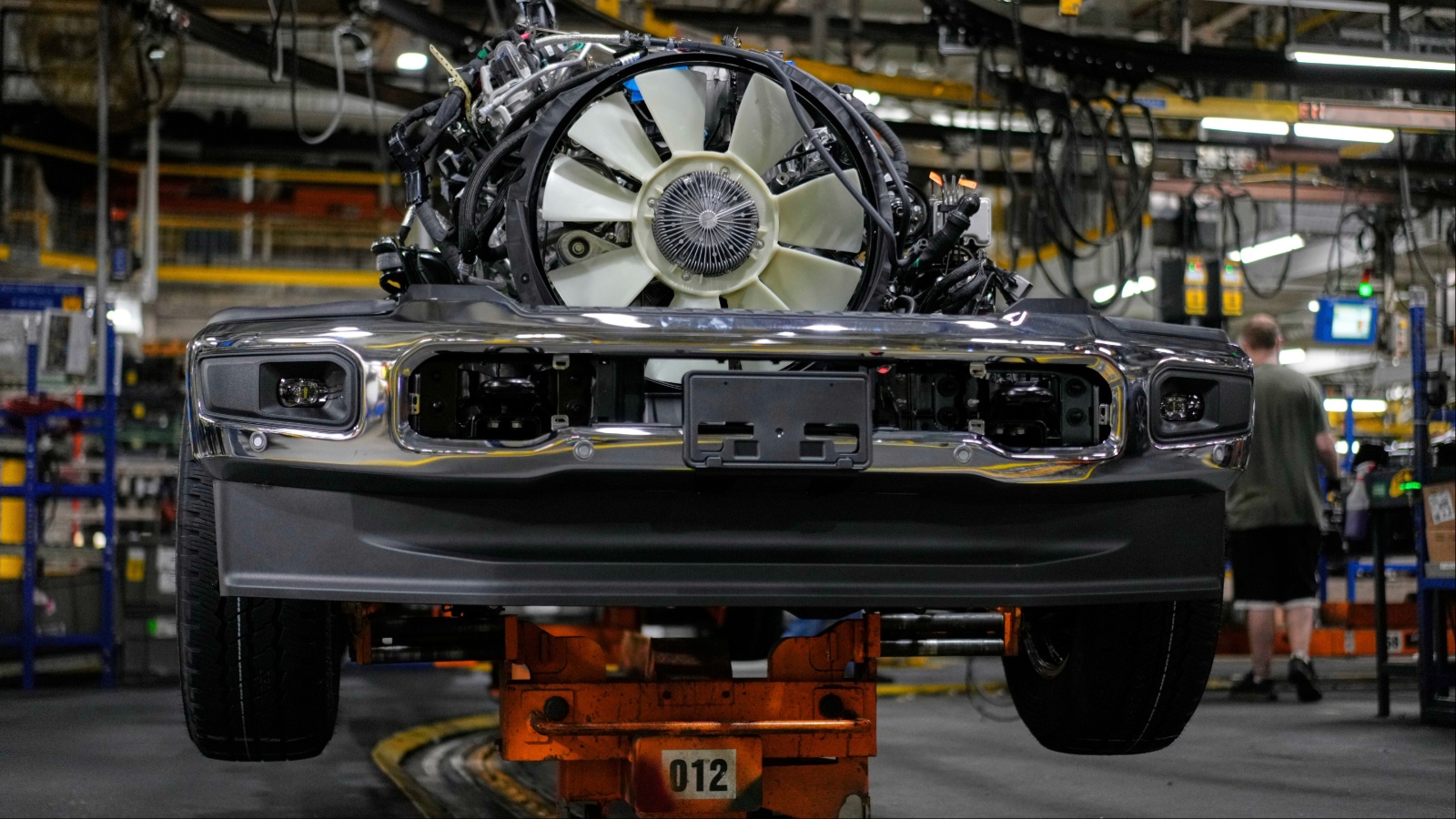
If you’ve picked up a repair estimate lately and noticed the total looks higher than it used to, you’re not imagining things. A 25% Section 232 duty on certain imported auto parts is now baked into pricing across the country, and it’s showing up in places drivers rarely think about.
Nearly half of the OEM collision parts sold in the U.S. come from outside the country, which means this tariff has plenty of room to work its way into your bill. Below are nine specific areas where that 25% charge tends to appear, explained in plain language so you know exactly what you’re looking at the next time a shop hands you a quote.
1. Engines and Engine Parts
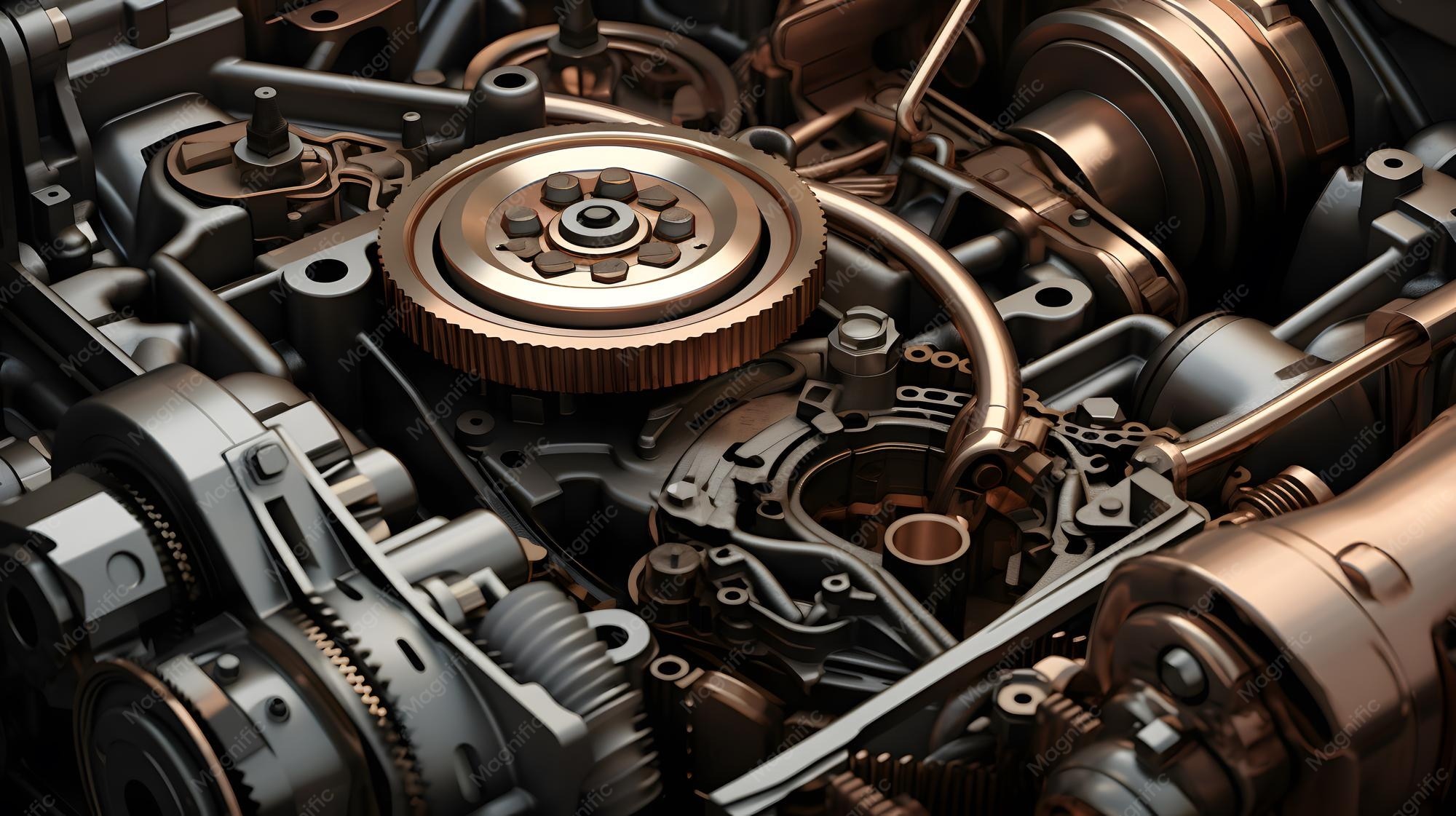
Engines sit near the top of the list because they’re expensive, heavy on imported components, and squarely covered under the Section 232 automobile-parts action.
When a covered engine or engine component crosses the border, the added duty gets applied before it ever reaches a warehouse or a repair shop’s shelf. That cost doesn’t just vanish.
It gets folded into the price a distributor charges a shop, and the shop passes it along in the estimate. Someone replacing a cracked block, a cylinder head, or a set of imported pistons might see a bigger jump than they expected, simply because the part itself became more expensive to bring into the country.
It’s worth remembering that not every engine part is treated the same way. Classification matters, and small differences in how a part is coded can change whether the 25% applies at all.
Still, given how often engines and their major components are sourced from outside the U.S., this category is one of the more common places where people notice pricing has moved.
If your estimate includes engine work and the number feels off from what you remember paying before, this tariff is a reasonable place to start asking questions.
2. Transmissions
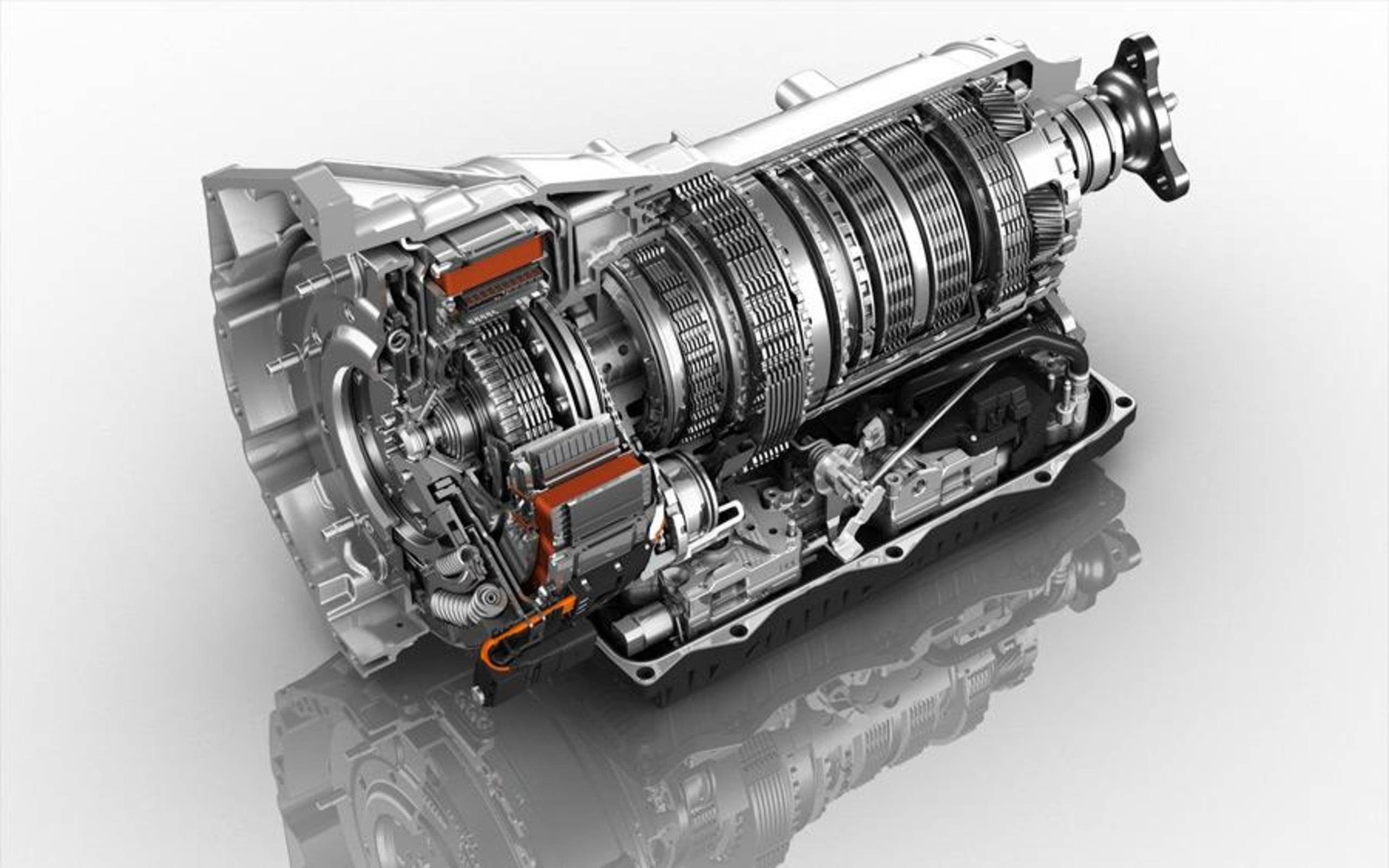
Transmissions are another area where imported parts and tariff classifications line up directly. A replacement transmission, whether it’s a full unit or specific internal components, can fall under the same Section 232 automobile-parts duty structure that covers engines.
Because transmissions are complicated to manufacture and often sourced internationally even for domestic vehicle brands, a fair number of them are subject to this additional charge once they land in the U.S. That added cost tends to travel through the supply chain quietly.
A distributor pays more, so a repair shop pays more, so the customer sees a higher number on the estimate without necessarily understanding why.
For anyone budgeting for a transmission repair or replacement, it helps to ask the shop directly whether the part is domestic or imported, since that single detail can explain a meaningful chunk of the price difference.
Transmission work was already one of the pricier repairs a vehicle owner might face, and this tariff has only added to that reality. People shopping around for quotes may notice inconsistency between shops too, since sourcing varies by supplier.
One shop might use a domestically remanufactured unit while another relies on an imported one, and the tariff only touches the second option. That difference alone can separate two otherwise similar estimates by a wide margin.
3. Powertrain Components
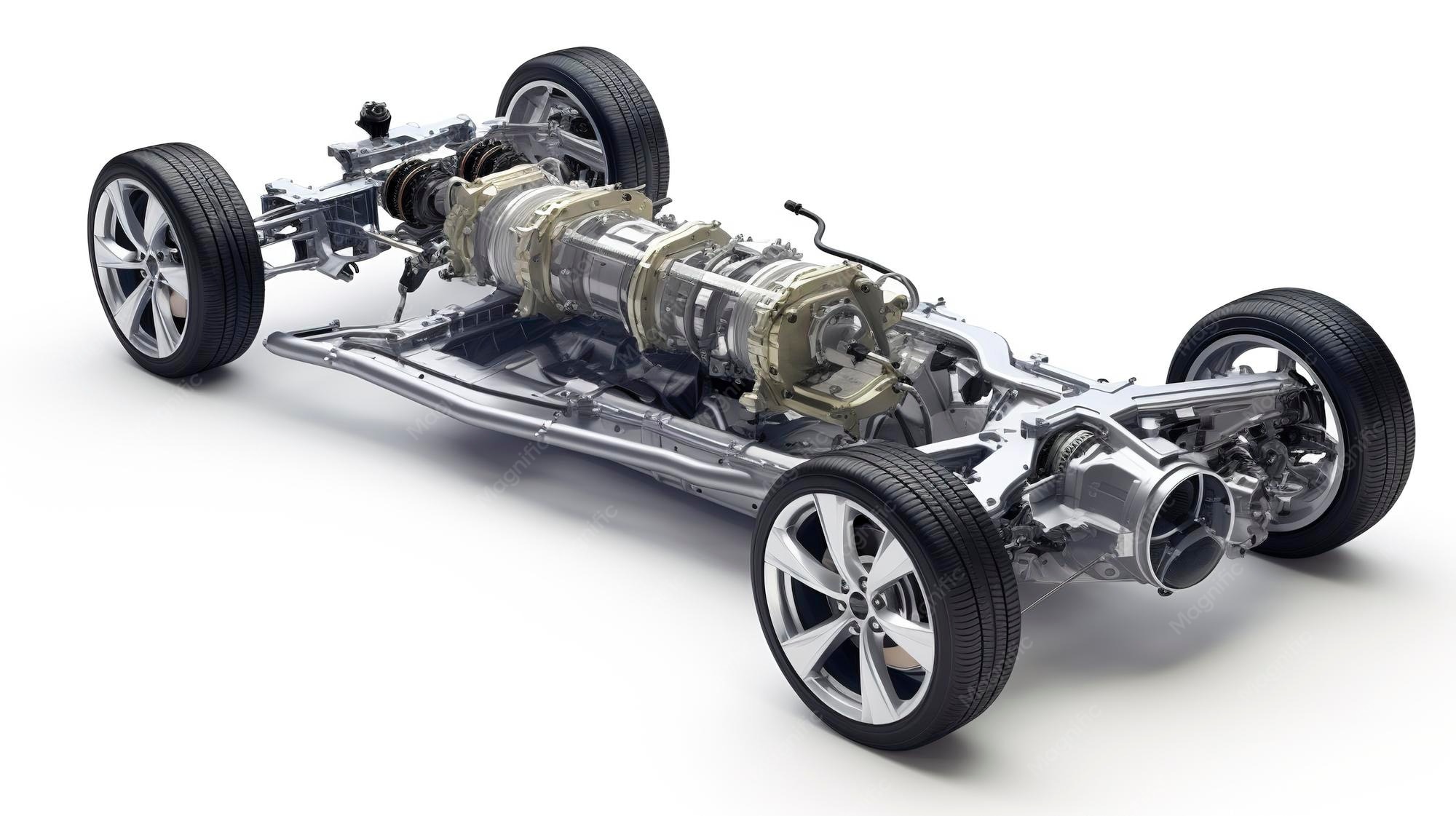
Powertrain parts cover a lot of ground, and that’s exactly why this category deserves its own mention. Drivetrain components, from certain drive shafts to specific coupling and transfer parts, fall within the defined classifications the Section 232 program targets.
Think of it this way. Any component that helps transfer power from the engine to the wheels could be affected by the tariff if it was manufactured abroad.
Repair shops sourcing these components internationally are absorbing higher costs upfront, and those costs rarely stay with the shop for long.
Customers footing the bill for drivetrain repairs, especially on vehicles where powertrain parts aren’t produced domestically, may be paying a premium that has nothing to do with labor or markup and everything to do with where the part was built.
This is one of those categories where the tariff’s reach can catch people off guard, mainly because “powertrain” sounds like one big system rather than a collection of individually sourced pieces.
Each piece has its own classification, its own supply chain, and its own exposure to the duty. Ask a shop which specific component is being replaced and where it comes from, and you’ll often get a clearer picture of why the price landed where it did.
4. Electrical Components
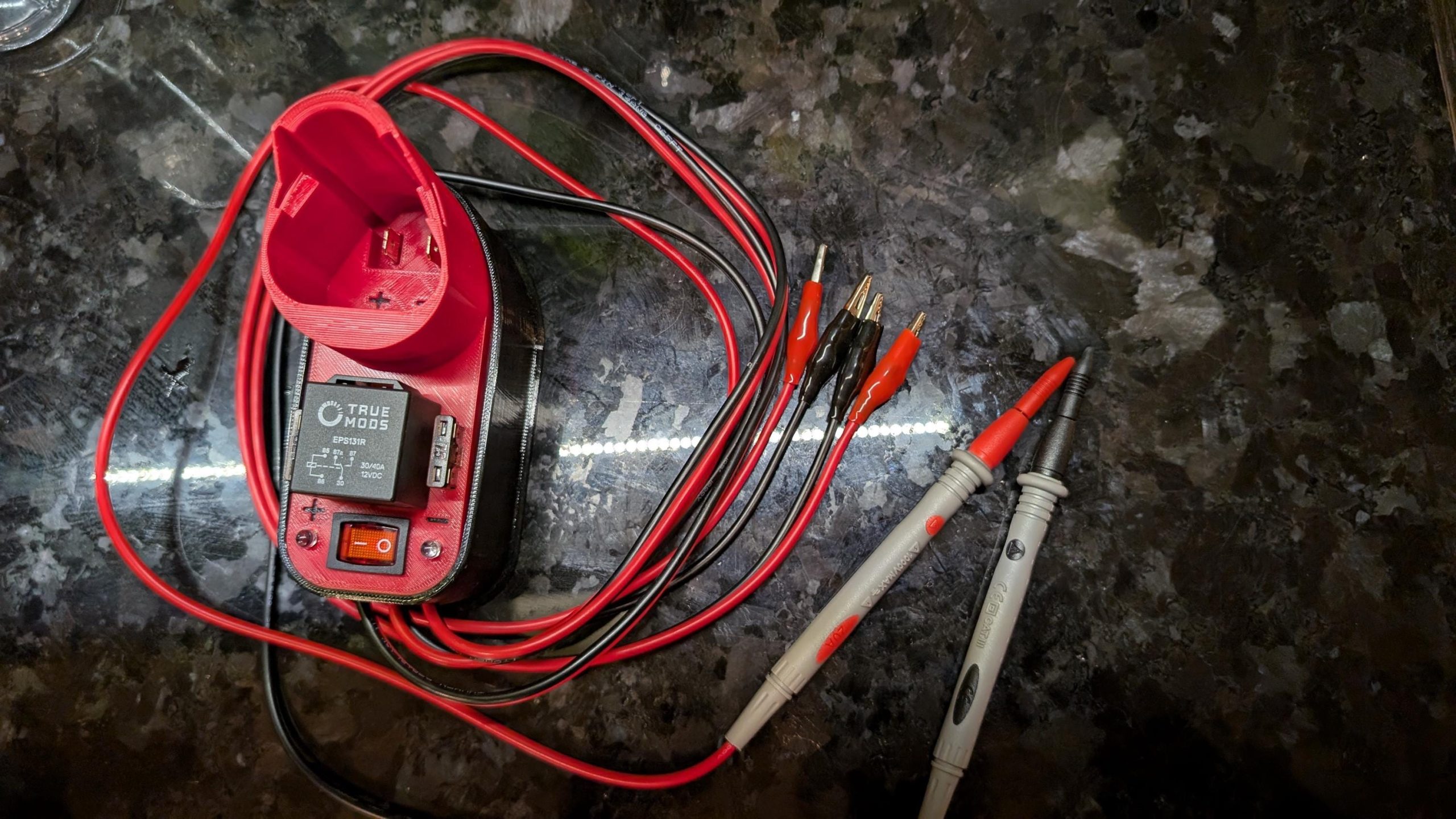
Modern vehicles rely on a large number of electrical components, but it would be misleading to say that every imported electrical part automatically carries the 25% Section 232 duty. The tariff applies to covered products under the applicable HTSUS provisions.
That distinction matters on repair estimates because an electrical problem can involve anything from a relatively inexpensive component to a costly vehicle system.
A covered imported component may have a tariff-related cost built into its selling price, while another imported component may receive different treatment based on its classification or applicable tariff rules.
The original Section 232 automobile-parts action specifically named electrical components as one of the covered categories. Customs and Border Protection rulings show how the government applies the tariff at the product-classification level, including the additional Chapter 99 reporting requirements for covered merchandise.
For customers, the important question is not simply “Was this part imported?” It is whether the particular part is covered by the applicable tariff provision.
5. Electronic Control Modules and Other Covered Electrical Parts
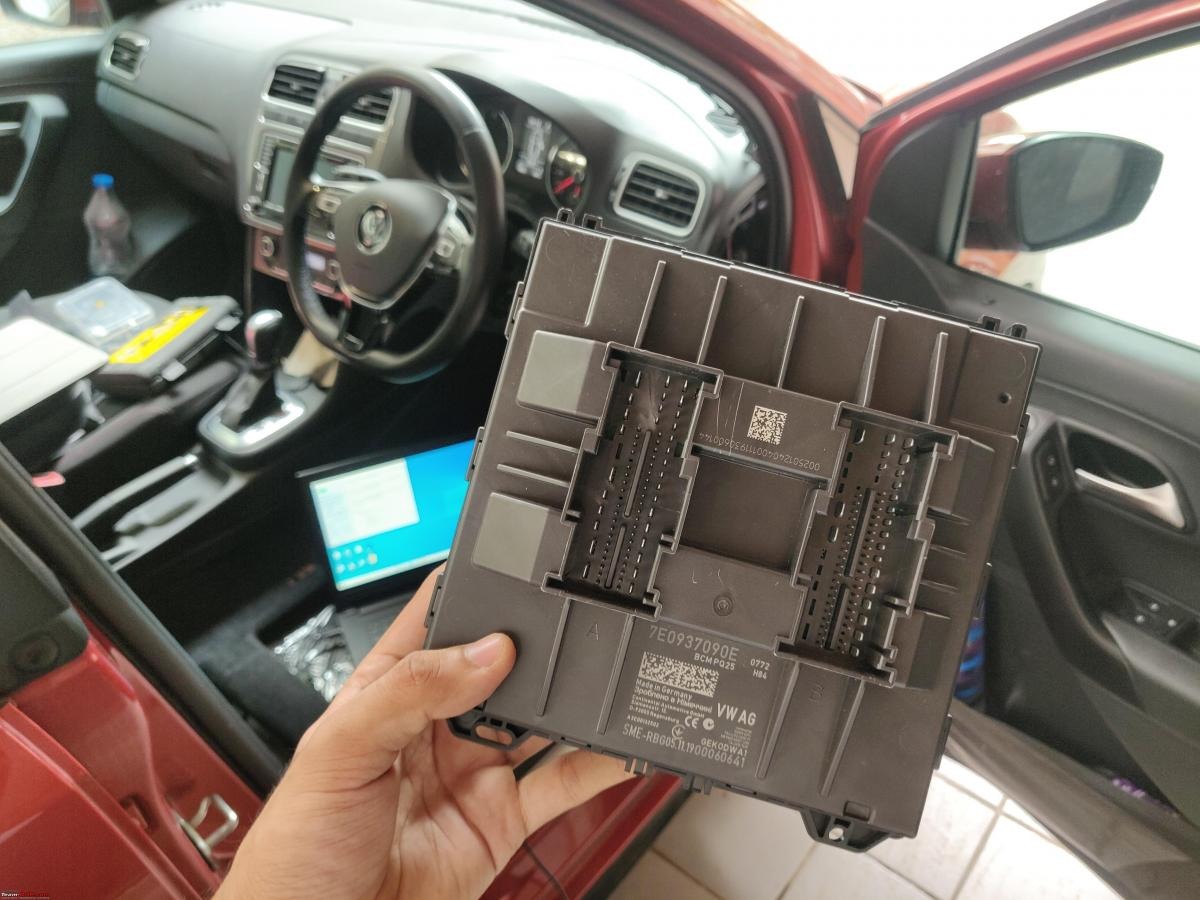
Control modules run the show in a modern vehicle, and when one needs replacing, the price tag can already feel steep before any tariff gets added.
Some imported control modules and related electronic components do fall within the classifications covered by Section 232, and when that happens, importers pay more to bring them in.
That additional cost has a way of showing up on a customer’s final bill, whether it’s clearly labeled as a tariff surcharge or simply folded into the part’s listed price.
It would be a mistake, though, to assume every control module or sensor automatically gets hit with the 25% duty. Classification rulings determine that outcome part by part, and plenty of electronic components fall outside the covered categories entirely.
This is a category where guesswork won’t serve anyone well. If a shop quotes you for an ECU replacement or another control module and the number seems unusually high, it’s reasonable to ask whether tariff costs played a role.
Given how central these modules are to nearly every system in a vehicle, from fuel management to safety features, replacement costs were already trending upward before this tariff entered the picture.
Add in import duties on the components that qualify, and the total can climb further than owners might anticipate.
6. Parts for Medium- and Heavy-Duty Vehicles
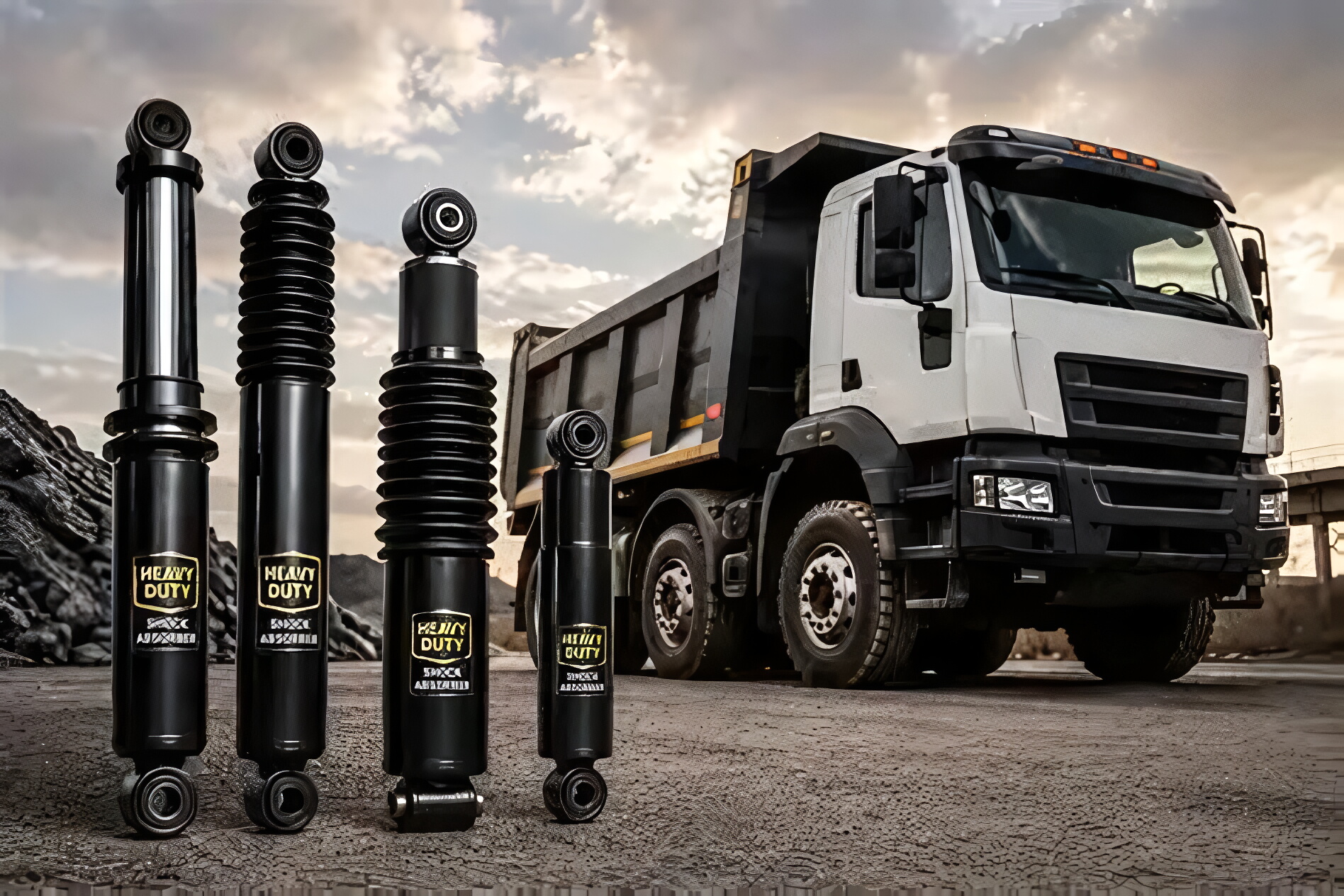
Medium- and heavy-duty vehicles have a separate Section 232 story. A later federal action established a 25% tariff on specified medium- and heavy-duty vehicle parts, with the new treatment taking effect November 1, 2025. This program should not simply be lumped together with the original passenger-vehicle and light-truck parts action.
For fleets and businesses maintaining heavy trucks, buses, and other qualifying vehicles, the effect can matter because replacement components can move through international manufacturing and distribution networks before reaching a service facility.
A tariff collected when a part is imported can become one of the costs that influences the price paid by a distributor or repair business. However, not every part used on a heavy vehicle is automatically subject to the 25% duty.
Coverage depends on the applicable tariff provisions and product classification. The later Section 232 action specifically addressed medium- and heavy-duty vehicle parts, creating a separate tariff framework from the earlier automobile-parts program.
7. Engines and Other Parts Used in Medium- and Heavy-Duty Vehicles
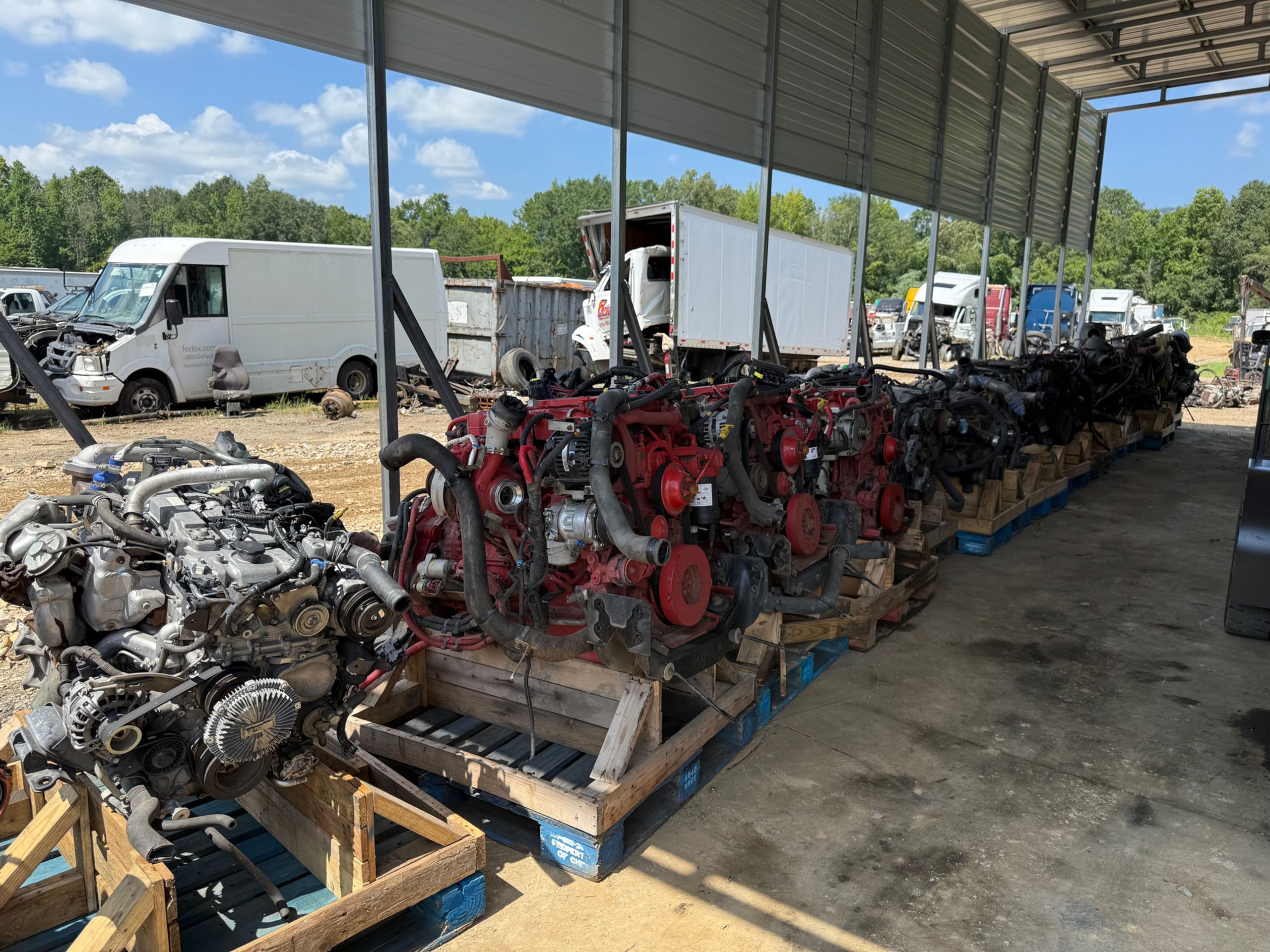
Building on the previous point, certain engines and additional components used specifically in medium- and heavy-duty vehicles can also fall under this later program, separate from passenger-vehicle engine tariffs.
Whether a specific part qualifies depends entirely on its classification and whether it appears among the covered medium- and heavy-duty vehicle parts list. This distinction matters because it’s easy to assume all engine-related tariffs work the same way across vehicle types, and they don’t.
A shop repairing a delivery truck or a commercial hauler may be sourcing engine components that trigger this particular duty, while a passenger car repair shop down the street operates under a different set of rules altogether.
For businesses that depend on commercial vehicles staying operational, unexpected cost increases on engine parts can ripple through budgets fast. Downtime is expensive on its own, and adding tariff-driven part costs on top of that only compounds the pressure.
If you manage or repair commercial fleets, it’s worth having a direct conversation with your parts supplier about which components are affected and which aren’t.
The classifications aren’t always intuitive, and relying on assumptions from the passenger-vehicle tariff program could lead to inaccurate budgeting. Getting specific, part-by-part answers is the only reliable way to know where this duty applies.
8. Imported Passenger Vehicles
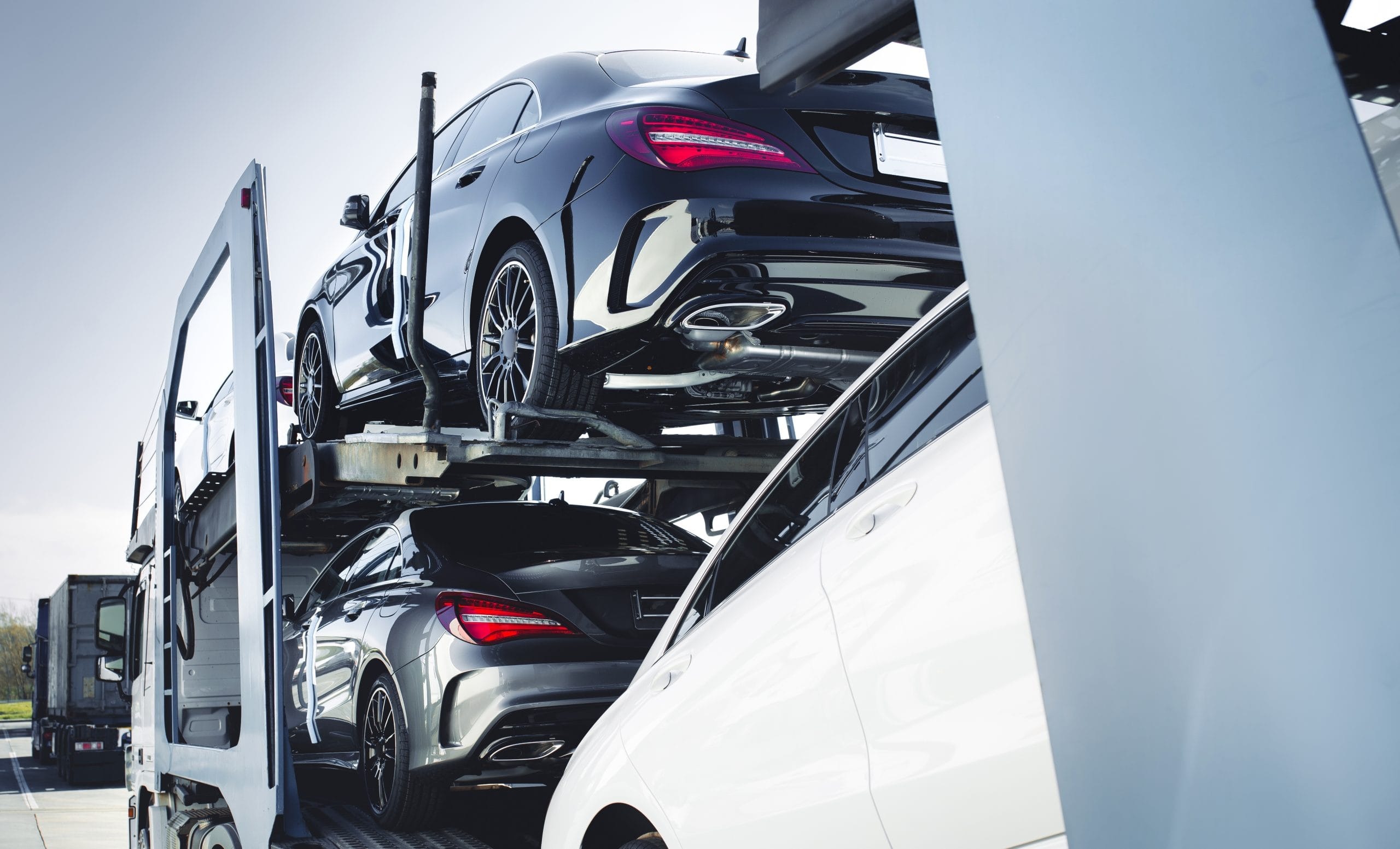
This is where the tariff moves beyond individual parts and touches entire vehicles. Since April 3, 2025, imported passenger automobiles, including SUVs, crossover utility vehicles, minivans, and cargo vans, have been subject to the same 25% duty under the Section 232 program.
This isn’t a repair-parts charge; it applies to the vehicle itself when it’s brought into the country. Shoppers looking at imported models may notice pricing that reflects this addition, and it’s a meaningful factor for anyone comparing a domestically built vehicle against one manufactured overseas.
There is an important exception to understand. Vehicles that qualify under USMCA rules may receive different tariff treatment depending on the amount of U.S. content they contain.
That means two similar vehicles, one qualifying and one not, could face very different cost outcomes despite looking nearly identical on a dealer lot.
For buyers trying to make sense of sticker prices that seem higher than expected, asking about a vehicle’s country of origin and USMCA qualification status can clear up a lot of confusion.
This tariff has reshaped part of the calculation people make when deciding between an imported and domestically produced vehicle, and it’s likely to remain a factor in that decision for the foreseeable future.
9. Imported Light Trucks
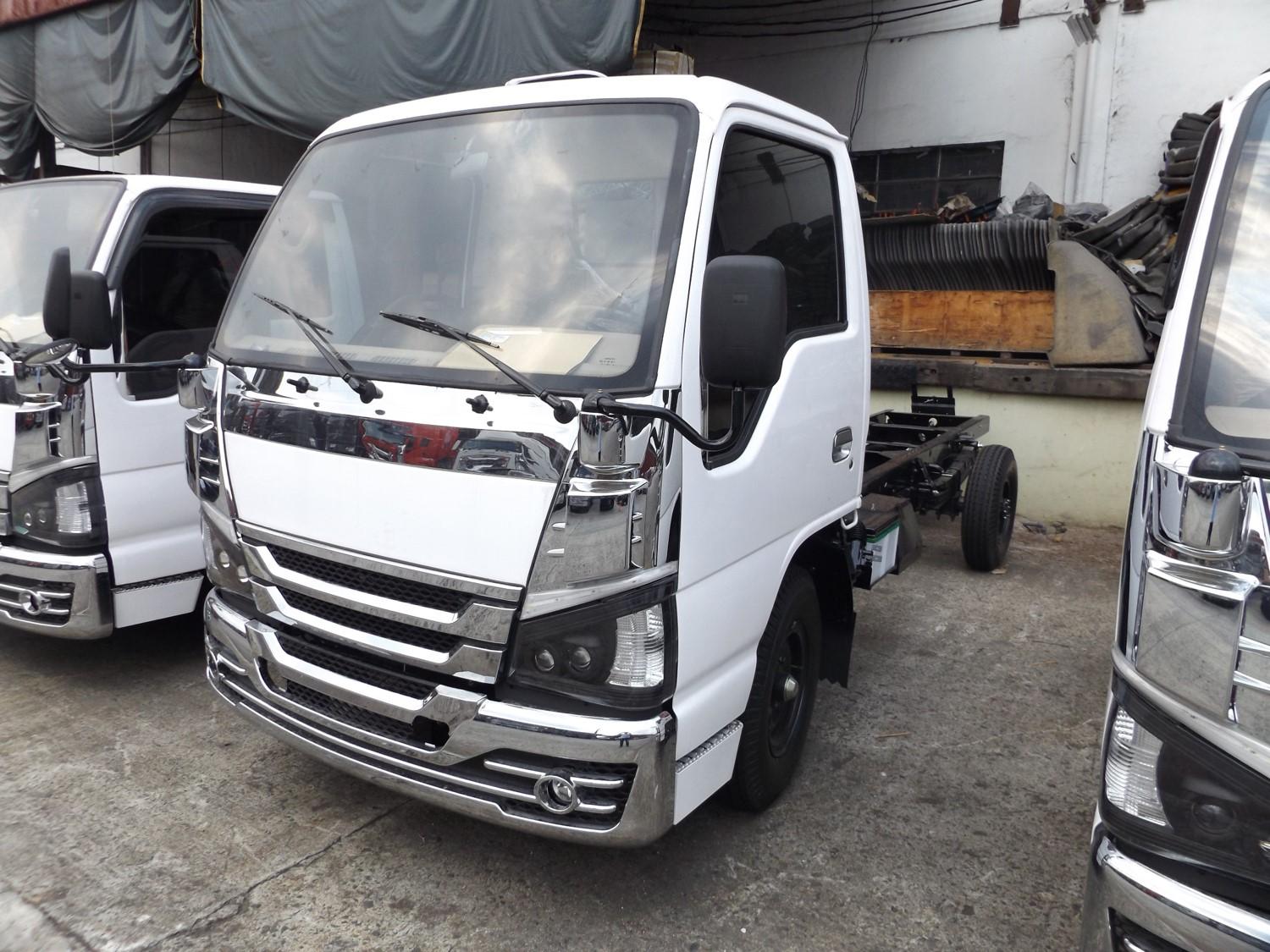
Light trucks brought in from outside the U.S. fall under this same program, carrying the identical 25% duty applied to passenger vehicles.
As with passenger automobiles, USMCA-qualified light trucks may receive different treatment, with the duty potentially applied to non-U.S. content rather than the vehicle’s full value, depending on specific requirements and determinations made by CBP.
That distinction can make a real difference in final pricing, especially for buyers comparing trucks assembled in different countries. Light trucks are popular enough, and imported often enough, that this tariff touches a large share of the market.
Someone shopping for a truck built partly or fully outside the U.S. should factor this into their research, since the price difference between a qualifying and non-qualifying vehicle can be substantial.
Dealers and manufacturers are generally aware of how these rules apply to their specific models, so asking directly is usually the fastest way to get a clear answer. As with passenger vehicles, this isn’t a fixed number that applies evenly across every truck.
It depends on sourcing, assembly location, and how much of the vehicle’s content originates in the U.S. or a USMCA partner country. Buyers who take the time to ask these questions upfront tend to avoid surprises when it’s time to sign the paperwork.