
Buying a used car often comes down to a gut feeling, a clean CARFAX, and a hope that the engine under the hood won’t turn into a money pit. But gut feelings don’t catch what owner complaints filed with the National Highway Traffic Safety Administration reveal year after year. Certain engines show up again and again in that database, tied to stalling, oil consumption, timing chain failures, and repair bills that catch drivers off guard.
Two engines stand out for the number of reliability concerns associated with them, Ford’s EcoSport engine and the Kia and Hyundai Theta II. Both have been linked to recurring problems across multiple model years.
The list below examines ten engines that have generated a significant number of owner complaints, along with the issues they commonly experience and what they could mean for used-car shoppers and current owners.
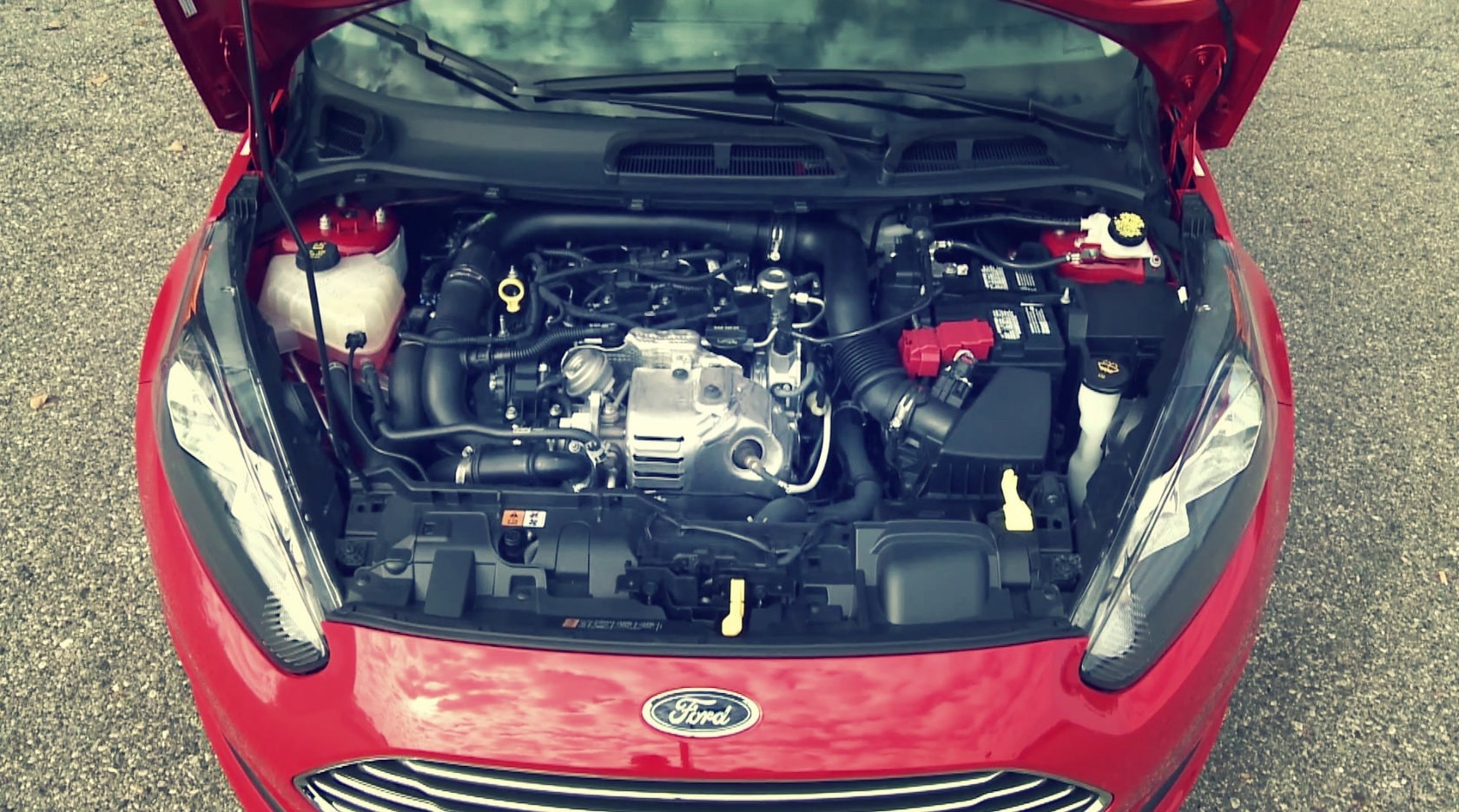
1. Ford EcoSport 1.0L EcoBoost
Small, turbocharged, and packed into a compact crossover meant to be an easy daily driver, the 1.0L EcoBoost has instead become one of the most complained-about engines on record.
Owners report stalling that happens without warning, sometimes at low speeds and sometimes on the highway, which raises obvious safety concerns beyond simple inconvenience.
Timing chain problems show up frequently too, often paired with unusual rattling noises that mechanics trace back to chain stretch or tensioner failure.
Turbocharger issues round out the list, with owners describing early failures well before the mileage where a turbo should reasonably need replacing.
What makes this engine stand apart is the sheer proportion of complaints tied directly to the engine itself rather than unrelated vehicle systems.
Roughly 86 percent of total complaints filed for this model relate specifically to engine failure, which is an unusually concentrated figure. That number suggests a pattern rather than a handful of isolated incidents, and patterns are exactly what regulators and consumers should pay attention to.
For anyone considering a used EcoSport with this engine, a pre-purchase inspection focused specifically on the timing chain and turbocharger isn’t optional, it’s necessary.
Ask for service records showing whether any related repairs or recalls have already been addressed. A seller who can’t produce that history, or who seems evasive about engine performance, is giving you useful information even if they don’t realize it.
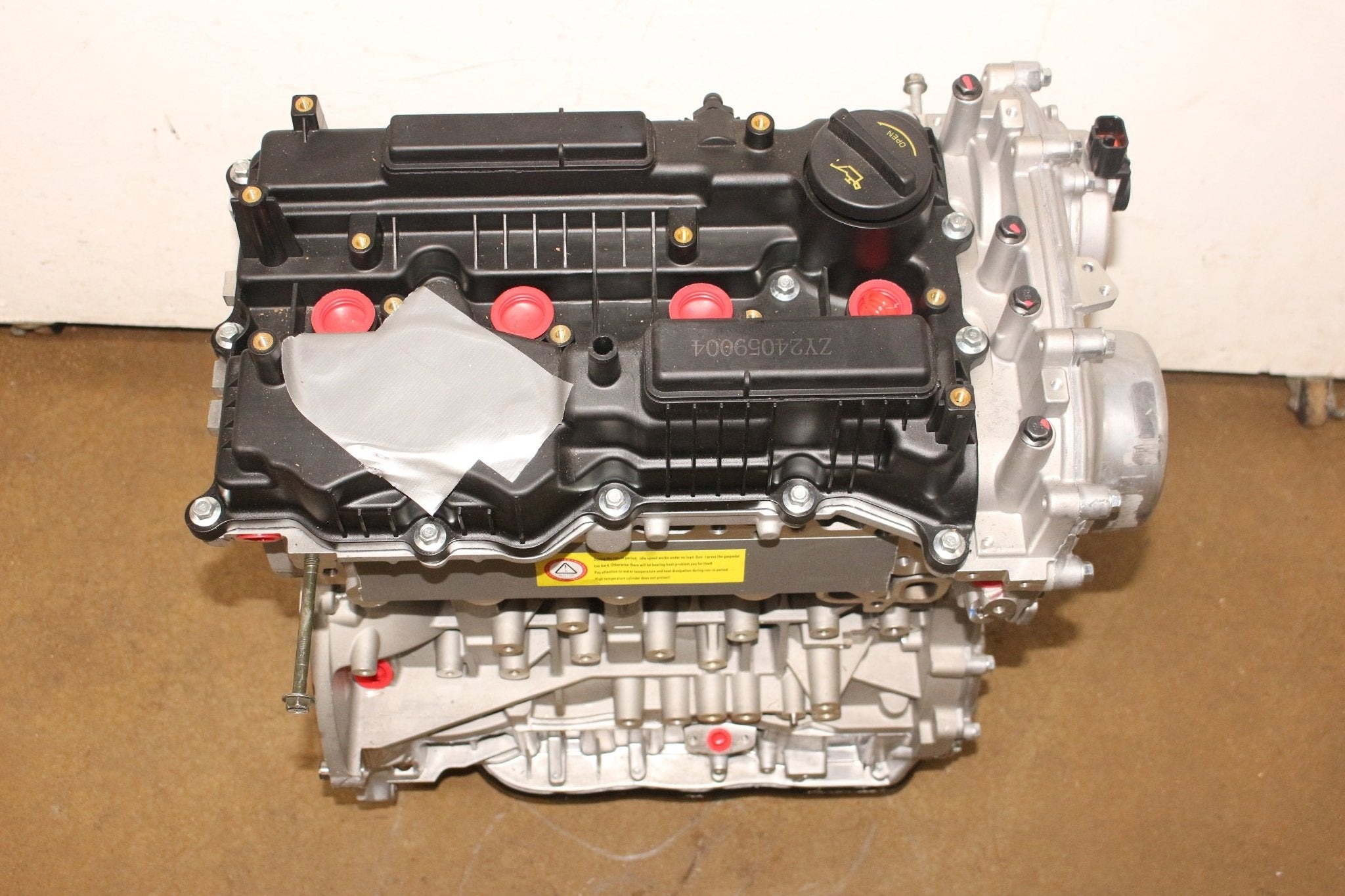
2. Kia/Hyundai Theta II 2.0L
Few engine families have generated as much public attention over reliability as the Theta II, and the complaint data backs up why. Timing chain failures and head gasket problems dominate owner reports, with many describing sudden loss of power, knocking sounds, or complete engine seizure with little warning beforehand.
What separates this engine from a typical reliability concern is how widespread the pattern has been across model years, largely tied to manufacturing debris left in the engine block during production that gradually restricted oil flow to critical components.
That restricted flow led to premature bearing wear, which in turn caused the kind of catastrophic failures that leave drivers stranded and facing repair costs that can rival a used car’s entire value.
The scope of complaints eventually led to expanded warranty coverage and class action settlements, which tells you this wasn’t a minor or isolated issue dismissed by the manufacturer.
If you’re looking at a vehicle with this engine, check the Vehicle Identification Number against open recalls and extended warranty programs first.
Many owners who experienced failure were still within a covered window and received compensation or free repairs, so it’s worth confirming whether that protection still applies to a specific vehicle.
Even with warranty extensions in place, asking a mechanic to check for unusual engine noise or oil consumption during a test drive remains a reasonable precaution given how consistently this engine appears in complaint records tied to sudden, expensive failure.
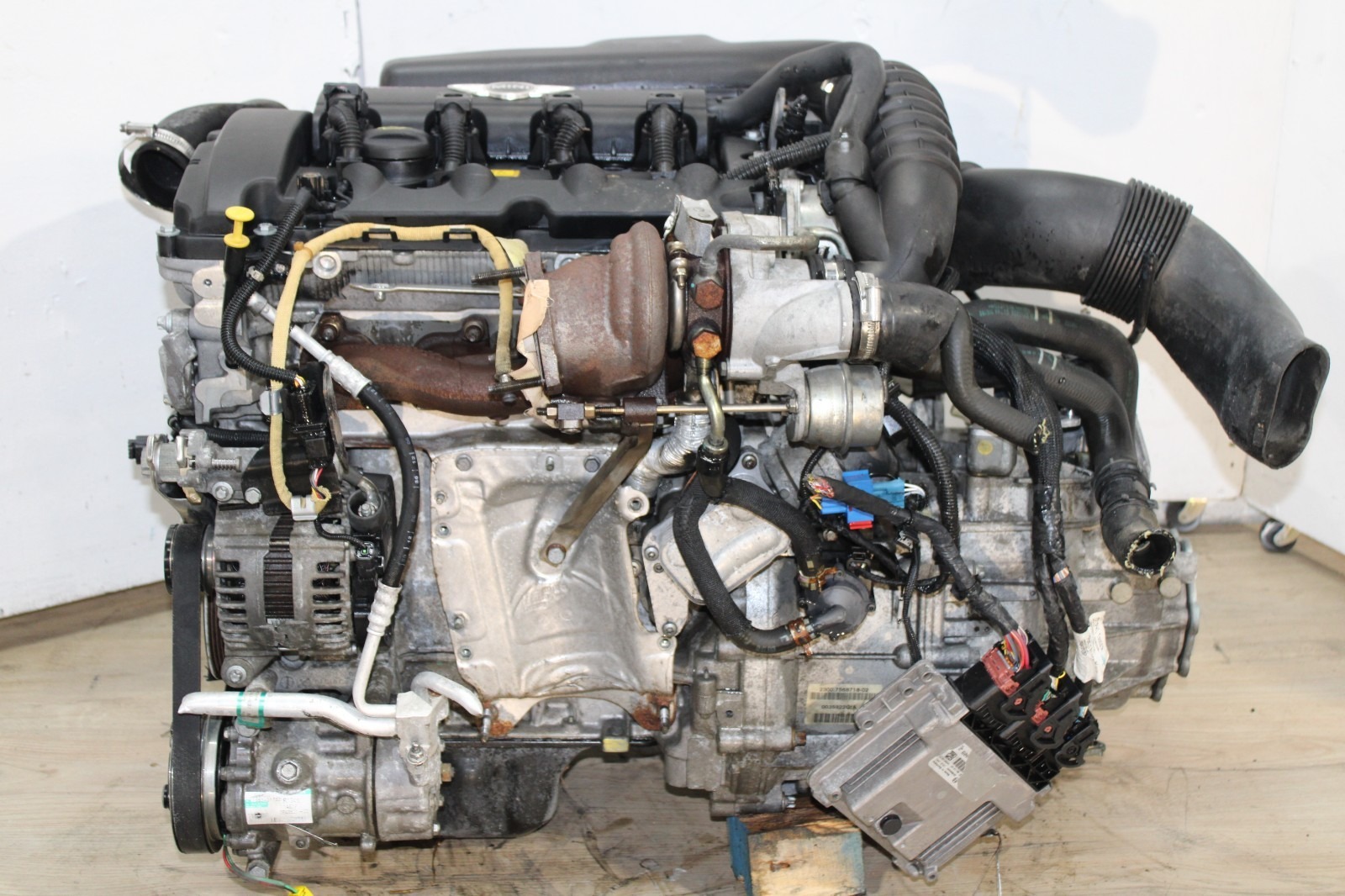
3. Mini Cooper N18/N14 1.6L Turbo
Mini’s N14 and N18 1.6-liter turbocharged engines have attracted years of owner complaints concerning timing components, oil leaks, cooling problems, and turbocharger-related failures.
These engines appeared in several Mini Cooper applications, so the complaint history varies by vehicle, model year, and engine version. Timing-chain concerns are frequently discussed in owner reports and repair records.
Symptoms can include rattling during startup, rough running, warning lights, poor performance, and, in severe cases, internal engine damage. A timing system problem can become expensive because a failed chain or related component may allow valves and pistons to interfere with one another.
Cooling-system concerns also appear in reports involving older Mini models. Leaks can develop from hoses, housings, pumps, or other components, and continuing to run with inadequate coolant can cause additional engine damage.
Turbocharged engines also place extra demands on lubrication and cooling systems, making proper service important. Complaint data should still be read carefully.
A large number of reports does not establish that every N14 or N18 engine will experience the same failure. Some complaints may concern relatively minor repairs, while others describe major mechanical damage. Anyone evaluating a used Mini should examine maintenance invoices rather than relying on complaint counts alone.
Records showing oil services, cooling-system work, timing-chain repairs, and previous turbocharger service can tell a buyer much more about an individual vehicle than a general complaint total. A pre-purchase inspection by a qualified technician can also identify warning signs before money changes hands.
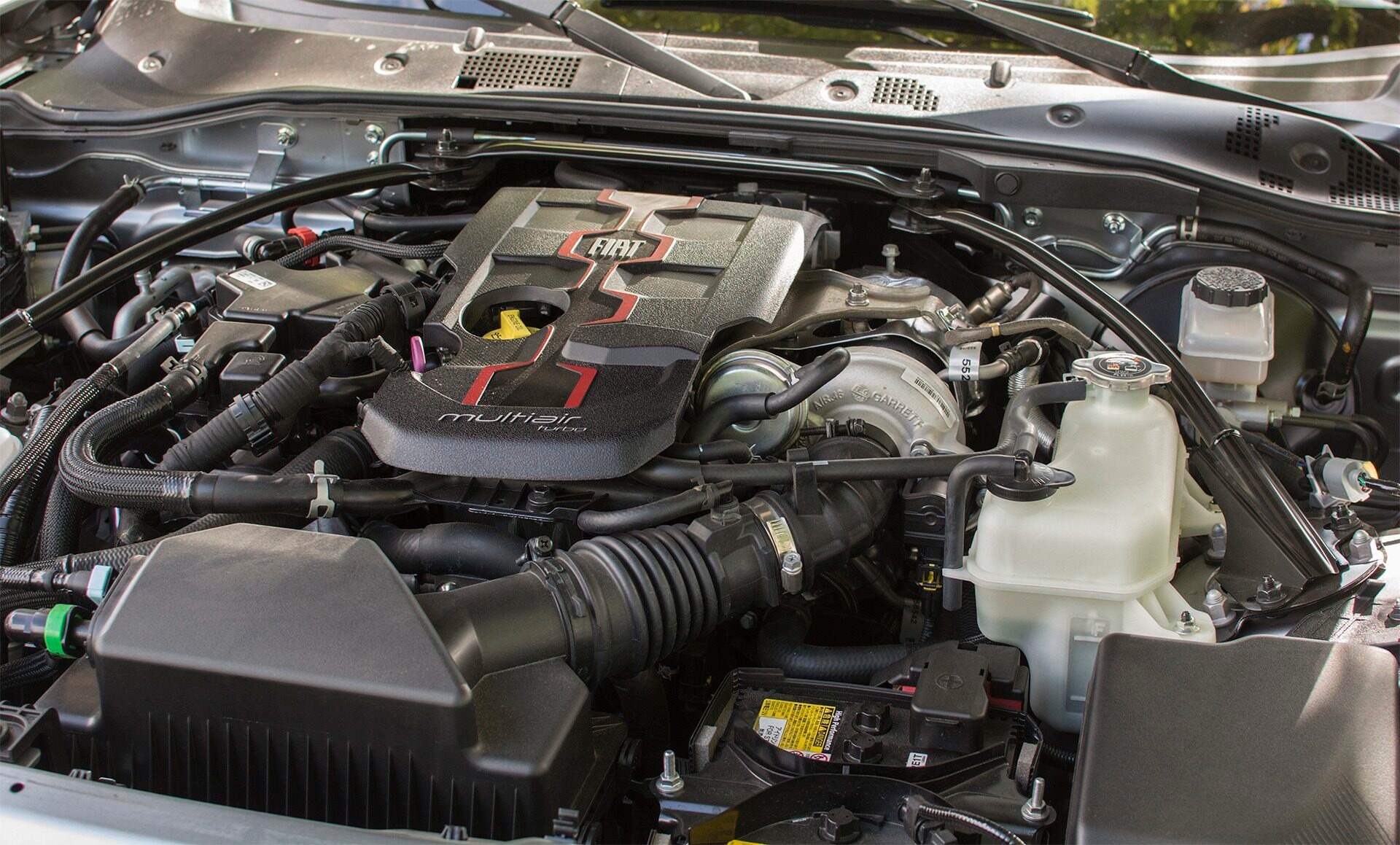
4. Fiat 1.4L MultiAir Turbo
Fiat’s 1.4-liter MultiAir Turbo engine appears in several Fiat applications and has accumulated owner reports involving engine performance, turbocharger operation, oil leaks, and MultiAir system concerns.
Federal technical documents also show that the 1.4L MultiAir Turbo was the subject of manufacturer service activity. One NHTSA-hosted Fiat service bulletin covered 2014 and 2015 Fiat 500 vehicles equipped with either the 1.4L MultiAir naturally aspirated engine or the 1.4L MultiAir Turbo.
The bulletin called for powertrain-control-module software updates intended to address diagnostic and system concerns. Another manufacturer warranty bulletin covering the 2014 Fiat 500L specifically listed the 1.4L MultiAir Turbo among powertrain components subject to a repair authorization program.
The document shows that engine replacement and related repairs were being monitored through the manufacturer’s service system. For owners, the MultiAir system deserves particular attention because it relies on oil quality and proper maintenance.
Oil-related problems can affect hydraulic components responsible for valve operation. Turbocharged operation adds another layer of heat and mechanical demand.
When reviewing a used Fiat with this engine, service documentation can be more useful than a generic reliability ranking. Look for evidence of regular oil changes, documented repairs, software updates, and work involving the MultiAir system.
A diagnostic inspection can also identify stored trouble codes or abnormal engine behavior before purchase. Complaint records provide clues about reported problems, but they do not establish that every engine has the same defect or failure rate.
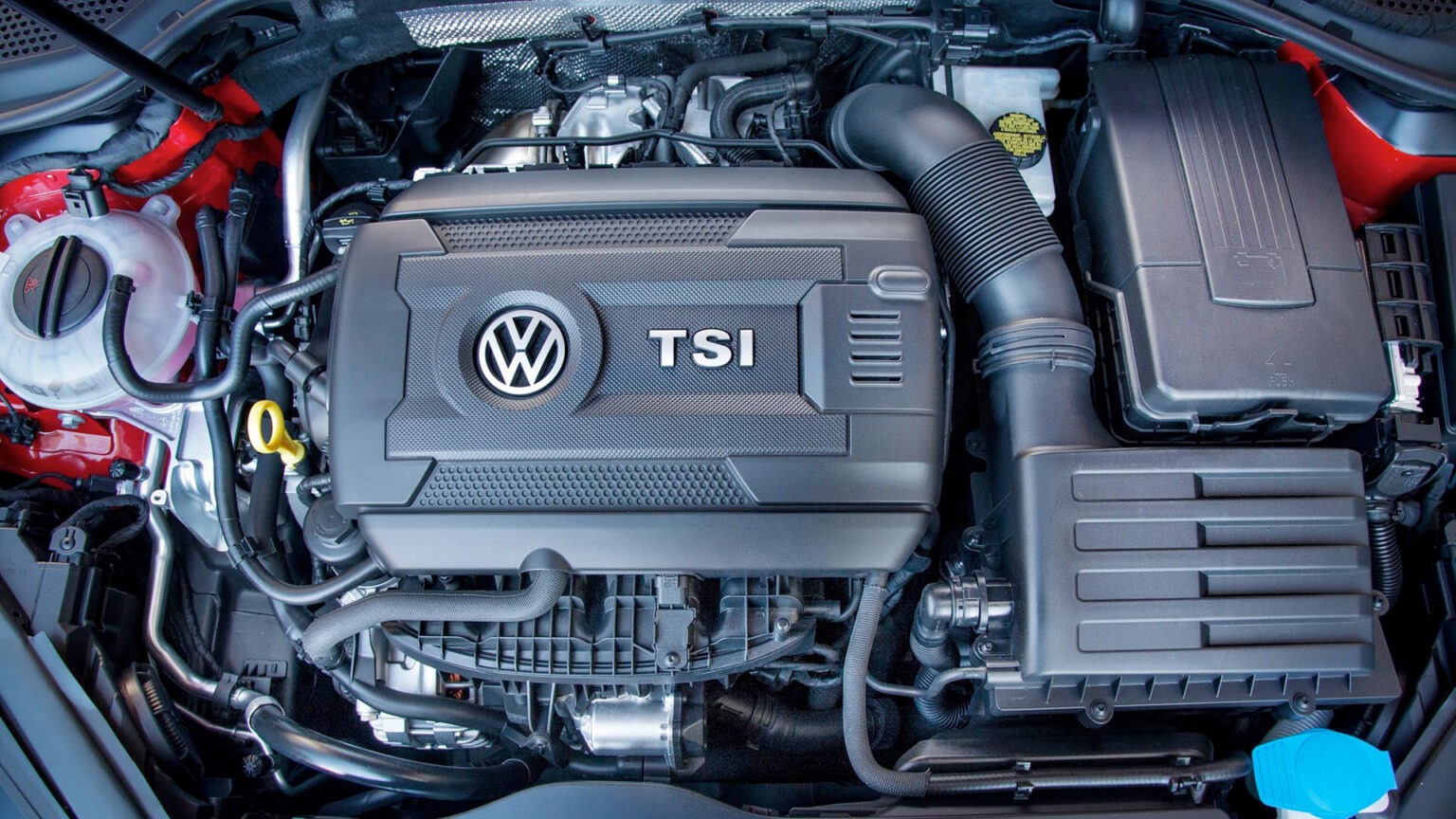
5. Volkswagen 2.0L TSI/TFSI
Volkswagen’s 2.0-liter TSI and TFSI engines have appeared across numerous vehicles and model years, making their complaint history broad rather than tied to one particular model.
Owner reports have included timing-chain concerns, excessive oil consumption, carbon deposits, cooling-system problems, and turbocharger-related symptoms.
Timing-system complaints deserve attention because a failure involving the chain or tensioner can cause serious internal engine damage.
Depending on the engine version, owners may report startup rattles, warning lights, rough operation, or fault codes before a major failure occurs. A vehicle with an unexplained timing noise should receive professional inspection rather than continued driving.
Oil consumption has also been a recurring subject in owner discussions and service records for certain Volkswagen engines. The amount of oil consumed can vary considerably from one vehicle to another, so a complaint about oil use does not automatically establish that an engine is defective.
Repair records can reveal whether piston rings, valve components, turbochargers, or other parts have previously been serviced. The 2.0L designation also requires caution because Volkswagen used different generations and engine codes under similar displacement labels.
Two vehicles advertised simply as having a “2.0 TSI” may not have identical internal components or service histories. For used-car research, the engine code, production year, maintenance history, and VIN-specific campaign information are worth checking.
A general complaint count can point toward areas worth inspecting, but it cannot predict the condition of one particular engine.
6. Chevrolet/GMC 6.2L V8 LS Series
General Motors’ 6.2-liter V8 engines have powered many Chevrolet and GMC trucks and SUVs. Complaint records for certain applications include reports involving valve lifters, timing components, oil pressure, misfires, and engine performance.
Because GM has used several 6.2-liter V8 versions, the engine code, production date, and vehicle application matter when evaluating reported problems.
Lifter concerns deserve attention. A failing lifter can cause ticking, rough running, misfires, reduced power, or other drivability symptoms. If the issue continues without repair, additional valvetrain damage may occur.
Oil-pressure problems also require prompt inspection because inadequate lubrication can damage bearings, lifters, camshafts, and other internal components.
A persistent ticking sound should not be ignored simply because the truck or SUV continues running. A qualified technician can inspect the engine, retrieve diagnostic trouble codes, measure oil pressure, and determine whether the noise comes from the valvetrain or another component.
Complaint totals should also be viewed carefully. An engine installed in a large number of vehicles can naturally generate many owner reports without having the same failure rate as a less common engine.
When evaluating a used GM vehicle, check the exact engine application, recall history, service records, technical service information, and inspection results. These details provide a more useful picture of the vehicle’s condition than complaint numbers alone.
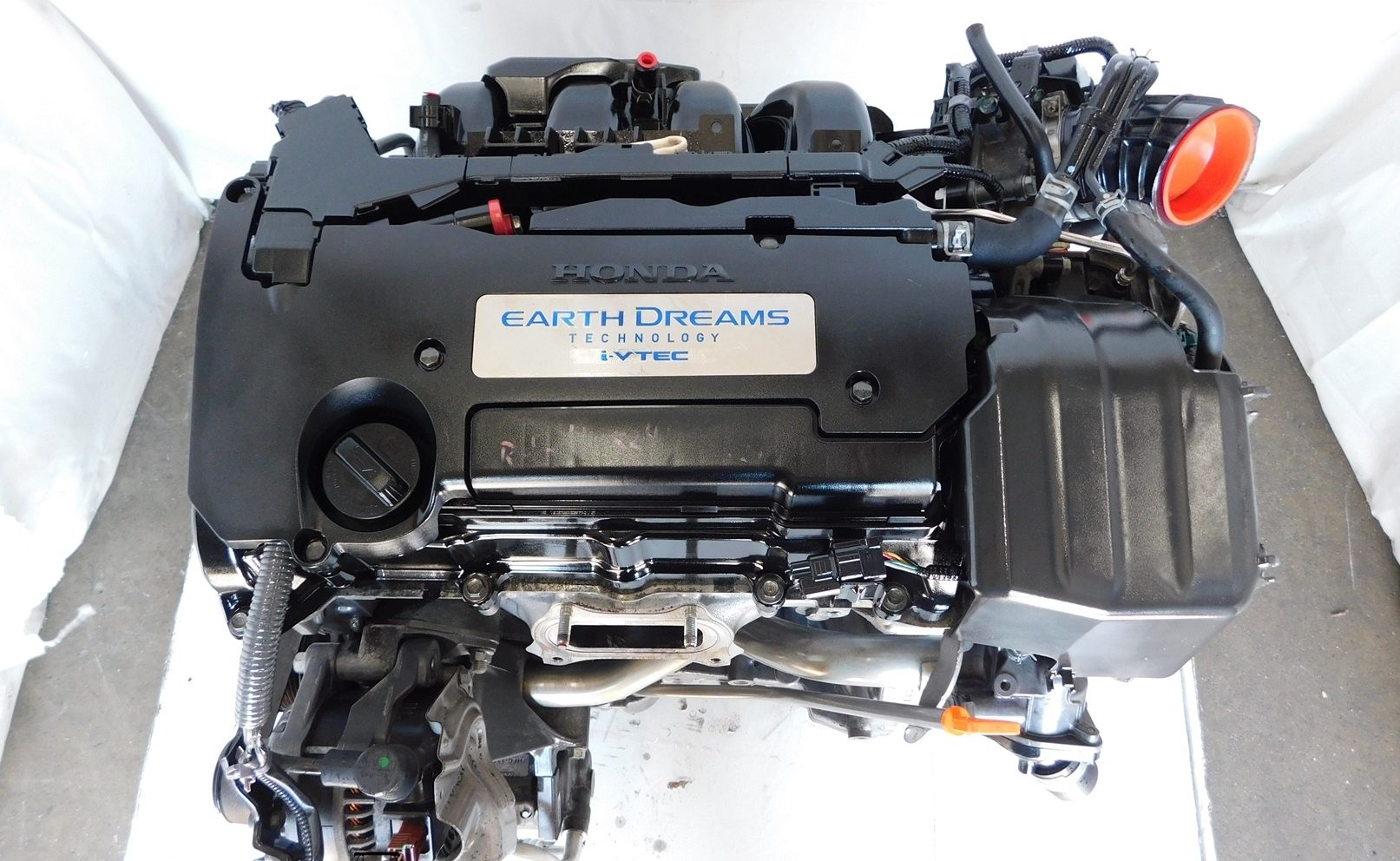
7. Honda 1.5L/2.4L Earth Dreams Engines
Honda built a reputation for reliability that stretched back decades, which made the complaints tied to this engine family somewhat surprising to longtime owners of the brand.
Oil consumption sits at the center of most reports, with drivers noticing they need to add oil between scheduled changes far more often than they’d expect from a Honda product.
Some owners describe the smell of burning oil or visible smoke from the exhaust, both signs that oil is being consumed through the combustion process rather than simply leaking externally.
Timing chain stretch adds a second layer of concern, generally showing up as a rattling noise on startup that mechanics trace back to chain wear ahead of where it should occur at that mileage.
Mid-2010s models generated the bulk of these complaints, coinciding with Honda’s push toward smaller displacement, turbocharged, and direct-injection engine technology designed to improve fuel economy without sacrificing power.
The company did respond with extended warranty coverage for oil consumption issues on certain models, which is worth checking against any specific vehicle you’re considering.
If you’re test driving a used Honda equipped with one of these engines, ask the seller directly about oil consumption between changes, since a straightforward answer, or a nervous one, can tell you quite a bit about what you’re getting into before you commit to a purchase you might regret.
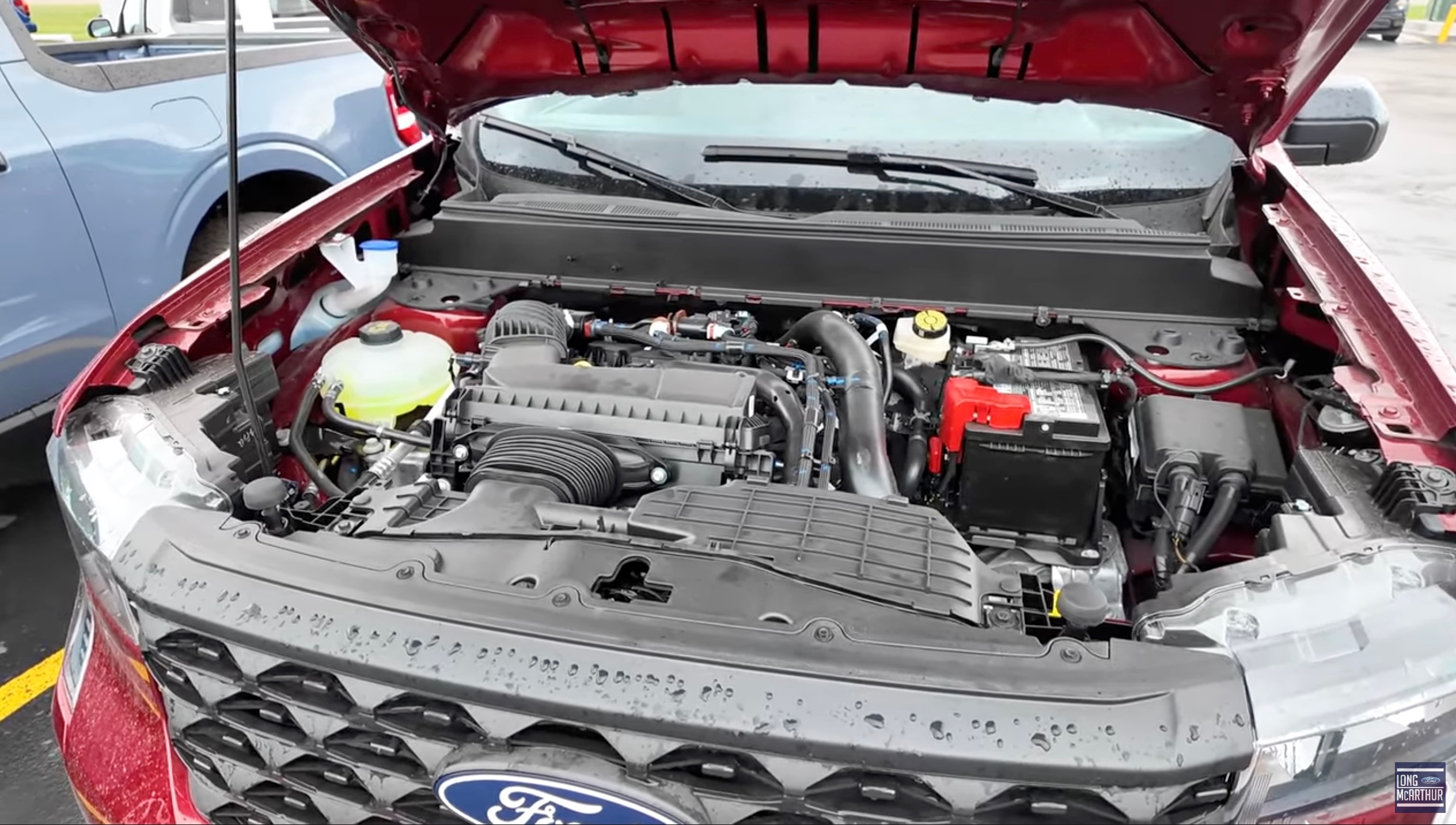
8. Ford 2.0L EcoBoost
Ford’s larger EcoBoost engine, commonly found in the Fusion and Escape, carries its own distinct set of complaint patterns separate from the smaller EcoSport engine mentioned earlier.
Fuel system failures appear frequently, with owners describing stalling, hesitation, or complete loss of power tied to fuel delivery problems rather than the turbocharger itself.
Excessive oil consumption shows up as a second major theme, forcing owners into more frequent oil top-offs and, in some cases, leading to low oil pressure warnings that indicate a more serious underlying problem developing.
Overheating rounds out the list of common complaints, sometimes tied to coolant system components that weren’t built to handle the added heat generated by a turbocharged four-cylinder working harder than a naturally aspirated engine would under similar conditions.
These issues collectively point to a powertrain that was pushed toward better fuel economy and performance numbers without fully accounting for long-term durability under real-world driving conditions.
Owners of affected Fusion and Escape models have reported that catching early symptoms, like a subtle burning oil smell or gradual rise in coolant temperature, gave them a window to address problems before a full engine failure occurred.
If you’re considering a used Fusion or Escape with this engine, a pre-purchase inspection that specifically checks oil consumption over a short test period and inspects the cooling system for leaks or weak components can save you from an expensive surprise a few months into ownership.
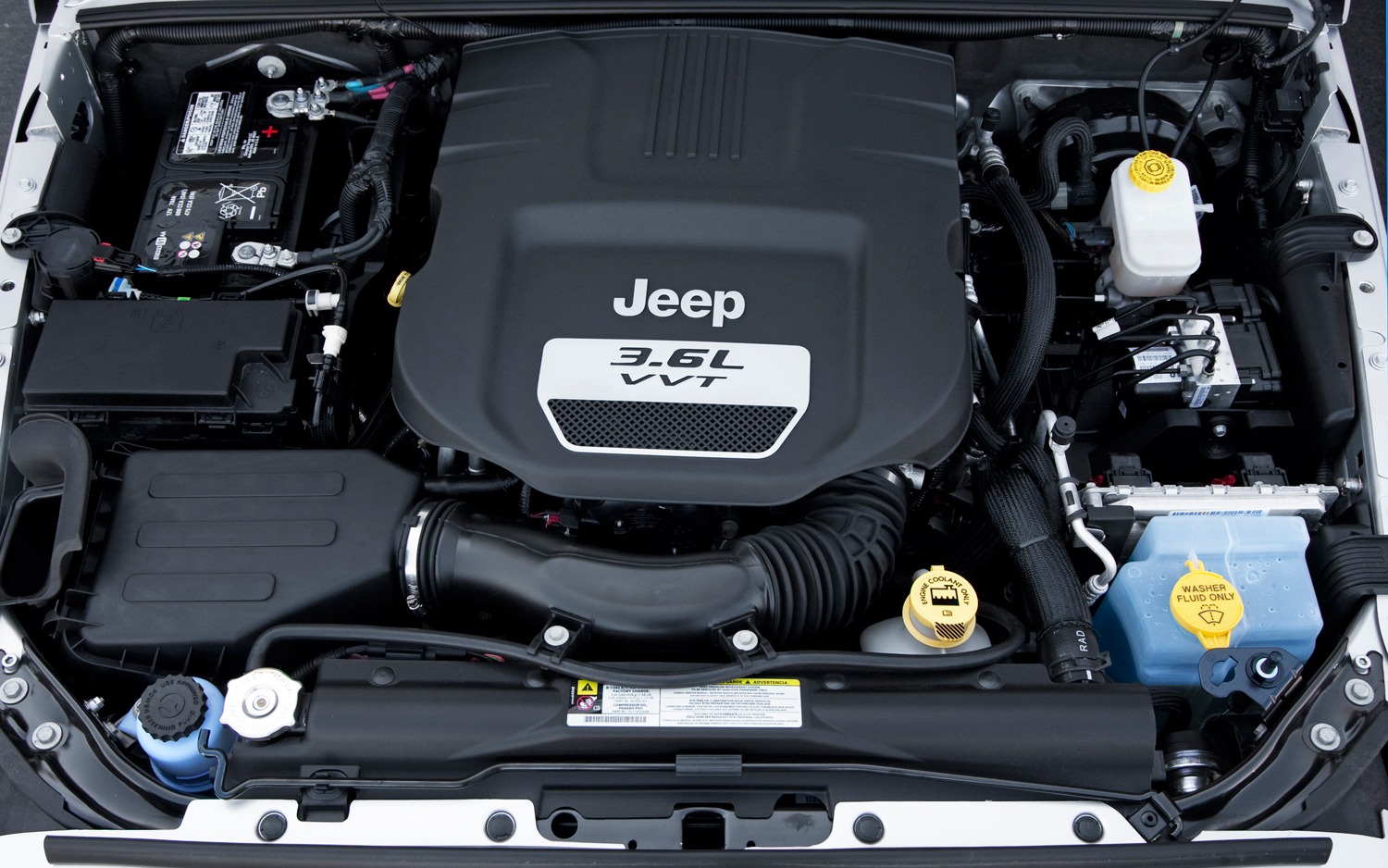
9. Jeep 3.6L Pentastar V6
The 3.6-liter Pentastar V6 has been widely used in Jeep, Chrysler, Dodge, and other Stellantis vehicles. Because it appears across many models and years, owner complaints cover various concerns, including coolant leaks, valvetrain noises, cylinder-head problems, misfires, and other engine-related issues.
NHTSA-hosted technical documents also reference vehicles equipped with the Pentastar. One document covers certain 2016 Jeep Grand Cherokee and Dodge Durango vehicles and provides diagnostic guidance for specific exhaust-gas-recirculation fault codes.
When inspecting a used vehicle, watch for persistent ticking, unexplained coolant loss, overheating, rough running, or recurring misfire codes. These symptoms can have several causes, so they do not automatically confirm internal engine damage.
Cooling-system problems deserve prompt attention. Low coolant can cause overheating and lead to additional damage. If a vehicle repeatedly needs coolant, have the system inspected to identify the source instead of repeatedly adding fluid.
The Pentastar name covers different applications and revisions, so the model year and vehicle matter when checking service information.
For a used Jeep, review maintenance records and previous repair invoices. A cold-start inspection may reveal noises that become less obvious after warming up. A professional diagnostic scan can also identify stored trouble codes that are not currently displaying a warning light.
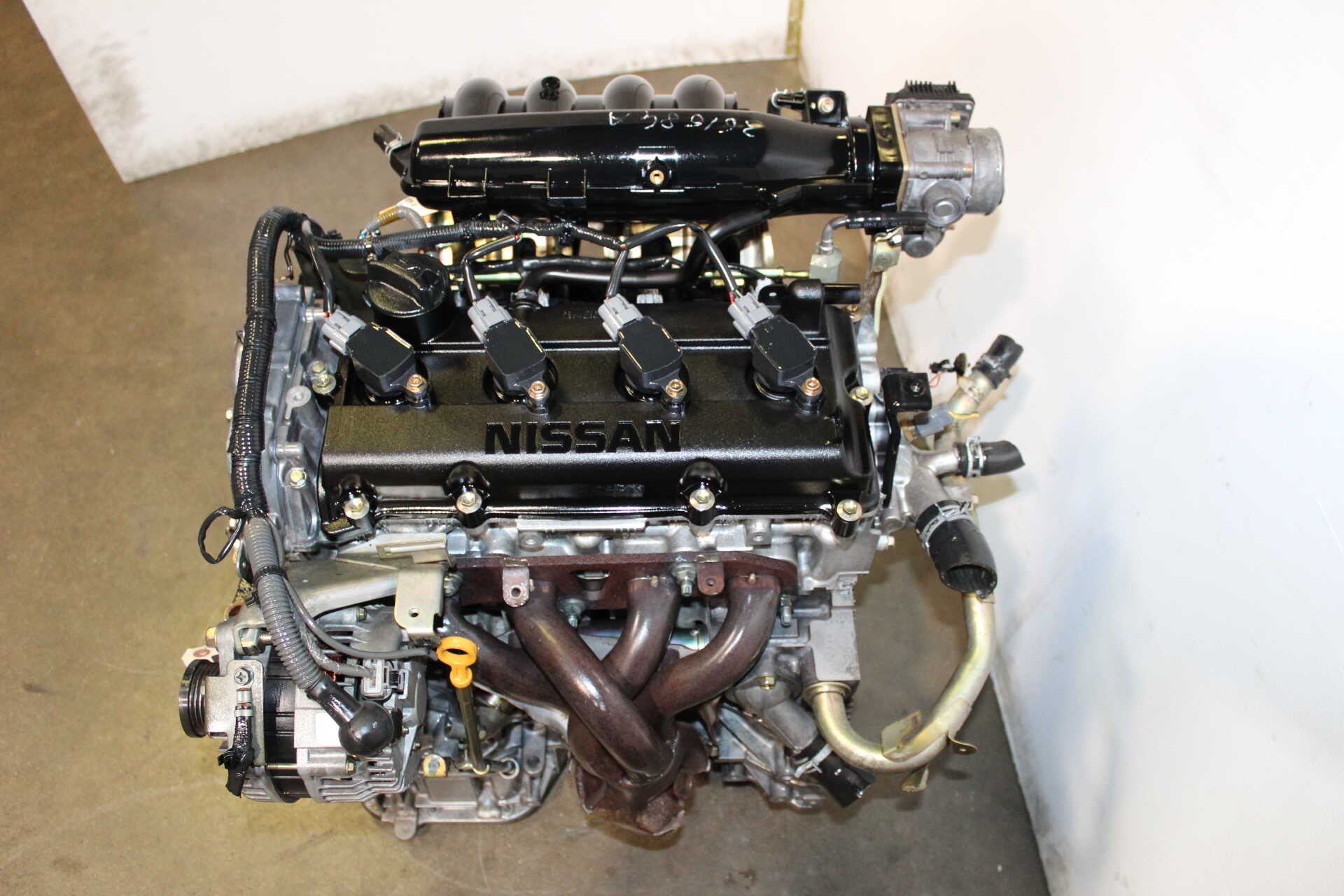
10. Nissan 2.5L QR25DE
Nissan’s QR25DE 2.5-liter four-cylinder engine has appeared in vehicles such as the Altima and Sentra across several model years. Certain vehicles equipped with this engine were associated with excessive oil consumption.
Nissan documents available through NHTSA describe a voluntary recall and service campaign addressing this concern. For certain 2006 Altima and Sentra vehicles, Nissan introduced an engine-control-module update designed to activate a protective “limp home” mode when oil levels became dangerously low.
The campaign also included oil-consumption inspections, with some vehicles requiring engine replacement. This history shows why engine complaints should be linked to specific model years and applications. The same engine family can have different service concerns depending on the vehicle and production period.
When considering a used Nissan, review maintenance receipts and check whether the vehicle required frequent oil additions between scheduled services.
Inspect the current oil level and ask whether the engine has ever been replaced. Warning lights, unusual noises, or low oil levels warrant professional inspection.
NHTSA complaints can reveal recurring owner experiences, but complaint totals do not represent engine failure rates. Sales volume, vehicle age, reporting habits, and issue severity can affect complaint counts. Check recalls, manufacturer service records, VIN-specific information, and inspection results before buying.
