
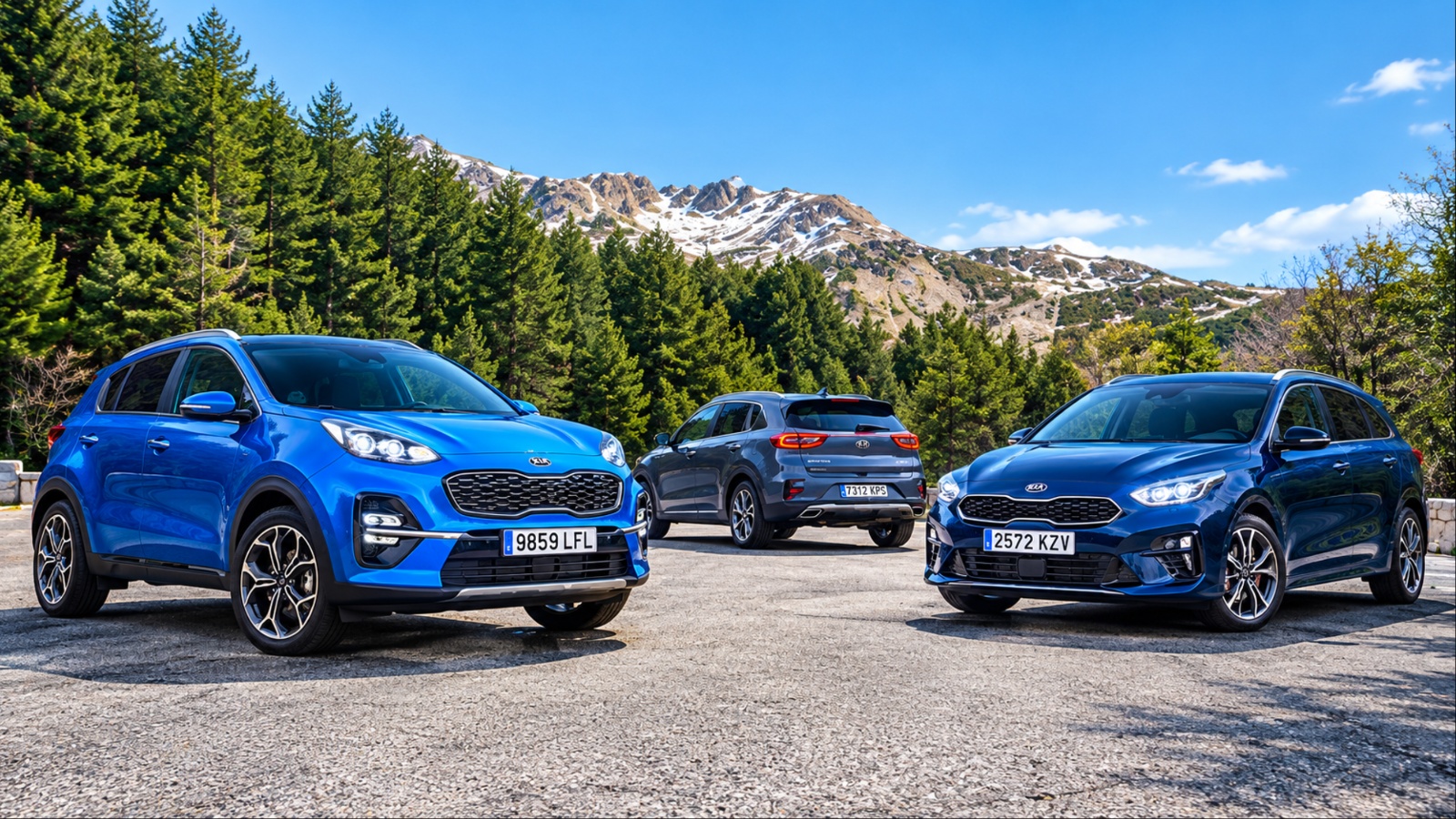
If highway fuel economy is high on your shopping list, a hybrid SUV can make a big difference at the pump. The 2026 model year brings several choices that combine SUV practicality with impressive EPA-estimated highway mileage. From the Kia Niro’s remarkable 54 MPG highway rating to the Ford Escape Hybrid’s 36 MPG figure, these vehicles cover a range of sizes, prices, and driving styles.
EPA ratings are laboratory estimates, so actual mileage can vary with speed, weather, traffic, cargo, tire pressure, and driving habits. Trim and drivetrain can also affect the rating. The list below focuses specifically on highway MPG rather than combined MPG, giving highway-focused drivers a clearer way to compare these 10 efficient SUVs.
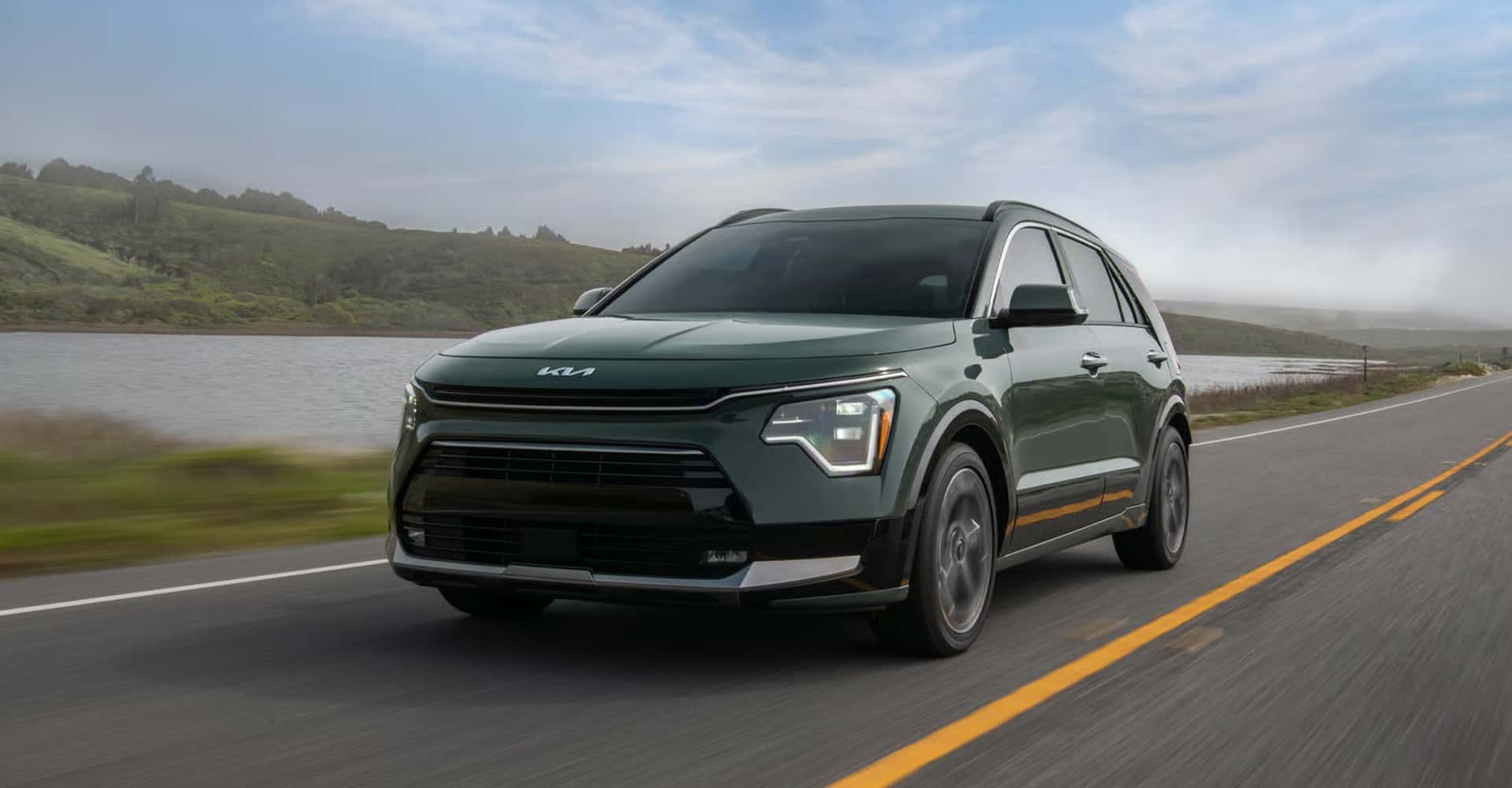
1. 2026 Kia Niro FE
54 MPG Highway
Nothing else on this list comes close to what the Niro FE delivers, and that gap alone makes it worth a closer look for anyone shopping primarily on fuel economy.
Kia built this configuration around efficiency first, pairing a 1.6-liter hybrid powertrain with tuning that prioritizes stretching every gallon rather than chasing quicker acceleration or a sportier driving feel.
The official EPA figures put it at 53 city, 54 highway, and 53 combined, numbers confirmed directly through Kia’s own published specifications for this trim.
What stands out here is how evenly balanced the ratings are between city and highway, unlike many hybrids that lean heavily toward one or the other.
Drivers who split time between stop-and-go traffic and long highway stretches won’t see much of a mileage penalty either way, which makes this a genuinely versatile option rather than a car that only shines under specific driving conditions.
For someone commuting a mix of surface streets and interstate, or planning regular road trips, that consistency translates into real savings at the pump without having to think much about driving style.
The Niro FE isn’t the largest or most powerful SUV in its segment, and buyers looking for towing capacity or aggressive performance should look elsewhere on this list.
But if squeezing maximum range from a tank of gas is the priority, this configuration currently sits in a category of its own among small SUVs sold in the U.S. market for 2026.
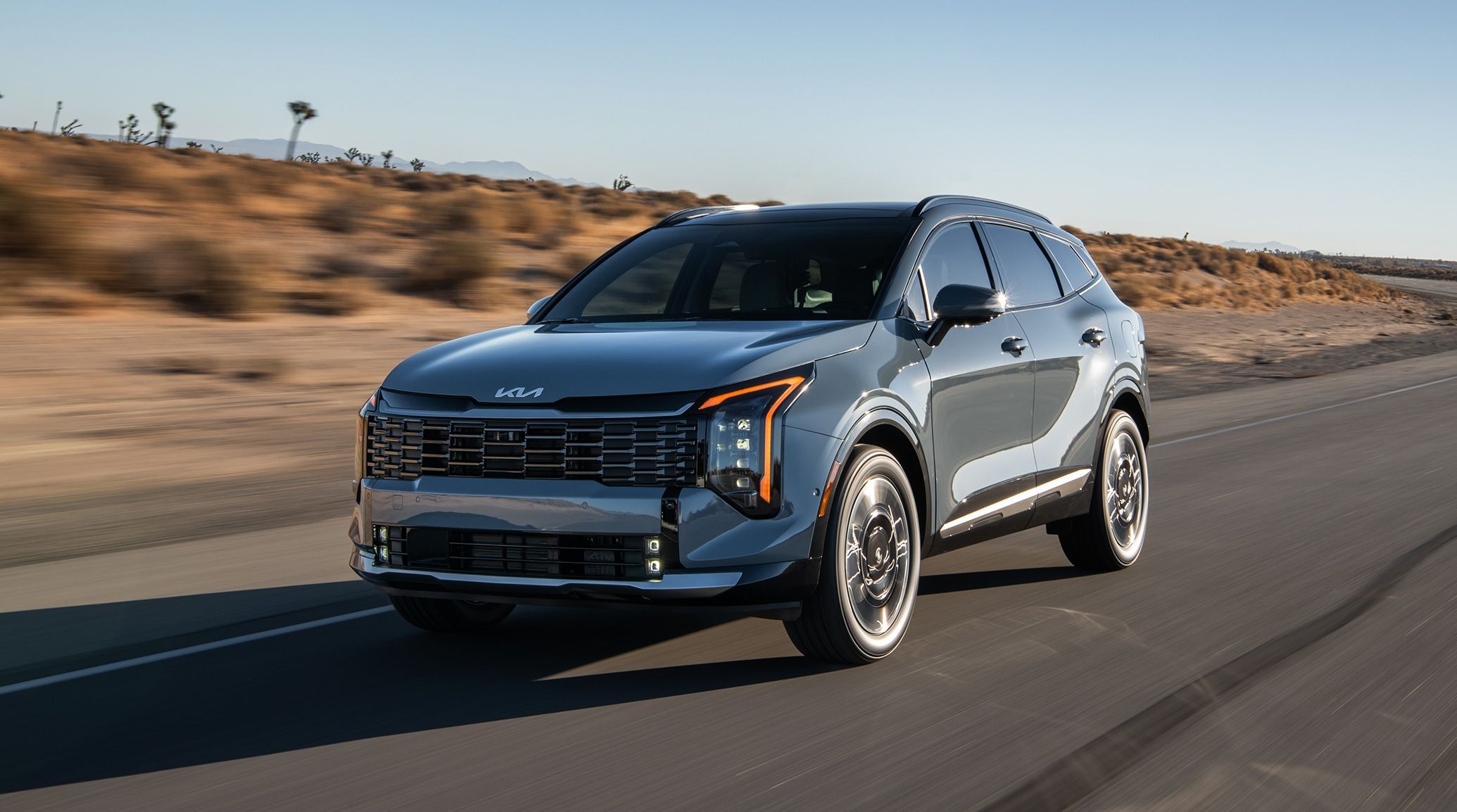
2. 2026 Kia Sportage Hybrid FWD
44 MPG Highway
Ten miles per gallon separates the Niro FE from this Sportage configuration, yet 44 MPG highway still places it comfortably ahead of most competitors in the compact SUV class.
The front-wheel-drive setup earns 41 city and 42 combined, rounding out a set of numbers that make this one of the more efficient options for buyers who want a bit more size and presence than the Niro offers without sacrificing much at the pump.
Drivetrain also plays an important role here. Choosing all-wheel drive on the Sportage Hybrid can reduce these fuel economy figures, mainly because of the added weight and mechanical drag.
Shoppers comparing trims should confirm exactly which configuration they’re looking at before assuming a highway rating applies across the board, since dealerships don’t always make that distinction obvious on a window sticker at first glance.
Beyond the numbers, the Sportage Hybrid brings a bit more cabin space and cargo room than the smaller Niro, making it a reasonable pick for buyers who need extra room for passengers or gear but still want strong highway efficiency as a top priority.
Families who take regular highway trips, whether for visiting relatives or weekend getaways, tend to appreciate how the FWD Sportage Hybrid balances that practicality with a fuel economy number that holds up well against nearly every gas-only SUV in its size class, and against most hybrids as well.
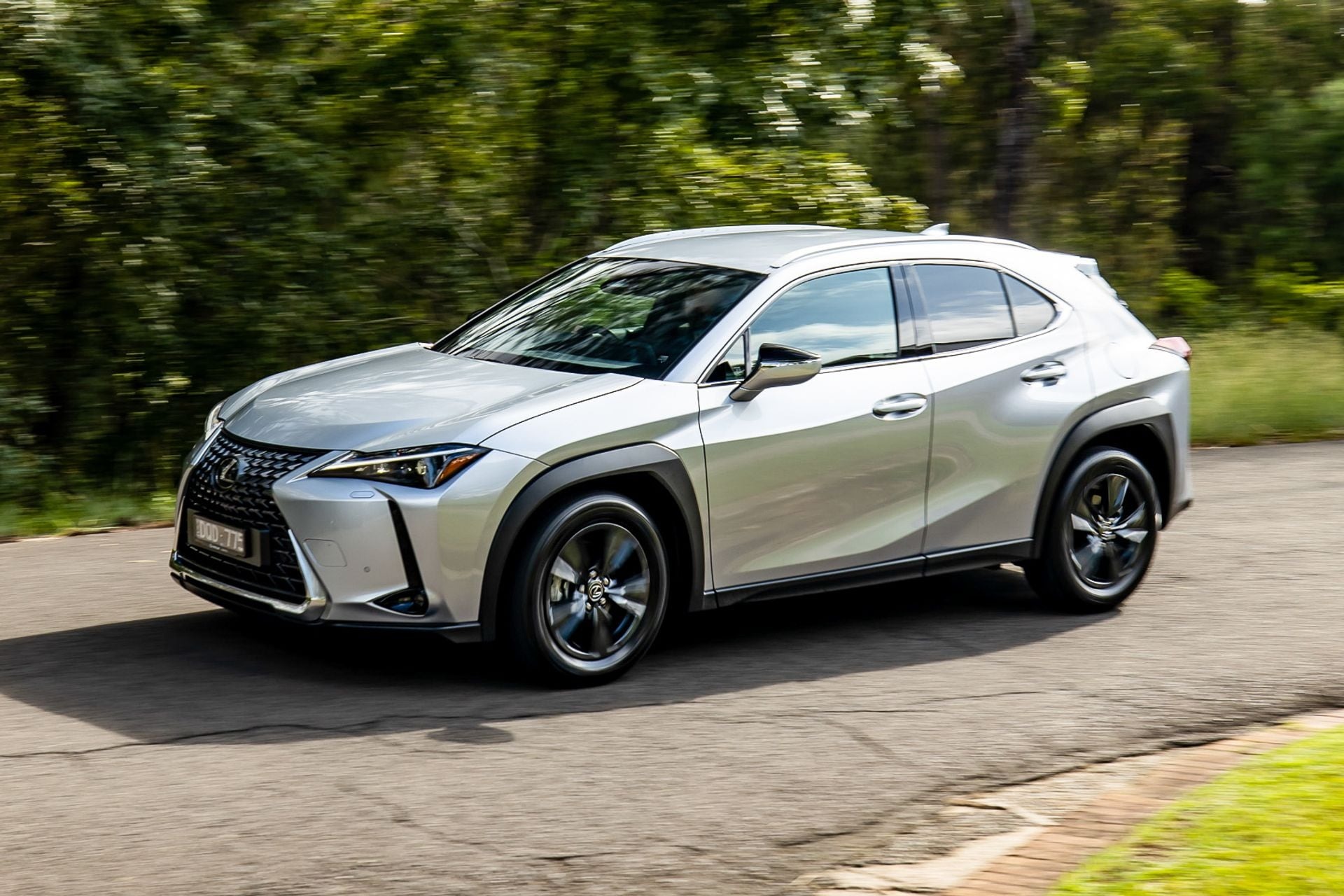
3. 2026 Lexus UX 300h FWD
42 MPG Highway
The 2026 Lexus UX 300h FWD has an EPA-estimated 42 mpg highway rating and a combined rating of about 44 mpg. One correction is important here. The current model is the UX 300h, not the UX 250h. The newer name reflects the updated hybrid powertrain used by Lexus.
This small luxury SUV targets buyers who want lower fuel consumption without giving up a more upscale cabin. Its compact size makes it well suited to city streets, while its hybrid system helps keep fuel use low during longer trips.
The 42 MPG highway rating is particularly useful for drivers whose routines include regular freeway travel. Hybrid systems can also recover energy during braking and use electric assistance during certain driving situations, reducing the amount of work required from the gasoline engine.
The UX 300h is smaller than the Lexus NX, so buyers should consider passenger and cargo requirements before choosing between the two. Its dimensions may appeal to someone who values easy maneuverability, but larger households may want more interior room.
The FWD specification also deserves attention when comparing fuel-economy figures. Different drivetrains and equipment can produce different EPA results.
For a luxury-oriented driver seeking strong highway mileage, the UX 300h FWD combines premium appointments with efficient hybrid operation.
4. 2026 Toyota RAV4 Hybrid
40 MPG Highway
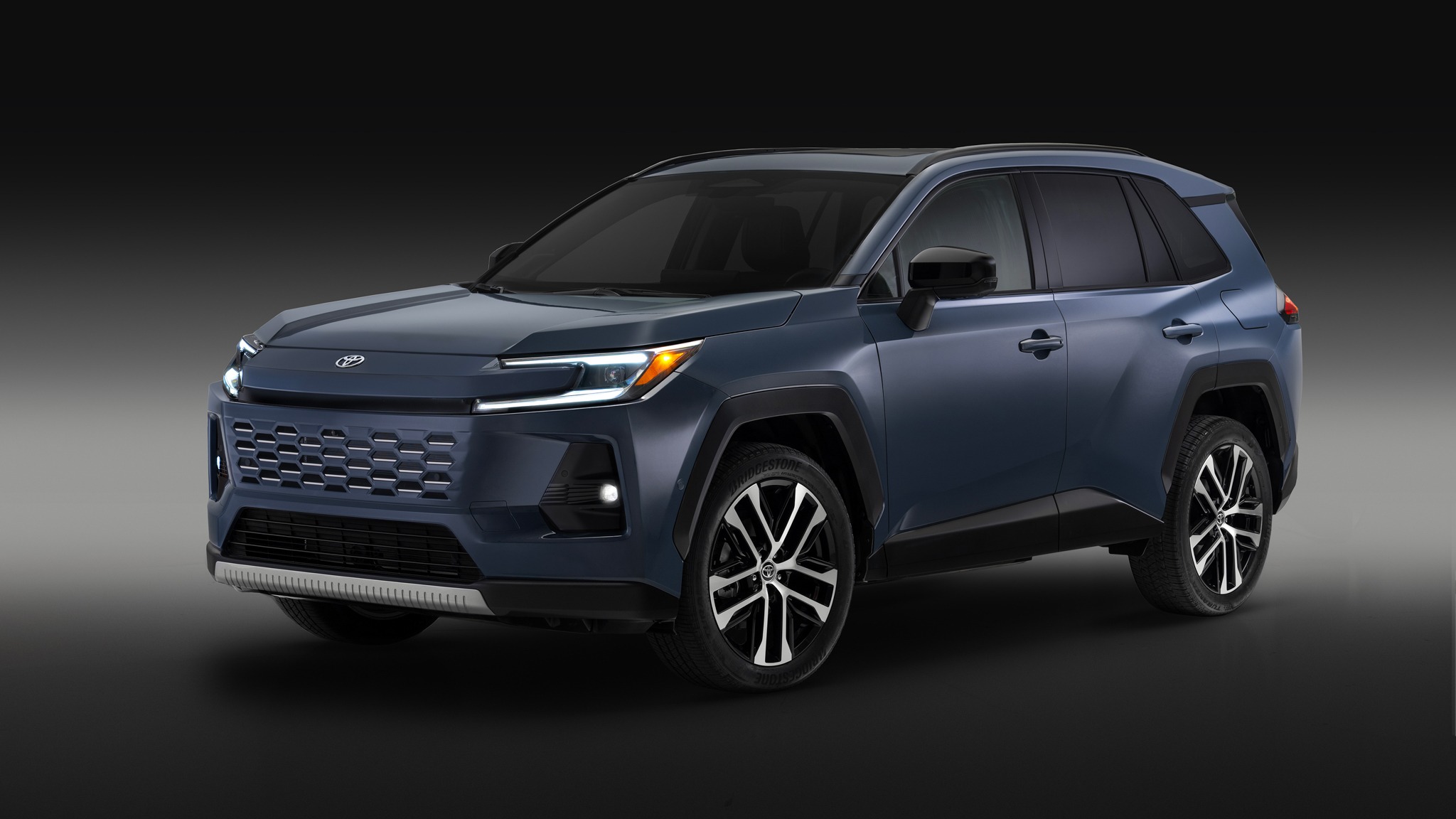
The redesigned 2026 Toyota RAV4 Hybrid brings hybrid efficiency to one of the most familiar compact SUV nameplates. The most efficient configuration is rated at approximately 40 MPG highway, with an EPA figure of about 47 MPG city and 43 MPG combined.
That combination makes the RAV4 particularly interesting for drivers who want both highway efficiency and everyday versatility. The RAV4 has traditionally appealed to households that need room for passengers, groceries, luggage, and recreational equipment without moving into a larger SUV.
Its hybrid system can provide electric assistance during driving while recovering energy during braking. That setup is especially useful in stop-and-go conditions, although the EPA highway number remains strong enough for long-distance travel.
Buyers should pay attention to configuration when comparing fuel-economy figures. Equipment, drivetrain, wheel choice, and other factors can affect an SUV’s official EPA rating.
The 2026 model also benefits from Toyota’s long experience with hybrid powertrains. For someone seeking a practical compact SUV rather than a small crossover, the RAV4 Hybrid offers a useful balance between interior utility and fuel efficiency.
Its 40 MPG highway rating does not make it the most efficient vehicle here, but it places the RAV4 among the stronger choices for drivers who want substantial SUV utility without accepting the fuel consumption of a conventional larger SUV.
5. 2026 Toyota Corolla Cross Hybrid
39 MPG Highway
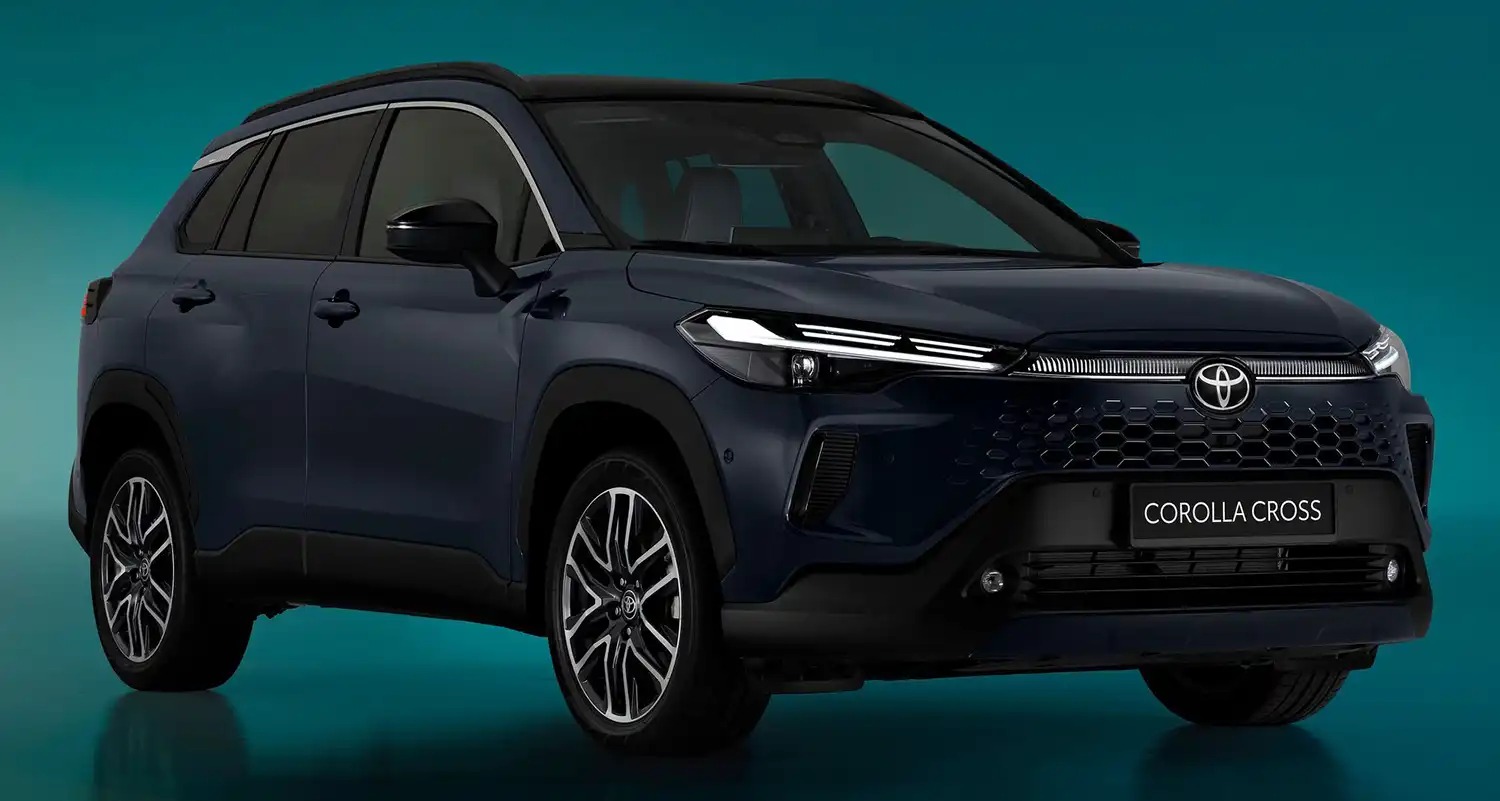
The 2026 Toyota Corolla Cross Hybrid posts an EPA-estimated 39 MPG highway, 46 MPG city, and 42 MPG combined. Toyota’s specifications list these figures for the applicable hybrid configurations.
The Corolla Cross Hybrid occupies an appealing middle ground. It is smaller than the RAV4, yet it offers more SUV-style practicality than a traditional compact sedan. That makes it suitable for drivers who want a raised driving position, useful cargo room, and strong fuel economy.
Its 39 MPG highway figure is especially useful for regular commuters. The higher city rating also shows where hybrid technology can be particularly effective, as electric assistance and regenerative braking can help reduce gasoline use during lower-speed driving.
The hybrid powertrain comes with all-wheel drive, giving the vehicle added traction capability in conditions where extra grip is useful. That feature can be attractive to drivers who want more than a basic front-wheel-drive commuter.
There is still a reason to check the exact trim before buying. Wheels, equipment, and configuration can influence EPA estimates. Buyers should use the rating attached to the specific vehicle they are considering rather than relying on a general model name.
For drivers wanting a smaller SUV with a strong combination of highway and city efficiency, the Corolla Cross Hybrid offers a practical package.
6. 2026 Lexus NX 350h
38 MPG Highway
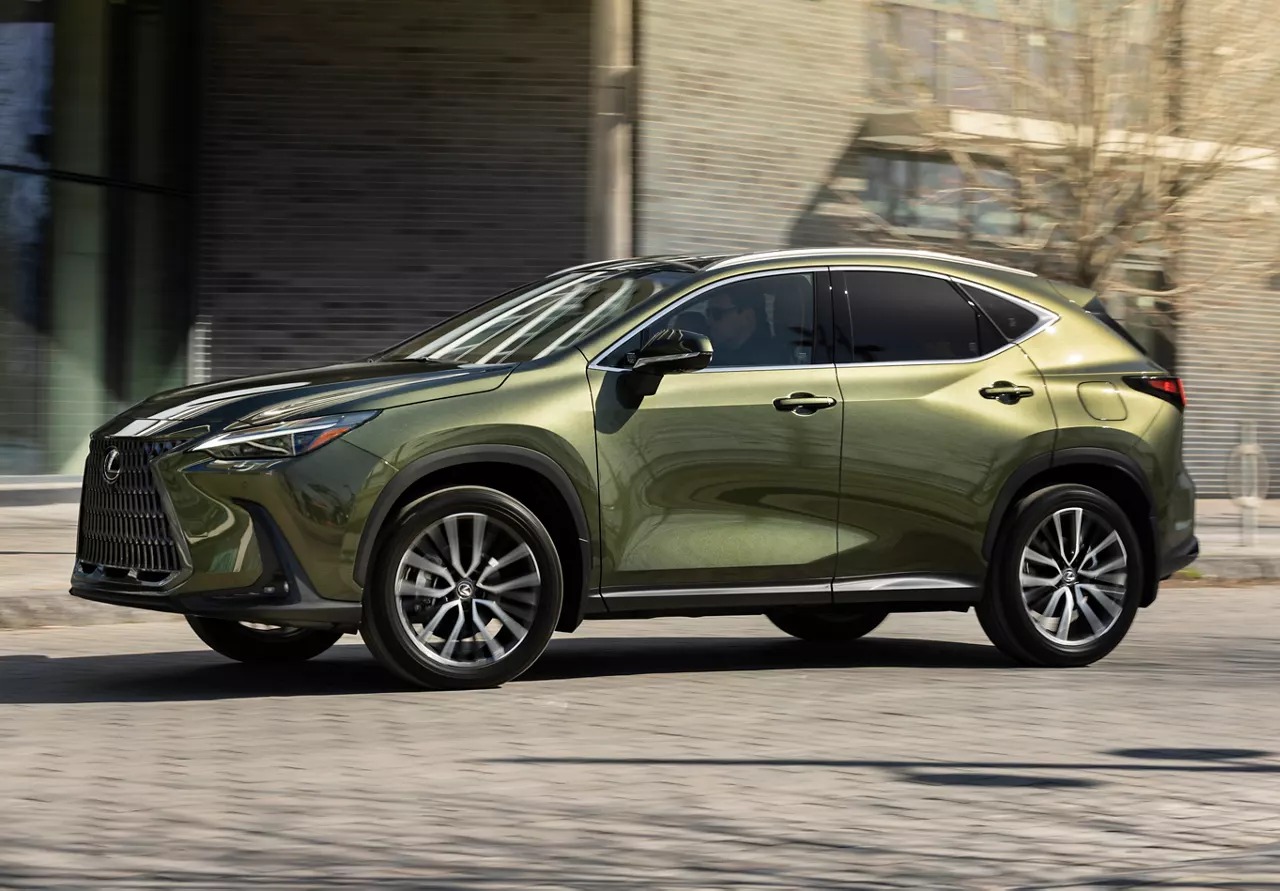
The NX 350h reaches 38 MPG highway in its most efficient configuration, backed by 42 MPG city and 40 MPG combined according to current EPA listings.
A word of caution belongs here: not every version of the NX 350h hits these exact numbers, since certain trims and drivetrain combinations receive lower ratings depending on added weight or all-wheel-drive components.
Anyone comparing window stickers or online listings should confirm the specific trim and drivetrain before assuming a quoted figure applies universally across the model line, because Lexus offers enough variation within the NX lineup that assumptions can lead to real disappointment once a buyer gets behind the wheel.
This SUV sits a step above the smaller UX in terms of size and available features, making it a natural consideration for buyers who want more cabin and cargo space without stepping away from the Lexus hybrid lineup entirely.
The brand’s reputation for a quiet, refined ride carries through here, giving highway commuters a genuinely pleasant experience alongside numbers that hold their own against most mainstream competitors.
What’s worth noting is how closely this figure sits to several other entries on this list, creating a tightly bunched group of SUVs in the upper-30s highway range that essentially tie on paper despite coming from entirely different manufacturers.
For buyers torn between brands, that near parity means other factors, such as interior quality, warranty coverage, or dealership proximity, may end up mattering more than a one or two MPG difference on the highway rating.
7. 2026 Hyundai Tucson Hybrid
38 MPG Highway
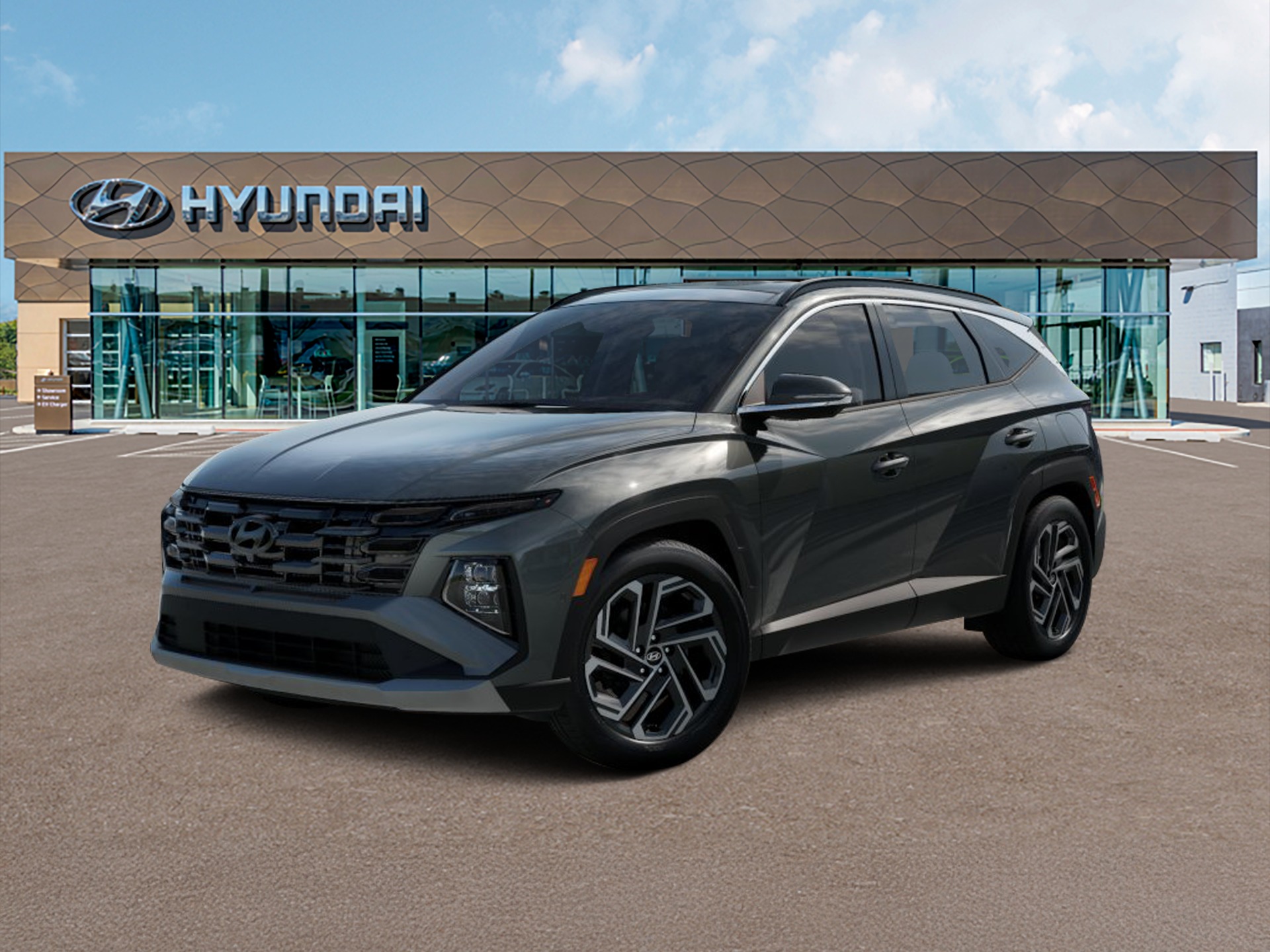
Hyundai’s Tucson Hybrid Blue AWD configuration lands at 38 MPG highway, matched evenly by 38 MPG city and 38 MPG combined, an unusually flat spread that puts it in a tie with the Lexus NX 350h for highway performance despite relying on a completely different hybrid setup.
That even balance across all three categories is worth pointing out specifically, since most hybrids show some meaningful gap between city and highway performance one way or the other.
The Tucson Hybrid’s consistency suggests a powertrain tuned for steady, predictable efficiency regardless of driving conditions rather than one optimized heavily toward either stop-and-go traffic or sustained highway speeds.
Buyers cross-shopping against the Sportage Hybrid from corporate sibling Kia will notice some overlap in technology and performance, though the all-wheel-drive Tucson trades some highway efficiency compared to the front-wheel-drive Sportage in exchange for added traction and capability in adverse weather.
That tradeoff makes sense for buyers in regions with real winter conditions, where the efficiency difference is a reasonable price to pay for the confidence AWD provides on snow or ice.
Hyundai has built a strong value proposition around the Tucson Hybrid more broadly, often undercutting comparable Toyota and Honda hybrid SUVs on price while delivering competitive fuel economy, and this highway figure reinforces that the Tucson Hybrid deserves serious consideration alongside better-known names when fuel economy sits near the top of a buyer’s priority list.
8. 2026 Mazda CX-50 Hybrid
37 MPG Highway
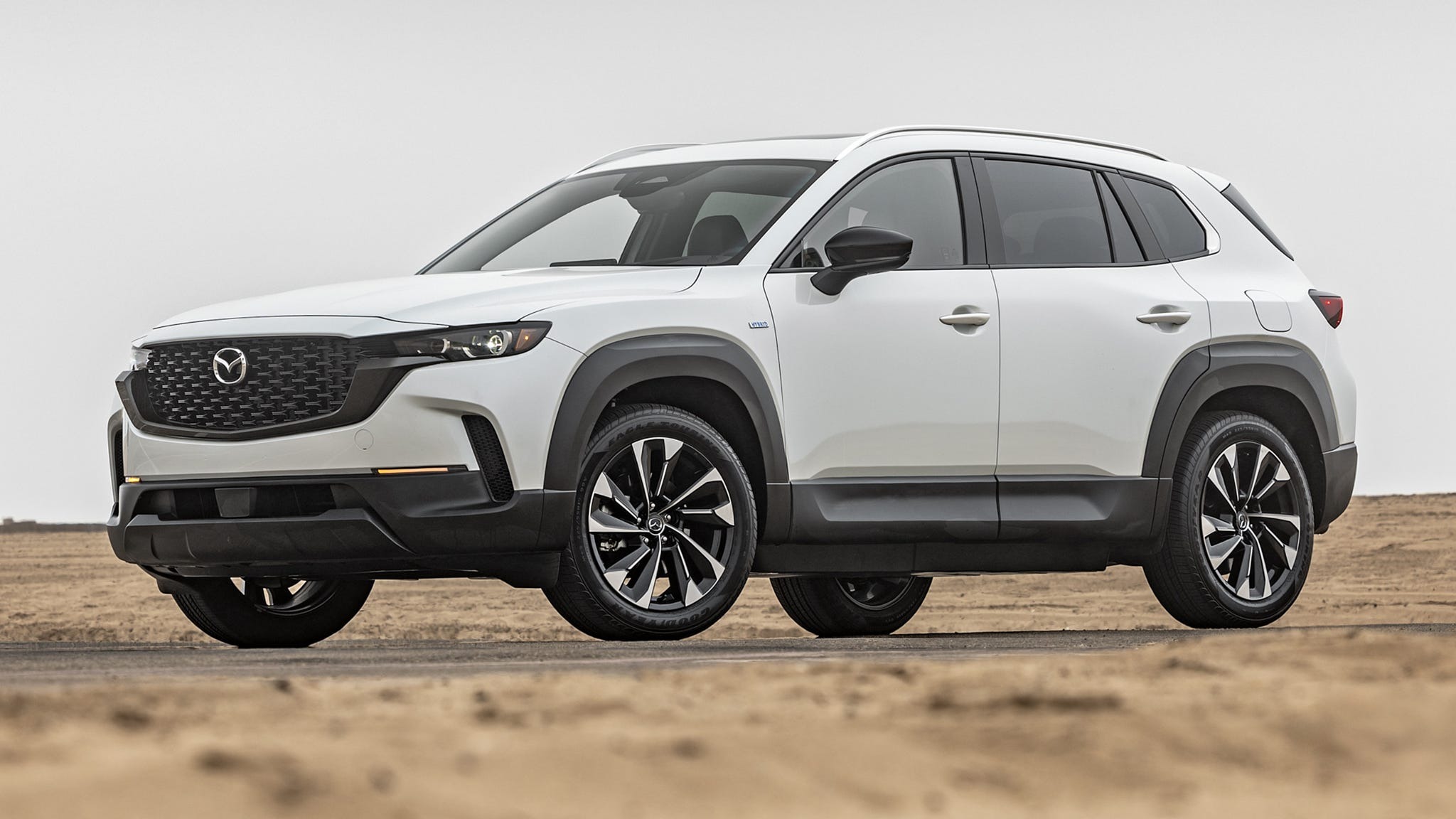
Mazda enters this list with the CX-50 Hybrid, rated at 37 MPG highway alongside 39 MPG city and 38 MPG combined. What separates this entry from several others is the drivetrain: the CX-50 Hybrid comes standard with all-wheel drive, a different setup than the front-wheel-drive configurations that produce the strongest numbers on competitors like the Sportage or UX.
That AWD-only approach costs a small amount of highway efficiency compared to front-wheel-drive rivals, yet it also means every CX-50 Hybrid buyer gets the traction benefits of all-wheel drive without having to choose a lower trim or sacrifice other features to get it, since it’s simply part of the package rather than an optional upgrade.
Mazda has built a reputation over the past several years for engaging driving dynamics even in its crossover and SUV lineup, and the CX-50 continues that trend while still delivering genuinely competitive fuel economy for a vehicle that doesn’t feel like it’s been stripped down purely for efficiency.
Buyers drawn to Mazda’s design language and driving feel, but who also want real hybrid fuel savings, will find the CX-50 Hybrid strikes a reasonable balance between those two priorities.
It won’t top this list on pure highway numbers, but for someone who wants all-wheel drive as a non-negotiable feature alongside strong efficiency, this configuration removes the need to compromise between those two requirements the way some competitors force buyers to choose one or the other.
9. 2026 Honda CR-V Hybrid
36 MPG Highway
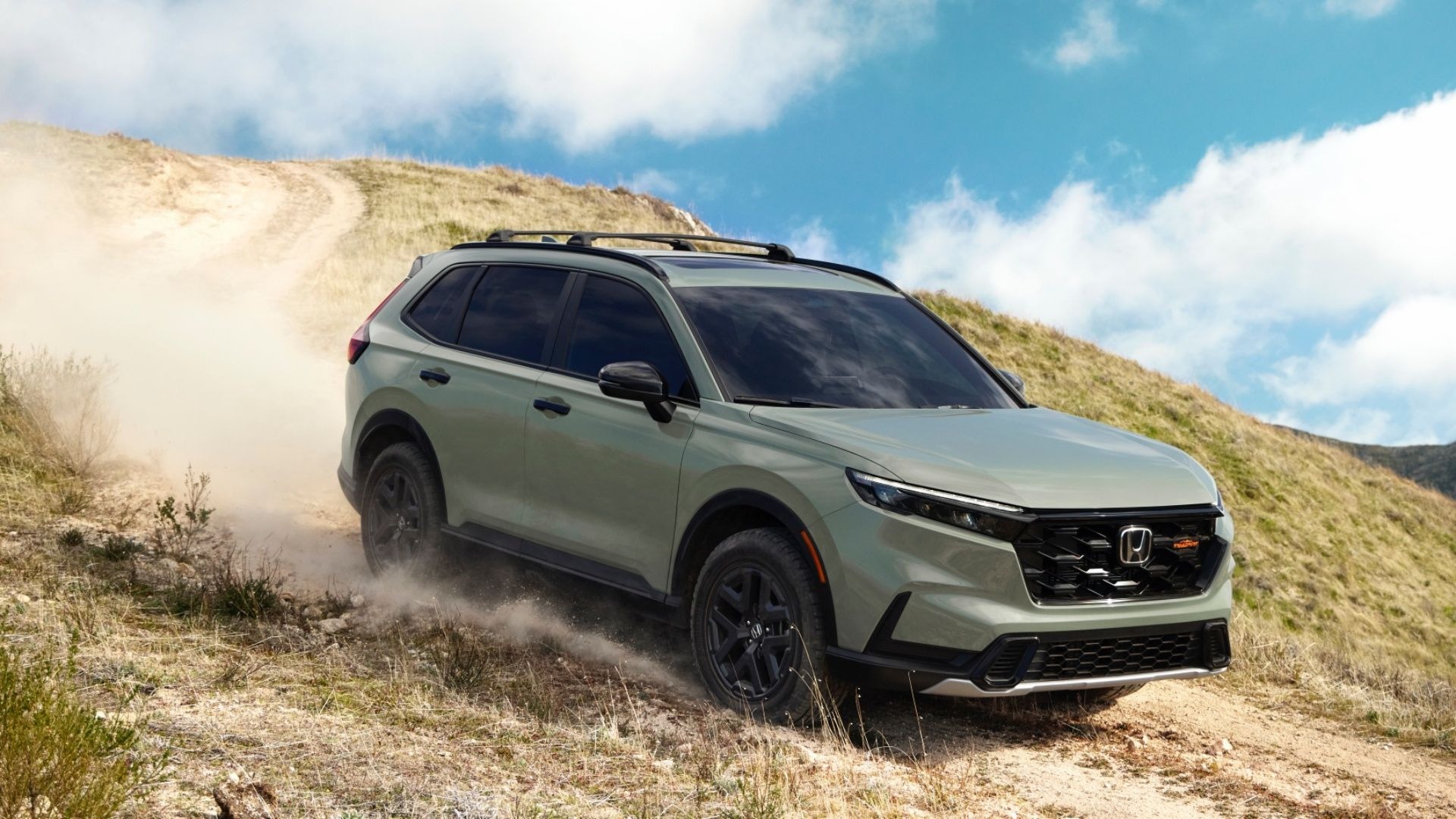
The 2026 Honda CR-V Hybrid reaches 36 MPG highway in the efficient configuration used for this comparison, with an EPA-estimated 43 MPG city and 40 MPG combined rating. Its strong city figure reflects the benefit hybrid technology can provide during slower driving and frequent braking.
The CR-V has long been a popular choice among buyers who want a practical compact SUV, and the hybrid version adds lower fuel consumption to that formula. It offers useful passenger room and cargo capacity, making it suitable for families, commuters, and road-trip drivers.
Highway fuel economy is not identical to city fuel economy, even in a hybrid. At sustained highway speeds, the gasoline engine generally carries more of the workload, while the opportunities for regenerative braking are reduced.
That makes the 36 MPG highway rating a useful figure for drivers who spend much of their time traveling at steady speeds. Actual results can still vary based on speed, weather, road conditions, and vehicle load.
The exact CR-V Hybrid configuration should be checked before purchase because drivetrain and trim can affect EPA ratings. For a buyer who wants a familiar compact SUV format, a roomy cabin, and hybrid efficiency, the CR-V Hybrid offers a well-rounded option.
Its 40 MPG combined rating also makes it appealing to drivers whose routines include both city streets and highway travel.
10. 2026 Ford Escape Hybrid
36 MPG Highway
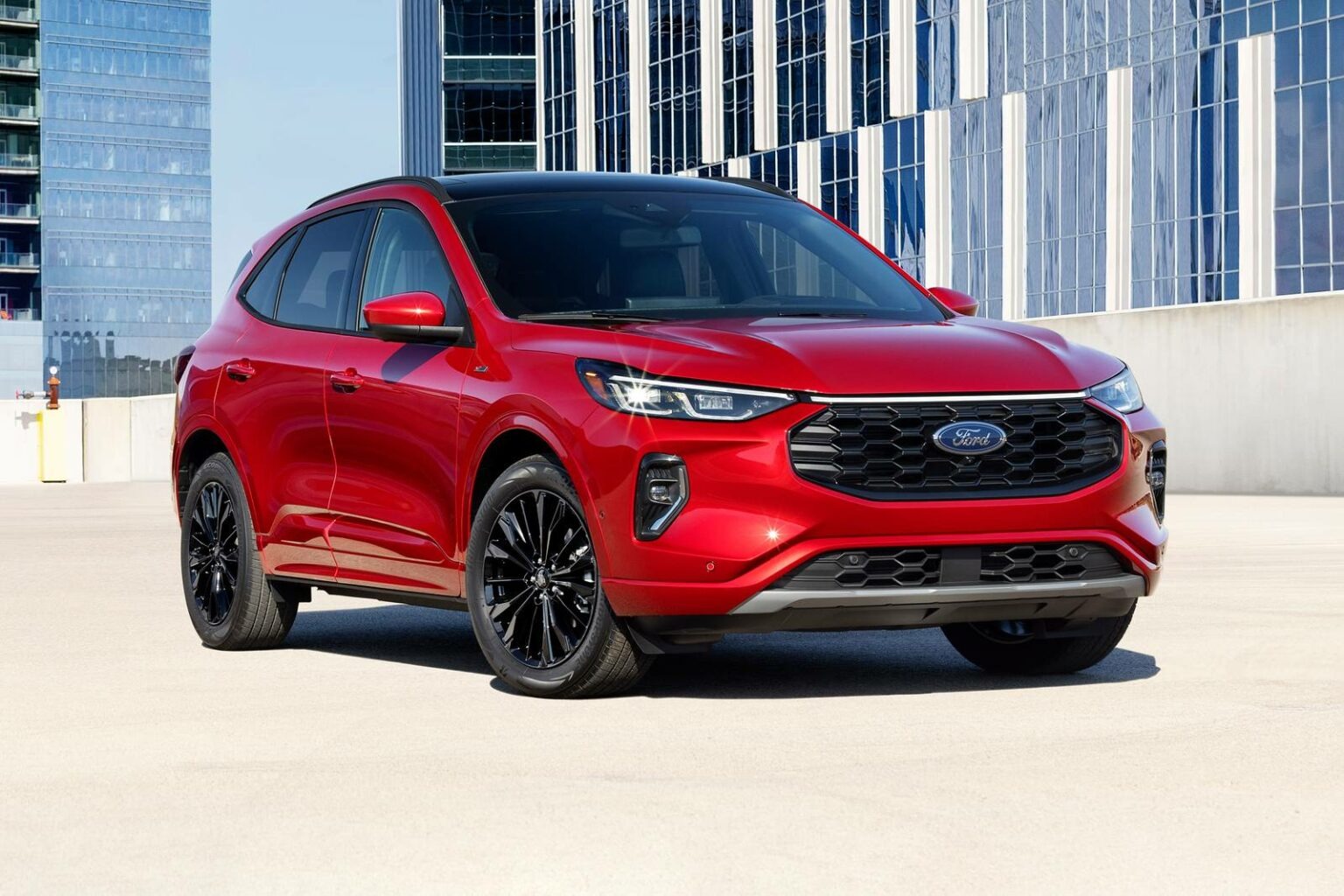
The 2026 Ford Escape Hybrid rounds out the list with an EPA-estimated 36 MPG highway, 42 MPG city, and 39 MPG combined in the applicable AWD configuration. Ford’s current specifications confirm the 42/36/39 MPG rating for the Escape Hybrid AWD.
The Escape Hybrid combines a compact SUV body with a 2.5-liter hybrid powertrain. Its fuel economy makes it appealing to commuters who want the flexibility of an SUV without the fuel use associated with many larger gas-powered models.
Its 36 MPG highway rating is tied with the CR-V Hybrid in this comparison. The Ford’s 42 MPG city figure, however, shows why buyers should consider their actual driving pattern instead of focusing on one number.
Configuration matters here, too. Ford lists different fuel-economy ratings for different Escape powertrains, so the exact engine and drivetrain should appear alongside any MPG claim.
The Escape also provides a practical cabin and cargo area for everyday use. For someone who spends part of the week commuting and part of the time carrying passengers or gear, that versatility can be useful.
EPA ratings are standardized estimates rather than guarantees. Driving speed, traffic, temperature, tire pressure, maintenance, and cargo can all affect actual fuel consumption.
Even so, the Escape Hybrid’s 36 MPG highway rating places it among the more fuel-efficient SUVs available for 2026.
