
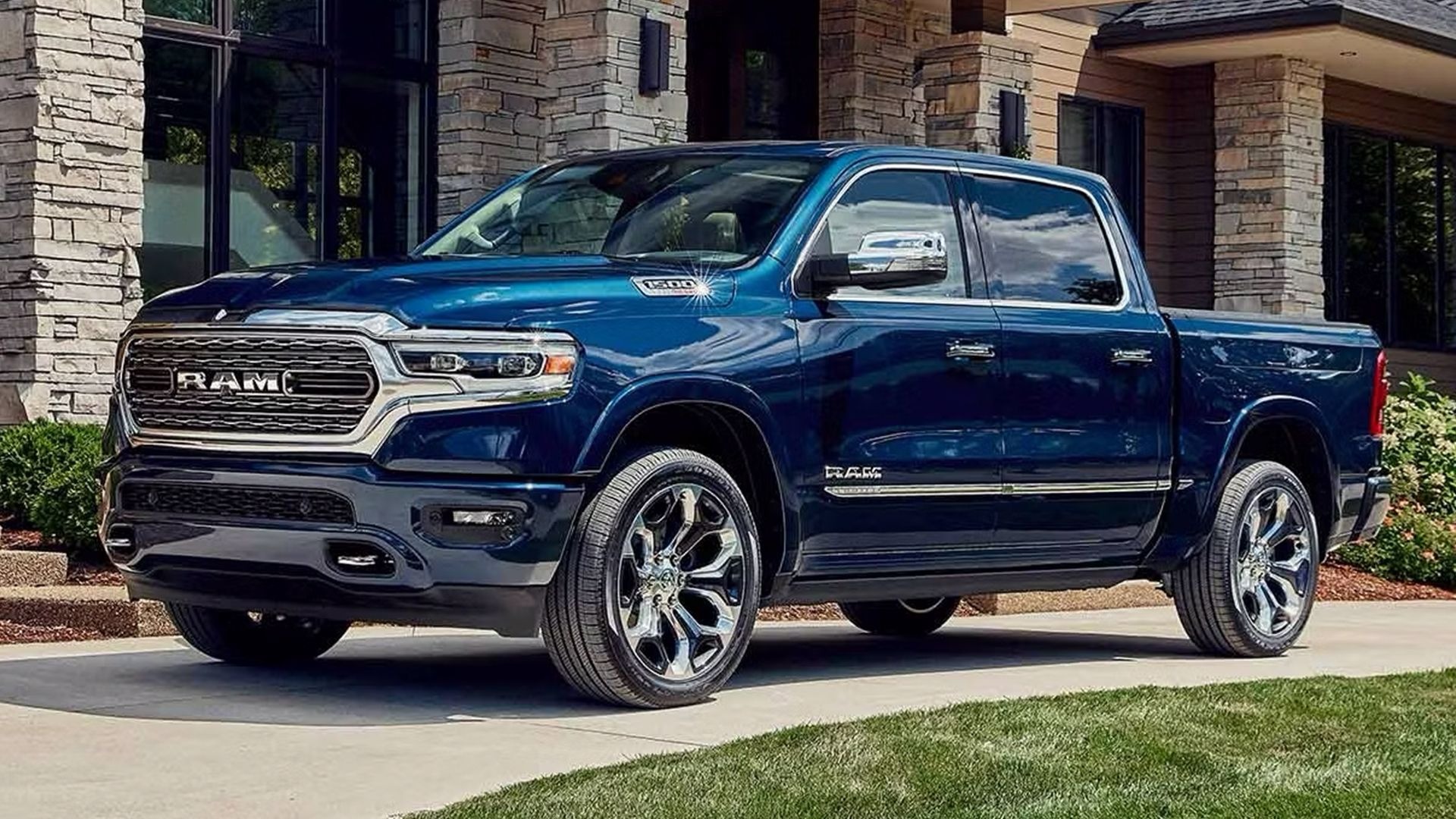
A full-size truck can make hauling, towing, commuting, and weekend projects much easier. The catch? The monthly payment tells only part of the story. Fuel, insurance, tires, maintenance, repairs, depreciation, and even accessories can add hundreds or thousands of dollars to your yearly budget.
Recent truck ownership guides point to the same lesson. The cost of owning a pickup depends heavily on mileage, engine choice, towing habits, vehicle age, and maintenance. So, what should you actually expect to spend during a typical year? Here is a practical breakdown of the expenses worth including in your budget.
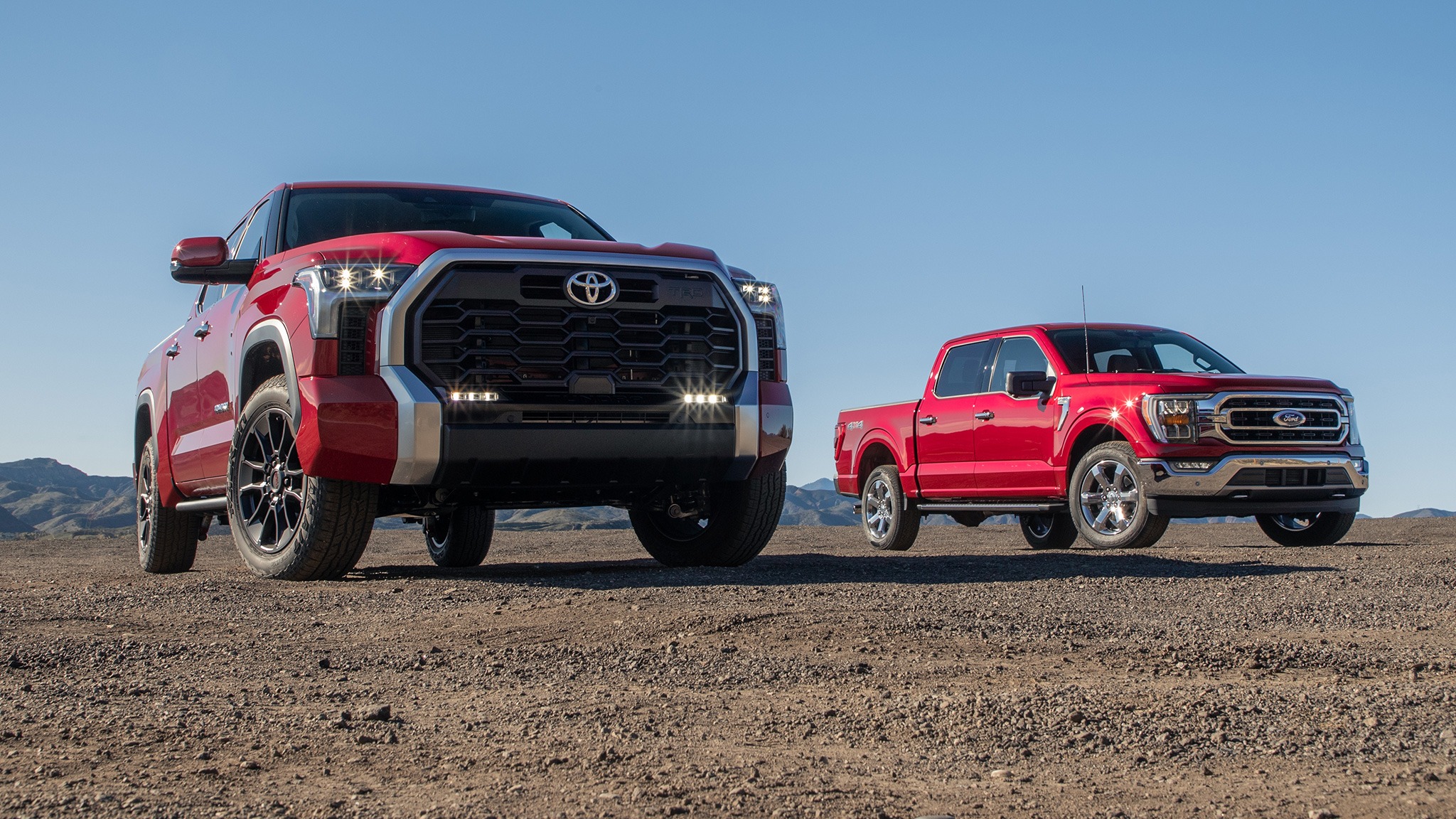
The Purchase Price Is Only the Starting Point
Imagine buying a full-size pickup for $50,000. It is tempting to look at the loan payment, sign the paperwork, and consider the financial decision finished. It is not.
The purchase price creates the starting point for ownership, while several recurring expenses continue every month. Financing is one of those costs. If you borrow money to purchase the truck, interest increases what you actually pay for the vehicle.
Endurance’s 2026 analysis of used trucks gives an example in which a $32,000 truck financed over time could accumulate about $5,000 in interest.
Your actual financing cost will depend on the loan amount, interest rate, down payment, and repayment period. Depreciation is another cost to consider. You do not receive a separate bill for depreciation, but the truck gradually loses value as it ages and accumulates miles.
A recent Chevrolet dealer analysis estimates that many pickups lose roughly 20% of their value during the first year and about 40% to 50% within five years, although mileage, condition, trim, and market demand can change the result.
That makes resale value worth watching. A truck that retains more of its value can reduce the effective cost of ownership when you eventually sell or trade it.
Fuel Can Become Your Biggest Annual Expense
There is a simple way to estimate how much fuel will affect your budget. Divide the number of miles you expect to drive by the truck’s real-world fuel economy, then multiply the result by your local fuel price.
Suppose you drive 15,000 miles in a year and average 16 mpg. You would need about 938 gallons. At $3.50 per gallon, that works out to roughly $3,281 for fuel alone. Raise annual mileage to 20,000 miles, and the same calculation produces about $4,375.
The actual number can move considerably. Full-size trucks with larger engines, four-wheel drive, heavy loads, or frequent towing can use more fuel.
CarCostCX identifies fuel as one of the largest recurring expenses associated with full-size truck ownership, while D&D Motors points out that driving habits can matter more than small differences in advertised fuel economy.
Engine choice matters, too. Gasoline, diesel, and hybrid powertrains can produce different fuel bills depending on how the truck is driven. A driver who mainly commutes may have a very different calculation from someone who regularly pulls a trailer.
The useful number is not the advertised mpg figure alone. It is your estimated annual mileage multiplied by the fuel consumption you are likely to achieve.

Insurance, Tires, Maintenance, and Repairs Add Up
Now picture the truck sitting in your driveway. Even when it is not moving, some ownership costs continue. Insurance is a major example. Premiums depend on factors such as location, driving history, coverage, vehicle value, trim, and intended use.
A 2026 analysis of the Chevrolet Silverado 2500 HD puts annual insurance at approximately $2,629, while also stressing that individual premiums vary. That figure should be treated as an example, not a universal price.
Tires deserve attention because full-size pickups typically use larger and more expensive tires than ordinary passenger cars. Brakes can also cost more because truck components are designed around heavier vehicles and, in many cases, towing loads. CarCostCX specifically identifies larger tires and brakes as contributors to the higher running cost of full-size trucks.
Maintenance includes oil changes, filters, tire rotations, brake service, fluid changes, inspections, and other scheduled work. Endurance cites an average annual repair and maintenance cost of about $936 for a full-size truck, based on RepairPal data, while stressing that routine maintenance and unexpected repairs are separate expenses.
Unexpected work can hurt more. Endurance lists possible transmission repairs at $2,500 to $6,000, engine replacement from roughly $4,000 to more than $10,000, and certain diesel injector or turbocharger repairs costing several thousand dollars.
Towing and Accessories Can Raise the Bill
A truck used for towing has a different spending pattern from one used mainly for commuting. That trailer may require a hitch, ball mount, wiring, brake controller, safety equipment, and trailer maintenance. Fuel consumption can rise as well.
Mechanical wear can rise with heavy use. Regular towing places extra demands on brakes, tires, transmission components, cooling systems, and other drivetrain parts.
D&D Motors specifically notes that frequent towing can increase wear on brakes, tires, and drivetrain components. A Chevrolet ownership guide similarly recommends adjusting maintenance attention when a truck regularly operates under heavy loads.
Accessories create another spending category that is easy to underestimate. A basic pickup can become much more expensive once you add a bed cover, running boards, upgraded wheels, larger tires, lighting, racks, storage equipment, or off-road equipment.
Pickup Truck Talk notes that owners can spend thousands of dollars on modifications during the first year. The smart approach is to separate necessary equipment from optional upgrades.
If you need a hitch to tow your trailer, budget for it. If you simply want custom wheels, treat them as discretionary spending rather than part of the truck’s unavoidable annual cost.
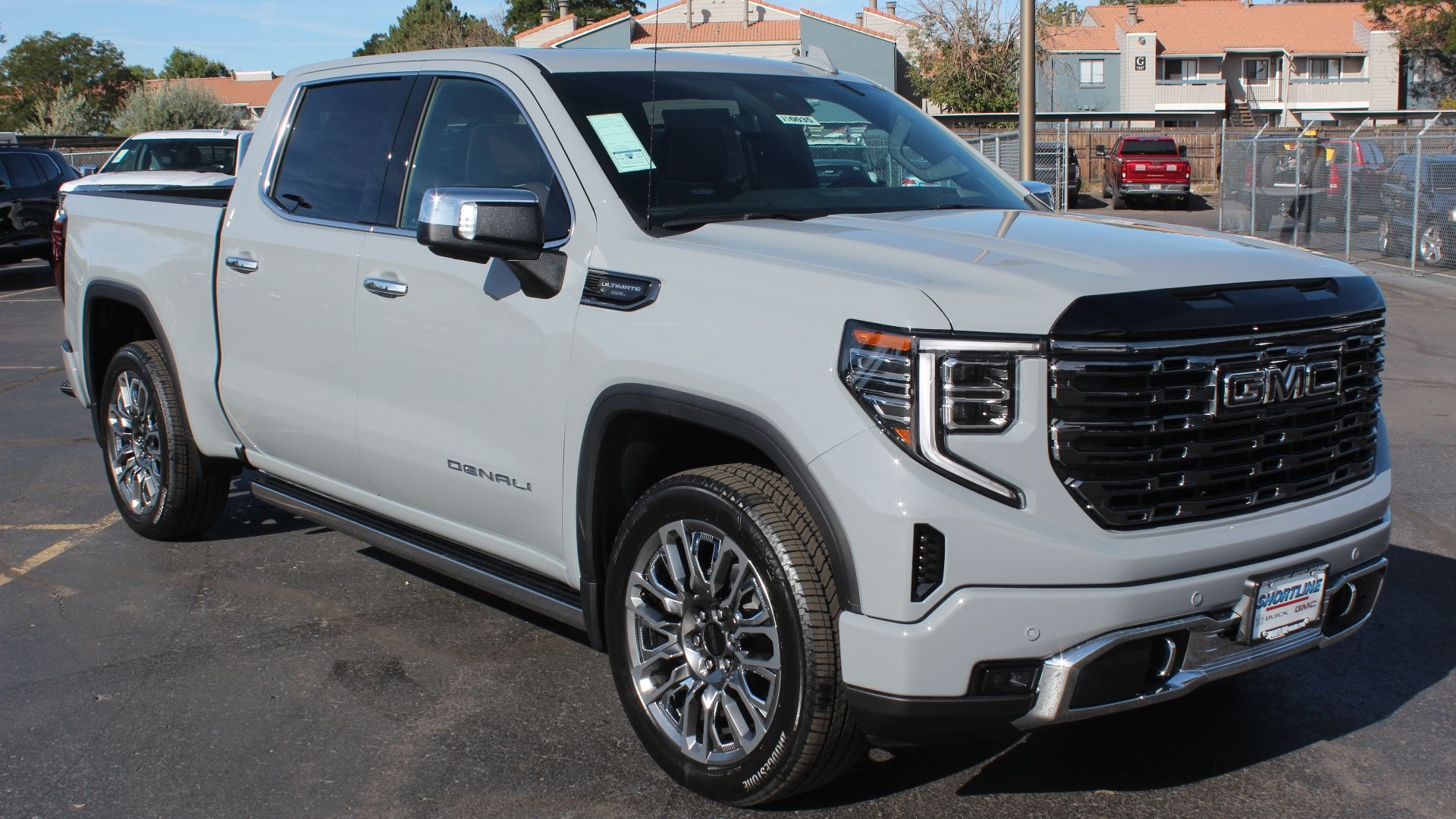
Depreciation and What a Truck Is Worth Later
Depreciation might be the least visible cost of truck ownership, yet it’s often the largest one buried inside that total AAA figure. A new truck can lose thousands of dollars in value during its first year alone, a pattern common across nearly every vehicle category but one that hits particularly hard on trucks given their higher starting price points.
AAA’s broader research shows average vehicle depreciation running over $4,000 annually across a five-year ownership period, and full-size trucks with premium trims or diesel engines frequently exceed that average given their steeper initial purchase price.
Certain models and trims hold value better than others, and doing research on resale trends before buying can meaningfully affect what a truck is worth if it gets traded in or sold down the road.
Mileage plays a role here too, since trucks driven heavily for work or towing tend to depreciate faster than ones used primarily for light personal use, a pattern buyers should factor in in advance rather than discovering it at trade-in time.
Buying used rather than new is one common strategy truck shoppers use specifically to sidestep that steepest first-year depreciation hit, letting someone else absorb the biggest loss in value while still getting a capable vehicle for years of solid use.
Whatever route a buyer takes, understanding that depreciation quietly eats into a truck’s total cost, even when no repair bill or fuel receipt is involved, is part of getting an honest picture of what full-size truck ownership actually costs across a full year.
