
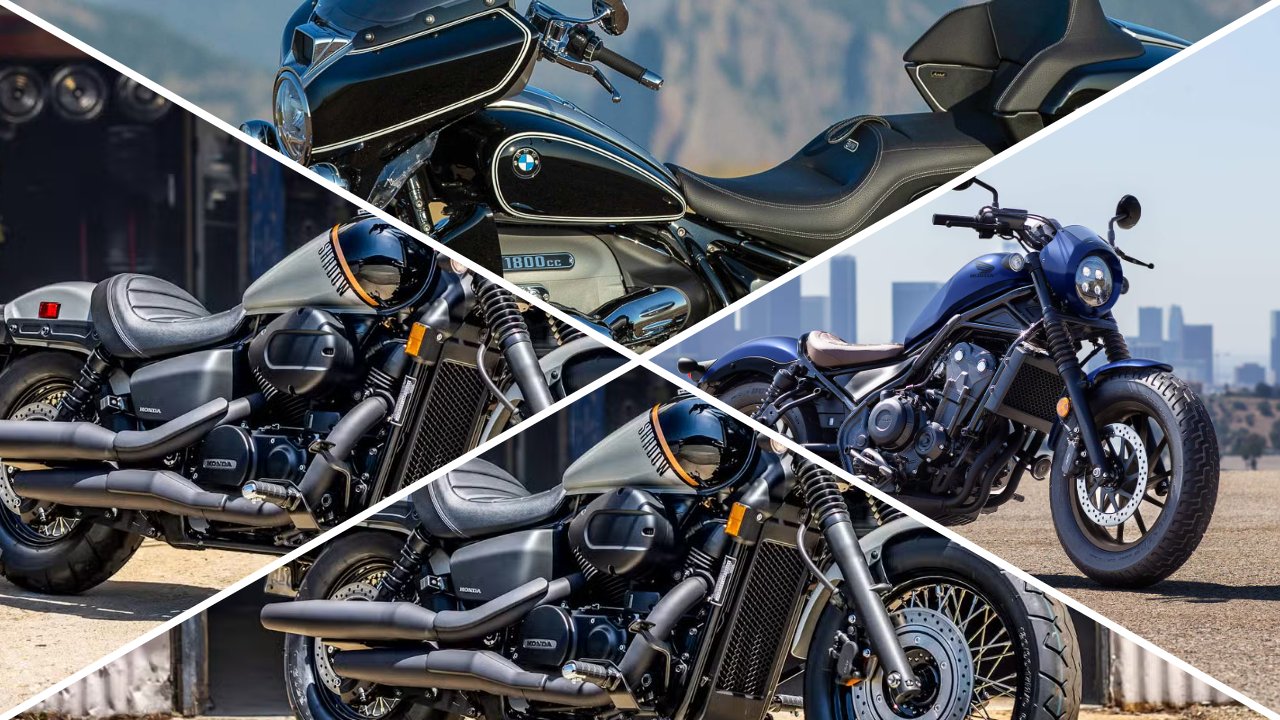
Cruiser motorcycles are often chosen for their relaxed riding position, effortless highway manners, and timeless styling, but the ownership experience depends on far more than comfort alone. Maintenance costs can vary dramatically between models.
Some cruisers are mechanically simple, use widely available parts, and can cover thousands of miles with little more than routine servicing. Others feature premium engineering, larger engines, advanced electronics, or expensive replacement parts that make scheduled maintenance and repairs far more costly.
This article highlights five cruiser motorcycles known for affordable ownership and five that can become expensive to maintain, helping buyers understand the long-term financial commitment before purchasing.
Also Read: 8 Trucks and SUVs That Tow 10,000 Pounds Under $60,000
5 Cruisers Cheap to Maintain
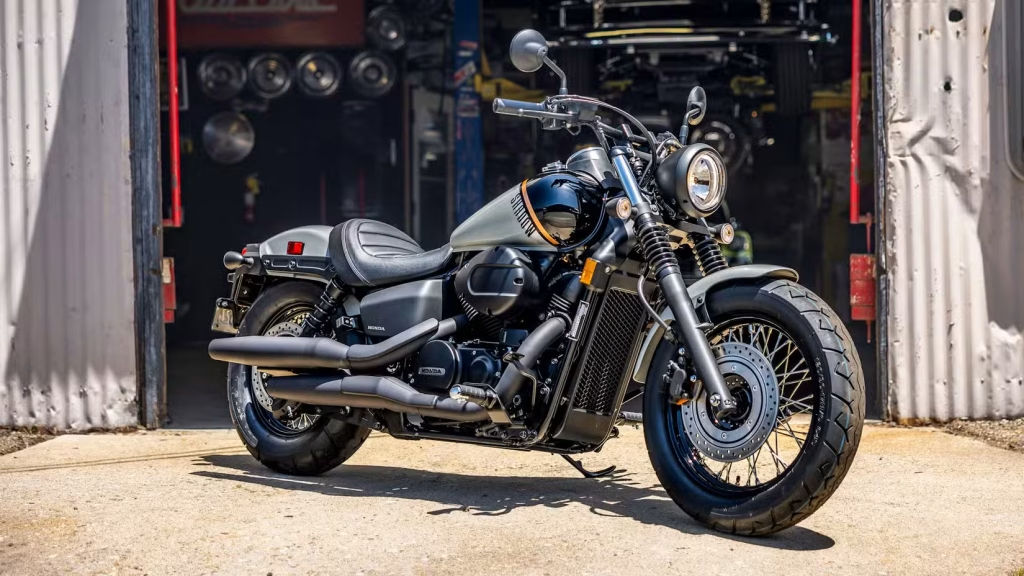
1. Honda Shadow Phantom
Some motorcycles build their reputation through impressive horsepower figures, while others become favorites because they simply refuse to become expensive to own. The Honda Shadow Phantom belongs firmly in the second category.
Powered by Honda’s long-running 745 cc liquid-cooled V-twin, the Shadow has earned a reputation for durability that stretches across decades. Riders regularly accumulate high mileage with little more than scheduled maintenance, making it one of the most economical cruisers available.
A major reason the Shadow Phantom stays inexpensive to maintain is its proven engineering. The engine design has been refined over many years, allowing Honda to eliminate many of the issues that often appear in newer platforms.
Routine maintenance such as oil changes, coolant replacement, spark plugs, and air filter servicing is straightforward, and replacement parts are widely available through both Honda dealerships and aftermarket suppliers.
The shaft-drive system further reduces long-term ownership costs. Unlike chain-driven motorcycles that require frequent cleaning, lubrication, and periodic replacement of chains and sprockets, the Shadow’s shaft drive needs relatively little attention beyond scheduled gear oil changes. Riders who commute daily or enjoy long touring trips often appreciate this convenience.
Insurance costs also tend to remain reasonable because the motorcycle is not marketed as a high-performance machine. Its moderate power output places less stress on tires, brakes, and drivetrain components compared with larger-displacement cruisers that generate substantially more torque.
Independent motorcycle shops are highly familiar with the Shadow platform, keeping labor charges predictable whenever professional servicing is required.
Combined with Honda’s excellent reliability record, this makes the Shadow Phantom one of the smartest choices for riders seeking dependable transportation without unpredictable maintenance expenses.
Specifications
- Engine: 745 cc liquid-cooled 52-degree V-twin
- Torque: 47 lb-ft
- Horsepower: 44 hp
- Length/Width: 94.5 in / 33.6 in
2. Kawasaki Vulcan S
Rather than relying on a traditional large-displacement V-twin, the Kawasaki Vulcan S takes a different approach by using a 649 cc parallel-twin engine derived from Kawasaki’s Ninja 650 platform. That decision has proven beneficial not only for performance and fuel economy but also for maintenance costs.
The engine has been produced in significant numbers for years, giving technicians extensive familiarity with its design and ensuring replacement parts remain affordable.
Routine servicing is uncomplicated because the motorcycle avoids excessive mechanical complexity. Oil and filter changes are simple, the liquid-cooling system has established service intervals, and the fuel-injected engine requires very little day-to-day attention beyond scheduled maintenance.
Kawasaki’s engineering also contributes to impressive reliability, with many owners reporting years of dependable service without major mechanical repairs.
The Vulcan S is lighter than many traditional cruisers, which creates another financial advantage. Tires, brake pads, and suspension components generally experience less wear than they do on heavyweight cruisers approaching 800 pounds. This helps reduce long-term operating expenses for riders who cover substantial annual mileage.
Its chain final drive does require periodic cleaning, lubrication, and adjustment, but replacement components are inexpensive and widely available. Riders comfortable with basic maintenance can perform much of this work at home using common tools, avoiding dealership labor costs.
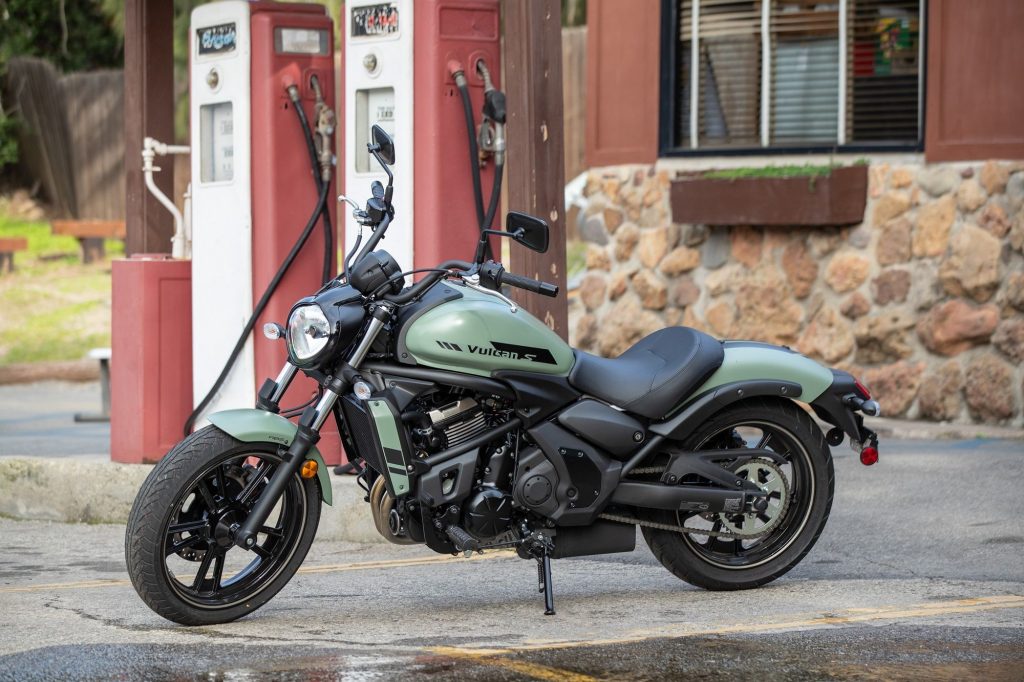
The motorcycle’s popularity has also created a healthy aftermarket industry, allowing owners to choose from numerous quality replacement parts and accessories without paying premium prices.
For riders who want a cruiser with modern handling, dependable engineering, and maintenance costs that remain comfortably within budget, the Kawasaki Vulcan S continues to be one of the strongest values in the segment.
Specifications
- Engine: 649 cc liquid-cooled parallel twin
- Torque: 46.3 lb-ft
- Horsepower: 61 hp
- Length/Width: 90.0 in / 33.3 in
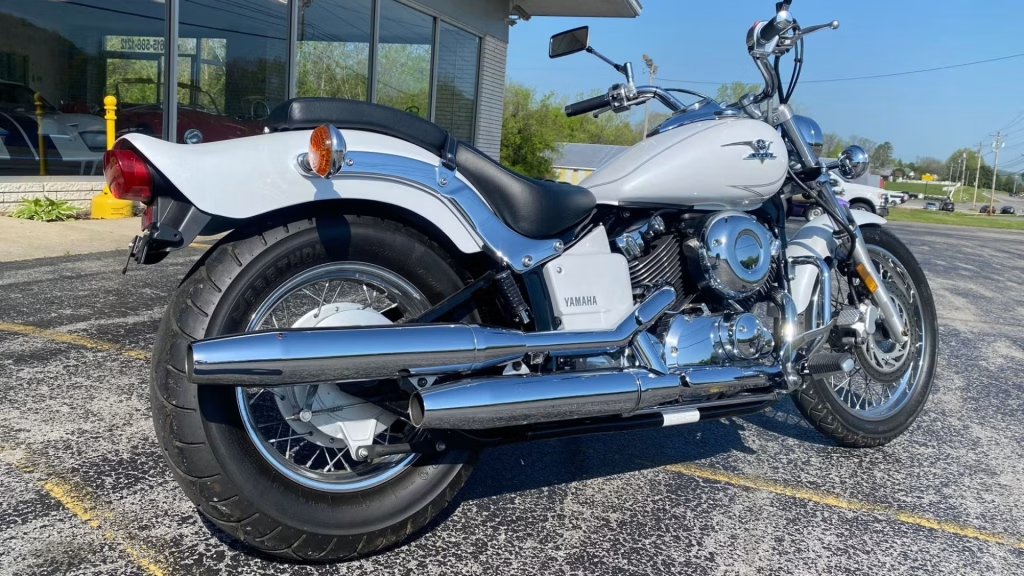
3. Yamaha V Star 650
A motorcycle does not need a massive engine or premium price tag to deliver years of dependable cruising. The Yamaha V Star 650 proves that thoughtful engineering and mechanical simplicity often matter more than outright performance when it comes to keeping maintenance costs under control.
Introduced as an approachable middleweight cruiser, it quickly gained a loyal following among new and experienced riders because it combines classic styling with a powertrain that has consistently demonstrated excellent durability.
One reason the V Star 650 remains inexpensive to own is its air-cooled 649 cc V-twin engine. With fewer cooling system components than many liquid-cooled motorcycles, there are fewer parts requiring periodic attention or replacement.
Routine service primarily involves oil changes, spark plugs, air filter maintenance, and scheduled inspections, all of which are straightforward for dealerships and independent repair shops alike.
The motorcycle also benefits from a shaft final drive. Riders avoid the recurring expense of replacing chains and sprockets while eliminating the need for regular chain lubrication and adjustment. For commuters and touring riders who accumulate thousands of miles every year, this translates into meaningful savings throughout ownership.
Because Yamaha produced the V Star 650 for many years, replacement components remain readily available. OEM parts are reasonably priced, while aftermarket suppliers offer a wide variety of alternatives for riders looking to reduce maintenance expenses even further.
Mechanics are also extremely familiar with the platform, helping keep labor charges predictable whenever professional servicing is required.
Another advantage comes from the motorcycle’s moderate weight and accessible performance. Tires, brakes, and suspension components generally last longer than they do on heavyweight cruisers with significantly greater power and mass.
The V Star 650 may not deliver the strongest acceleration in the cruiser segment, but riders searching for dependable transportation with consistently affordable maintenance will find it remains one of Yamaha’s most practical motorcycles.
Specifications
- Engine: 649 cc air-cooled 70-degree V-twin
- Torque: 37 lb-ft
- Horsepower: 40 hp
- Length/Width: 91.3 in / 35.2 in
4. Suzuki Boulevard C50
Not every motorcycle earns recognition through headline-grabbing horsepower numbers. Some establish their reputation by providing years of reliable service with maintenance costs that rarely surprise the owner.
The Suzuki Boulevard C50 has done exactly that, becoming a respected option among riders who value dependable engineering and manageable ownership expenses over unnecessary complexity.
At the center of the C50 is an 805 cc fuel-injected V-twin that emphasizes smooth power delivery rather than aggressive performance. The engine operates under relatively modest stress levels, allowing many examples to accumulate high mileage with little more than scheduled servicing.
Oil changes, brake fluid replacement, air filter maintenance, and valve inspections follow established service intervals that experienced technicians complete without unusual labor requirements.
The shaft-drive system contributes significantly to the motorcycle’s low operating costs. Riders never need to purchase replacement chains or sprockets during normal ownership, and routine maintenance is limited primarily to periodic final-drive oil changes.
This design is particularly attractive for touring enthusiasts who prefer spending weekends riding instead of performing frequent drivetrain maintenance.
Another reason the Boulevard C50 remains affordable is its long production history. Suzuki sold variations of this platform for many years, ensuring replacement parts remain widely available. Independent motorcycle repair shops are familiar with the model, reducing diagnostic time and keeping labor costs competitive.
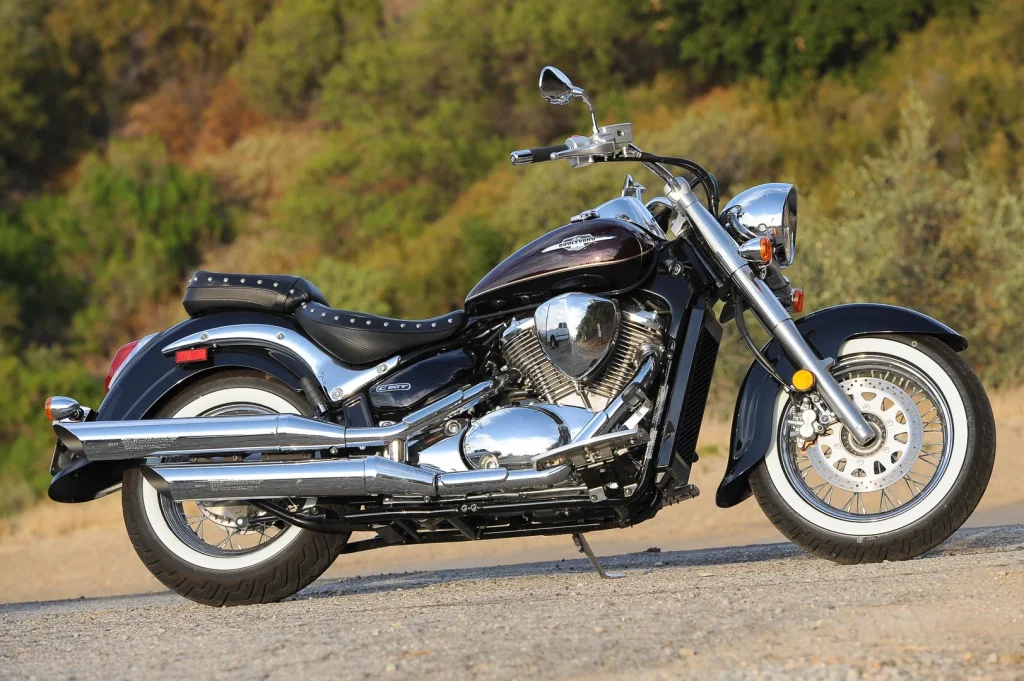
Its moderate weight also helps extend the lifespan of consumable items. Brake pads, tires, wheel bearings, and suspension components typically wear at a gradual pace when the motorcycle is ridden responsibly. Riders who perform basic maintenance consistently often report years of dependable service without encountering major repair bills.
The Boulevard C50 demonstrates that a comfortable highway cruiser does not need to become an expensive machine to maintain. Its combination of proven engineering, dependable mechanical systems, and straightforward servicing continues to make it an attractive long-term ownership choice.
Specifications
- Engine: 805 cc liquid-cooled 45-degree V-twin
- Torque: 52 lb-ft
- Horsepower: 53 hp
- Length/Width: 98.2 in / 37.0 in
5. Honda Rebel 500
The Honda Rebel 500 takes a different path from many traditional cruisers. Instead of relying on a large-displacement V-twin, it uses Honda’s proven 471 cc parallel-twin engine, an engine shared with several motorcycles in the company’s lineup.
That shared engineering is one of the biggest reasons the Rebel has become one of the least expensive cruisers to maintain. High production numbers mean replacement parts are plentiful, mechanics are familiar with the platform, and routine service procedures have become well established.
The engine itself has earned an excellent reputation for reliability. It is designed for everyday riding rather than maximum output, allowing internal components to experience less mechanical stress than many high-performance cruisers.
Riders who follow Honda’s recommended maintenance schedule often accumulate tens of thousands of miles with little more than routine servicing. Oil changes, coolant replacement, brake fluid service, and valve inspections occur at predictable intervals, helping owners budget maintenance costs with confidence.
Its lightweight construction also contributes to lower operating expenses. Weighing considerably less than full-size cruisers, the Rebel places less strain on brake pads, tires, wheel bearings, and suspension components. These consumable parts generally last longer, reducing maintenance frequency during long-term ownership.
The chain final drive does require periodic cleaning and lubrication, but replacement chains and sprockets are inexpensive compared with the cost of servicing larger touring motorcycles.
Riders who enjoy performing basic maintenance themselves will find the Rebel particularly approachable because most routine tasks require only common hand tools.
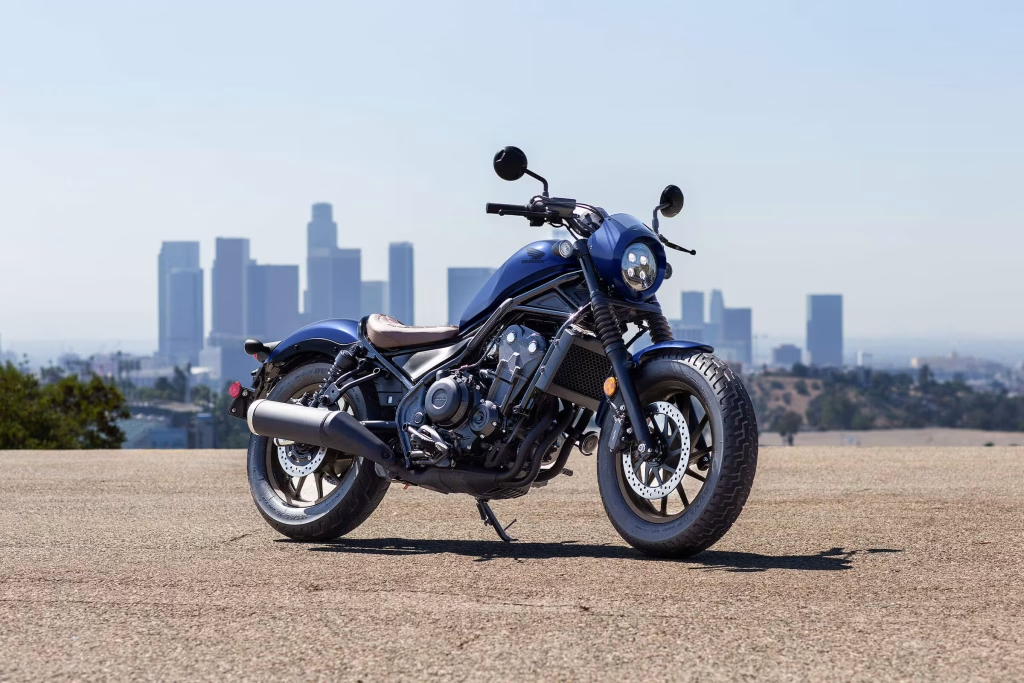
Another financial advantage comes from the motorcycle’s popularity among beginner and commuter riders. Independent repair shops service these motorcycles regularly, keeping labor costs competitive while ensuring replacement parts remain easy to source.
For riders seeking dependable transportation with cruiser styling and consistently affordable ownership costs, the Rebel 500 remains one of the strongest choices available today.
Specifications
- Engine: 471 cc liquid-cooled parallel twin
- Torque: 31.7 lb-ft
- Horsepower: 46.9 hp
- Length/Width: 86.6 in / 32.4 in
5 Cruisers That Are Expensive to Maintain
1. Harley-Davidson Road Glide
The Harley-Davidson Road Glide is one of the most recognizable touring cruisers on the road, combining long-distance comfort with powerful V-twin performance.
While it delivers an exceptional riding experience, it also ranks among the more expensive cruisers to maintain over time. Much of that cost comes from the motorcycle’s size, premium components, and the complexity of its touring-focused equipment rather than poor reliability.
Routine servicing is more expensive than on smaller cruisers because the Milwaukee-Eight engine requires larger quantities of oil and premium filters.
A complete service typically includes engine oil, transmission oil, and primary drive fluid, making even standard maintenance more involved than on motorcycles with a single lubrication system. Labor charges also tend to be higher because many owners prefer dealership servicing to maintain resale value and ensure factory procedures are followed.
The Road Glide’s weight, which exceeds 800 pounds in running condition, places considerable stress on consumable components.
Tires generally wear faster than those on middleweight cruisers, especially if the motorcycle is frequently ridden with luggage and a passenger. Brake pads and rotors also experience increased wear because they are responsible for stopping a much heavier machine.
Electronics add another layer of ownership costs. Modern Road Glide models feature infotainment systems, ride modes, electronic cruise control, ABS, traction control, and multiple rider assistance features.
Diagnosing faults within these systems often requires Harley-Davidson’s specialized diagnostic equipment, limiting repair options outside authorized dealerships.
Replacement parts are another consideration. Genuine Harley-Davidson components typically command premium prices compared to similar parts for Japanese cruisers. Even scheduled maintenance items such as batteries, belts, and suspension components cost noticeably more.
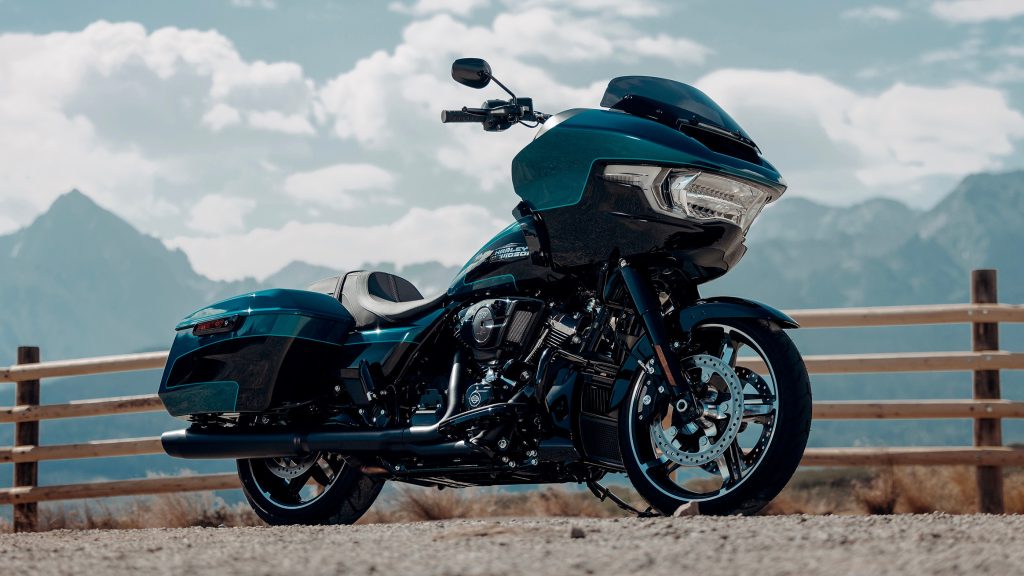
The Road Glide rewards riders with comfort, highway stability, and unmistakable styling, but prospective owners should understand that maintaining a premium touring motorcycle requires a maintenance budget that reflects its sophisticated engineering and luxury-focused design.
Specifications
- Engine: 1,923 cc Milwaukee-Eight 117 V-twin
- Torque: 126 lb-ft
- Horsepower: 105 hp
- Length/Width: 94.9 in / 38.6 in
2. Indian Challenger
The Indian Challenger has established itself as one of the most technologically advanced American touring cruisers, blending impressive performance with premium touring capability.
Its liquid-cooled PowerPlus engine, modern electronics, and high-end suspension create a refined riding experience, but those same features contribute to maintenance costs that are significantly higher than those associated with simpler cruisers.
Unlike traditional air-cooled motorcycles, the Challenger’s liquid-cooled V-twin introduces additional service requirements.
Coolant replacement, water pump components, hoses, and sensors become part of long-term ownership, increasing both parts costs and labor compared with more mechanically straightforward motorcycles.
Scheduled maintenance also involves premium synthetic lubricants and multiple inspections designed to keep the high-output engine operating at peak efficiency.
Technology plays a major role in ownership expenses. The Challenger includes a large touchscreen infotainment system, keyless ignition, electronically controlled ride modes, traction control, ABS, cruise control, and multiple electronic rider aids.
These systems improve safety and convenience, but diagnosing electronic faults often requires dealer-level software and specialized equipment, resulting in higher labor costs.
Its substantial weight also affects routine maintenance. Tires, brake pads, and suspension components carry heavier loads than those found on midsize cruisers, causing wear items to require replacement more frequently for riders who travel long distances.
Premium suspension components, while excellent for ride quality, also cost more to replace if repairs become necessary.
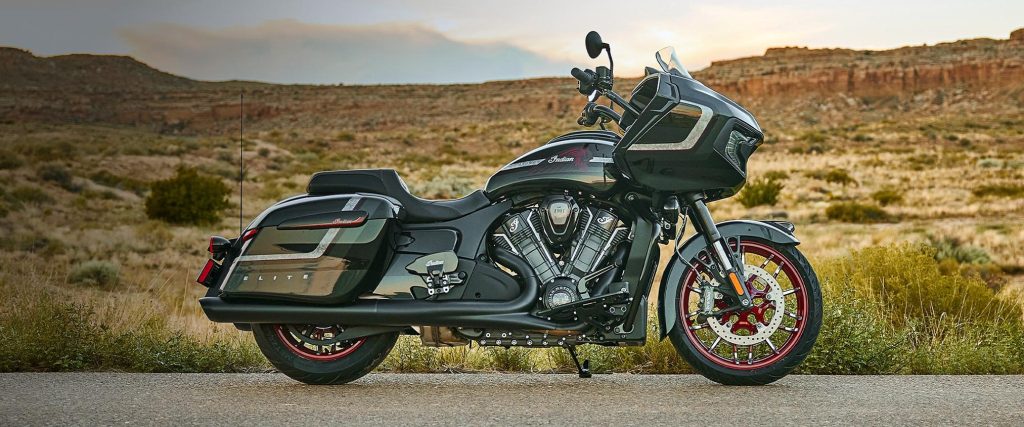
Replacement parts for the Challenger generally remain more expensive than those for high-volume Japanese motorcycles because production numbers are lower and many components are unique to the model. Owners who choose genuine Indian Motorcycle parts should expect premium pricing throughout the motorcycle’s life.
The Challenger excels as a luxury touring machine capable of covering hundreds of highway miles with ease. Buyers simply need to recognize that its advanced engineering and premium equipment naturally result in maintenance costs that are higher than those of more traditional cruiser motorcycles.
Specifications
- Engine: 1,768 cc PowerPlus liquid-cooled V-twin
- Torque: 133 lb-ft
- Horsepower: 122 hp
- Length/Width: 98.7 in / 39.0 in
3. BMW R 18 Transcontinental
The BMW R 18 Transcontinental brings classic cruiser styling together with modern touring technology, making it one of the most luxurious motorcycles in BMW’s lineup. While it delivers outstanding comfort and refinement, ownership costs can climb quickly once routine maintenance and repairs enter the picture.
The massive 1,802 cc boxer twin uses premium synthetic fluids, and BMW’s recommended service schedule includes inspections that often require dealership expertise.
Technology is another contributor to maintenance expenses. The motorcycle comes equipped with adaptive cruise control, multiple riding modes, traction control, ABS Pro, electronic reverse assist, a large infotainment display, and numerous electronic modules.
Diagnosing issues within these systems usually requires BMW’s factory diagnostic equipment, limiting the number of repair shops capable of performing advanced repairs.
Replacement parts are also priced at a premium. Components such as suspension parts, electronic sensors, and body panels typically cost more than equivalent parts for mass-market cruisers.
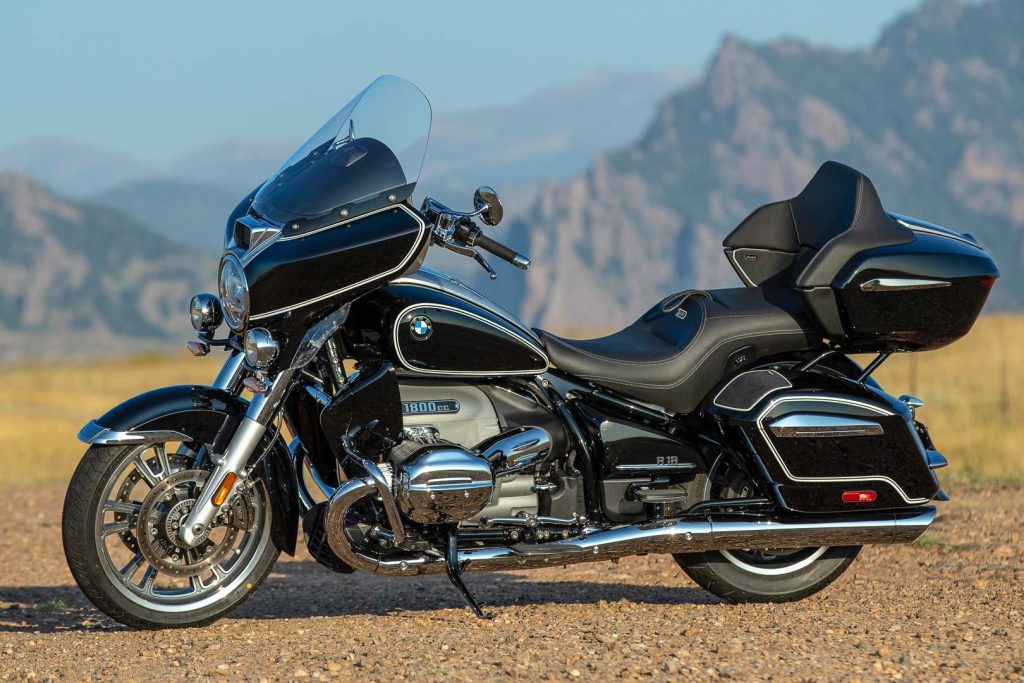
Its heavyweight design also accelerates wear on tires and brake components, especially for riders who frequently travel with luggage and a passenger. The R 18 Transcontinental offers an exceptional touring experience, but buyers should be prepared for maintenance costs that match its premium positioning.
Specifications
- Engine: 1,802 cc air- and oil-cooled boxer twin
- Torque: 120 lb-ft
- Horsepower: 91 hp
- Length/Width: 104.3 in / 38.0 in
4. Ducati XDiavel V4
The Ducati XDiavel V4 takes the traditional cruiser formula and combines it with the engineering philosophy of a high-performance sport motorcycle. That unique approach creates an exciting riding experience, but it also makes the motorcycle one of the costliest cruisers to maintain.
High-performance components demand precise servicing, and labor rates at Ducati dealerships are typically among the highest in the motorcycle industry. The V4 engine incorporates advanced technology that requires specialized knowledge and factory diagnostic tools during servicing.
Routine maintenance often involves more labor than conventional cruisers because technicians must carefully inspect electronic systems, ride-by-wire controls, and performance-oriented components.
Genuine Ducati replacement parts also command premium prices, particularly for electronic sensors and bodywork.
Consumable items wear more quickly as well. The XDiavel’s strong acceleration places additional stress on rear tires, brake components, and the final drive system, especially when ridden aggressively.
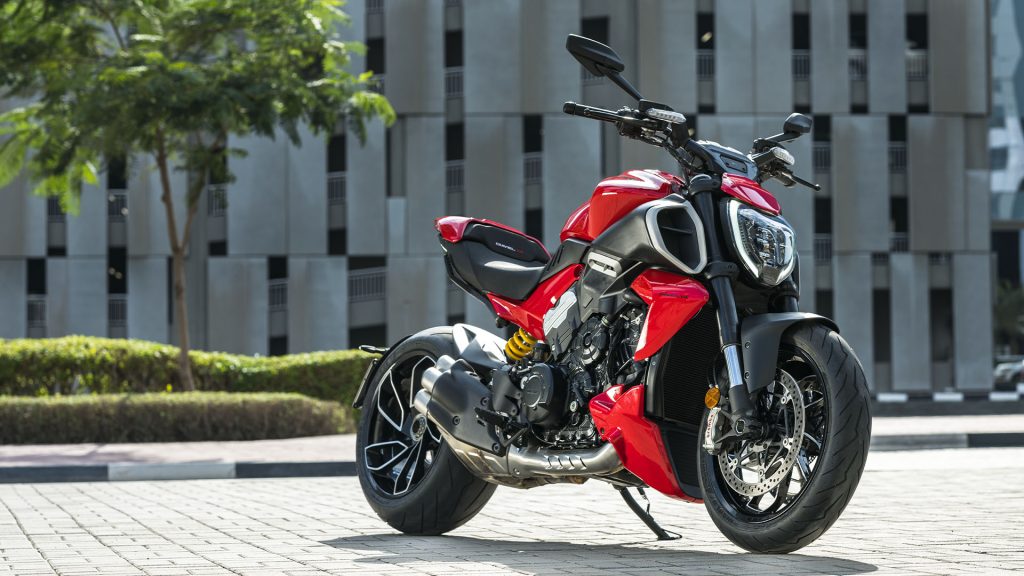
Owners who value peak performance generally choose OEM parts, further increasing maintenance costs. The XDiavel V4 rewards riders with exceptional performance and premium craftsmanship, but long-term ownership requires a maintenance budget that reflects its exotic engineering.
Specifications
- Engine: 1,158 cc Granturismo V4
- Torque: 93 lb-ft
- Horsepower: 168 hp
- Length/Width: 91.5 in / 37.8 in
5. Triumph Rocket 3 GT
The Triumph Rocket 3 GT is unlike any other production cruiser thanks to its enormous 2,458 cc three-cylinder engine. Its remarkable power and effortless acceleration make it a standout motorcycle, but servicing such a unique machine is rarely inexpensive.
The large engine requires premium fluids, substantial quantities of oil, and carefully scheduled maintenance performed by technicians familiar with Triumph’s engineering. The Rocket 3 GT also features sophisticated electronics, including cornering ABS, traction control, ride modes, hill hold control, cruise control, and a full-color TFT display.
While these technologies improve safety and comfort, they increase repair complexity whenever electronic issues arise. Specialized diagnostic equipment is often necessary to identify and resolve faults correctly.
Its size and performance also affect routine ownership costs. Wide rear tires, high-performance brakes, and premium suspension components are more expensive to replace than those found on smaller cruisers.
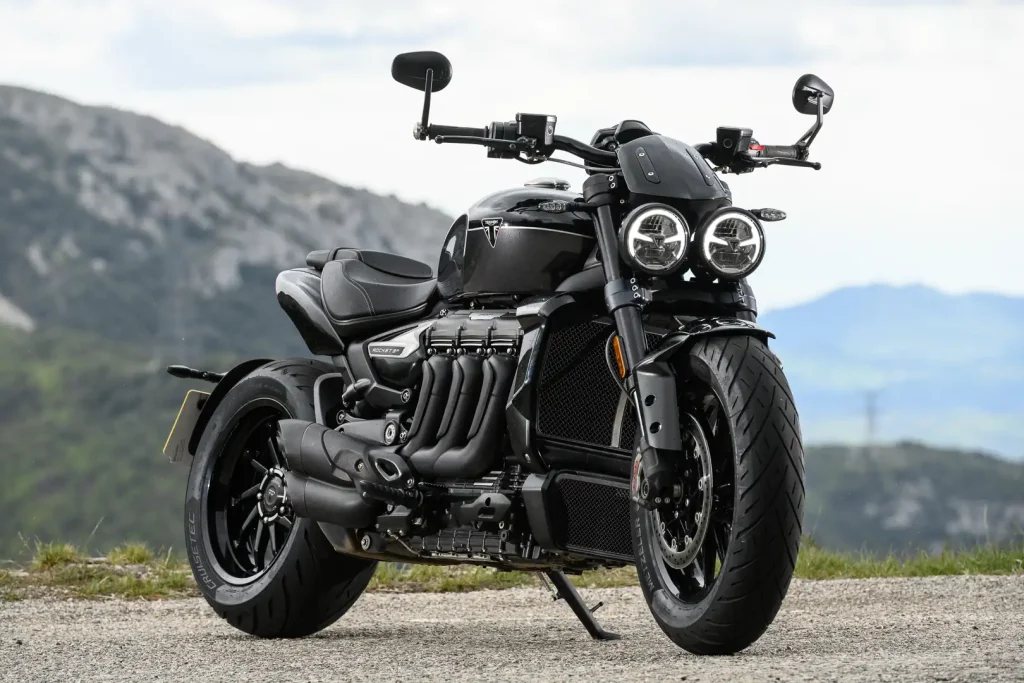
Because the motorcycle produces enormous torque, rear tires can wear relatively quickly depending on riding style. The Rocket 3 GT delivers an unforgettable riding experience, but owners should expect maintenance and replacement parts to reflect its flagship status.
Specifications
- Engine: 2,458 cc liquid-cooled inline three-cylinder
- Torque: 163 lb-ft
- Horsepower: 180 hp
- Length/Width: 96.9 in / 36.0 in
Also Read: 10 Motorcycles That Hold Value Better Than a Sportster
