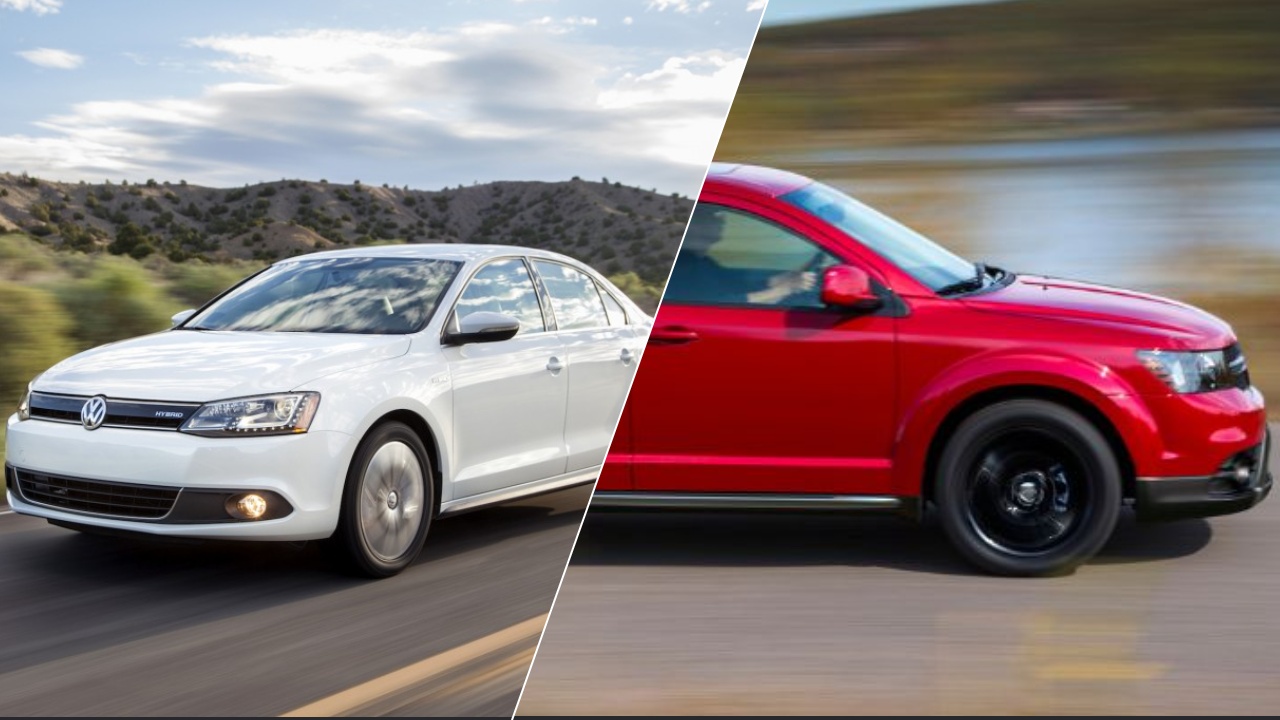
A vehicle’s transmission plays a major role in delivering power from the engine to the wheels, but some models have developed reputations for transmission problems that appear earlier than expected. While regular maintenance can extend transmission life, certain designs have experienced repeated failures before reaching 100,000 miles.
These issues can lead to expensive repairs, poor driving performance, and unexpected ownership costs. Understanding which cars have transmission concerns helps buyers make informed decisions before purchasing a used vehicle. This guide looks at eight vehicles that have been associated with early transmission failures and explains the reasons behind their problems.
Also Read: 10 EVs Ranked by Charging Speed
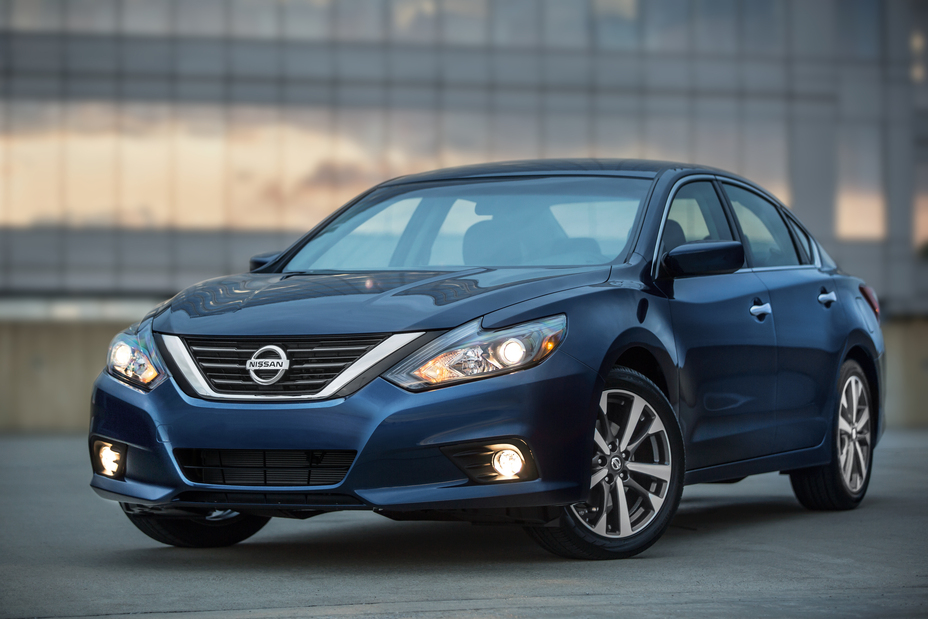
- Engine: 2.5-liter inline 4-cylinder or 3.5-liter V6 gasoline engine
- Horsepower: 175 hp to 274 hp
- Torque: 180 Nm to 258 Nm (133 lb-ft to 258 lb-ft)
- Length: 4,635 mm (182.5 inches)
- Width: 1,796 mm (70.7 inches)
1. Nissan Altima (2007 to 2016)
The Nissan Altima is a popular midsize sedan known for comfortable seating, attractive styling, and strong sales numbers. However, several model years equipped with Nissan’s continuously variable transmission, commonly called a CVT, developed serious reliability concerns.
Many owners reported transmission failures before the 100,000-mile mark, with some problems appearing much earlier. The CVT system was designed to provide smooth acceleration and improved fuel economy, but certain versions experienced durability issues under normal driving conditions.
A common complaint among Altima owners was delayed acceleration, especially when pressing the gas pedal from a stop. Some drivers experienced shaking, hesitation, or sudden drops in power while driving.
These symptoms often pointed toward internal CVT problems, including worn components, overheating, and insufficient lubrication. When these failures occurred, repair costs could become significant because CVT replacements were often required instead of simple component repairs.
Heat management was a major factor connected to many Nissan CVT concerns. Transmissions generate heat during operation, and excessive temperatures can damage internal parts over time.
Earlier Altima models with CVT systems sometimes struggled with maintaining proper operating temperatures during extended driving conditions. Stop-and-go traffic, hot climates, and frequent highway use could place additional stress on the transmission system.
Nissan made updates to its CVT technology over the years, including software improvements and design changes intended to improve durability. Some later models showed better performance compared with earlier versions.
However, the reputation created by previous failures continued to affect buyer confidence in used Altima models. Potential owners often check service records carefully and look for evidence of regular CVT fluid maintenance before purchasing.
For drivers considering a used Nissan Altima, transmission history should be a major part of the inspection process. A vehicle with proper maintenance records may provide reliable transportation, while a neglected example could become expensive quickly. A professional inspection and a detailed review of previous repairs can help identify possible transmission issues before purchase.
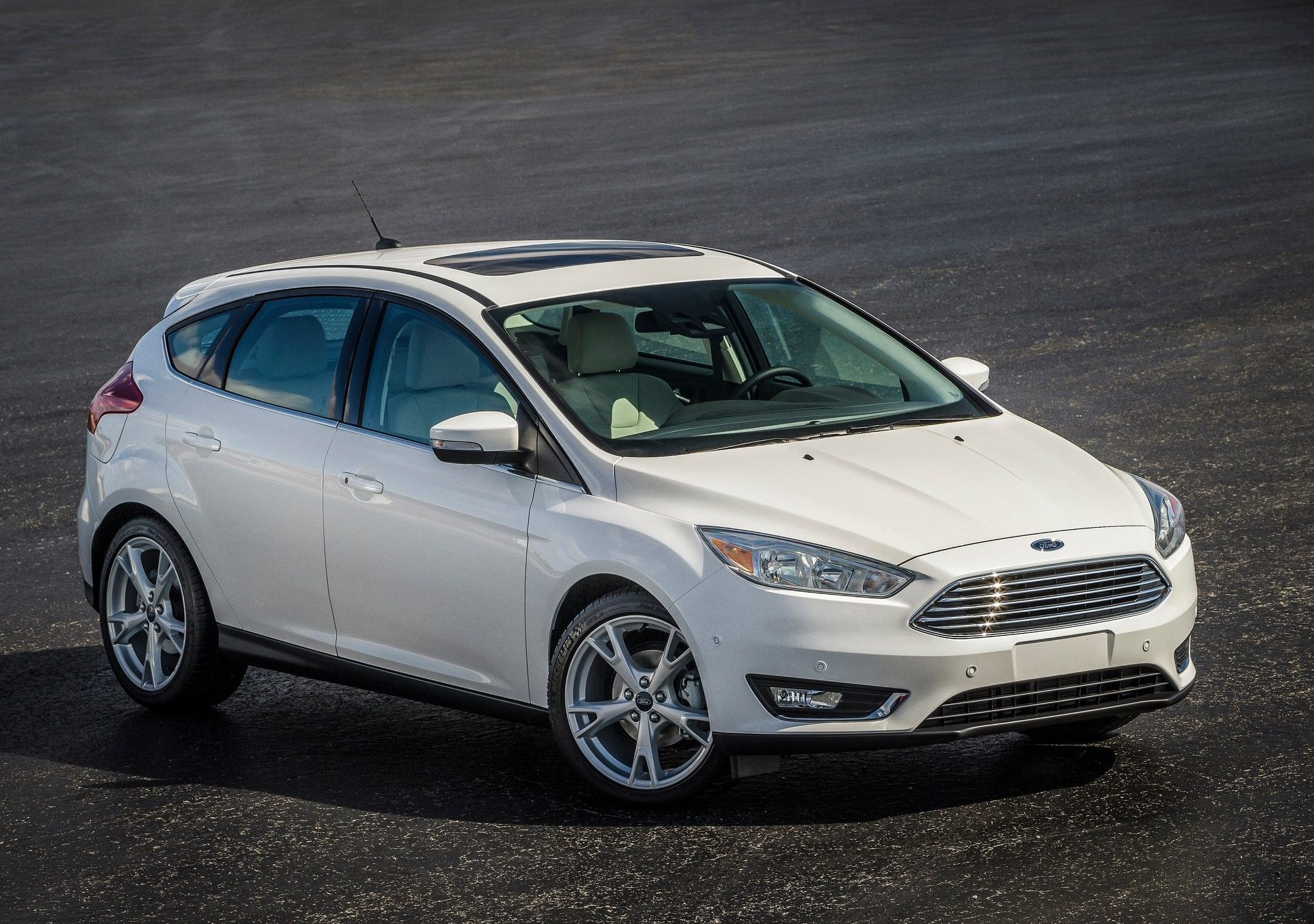
- Engine: 2.0-liter Ti-VCT inline 4-cylinder gasoline engine
- Horsepower: 160 hp @ 6,500 rpm
- Torque: 146 lb-ft (198 Nm) @ 4,450 rpm
- Length: 4,359 mm (171.6 inches)
- Width: 1,824 mm (71.8 inches)
2. Ford Focus (2012 to 2016)
The Ford Focus from the early 2010s became widely recognized for problems related to its PowerShift dual-clutch automatic transmission.
Ford introduced this transmission technology to improve fuel efficiency and provide faster gear changes, but the system developed reliability problems that affected thousands of vehicles. Many owners experienced transmission issues before reaching 100,000 miles, with some complaints appearing within the first few years of ownership.
The PowerShift transmission used a dual-clutch design that operates differently from traditional automatic transmissions. Instead of using a conventional torque converter, it relied on electronically controlled clutches.
This design offered efficiency benefits, but the early versions struggled with smooth operation. Drivers frequently reported shuddering, jerking, hesitation, and rough shifting during everyday driving.
One major issue involved premature clutch wear. The transmission’s control system sometimes struggled to manage clutch engagement properly, causing excessive friction and heat.
Over time, this could damage clutch components and create noticeable performance problems. Some owners required multiple repairs, software updates, or complete transmission replacements before their vehicles reached 100,000 miles.
Ford attempted to address these concerns through software updates, revised transmission components, and extended warranty coverage for certain vehicles.
However, many owners continued experiencing problems even after repairs. The transmission’s reputation became a significant concern in the used car market, affecting resale values and buyer interest.
Anyone considering a used Ford Focus from these model years should carefully review maintenance records and test drive the vehicle under different conditions. Smooth operation, consistent shifting, and a history of completed repairs are important signs. Without proper documentation, buyers may face costly transmission repairs that reduce the value of ownership.
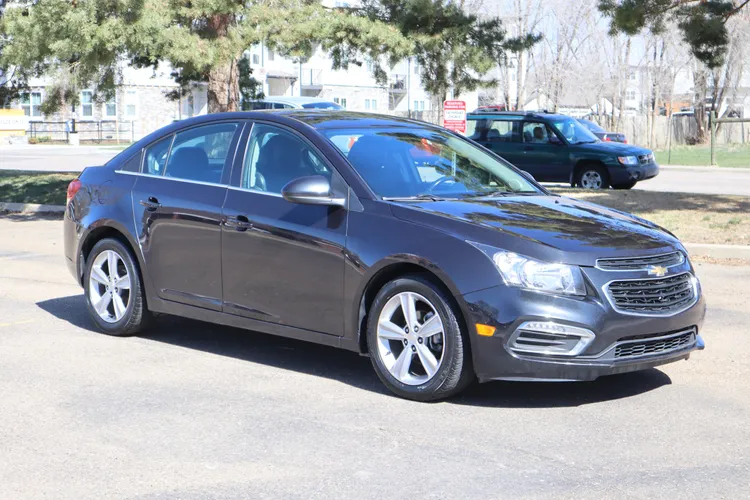
- Engine: 1.4-liter turbocharged inline 4-cylinder gasoline engine
- Horsepower: 138 hp to 153 hp
- Torque: 148 lb-ft to 177 lb-ft (200 Nm to 240 Nm)
- Length: 4,667 mm (183.7 inches)
- Width: 1,796 mm (70.7 inches)
3. Chevrolet Cruze (2011 to 2019)
The Chevrolet Cruze became a common choice among compact car buyers because of its fuel efficiency, comfortable interior, and affordable ownership costs.
However, certain Cruze models equipped with automatic transmissions developed reliability concerns that affected many owners before the vehicles reached 100,000 miles. Transmission complaints included harsh shifting, delayed engagement, slipping gears, and unexpected changes in driving behavior.
The six-speed automatic transmission used in many Chevrolet Cruze models was designed to balance performance and efficiency. However, some units experienced issues related to internal wear, valve body problems, and inconsistent fluid pressure.
When these components failed to operate correctly, drivers could notice rough gear changes or hesitation during acceleration. In some cases, ignoring early warning signs resulted in more serious transmission damage.
Transmission fluid condition played an important role in the long-term performance of the Cruze. Like many modern vehicles, the transmission depended on proper fluid quality to reduce friction and manage heat.
When fluid became contaminated or degraded, internal components could experience additional stress. Some owners who followed regular service schedules reported fewer issues, while vehicles with poor maintenance histories often developed problems sooner.
Another concern among some Cruze owners involved the cost of transmission repairs. Minor problems could sometimes be corrected through sensor replacements or software updates, but more serious failures required expensive repairs or complete transmission replacement.
Since the Cruze was marketed as an economical compact vehicle, unexpected repair bills could represent a significant portion of the car’s value.
Buyers looking at used Chevrolet Cruze models should pay close attention to shifting behavior during a test drive. Warning signs such as clunking sounds, delayed gear engagement, or inconsistent acceleration should not be ignored.
Reviewing service records and having the vehicle inspected by a qualified mechanic can help identify possible transmission problems before purchase.
- Engine: 2.4-liter Tigershark inline 4-cylinder or 3.2-liter Pentastar V6 gasoline engine
- Horsepower: 180 hp to 271 hp
- Torque: 171 lb-ft to 239 lb-ft (232 Nm to 324 Nm)
- Length: 4,623 mm (182 inches)
- Width: 1,859 mm (73.2 inches)
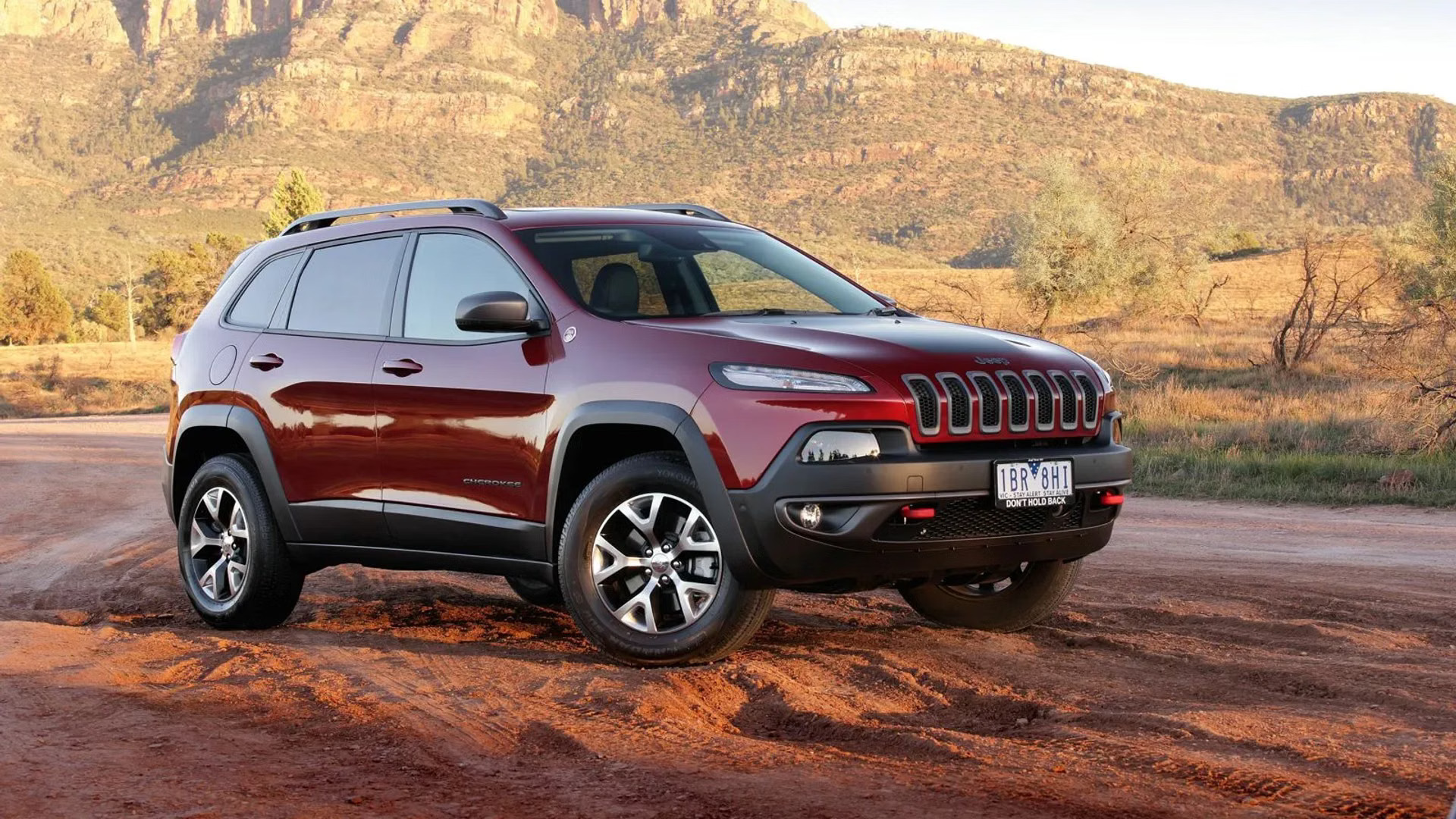
4. Jeep Cherokee (2014 to 2018)
The Jeep Cherokee returned as a compact SUV with modern features, off-road capability, and a new nine-speed automatic transmission. While the Cherokee gained attention for its design and versatility, the early versions of its nine-speed transmission developed a reputation for inconsistent performance. Many owners reported transmission-related complaints before reaching the 100,000-mile point.
The nine-speed automatic transmission was created to improve fuel economy by offering more gear ratios than traditional automatic systems.
However, early production versions experienced problems with shifting logic and software calibration. Drivers often reported hesitation, unexpected downshifts, rough gear changes, and delayed acceleration. These issues could make everyday driving feel unpredictable.
Some transmission problems were connected to the vehicle’s computer programming rather than complete mechanical failure. Manufacturers released software updates intended to improve shifting behavior and operation.
While updates helped some vehicles, others continued to experience problems related to internal transmission components, including clutch packs and hydraulic systems.
The Cherokee’s transmission concerns were especially noticeable because SUVs are often expected to handle different driving conditions. Owners using their vehicles for towing, long-distance travel, or frequent stop-and-go driving placed additional demands on the transmission. When problems developed, repair costs could become high because modern automatic transmissions contain complex electronic and mechanical systems.
Used Jeep Cherokee buyers should inspect early model years carefully. A proper evaluation should include checking for transmission warning lights, reviewing repair history, and paying attention to how the vehicle shifts during acceleration and deceleration.
A well-maintained Cherokee may perform properly, but vehicles with unresolved transmission issues can become expensive ownership challenges.
- Engine: 2.0-liter inline 4-cylinder, 2.5-liter inline 5-cylinder, or 2.0-liter TDI diesel engine
- Horsepower: 115 hp to 170 hp
- Torque: 125 lb-ft to 236 lb-ft (169 Nm to 320 Nm)
- Length: 4,628 mm (182.2 inches)
- Width: 1,778 mm (70 inches)
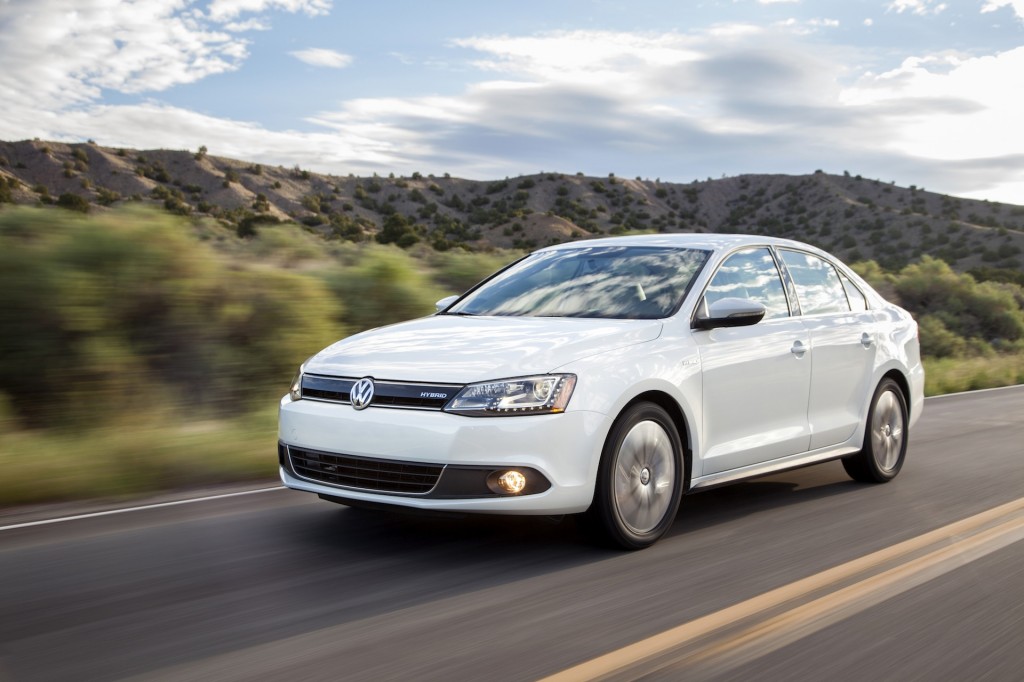
5. Volkswagen Jetta (2009 to 2014)
The Volkswagen Jetta is known for its European driving characteristics, efficient engines, and refined interior design. However, certain Jetta models equipped with Volkswagen’s Direct Shift Gearbox, commonly known as DSG, experienced transmission reliability problems. These issues affected some vehicles before reaching 100,000 miles and created concerns among owners.
The DSG transmission uses a dual-clutch system that allows quick gear changes and improved efficiency compared with traditional automatic transmissions.
The technology offered benefits in performance and fuel economy, but early versions required careful maintenance and had complex components that could fail. Problems often involved the mechatronic unit, clutch assemblies, and transmission control systems.
Drivers experiencing DSG problems commonly reported warning lights, rough shifting, hesitation, and difficulty selecting gears. Because the transmission relied heavily on electronic controls, failures could sometimes appear suddenly. In certain situations, the vehicle could enter a protective mode that limited performance until the issue was repaired.
Proper maintenance was especially important for DSG-equipped vehicles. Volkswagen required specific transmission fluid services at recommended intervals, and skipping these services could increase the chance of problems.
The transmission design depended on clean fluid and proper lubrication to protect sensitive internal components.
When purchasing a used Volkswagen Jetta with a DSG transmission, maintenance history should be carefully reviewed. A vehicle with documented DSG service may provide better reliability than one without records. Buyers should also take a detailed test drive to identify hesitation, unusual noises, or inconsistent shifting patterns.
- Engine: 2.4-liter inline 4-cylinder or 3.6-liter Pentastar V6 gasoline engine
- Horsepower: 173 hp to 283 hp
- Torque: 166 lb-ft to 260 lb-ft (225 Nm to 353 Nm)
- Length: 4,887 mm (192.4 inches)
- Width: 1,834 mm (72.2 inches)
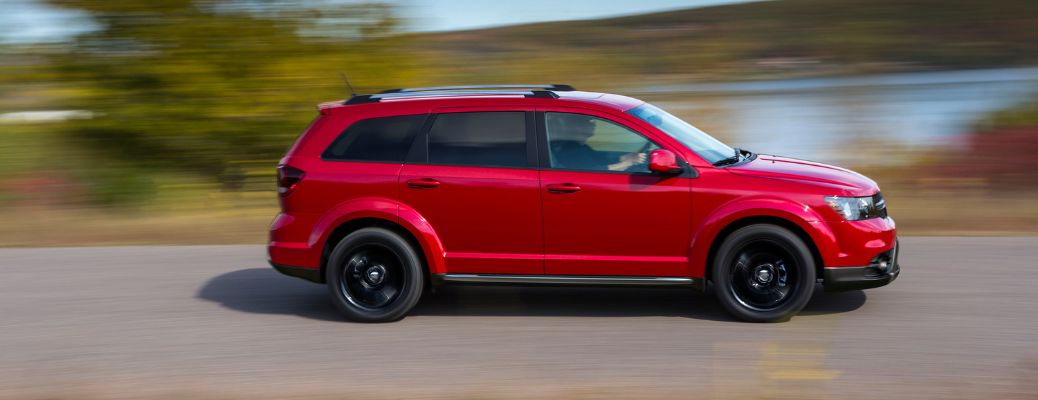
6. Dodge Journey (2009 to 2019)
The Dodge Journey was designed as an affordable family crossover with three-row seating and practical features. However, several Journey models developed transmission-related complaints, particularly those equipped with certain automatic transmissions. Owners reported issues that sometimes appeared before the vehicle reached 100,000 miles.
Many transmission complaints involved rough shifting, slipping, delayed engagement, and transmission overheating. These problems could result from internal wear, electronic control issues, or insufficient maintenance. Because the Journey was often used as a family vehicle carrying passengers and cargo, transmission stress could increase during regular use.
The six-speed automatic transmission found in many Journey models was generally considered more advanced than older designs, but it still experienced reliability concerns in certain applications.
Sensors, solenoids, and internal transmission components could contribute to poor shifting performance. Some repairs required replacing specific parts, while severe failures required complete transmission replacement.
Another factor affecting transmission longevity was maintenance. Heavy vehicles place more demand on drivetrain components, especially when frequently driven in challenging conditions.
Regular inspections and fluid service could help reduce wear, but neglected vehicles often showed problems earlier.
People considering a used Dodge Journey should inspect the transmission carefully before buying. Checking service records, looking for previous transmission repairs, and testing the vehicle at different speeds can reveal potential concerns. The purchase price may appear attractive, but repair costs should be considered when evaluating long-term ownership expenses.
- Engine: 2.4-liter MIVEC inline 4-cylinder or 3.0-liter V6 gasoline engine
- Horsepower: 166 hp to 224 hp
- Torque: 162 lb-ft to 215 lb-ft (220 Nm to 292 Nm)
- Length: 4,695 mm (184.8 inches)
- Width: 1,810 mm (71.3 inches)
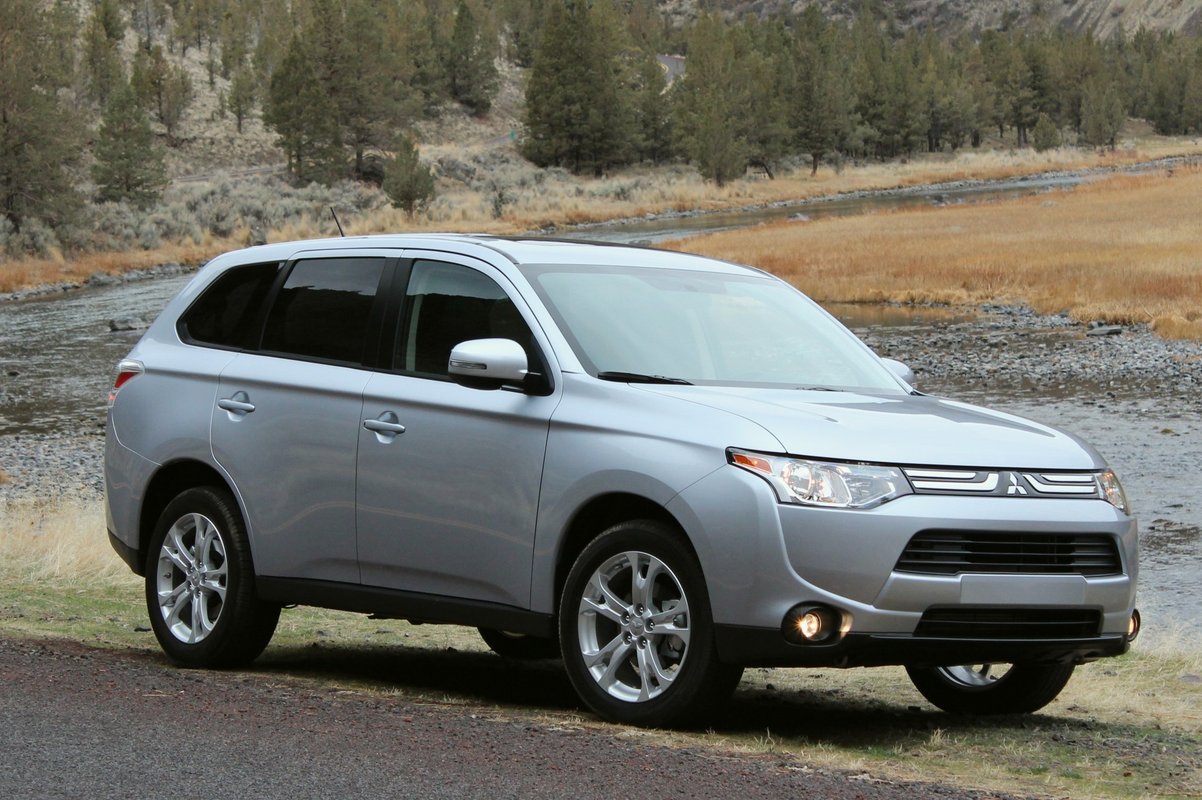
7. Mitsubishi Outlander (2014 to 2018)
The Mitsubishi Outlander gained attention among SUV buyers looking for affordable transportation, practical space, and available all-wheel-drive capability.
However, some Outlander models equipped with continuously variable transmissions experienced reliability concerns that affected owners before reaching 100,000 miles. These issues were connected to transmission durability, overheating, and inconsistent performance during normal driving conditions.
Mitsubishi used CVT technology in many Outlander models to improve fuel economy and create smoother acceleration. Unlike traditional automatic transmissions that use fixed gears, a CVT uses a belt and pulley system to provide a continuous range of ratios.
While this design can improve efficiency, it also requires precise engineering and proper maintenance to operate reliably over many years.
Some Outlander owners reported symptoms such as hesitation, unusual engine noises, delayed acceleration, and reduced power while driving.
These problems could occur when internal transmission components experienced excessive wear or when the system struggled with heat management. In difficult situations, drivers faced transmission replacements that could cost thousands of dollars.
Heat has been a common challenge for many CVT-equipped vehicles. When transmission temperatures become too high, internal components can experience accelerated wear.
Driving in hot climates, carrying heavy loads, or frequently traveling through demanding conditions can place additional pressure on the transmission system. Proper fluid maintenance becomes especially important for vehicles using CVT technology.
Used Mitsubishi Outlander buyers should pay close attention to transmission behavior before making a purchase. A test drive should include city driving, highway speeds, and situations that require acceleration.
Any hesitation, vibration, or unusual sounds should be investigated. Checking maintenance records can also provide valuable information about whether the previous owner followed recommended service intervals.
The Outlander remains a practical SUV choice for many drivers, but certain model years require extra attention because of transmission concerns. A well-maintained example may perform properly, while a vehicle with poor service history could become expensive. Buyers should consider inspection costs and possible future repairs when comparing used SUV options.
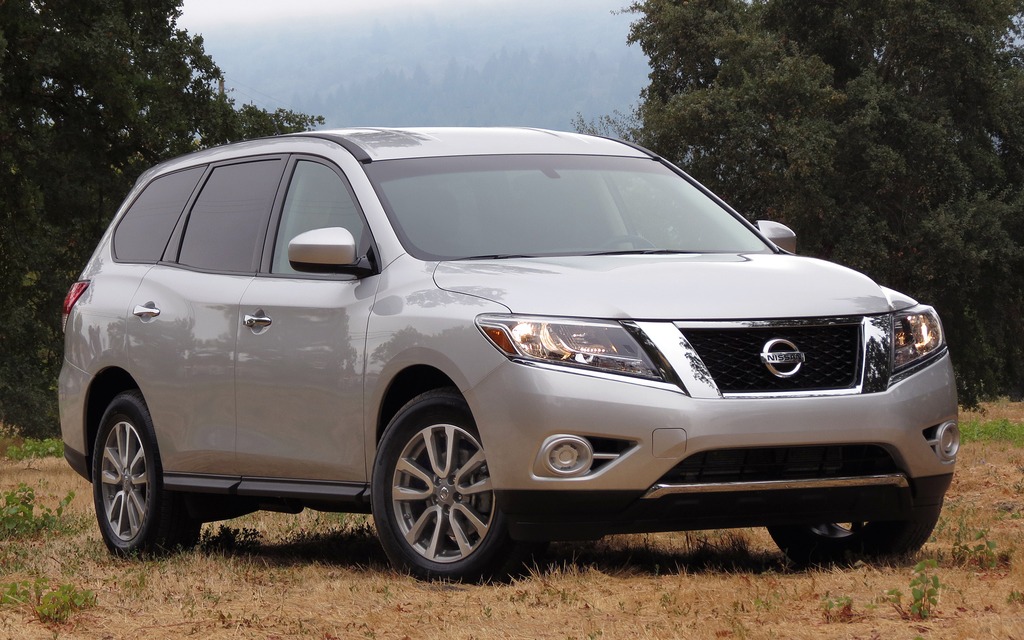
- Engine: 3.5-liter V6 gasoline engine
- Horsepower: 260 hp to 284 hp
- Torque: 240 lb-ft to 259 lb-ft (325 Nm to 351 Nm)
- Length: 5,006 mm (197.2 inches)
- Width: 1,958 mm (77.2 inches)
8. Nissan Pathfinder (2013 to 2018)
The Nissan Pathfinder was redesigned as a family-oriented SUV with improved comfort, modern technology, and better fuel efficiency compared with previous generations.
However, some Pathfinder models equipped with Nissan’s CVT transmission developed serious reliability problems before reaching 100,000 miles. These issues became a major concern for owners who expected long-term SUV durability.
The Pathfinder’s CVT system was designed to provide smoother acceleration and improved fuel economy. However, some vehicles experienced problems involving transmission overheating, shuddering, hesitation, and sudden loss of power.
These failures were especially frustrating because the Pathfinder was marketed as a larger vehicle capable of handling family transportation needs and longer trips.
A common complaint involved transmission performance during acceleration. Drivers sometimes noticed that the vehicle hesitated when merging onto highways or climbing hills.
Some owners reported vibration or shaking sensations caused by internal transmission problems. When these symptoms appeared, continued driving could increase the risk of additional damage.
Nissan introduced changes to improve CVT performance, including software updates and revised components. The company also addressed certain customer concerns through warranty extensions and service programs for specific vehicles. However, the transmission reputation remained a significant consideration for used Pathfinder shoppers.
Maintenance history is extremely important when evaluating a used Nissan Pathfinder from these years. Buyers should look for evidence of regular CVT inspections and any previous transmission repairs. A professional mechanic can identify warning signs that may not be obvious during a short test drive.
The Pathfinder offers useful space and comfort, but transmission reliability should be carefully considered before purchasing an older example. A vehicle with documented maintenance and proper care may provide dependable service, while one with unresolved CVT problems could create unexpected financial challenges.