
Most bikes lose value the second they roll off the showroom floor, but a small group of motorcycles refuse to follow that rule. Limited production runs, discontinued platforms, and cult followings have turned certain used models into genuine appreciating assets.
Based on tracking data from Kelley Blue Book and results from digital auction platforms like Bring a Trailer and Mecum, these eight motorcycles now sell for more than their original sticker price, sometimes by a wide margin. If you’ve got one of these parked in your garage, you might be holding onto more than just a ride. Here’s the proof behind why these bikes keep climbing in value instead of falling.
1. Honda Motocompo (1981-1983)
- Engine: 49cc Air-Cooled 2-Stroke Single
- Horsepower: 2.5 hp
- Torque: 2.7 lb-ft
- Size: 46.7″ L x 21.1″ W
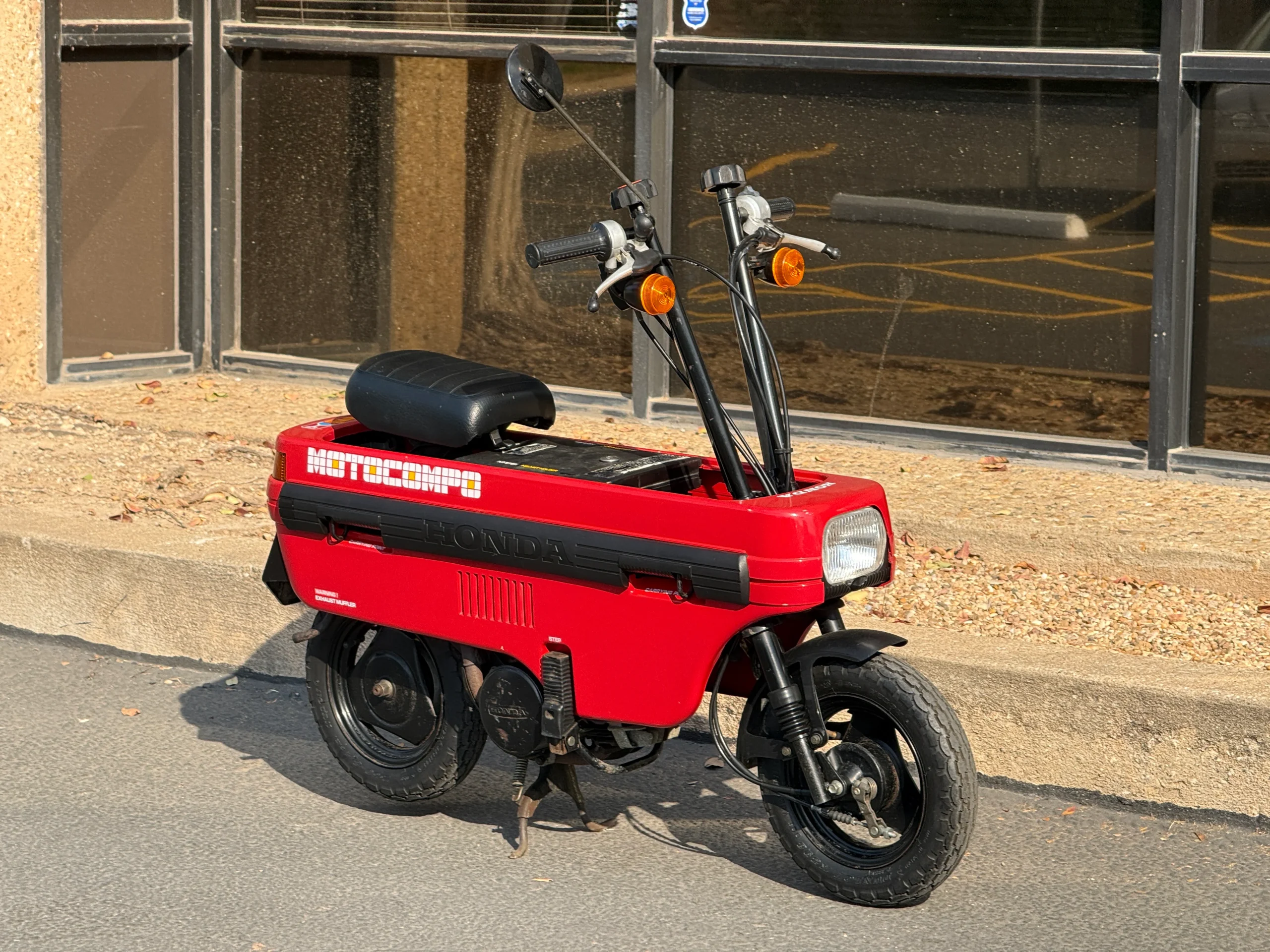
Some of the most valuable collectibles started as ordinary products with very little attention, and this compact folding scooter is a perfect example. Built as a practical accessory rather than a prized machine, it was available only in Japan and paired with the Honda City subcompact. Its clever design allowed owners to fold it neatly and store it inside the car’s boot, making it a convenient travel companion instead of a luxury item.
Many years later, opinions about the little scooter changed completely. What was once seen as a simple piece of transport developed a strong appeal among collectors who admire vintage Japanese engineering.
As interest spread across different countries, demand rose sharply, pushing prices far beyond what anyone expected during its early days. People searching for rare and well-preserved examples began competing for the few that remained in excellent condition.
Today, complete scooters that are still in good working order regularly appear on online auction platforms with asking prices ranging from $4,000 to $7,000, and some attract even higher offers. When those figures are compared with the amount buyers paid when it first reached the market, the increase works out to roughly 1,000 to 2,000 per cent.
Very few vehicles, especially a tiny two-stroke scooter created to fit inside a car’s boot, have delivered such impressive growth in value. Strong interest from collectors who appreciate unusual Japanese automotive history has transformed this once-forgotten accessory into a highly sought-after classic, proving that even the simplest creations can become prized possessions many years after production ends.
2. Ducati Panigale V4 SP / SP2 (2021-2024)
- Engine: 1,103cc Liquid-Cooled Desmosedici Stradale V4
- Horsepower: 210 hp
- Torque: 90.6 lb-ft
- Size: 82.1″ L x 29.5″ W
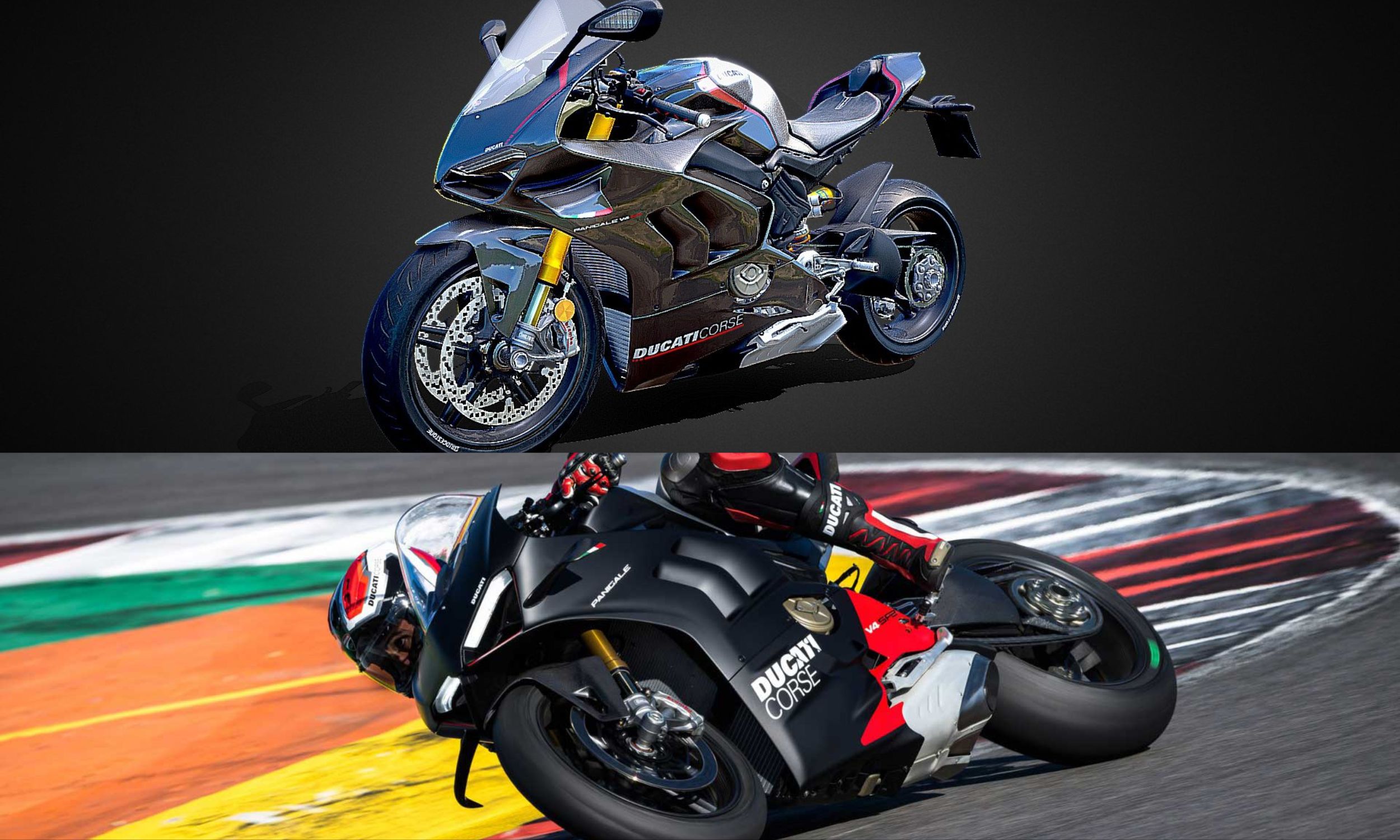
Why would anyone pay more for a used superbike than a new one costs? Because dealership allocations for this particular flagship never came close to matching how many buyers actually wanted one. Ducati built this as its ultra-limited, track-focused “Sport Production” model, loaded with premium components not found on standard Panigale trims.
That exclusivity created a bottleneck the moment bikes hit showrooms, and secondary market prices reflect exactly that shortage. Digital auction results confirm low-mileage used examples routinely trading thousands above their original window sticker range.
Buyers who missed their chance at a dealership allocation have simply turned to the used market instead, driving prices upward rather than waiting for the next production cycle. This pattern isn’t unusual for genuinely scarce Ducati models, but the scale of the premium here stands out.
Collectors treat these bikes less like used motorcycles and more like limited-edition collectibles, which explains why depreciation never really factored into the equation for this particular flagship.
Also Read: 8 Used Motorcycles That Are Easiest to Maintain at Home
3. KTM RC8 R (2009-2015)
- Engine: 1,195cc Liquid-Cooled V-Twin
- Horsepower: 175 hp
- Torque: 93.7 lb-ft
- Size: 83.1″ L x 32.5″ W
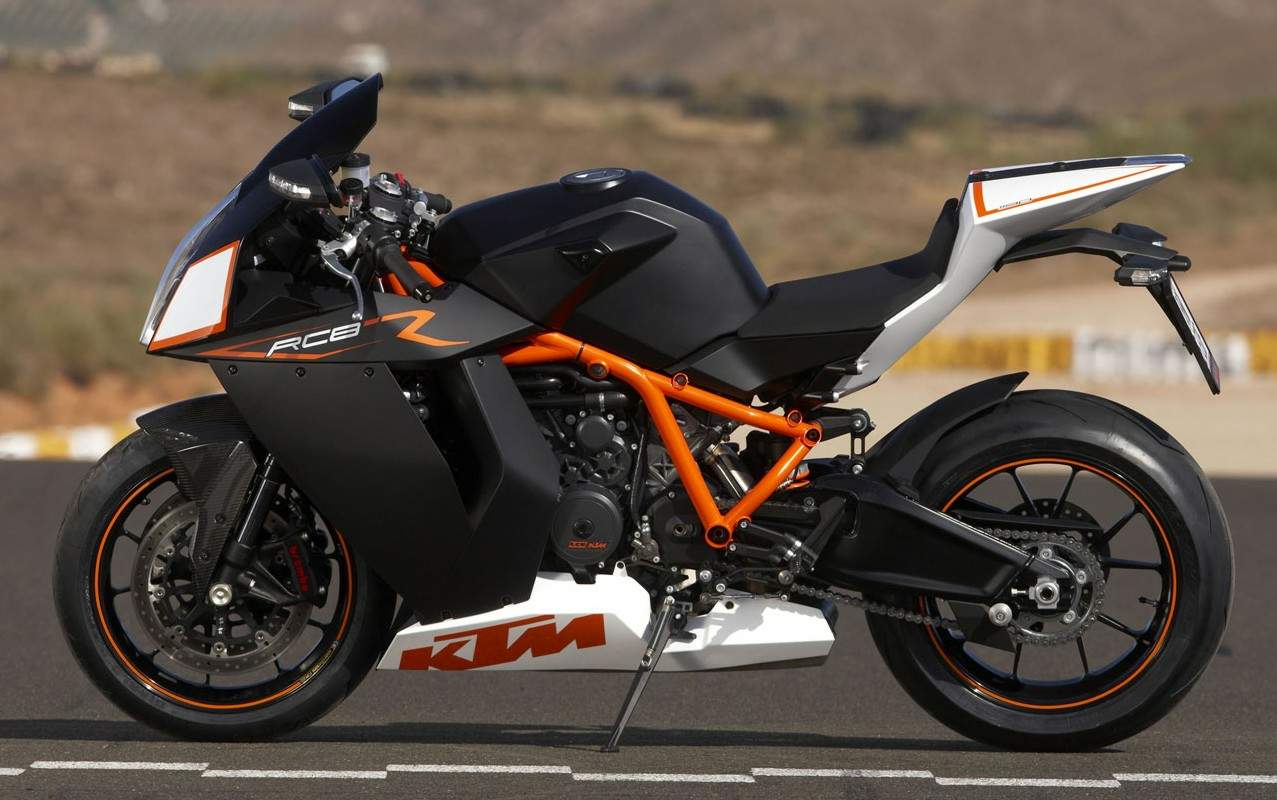
Here’s a bike that earned its premium the hard way: by being the only one of its kind. KTM built exactly one superbike with a raw, electronic-free V-twin layout, and once production ended, no replacement ever arrived to fill that gap. That permanent discontinuation created what enthusiasts describe as a genuine collector vacuum, a hole in the market that only original RC8 R examples can fill.
Well-maintained used models have responded by gaining value consistently, year after year, rather than settling into the usual depreciation curve buyers expect from sport bikes. Riders who appreciate mechanical feel over rider-assist software have kept demand steady, and KTM’s decision never to revisit this formula only reinforced scarcity further.
Every year that passes without a spiritual successor adds another layer of value to surviving examples. For a brand better known today for smaller-displacement bikes and off-road machines, the RC8 R stands as proof that KTM once built something genuinely singular, and the market has taken notice.
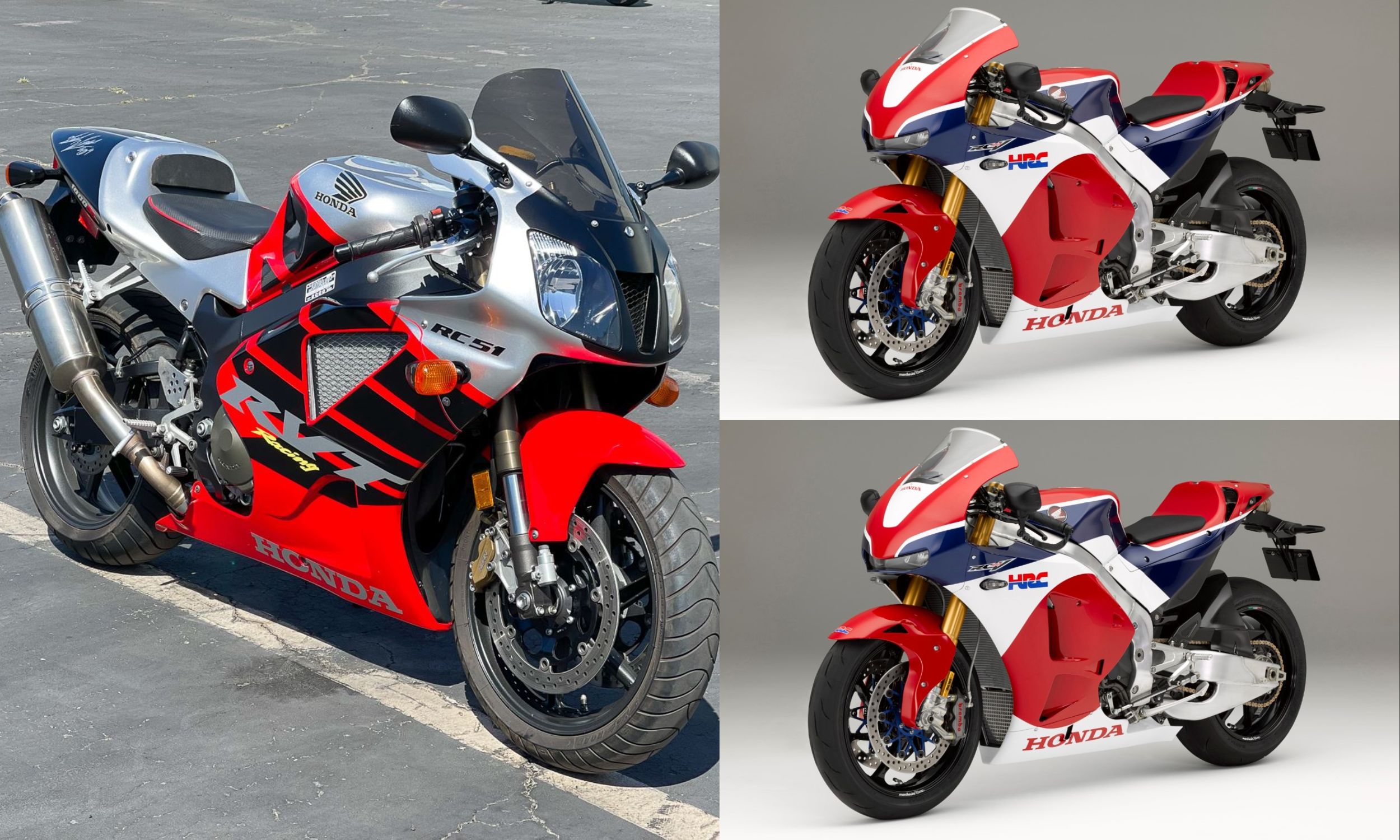
4. Honda RC51 / RVF1000R (2000-2006)
- Engine: 999cc Liquid-Cooled 90-Degree V-Twin
- Horsepower: 133 hp
- Torque: 75.0 lb-ft
- Size: 79.7″ L x 28.5″ W
Few motorcycles have been created with such a clear purpose as this Honda. Rather than serving as just another high-performance sports bike, it was developed to challenge Ducati’s dominance in the World Superbike Championship. Every part of the machine reflected that ambition, giving riders a motorcycle built with racing at the centre of its design while remaining suitable for public roads.
One feature that quickly attracted attention was its gear-driven V-twin engine, a layout rarely associated with Honda. That engineering choice gave the bike a unique character and helped separate it from many rivals of its time. Years later, collectors regard it as one of Honda’s finest performance motorcycles, with demand continuing to rise among buyers searching for authentic examples.
Market data from Kelley Blue Book, together with prices recorded through enthusiast sales, shows that clean motorcycles fitted with their original fairings regularly sell for much more than their early-2000s purchase prices. Collectors place the greatest value on bikes that have not been altered for racing or fitted with aftermarket bodywork.
Keeping the motorcycle in its factory condition makes it much more attractive to serious buyers. Honda has produced very few homologation motorcycles with such a strong racing focus, giving this model a special place in the brand’s history. Many surviving examples are now treated with the same care given to classic collector vehicles instead of ordinary sports bikes.
Success on the racetrack helped strengthen its reputation, while the shrinking number of untouched motorcycles has kept demand high and selling prices moving upward year after year among dedicated collectors and enthusiasts.
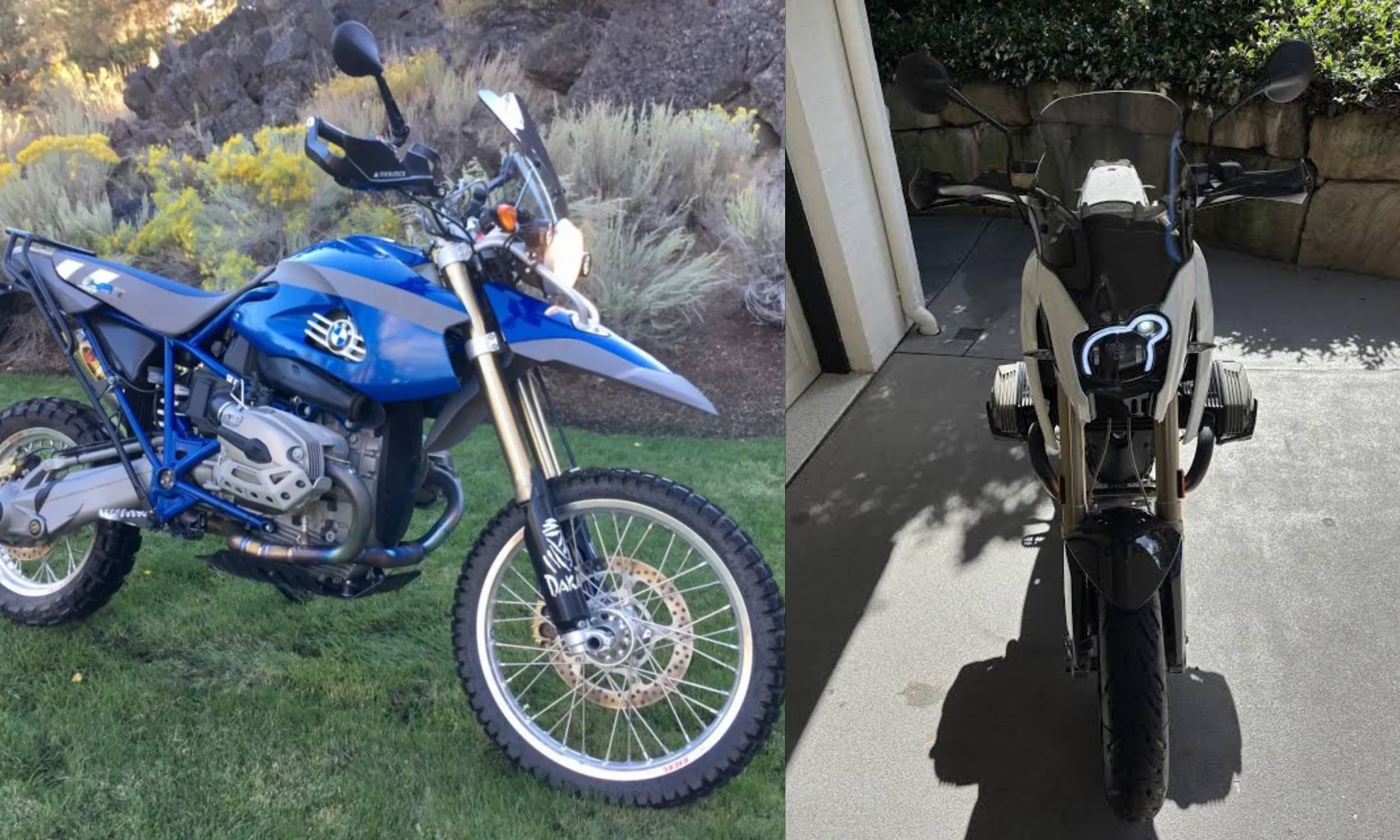
5. BMW HP2 Enduro / Megamoto (2005-2008)
- Engine: 1,170cc Air/Oil-Cooled Boxer Twin
- Horsepower: 105 hp
- Torque: 85.0 lb-ft
- Size: 92.5″ L x 34.6″ W
Strip away everything unnecessary, keep only what matters for performance, and you get a formula collectors can’t resist. That’s precisely what BMW attempted with this radical, low-volume engineering project built around its signature boxer-twin motor.
Every unnecessary pound got cut in pursuit of a purer riding experience, a philosophy that resonated deeply with a specific type of enthusiast willing to pay handsomely for it today. BMW capped production tightly across a brief three-year run, and that deliberate scarcity now shows up clearly in auction results.
Hammer prices routinely land well above the original retail figure, sometimes by tens of thousands of dollars depending on condition and documentation. Buyers chasing genuine engineering ambition rather than mainstream appeal have kept demand strong for over a decade now.
BMW rarely commits to projects this uncompromising, which makes the HP2 series feel like a genuine outlier in the brand’s broader lineup, and pricing data reflects exactly how much collectors value that rarity.
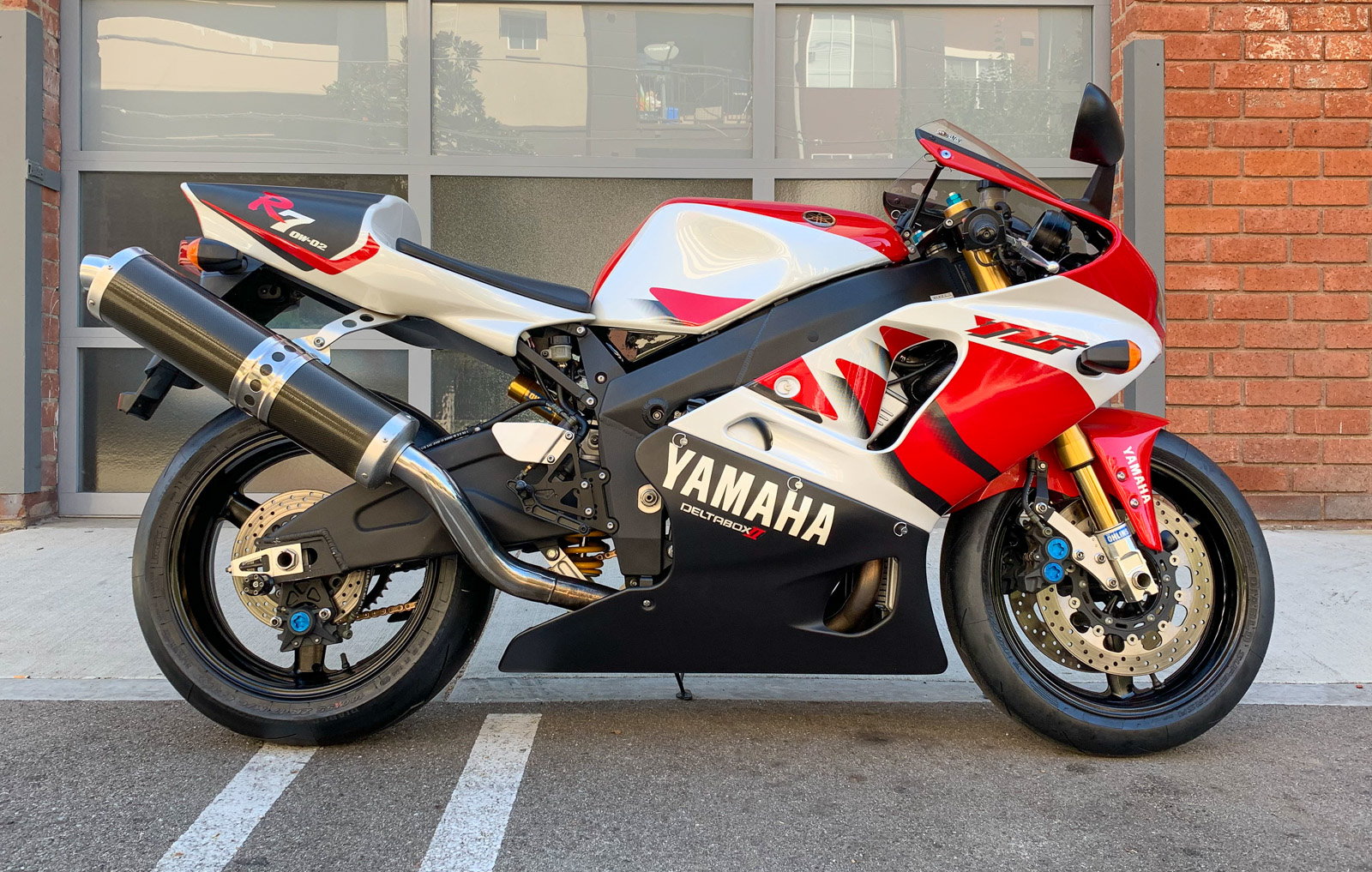
6. Yamaha YZF-R7 OW02 (1999)
- Engine: 749cc Liquid-Cooled Inline-4
- Horsepower: 106 hp (De-tuned for street; 135 hp+ race kit)
- Torque: 53.1 lb-ft
- Size: 81.1″ L x 28.7″ W
Many motorcycles carry famous names, but this particular machine deserves to be judged on its own history rather than being compared with the newer model that shares its badge. Produced as a high-performance road bike with direct racing roots, it was created for riders who wanted a machine that delivered competition-level performance while remaining fully legal for public roads.
Just 500 units were built for buyers across the globe, making it an uncommon sight from the moment production ended. As the years passed, finding one in excellent condition became much harder. Well-maintained, roadworthy examples are now highly sought after, while respected collector market rankings place the motorcycle among the most desirable machines from its generation.
Even when it first went on sale, its price was much higher than that of many sports bikes available during the same period. Today, selling prices regularly exceed those early figures by a comfortable margin. Collectors who appreciate motorcycles built to satisfy racing homologation requirements recognise the value attached to this model. It was never intended to attract huge sales or serve the average rider.
Instead, its purpose was to meet strict competition rules while delivering an authentic racing experience on public roads. Very few motorcycles produced in such limited numbers remain available after several decades, which explains why auction results continue to rise.
Its reputation was earned through outstanding engineering, genuine exclusivity, and a clear racing pedigree. Those qualities have kept demand strong, allowing this late-1990s sports bike to remain one of the most respected and valuable motorcycles among serious collectors today.
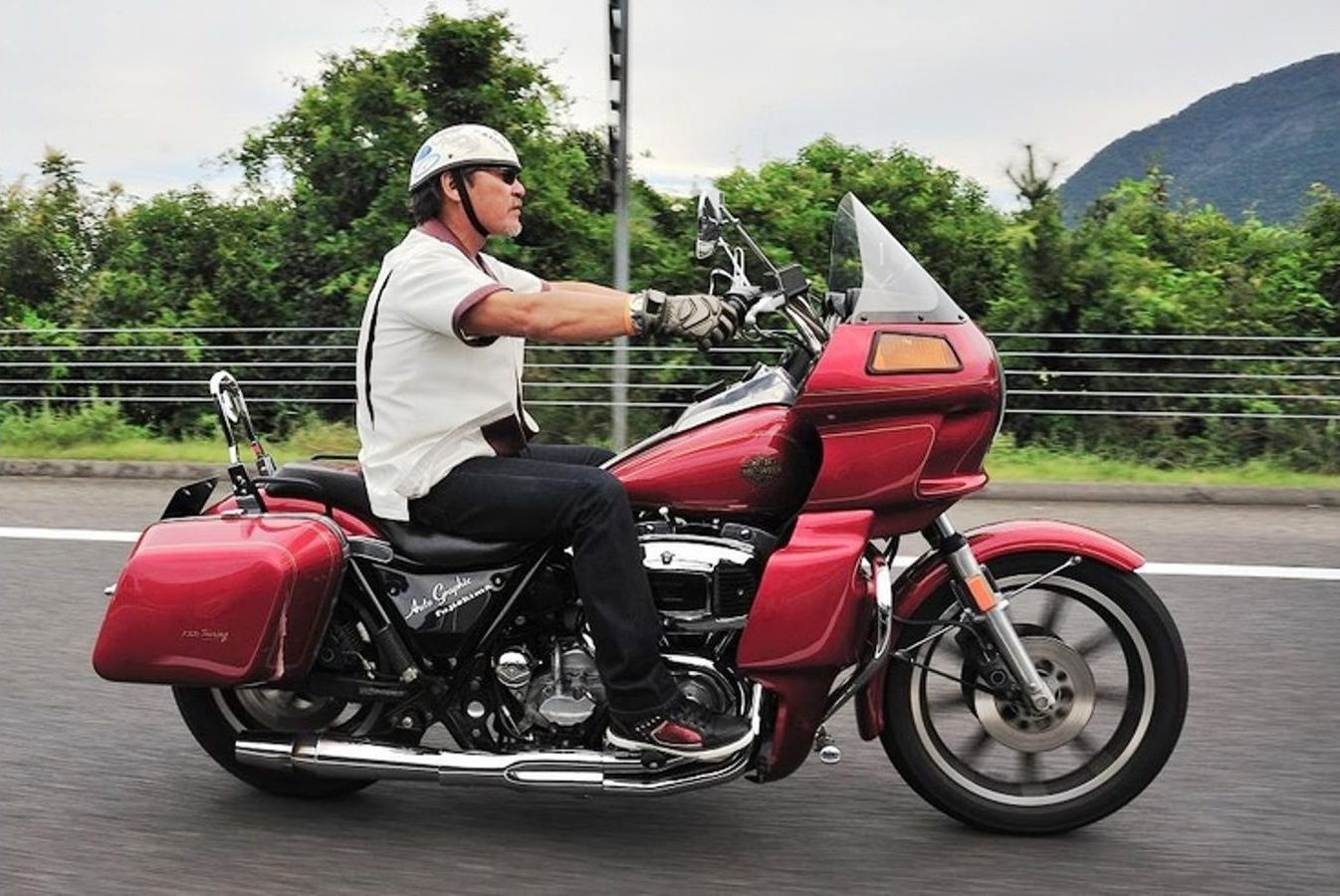
7. Harley-Davidson FXR / FXRT Sport Glide (1983-1992)
- Engine: 1,337cc (81 cu in) Evolution V-Twin
- Horsepower: 58 hp
- Torque: 74.0 lb-ft
- Size: 94.1″ L x 31.5″ W
Many motorcycles receive proper appreciation only after many years, and this Harley-Davidson model is a perfect example. During its time in production, many cruiser enthusiasts preferred more eye-catching motorcycles from the company’s range, leaving this Eric Buell-designed machine without the attention it deserved.
While buyers looked elsewhere, experienced mechanics who worked on these bikes recognised the quality of the chassis and often regarded it as the finest handling frame Harley-Davidson had ever produced. As time passed, a different group of riders began to discover what those mechanics had known for years.
Enthusiasts involved in the performance bagger scene and motorcycle stunt riding quickly realised that this chassis offered impressive balance, sharp handling and excellent control. Those qualities mattered much more to them than outright engine power, making the motorcycle far more desirable than it had been during its early years.
Current used motorcycle market records show that clean, factory-standard models fitted with their original fairings regularly sell for prices well above what buyers paid when they first left the showroom during the 1980s and early 1990s. Collectors place extra value on motorcycles that have not been heavily modified because originality remains one of the biggest attractions in today’s market.
The motorcycle itself has changed very little since production ended. What changed was the type of buyer who recognised its strengths. Once skilled builders, experienced riders and collectors discovered how much better this chassis performed than many motorcycles from the same period, interest increased steadily.
That fresh appreciation transformed a model once ignored by many buyers into a respected classic whose value continues to rise as clean examples become harder to find each year.
Also Read: 10 Most Expensive Motorcycles Ever Sold In The US
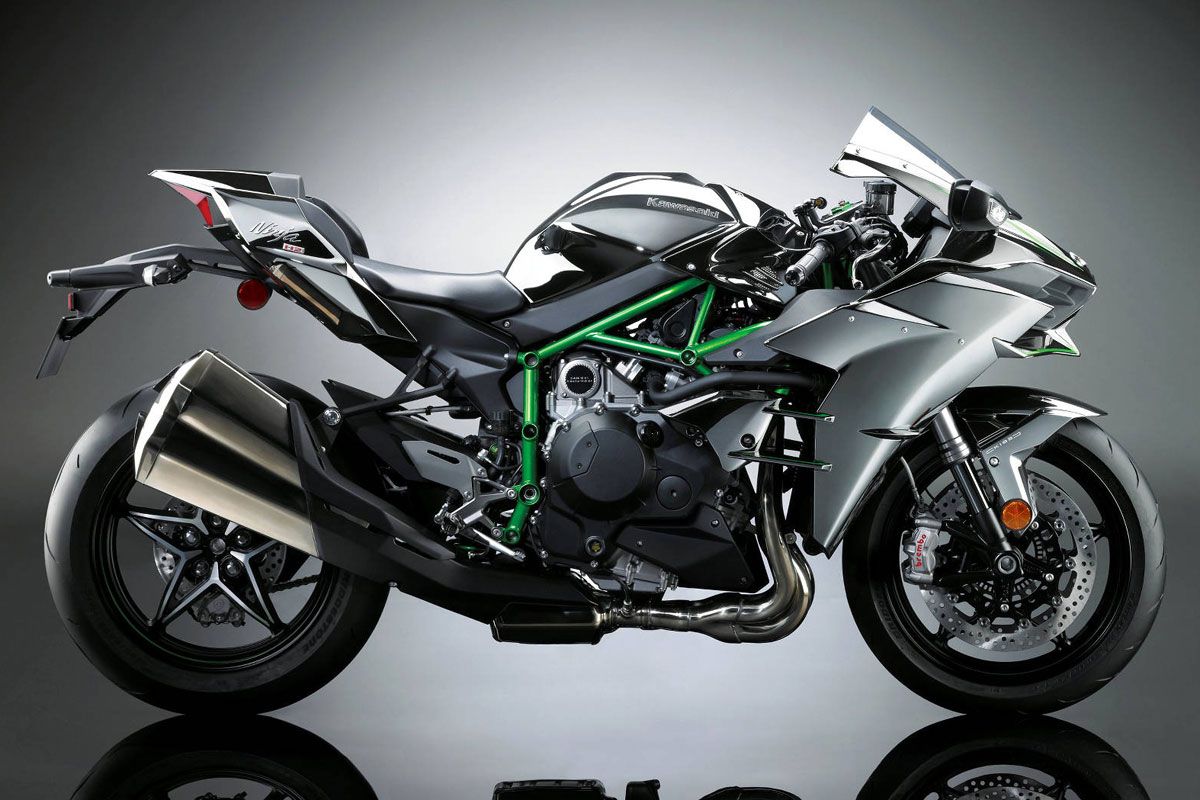
8. Kawasaki Ninja H2 (2015-Present)
- Engine: 998cc Supercharged Inline-4
- Horsepower: 200 hp (2015 Launch baseline)
- Torque: 98.5 lb-ft
- Size: 82.1″ L x 30.3″ W
Very few motorcycles have managed to stand apart from every rival the way this Kawasaki model has done. From the day it arrived, it offered something no other manufacturer could match. It remains the only mass-produced street motorcycle fitted with a supercharged engine, giving riders a factory-built package that raised expectations for high-performance machines.
Kawasaki has never flooded the market with this model. Production numbers have always remained carefully controlled, making it difficult for interested buyers to get one without waiting for a long period. Even after many years on sale, demand has continued to exceed supply at dealerships, creating strong interest each time fresh units become available.
That limited availability has helped protect the motorcycle’s reputation and resale value. Early models from the first and second production years attract plenty of attention, especially those with very low mileage and complete service records. Buyers are willing to pay much more than expected because these motorcycles represent something that remains unavailable from any competing brand.
Their value is tied not only to their impressive performance but also to the advanced engineering that still stands apart after many years. Collectors place extra value on the earliest versions because they marked an important point in motorcycle development. They demonstrated that a factory-built supercharged street motorcycle could deliver dependable performance without sacrificing everyday usability.
Since no rival has produced a direct equivalent, interest in those first examples has remained strong. Selling prices continue to reflect that demand, making these motorcycles prized possessions for enthusiasts who appreciate rare engineering achievements and motorcycles with lasting historical value.
