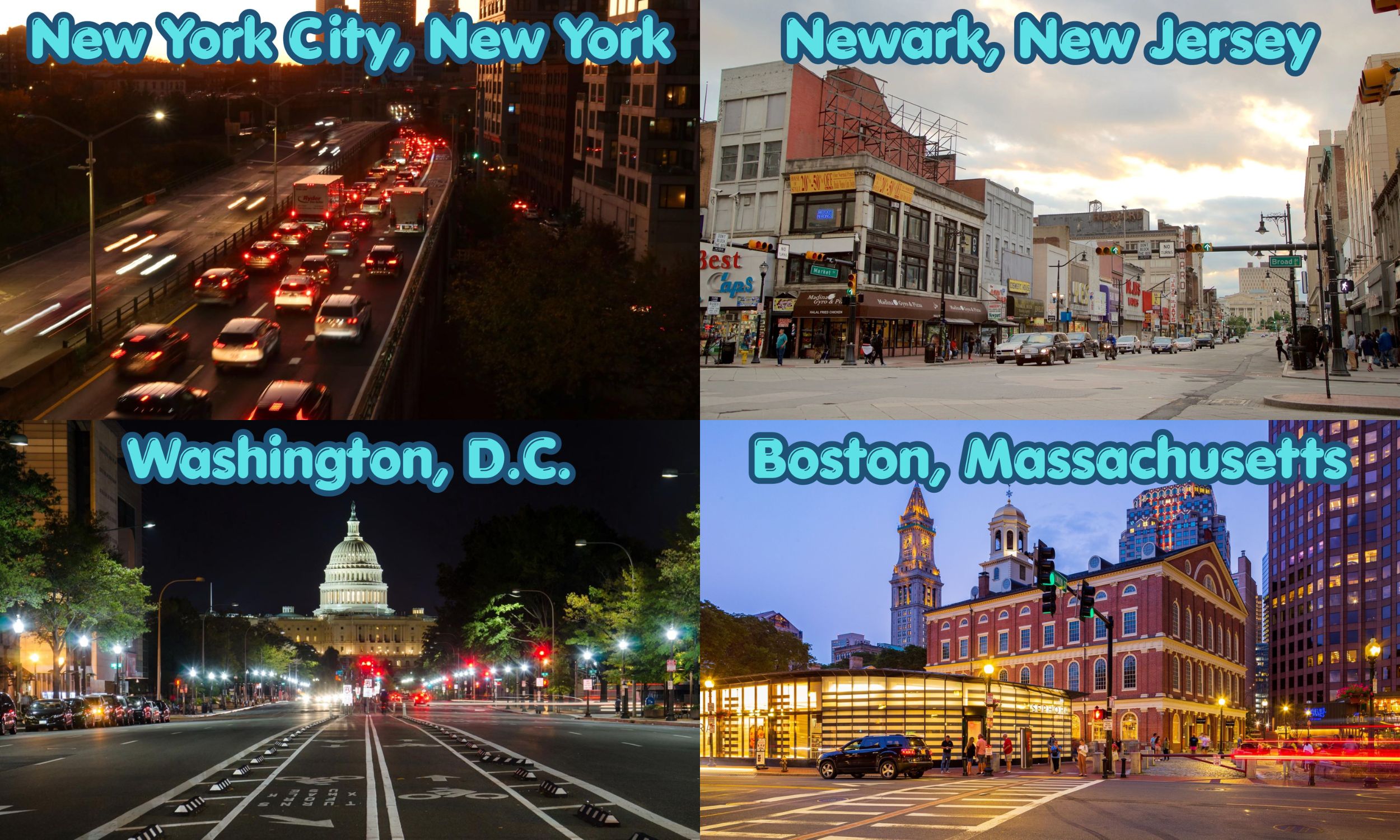
Owning a car feels like a given for most Americans, but in a handful of cities, skipping the driveway altogether is just how people get around. Fresh numbers from the U.S. Census Bureau’s American Community Survey reveal something surprising: millions of households across the country function perfectly well without a single vehicle parked outside.
Dense neighborhoods, reliable buses, subways that actually show up on time, and streets built for walking make that possible. Curious which cities top the list? Some answers are predictable, while others might catch you off guard. Buckle up, or better yet, grab your transit pass, because we’re counting down the ten places where the fewest driveways have cars in them.
1. New York City, New York
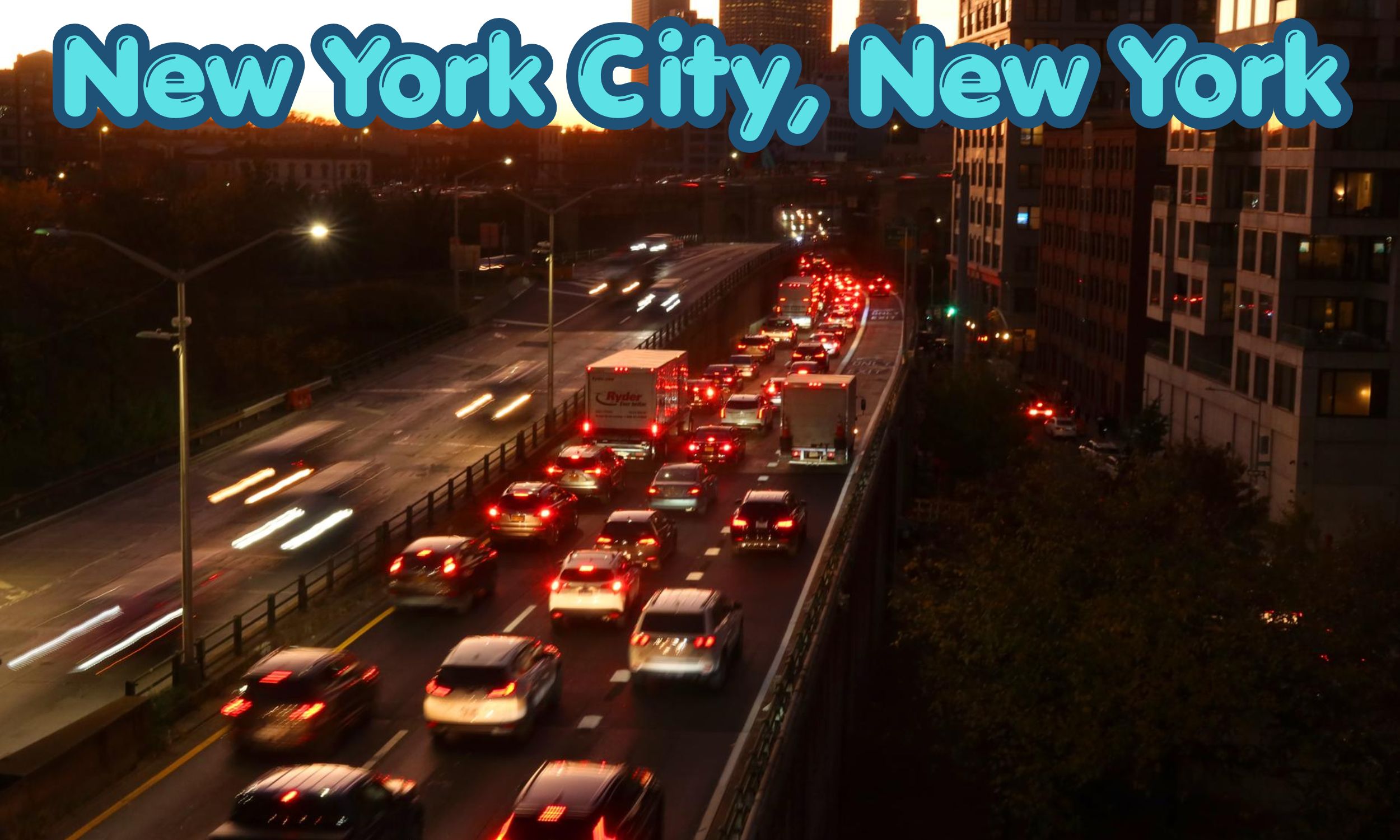
New York sits in a category of its own when it comes to car-free living. Census figures show that 54.4% of households in the city get by without a vehicle, a number so high it dwarfs every other city on this list. Why does this happen here and almost nowhere else?
Subway lines run around the clock, buses fill in the gaps, and yellow cabs plus ride-hailing apps handle whatever’s left. Parking a car in Manhattan can cost more per month than rent does in plenty of other states, which pushes residents toward transit almost by necessity.
Density plays a massive role too. With millions of people packed into a relatively small footprint, walking to a grocery store, pharmacy, or subway stop is often faster than starting an engine. Traffic congestion adds another layer of motivation. Anyone who has sat through a gridlocked crosstown trip understands why the subway starts looking like the smarter choice.
It’s not just Manhattan skewing the numbers either. Boroughs like Brooklyn, Queens, and the Bronx all report high rates of car-free households, thanks to extensive subway coverage reaching far beyond downtown. For millions of New Yorkers, a MetroCard does the job a car keys once did, and it does it without the headache of alternate-side parking rules.
2. Newark, New Jersey
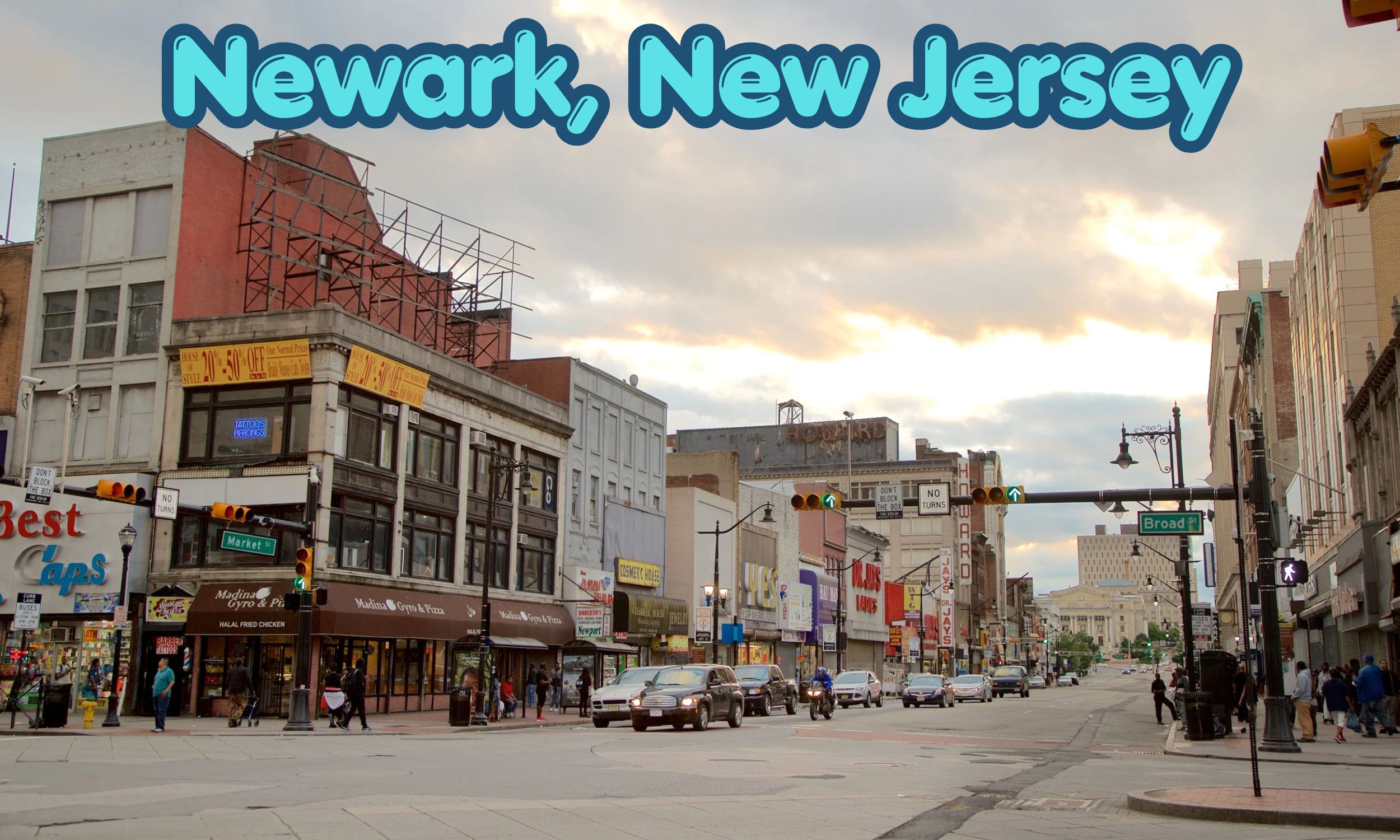
Just across the river from Manhattan, Newark holds its own with 39.2% of households living without a vehicle. That places it second nationally, and its location explains a great deal about why.
Newark benefits enormously from its position within the greater New York transit web. PATH trains connect residents directly into Manhattan, while NJ Transit buses and rail lines stretch across the region, making car ownership optional rather than mandatory for daily life.
The city’s own infrastructure supports this pattern as well. Newark Penn Station functions as a major hub, linking commuter rail, light rail, and Amtrak service under one roof. For residents heading to jobs in New York City or elsewhere in New Jersey, hopping a train often beats fighting through tunnel traffic during rush hour.
Affordability factors into the equation too. Newark offers a lower cost of living compared to Manhattan, drawing people who work in the city but want cheaper housing. Many of these residents already relied on transit before moving, and they simply continue that habit once settled in Newark.
Local walkability adds another piece to the puzzle. Several Newark neighborhoods offer grocery stores, pharmacies, and services within a short walk, reducing the daily errands that typically require a car. Combined with strong regional rail access, Newark has built an environment where skipping car ownership doesn’t feel like a sacrifice.
Also Read: 12 Best US Cities to Purchase a Used Car to Avoid Hidden Rust and Salt

3. Washington, D.C.
The nation’s capital lands in third position, with 37.3% of households reporting no vehicle at home. For a city built around federal buildings and monuments, that figure reflects decades of deliberate planning.
Metro trains form the backbone of this system. The Washington Metrorail network reaches deep into Virginia and Maryland suburbs, giving commuters an alternative to driving into a city notorious for brutal traffic. Add Metrobus routes covering the gaps, and residents can reach most destinations without ever touching a steering wheel.
D.C.’s layout helps too. The city was designed with wide avenues and traffic circles, but its core neighborhoods remain remarkably walkable, with shops, restaurants, and offices clustered close together. Capital Bikeshare, one of the earliest bike-share programs in the country, gave residents another car-free option long before similar programs launched elsewhere.
Government employment shapes commuting habits as well. Many federal workers travel to offices clustered downtown, an area well served by Metro stops, making transit the obvious choice over paying for scarce and expensive parking.
Younger professionals drawn to the district for policy, law, and nonprofit jobs also tend to favor renting near transit lines rather than buying cars. That demographic pattern reinforces the trend year after year, keeping D.C. firmly among the top cities where car-free living remains common practice.

4. Boston, Massachusetts
Boston has about 33.8% of households living without a car, a situation that many residents understand because of the city’s narrow streets and limited parking spaces. Owning a vehicle can become difficult when finding a parking spot near home takes extra time and effort, so many people choose other ways of moving around the city daily.
The MBTA, commonly called “the T,” remains one of the main transport options for residents across Boston. Its subway lines, buses, and commuter rail services help students, workers, and families reach different parts of the city without needing a personal vehicle. Public transport has become a normal part of life for many people who live and work in the area.
Boston’s old city design also makes walking easier compared with many newer cities built around cars. Some streets were created long before modern vehicles became common, creating a compact layout where shops, offices, schools, and homes are often close together. This allows residents to complete many daily activities on foot.
The large student population also affects car ownership rates because many university students do not need cars for campus life. Boston’s many colleges attract young people who often depend on walking, cycling, and public transport instead of using private vehicles. During winter, snow and difficult road conditions make driving and parking more stressful for many residents.
Because of this, public transport becomes a more convenient choice during colder months. These habits often continue throughout the year as many residents prefer simple and affordable travel.
5. Hartford, Connecticut
Hartford might not top most people’s list of transit-friendly cities, yet 32.6% of its households operate without a vehicle, placing it firmly in fifth position nationally. That number reflects a mix of economic and geographic realities specific to Connecticut’s capital.
Hartford’s compact size works in its favor. As one of the smaller cities on this list by land area, many residents find that daily destinations sit within reasonable walking or biking distance, removing the need for a car for routine errands.
Public transit fills additional gaps through CTfastrak, a bus rapid transit system connecting Hartford to surrounding suburbs, along with local bus routes covering the city core. While Hartford lacks a subway system, these bus networks provide dependable service for residents commuting to work or school.
Economic factors matter here as well. Hartford has faced financial challenges in recent decades, and lower household incomes in parts of the city make car ownership, with its insurance, fuel, and maintenance costs, a genuine financial stretch for many families. Transit becomes less a lifestyle choice and more a practical necessity.
Hartford’s role as an insurance industry hub also brings office workers downtown daily, many of whom live close enough to walk or take a short bus ride rather than deal with limited and costly parking near the city center. That daily pattern helps keep the car-free percentage well above the national average.

6. San Francisco, California
San Francisco is one of the American cities where many households live without owning a vehicle, with 29.9% of homes having no car available. The city’s location on a narrow peninsula, steep roads, and limited space have influenced the way residents move around each day.
Public transport remains a common choice for people who need to go to work, shops, and other places across the city. BART connects San Francisco with nearby areas, while Muni buses, streetcars, and cable cars help residents reach different parts of the city without depending on personal cars.
The high cost of vehicle ownership is another reason some households choose to stay car-free. Expensive housing, fuel, insurance, repairs, and parking charges make owning a car costly for many people. In some locations, parking fees can reach hundreds of dollars monthly, making other transport options more suitable.
San Francisco’s technology workers also affect travel patterns because some companies offer shuttle services for employees. Many others use bicycles, scooters, or public transport for movement. The city’s hills also encourage residents to use different travel methods instead of relying only on private vehicles. This has helped maintain a culture of public transport use across San Francisco.
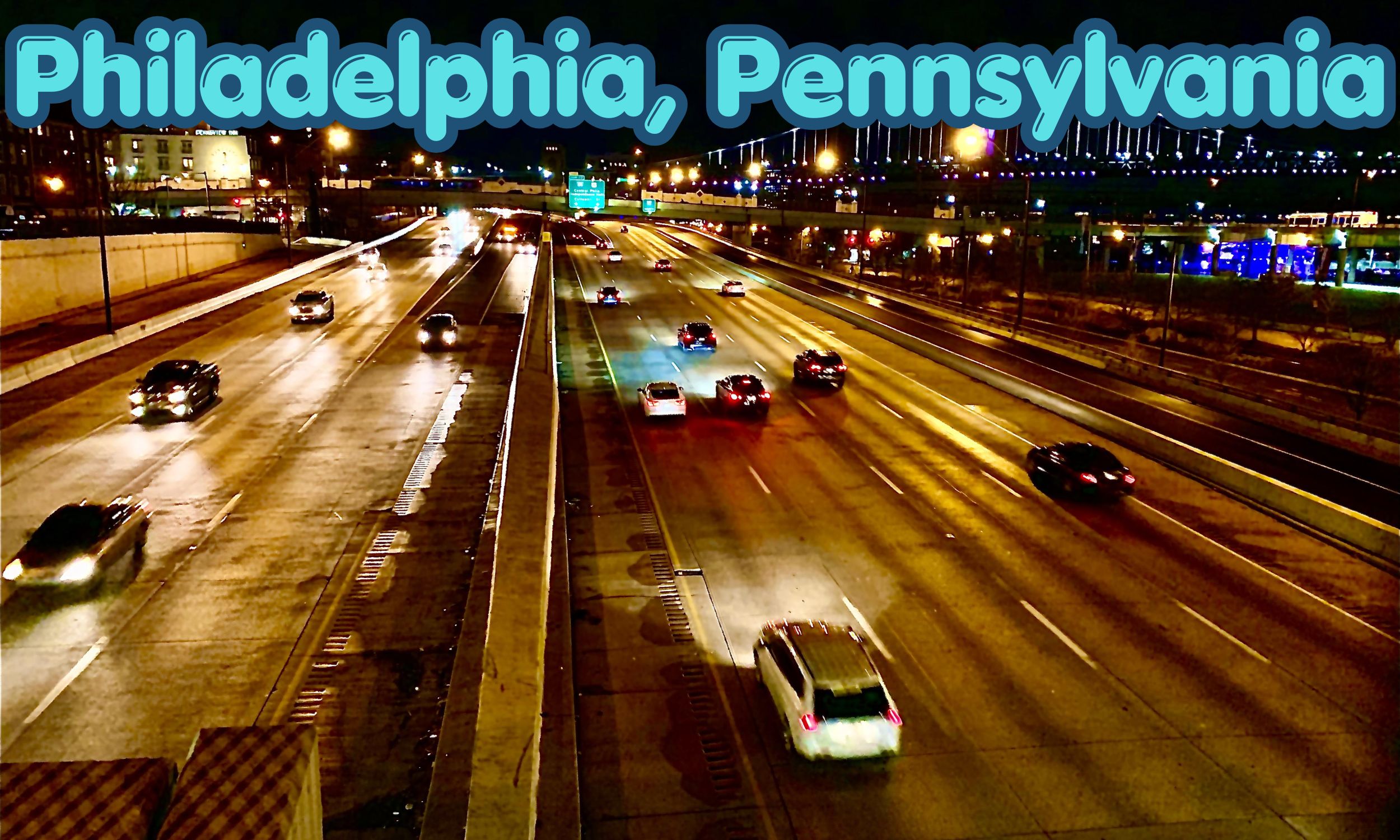
7. Philadelphia, Pennsylvania
Philadelphia claims seventh place with 29.5% of households reporting no vehicle, a statistic rooted in the city’s old bones and expansive transit network. Founded centuries before the automobile existed, Philadelphia’s core neighborhoods were built for walking, and that legacy still shapes daily life.
SEPTA, the regional transit authority, runs subways, trolleys, buses, and regional rail lines stretching well beyond city limits. This wide-reaching system gives residents dependable options for commuting downtown or heading out to surrounding suburbs without ever needing a set of car keys.
Philadelphia’s grid layout supports walkability in a way many newer cities simply can’t replicate. Rowhouse neighborhoods place homes close to corner stores, pharmacies, and schools, turning errands into short walks rather than car trips. That density, paired with relatively affordable housing compared to nearby New York or D.C., attracts residents who prioritize walkable living.
Economic diversity across neighborhoods also factors into the citywide average. Some areas see high car-free rates driven by cost savings among lower-income households, while other neighborhoods draw young professionals who choose transit for convenience and environmental reasons rather than necessity.
College and university populations add further weight to the numbers. With several major schools located within city limits, a steady stream of students relies on SEPTA passes and bicycles instead of car payments, keeping Philadelphia’s car-free percentage well above the national norm year after year.
8. Baltimore, Maryland
Baltimore comes in at 28.9%, landing just behind Philadelphia and reflecting a similar blend of historic density and transit access. Rowhouses line block after block here too, creating neighborhoods where walking to a corner store remains part of daily routine rather than an occasional choice.
The city’s transit system includes light rail, a subway line, and an extensive bus network operated by the Maryland Transit Administration. While Baltimore’s system doesn’t match the scale of nearby D.C., it still provides enough coverage for many residents to skip car ownership entirely, particularly those working downtown or near the Inner Harbor.
Economic conditions shape Baltimore’s numbers as well. Parts of the city face persistent poverty, and for many households, the cost of owning and insuring a vehicle simply doesn’t fit the budget. Transit and walking become practical necessities rather than lifestyle preferences in these neighborhoods.
Baltimore’s compact geography helps too. The city covers a relatively small area compared to sprawling Sun Belt cities, meaning destinations often sit within a reasonable walk or short bus ride, even without a robust subway system covering every corner of town.
Proximity to Washington, D.C. also plays a role for some residents. MARC commuter trains connect Baltimore to the capital, allowing people to live in one city and work in the other without maintaining a car for the trip, further boosting the local car-free household count.
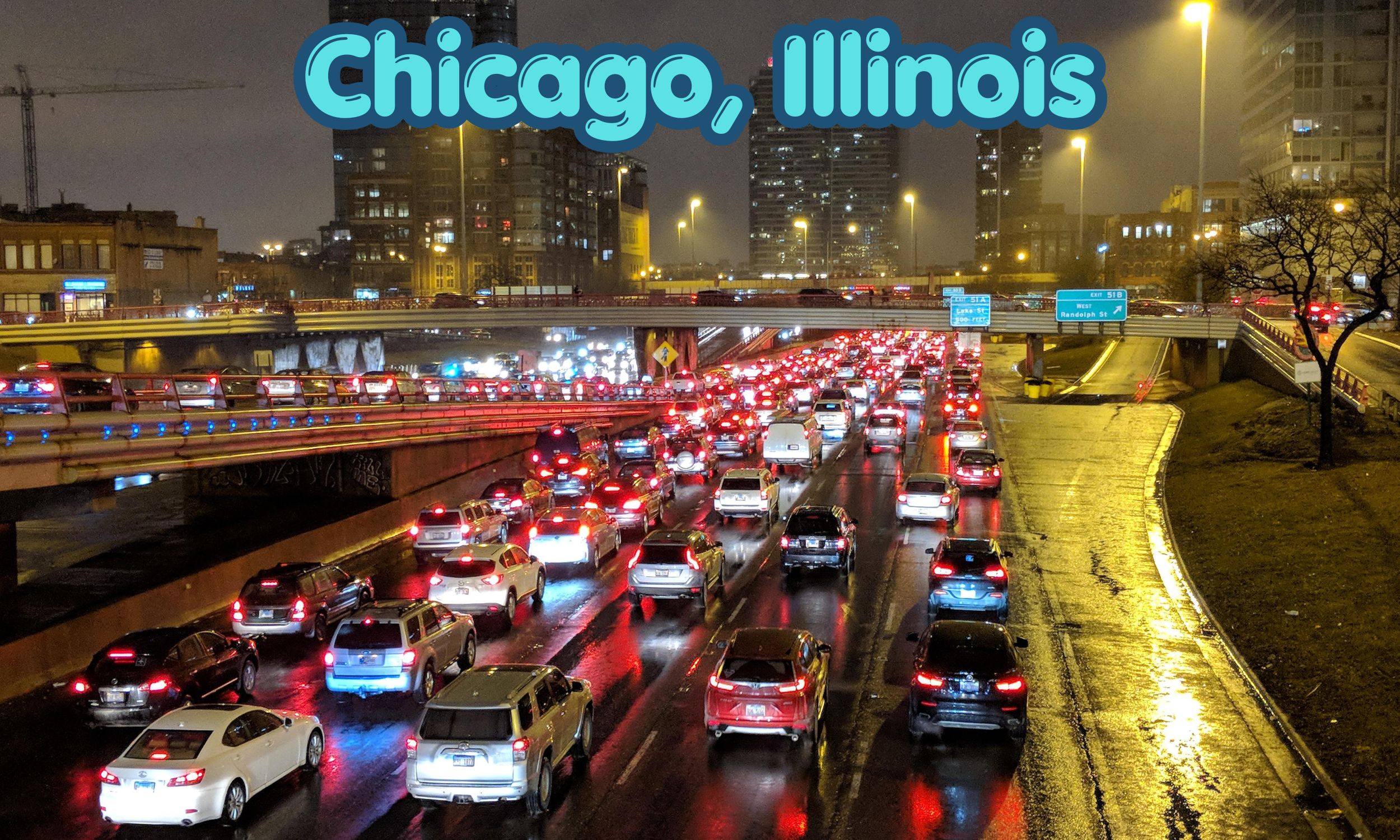
9. Chicago, Illinois
Chicago sits at 26.5%, proving that even a sprawling Midwestern metropolis can support serious numbers of car-free households when transit infrastructure gets built right. The city’s famous “L” train system, running both elevated and underground, connects neighborhoods across a massive footprint, giving residents genuine alternatives to driving.
Chicago Transit Authority buses fill in the routes trains don’t cover, creating a combined network that reaches far beyond downtown. Add Metra commuter rail connecting to suburbs, and the greater Chicago area offers transit options rivaling many coastal cities despite sitting in the heart of the Midwest.
The Loop and surrounding neighborhoods offer dense, walkable environments where groceries, restaurants, and offices sit close together. Residents in these central areas often find that owning a car adds cost and hassle without much practical benefit, especially given Chicago’s notoriously harsh winter driving conditions.
Cost factors in too. Parking downtown can be pricey, and street parking during snow season brings its own headaches involving posted signs, towing, and shoveled-out spots that neighbors guard fiercely. Many residents decide the savings and simplicity of transit outweigh whatever convenience a personal vehicle might offer.
Chicago’s size means car-free living isn’t uniform across the entire city. Neighborhoods farther from train lines see higher car ownership, while those clustered near L stops report far lower rates, pulling the citywide average toward that 26.5% figure.
Also Read: 12 Best US Cities to Purchase a Used Car Without Hidden Rust
10. Providence, Rhode Island
Rounding out the list, Providence reports 21.7% of households without a vehicle, the smallest share among these ten cities but still well above the national average. As Rhode Island’s capital and largest city, Providence offers a scaled-down version of the density found in bigger metros further up this ranking.
RIPTA, the state’s public bus system, forms the backbone of local transit, connecting Providence neighborhoods to each other and to surrounding towns. While the system lacks rail transit within the city itself, bus routes cover enough ground to make car-free living workable for many residents, particularly those living and working near downtown.
College presence plays a substantial role here as well. Brown University and Rhode Island School of Design both sit within city limits, drawing a steady population of students who often forgo car ownership entirely during their years in Providence. Many simply walk between campus, apartments, and nearby shops.
Providence’s smaller scale compared to cities like Boston or New York makes walking a genuinely practical choice for daily errands. Downtown, the East Side, and several surrounding neighborhoods offer enough density that residents can handle groceries, dining, and entertainment without needing to start a car.
Affordability compared to nearby Boston also draws people who already prefer transit-based living, adding to the local percentage. Combined with steady RIPTA service, Providence earns its place among the top ten cities where households most commonly skip car ownership altogether.