
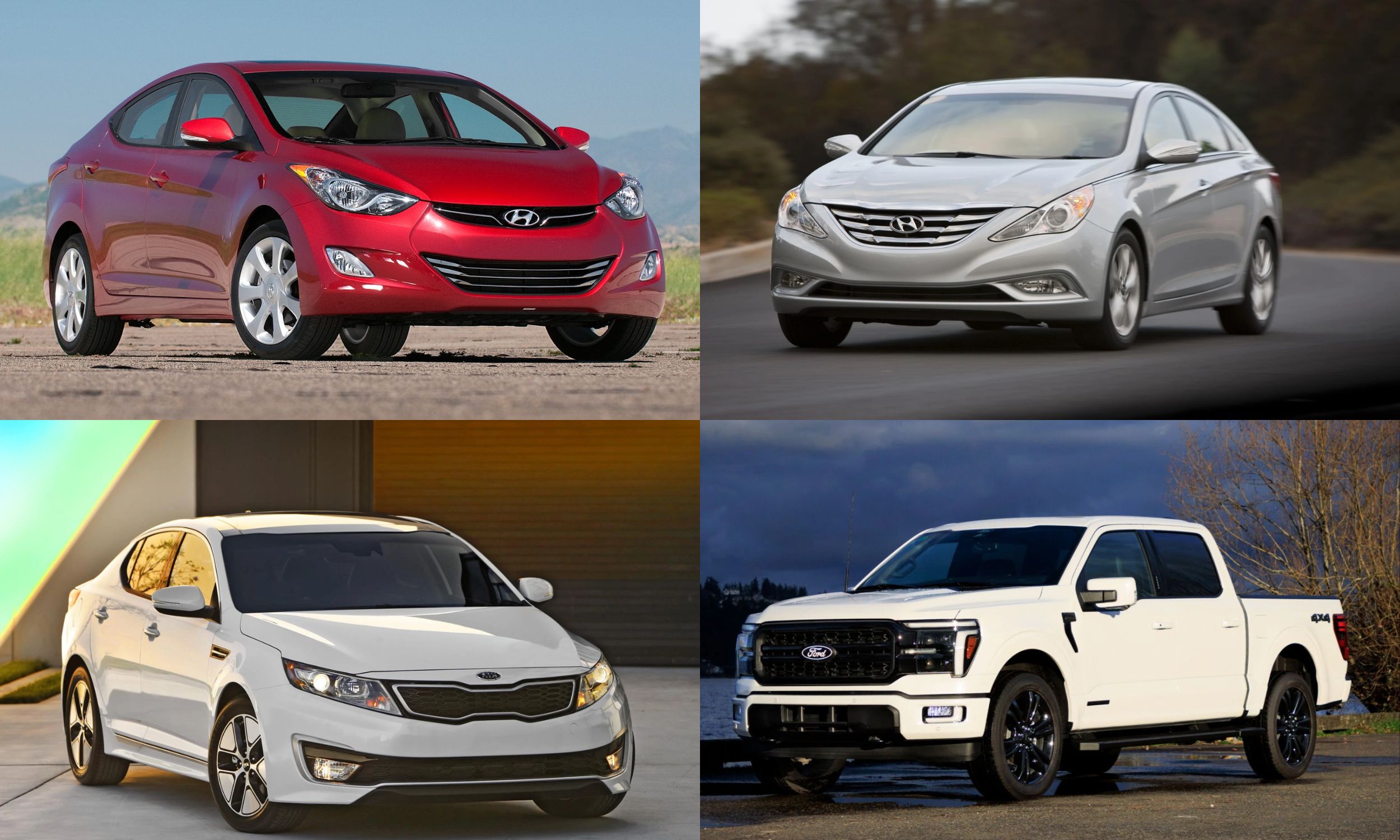
Vehicle theft remains a serious concern for many Missouri drivers, but some models attract criminals far more than others. The difference usually comes down to the security features fitted by the manufacturer rather than appearance or value.
Using information from the National Insurance Crime Bureau, the Highway Loss Data Institute, and Missouri vehicle theft reports, this list highlights five vehicles stolen most often and five that thieves rarely target.
Whether you are planning to buy a used vehicle or simply want to understand why certain models disappear more frequently, these rankings offer useful insight into which vehicles carry a higher theft risk and which ones provide stronger protection against criminals.
5 Cars With the Highest Theft Rates in Missouri
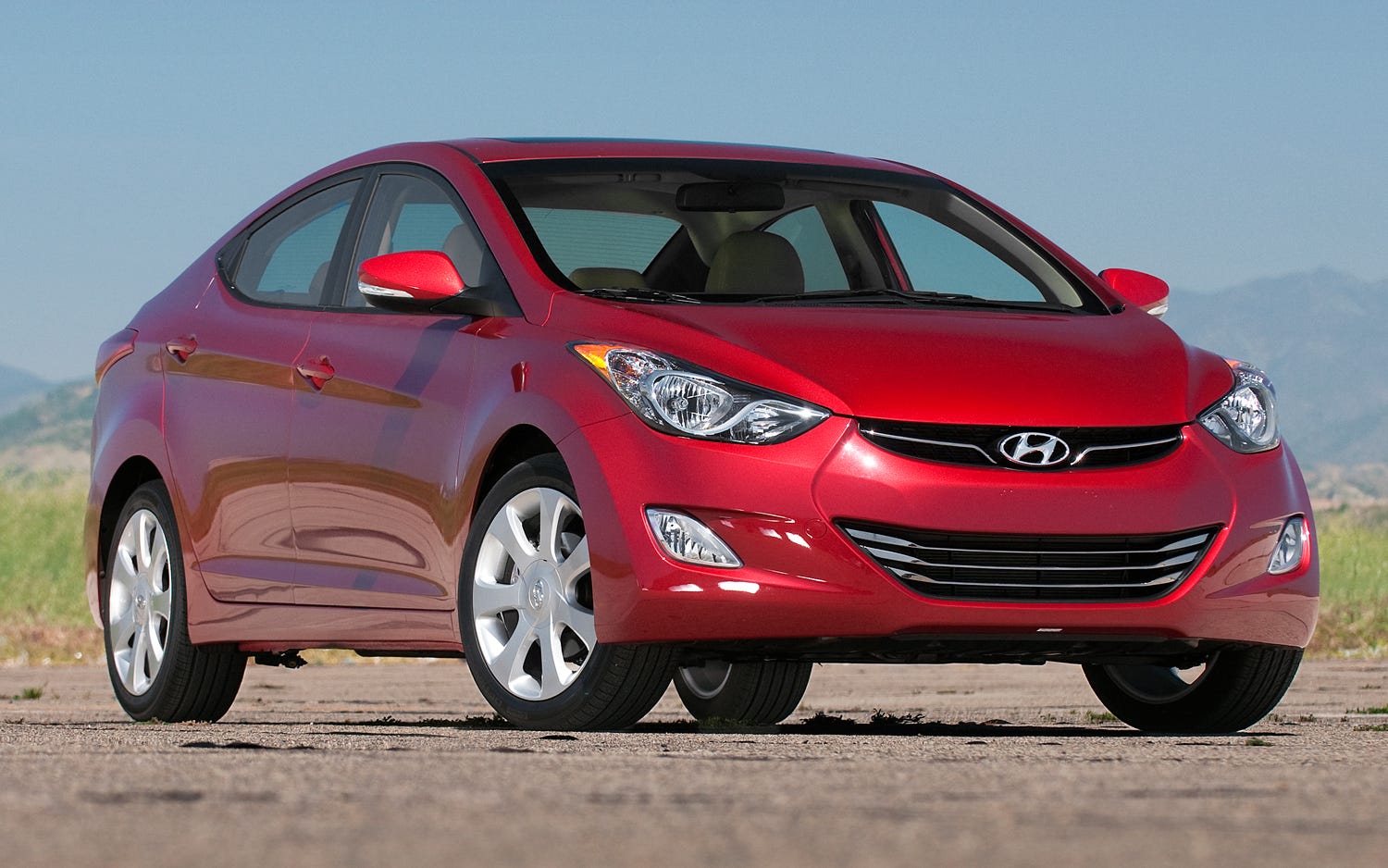
1. Hyundai Elantra (2011-2021)
- Engine: 2.0L Inline-4
- Horsepower: 147 hp
- Torque: 132 lb-ft
- Size: 184.1 in (L) × 70.9 in (W)
Ask any Missouri police officer which car shows up most often on stolen vehicle reports, and the Elantra comes up almost every time. It’s not a coincidence. It’s a pattern that built over years.
The problem traces back to a manufacturing decision that seemed harmless at the time. Many U.S. models built during this window rolled off the line without a factory engine immobilizer, a small but essential piece of tech that prevents an engine from starting unless it recognizes the correct key. Without it, a screwdriver and a USB cable can do what used to require real skill.
Social media made things worse. Once videos started circulating showing exactly how simple the process was, theft numbers spiked in cities across the country, and Missouri was no exception. Teenagers with no criminal background suddenly had the tools to steal a car in under a minute.
Insurance companies noticed too. Premiums for affected model years climbed in response to the surge, and some insurers began asking pointed questions before writing new policies. Owners who still drive these Elantras today are often advised to install aftermarket immobilizers or steering wheel locks, treating a decade-old design gap like an active, ongoing risk that never fully went away.
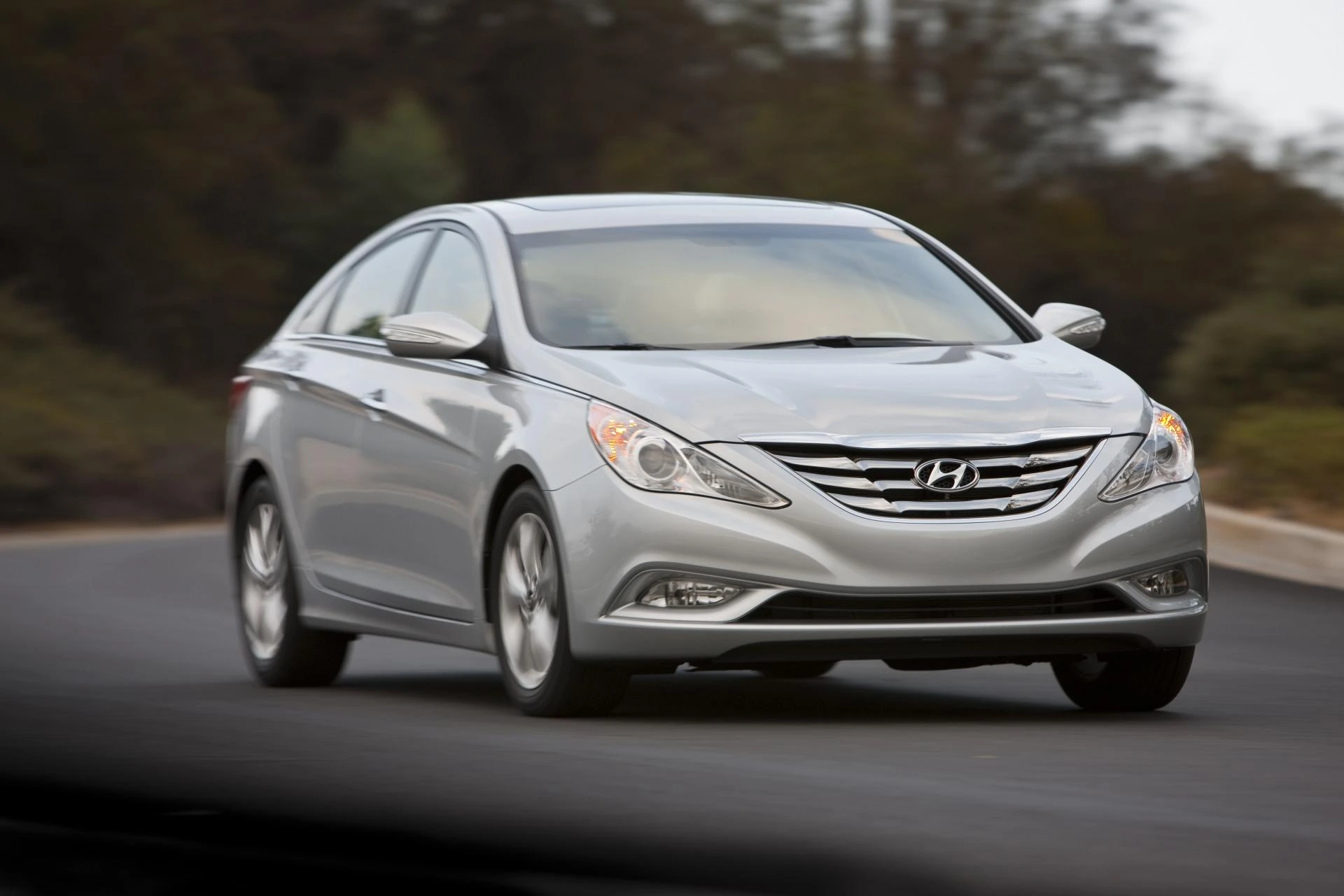
2. Hyundai Sonata (2011-2021)
- Engine: 2.5L Inline-4
- Horsepower: 191 hp
- Torque: 181 lb-ft
- Size: 192.9 in (L) × 73.2 in (W)
The Sonata’s story reads almost like a sequel to the Elantra’s. Same company, same flawed ignition setup, same result. Here’s the thing that surprised a lot of owners: they assumed a midsize sedan, roomier and pricier than a compact, would somehow be less appealing to thieves. That assumption turned out to be wrong.
Size didn’t matter. What mattered was the ignition assembly, and the Sonata carried the identical vulnerability found in its smaller sibling. Kansas City and St. Louis reported particularly rough numbers. Both cities have dense populations of these vehicles, plenty of street parking without security cameras, and organized groups who learned to identify affected models by sight, sometimes within seconds.
A few owners fought back in creative ways. Steering wheel locks became a common sight in Sonata driveways. Some installed hidden kill switches wired into the fuel pump. Others just gave up and traded the car in early, taking a resale hit rather than risk losing the vehicle entirely to a thief with a phone tutorial and ten spare minutes.
Hyundai eventually responded with free software updates and ignition cylinder replacements for affected owners, but adoption of that fix was slow. Many Sonatas on Missouri roads today still carry the original, unprotected hardware, making this an unresolved risk for anyone who owns one secondhand.
Also Read: 5 Cars With the Highest Theft Rates in New York & 5 With Lowest
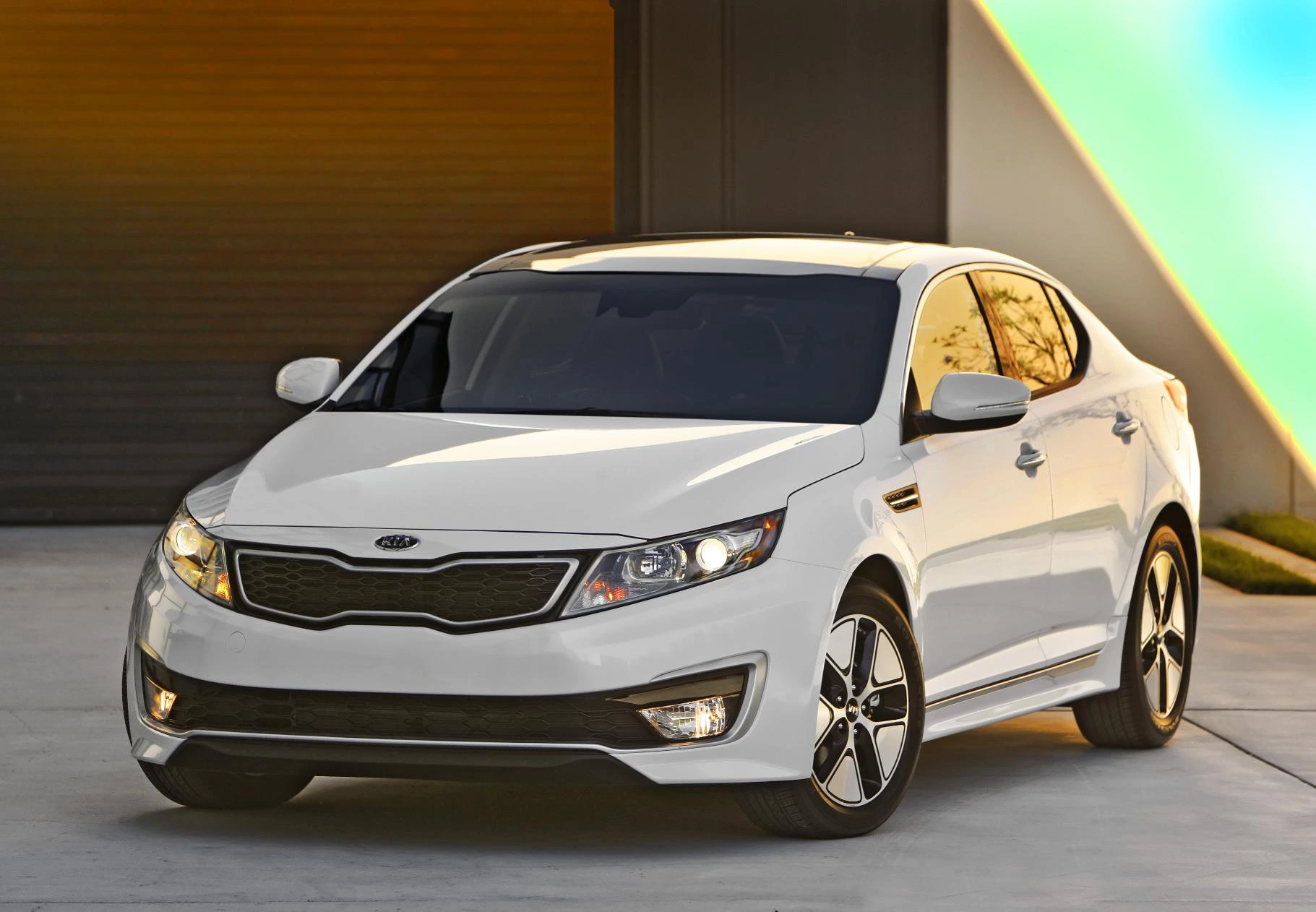
3. Kia Optima (2011-2021)
- Engine: 2.4L Inline-4
- Horsepower: 185 hp
- Torque: 178 lb-ft
- Size: 191.1 in (L) × 73.2 in (W)
Kia and Hyundai share more than a parent company. They share an engineering platform, and unfortunately, that meant sharing a security flaw too.
The Optima became the face of what people online started calling the “Kia Challenge,” a viral trend where users demonstrated just how easy these cars were to start without a key. What began as a handful of videos turned into a genuine crime wave, with copycat thefts reported across dozens of states, Missouri included.
Why did the Optima specifically stand out among Kia’s lineup? Popularity played a role. It sold well throughout the 2010s, meaning there were simply more units available on the street for opportunistic thieves to target. Combine high volume with an exploitable weakness, and the math practically writes itself.
Local dealerships felt the ripple effects too. Some reported customers trading in Optimas specifically because they couldn’t get affordable insurance coverage anymore. A few credit unions even flagged the model during loan applications, warning buyers about elevated theft risk before financing was approved.
Kia has since issued fixes similar to Hyundai’s, including software patches and physical ignition upgrades. Owners who haven’t updated their vehicles remain exposed, and used car shoppers eyeing an older Optima should ask directly whether the immobilizer fix has already been applied before signing anything.
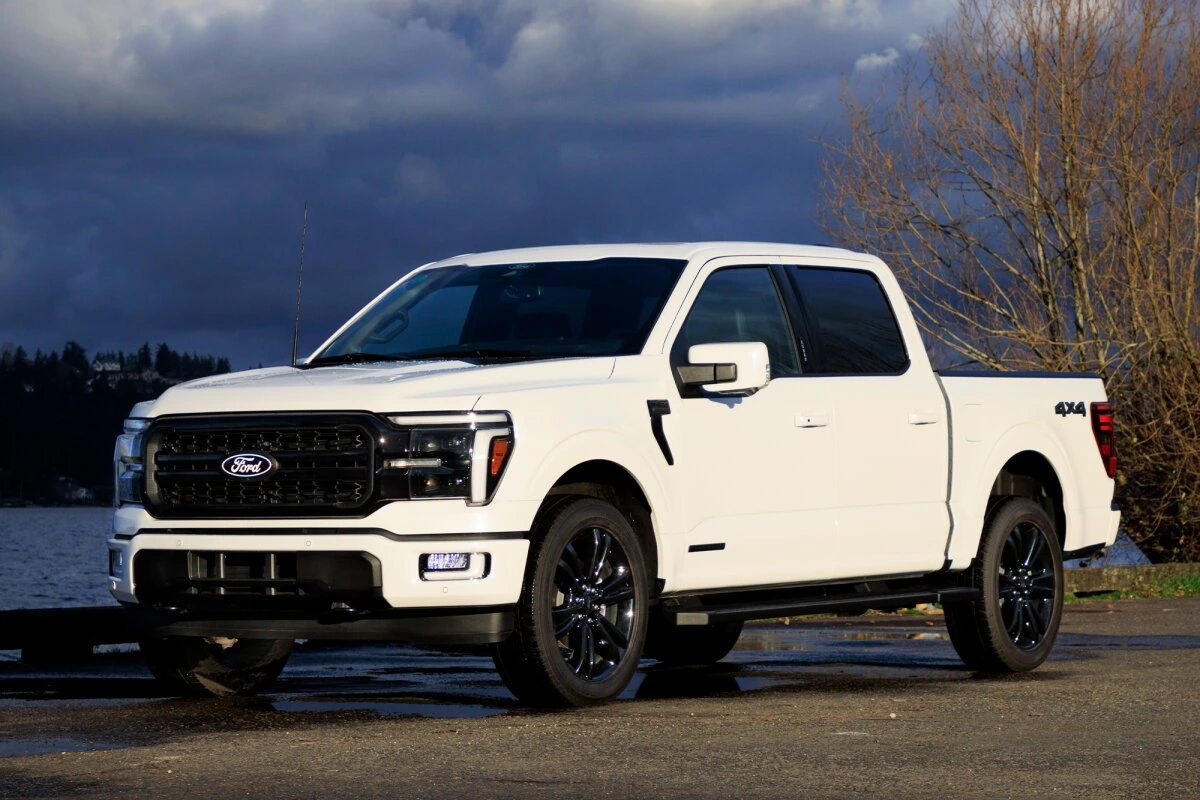
4. Ford F-150
- Engine: 3.5L EcoBoost V6
- Horsepower: 400 hp
- Torque: 500 lb-ft
- Size: 231.7 in (L) × 79.9 in (W)
Trucks tell a different theft story entirely, and the F-150 sits right at the center of it. This isn’t about hackable ignitions or viral videos. It’s about volume, plain and simple. The F-150 has been America’s best-selling vehicle for decades, which means there are millions of them scattered across driveways, job sites, and parking lots throughout Missouri at any given moment.
Thieves don’t need a special trick to make stealing an F-150 profitable. They just need a buyer for the parts. Engines, transmissions, wheels, and tailgates from these trucks command strong prices in the aftermarket and salvage world, and chop shops know exactly how to move that inventory quickly.
Rural areas compound the issue. Trucks parked overnight on farms or job sites often sit far from streetlights or security cameras, giving thieves plenty of time to work undisturbed. Contractors who leave tools and equipment inside their trucks make the target even more appealing, since a single theft nets both the vehicle and everything stored inside it.
Missouri law enforcement has responded by encouraging truck owners to install steering column locks, GPS trackers, and hidden kill switches, treating basic deterrence as a necessity rather than an option for anyone parking a high-demand pickup outside overnight.
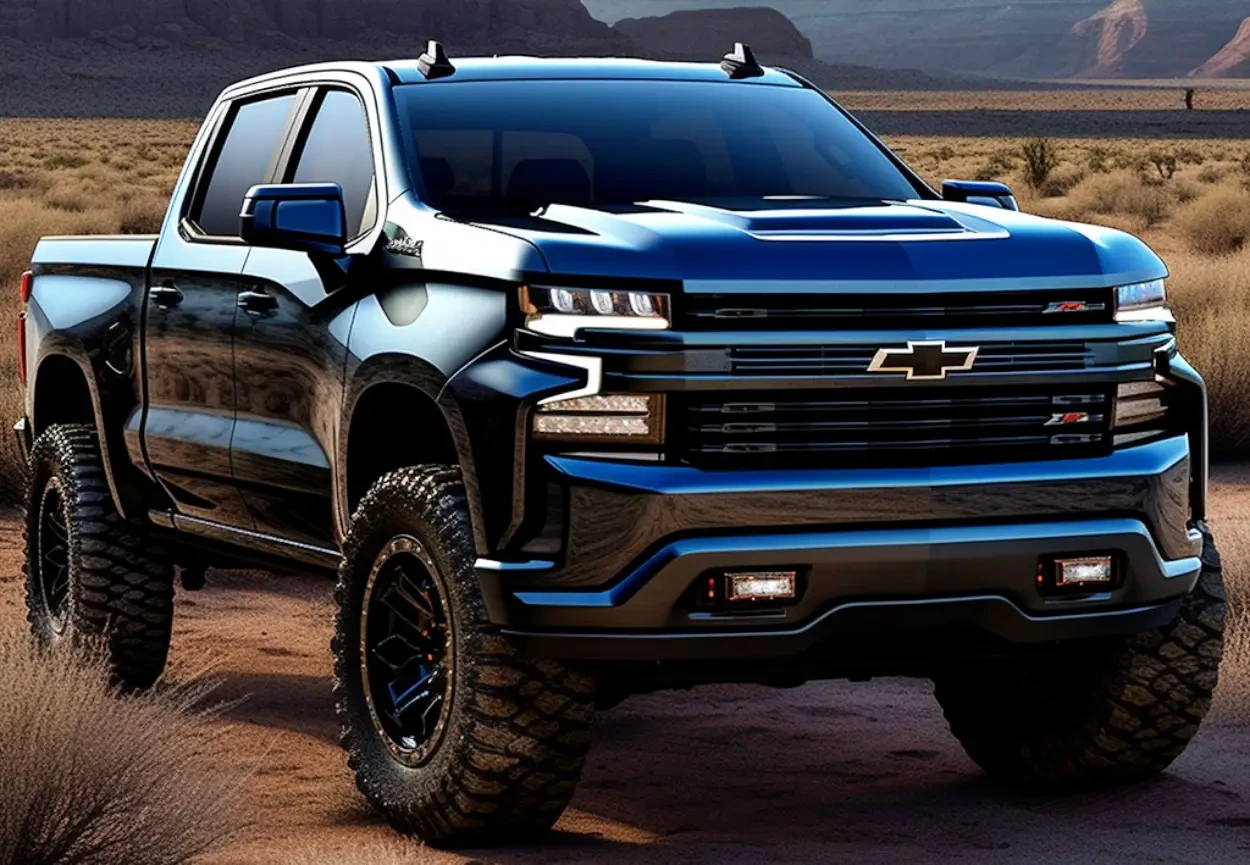
5. Chevrolet Silverado 1500
- Engine: 5.3L EcoTec3 V8
- Horsepower: 355 hp
- Torque: 383 lb-ft
- Size: 231.9 in (L) × 81.2 in (W)
The Chevrolet Silverado 1500 completes the top five, and many of the reasons behind its high theft rate are similar to those affecting the Ford F-150. As one of America’s best-selling full-size pickup trucks, it remains a valuable target for criminals looking to profit from strong demand for used components.
Rather than selling the entire vehicle, thieves often dismantle stolen Silverados and sell the engine, transmission, wheels, tailgate, and other valuable parts individually. Another factor is the security equipment fitted to older models. Many earlier Silverados lack the advanced anti-theft technology found in more recent versions, making them easier to steal using basic tools and simple methods.
Criminals do not always need advanced electronic equipment to gain access or start these trucks, especially when targeting older model years with less sophisticated security systems. Missouri also presents conditions that can make these thefts easier to carry out.
Many trucks are parked on farms, construction sites, rural driveways, or poorly lit areas where thieves have more time to act without attracting attention. These quieter locations often provide better opportunities than busy city streets with constant activity. Owners are responding by investing in extra security measures to reduce the risk of theft.
Many now install aftermarket alarm systems, steering wheel locks, wheel locks, GPS tracking devices, and VIN etching to make their trucks less attractive to criminals. While no security system can completely prevent vehicle theft, these upgrades can discourage thieves and improve the chances of recovering a stolen Silverado if the worst happens.
5 Cars With the Lowest Theft Rates
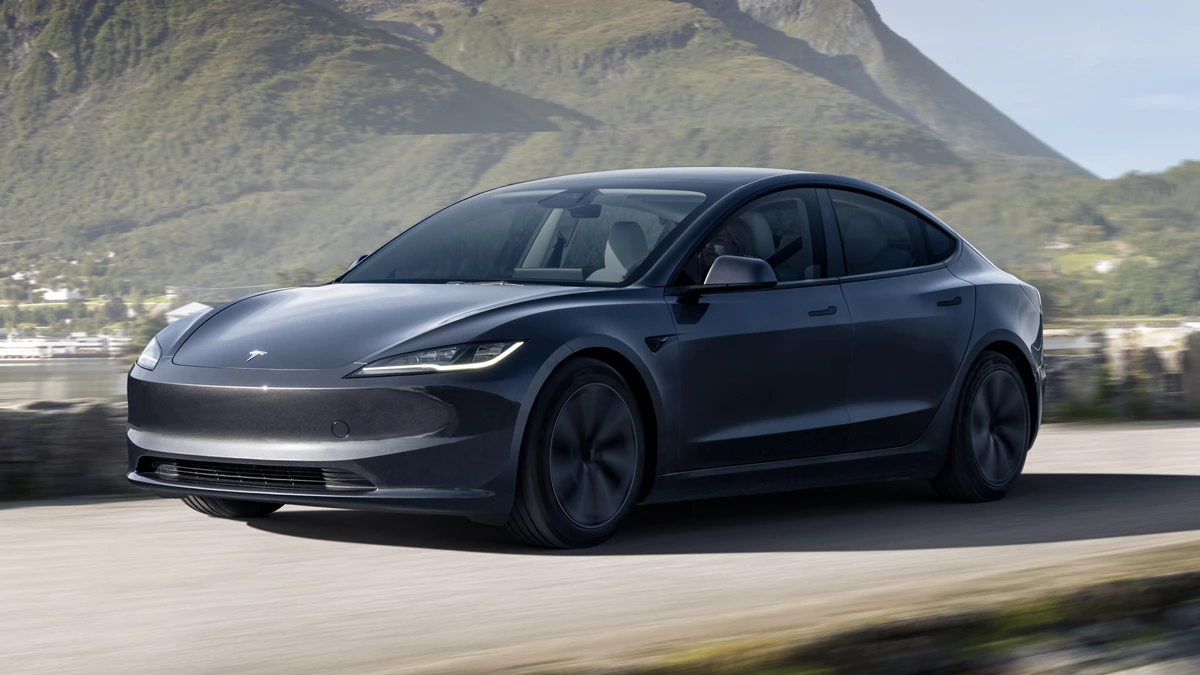
1. Tesla Model 3 AWD
- Powertrain: Dual Electric Motors
- Horsepower: 394 hp
- Torque: 376 lb-ft
- Size: 184.8 in (L) × 72.8 in (W)
Flip the script entirely, and the Model 3 sits at the very bottom of every theft chart worth looking at. Why? Because stealing one requires solving problems that simply don’t exist with a traditional car. There’s no physical key to hot-wire around. There’s no ignition cylinder to jam a screwdriver into. Everything runs through encrypted digital authentication that thieves have never figured out how to reliably defeat.
Picture a car that watches its own surroundings, records anyone approaching, and immediately alerts the owner’s phone the moment something seems off. Sentry Mode does exactly that, using the vehicle’s cameras to monitor for suspicious activity around the clock, whether it’s parked at home or on a random street downtown.
Then there’s PIN to Drive, a feature that requires a numeric code before the car will move at all, even if someone somehow gets inside. Combine that with real-time GPS tracking baked into every unit, and stolen Model 3s become almost impossible to keep for long, let alone resell or part out.
Insurance data backs this up in dramatic fashion. HLDI reports theft claim frequency for the Model 3 sitting near the very bottom of every vehicle tracked, a statistic that would have seemed impossible for a mainstream car a decade ago.
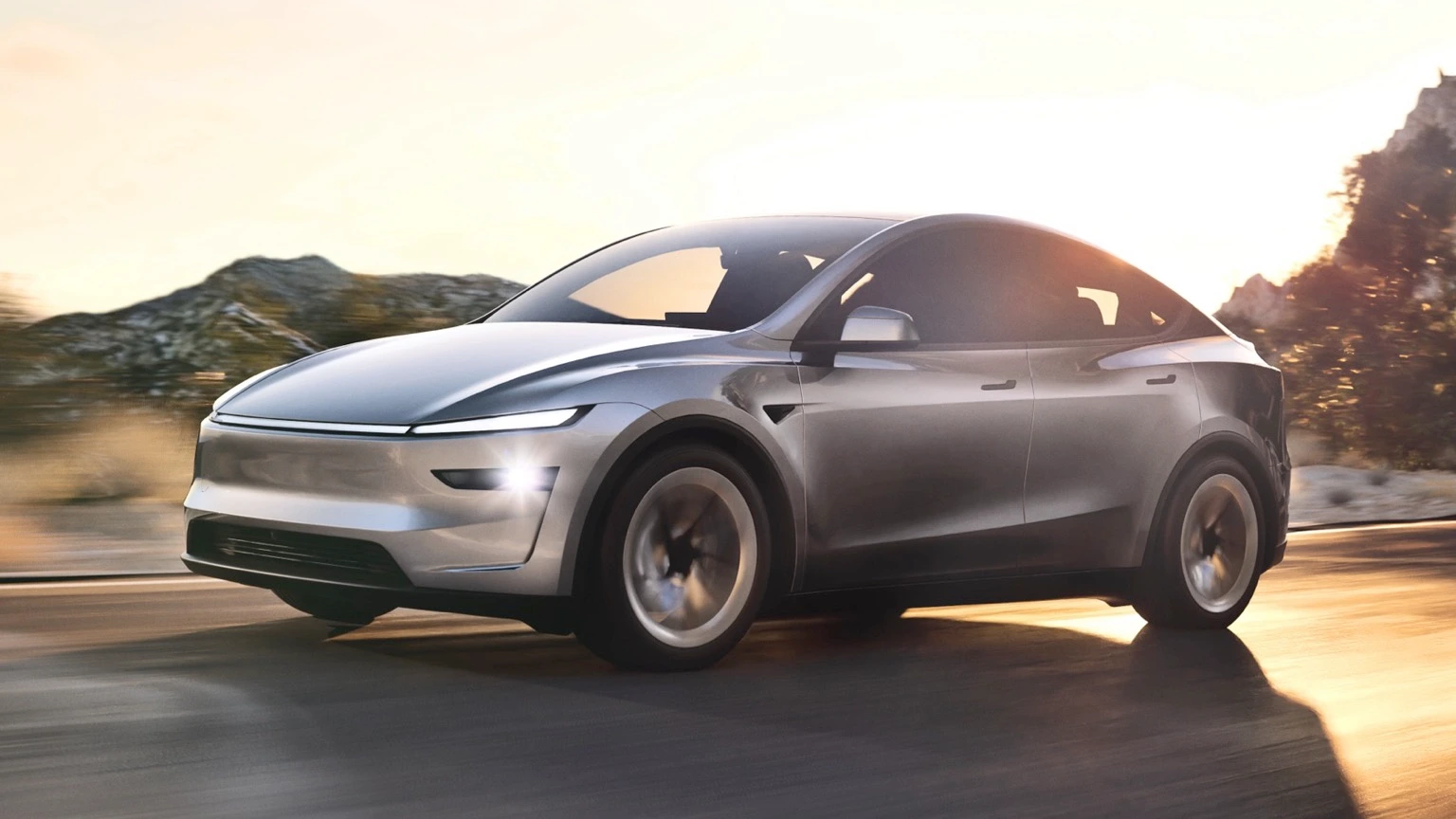
2. Tesla Model Y AWD
- Powertrain: Dual Electric Motors
- Horsepower: 384 hp
- Torque: 376 lb-ft
- Size: 187.0 in (L) × 75.6 in (W)
The Model Y inherits every security advantage of its sedan sibling, then adds the practicality of an SUV body style on top. Thieves looking for an easy score have learned to avoid Teslas as a category, and the Model Y is no exception to that rule.
The same encrypted access system, the same real-time tracking, the same constant camera monitoring through Sentry Mode all carry over directly, leaving would-be criminals with nothing exploitable to work with. There’s a psychological element here too, one that insurance analysts point to often.
Word travels fast in criminal circles about which vehicles are worth the risk and which aren’t. Teslas developed a reputation early on as more trouble than they’re worth to steal, and that reputation has held remarkably steady across model years and body styles. Families cross-shopping SUVs often ask about theft risk alongside safety ratings and fuel costs, and the Model Y consistently answers that question better than nearly anything else on the road.
Low theft claims translate directly into lower insurance premiums over the life of the vehicle, a benefit that compounds year after year for owners who keep the car long-term. Missouri buyers specifically benefit from this trend, given the state’s elevated theft rates for gas-powered vehicles across nearly every other segment.
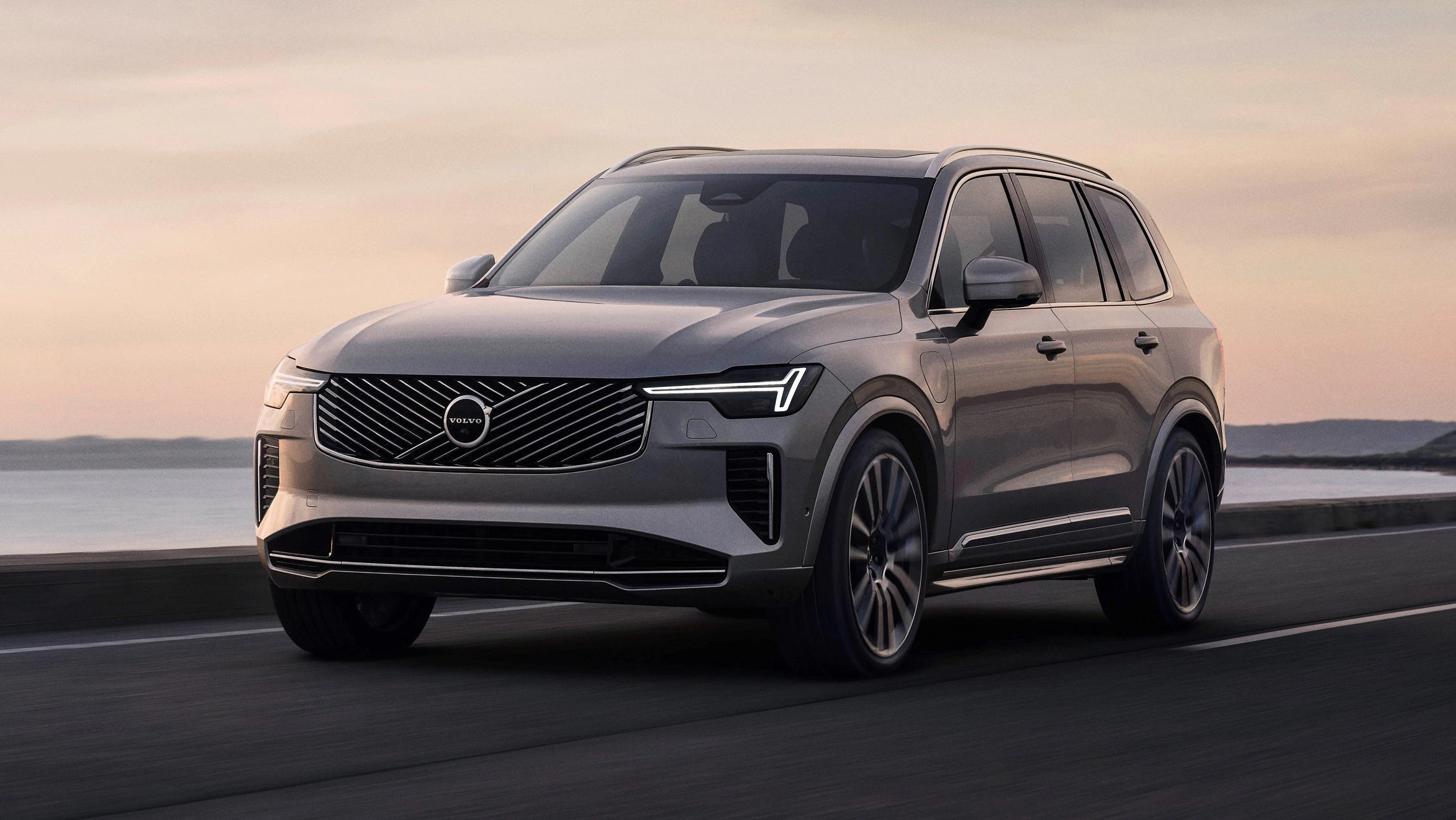
3. Volvo XC90
- Engine: 2.0L Turbocharged and Supercharged Inline-4
- Horsepower: 295 hp
- Torque: 310 lb-ft
- Size: 195.0 in (L) × 79.1 in (W)
Volvo built its reputation on safety, and that same obsessive attention extends directly into how the company approaches theft prevention. The XC90 uses encrypted rolling-code key technology, meaning the signal between the key fob and the car changes every single time it’s used. A thief attempting to clone or intercept that signal is chasing a moving target that resets before they can ever make use of it.
Factory immobilizers add another obstacle on top of that. Even if someone managed to get inside the cabin, starting the engine without the correct authenticated key remains nearly impossible using conventional tools. There’s no shortcut, no bypass trick circulating on social media, nothing.
Luxury SUVs often attract thieves specifically because of their resale value, yet the XC90 largely escapes that pattern. Why? Because stripped-down parts and stolen units are far harder to move quietly when the vehicle’s electronic systems resist tampering at nearly every stage of the process.
Owners report a sense of confidence that’s rare among luxury vehicle segments, one built on genuine engineering rather than marketing promises. Insurance data reflects that confidence clearly, with theft claim frequency for the XC90 sitting well below most vehicles in its price range and body category.
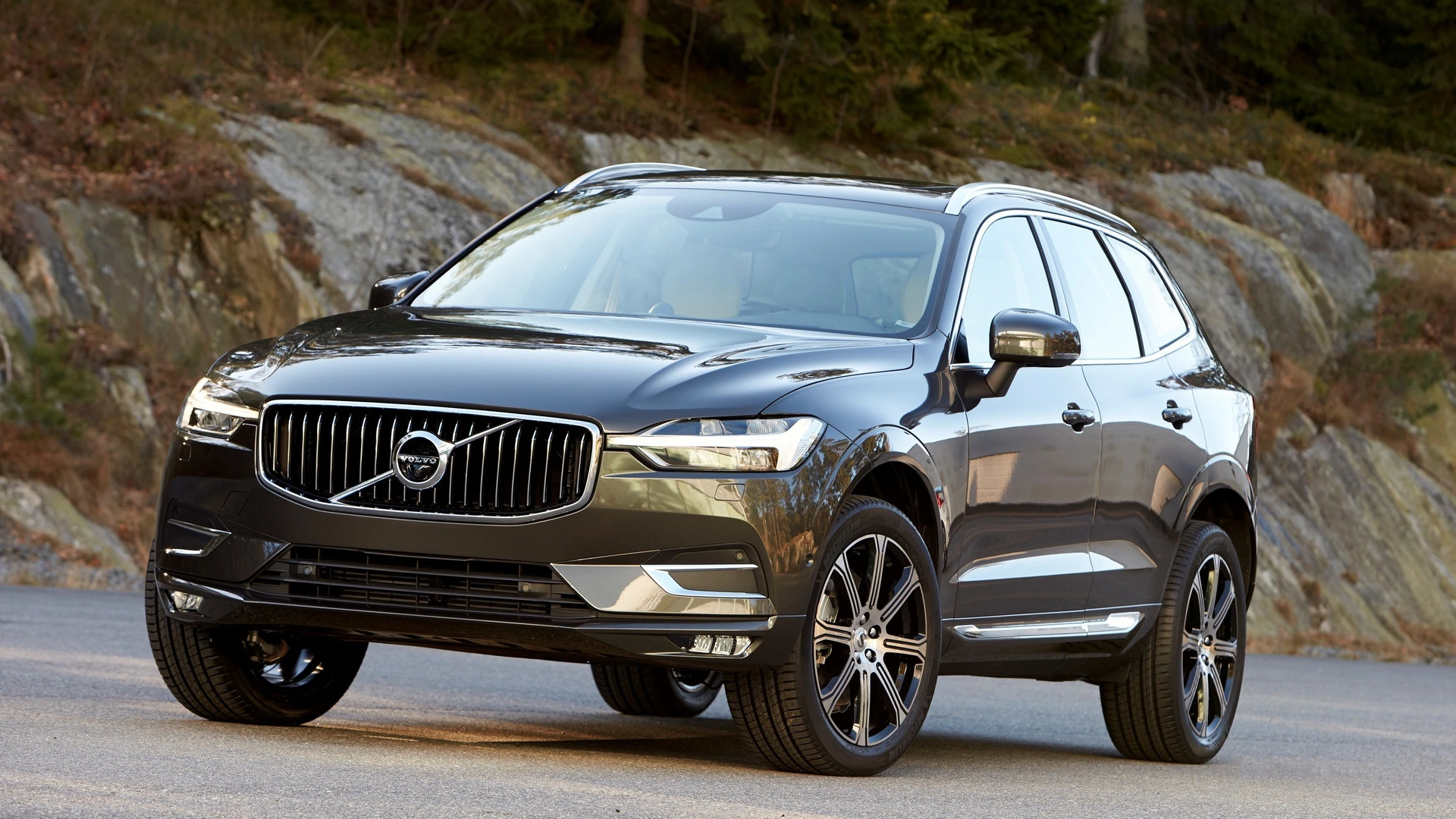
4. Volvo XC60
- Engine: 2.0L Turbocharged Inline-4
- Horsepower: 247 hp
- Torque: 258 lb-ft
- Size: 185.4 in (L) × 74.9 in (W)
Smaller than the XC90, the XC60 still carries every bit of the protective engineering that makes its larger sibling such a difficult target.
Encrypted electronic keys form the backbone of the security setup here too, working alongside a factory immobilizer that shuts down engine function unless the correct authentication sequence gets recognized. There’s no physical weak point for a thief to exploit, no obvious ignition flaw waiting to be discovered and shared online.
Compact luxury SUVs generally hold strong resale value, which sometimes makes them attractive theft targets in other markets. The XC60 avoids that fate almost entirely, thanks to security systems that make quick theft essentially impossible without specialized, expensive equipment that street-level criminals rarely possess.
Missouri insurance data mirrors national trends here. Claims tied to theft or attempted theft for the XC60 remain consistently low year after year, giving owners real financial benefits beyond just peace of mind. Lower claims frequency translates into better premium rates as time goes on, a detail savvy shoppers increasingly factor into their buying decisions.
Buyers comparing the XC60 against a Silverado or an older Sonata are, in effect, comparing two completely different risk categories, one built around modern digital security and the other still carrying vulnerabilities from a less cautious era of vehicle design.
Also Read: 5 Cars With the Highest Theft Rates in California & 5 With Lowest
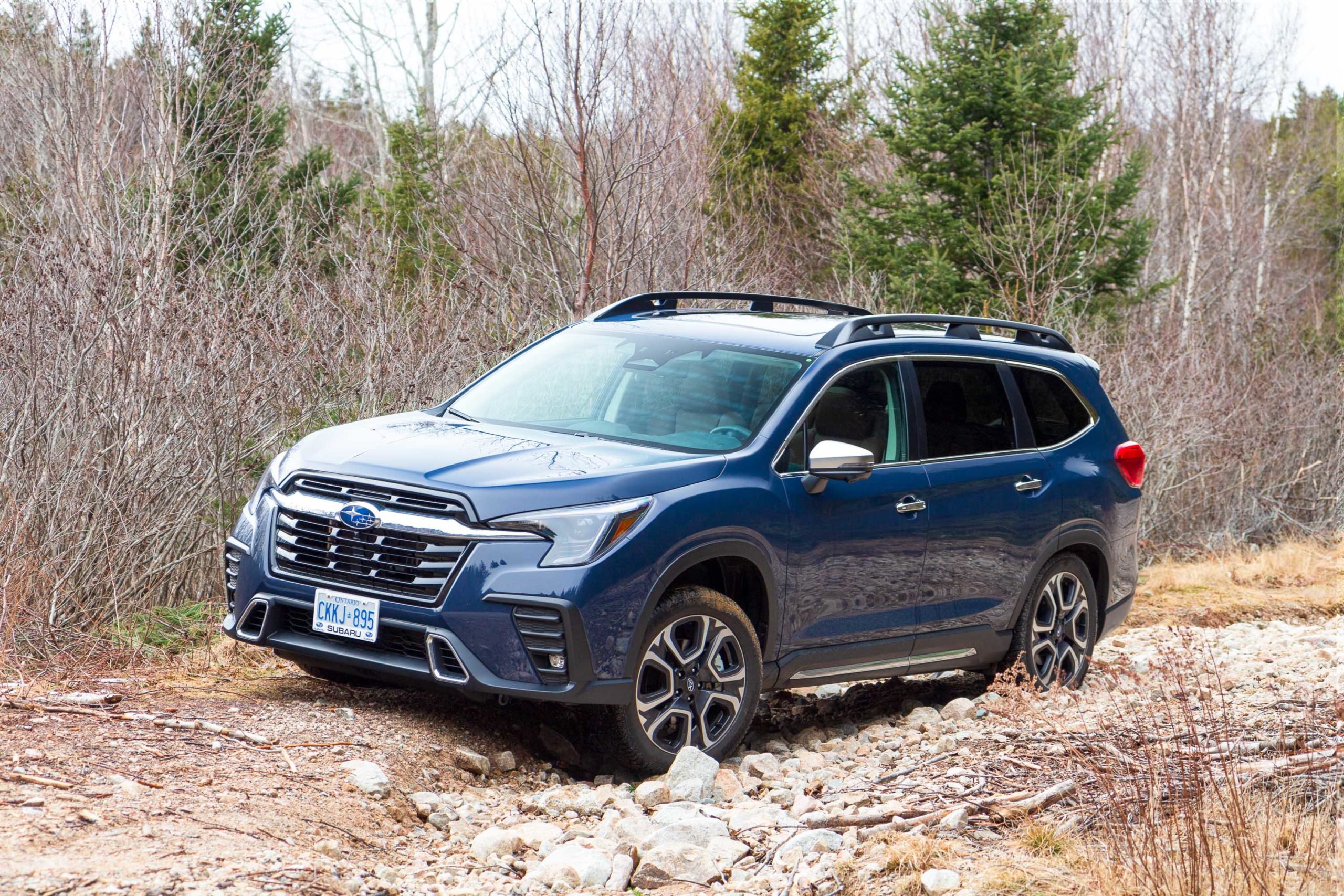
5. Subaru Ascent
- Engine: 2.4L Turbocharged Boxer-4
- Horsepower: 260 hp
- Torque: 277 lb-ft
- Size: 196.8 in (L) × 76.0 in (W)
Not every low-theft vehicle needs cutting-edge tech to earn its spot on this list, and the Ascent proves that point clearly. Every trim level ships standard with a factory engine immobilizer, a baseline protection that many mainstream competitors skipped during the very years that fueled the Elantra and Sonata theft waves.
Subaru made a consistent choice across its entire lineup, and that choice paid off in real, measurable ways. There’s also a market reality working in the Ascent’s favor. Criminal networks tend to prioritize vehicles with strong black-market demand, whether that’s sports cars prized for their engines or full-size trucks valued for easily resold parts.
Family crossovers like the Ascent simply don’t generate the same interest, making them lower-priority targets almost by default. Missouri families cross-shopping three-row SUVs often overlook theft statistics entirely, focusing instead on cargo space or fuel economy. That’s a mistake worth correcting.
The Ascent’s combination of built-in security and low criminal interest makes it one of the safer long-term ownership choices in its entire segment, according to national theft studies. Insurance premiums reflect this advantage clearly, with theft-related claims for the Ascent sitting well below the industry average for gasoline-powered family crossovers, a distinction that matters far more than most buyers realize until they experience the alternative firsthand.
