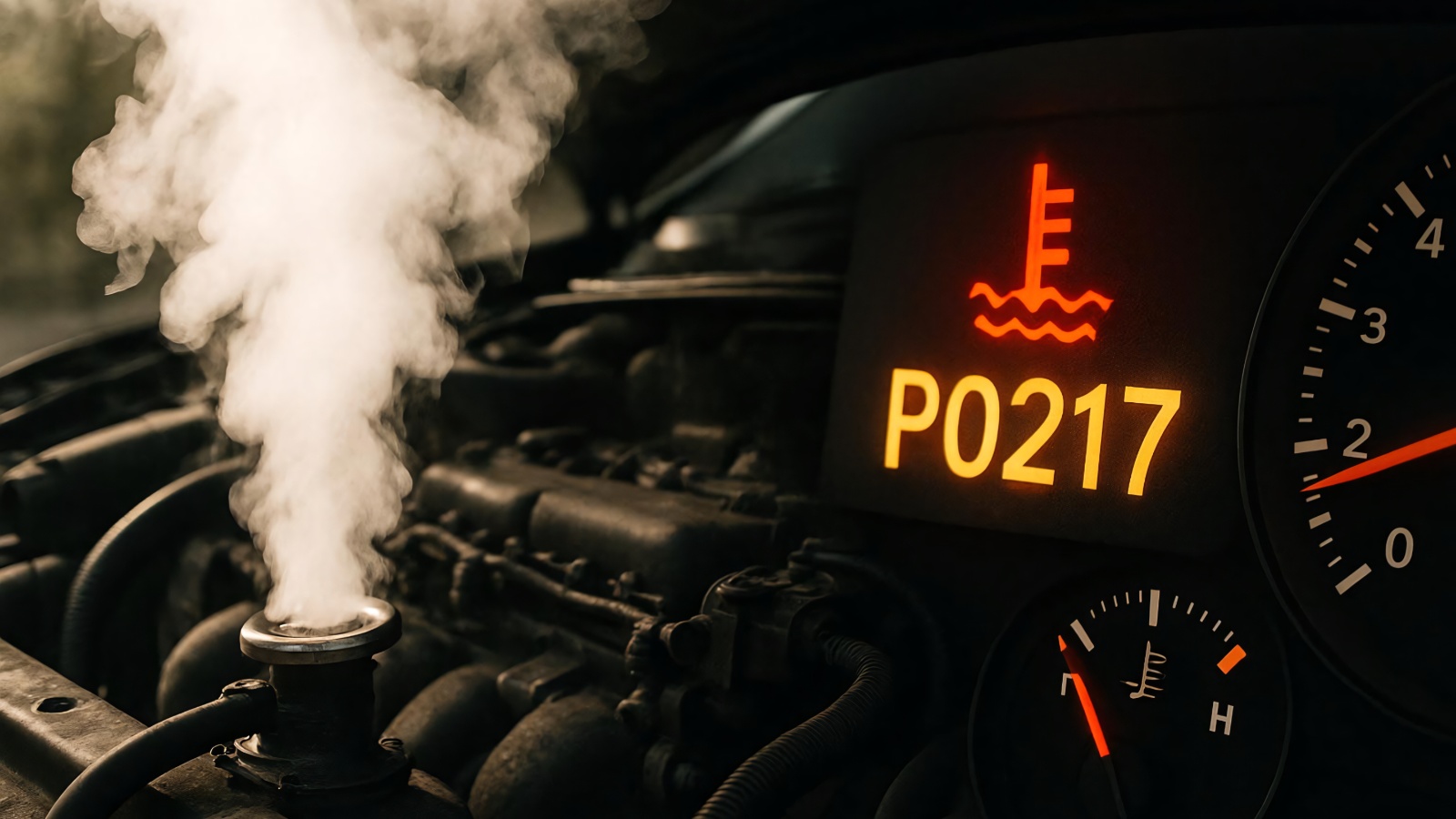
Head gasket failure remains among the most expensive engine problems a vehicle owner can face because the repair requires significant labor and careful engine inspection. A damaged gasket can allow coolant, oil, and combustion gases to mix, creating overheating issues, poor engine performance, and possible internal damage.
Some vehicles have developed stronger reputations for early head gasket problems based on owner reports, repair records, and complaint patterns. This article examines nine cars associated with head gasket concerns before 90,000 miles, using complaint density as a discussion point while explaining the engineering factors behind these failures.
Also Read: 5 Cars With the Highest Theft Rates in New York & 5 With Lowest
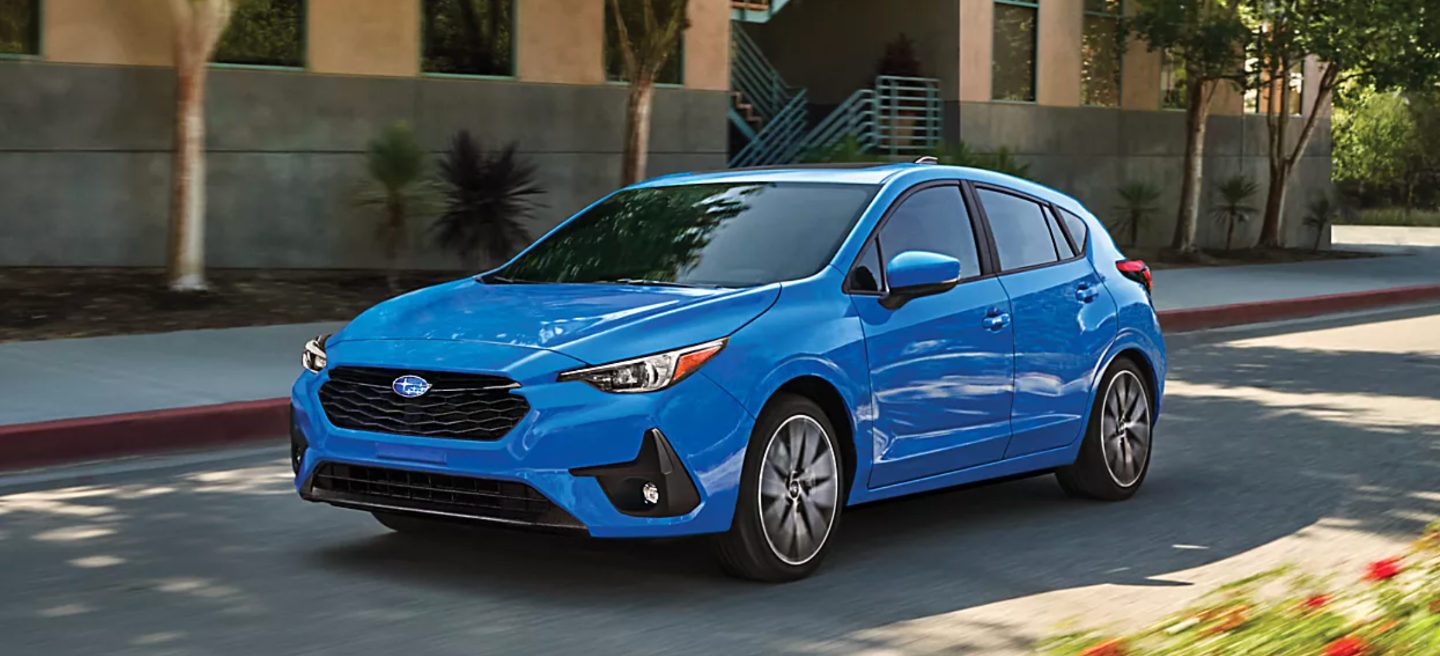
- Engine: 2.5-liter naturally aspirated flat-four (Boxer) EJ25
- Horsepower: 165 hp to 173 hp
- Torque: 166 lb-ft to 166 lb-ft
- Length: Approximately 180.3 inches
- Width: Approximately 68.5 inches
1. Subaru Impreza and Forester Models With EJ-Series Engines
Subaru vehicles equipped with certain EJ-series engines became widely discussed among owners because of head gasket concerns before reaching higher mileage. Models such as the Subaru Impreza and Subaru Forester developed a reputation for gasket failures, particularly among vehicles using the EJ25 four-cylinder engine.
The issue was connected to several factors, including gasket design, engine layout, and the operating conditions of horizontally opposed engines.
The boxer engine configuration places cylinders on opposite sides of the engine block, creating a unique design compared with traditional inline engines. Certain generations used composite-style head gaskets that were more vulnerable to long-term sealing problems.
Many affected owners reported symptoms such as coolant loss, overheating warnings, external coolant leaks, and repeated temperature fluctuations.
Some failures appeared before 90,000 miles, creating frustration because the engine itself often remained mechanically sound if the gasket issue was repaired early. Proper diagnosis became important because coolant consumption can also come from other cooling system components.
Subaru changed gasket designs in later production years and improved materials to address reliability concerns. Many newer Subaru engines have different designs and do not share the same level of reported issues.
Maintenance remains important because low coolant levels or overheating can accelerate damage even on improved engines.
The lesson from these vehicles is that early warning signs should not be ignored. Regular coolant inspections, proper thermostat operation, and immediate attention to overheating can reduce the chance of major engine damage. A vehicle with a known history of gasket concerns requires more careful ownership habits.
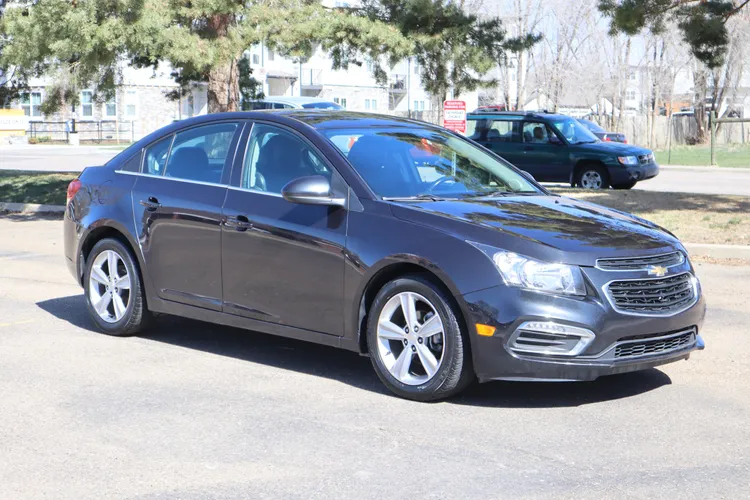
- Engine: 1.4-liter turbocharged inline-four gasoline engine
- Horsepower: 138 hp
- Torque: 148 lb-ft
- Length: Approximately 181.0 inches
- Width: Approximately 70.7 inches
2. Chevrolet Cruze 1.4L Turbo Engine Problems
The Chevrolet Cruze became known among some owners for cooling system and engine reliability complaints. While not every Cruze experienced head gasket failure, certain vehicles equipped with the 1.4-liter turbocharged engine developed problems involving coolant leaks, overheating, and related engine sealing concerns.
The turbocharged engine design created additional thermal stress compared with naturally aspirated engines. Turbo systems increase operating temperatures because exhaust energy is used to compress intake air. When cooling components develop leaks or fail to manage heat effectively, engine temperatures can rise quickly.
Some owner reports described coolant loss from components around the engine, including the water outlet housing, coolant reservoir, and other plastic cooling parts.
If coolant loss continues without correction, overheating may damage the head gasket or cylinder head. This means some gasket failures may be connected to cooling system problems rather than the gasket alone.
Complaint patterns for vehicles like the Cruze highlight the importance of separating the original failure from the resulting damage. A leaking coolant component may start the problem, while continued driving creates conditions that damage the gasket. Owners who respond quickly often avoid major engine repairs.
The Cruze remains a popular compact car because of its fuel economy and comfortable driving characteristics. Buyers considering used examples should review maintenance records carefully, check cooling system repairs, and look for evidence of previous overheating incidents before purchasing.
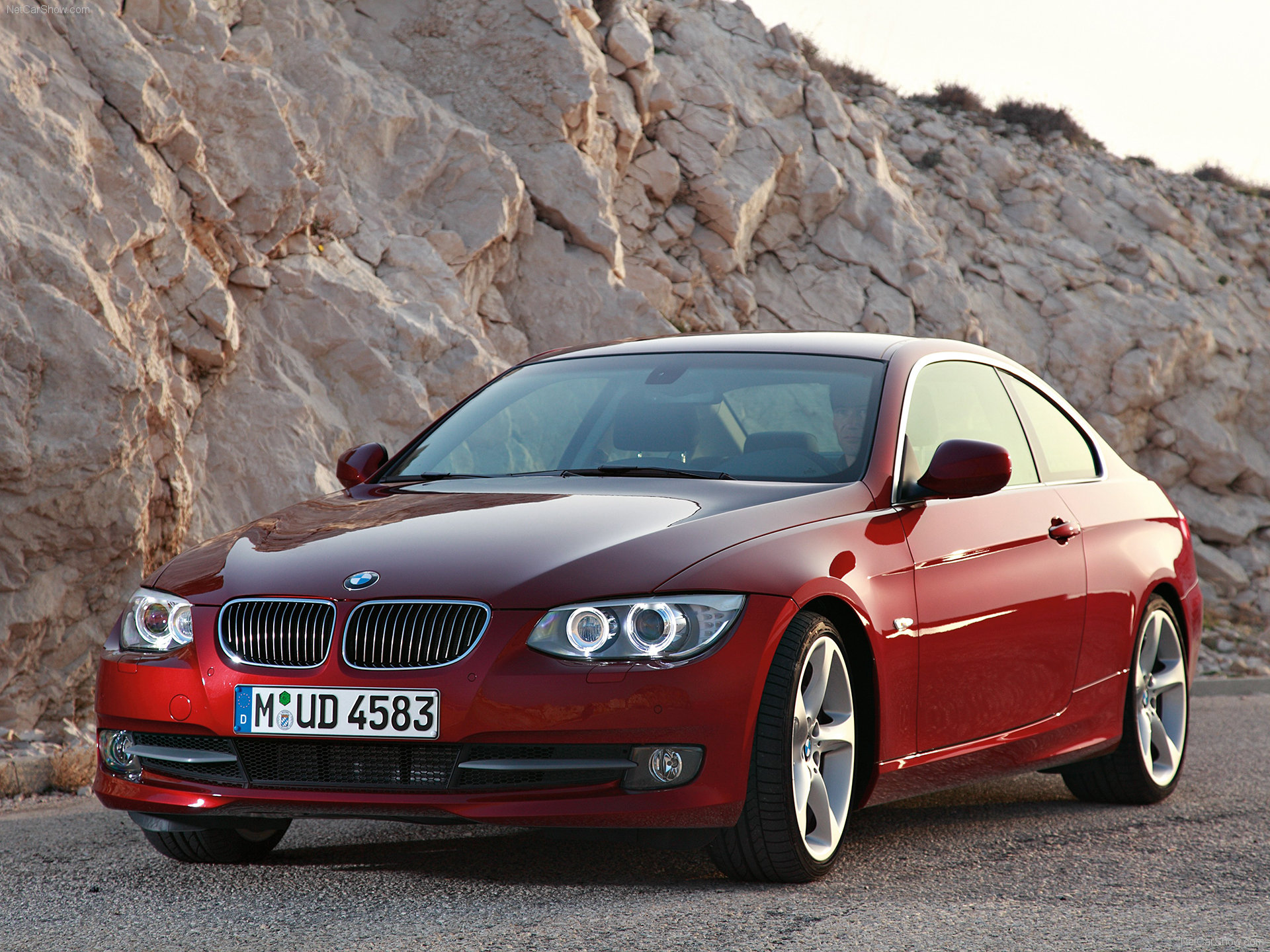
- Engine: 2.0-liter turbocharged inline-four (N20 engine)
- Horsepower: 180 hp to 240 hp depending on variant
- Torque: 200 lb-ft to 255 lb-ft
- Length: Approximately 182.3 inches
- Width: Approximately 71.3 inches
3. BMW 3 Series With Certain Four-Cylinder Engines
Certain generations of the BMW 3 Series have received owner complaints involving cooling system failures and engine temperature problems. BMW engines often use advanced materials and tight operating tolerances, which means cooling system performance is especially important.
A head gasket problem in a BMW can develop after overheating caused by failures in components such as electric water pumps, thermostats, or cooling system parts. These vehicles are engineered for performance, but their complexity can increase repair costs when problems occur.
Some owners reported major engine repairs at mileage levels below what many expected from a premium vehicle. The combination of expensive labor rates and complex engine designs can make even a relatively small overheating event financially significant.
BMW has produced many reliable engines, and not every vehicle from these years experiences gasket issues. Maintenance history strongly influences long-term durability. Vehicles that receive timely coolant service and repairs generally have better outcomes than neglected examples.
Used-car buyers should pay attention to cooling system records, temperature warnings, coolant smell, and previous engine repairs. A detailed inspection can help identify whether a vehicle has experienced overheating before purchase.
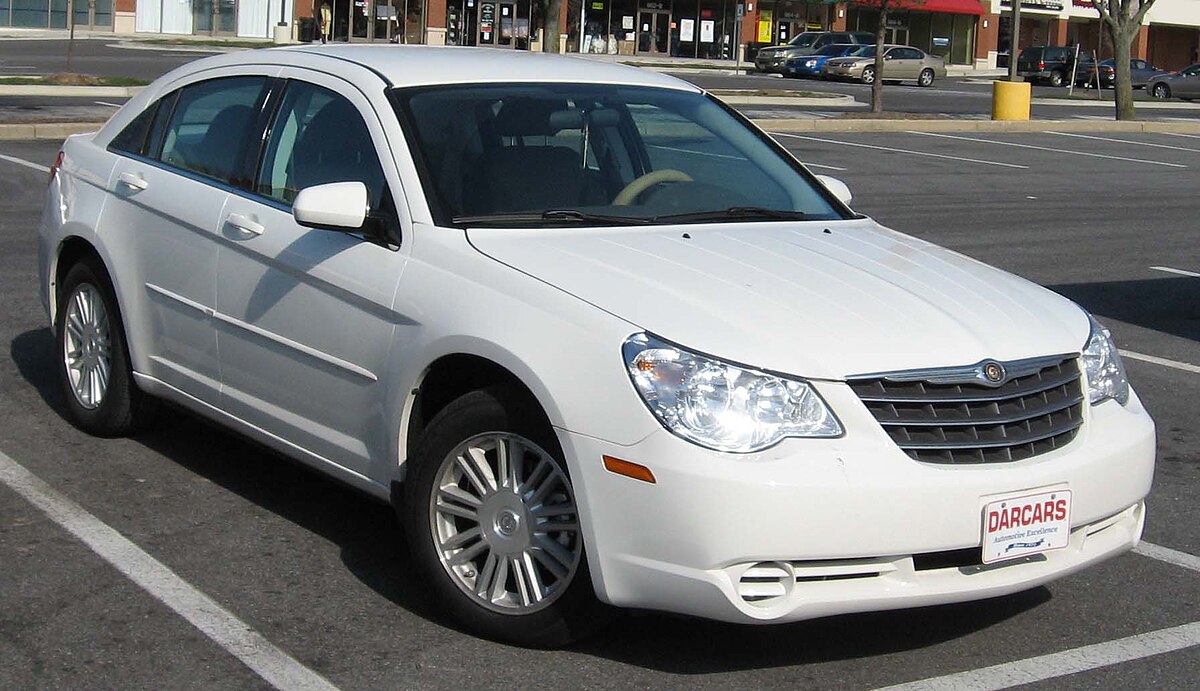
- Engine: 2.4-liter inline-four or 2.7-liter V6 depending on version
- Horsepower: 150 hp to 190 hp
- Torque: 167 lb-ft to 191 lb-ft
- Length: Approximately 190.6 inches
- Width: Approximately 71.0 inches
4. Chrysler Sebring With Known Engine Cooling Concerns
The Chrysler Sebring appeared in owner complaint discussions involving several engine reliability concerns, including overheating-related problems that could contribute to head gasket damage. Some versions of the vehicle experienced issues connected to cooling system performance and engine durability.
When an engine repeatedly overheats, the cylinder head can warp and reduce the gasket’s ability to maintain a proper seal. Aluminum cylinder heads are especially sensitive to extreme temperatures because they can change shape when exposed to severe heat.
Owners experiencing gasket-related symptoms often noticed coolant disappearing without visible leaks, engine misfires, poor acceleration, or white smoke from the exhaust. These signs require immediate inspection because continuing to drive can increase repair costs.
The Sebring was produced during a period when many manufacturers were balancing cost, fuel economy, and production efficiency. Some engines performed well with proper maintenance, while others developed reputations based on repeated owner experiences.
A used Sebring requires careful evaluation. Maintenance records, cooling system condition, and evidence of previous repairs provide valuable information before making a buying decision.
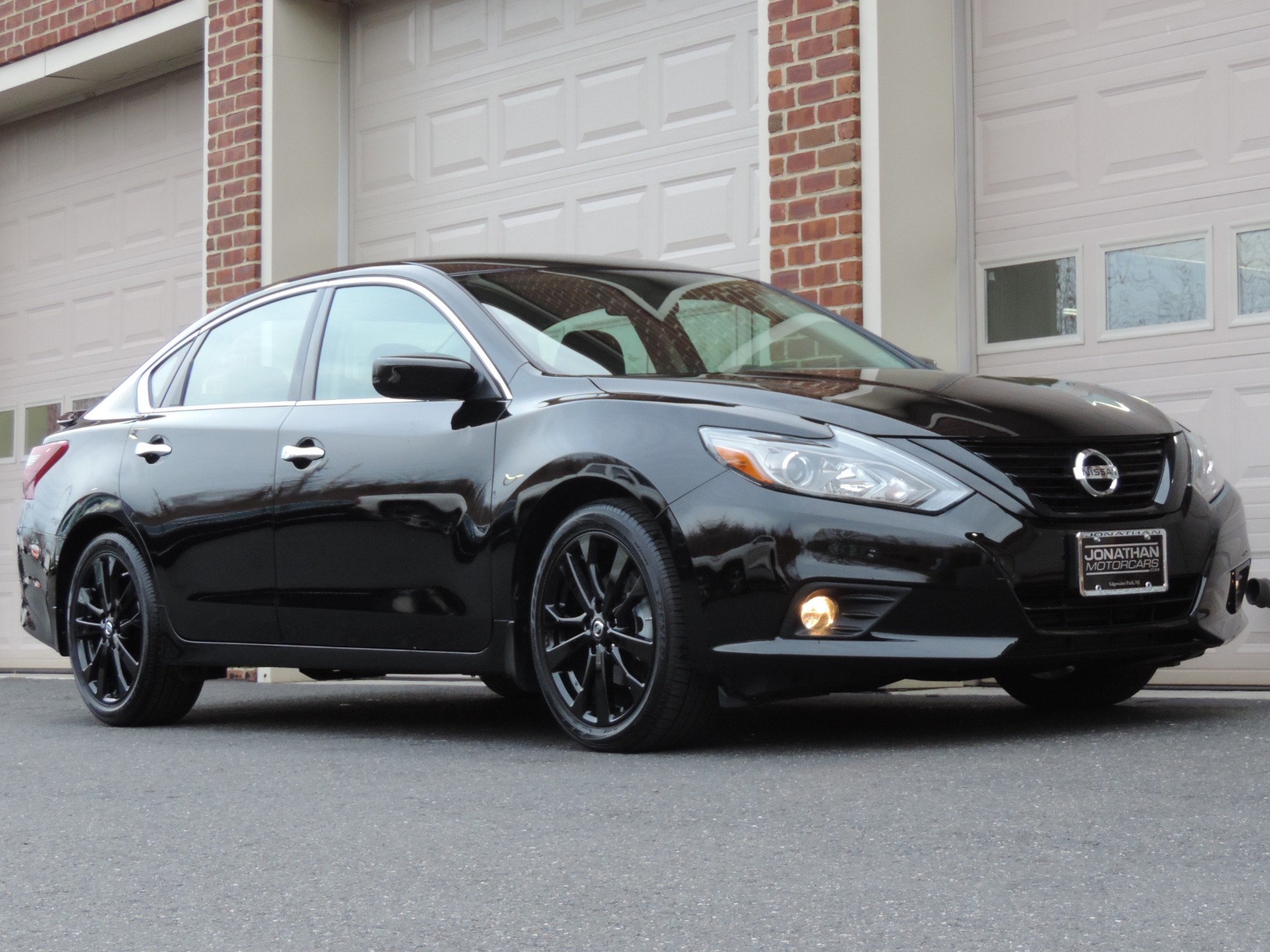
- Engine: 2.5-liter inline-four QR25DE
- Horsepower: 175 hp to 182 hp
- Torque: 180 lb-ft to 180 lb-ft
- Length: Approximately 190.6 inches
- Width: Approximately 70.7 inches
5. Nissan Altima With Certain Four-Cylinder Engine Concerns
The Nissan Altima has been a popular midsize sedan because of its spacious interior, comfortable ride, and strong sales numbers. Some versions, however, have appeared in owner complaint discussions involving overheating events and engine-related failures that can lead to head gasket damage.
The head gasket itself is designed to withstand thousands of combustion cycles while maintaining separation between engine fluids and cylinder pressure. When cooling problems develop, the gasket becomes vulnerable. Low coolant levels, damaged cooling components, or repeated overheating can create enough stress to weaken the seal.
Some Altima owners reported symptoms such as coolant loss, engine temperature increases, rough running, and reduced performance. These signs can appear before complete gasket failure, giving owners an opportunity to address the issue before more severe internal damage occurs.
Complaint density is important when reviewing vehicles like the Altima because the model was produced in large numbers. A high complaint count does not necessarily mean every example is unreliable, but repeated reports can help identify patterns worth investigating. Vehicles with poor maintenance histories are more likely to experience major engine problems.
For used-car shoppers, service documentation is especially valuable. Records showing regular coolant replacement, cooling system repairs, and proper engine maintenance can separate a dependable example from a vehicle with hidden problems.
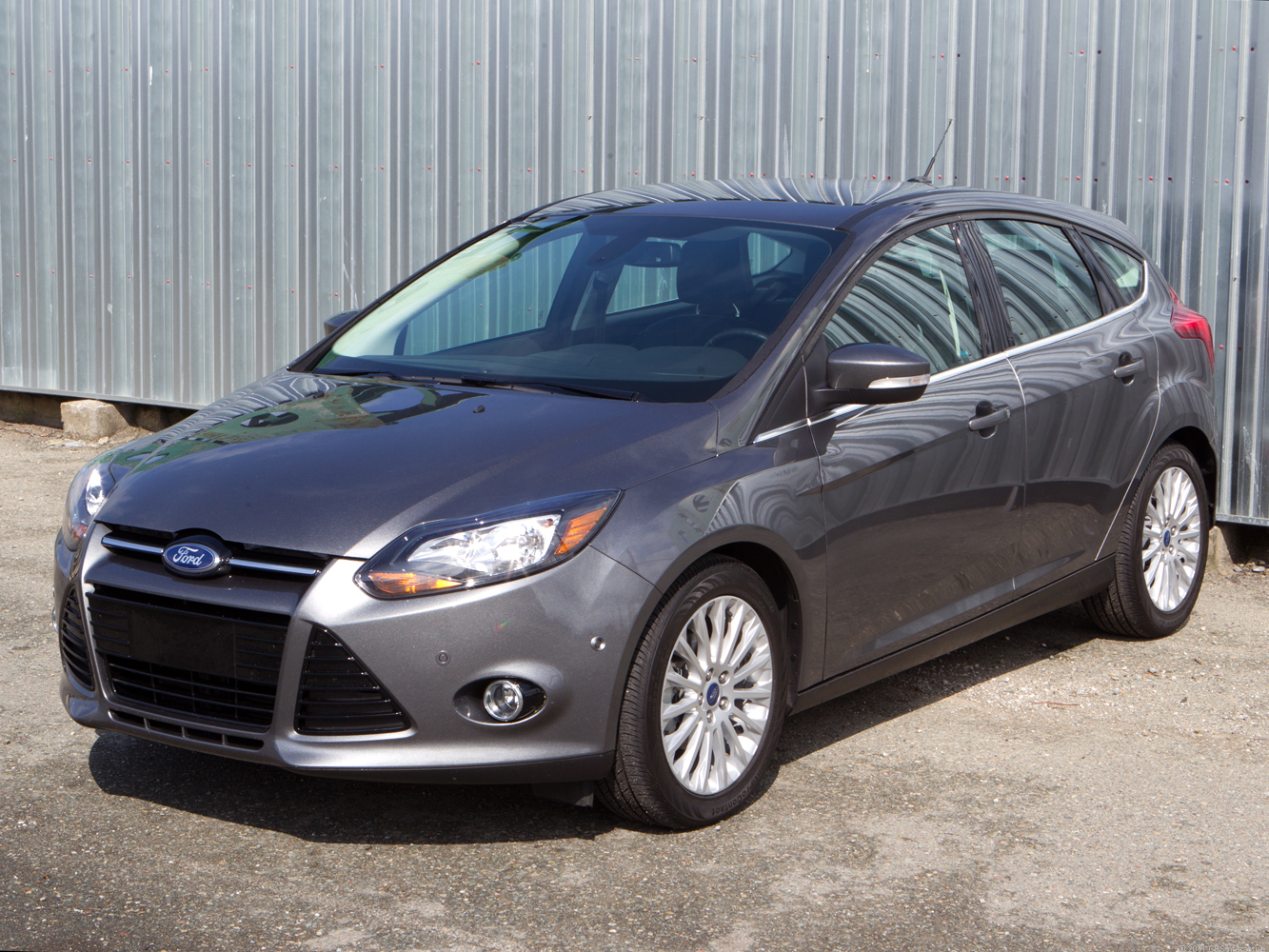
- Engine: 2.0-liter Duratec inline-four
- Horsepower: 140 hp to 143 hp
- Torque: 136 lb-ft to 136 lb-ft
- Length: Approximately 175.0 inches
- Width: Approximately 66.7 inches
6. Ford Focus With Cooling-Related Engine Problems
The Ford Focus has been widely recognized as an affordable compact car, but some owners have reported engine reliability concerns connected to overheating and cooling system issues. While transmission complaints received significant attention for certain Focus years, engine-related concerns have also appeared in owner discussions.
A head gasket failure usually develops after the engine experiences conditions that exceed normal operating limits. Cooling system failures can allow temperatures to rise beyond safe levels, placing pressure on the gasket and cylinder head. Once the sealing surface becomes damaged, coolant and combustion gases may begin mixing.
Owners experiencing possible gasket problems may notice overheating warnings, coolant smell, unusual exhaust smoke, or repeated coolant refills. These symptoms should not be ignored because a minor cooling issue can become a major engine repair if the vehicle continues operating at high temperatures.
The Focus used various engines across different model years, meaning reliability can vary significantly depending on production year, engine option, and maintenance history. A broad complaint pattern does not mean every vehicle shares the same failure risk.
A careful inspection before purchase can reveal many warning signs. Checking coolant condition, reviewing repair records, and performing a compression or cooling system test when necessary can help identify potential problems.

- Engine: 2.0-liter turbocharged inline-four TSI
- Horsepower: 200 hp
- Torque: 207 lb-ft
- Length: Approximately 188.2 inches
- Width: Approximately 71.7 inches
7. Volkswagen Passat With Engine Sealing Concerns
The Volkswagen Passat has earned praise for its driving experience and interior quality, but some generations have been associated with complex engine repairs and cooling system concerns. European vehicles often use advanced engineering solutions, which can create expensive repair situations when components fail.
Some Passat engines have experienced problems related to cooling system operation, oil consumption, and overheating events. Since the head gasket depends on stable engine temperatures, any failure that causes excessive heat can increase the chance of gasket damage.
Owners may initially notice symptoms that appear unrelated to the gasket itself. A small coolant leak, temperature fluctuation, or warning light may seem minor, but continued operation can create conditions where the gasket no longer maintains a proper seal.
Repair costs can be higher for vehicles with complicated engine layouts because diagnosis and labor require specialized knowledge. This has contributed to frustration among some owners who expected premium features without premium repair expenses.
A used Passat can still be a good purchase when properly maintained. Buyers should focus on documented service history, cooling system condition, and whether previous owners followed recommended maintenance schedules.

- Engine: 2.3-liter turbocharged inline-four MZR DISI
- Horsepower: 244 hp to 244 hp
- Torque: 258 lb-ft
- Length: Approximately 184.3 inches
- Width: Approximately 73.7 inches
8. Mazda CX-7 With Turbo Engine Heat Issues
The Mazda CX-7 introduced a sporty character to the midsize crossover segment. Certain turbocharged versions, however, became known for higher operating temperatures and engine-related concerns that could contribute to serious repairs.
Turbocharged engines require careful management of heat because the turbocharger operates using extremely hot exhaust gases. The additional thermal load places greater importance on proper oil quality, cooling system operation, and regular maintenance.
When turbocharged engines experience overheating or lubrication problems, internal components can suffer stress. In severe situations, gasket failure may occur as the engine struggles to maintain proper sealing between the cylinder head and engine block.
Some owners reported problems involving coolant loss, engine warning lights, and expensive repairs. These complaints helped create concerns about long-term ownership costs for certain CX-7 models, particularly those with neglected maintenance histories.
The CX-7 demonstrates why engine design and maintenance requirements must be considered together. A performance-oriented engine can provide strong driving characteristics, but it may require more attention compared with simpler naturally aspirated designs.
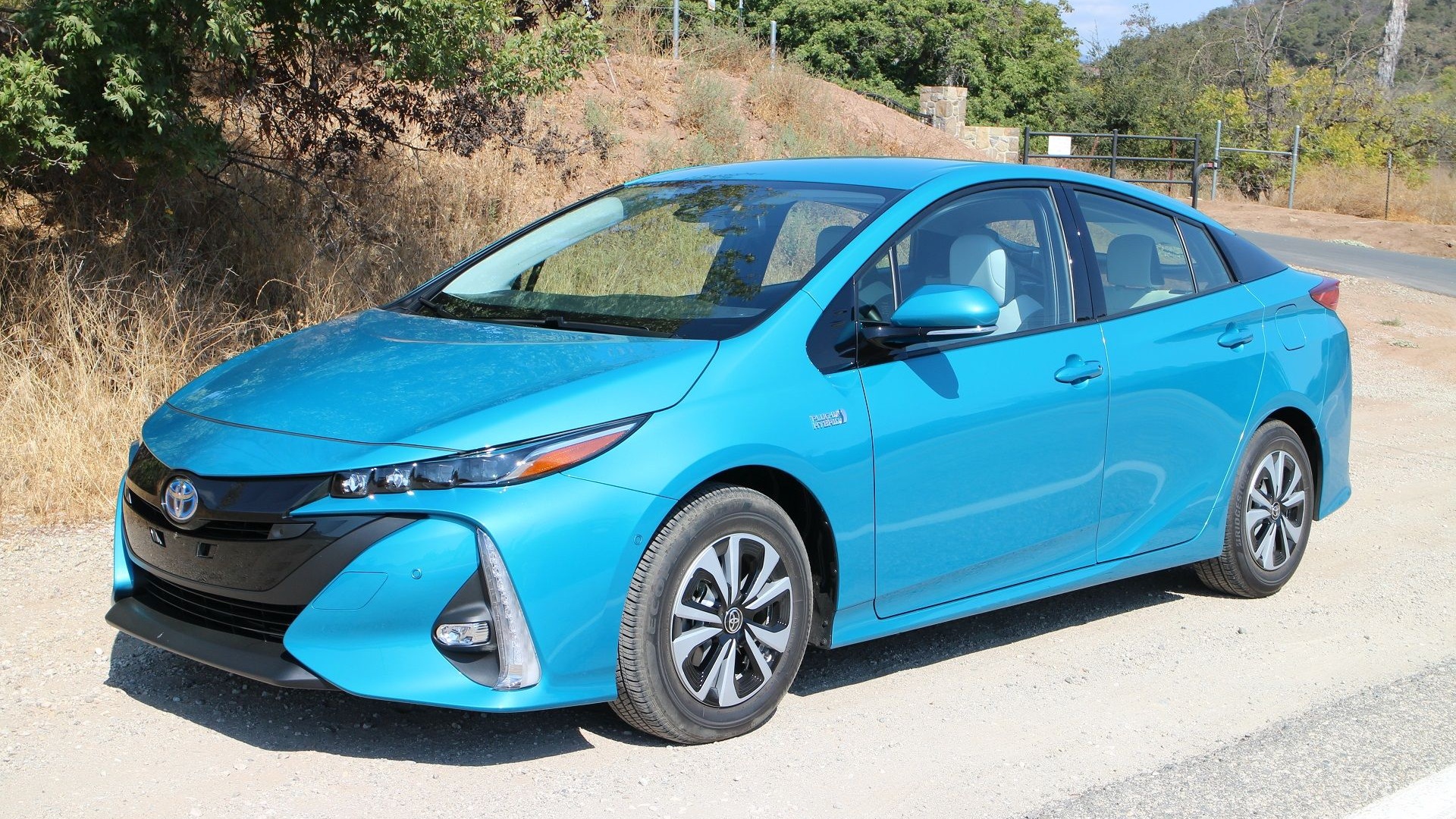
- Engine: 1.8-liter inline-four Atkinson-cycle gasoline engine with hybrid system
- Horsepower: 98 hp (engine only), 134 hp combined system output
- Torque: 105 lb-ft (engine torque)
- Length: Approximately 175.4 inches
- Width: Approximately 68.7 inches
9. Toyota Prius With Cooling System and Engine Seal Complaints
The Toyota Prius is known for fuel efficiency and long-term durability, but certain model years developed owner complaints involving engine-related problems, including head gasket failures at mileage levels lower than many Toyota owners expected.
The third-generation Prius used the 1.8-liter engine, which generally has a strong reputation. However, some vehicles developed issues involving exhaust gas recirculation system buildup, rough running, and overheating conditions that could contribute to gasket damage.
Many affected owners reported symptoms such as shaking during startup, coolant loss, engine misfires, and unusual noises. These warning signs often appeared before complete engine failure, making early diagnosis important.
The Prius example demonstrates that even highly regarded vehicles can develop specific issues in certain model years. A strong reputation for reliability should not replace careful research into individual generations, known problems, and recommended maintenance needs.
Used Prius buyers should review service records carefully. Regular oil changes, cooling system inspections, and repairs completed according to manufacturer recommendations can significantly influence long-term engine performance.
Also Read: 5 Cars With the Highest Theft Rates in California & 5 With Lowest